
Pressure Forming vs Vacuum Forming: Key Differences for Manufacturing

Reading Time: ( Word Count: )

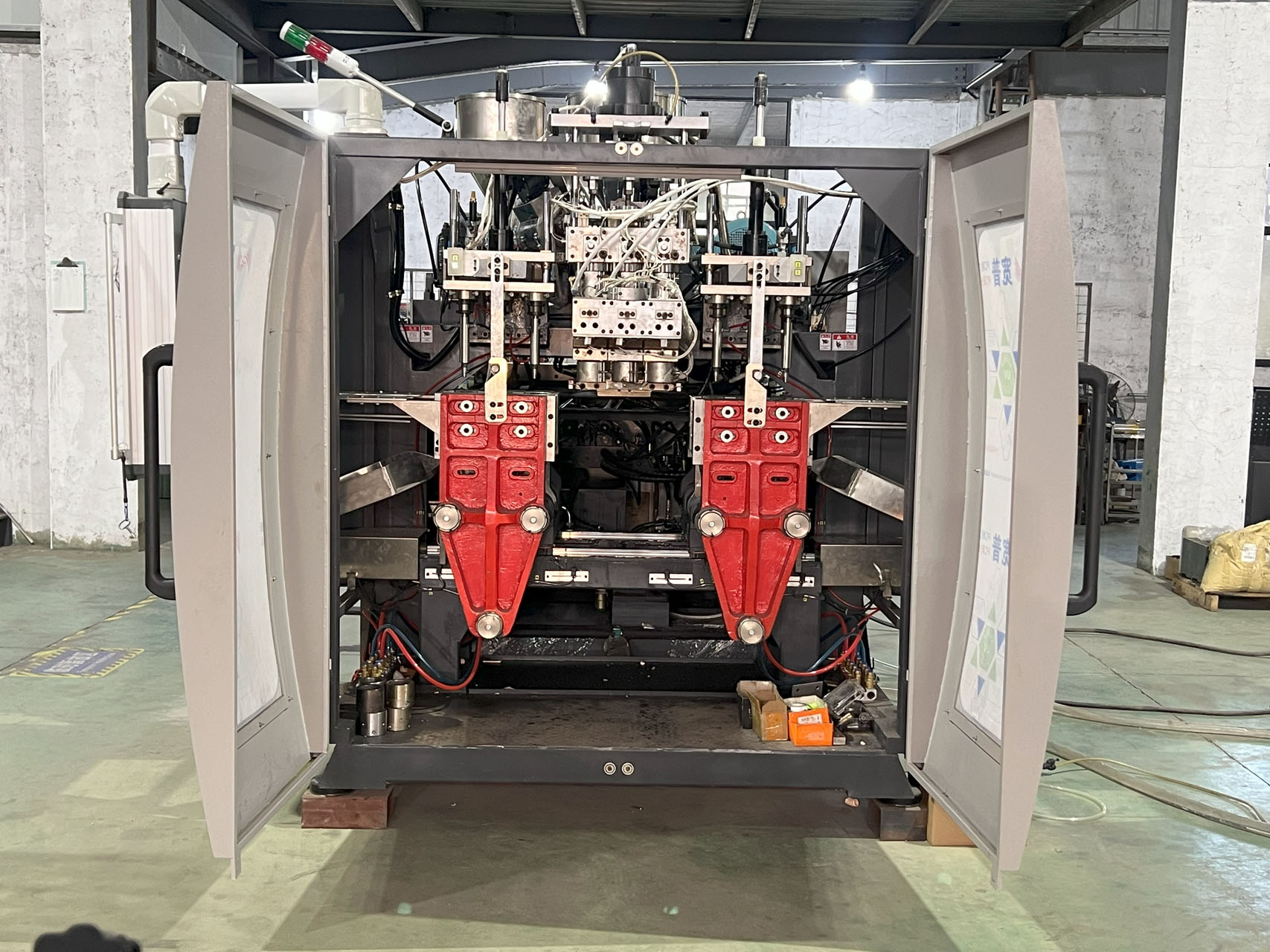
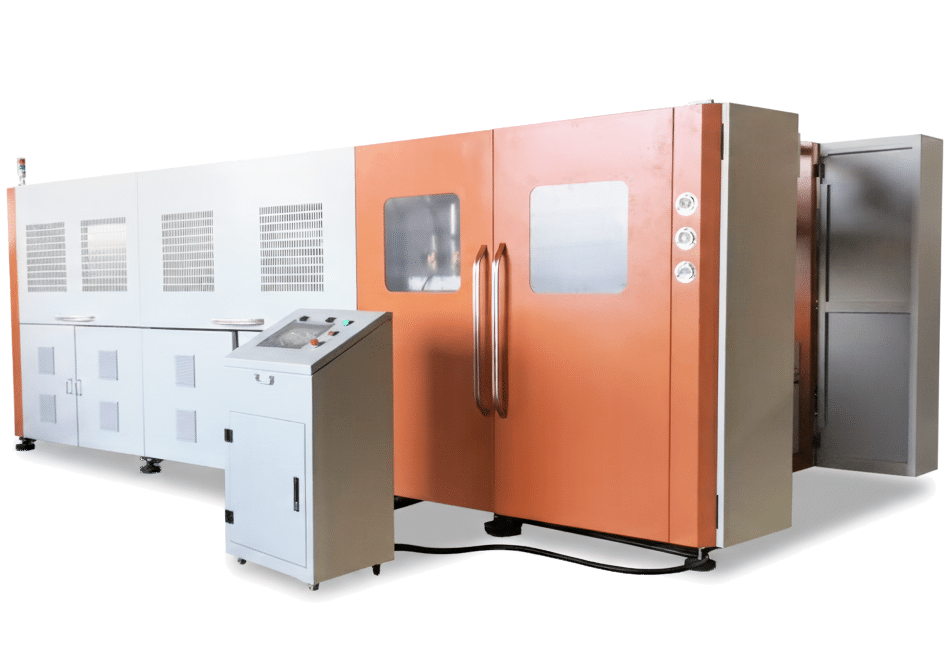
Inside LEKA Machinery direct-clamp extrusion blow molding machine forming station.

31 January, 2025

Introduction

Choosing between pressure forming and vacuum forming can make or break your product quality and budget. While vacuum forming offers a “no-brainer” solution for simple, high-volume parts, pressure forming delivers unmatched precision for demanding applications like automotive panels and medical equipment – but at what cost?

As manufacturers specializing in plastic forming solutions, we’ve seen how this critical decision impacts everything from surface finish quality to long-term tooling expenses. This guide breaks down the key differences in tolerances, material options, and cost structures to help you select the optimal thermoforming process for your specific needs.

HDL-1L1S

Introduction to Thermoforming: Pressure vs. Vacuum Forming

Thermoforming is a popular manufacturing process where plastic sheets are heated to a pliable temperature, formed into a specific shape, and trimmed to create usable products. It’s widely used in industries like packaging, automotive, and consumer goods. Two of the most common thermoforming techniques are pressure forming and vacuum forming. Understanding the differences between these methods helps manufacturers choose the best option for their needs.

“Pressure forming offers superior detail and finish compared to vacuum forming, making it ideal for high-end applications where aesthetics matter.”

What is Thermoforming?

Thermoforming involves heating a plastic sheet until it becomes flexible, then shaping it using a mold. The process is efficient and cost-effective, making it a go-to for producing items like food containers, medical packaging, and automotive parts. The two main methods—pressure forming and vacuum forming—differ in how they shape the plastic, impacting the final product’s quality and cost.

Defining Pressure Forming: Key Characteristics and Advantages

Pressure forming uses compressed air to push the heated plastic sheet into the mold, creating sharper details and smoother finishes. This method is perfect for products requiring high precision, like electronic housings or medical devices. Pressure forming also allows for textured surfaces and undercuts, giving designers more creative freedom. While it’s more expensive than vacuum forming, the improved quality often justifies the cost.

Understanding Vacuum Forming: Basic Principles and Use Cases

Vacuum forming relies on suction to pull the plastic sheet onto the mold. It’s simpler and cheaper than pressure forming, making it a ride-or-die choice for large-scale production of items like disposable cups or packaging trays. However, it lacks the fine detail and finish of pressure forming, which can be a dealbreaker for high-end applications.

Why Compare These Two Methods?

Choosing between pressure forming and vacuum forming depends on your project’s needs. If budget and speed are priorities, vacuum forming is the way to go. But if quality and detail matter more, pressure forming is worth the investment. Manufacturers must weigh these factors to optimize production efficiency and product quality.

Thermoforming Methods Comparison

FeaturePressure FormingVacuum FormingBest ForCost
Detail LevelHighMediumPremium productsHigher
Surface FinishSmoothStandardAesthetic-focused itemsHigher
Production SpeedModerateFastHigh-volume ordersLower
Tooling CostHighLowBudget-conscious projectsLower
Material WasteLowMediumSustainable manufacturingHigher

Featured Image Reference: A side-by-side comparison of pressure-formed and vacuum-formed plastic parts, highlighting differences in detail and finish.

Process Comparison: How Pressure and Vacuum Forming Work

Understanding the technical processes behind pressure forming and vacuum forming is crucial for manufacturers choosing between these thermoforming techniques. Both methods create high-quality plastic parts, but their operational differences significantly impact production outcomes.

“While vacuum forming excels in speed, the pressure forming process delivers superior detail and finish for premium applications.”

Step-by-Step Pressure Forming Process

The pressure forming process begins with heating a plastic sheet until pliable. Compressed air (typically 50-100 psi) then forces the material into the mold cavity, creating sharp details and smooth surfaces. This method allows for complex geometries and textured finishes, making it ideal for visible components like automotive interiors or electronic enclosures.

Step-by-Step Vacuum Forming Process

Vacuum forming follows similar initial steps but uses suction (about 14-28 psi) to draw the heated plastic onto the mold. This simpler approach works well for basic shapes like packaging trays or disposable containers. While faster and more economical, it can’t match the precision of pressure forming for intricate designs.

Key Differences in Pressure Application

The fundamental distinction lies in force application. Pressure forming’s compressed air creates 3-5 times greater forming force than vacuum forming, enabling:

  • Thinner material walls (down to 0.020″)
  • Sharper corner radii (as tight as 0.030″)
  • Consistent material distribution

Production Speed Comparison

MetricPressure FormingVacuum FormingImpact
Cycle Time45-90 seconds20-40 secondsHigher throughput
Mold Cost$5,000-$50,000$1,000-$10,000Lower startup cost
Part Detail±0.005″ tolerance±0.030″ tolerancePrecision applications
Annual Volume10,000-100,00050,000-500,000+Mass production

When deciding how to choose between pressure and vacuum forming, consider both technical requirements and business factors. Pressure forming justifies its higher cost for premium products, while vacuum forming dominates high-volume commodity production.

Featured Image Reference: Diagram comparing pressure forming (left) and vacuum forming (right) processes with callouts highlighting key operational differences.

Material and Tooling Considerations

Choosing between pressure forming and vacuum forming requires careful evaluation of material compatibility and tooling requirements. These factors significantly impact both production quality and long-term operational costs for custom thermoforming solutions.

“While vacuum forming works with economical materials, pressure forming unlocks premium plastic options for demanding applications.”

Best Materials for Pressure Forming

The pressure forming process excels with engineering-grade thermoplastics like ABS, polycarbonate, and acrylic. These materials withstand the higher pressures (50-100 psi) while delivering exceptional detail reproduction. Common applications for pressure forming in manufacturing include automotive components, medical device housings, and consumer electronics – all benefiting from these materials’ strength and finish quality.

Materials Suitable for Vacuum Forming

Vacuum forming typically uses more economical materials like PETG, HIPS, and PVC. While these plastics work well for packaging and disposable items, they can’t match the structural integrity or surface finish possible with pressure forming. The ride-or-die advantage here is lower material costs for high-volume production.

Tooling Cost and Durability Comparison

FactorPressure FormingVacuum FormingConsiderations
Mold MaterialMachined aluminum/steelAluminum/compositeDurability vs. cost
Initial Cost$5,000-$50,000$1,000-$10,000ROI calculation
Tool Life100,000+ cycles50,000 cyclesLong-term savings
MaintenanceAnnual refurbishmentReplacement commonDowntime impact

Featured Image Reference: Side-by-side comparison of pressure forming (left) and vacuum forming (right) tooling with callouts highlighting material and construction differences.

Quality and Application Differences

When comparing pressure forming and vacuum forming, the quality outcomes and ideal applications differ significantly. Pressure forming delivers superior molded details in pressure forming applications, while vacuum forming excels in high-volume production of simpler components.

“Pressure forming achieves surface finishes comparable to injection molding, making it ideal for visible components where aesthetics matter.”

Surface Finish and Detail Precision

The pressure forming process creates high-quality plastic parts with exceptional detail reproduction (down to ±0.005″ tolerances) and Class A surface finishes. This makes it perfect for automotive interior panels, medical device housings, and consumer electronics where appearance and precision are critical.

Structural Integrity Comparison

Pressure formed parts demonstrate:

  • 30-50% greater impact resistance
  • More consistent wall thickness
  • Better dimensional stability

These advantages justify the higher cost for demanding applications.

Industry Applications Comparison

IndustryPressure FormingVacuum Forming
AutomotiveInterior panels, consolesUnderbody shields
MedicalDevice housings, surgical traysDisposable packaging
ElectronicsEnclosures, control panelsProtective covers
PackagingPremium retail displaysBlister packs, clamshells

The difference between pressure forming and vacuum forming becomes most apparent in these real-world applications. While vacuum forming dominates high-volume, low-detail production, pressure forming creates premium components where quality justifies the investment.

Featured Image Reference: Side-by-side comparison of pressure formed (left) and vacuum formed (right) automotive components highlighting surface finish differences.

Decision-Making Guide: Choosing the Right Method

Selecting between pressure forming and vacuum forming requires careful evaluation of your project requirements. This guide helps manufacturers navigate thermoforming techniques to make informed decisions that balance quality and cost.

“Pressure forming delivers superior results for premium applications, while vacuum forming excels in high-volume production of simpler components.”

Cost-Benefit Analysis

The pressure forming process justifies its higher cost when projects demand:

  • Exceptional surface finishes
  • Tight tolerances (±0.005″)
  • Complex geometries

For automotive interiors or medical devices, these benefits often outweigh the additional expense.

When Vacuum Forming Wins

Vacuum forming proves more economical for:

  • High-volume production (50,000+ units)
  • Simple part geometries
  • Disposable or short-lifecycle products

Its faster cycle times and lower tooling costs make it ideal for packaging applications.

Decision Checklist

FactorPressure FormingVacuum Forming
Annual Volume10,000-100,00050,000+
Part ComplexityHighLow-Medium
Surface FinishClass AStandard
BudgetHigherLower

Understanding how to choose between pressure and vacuum forming ensures optimal results for your specific application. As thermoforming technology evolves, new hybrid solutions may offer additional options for manufacturers seeking the perfect balance of quality and efficiency.

Featured Image Reference: Flowchart diagram showing decision points between pressure forming and vacuum forming with key criteria.

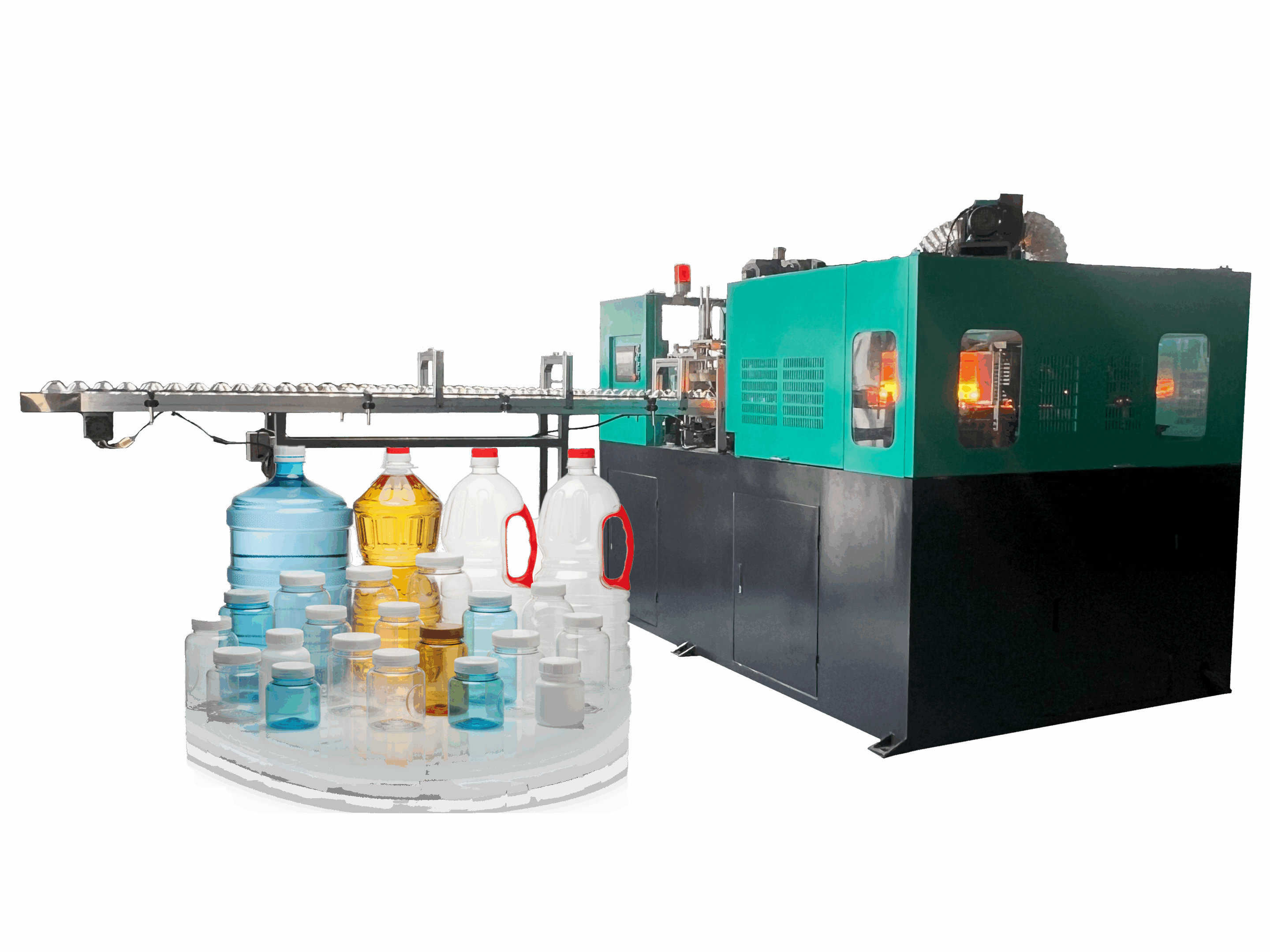
lekamachine Blow Molding Machine

Conclusion

After years in the thermoforming industry, I’ve learned that choosing between pressure and vacuum forming isn’t just about specs—it’s about matching the process to your product’s **”make-or-break”** requirements. Pressure forming delivers the precision and finish that premium applications demand, while vacuum forming keeps high-volume production lean and cost-effective.

The right choice boils down to your priorities: Is it flawless aesthetics and tight tolerances, or speed and scalability? There’s no one-size-fits-all answer, but understanding these trade-offs ensures you invest wisely—whether you’re molding medical devices or snack trays.

At the end of the day, the best thermoforming method is the one that aligns with your product’s purpose and your bottom line. Get that balance right, and you’re golden.

FAQ


  • Q1: What is pressure forming?

    A1: Pressure forming is a thermoforming process that utilizes both vacuum and air pressure to shape heated thermoplastic sheets into detailed components with high surface quality. This method enables the creation of parts that often resemble those produced by injection molding.

  • Q2: How does pressure forming differ from vacuum forming?

    A2: In pressure forming, positive air pressure is applied to force heated plastic against a mold, ensuring greater detail and surface texture. In contrast, vacuum forming relies solely on vacuum suction to draw the sheet against the mold, which may limit detail in complex shapes.

  • Q3: What applications are best suited for pressure forming?

    A3: Pressure forming is ideal for producing high-quality plastic parts, especially where intricate designs and aesthetics are vital, such as in consumer products, prototypes, and high-detail industrial components.

  • Q4: What are the advantages of using pressure forming over other techniques?

    A4: The primary advantages of pressure forming include its ability to produce highly detailed parts with custom features, lower tooling costs compared to injection molding, and faster production times for small to medium runs of components.

  • Q5: What materials are used in pressure forming?

    A5: Pressure forming typically uses thermoplastics like ABS, polycarbonate, and acrylic. These materials are heated until pliable and then shaped into complex forms using molds.

  • Q6: Is pressure forming more cost-effective than vacuum forming?

    A6: While vacuum forming can be less expensive for simpler shapes and larger runs, pressure forming is more cost-effective when high detail is required, as it reduces the need for secondary finishing processes.

  • Q7: What factors influence the choice between pressure forming and vacuum forming?

    A7: Factors include the desired level of detail in the final product, complexity of the shape, production volume, and budget constraints. Pressure forming is preferable for detailed applications, while vacuum forming is suitable for faster and less intricate jobs.

  • Q8: What equipment is required for pressure forming?

    A8: Pressure forming requires specialized equipment that can heat thermoplastic sheets, apply positive air pressure, and hold molds securely. This includes thermal ovens, pressure chambers, and custom mold designs.


External Links


Unlock the Process for Professional Blow Molding Machine Procurement Now!

    Slany Cheung

    Slany Cheung

    Author

    Hello, I’m Slany Cheung, the Sales Manager at Lekamachine. With 12 years of experience in the blow molding machinery industry, I have a deep understanding of the challenges and opportunities businesses face in optimizing production and enhancing efficiency. At Lekamachine, we specialize in providing integrated, fully automated blow molding solutions, serving industries ranging from cosmetics and pharmaceuticals to large industrial containers.

    Through this platform, I aim to share valuable insights into blow molding technologies, market trends, and best practices. My goal is to help businesses make informed decisions, improve their manufacturing processes, and stay competitive in an ever-evolving industry. Join me as we explore the latest innovations and strategies that are shaping the future of blow molding.

    You May Also Like…

    0 Comments

    Submit a Comment

    Your email address will not be published. 必填项已用 * 标注