
Why a Wall Thickness Controller Is Essential for Modern Blow Molding
If you produce bottles, jerry cans, drums, toys, or technical hollow parts, wall thickness is one of the most important factors behind product strength, resin cost, and production stability. Buyers usually focus on the machine, output, or cycle time first, but in real production, the wall thickness control system often has a bigger influence on final quality than they expect.
My name is Slany Cheuang, and I work with customers at LEKA Machine on extrusion blow molding projects across industrial packaging, household bottles, and larger hollow parts. One of the most common problems we discuss is simple: too much plastic in the wrong place, and too little plastic where strength is actually needed. That leads to wasted resin, unstable product quality, and unnecessary production losses.
This is exactly where a wall thickness controller becomes critical. In blow molding, it is often called a parison programmer. It helps shape the parison more intelligently before blowing, so the final product can be lighter, stronger, and more consistent.
What Is a Wall Thickness Controller?

A wall thickness controller is a control system used on an extrusion blow molding machine to adjust how much molten plastic flows at different points during parison formation. The goal is to control material distribution before the mold closes and compressed air forms the final part.
The parison is the hot hollow tube of plastic that hangs from the die head before blowing. Because it is soft and affected by gravity, it does not stay perfectly even on its own. If nothing compensates for that, the parison will sag and stretch unevenly, which creates weak areas in the final product.
The Core Problem: Gravity Creates Uneven Material Distribution
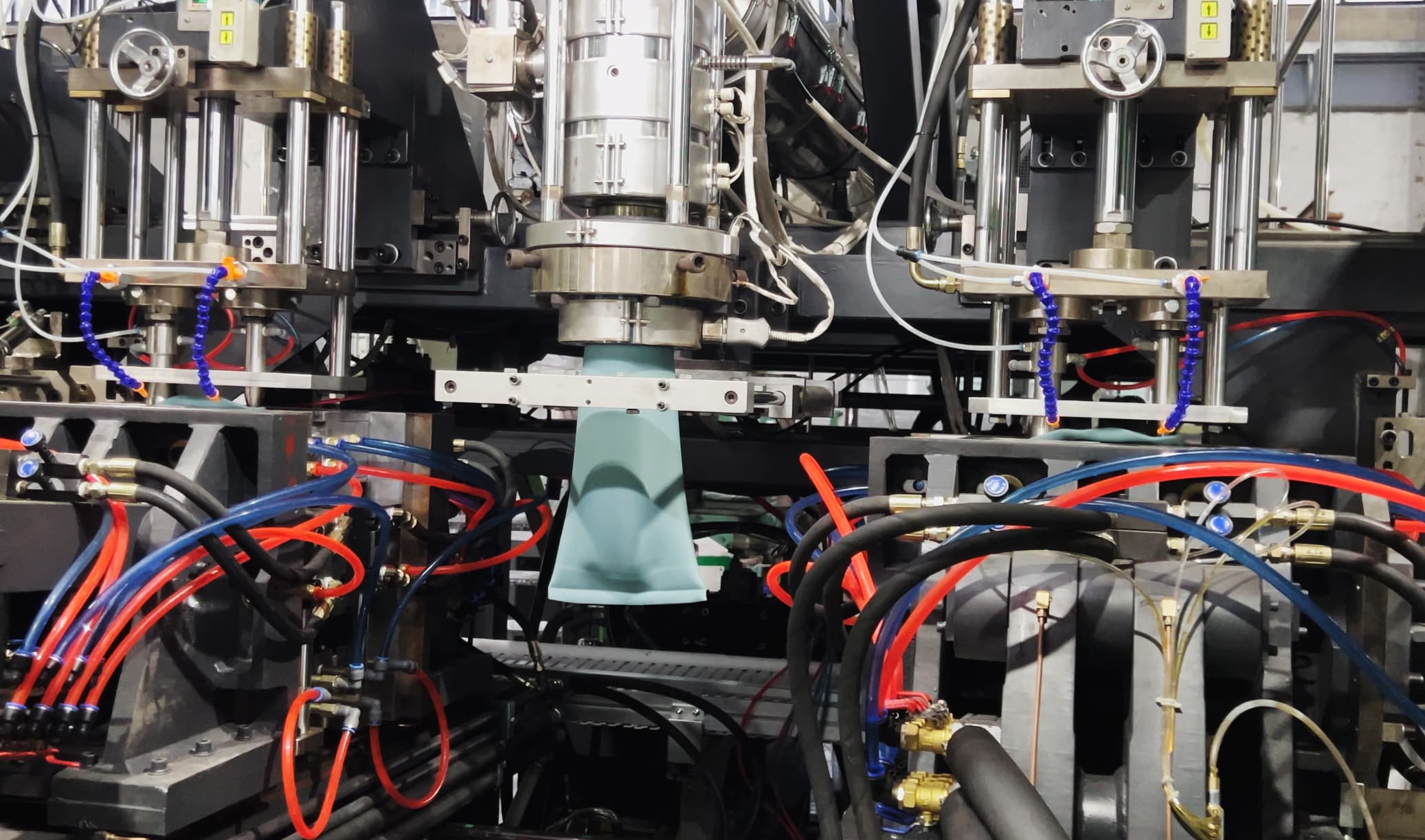
As the parison gets longer, its own weight causes it to stretch. This means some sections become thinner than intended while other sections hold too much material. Without proper control, manufacturers often see:
- Thin shoulders or corners
- Heavy bases and resin waste
- Weak top-load performance
- Higher leak and drop-test failure risk
- Unstable quality from cycle to cycle
For a simple bottle, that may already be a problem. For jerry cans, chemical containers, automotive ducts, and large industrial parts, it becomes a major production risk.
The Solution: Dynamic Parison Programming
A wall thickness controller solves this by adjusting the die gap in real time.
- When a section needs more material, the opening can widen to let more plastic flow.
- When a section needs less material, the opening narrows to reduce unnecessary resin use.
This creates a parison with a controlled thickness profile from top to bottom. Instead of producing one uniform plastic tube and hoping it will form correctly, the machine produces a parison that is already prepared for the actual product geometry.
How Wall Thickness Control Works in Practice
1. The Operator Sets a Thickness Profile
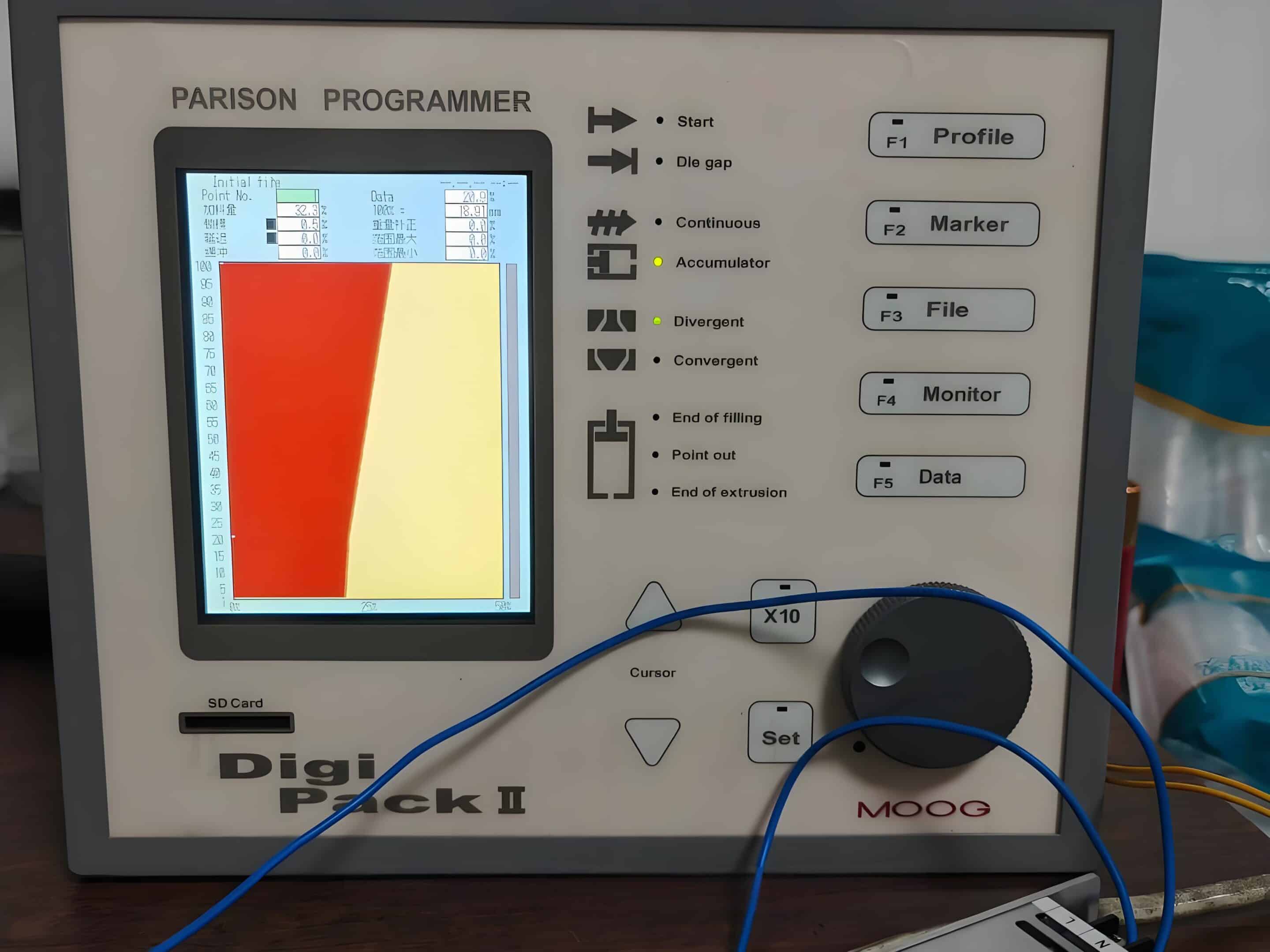
The operator programs a thickness curve on the machine interface. The horizontal axis usually represents the parison length, while the vertical axis represents thickness level. Depending on the controller level, the operator may be able to set dozens or even hundreds of control points.
For example, if a 20-liter jerry can needs stronger shoulder and bottom areas, the program can add more material there while reducing thickness along the flatter body section. That helps balance product strength and resin efficiency.
2. The Machine Tracks Parison Formation
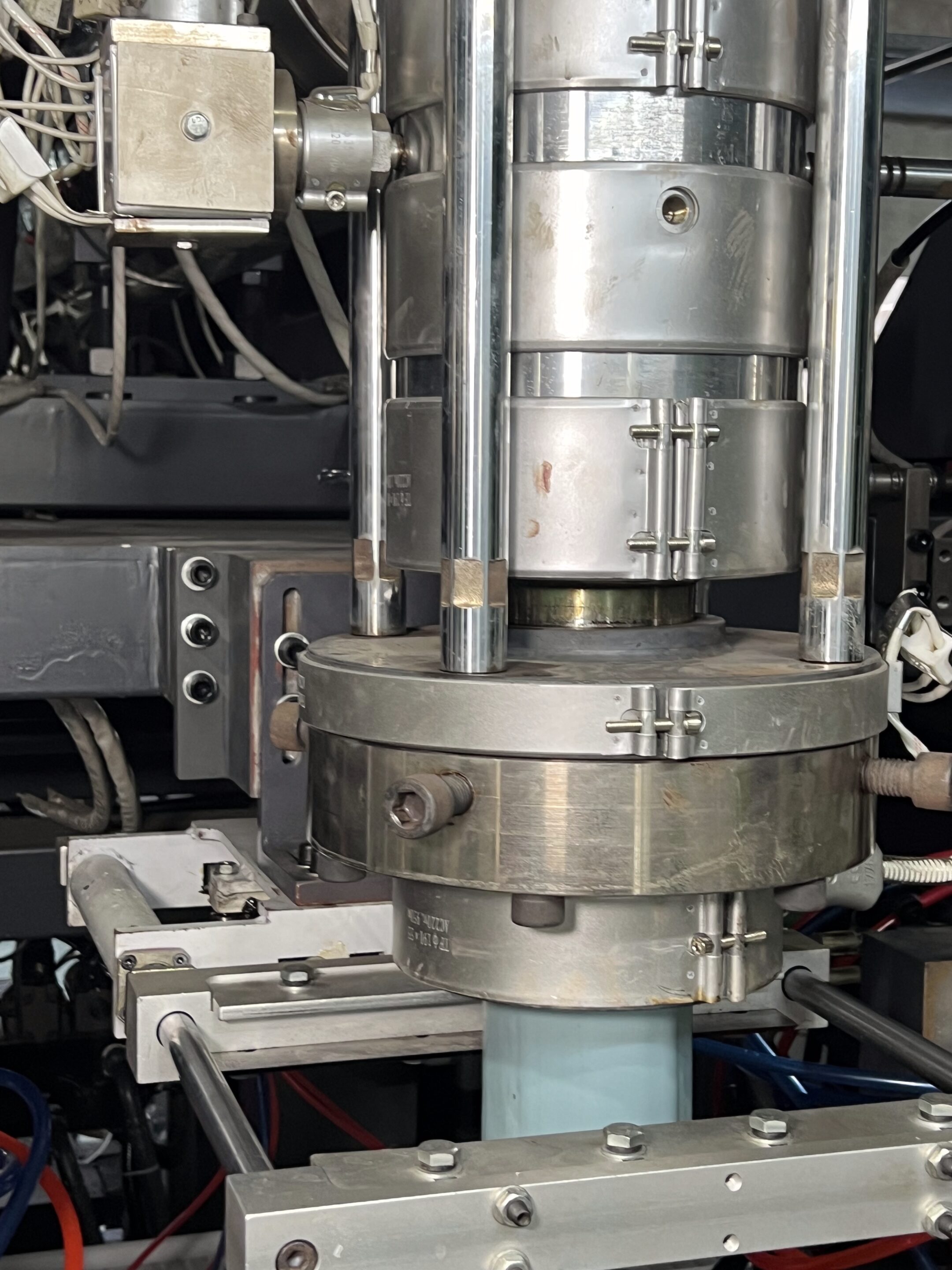
As the extruder pushes out the parison, the control system uses sensors and timing signals to know exactly where it is in the programmed profile. This synchronization is essential. If the timing is off, the extra material ends up in the wrong section and the whole benefit is lost.
3. The Actuator Adjusts the Die Gap in Real Time
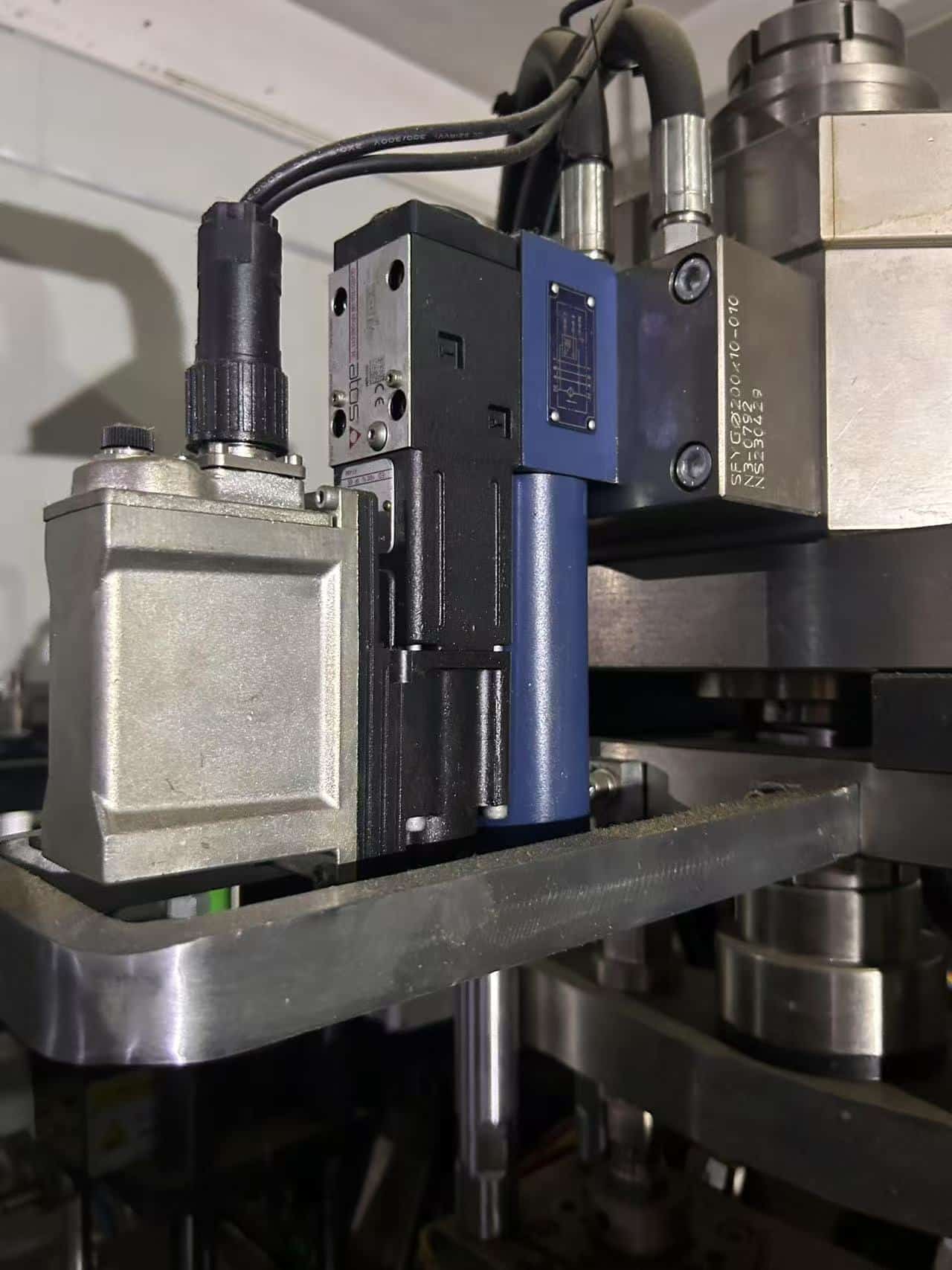
The controller sends commands to a servo or hydraulic system, which moves the die gap or mandrel position. That changes the flow of molten plastic instantly.
This happens continuously during extrusion, often many times per second. The result is a controlled parison profile designed to produce a lighter and more reliable final part.
Why Wall Thickness Control Matters Commercially
For many factories, wall thickness control is not just a technical feature. It directly affects cost, output, and the ability to win better projects.
1. Lower Resin Cost

Plastic resin is one of the biggest cost items in blow molding. If you can remove unnecessary thickness without weakening the product, the cost saving is immediate. In many projects, lightweighting goals of 5% to 15% are already meaningful. On high-volume lines, that turns into major annual resin savings.
2. Better Product Strength Where It Matters
A good controller does not simply reduce weight. It redistributes material more intelligently. That means more plastic can be placed in weak points such as corners, shoulders, handles, or high-stress base areas. For industrial packaging, this can help support better drop resistance, stacking strength, and more stable downstream handling.
3. Faster Cooling and Better Productivity
Over-thick parts take longer to cool. If the product wall profile is optimized, cooling becomes more efficient and cycle time can improve. Even a small cycle reduction creates a meaningful output gain over long production runs.
4. Better Design Freedom
More complex products usually require more intelligent material control. Large containers, irregular technical parts, and products with deep draw sections all benefit from better parison programming. This becomes especially important when customers want lighter products without compromising performance.
Not All Controllers Are the Same
When buyers compare blow molding machines, wall thickness control should not be treated as a checkbox feature. The quality of the control system matters.
Control Points
Basic systems may have limited control resolution, while more advanced systems allow much finer adjustment across the full parison length. The right level depends on the product. Simple bottles may need less complexity, while jerry cans, drums, and technical hollow parts often benefit from higher precision.
Control Hardware Quality
The controller is only as good as the full control chain behind it. Buyers should pay attention to:
- Controller platform stability
- Servo valve quality
- Sensor accuracy
- Hydraulic or electric actuator response
- Overall integration with the die head
Reliable components reduce drift, improve repeatability, and make troubleshooting easier over time.
What Buyers Should Ask Before Choosing a Machine
If wall thickness control is important in your project, here are practical questions worth asking the supplier:
- How many control points does the system support?
- Is the controller suitable for my bottle or container geometry?
- Can it support lightweighting targets without hurting product strength?
- How stable is the system in long production runs?
- What brands or specifications are used for the controller, servo valve, and sensors?
- Can the supplier show real sample results for similar products?
These questions are often more useful than general marketing claims.
Common Applications That Benefit from Better Wall Thickness Control
Wall thickness control is valuable across many product categories, including:
- Detergent and household bottles
- Jerry cans for lubricants and chemicals
- Industrial drums and larger containers
- Automotive air ducts and technical hollow parts
- Toys and large molded shapes
- Projects focused on lightweighting or PCR use
If your project involves more demanding packaging, it can also help to review our broader solution planning approach and our focus on quality consistency.
Frequently Asked Questions About Wall Thickness Controllers
How much material can a wall thickness controller save?
The answer depends on product shape, current process efficiency, and weight target. In many practical projects, savings of 5% to 15% are realistic enough to matter commercially.
Can a wall thickness controller improve drop-test performance?
Yes. By placing more material in vulnerable areas such as corners and impact zones, the product can achieve better strength distribution than with uncontrolled extrusion.
Is it worth using advanced parison control on simple products?
Sometimes yes, sometimes no. For simpler products, the benefit depends on output scale, resin cost sensitivity, and whether lightweighting is an important target.
Can older machines be retrofitted?
It is technically possible in some cases, but retrofit projects are usually more complex and costly than buyers first expect. Often it makes more sense to evaluate a newer machine platform with integrated control from the beginning.
What is the difference between an extruder and a wall thickness controller?
The extruder melts and pushes the plastic forward. The wall thickness controller shapes how that plastic is distributed during parison formation. They work together, but they do not perform the same function.
Conclusion
In modern blow molding, wall thickness control is no longer a luxury feature. It is a practical tool for reducing resin waste, improving product strength, increasing consistency, and supporting more advanced product design.
If you are evaluating a new extrusion blow molding machine, wall thickness control should be part of the technical discussion from the beginning, especially for jerry cans, industrial containers, and projects with strong lightweighting goals.
If you want help matching the right machine configuration to your product, material, and output target, we can help you review the project more practically.
Discuss Your Blow Molding Project With LEKA Machine