
EBM Troubleshooting Guide: Common Faults, Root Causes, and Fix Priority
If your extrusion blow molding line is running with unstable bottle quality, repeated alarms, or rising energy use, this page is built to solve that exact problem. It gives your production and maintenance team a fast way to identify likely causes and decide what to check first.
This is not a general overview page. It is a practical fault-troubleshooting page focused on symptom recognition, root-cause direction, and priority handling order to reduce downtime, scrap, and trial-and-error maintenance.
For complete platform context, read our extrusion blow molding machine guide.
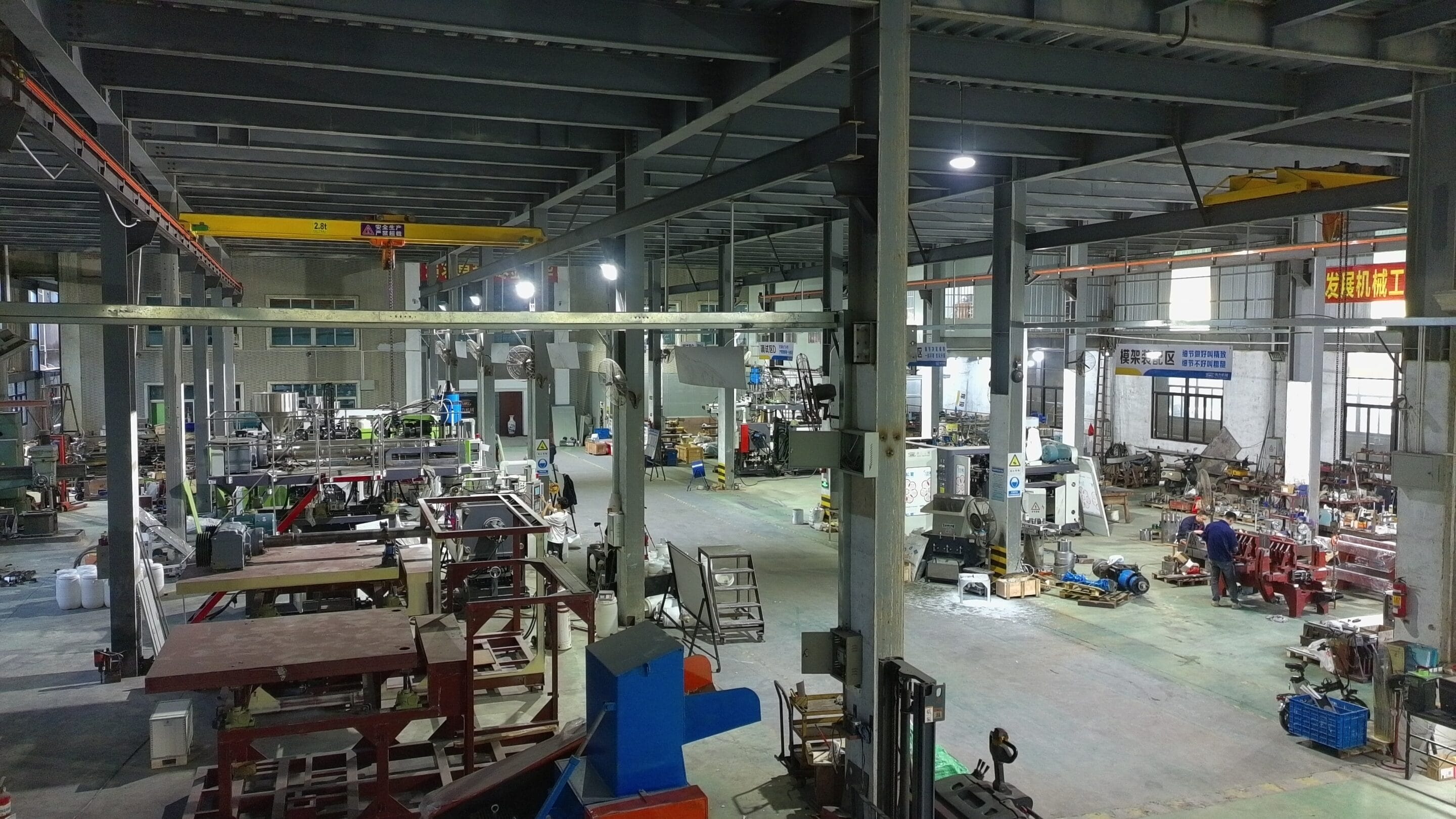
Priority Order for On-Site Troubleshooting
- Contain risk first: protect operators, molds, and heaters before any process adjustments.
- Stabilize output second: stop scrap growth by locking key settings and checking recent parameter changes.
- Find root cause third: verify mechanical, thermal, hydraulic/servo, and control factors in sequence.
- Escalate last: replace parts or redesign process only after basic checks are verified and documented.
Quick Fault Map
| Symptom | Likely Cause Direction | First Check | Priority |
|---|---|---|---|
| Bottle weight or wall thickness drift | Parison control, melt stability, response lag | Trend screen + recent setpoint edits + heater status | High |
| Excess flash or unstable trimming | Mold closing consistency, deflashing setup, timing | Mold alignment + clamp repeatability + trim sequence | High |
| Energy usage rises without output gain | Idle pump load, heater inefficiency, air leakage | kWh/kg trend + idle-state load + leak inspection | Medium |
| Frequent alarms and unplanned stops | Sensor quality, wiring, control logic, maintenance gaps | Alarm history + I/O diagnostics + preventive maintenance records | High |
| Black specks, gels, or unstable melt after material change | Material variation, screw/barrel condition, purge method | Material lot check + temperature profile + screw cleaning | High |
Fault 1: Bottle Weight Fluctuation and Wall Thickness Drift
Common Cause Direction
- Parison programming drift after product or mold change.
- Melt temperature not stable across zones.
- Hydraulic or servo response inconsistency during cycle transitions.
First Actions in Order
- Freeze non-critical recipe edits and run a short controlled batch.
- Compare actual temperature trend with setpoint trend, not single-point values.
- Check repeatability of key cycle events before changing hardware.

Fault 2: Flash, Trimming, and Deflashing Instability
When flash increases or trimming becomes inconsistent, avoid jumping directly to mold replacement. Check clamp repeatability, cut timing, and bottle transfer stability first. If your line repeatedly fails at this stage, review practical deflashing upgrade options in auto deflashing in extrusion blow molding.
Fault 3: Energy Consumption Increases but Output Does Not
Energy troubleshooting should focus on load behavior across the full cycle, not only heater setpoints. Check idle-state pump load, heater insulation condition, and compressed-air leakage paths. Keep the metric consistent shift to shift by tracking kWh/kg internally.
If you are evaluating drive architecture after repeated energy issues, compare practical trade-offs in servo vs hydraulic EBM real payback.
Fault 4: Repeated Alarms, Heater Trips, and Unexpected Stops
For frequent alarm events, build a ranked alarm list from actual occurrence records and isolate the top recurring fault families first. Avoid replacing multiple components at once; verify each corrective action with the next production batch.
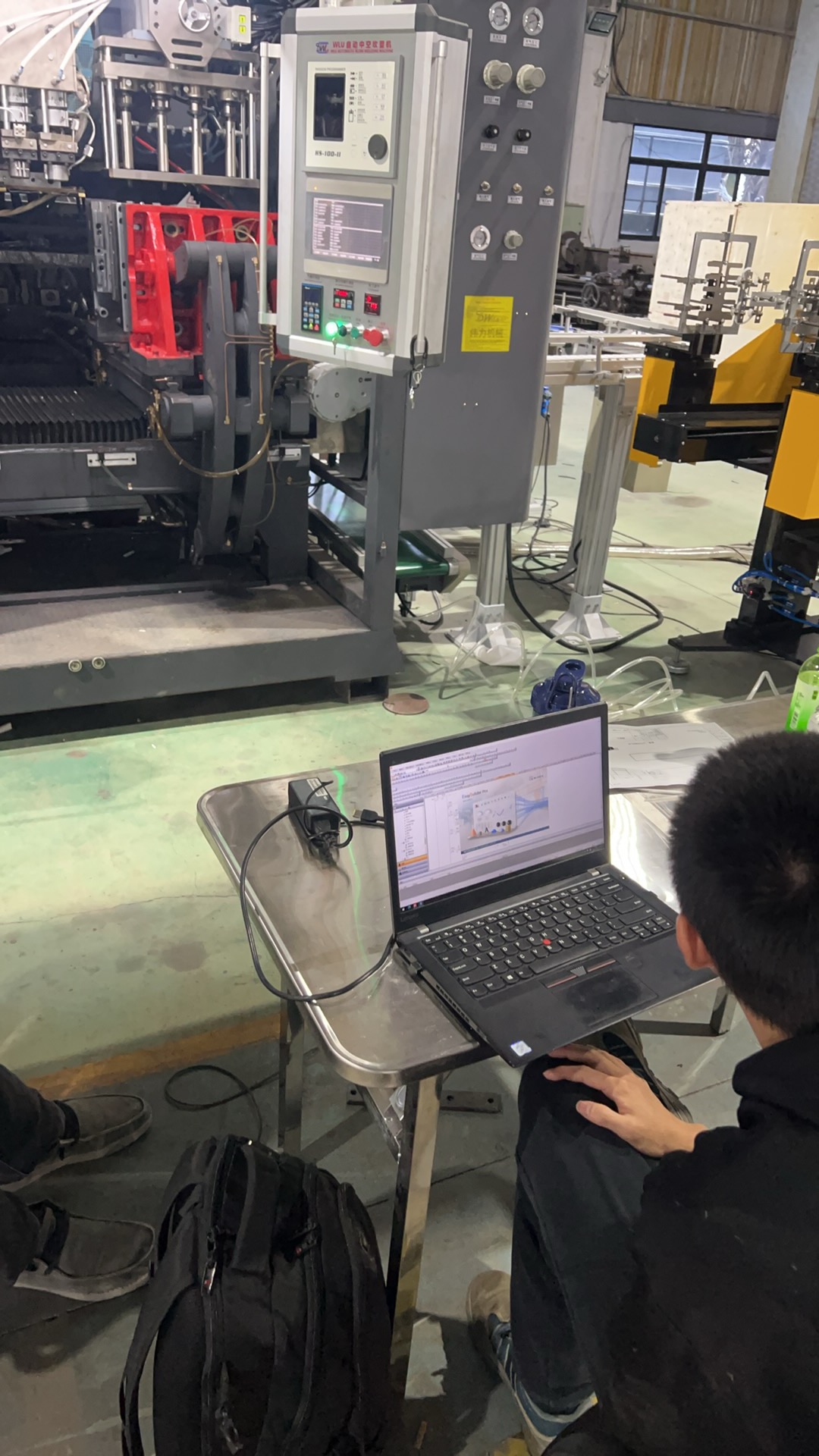
Fault 5: Material Change Causes Melt Instability or Surface Defects
When changing resin grade or recycled-content ratio, problems often appear as black specks, unstable parison behavior, or inconsistent bottle finish. Validate material lot consistency first, then review screw/barrel condition and purge sequence before adjusting full process windows.
For bottle-quality checkpoints tied to material behavior, see HDPE bottle specs for stable EBM production.
When Repeated Faults Indicate Process Upgrade, Not More Patching
If the same defect returns across multiple shifts after verified fixes, the issue may be capability mismatch rather than operator error. In that case, review technology direction and upgrade path instead of only adding maintenance workload.
Useful reference: top extrusion blow molding innovations 2025.
Before CAPEX decisions, use this framework for how to choose an extrusion blow molding machine.
Need a Structured Troubleshooting Review?
If your line is facing recurring defects, unstable output, or energy waste, request a focused troubleshooting review for your current production setup.