
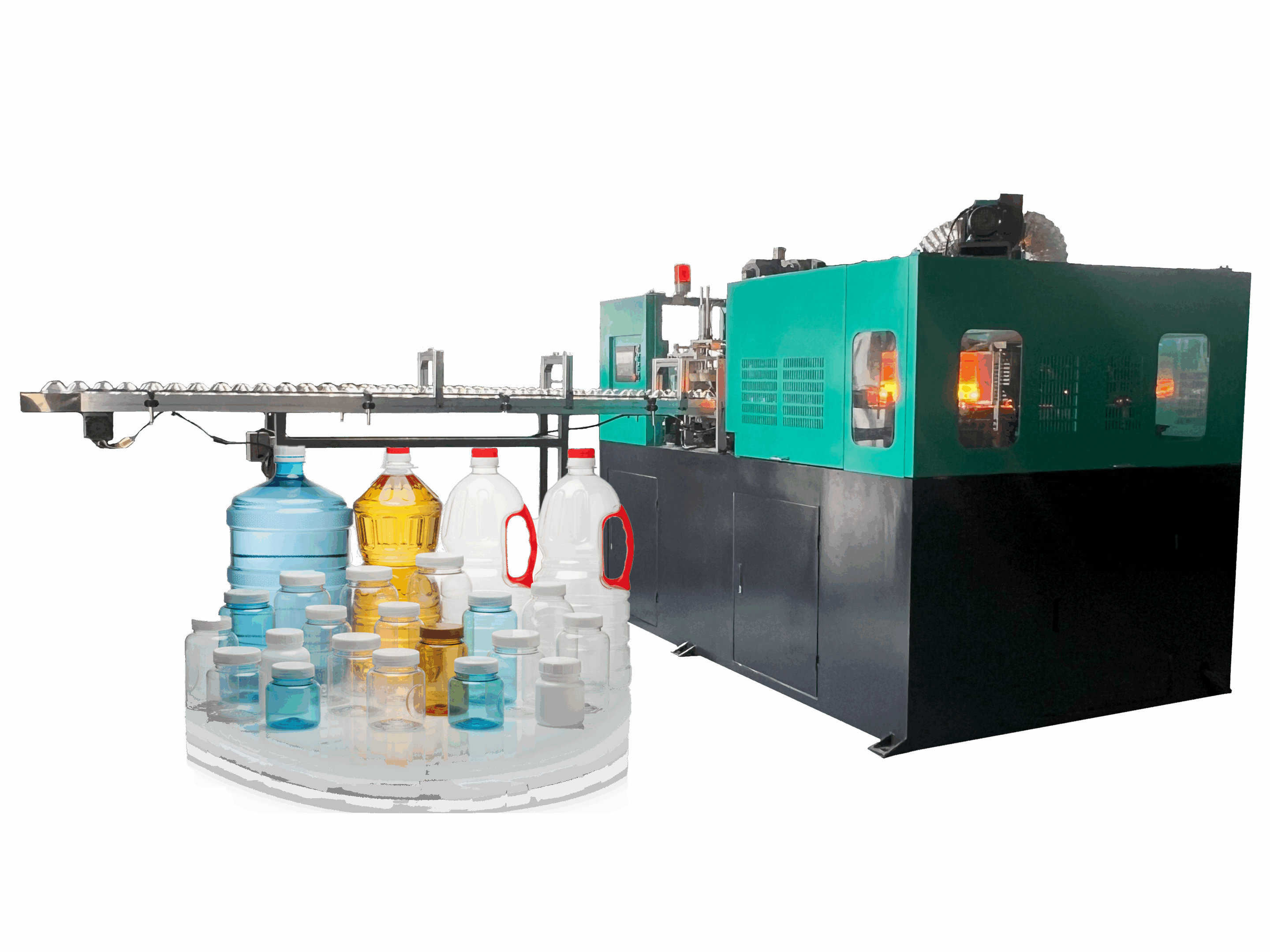
Extrusion Blow Molding Machine Technology: 7 Trends You Must Know in 2026
Buying a new machine feels like a high-stakes gamble. You worry about investing $500,000 today only to find your equipment is obsolete tomorrow, killing your margins while your competitors race ahead with faster, cheaper production.
To stay ahead, monitor industry-specific trade shows like K Show and Chinaplas, follow leading component supplier newsletters, and track patent filings for electric drive systems. Focus on energy efficiency metrics (kWh/kg) and multi-layer compatibility as the primary indicators of modern technology.
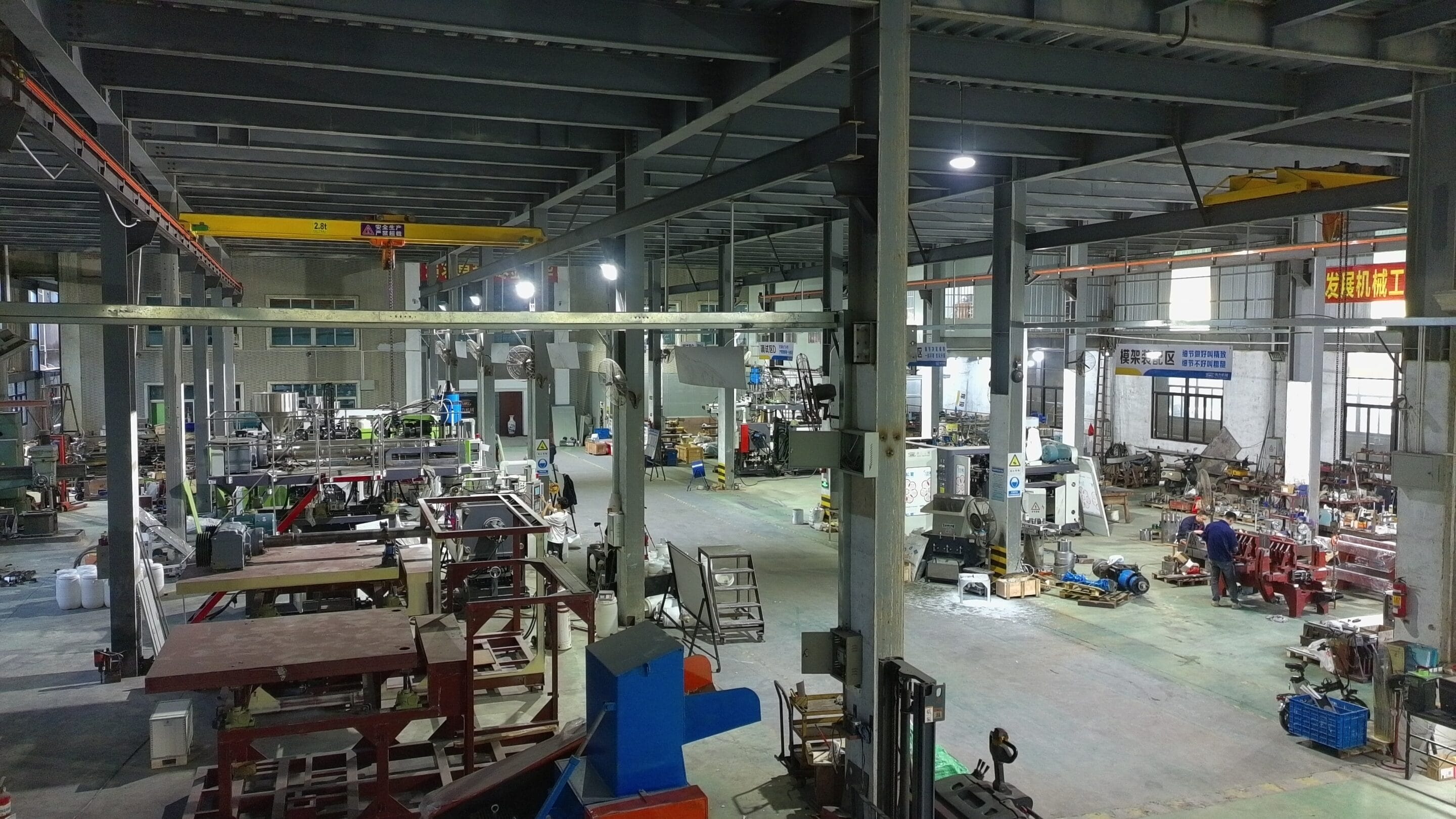
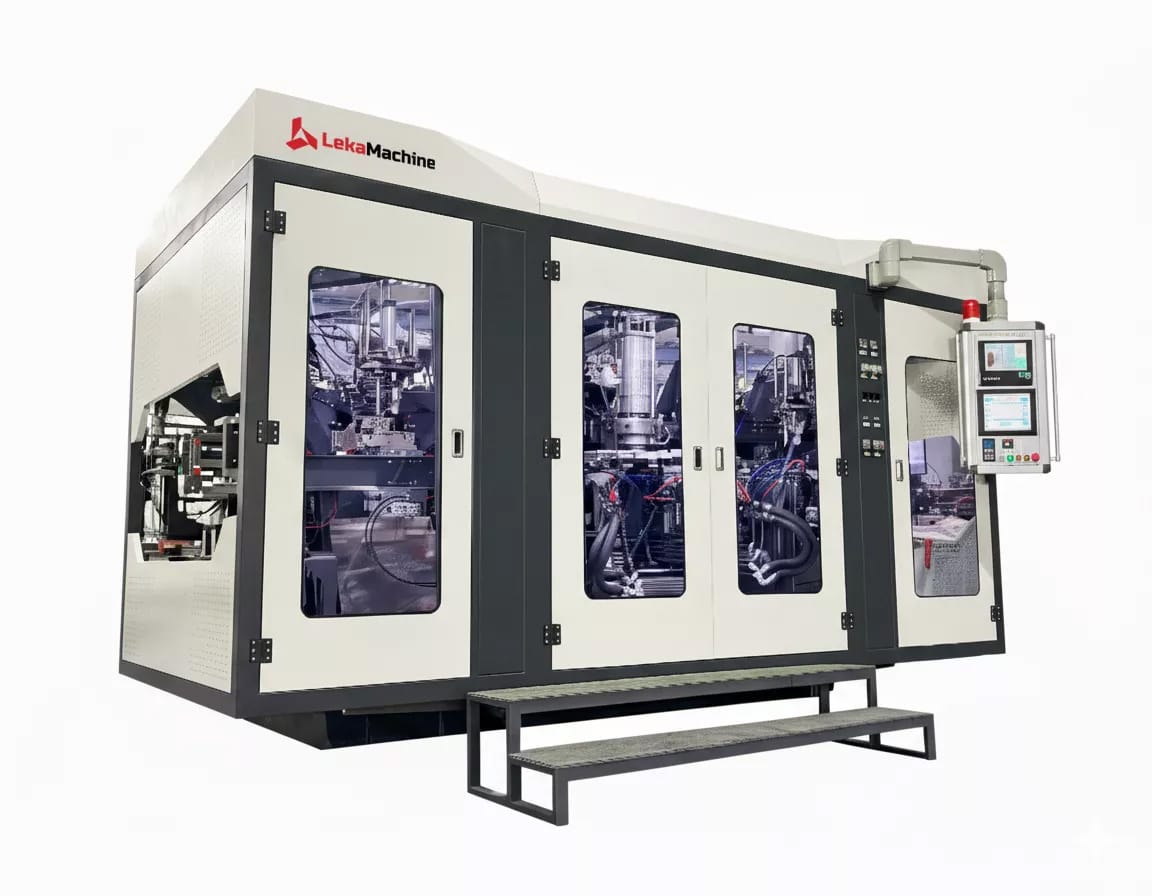
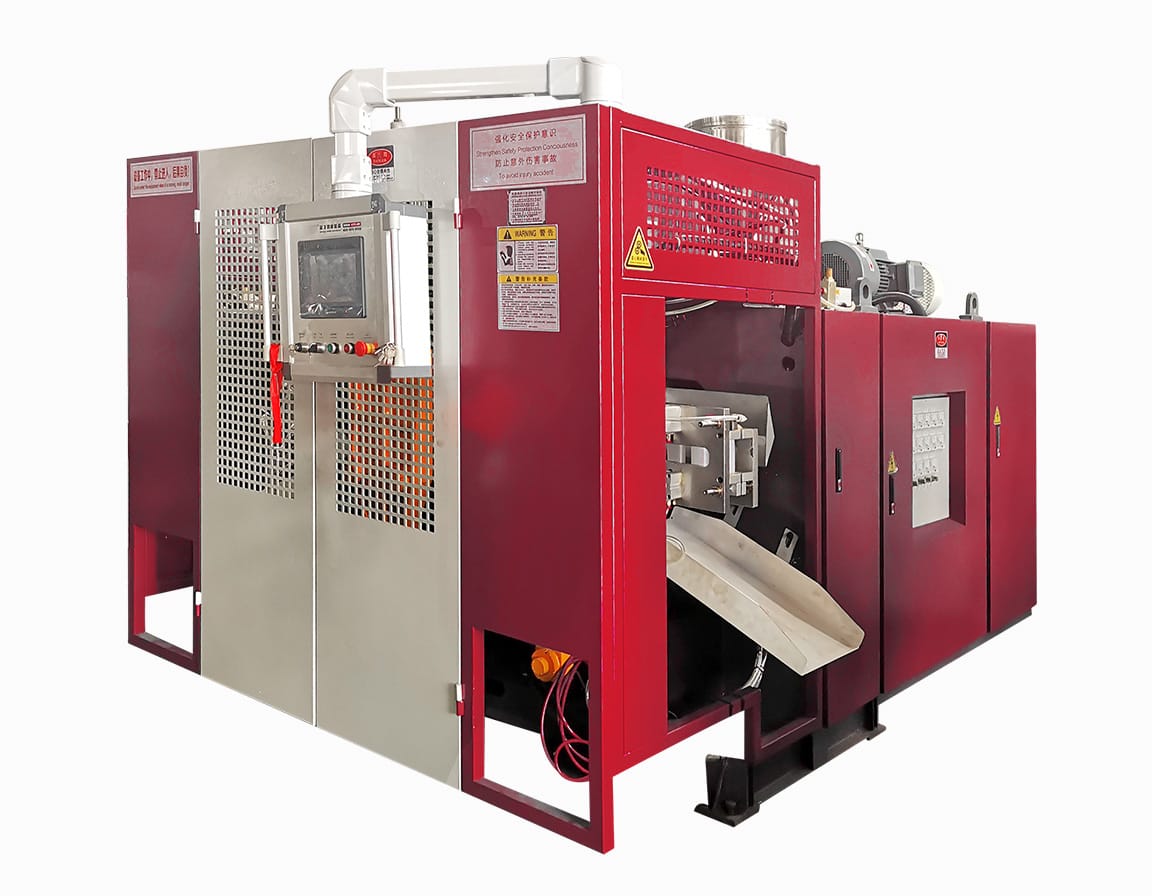
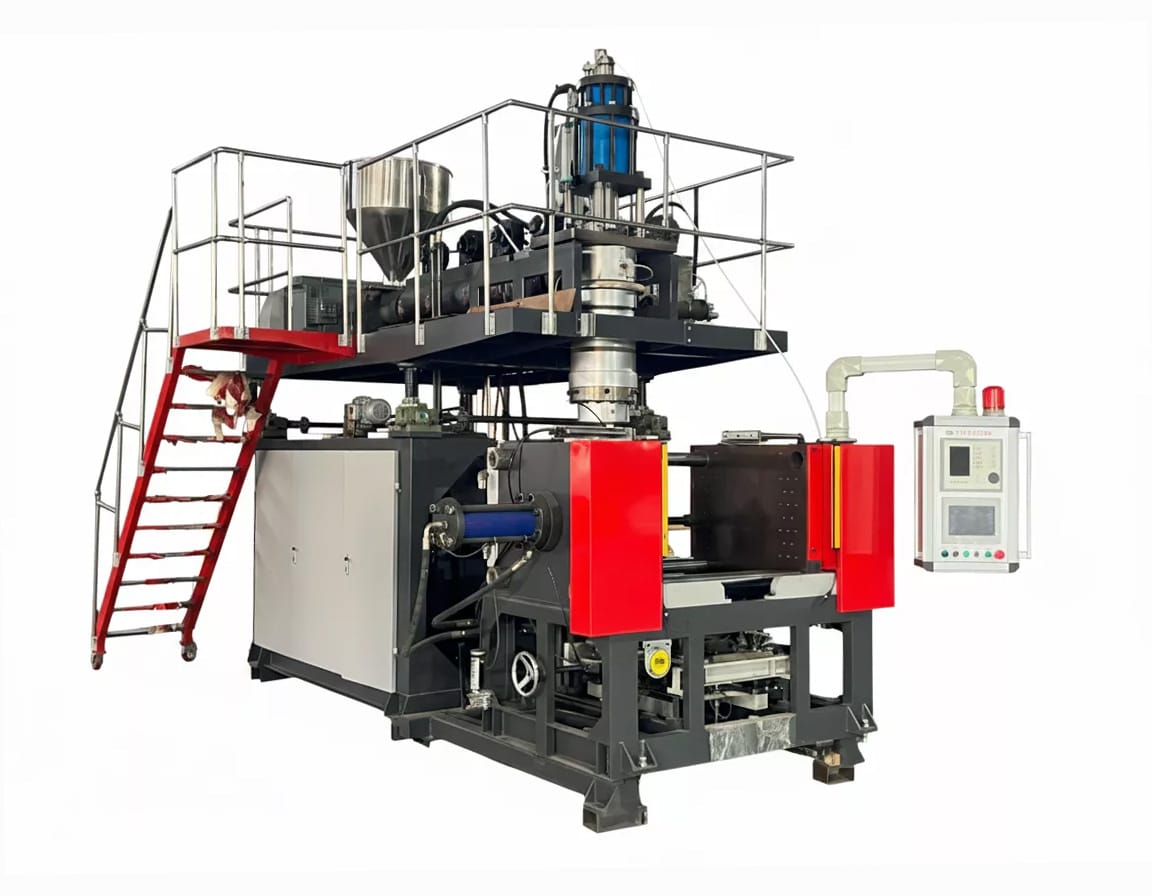
Factory interior showing an extrusion blow molding machine assembly area used to build equipment for plastic bottle production.
As a manufacturer based in Guangdong, I see these technology shifts happen on the factory floor every day. It is not just about reading magazines; it is about seeing what my customers in Europe and America are actually ordering. They are no longer just asking for a machine that works. They are asking for machines that think, save power, and fix themselves. Let’s break down exactly how you can filter out the marketing noise and find the technology that will actually impact your bottom line.
How can I keep myself updated on new developments in extrusion blow molding machines?
You are busy running a factory and managing staff. You do not have time to read endless academic papers, yet missing a shift toward servo-driven systems could cost you thousands in electricity bills every single month.
Subscribe to newsletters from major automation component suppliers like Siemens or B&R rather than just machine builders. They release the control technology first. Also, join niche LinkedIn groups focused on “Plastic Engineering” where peers discuss the real-world performance of new “smart” machines before marketing brochures are even printed.
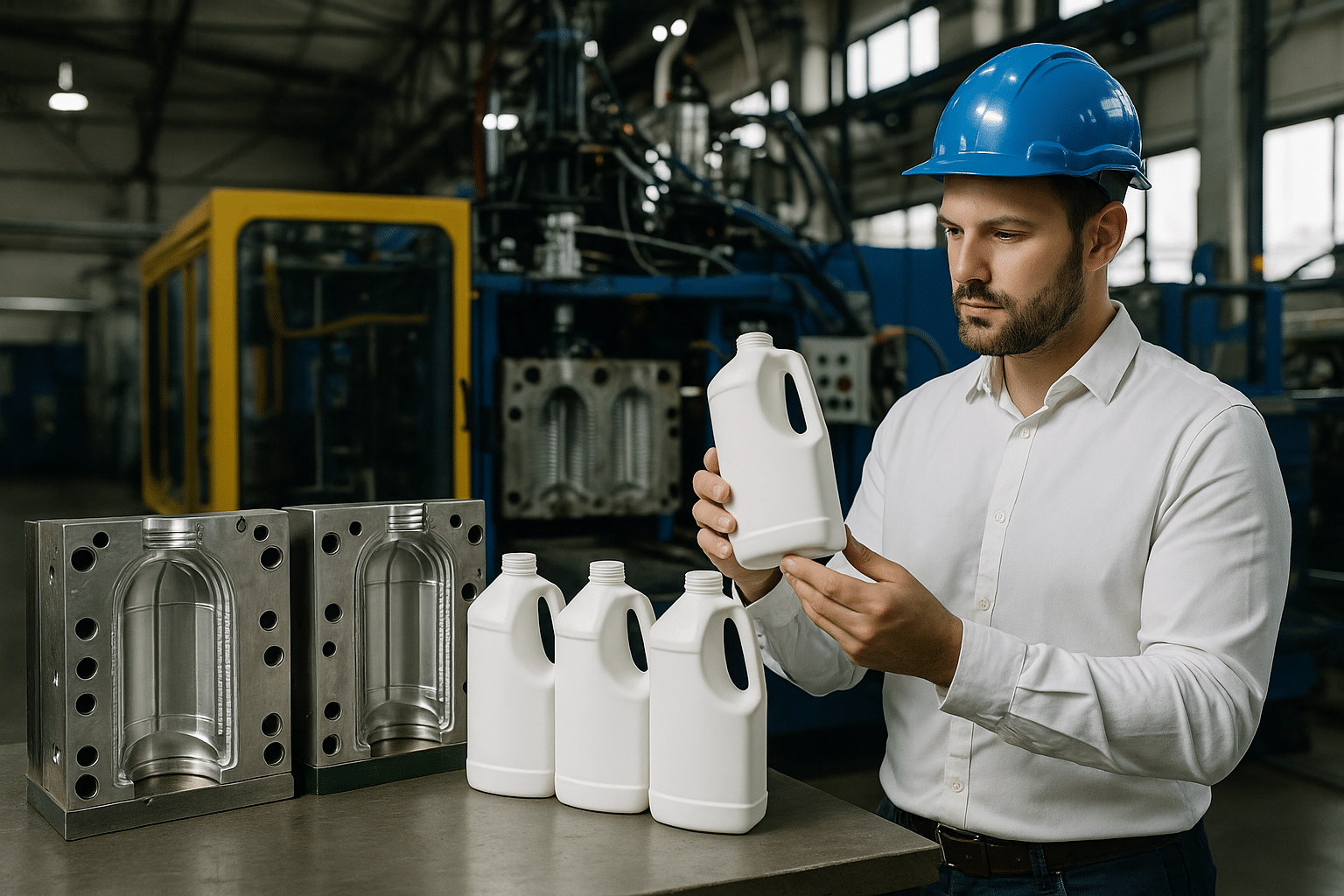
Energy Efficiency is the New Standard
To truly understand where the industry is going, you have to look at where the money is going. Right now, the biggest trend I see is the aggressive move toward energy efficiency. In the past, a standard hydraulic machine was acceptable. Today, it is a liability. My clients in France and Germany are obsessed with the “kWh per kg” metric. They tell me that old equipment consumes between 0.35 to 0.5 kWh for every kilogram of plastic processed. This is too high. The latest trend is hybrid or fully electric machines that push this number down to 0.22 kWh/kg or even lower.
You should look for machines that use servo motors for the hydraulic pump. This is a game-changer. Instead of the pump running at full speed all the time—even when the machine is idle or cooling—the servo motor slows down or stops. This simple change cuts energy use by 30% to 60%. When I build machines at LEKA, we now focus heavily on insulation improvements on the heating barrel as well. It sounds simple, but keeping the heat inside the barrel means using less electricity to maintain the temperature. This is the kind of practical “high tech” that pays for itself in a year.
AI and Smart Control Systems
Another development you need to watch is the integration of Artificial Intelligence (AI) and the Internet of Things (IoT). This used to be a buzzword, but now it is a requirement. Modern blow molding machines are fitted with sensors that monitor everything from oil pressure to screw temperature in real-time. The AI does not just show you numbers; it analyzes them. For example, it can predict when a heater band is about to fail before it actually breaks. This allows you to fix it during a scheduled break rather than stopping production in the middle of a rush order. This shift from “reactive repair” to “predictive maintenance” is huge for reducing downtime.
| Feature | Traditional Technology | Latest Technology Trend | Your Benefit |
|---|---|---|---|
| Drive System | Standard Hydraulic Pump | Servo-Hydraulic or All-Electric | Saves 30-60% on electricity bills. |
| Control Logic | Manual Settings / Basic PLC | AI-Driven Adaptive Control | Machine auto-corrects to prevent defects. |
| Connectivity | Standalone / Offline | IoT & Industry 4.0 Integration | View production data on your phone anywhere. |
Where can I find reliable sources for the latest extrusion blow molding machine technology?
Google results are often flooded with paid ads or generic Alibaba listings. It is incredibly frustrating when you need genuine technical data to justify a half-million-dollar expense to your board or investors.
Look beyond general search engines. Reliable sources include technical white papers from resin suppliers like Dow or Sabic regarding new material runability, and exhibition reports from the K Show or Chinaplas. These sources focus on technical validation rather than just sales pitches.
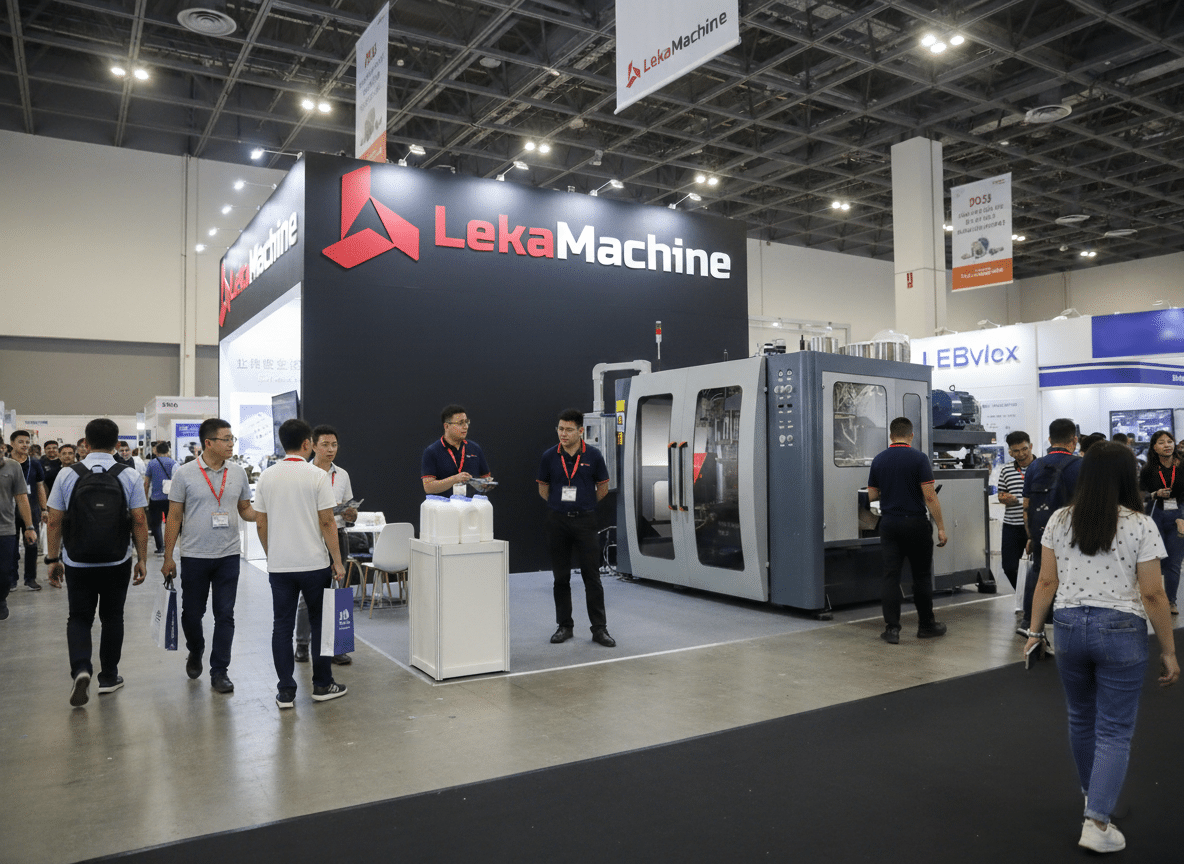
Trade Shows and Technical Exhibitions
If you want to see the future, you have to go to where the machines are running live. The K Show in Germany and Chinaplas in China are the two most important events. At LEKA Machine, we treat Chinaplas as our testing ground. This is where you see the “concept cars” of the machinery world. Recently, the focus at these shows has been on Injection Stretch Blow Molding (ISBM) technology gaining ground over traditional extrusion for certain PET applications. ISBM offers better clarity and strength, and seeing these machines run side-by-side helps you understand if you should switch technologies.
Resin Suppliers Drive Innovation
A source that many buyers ignore is the raw material supplier. Companies that sell HDPE and PET are often ahead of the machine builders. Why? Because they are developing new plastic formulas—like bio-based plastics or high-percentage PCR (Post-Consumer Recycled) resins—and they need machines that can run them. If you read the technical application notes from a major resin supplier, they will list the machine requirements needed to process their new eco-friendly materials. This tells you exactly what specs to look for in your next machine. For instance, if a resin supplier says their new rHDPE needs a specific screw design to prevent black spots, you know that “specialized screw design” is a key tech trend to look for.
3D Printing and Mold Development
Another reliable source for trends is the mold-making industry. There is a massive shift toward using 3D printing (additive manufacturing) for prototyping molds. In the past, testing a new bottle design meant waiting weeks for a metal pilot mold. Now, using 3D printed inserts, we can blow a test bottle in a few days. Following companies that specialize in “rapid tooling” will give you great insights into how the development cycle is speeding up. This technology is vital for low-volume, high-mix production, which is becoming very common for boutique beverage brands.
| Information Source | What You Will Learn | Why It Matters |
|---|---|---|
| Resin Suppliers (Dow, Sabic) | Material compatibility & screw requirements | Ensures your machine can run future eco-materials. |
| Trade Shows (K Show, Chinaplas) | Live demos of ISBM & Electric EBM | Visual proof of cycle times and energy usage. |
| Mold Makers | 3D printing & conformal cooling | Faster product launches and better bottle quality. |
What should I look for to ensure my extrusion blow molding machine investment is future-proof?
No one wants to buy a machine that becomes illegal or unprofitable in five years due to new environmental laws. The fear of holding stranded assets is real for every factory owner I talk to.
Future-proofing requires ensuring the machine handles 100% PCR (Post-Consumer Recycled) material and bio-plastics. Look for advanced screw designs capable of processing variable melt flows and multi-layer co-extrusion heads that allow you to hide grey recycled material between virgin layers for aesthetic appeal.
Sustainability is not Optional
The biggest risk to your investment right now is environmental regulation. In Europe and increasingly in the US, laws are mandating high percentages of recycled content in packaging. Old machines struggle with this. Recycled plastic (PCR) is not as consistent as virgin plastic. It has different melting points and viscosities. A future-proof machine must have a specialized screw and barrel design that deals with this variability without clogging or creating defects. If a machine maker cannot explain how their screw handles 100% rHDPE, walk away.
Multi-Layer Technology (Co-Extrusion)
This is the secret weapon for future-proofing. Multi-layer technology allows you to extrude a bottle wall made of three or more layers. Why does this matter? Because recycled plastic is often ugly—grey or yellow. With a multi-layer head, you can put the ugly recycled plastic in the middle layer and cover it with a thin layer of white or colored virgin plastic on the outside and inside. This “sandwich” technique allows you to meet legal recycling quotas while still selling a beautiful, premium-looking bottle. We are seeing a massive spike in demand for 3-layer to 6-layer machines. Investing in a single-layer machine right now is risky if you plan to serve big consumer brands.
Modular Design and Flexibility
The market is changing fast. One month you might need 500ml bottles, the next month 2L handles. A future-proof machine uses a modular design. This means the mold clamping system is designed for quick changeovers. In the past, changing a mold took 3 or 4 hours and required a skilled mechanic. New machines utilize quick-lock systems that allow a semi-skilled operator to change a mold in 30 minutes. This flexibility is crucial. It allows you to take on smaller orders and more SKUs without losing money on downtime. Also, look for machines that can easily add a “view stripe” extruder later. You might not need it today, but having the mounting points and software ready saves you a fortune later.
| Technology | Why it is Future-Proof | Risk of Ignoring It |
|---|---|---|
| Multi-Layer Co-Extrusion | Uses cheap/recycled material in the core. | High material costs and inability to meet eco-laws. |
| Quick-Change Molds | Adapts to diverse market demands fast. | Production bottlenecks and lost small orders. |
| High-Torque Gearbox | Processes tough, viscous recycled plastics. | Machine stalls or screw breakage with new materials. |
How do I evaluate if a supplier offers the most advanced extrusion blow molding machine features?
Salespeople will always tell you their machine is “advanced.” But when you see a quote that is 30% cheaper than the market average, you rightfully worry if they cut corners on the control system or steel quality.
Evaluate the “brain” and the “heart” of the machine. Ask for the specific brand of the PLC (e.g., B&R, Beckhoff) and request a demonstration of the remote diagnostic capabilities. If they cannot log in remotely to fix a software bug, it is not a modern smart machine.
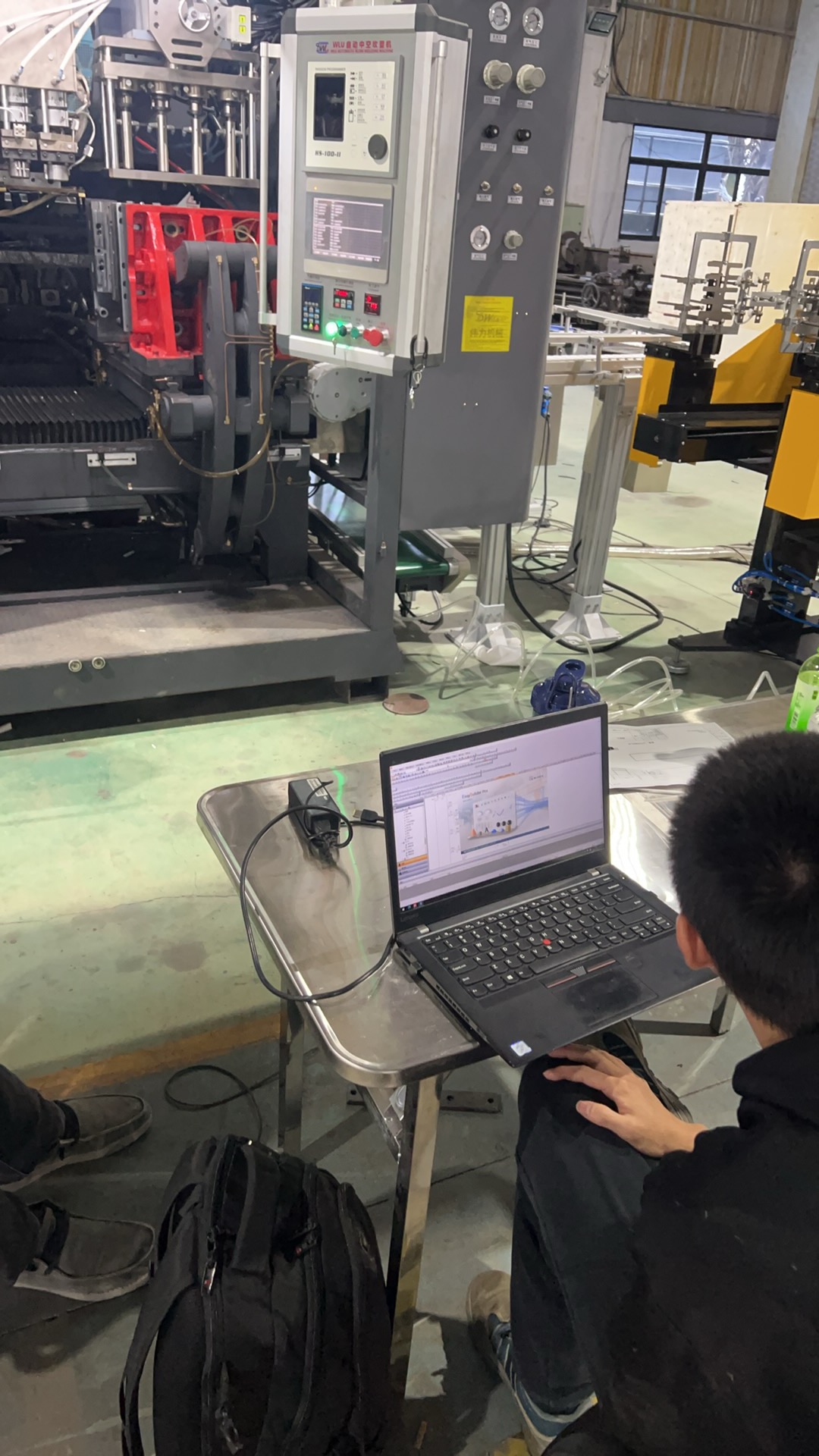
Audit the Control System and Components
Don’t just look at the steel; look at the electronics. The difference between a “dumb” machine and a “smart” machine is the PLC (Programmable Logic Controller). At LEKA, we use top-tier brands because they support advanced protocols like OPC-UA. This is the language that machines use to talk to computers. If a supplier offers you a proprietary, no-name control system, be careful. You want a system that can integrate with your ERP (Enterprise Resource Planning) software. This allows the machine to automatically report how many bottles it made and how much energy it used. Ask the supplier: “Can this machine send production data directly to my office computer?” If the answer is no, it is outdated.
Robotics and Automation Integration
Advanced machines are not islands; they are part of a system. Look at how the machine handles the bottle after it is blown. Old machines just drop the bottle on a conveyor. Advanced systems integrate robotic arms or servo-driven take-out systems. These robots grab the bottle precisely, trim the flash (excess plastic) automatically, and test the bottle for leaks. This reduces labor costs significantly. In Europe, where labor is expensive, this is critical. Even if you don’t buy the robot immediately, check if the machine has the standard interfaces to add one later. This is a sign of forward-thinking engineering.
The “Made in China” Reality Check
I know many buyers worry about Chinese quality. It is a valid concern. To evaluate a Chinese supplier like us or anyone else, ask about the “standard parts.” Advanced suppliers use global standard parts—hydraulic valves from Yuken or Rexroth, pneumatics from Festo or SMC. This ensures that if a part breaks in France or Canada, you can buy a replacement locally effectively immediately. If the machine uses obscure, local Chinese brands for critical valves, you are tying yourself to a long supply chain that will hurt you when you have a breakdown. Truly advanced suppliers understand that “serviceability” is a feature, not an afterthought.
| Evaluation Point | Basic/Budget Machine | Advanced Machine |
|---|---|---|
| PLC Brand | Obscure / Local Brand | Global (Siemens, B&R, Omron) |
| Remote Support | Phone call / WeChat only | Direct VPN connection to machine |
| Deflashing | Manual or simple punch | In-machine auto deflashing or Robotic |
| Documentation | Basic Manual | Full FAT/SAT reports & FDA compliance docs |
Conclusion
Technology moves fast, but your goal is stable profit. Focus on energy saving, recycled material capability, and smart controls to secure your ROI and future-proof your factory against rising costs.
My Role
My name is Slany Cheuang, the founder of LEKA Machine. We are a team of 30 dedicated professionals based in Shantou, Guangdong, specializing in customized Extrusion Blow Molding machines. We bridge the gap between high-cost European machinery and basic Asian equipment, offering a mid-range solution that prioritizes customization, speed (60-90 day delivery), and reliability. Whether you are in France, Russia, or Canada, we build the production line that fits your specific drawing and factory layout.
My Target Audiences
I write for factory owners, procurement managers like John Michael, and engineering directors in the plastic manufacturing sector. You are practical people who value ROI over shiny marketing. You deal with real issues like electricity costs, downtime, and supply chain delays. You want a partner who speaks your language—technical, honest, and solution-oriented—not just a salesperson.


0 Comments