
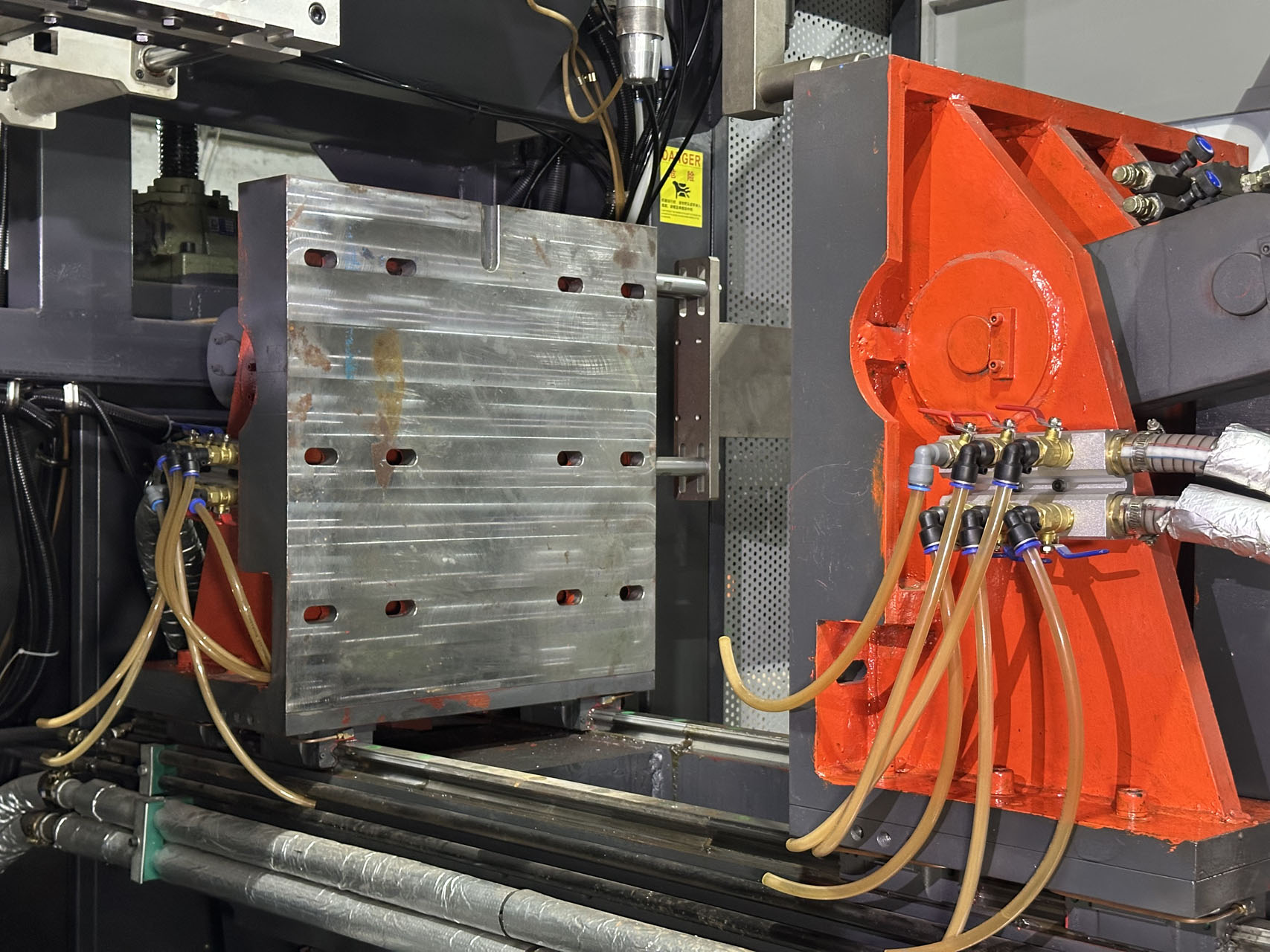
Buyers in extrusion blow molding are hearing more claims about “smart” and “sustainable” upgrades, but not every upgrade changes real production outcomes. This page focuses only on the technology directions that are currently worth tracking when planning equipment investment or line upgrades.
This is not a general process introduction. It is a practical trend brief for B2B decision-makers: what is changing, why it matters on the factory floor, and what to verify before you commit. If you need a full category overview first, use this extrusion blow molding machines resource.
Technology Trends Buyers Should Prioritize
Recent upgrades are concentrating around four practical priorities: process stability, labor reduction at repetitive steps, energy structure optimization, and broader material compatibility. For most factories, these areas influence scrap control, uptime consistency, and operating predictability more than “feature count” alone.
1) Closed-Loop Process Control and Real-Time Monitoring
More lines are moving from fixed parameter operation to continuous feedback control. Instead of waiting for off-spec parts to appear, systems use process signals to keep parison behavior and molding conditions within tighter limits.
What to confirm with suppliers
- Which key process variables are monitored in real time
- How quickly the control system responds to drift
- What production and alarm records can be exported for quality review
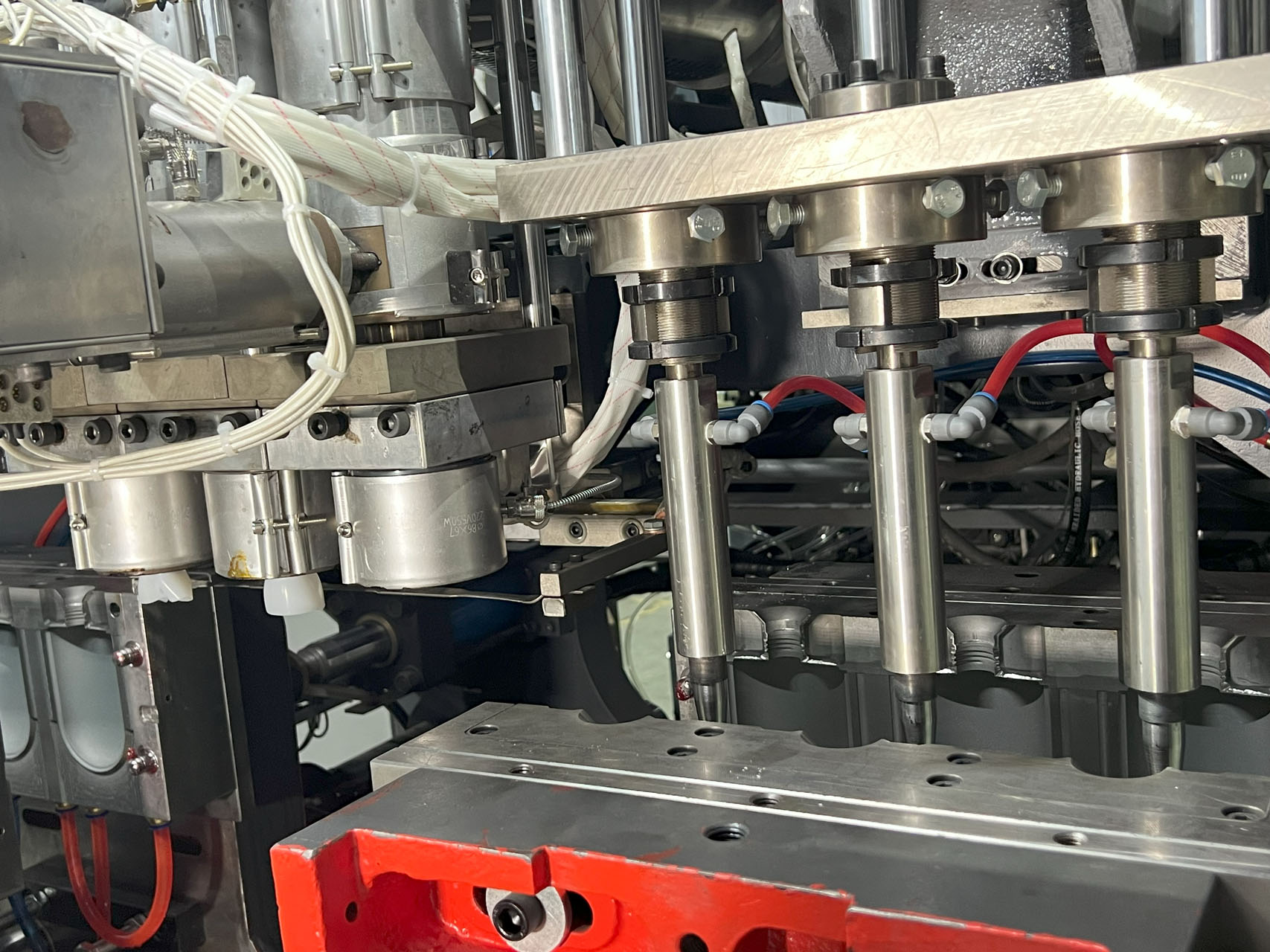
2) Automation Expansion at Deflashing and Handling Points
Automation upgrades are increasingly applied to high-frequency, repeatable tasks such as deflashing, take-out, and transfer. This helps reduce manual variation and supports more stable cycle-to-cycle execution.
Where this trend is most relevant
- Plants managing frequent operator shifts
- Projects with tighter finish quality requirements
- Lines targeting more predictable output consistency
For a focused view, see: auto-deflashing extrusion blow molding machine.

3) Servo-Oriented Upgrades vs Traditional Hydraulic-Only Architectures
Buyer discussions are shifting from “machine type labels” to practical energy and control behavior under real workloads. Servo-oriented configurations are often evaluated for response control, operating stability, and power-use structure during variable production conditions.
For comparison logic, see: servo vs hydraulic EBM real payback.
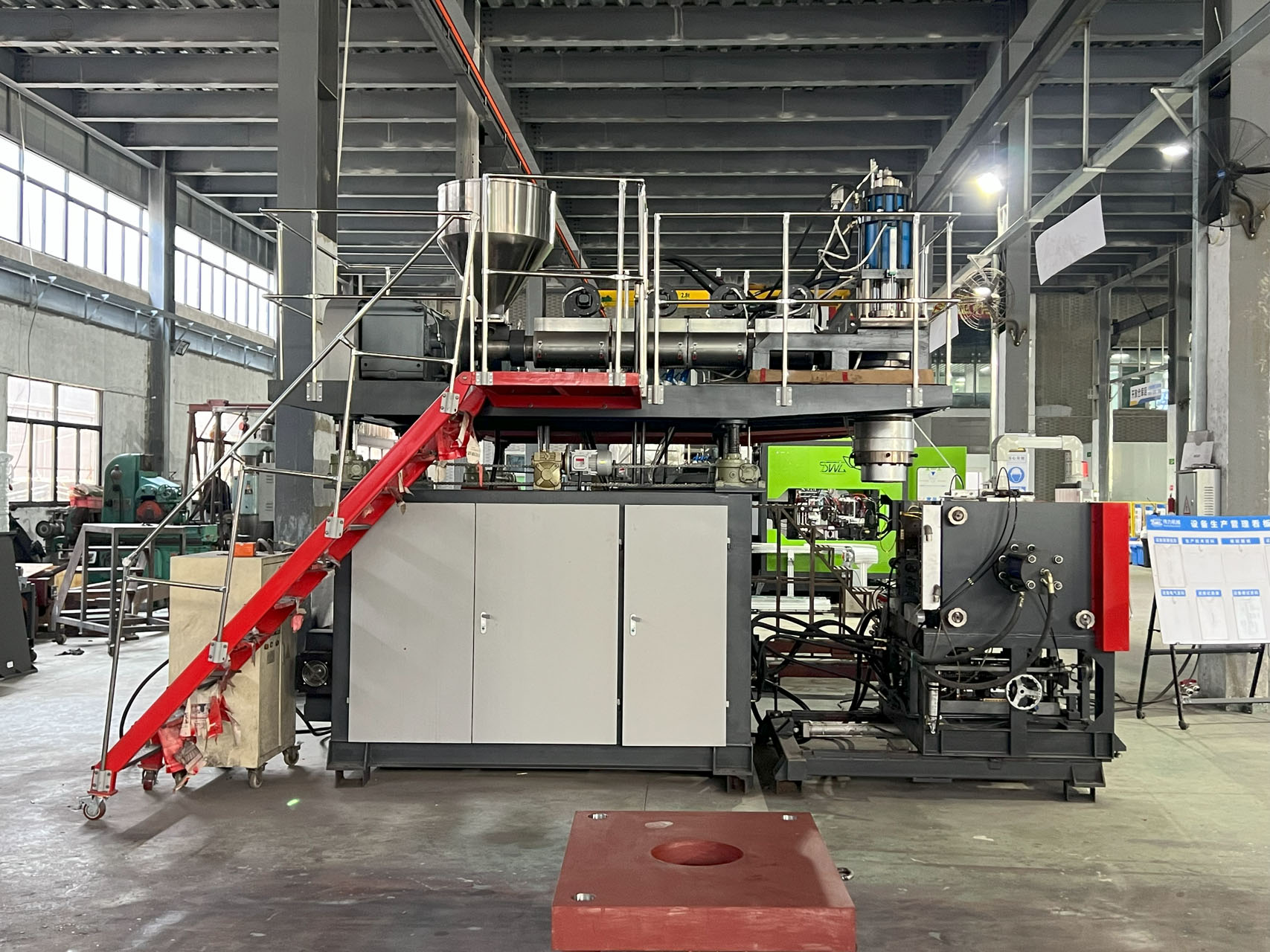
4) Material Flexibility and Lightweight Bottle Control
Another clear trend is improved process tuning for broader resin scenarios and lightweight bottle targets. Buyers increasingly ask how consistently a line can hold quality when product specs, wall targets, or material mixes change.
For HDPE-oriented specification checks, see: EBM machine HDPE bottle specs.
Quick Buyer Checklist: Validate Trend Claims Before Purchase
| Trend Area | Why It Matters | What to Verify |
|---|---|---|
| Closed-loop monitoring | Faster correction and better consistency | Signal coverage, response logic, traceable logs |
| Automation at repetitive steps | Lower manual variability | Scope of automation and maintenance access |
| Servo-oriented upgrades | Control and energy behavior under load changes | Operating profile fit, not just brochure claims |
| Material/spec flexibility | Better adaptation to product changes | Stability across your actual bottle and resin range |
Related Pages for Shortlisting
- Extrusion blow molding machine technology trends
- Auto-deflashing extrusion blow molding machine
- Servo vs hydraulic EBM real payback
- EBM machine HDPE bottle specs
Conclusion
The most useful trend decisions are usually not about adding every new feature. They are about selecting the upgrades that directly improve your target bottle quality, production stability, and operational control. For model-level selection logic, review how to choose an extrusion blow molding machine.
Request a practical recommendation for your bottle type and production target.