
If you are searching for a shampoo bottle production machine, the real decision is not just which machine can make a bottle. The real decision is which production route fits your bottle material, bottle appearance, cap style, output target, and future packaging plan.
For most opaque and squeezable shampoo bottles, the practical direction is an extrusion blow molding machine. For clear, glossy, premium-looking bottles, the better route is usually a stretch blow molding machine. If your project also includes filling, capping, labeling, and final bundling, you should evaluate the full packaging workflow instead of buying one standalone unit without line logic.
This guide is written to help B2B buyers choose the right shampoo bottle production machine, compare HDPE and PET bottle routes, and understand when to move from bottle making into a more complete packaging solution.
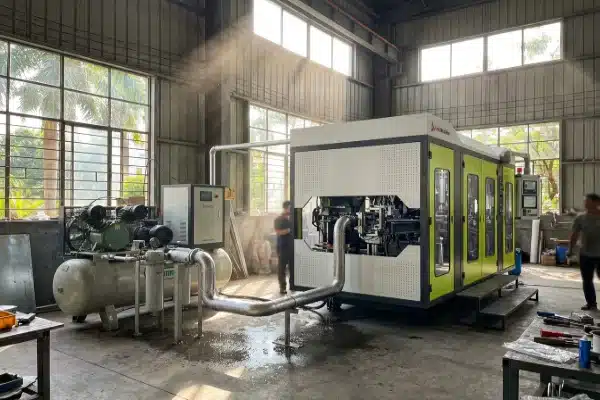
On This Page
What Is a Shampoo Bottle Production Machine?
A shampoo bottle production machine is not always one single piece of equipment. In practical B2B purchasing, this term can describe two different directions.
The first meaning is the machine that forms the bottle itself. In that case, buyers are usually comparing a shampoo bottle blow molding machine for HDPE or PET containers. The second meaning is a broader production setup where bottle manufacturing must later connect with filling machines, capping machines, labeling machines, and shrink wrapping equipment.
The strongest buying logic is this: define the bottle first, then match the machine, then confirm how the bottle will run through downstream packaging.
If a buyer starts from machine price alone, the project often becomes inefficient later. The bottle may look good, but the neck finish may not cap well, the wall thickness may be unstable, or the container may not move smoothly into filling and labeling. That is why this page focuses on process fit instead of only machine naming.
HDPE vs PET: Which Material Fits Your Shampoo Bottle Project?
Before comparing any shampoo bottle making machine, you should decide whether the bottle should be HDPE or PET. This material choice usually determines the process route immediately.
| Project Need | Better Material | Better Machine Direction | Why It Fits |
|---|---|---|---|
| Opaque shampoo bottle, squeezable bottle, custom daily chemical bottle | HDPE | Extrusion blow molding machine | Better for functional bottle shapes, softer bottle feel, and practical daily-use packaging |
| Clear bottle, premium cosmetic-style bottle, stronger shelf appearance | PET | Stretch blow molding machine | Better transparency, gloss, and premium retail presentation |
HDPE Shampoo Bottles
HDPE is widely used for shampoo, conditioner, hand wash, and other personal care packaging where bottle toughness, squeezing comfort, and custom shape flexibility matter. If your buyer intent is close to an HDPE shampoo bottle production machine, you are usually looking at extrusion blow molding.
PET Shampoo Bottles
PET is more suitable when the bottle itself must support a clearer, more premium visual effect. If your target is a PET shampoo bottle production machine, the practical route is usually stretch blow molding with bottle design and preform matching considered early.
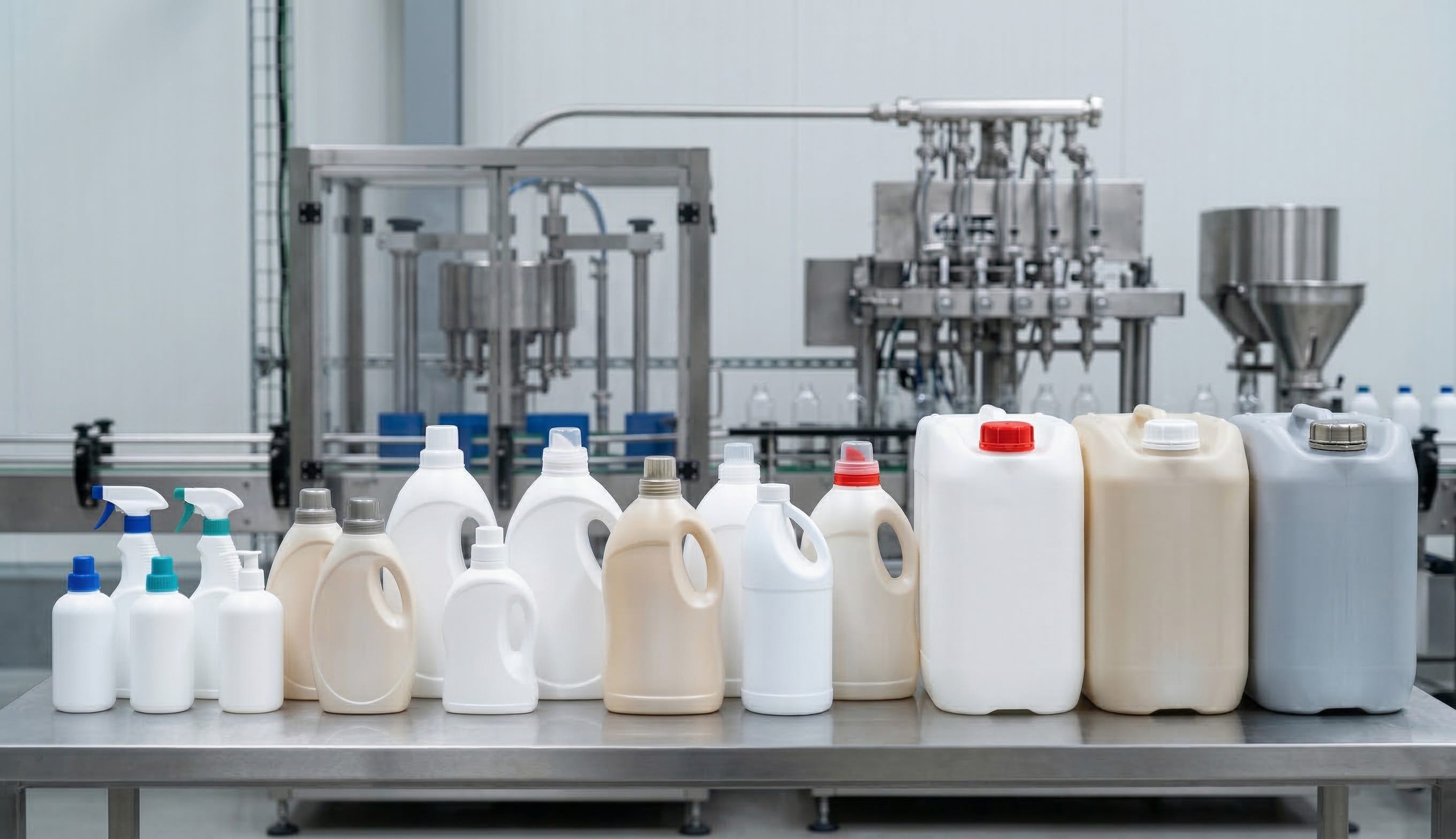
If your shampoo bottle is opaque and squeezable, start from HDPE. If your shampoo bottle must be clear and more premium-looking, start from PET. That choice is usually more important than the first machine model you compare.
Extrusion Blow Molding vs Stretch Blow Molding for Shampoo Bottles
Many buyers searching for a shampoo bottle manufacturing machine are really trying to answer a more useful question: should this bottle be made by extrusion blow molding or by stretch blow molding?
When Extrusion Blow Molding Is the Better Choice
Extrusion blow molding is usually the better direction when your project needs:
- HDPE shampoo bottles
- opaque personal care bottles
- squeezable bottle structures
- custom bottle shapes with stronger design freedom
- multiple bottle sizes in one daily chemical product family
- practical bottle production with strong compatibility for caps and pumps
This is often the best route for shampoo bottles because the process handles custom geometry well, and it fits the practical bottle styles common in daily chemical and personal care packaging.
When Stretch Blow Molding Is the Better Choice
Stretch blow molding is usually the better choice when your project needs:
- clear PET shampoo bottles
- better gloss and shelf appearance
- rigid bottles with a more premium visual feel
- selected cosmetic and personal care bottle designs with stronger retail presentation
If you are still comparing process logic first, this internal guide may also help: Extrusion vs. Stretch Blow Moulding: Which One Do You Actually Need?
Simple selection rule: opaque and squeezable usually means HDPE plus extrusion blow molding. Clear and premium-looking usually means PET plus stretch blow molding.
Should You Make Shampoo Bottles In-House or Keep Buying Bottles?
Not every factory should immediately invest in a shampoo bottle production machine. Some businesses still do better by purchasing finished bottles from outside suppliers, especially when their volume is low, their bottle design is stable, or their project is still in testing.
However, in-house bottle production becomes more attractive when buyers face recurring problems such as:
- high bottle purchasing cost from external suppliers
- long lead times for custom bottle development
- unstable bottle quality between batches
- poor coordination between bottle supply and filling schedules
- limited flexibility for changing bottle volume, shoulder design, or neck finish
- growing output that justifies stronger control over packaging cost and delivery
For many personal care and daily chemical manufacturers, the bottle is not only a container. It affects brand perception, cap fit, transport performance, filling stability, and the final user experience. That is why a serious shampoo bottle project often becomes a production control project, not just a packaging purchase.
What Bottle Specifications Matter Before Asking for a Quotation?
The fastest way to get a poor quote is to ask for a machine without defining the bottle. The fastest way to get a practical quote is to define the bottle first and give the supplier enough real project information.
- Bottle material: confirm whether the bottle is HDPE or PET. This is the first process decision.
- Bottle volume range: tell the supplier whether you are making one size only or a family such as 100 ml, 250 ml, 500 ml, and 1000 ml.
- Bottle shape: round bottles are easier, while offset shoulders, flat panels, decorative curves, and special ergonomic shapes need better mold planning.
- Neck finish and closure type: screw cap, flip-top cap, pump, and other closures all affect neck precision requirements.
- Label panel and branding area: if the bottle needs a clean label zone or a premium branded shape, this should be considered early.
- Output target: the supplier should know your bottles per hour or monthly demand, not only that you want a fast machine.
- Downstream line plan: if the bottle must move into filling, capping, labeling, or bundling, that needs to be part of the recommendation.
If you want a more complete bottle-process view first, this article can support the discussion: The Ultimate Guide to Blow Molding Bottles: From Plastic Resins to Production Machines.
Do You Need Only a Shampoo Bottle Making Machine or a Full Packaging Line?
This is where many pages on the internet stay too shallow. They explain bottle making, but they stop before the real factory logic starts.
In real production, the bottle is only one stage. After bottle forming, the project may still need:
- bottle conveying and transfer
- liquid filling
- cap feeding and capping
- self-adhesive or sleeve labeling
- date coding and inspection
- shrink wrapping or final case packing
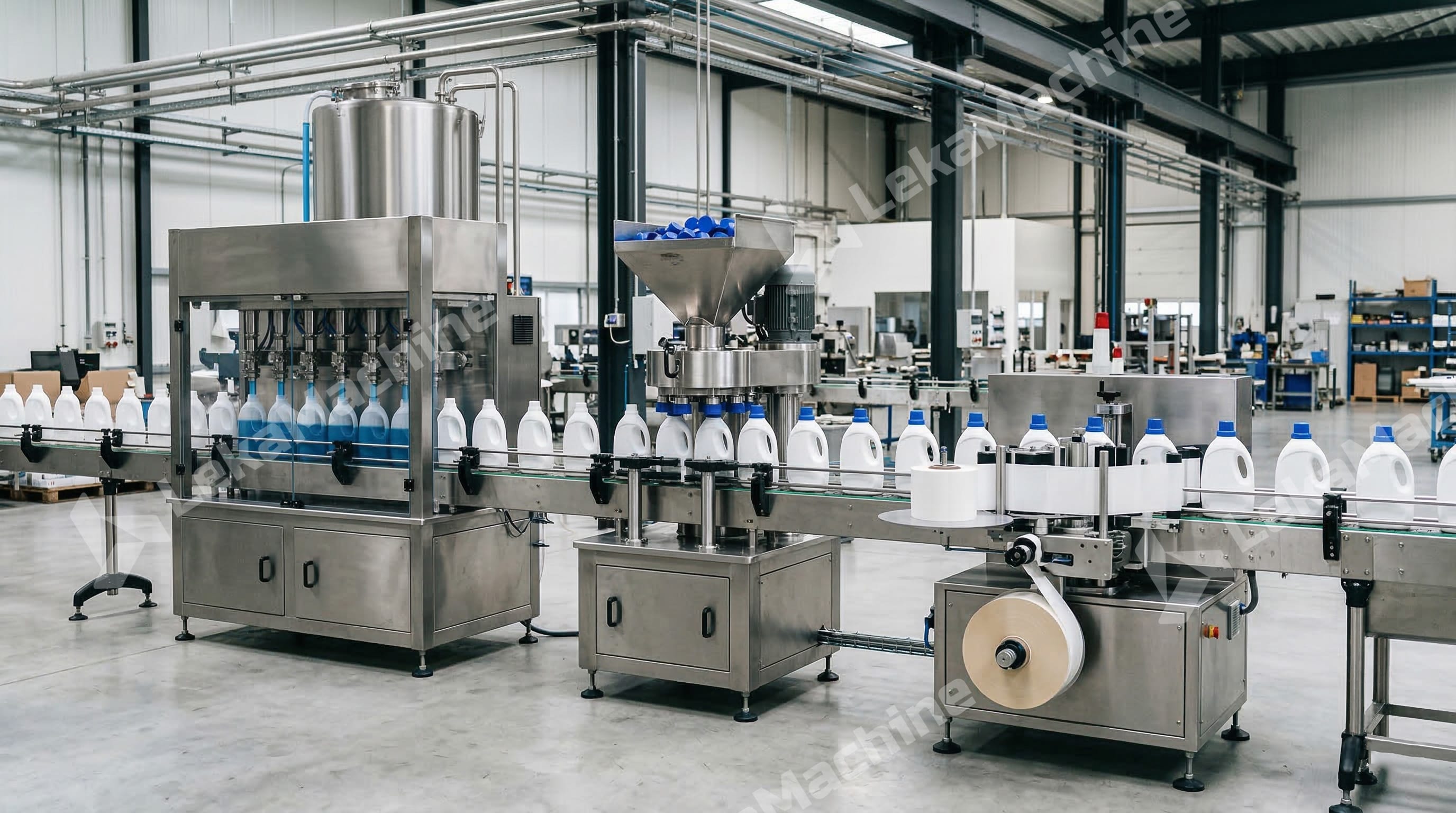
If your business is building a stronger shampoo packaging workflow, it usually makes more sense to evaluate the interfaces between bottle production and downstream equipment early. LEKA’s broader solution planning direction is useful here because the bottle machine should not be treated as an isolated island.
Start With Bottle Production Only
This route is suitable when you mainly want to reduce bottle sourcing cost, control custom bottle development, or stabilize container supply for your current filling setup.
Plan the Broader Packaging Workflow
This route is better when the same project also needs filling, capping, labeling, and secondary packaging.
Need a Practical Machine Recommendation Instead of a Generic Quote?
Tell LEKA your bottle material, bottle volume, bottle photo or drawing, closure type, and target output. We can help you narrow down the right shampoo bottle production route and whether your project should stay standalone or move toward a fuller line layout.
How to Choose the Right Supplier for a Shampoo Bottle Production Machine
The right supplier is not simply the supplier with the cheapest machine quotation. The stronger supplier is usually the one that can understand your bottle application, clarify the process route, and reduce mistakes before production starts.
Before choosing a supplier, ask these practical questions:
- Can they review your bottle drawing, sample, or reference photo?
- Can they explain clearly whether HDPE or PET is the better bottle material for your project?
- Can they justify extrusion blow molding or stretch blow molding based on bottle function, not guesswork?
- Can they support mold development and bottle optimization?
- Can they discuss how the bottle will connect with filling, capping, labeling, and end-of-line packing?
- Can they provide project support, training, spare parts, and after-sales coordination?
A stronger packaging project normally comes from stronger early matching. If the supplier can only talk about machine features but cannot talk about bottle logic, that is usually a warning sign.
For buyers who also care about supplier background and manufacturing positioning, LEKA’s company page is here: About LEKA Machine.
What Information Should You Send Before Requesting a Quote?
If you want a useful answer instead of a broad sales reply, send the real bottle project information first. Even partial information is enough to start the process in a more practical way.
- bottle material: HDPE or PET
- bottle volume or size range
- bottle photo, sample, or drawing
- closure type: screw cap, flip-top cap, pump, or other
- target output per hour or per month
- whether you only need bottle making or a more complete packaging line
- any existing filling, capping, or labeling equipment that the bottle must match
That information gives the supplier a much better base for bottle design evaluation, process selection, mold planning, and line coordination.
Final Recommendation
If your project is based on an opaque, squeezable, custom-shaped shampoo bottle, start by evaluating an HDPE route with extrusion blow molding. If your project needs a clear, premium-looking bottle, start with a PET route and a stretch blow molding solution. If the project also involves filling, cap application, labeling, and final packing, treat it as a coordinated packaging workflow instead of a single-machine purchase.
The best shampoo bottle production machine is not the one with the most aggressive brochure claim. It is the one that matches your bottle material, bottle design, closure fit, output target, and packaging plan from the beginning.
Frequently Asked Questions About Shampoo Bottle Production Machines
What is the best machine for making shampoo bottles?
It depends on the bottle material and bottle appearance. For most opaque and squeezable shampoo bottles, an extrusion blow molding machine is usually the better direction. For clear PET shampoo bottles with a more premium look, a stretch blow molding machine is usually more suitable.
Is HDPE or PET better for shampoo bottles?
HDPE is better when the bottle needs an opaque look, stronger squeezing comfort, and greater shape flexibility. PET is better when the bottle needs transparency, gloss, and a more premium retail appearance.
Can one shampoo bottle making machine produce different bottle sizes?
In many cases, yes. However, the practical range depends on bottle design, mold arrangement, neck finish requirements, and the real production plan. That is why your full bottle family should be discussed early, not after machine selection.
Do I need only a shampoo bottle production machine or a full packaging line?
If you only need bottle supply, a standalone bottle making solution may be enough. If your project also needs filling, capping, labeling, and final packing, it is usually better to evaluate a broader packaging workflow from the start.
What should I send before asking for a quotation?
You should ideally send bottle material, bottle volume, bottle photo or drawing, closure type, target output, and whether you need only bottle production or a more complete packaging line. Better input usually leads to a more accurate recommendation.
Next Step for Your Project
If you are comparing HDPE and PET bottle routes, or if you need help deciding whether the project should stay at bottle production or extend into filling and packaging, the next step is to share your actual bottle and output requirements.
This version keeps the slug unchanged and reuses old article image assets with tighter visual spacing and more natural section placement.