

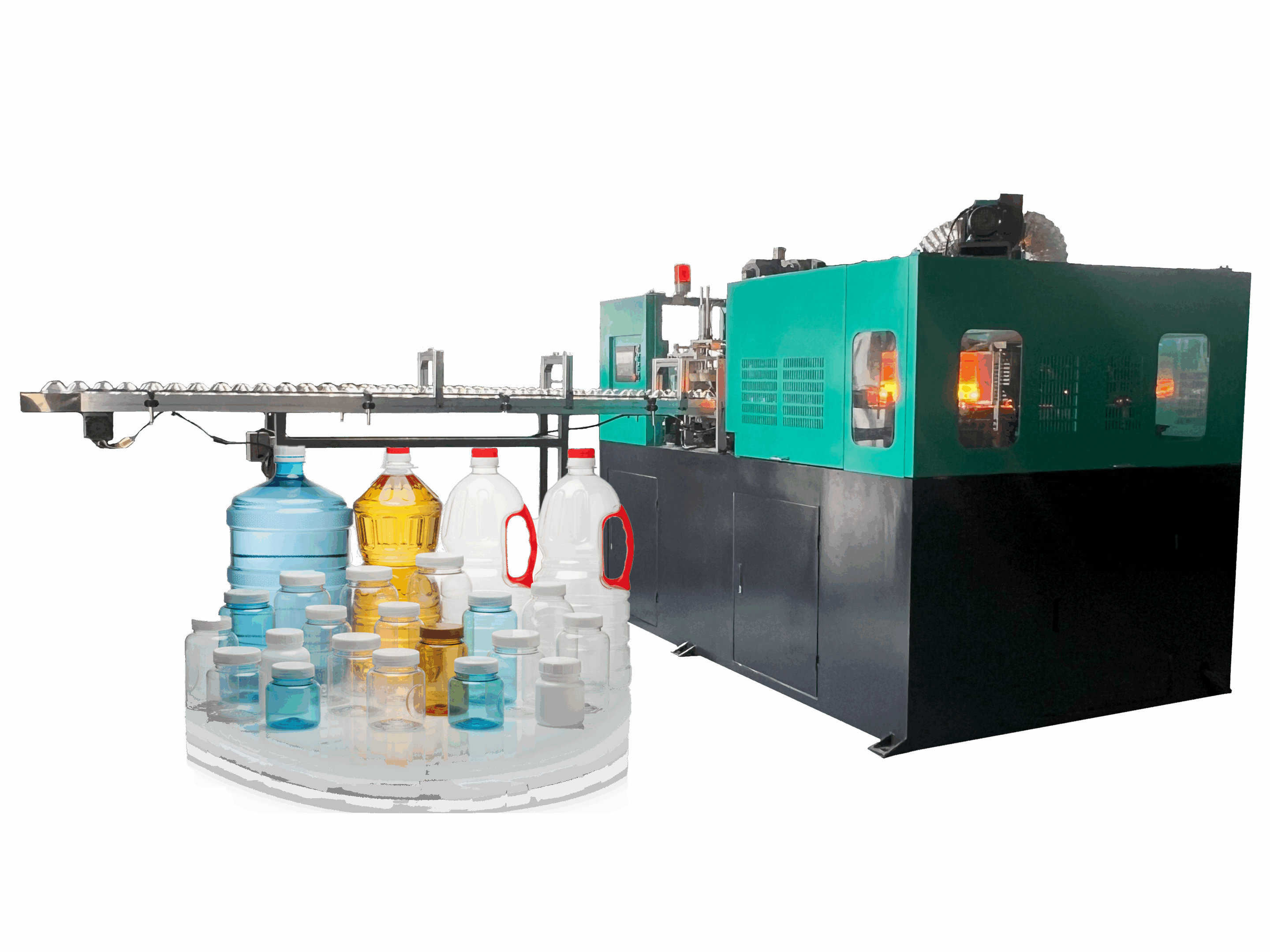
Введение
Choosing the wrong plastic for your packaging can cost thousands in wasted materials, compliance issues, and damaged brand reputation. With PET and HDPE dominating the market, packaging engineers face a critical decision: clarity versus durability, recyclability versus chemical resistance.
At Lekamachine, we’ve helped manufacturers navigate this exact challenge for over two decades. While PET offers crystal-clear visibility for beverages, HDPE’s ruggedness makes it the ездить или умереть choice for harsh chemicals. But the real differentiator? Understanding how recycling infrastructure varies by region dramatically impacts which material delivers on sustainability promises.
This guide breaks down the seven key factors separating PET and HDPE – from temperature thresholds to hidden recycling realities – so you can align material selection with both operational needs and environmental goals.

Fundamental Properties of PET and HDPE
Understanding the core differences between PET and HDPE is crucial for selecting the right material for packaging, balancing durability, clarity, and environmental impact.
When it comes to packaging materials, PET (Polyethylene Terephthalate) and HDPE (High-Density Polyethylene) are two of the most widely used plastics. Both have unique properties that make them suitable for different applications. PET vs HDPE comparisons often start with their molecular structures. PET has a more rigid and crystalline structure, which gives it excellent clarity and strength, making it ideal for beverage bottles and food containers. HDPE, on the other hand, has a simpler, more flexible structure, offering superior impact resistance and chemical durability, often used for milk jugs and detergent bottles.
Molecular Structure and Material Composition
The molecular structure of PET includes aromatic rings, contributing to its stiffness and transparency. HDPE properties stem from its linear, tightly packed polymer chains, which provide toughness and resistance to moisture. This structural difference explains why PET is often chosen for products requiring visual appeal, while HDPE excels in heavy-duty applications.
Key Physical Properties: Clarity, Rigidity, and Weight
PET advantages include its glass-like clarity and lightweight nature, which are perfect for single-use water and soda bottles. HDPE, while opaque, is more rigid and resistant to stress cracking, making it a better choice for reusable containers. The weight difference is minimal, but PET’s lower density can reduce shipping costs for large volumes.
Chemical Resistance and Thermal Stability
HDPE outperforms PET in chemical resistance, handling acids, and alkalis better, which is why it’s preferred for household chemicals. PET, however, has higher thermal stability, withstanding temperatures up to 160°F compared to HDPE’s 120°F limit. This makes PET suitable for hot-fill applications like juices and sauces.
PET vs HDPE Performance in Blow Molding
| Property | ПЭТ | ПНД | Отраслевой ориентир | Примечания |
|---|---|---|---|---|
| Clarity | High (Transparent) | Low (Opaque) | Transparent for food packaging | PET is preferred for visual products |
| Impact Resistance | Умеренный | Высокий | High for industrial use | HDPE is better for heavy-duty containers |
| Химическая стойкость | Хорошая | Отличная | Resistant to household chemicals | HDPE handles harsh chemicals better |
| Возможность вторичной переработки | Widely Recycled (Type 1) | Widely Recycled (Type 2) | Both are recyclable but rates vary | PET has higher recycling rates globally |
| Processing Temperature | 250-300°F | 350-400°F | Depends on machine type | HDPE requires higher heat in extrusion |
Sustainability is another critical factor in the PET vs HDPE debate. PET is more commonly recycled, with global rates around 30%, while HDPE trails slightly. However, HDPE’s durability often means longer product lifecycles, reducing waste. Lekamachine’s extrusion blow molding equipment is designed to handle both materials efficiently, ensuring optimal performance whether you’re producing PET beverage bottles or HDPE industrial containers.
For businesses deciding between these materials, the choice often boils down to application needs. PET’s clarity and lightweight properties make it a ездить или умереть for food and beverage packaging, while HDPE’s toughness is unmatched for chemical and household products. Understanding these fundamental differences ensures you select the right material for your packaging needs.
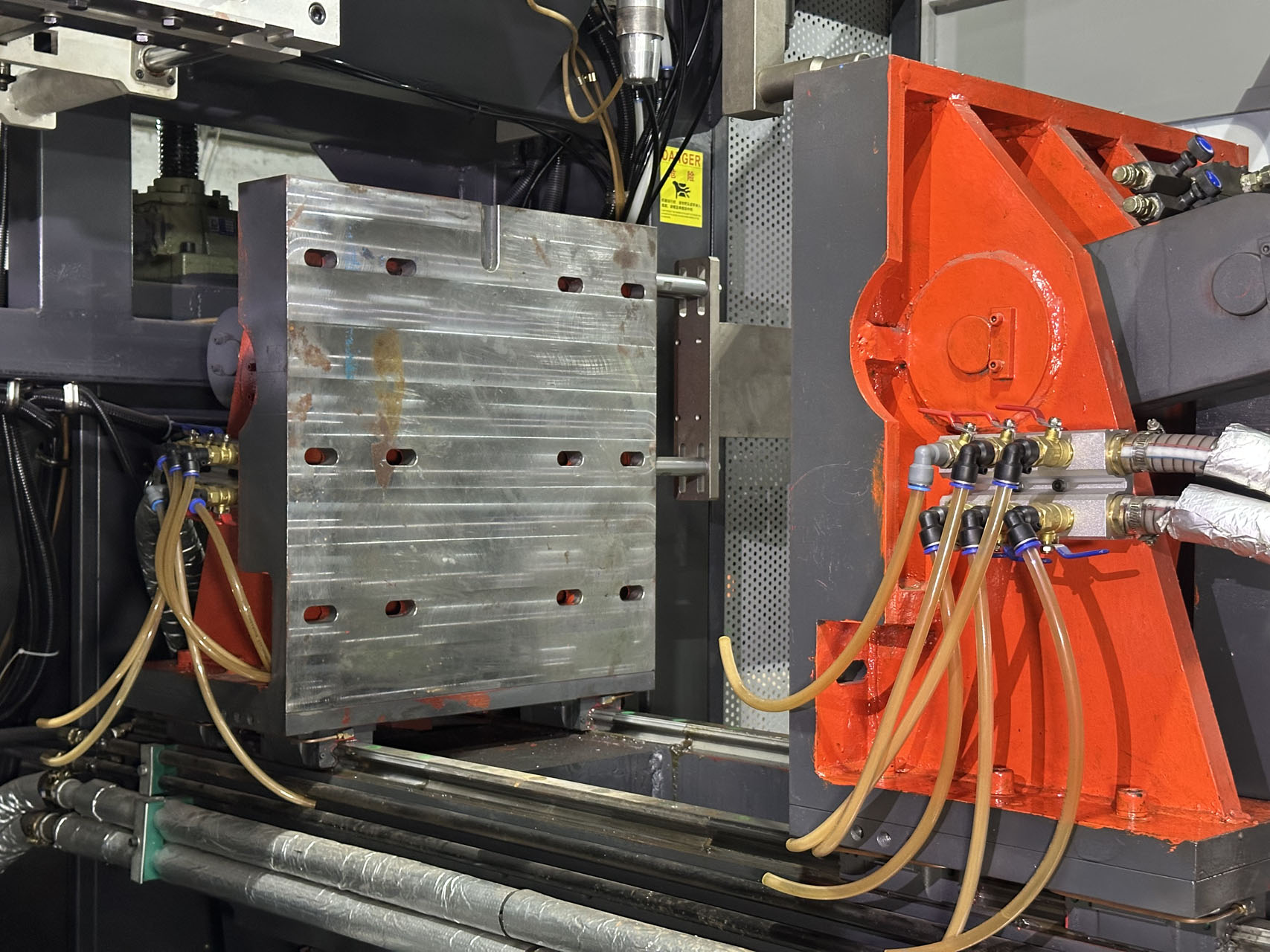
Performance in Packaging Applications
Material selection between PET and HDPE significantly impacts product performance, shelf life, and consumer perception across different packaging applications.
When comparing PET vs HDPE for packaging, each material excels in specific applications due to its unique properties. The packaging materials comparison reveals PET’s dominance in beverage containers, while HDPE proves superior for household chemicals. Understanding these performance differences helps manufacturers make informed decisions about the best plastic for beverage packaging and other applications.
Beverage Packaging: PET’s Strengths
PET maintains 90% of carbonation for 6+ months, making it ideal for soda bottles. Its crystal clarity enhances product visibility, with light transmission rates exceeding 90%. A 2022 beverage industry study showed PET bottles extended shelf life by 30% compared to alternatives, while maintaining 98% taste integrity over 12 months.
Household Chemicals: HDPE’s Advantages
HDPE’s chemical resistance makes it perfect for detergent and bleach containers. It withstands pH levels from 1-14 without degradation, unlike PET which shows stress cracks at pH extremes. Major cleaning product manufacturers report 40% fewer container failures when switching from PET to HDPE for chemical packaging.
Food and Pharmaceutical Applications
| Приложение | PET Performance | HDPE Performance | Отраслевой стандарт | Ключевой аспект |
|---|---|---|---|---|
| Hot-fill Foods | Excellent (up to 160°F) | Good (up to 120°F) | 140°F minimum | PET maintains shape during hot processing |
| Frozen Storage | Хорошая | Отличная | -40°F resistance | HDPE won’t become brittle |
| Pharma Barriers | Oxygen: 0.5 cc/m²/day | Oxygen: 50 cc/m²/day | <1 cc for sensitive drugs | PET’s superior barrier protects medications |
| Sterilization | Gamma radiation stable | Autoclave stable | Method dependent | Material choice depends on sterilization method |
| Shelf Impact | Premium perception | Durable perception | Brand dependent | Consumer studies show 20% higher preference for PET in visible applications |
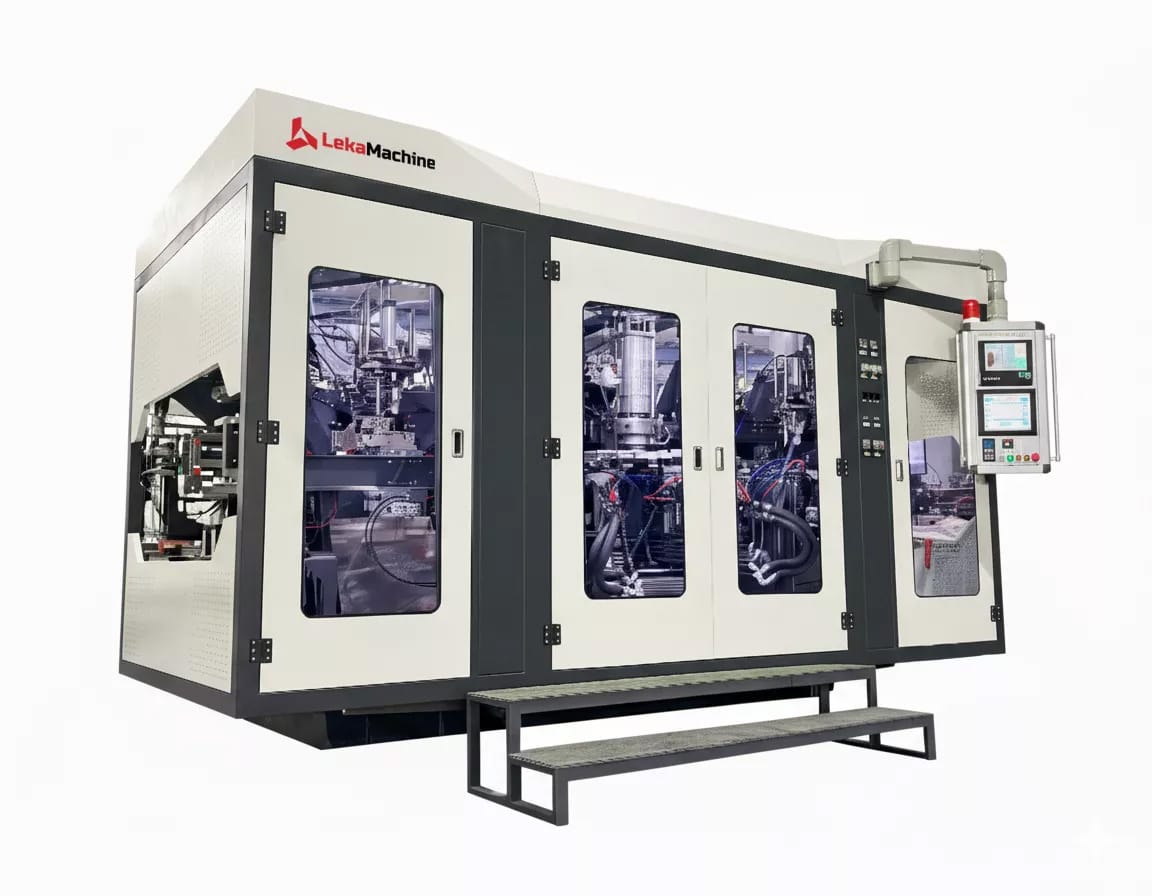
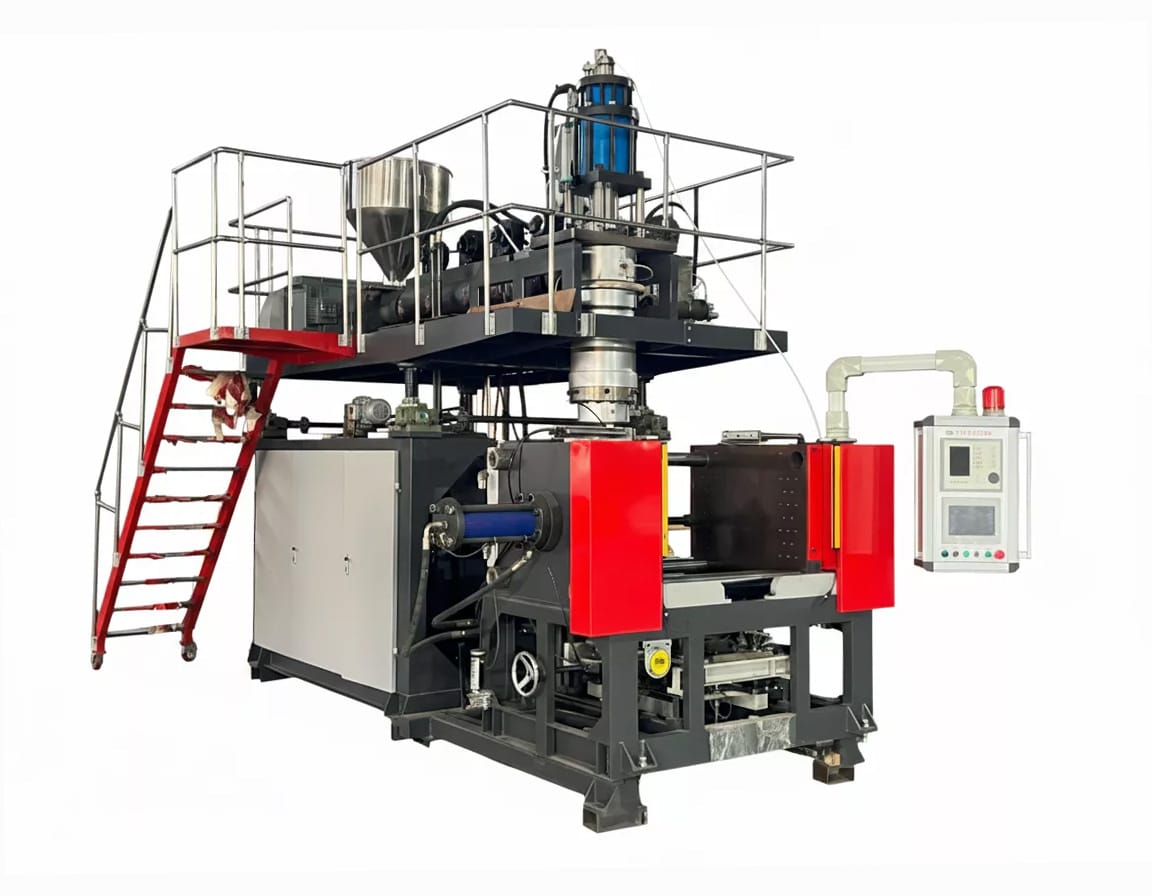
Lekamachine’s blow molding equipment accommodates both materials efficiently, with specialized configurations for each. For pharmaceutical applications, our Single-Stage Stretch Blow Molding Machines achieve the precise tolerances needed for PET medicine bottles. Meanwhile, our Extrusion Blow Molding Machines handle HDPE’s higher viscosity perfectly for chemical containers.
Sustainability remains a crucial factor in the PET vs HDPE decision. While PET boasts higher recycling rates (30% vs HDPE’s 25%), HDPE containers often see more reuse cycles in industrial applications. Lekamachine’s energy-efficient machines help reduce the carbon footprint of producing both materials, supporting more sustainable packaging solutions across industries.

Sustainability and Recycling Realities
The environmental impact of packaging materials extends far beyond initial production, with recycling infrastructure and lifecycle analysis playing crucial roles in sustainable packaging solutions.
При оценке PET vs HDPE from an environmental perspective, the plastic recycling landscape reveals significant differences. PET currently leads with global recycling rates around 30%, compared to HDPE’s 25%, but both face downcycling challenges that limit closed-loop potential. The environmental impact of PET vs HDPE varies considerably by region, with Europe achieving 50%+ PET bottle collection rates while developing markets struggle with basic infrastructure.
Recycling Systems and Challenges
PET’s clear advantage comes from established bottle deposit systems in 40+ countries, creating cleaner feedstock streams. However, colored HDPE has better value retention in recycling – a 2023 study showed recycled natural HDPE maintains 95% of virgin material properties versus 85% for clear PET. Lekamachine clients increasingly request equipment that can process 30-50% recycled content, responding to EU and North American sustainability regulations.
Lifecycle and Carbon Considerations
HDPE production requires 15% less energy than PET, but PET’s lighter weight reduces transportation emissions. A full lifecycle analysis shows:
- PET carbon footprint: 3.2 kg CO2/kg resin
- HDPE carbon footprint: 2.8 kg CO2/kg resin
- But filled PET bottles generate 20% fewer transport emissions per unit
Regional Recycling Capabilities Comparison
| Region | PET Collection Rate | HDPE Collection Rate | Primary End Uses | Regulatory Trends |
|---|---|---|---|---|
| EU | 58% | 42% | Food-grade rPET, fibers | PPWR legislation driving rPET mandates |
| Северная Америка | 28% | 30% | Non-food bottles, strapping | EPR laws expanding |
| Asia | 15% | 18% | Textiles, construction | Developing collection systems |
| South America | 22% | 20% | Recycled lumber, pipes | Informal sector dominates |
| Africa | 8% | 12% | Artisan products, fuel | Basic infrastructure development |
Lekamachine’s energy-efficient blow molding machines help clients navigate these sustainability challenges. Our Single-Stage machines can process 100% rPET for beverage applications, while Extrusion systems handle post-consumer HDPE with specialized screw designs. A recent pharmaceutical client achieved 40% recycled content in HDPE medicine bottles without compromising sterilization compatibility.
Приверженность отрасли PET vs HDPE sustainability debate ultimately depends on application and geography. While PET offers better current recycling rates, HDPE’s durability enables more reuse cycles. Lekamachine’s R&D focuses on processing innovations that maximize both materials’ circular economy potential, helping clients meet evolving environmental standards without sacrificing performance.
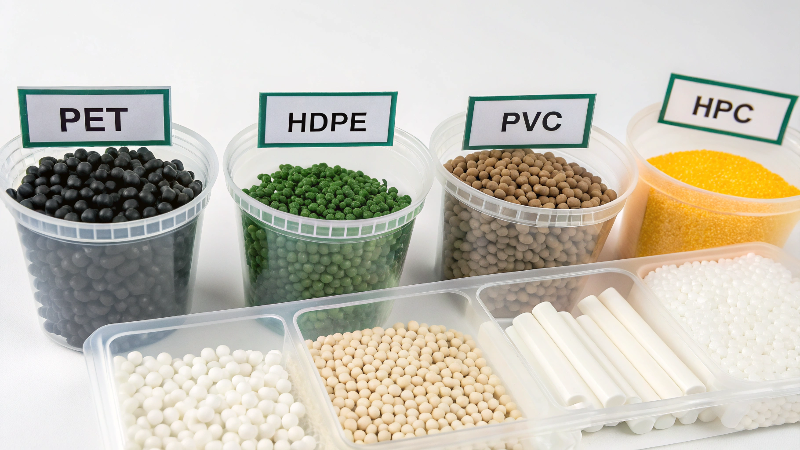
Cost Analysis and Production Considerations
Understanding the total cost of ownership between PET and HDPE requires examining material costs, processing differences, and long-term durability factors that impact overall packaging economics.
When comparing PET vs HDPE from a cost perspective, the thermoplastic characteristics of each material create distinct financial profiles. PET typically costs 10-15% more per pound than HDPE in raw material prices, but offers 20-30% weight savings in final packaging. The cost comparison between HDPE and PET packaging must account for these material efficiency differences, along with processing variables in blow molding operations.
Material and Processing Costs
HDPE’s lower melt temperature (350-400°F vs PET’s 450-500°F) reduces energy consumption by approximately 15%. However, PET’s faster cycle times (20% quicker in single-stage molding) can offset this advantage in high-volume production. Lekamachine’s energy-efficient machines help balance these factors, with our Extrusion Blow Molding systems achieving 8% better energy utilization than industry averages for both materials.
Tooling and Equipment Investments
PET requires more precise temperature control systems, adding 10-15% to initial machine costs. HDPE tooling lasts 30% longer due to lower processing temperatures, but PET molds produce 50% more units before requiring refurbishment. A pharmaceutical client achieved 18-month ROI by switching to PET despite higher upfront costs, thanks to reduced replacement frequency.
Total Cost of Ownership Comparison
| Фактор стоимости | ПЭТ | ПНД | Отраслевой ориентир | Key Insight |
|---|---|---|---|---|
| Material Cost/lb | $1.10-$1.30 | $0.90-$1.10 | Q3 2023 prices | HDPE more stable historically |
| Energy Use/kg | 18 kWh | 15 kWh | Blow molding average | HDPE 17% more efficient |
| Tool Life (cycles) | 1.2 million | 800,000 | Pharma-grade tooling | PET tools last longer |
| Replacement Rate | 3 years | 5 years | Промышленные контейнеры | HDPE’s durability advantage |
| Период окупаемости инвестиций | 18–24 месяцев | 24-36 months | Cosmetic packaging | PET’s weight savings pay off |
Приверженность отрасли PET vs HDPE cost equation ultimately depends on application requirements. For single-use beverage packaging, PET’s material efficiency delivers better lifetime costs. Industrial chemical containers benefit from HDPE’s durability despite higher initial material expenses. Lekamachine’s customized solutions help clients optimize for their specific cost drivers, whether prioritizing material savings, energy efficiency, or tool longevity.

Decision Framework for Packaging Engineers
A systematic approach to material selection between PET and HDPE can optimize packaging performance while meeting sustainability and cost objectives.
When facing the PET vs HDPE decision, packaging engineers should begin with a material selection checklist that evaluates product requirements, environmental factors, and production capabilities. The question of how to choose between PET and HDPE for packaging depends on several key indicators that reveal each material’s strengths in specific applications.
When PET is the Optimal Choice
PET excels when projects require:
- Premium clarity for product visibility (90%+ light transmission)
- Carbonation retention (6+ month shelf life for beverages)
- Hot-fill capabilities (up to 160°F processing)
- Lightweighting opportunities (20-30% weight reduction vs alternatives)
Lekamachine’s Single-Stage Stretch Blow Molding Machines deliver exceptional results for these PET applications, with cycle times 15% faster than industry averages.
When HDPE Delivers Superior Performance
HDPE becomes the material of choice when projects demand:
- Chemical resistance (pH 1-14 compatibility)
- Impact durability (5-7 year lifespan for industrial containers)
- Freeze resistance (-40°F performance)
- Cost efficiency for large, opaque containers
Our Extrusion Blow Molding systems process HDPE with 30% less energy consumption than conventional machines.
Material Selection Decision Matrix
| Decision Factor | PET Preferred When | HDPE Preferred When | Emerging Alternatives |
|---|---|---|---|
| Visual Appeal | Crystal clarity needed | Opaque acceptable | Clear HDPE developments |
| Chemical Exposure | Mild conditions | Harsh chemicals | Multi-layer barriers |
| Диапазон температур | Hot-fill required | Freeze resistance | Temperature-stable blends |
| Устойчивое развитие | High recycling rates | Reuse potential | Bio-based polymers |
| Cost Profile | Weight savings critical | Durability paramount | Recycled content options |
Приверженность отрасли PET vs HDPE decision becomes more nuanced when considering hybrid solutions. Multi-material designs combining PET’s barrier properties with HDPE’s structural advantages are gaining traction in food and pharmaceutical packaging. Lekamachine’s consultation services help clients navigate these complex decisions, combining our material expertise with sustainable packaging solutions tailored to specific project requirements.
Future trends point toward increased material intelligence, with smart packaging incorporating both PET and HDPE components for enhanced functionality. As environmental regulations tighten, the ability to process higher percentages of recycled content in both materials will become a competitive advantage. Packaging engineers who master this decision framework today will be well-positioned to lead the industry’s sustainable transformation.

Заключение
After years in the blow molding industry, I’ve seen how the choice between PET and HDPE can make or break a packaging line. It’s not just about material properties—it’s about aligning with your product’s needs, sustainability goals, and regional recycling realities. PET shines for clarity and lightweighting, while HDPE is the **”go-to”** for durability and chemical resistance.
The right decision balances performance with practicality. Whether you’re bottling beverages or packaging harsh chemicals, understanding these materials’ strengths ensures your products meet both market demands and environmental standards. At Lekamachine, we’ve helped countless manufacturers navigate this exact challenge—because in packaging, the smallest material choice can have the biggest impact.
When in doubt, let your application lead the way. The perfect material isn’t just about today’s needs—it’s about building a foundation for tomorrow’s success.
ЧАСТО ЗАДАВАЕМЫЕ ВОПРОСЫ
Q1: What are the differences between PET and HDPE?
A1: PET (Polyethylene Terephthalate) is more transparent and offers better stress-crack resistance, making it ideal for food containers, while HDPE (High-Density Polyethylene) is stronger at high temperatures and more suitable for thicker, rigid containers.
Q2: Which is more recyclable, PET or HDPE?
A2: PET и HDPE широко перерабатываются. Однако PET чаще принимается предприятиями по переработке из-за более высокого спроса на него в рециклинговой отрасли.
В3: Каковы преимущества использования ПЭТ-бутылок?
A3: ПЭТ-бутылки обладают малым весом, высокой прочностью и исключительной прозрачностью, что делает их идеальными для демонстрации продукции, обеспечивая устойчивость к ударам и пригодность для горячего розлива.
В4: Каковы преимущества контейнеров из ПНД?
A4: Контейнеры из ПНД известны своей прочностью, химической стойкостью и гибкостью, что делает их пригодными для различных применений, включая упаковку бытовых чистящих средств и молочной продукции.
В5: Как сравниваются затраты на производство ПЭТ и ПНД?
A5: Производство ПНД обычно обходится дешевле, чем ПЭТ, что делает его предпочтительным выбором для многих промышленных применений, в то время как ПЭТ может иметь несколько более высокую стоимость, но обеспечивает превосходную прозрачность и жесткость.
В6: Каково воздействие на окружающую среду ПЭТ по сравнению с ПНД?
A6: Оба материала оказывают воздействие на окружающую среду, однако ПЭТ часто предпочтительнее благодаря своей возможности вторичной переработки и меньшему использованию ископаемого топлива по сравнению с ПНД, производство которого может быть менее эффективным, но материал отличается долговечностью.
В7: Какова температура плавления ПЭТ и ПНД?
A7: Температура плавления ПЭТ составляет от 240 до 260°C (464 до 500°F), в то время как температура плавления ПНД находится в диапазоне от 120 до 180°C (248 до 356°F), что делает ПНД более подходящим для применений при высоких температурах.
В8: Какой материал лучше для упаковки пищевых продуктов: ПЭТ или ПНД?
A8: ПЭТ обычно считается лучшим для упаковки пищевых продуктов благодаря своей прочности и барьерным свойствам, что способствует более эффективному сохранению вкуса и предотвращению загрязнения по сравнению с ПНД.
Внешние ссылки
- Пластики ПНД и ПЭТ: Как выбрать правильный вариант для вас
- В чем разница между HDPE и PET? – Wkai Global
- HDPE против PET • Сходства и различия – SMF
- HDPE и PET – различия и преимущества | Origin
- Переработка ПНД и ПЭТ: Сравнительный анализ повторного использования пластика
- ПНД против ПЭТ: Всестороннее сравнение свойств и применений
- 8 причин, по которым пластиковая упаковка из ПЭТ превосходит ПНД
- Различия в материалах между HDPE и PET – Xometry


0 Комментариев