
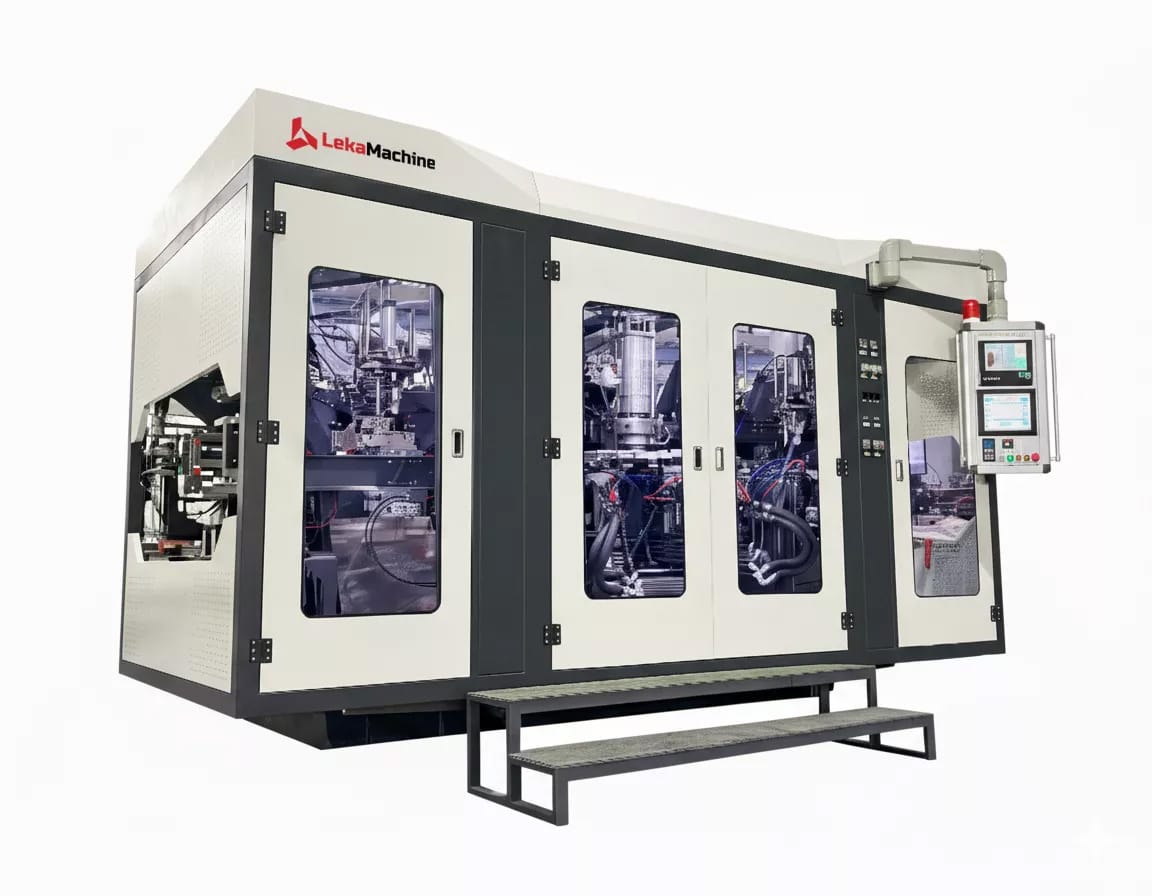
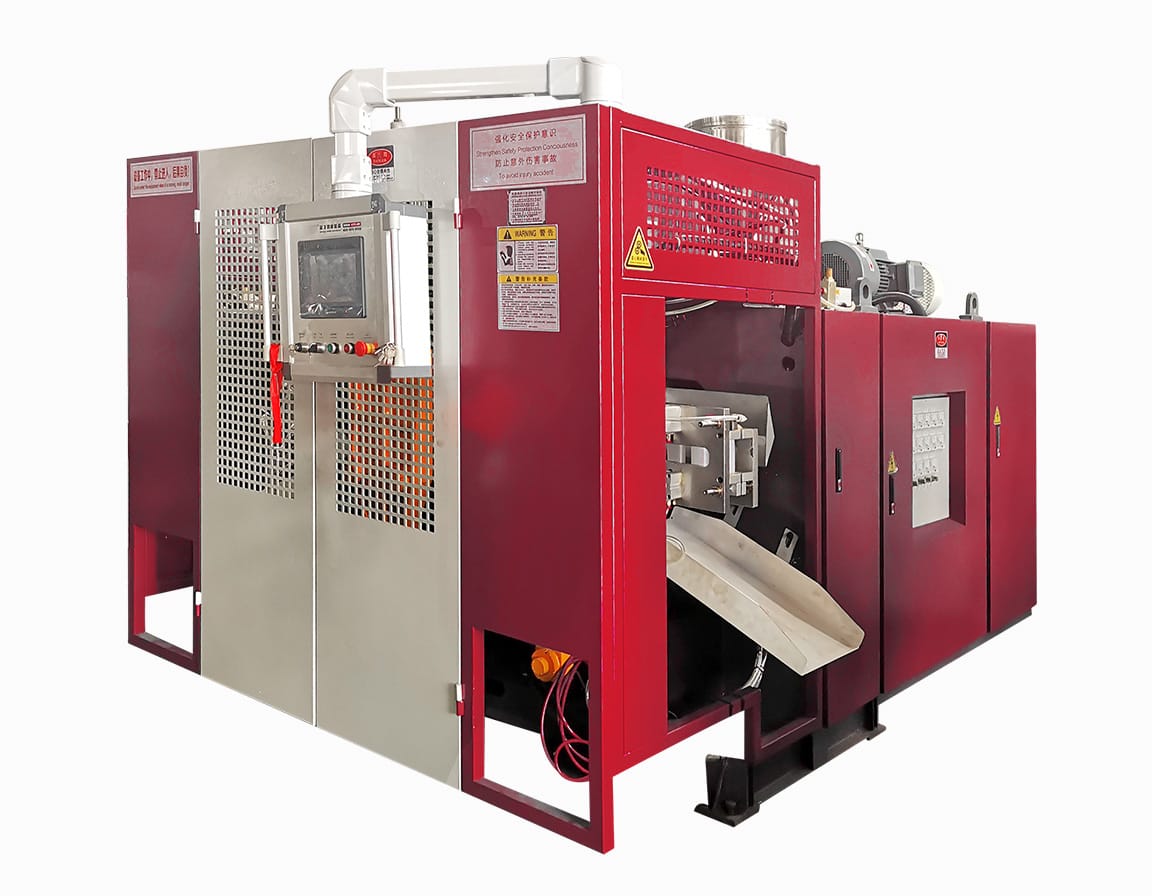
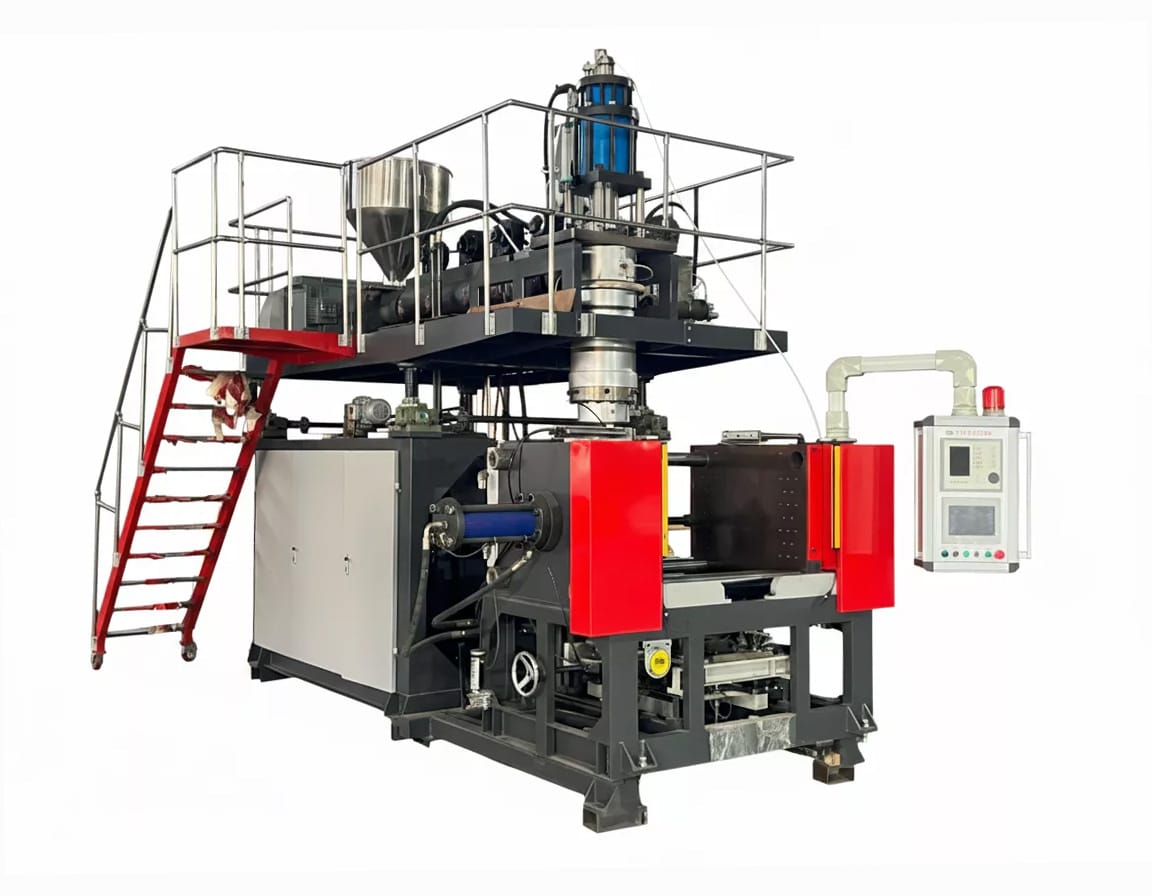
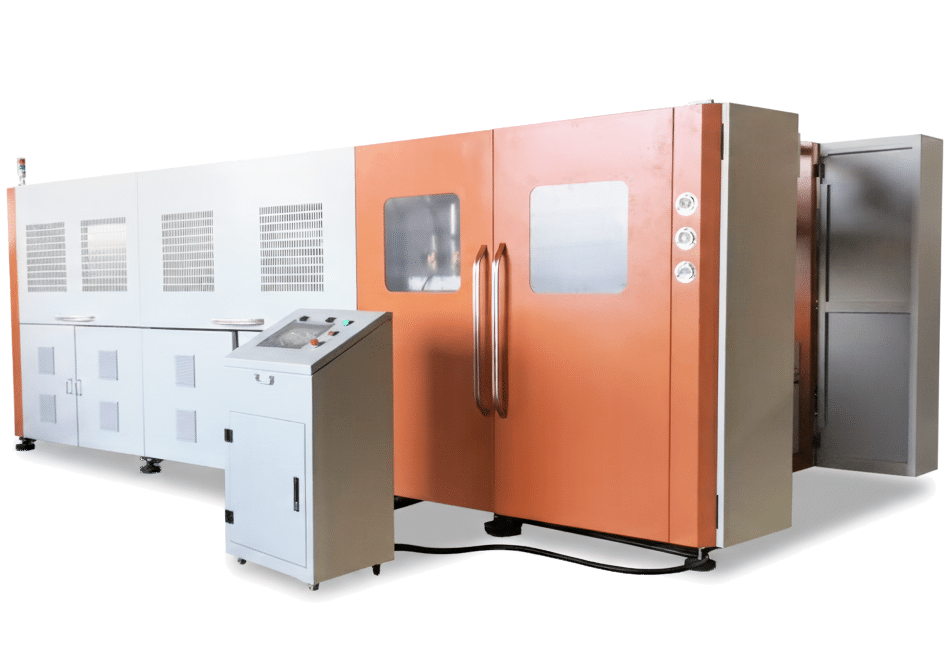
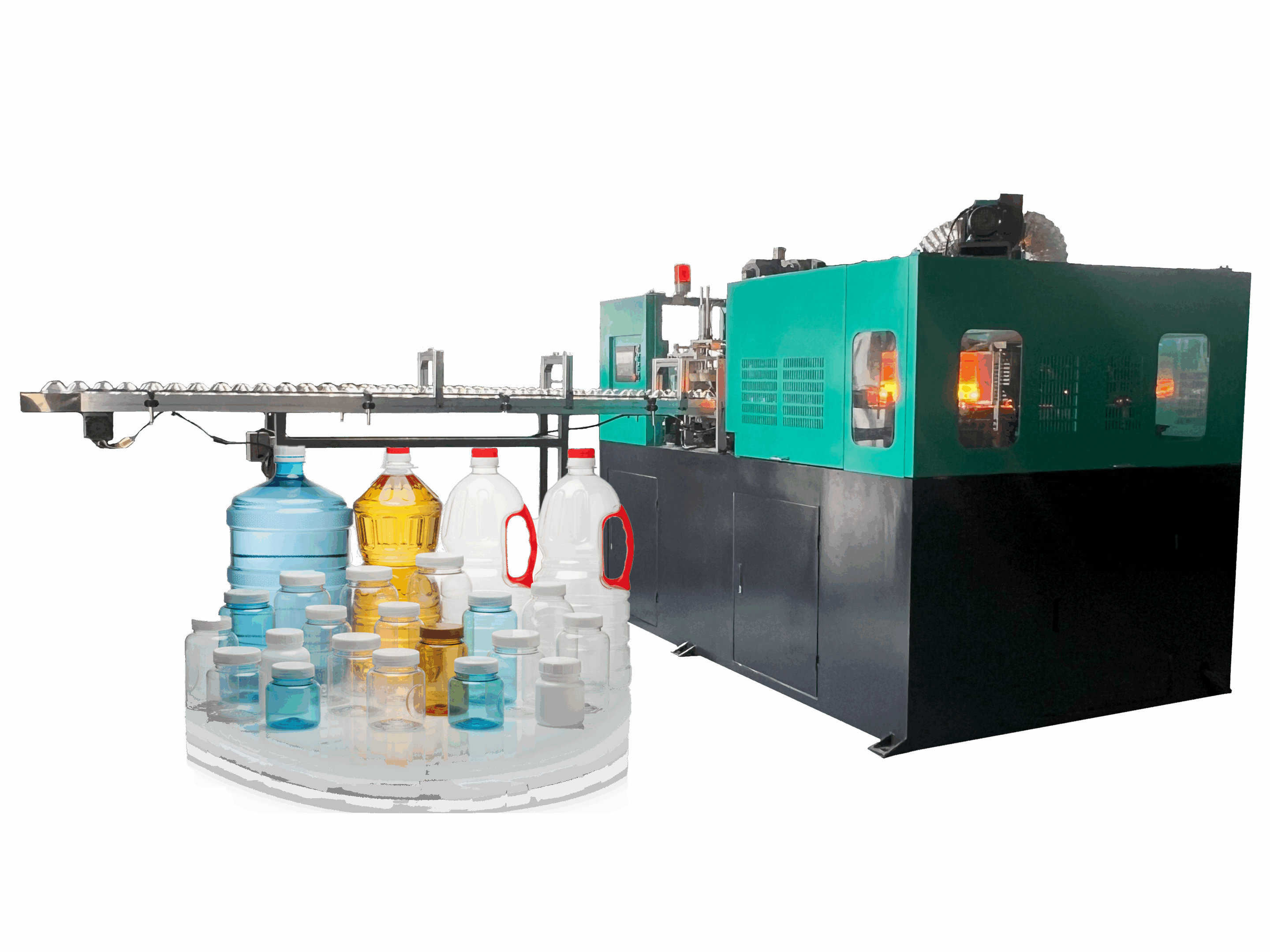
How to Operate an Extrusion Blow Moulding Machine: A Simple Guide
Walking up to an extrusion blow moulding machine for the first time can feel intimidating. There are a lot of buttons and moving parts. But once you break down the blow moulding process, it’s logical.
I’m Slany Cheuang, and I’m a technical sales manager at Lekamachine11. I’ve seen many new operators get the hang of these machines. This guide isn’t a substitute for your official machine manual or certified hands-on training, but it will give you a clear, straightforward overview of the basic steps.
For many companies, especially new investors who are sometimes short on technical staff, getting good training is a top priority. Think of this as your starting point.
Who This Guide Is For:
- New machine operators and trainees.
- Plant managers need to understand the process.
- Business owners are considering an investment in an Машина EBM.
- Students in technical or engineering programs.
Safety First: Before You Press a Single Button
-

- Safety First Before You Press a Single Button to Operate an Extrusion Blow Moulding Machine
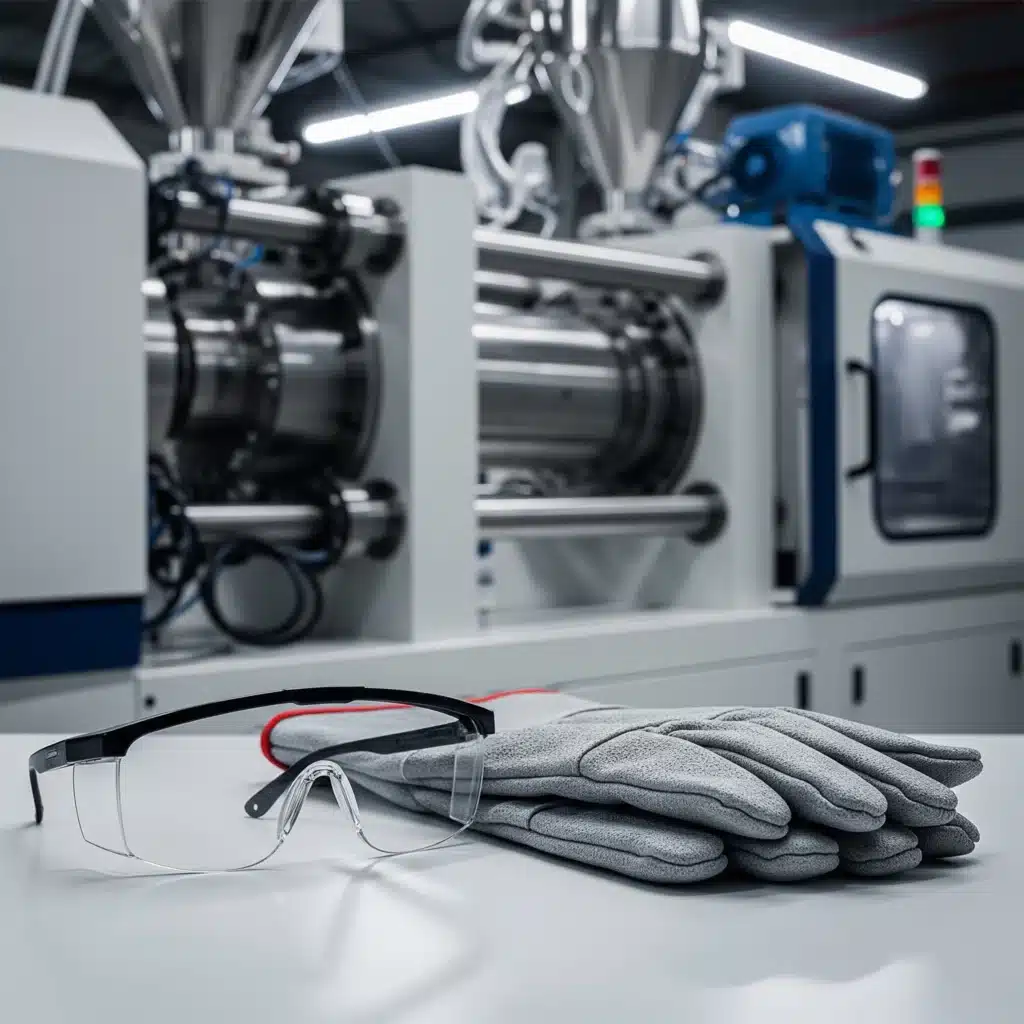
You should never operate any оборудование, without a safety check. It only takes a minute and can prevent serious problems.
Here’s what you should always do:
- Check the Guards: Make sure all safety doors and guards are in place and working correctly.
- Locate Emergency Stops: Know where every single emergency stop button is.
- Wear Your PPE: This means safety glasses, and potentially heat-resistant gloves, depending on the task.
- Clear the Area: Ensure the space around the machine is clean and free of clutter or spills.
Your 7-Step Guide to the Extrusion Blow Moulding Process
Every machine is a little different, but they all follow these same core principles. Let’s walk through it.
Step 1: Power On and Preheat the Machine
First, turn on the main power. The extruder barrel and the головка матрицы need to heat up to the proper temperature to melt the plastic resin. This process takes some time, so be patient. It’s important to get this step right. With rising energy prices, many companies are looking for machines that are more efficient and can operate at lower melt temperatures.
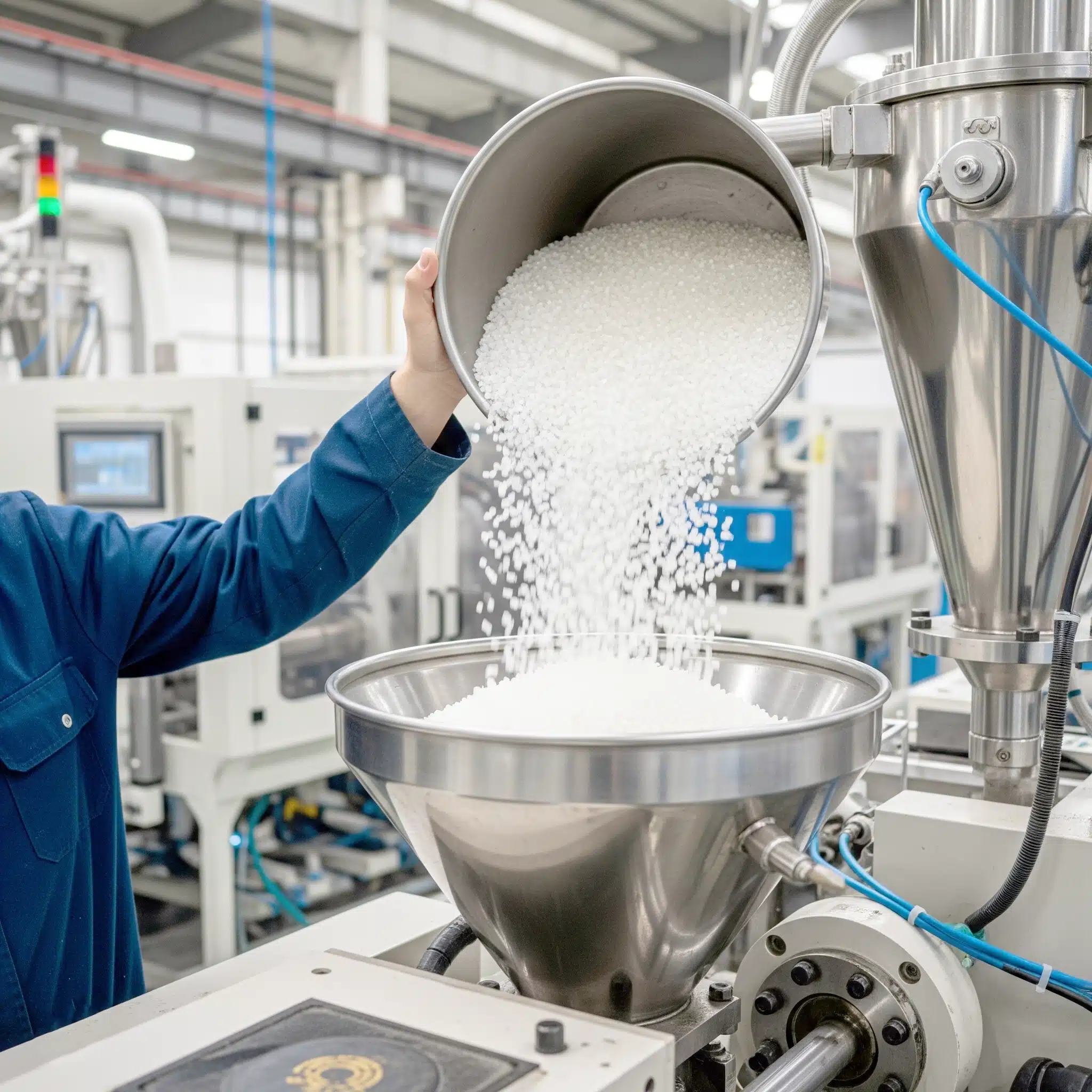
Step 2: Load the Plastic Resin into the Hopper
Once the machine has reached the correct temperature, it’s time to load your raw material into the hopper. This typically consists of plastic pellets, such as HDPE (High-Density Polyethene), which are used for a variety of products, including milk jugs and chemical drums. Additionally, some companies are now incorporating higher levels of post-consumer resin (PCR) or bioplastics like HDPE-BIO to achieve their sustainability goals.

Load the Plastic Resin into the Hopper with Extrusion blow moulding machine
Step 3: Start the Extruder to Melt and Mix
Now, you’ll start the extruder. A large screw inside the barrel turns and pulls the plastic pellets forward. The combination of heat from the barrel and friction from the screw’s movement melts the plastic and mixes it into a consistent, dough-like substance. For businesses using recycled materials, getting a good, even melt (what we call melt-homogeneity) is critical for quality6.
Step 4: Create and Control the Parison
The melted plastic is then pushed through a die to form a hollow tube of hot plastic. This tube is called a parison. Think of it like a plastic straw hanging down from the machine. Controlling the wall thickness of this parison is one of the most important skills in blow moulding.

Create and Control the Parison of Extrusion blow moulding machine
Step 5: Moulding and Blowing the Final Shape
The parison hangs between two halves of an open mould. The mould then closes, pinching the top and bottom of the parison. A pin is inserted, usually at the top, and blows compressed air into the parison, just like blowing up a balloon. The air pressure pushes the soft plastic against the cold cavity walls of the mould, which gives the product its final shape.
Step 6: Cooling, Ejection, and Cycle Time
Приверженность отрасли plastic needs to cool and solidify inside the mould for a few seconds. How long this takes is a huge factor in your production speed, or “cycle time.” Faster cycle times mean more products per hour. Once it’s solid, the mould opens, and the finished part is ejected.
Step 7: Finishing Touches and Quality Control
The part isn’t quite done yet. It will have extra plastic, called “flash,” where the mould pinched it shut. This needs to be removed. Some fully automatic blow moulding machines do this for you. After that, every part should be inspected for качество, checking for things like holes, spots of contamination, or uneven colour.
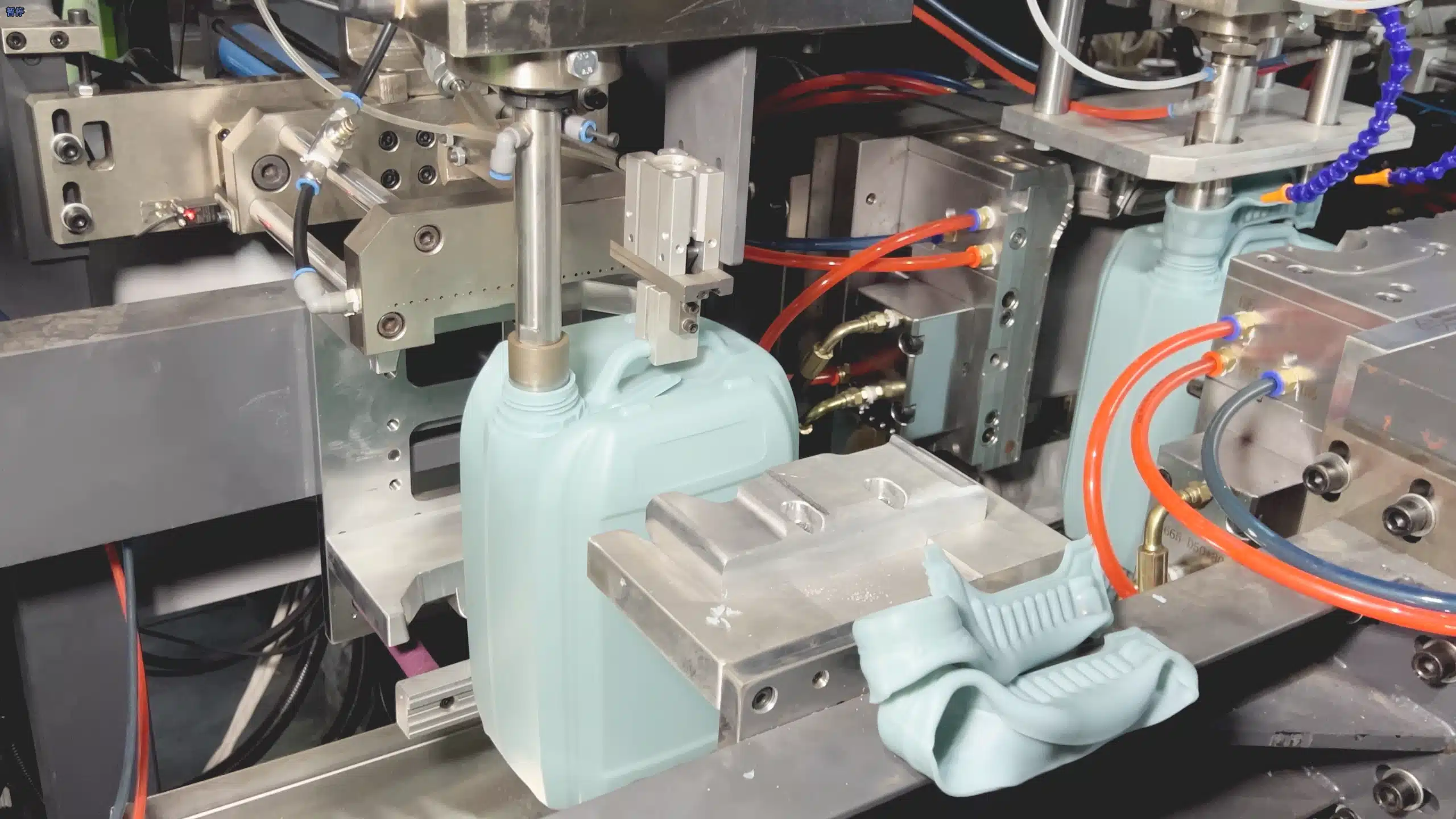
Moulding and Blowing the Final Shape of blow moulding machine
Troubleshooting Common Extrusion blow moulding machine Problems
Even with a perfect process, you’ll run into issues. Here are a few common ones I see.
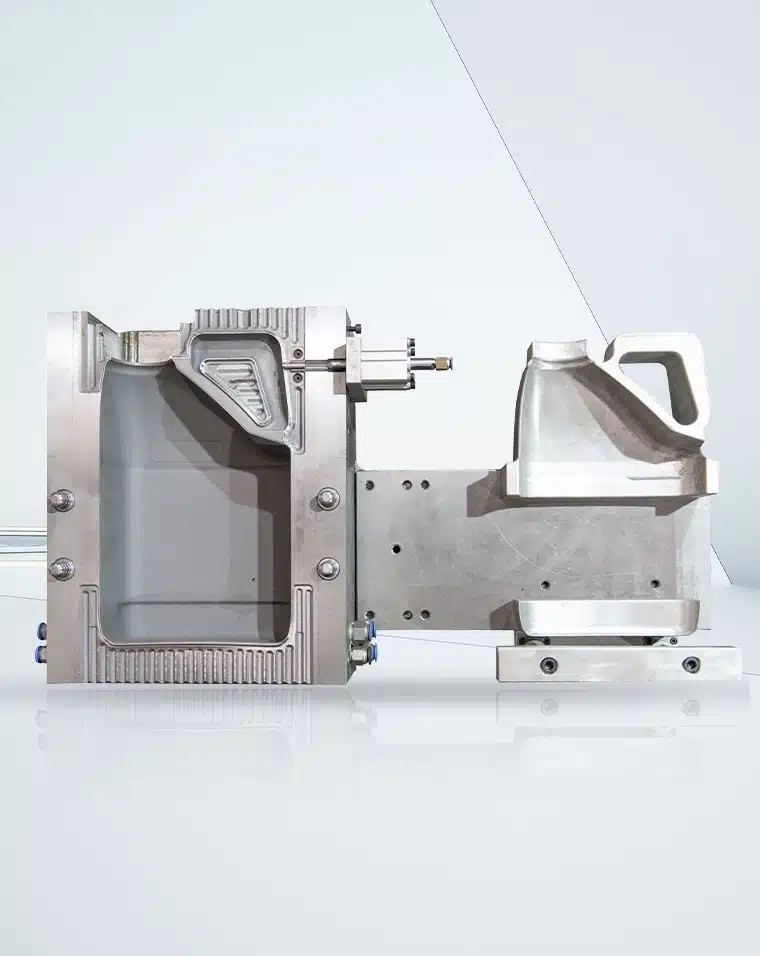
Troubleshooting Common EBM Machine Problems of blow machine
Solving Uneven Wall Thickness with Parison Control
A major pain point for manufacturers of industrial containers is when the parison sags under its weight, causing thin spots. This can lead to products failing critical tests, like the UN drop test for chemical drums. The решение lies in advanced parison programming, which adjusts the thickness of the plastic tube as it’s being extruded to ensure a strong, even final product.
Reducing Downtime During Quick Mould Changeovers
If you’re a contract packager running lots of different products (multiple SKUs), downtime during changeovers is a huge problem10101010. You lose time and money every minute the machine isn’t running. Machines designed with quick mould change systems and recipe traceability are invaluable for this kind of “job-shop” environment 11.
Предотвращение загрязнения при использовании переработанных смол (ПКР)
Использование высокого процента переработанного материала полезно для устойчивого развития, но сопряжено с трудностями. В конечном продукте могут возникать нестабильность цвета, запаха или частицы загрязнения, называемые гелями 12. Для решения этой проблемы вам потребуется машина с экструзионной системой, разработанной для переработанного материала, а также встроенные системы визуального контроля, которые могут автоматически обнаруживать и отбраковывать дефектные изделия13.
Хорошее обучение меняет всё
В этом руководстве описаны основы, но ничто не заменит практический опыт.
Я часто работаю с новыми инвесторами, особенно на развивающихся рынках, которые запускают свои первые выдувные линии14. У них часто ограничен технический персонал, и им нужно не просто доставленное к двери оборудование15. Им необходим комплексный пакет «под ключ»: машина, формы, коммуникации и, что наиболее важно, пусконаладка на месте и обучение операторов16. Хороший поставщик предоставляет такую поддержку, чтобы ваша команда могла работать на оборудовании эффективно и безопасно с первого дня.
ЧЗВ: Часто задаваемые вопросы по эксплуатации выдувных машин
В: В чем основное различие между экструзионным и вытяжным выдувным формованием?
О: Объясним на примерах: экструзионно-выдувного Экструзионное выдувное формование (ЭВФ) лучше подходит для тары с ручкой, например, канистр или бутылок для моющих средств17. Вытяжное выдувное формование обычно используется для продуктов вроде ПЭТФ-бутылок для воды, где ключевыми факторами являются прозрачность и стойкость к давлению18. Этап “вытяжки” в процессе придает пластиковой бутылке дополнительную прочность.
В: Сколько времени занимает получение новой машины после заказа?
О: Сроки могут сильно различаться. Время изготовления некоторых европейских машин может превышать 10 месяцев19. Как китайский поставщик, мы обычно осуществляем доставку гораздо быстрее. В Lekamachine наш стандартный срок поставки составляет от 60 до 90 дней2020.
В: Какие типы продуктов производятся на машинах для экструзионного выдувного формования??
A: The range is huge. It includes small items like 30 ml pharmaceutical bottles, household liquid контейнеры, and shampoo bottles. It also includes mid-size products like 20 L HDPE jerry-cans for lubricants23. And on the heavy-duty side, it includes massive products like 1,000 L IBC inner bottles, chemical drums, and автомобильные компоненты, такие как топливные баки и воздуховоды.
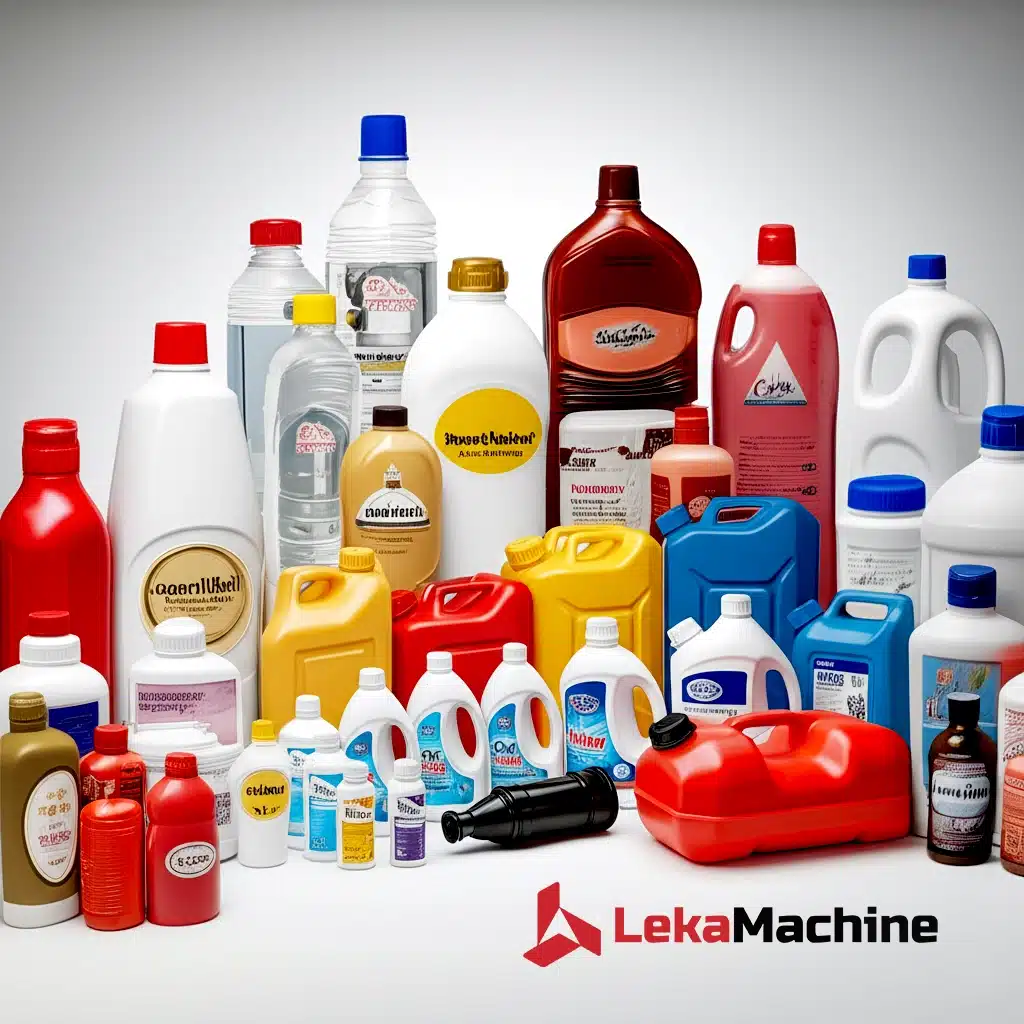
типы продуктов производятся на машинах для экструзионного выдувного формования?
В: Можно ли использовать переработанный пластик в моей машине?
A: Absolutely. Many modern machines are specifically designed to process high percentages of post-consumer resin (PCR) and bioplastics25. Companies focused on sustainability look for машины с такими функциями, как специальные профили шнеков и дегазация, для эффективной работы с этими материалами.
Заключение
Работа на машине для экструзионного выдувного формования становится второй натурой с практикой. Всегда начинайте с безопасности, тщательно следуйте операционным шагам и учитесь распознавать и решать распространенные проблемы.
Помните, что качество training is one of the best investments you can make. A well-trained operator is more efficient and produces better quality parts. If you have more questions or are looking for a reliable Машина EBM supplier that provides comprehensive training and support, feel free to visit us at
www.lekamachine.com. Моя задача — помочь вам начать работу бесперебойно.


0 Комментариев