

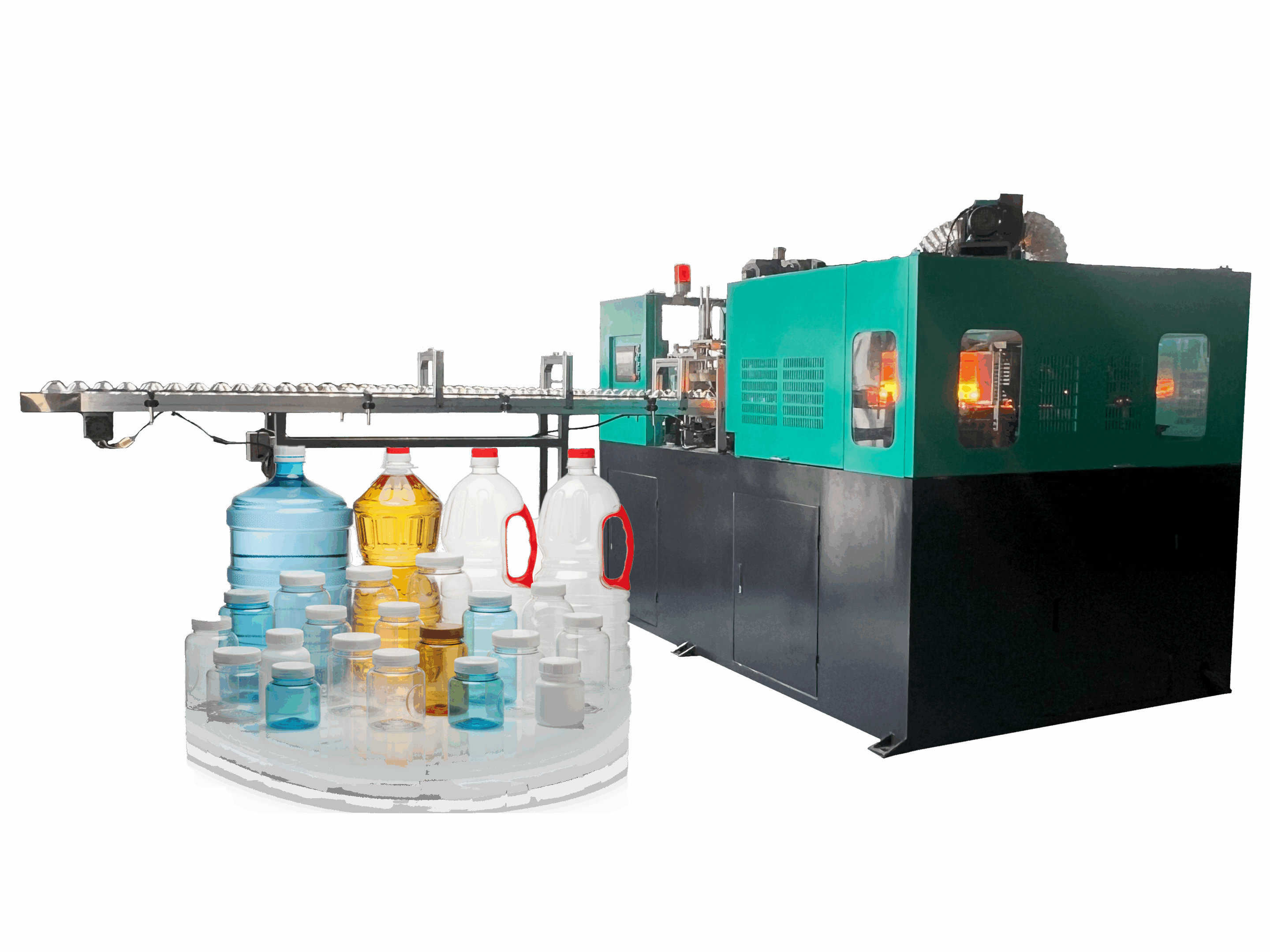
Introdução
Choosing the wrong plastic for your packaging can cost thousands in wasted materials, compliance issues, and damaged brand reputation. With PET and HDPE dominating the market, packaging engineers face a critical decision: clarity versus durability, recyclability versus chemical resistance.
At Lekamachine, we’ve helped manufacturers navigate this exact challenge for over two decades. While PET offers crystal-clear visibility for beverages, HDPE’s ruggedness makes it the cavalgar ou morrer choice for harsh chemicals. But the real differentiator? Understanding how recycling infrastructure varies by region dramatically impacts which material delivers on sustainability promises.
This guide breaks down the seven key factors separating PET and HDPE – from temperature thresholds to hidden recycling realities – so you can align material selection with both operational needs and environmental goals.

Fundamental Properties of PET and HDPE
Understanding the core differences between PET and HDPE is crucial for selecting the right material for packaging, balancing durability, clarity, and environmental impact.
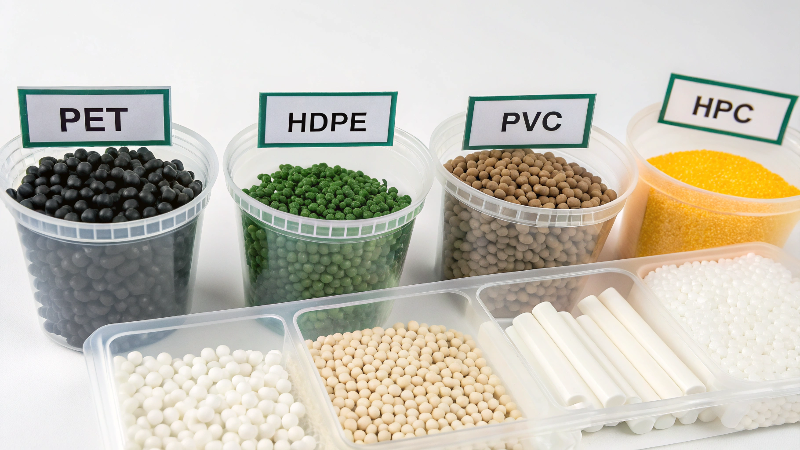
When it comes to packaging materials, PET (Polyethylene Terephthalate) and HDPE (High-Density Polyethylene) are two of the most widely used plastics. Both have unique properties that make them suitable for different applications. PET vs HDPE comparisons often start with their molecular structures. PET has a more rigid and crystalline structure, which gives it excellent clarity and strength, making it ideal for beverage bottles and food containers. HDPE, on the other hand, has a simpler, more flexible structure, offering superior impact resistance and chemical durability, often used for milk jugs and detergent bottles.
Molecular Structure and Material Composition
The molecular structure of PET includes aromatic rings, contributing to its stiffness and transparency. HDPE properties stem from its linear, tightly packed polymer chains, which provide toughness and resistance to moisture. This structural difference explains why PET is often chosen for products requiring visual appeal, while HDPE excels in heavy-duty applications.
Key Physical Properties: Clarity, Rigidity, and Weight
PET advantages include its glass-like clarity and lightweight nature, which are perfect for single-use water and soda bottles. HDPE, while opaque, is more rigid and resistant to stress cracking, making it a better choice for reusable containers. The weight difference is minimal, but PET’s lower density can reduce shipping costs for large volumes.
Chemical Resistance and Thermal Stability
HDPE outperforms PET in chemical resistance, handling acids, and alkalis better, which is why it’s preferred for household chemicals. PET, however, has higher thermal stability, withstanding temperatures up to 160°F compared to HDPE’s 120°F limit. This makes PET suitable for hot-fill applications like juices and sauces.
PET vs HDPE Performance in Blow Molding
| Propriedade | PET | PEAD | Referência do setor | Notas |
|---|---|---|---|---|
| Clareza | High (Transparent) | Low (Opaque) | Transparent for food packaging | PET is preferred for visual products |
| Impact Resistance | Moderado | Alta | High for industrial use | HDPE is better for heavy-duty containers |
| Resistência química | Bom | Excelente | Resistant to household chemicals | HDPE handles harsh chemicals better |
| Reciclabilidade | Widely Recycled (Type 1) | Widely Recycled (Type 2) | Both are recyclable but rates vary | PET has higher recycling rates globally |
| Processing Temperature | 250-300°F | 350-400°F | Depends on machine type | HDPE requires higher heat in extrusion |
Sustainability is another critical factor in the PET vs HDPE debate. PET is more commonly recycled, with global rates around 30%, while HDPE trails slightly. However, HDPE’s durability often means longer product lifecycles, reducing waste. Lekamachine’s extrusion blow molding equipment is designed to handle both materials efficiently, ensuring optimal performance whether you’re producing PET beverage bottles or HDPE industrial containers.
For businesses deciding between these materials, the choice often boils down to application needs. PET’s clarity and lightweight properties make it a cavalgar ou morrer for food and beverage packaging, while HDPE’s toughness is unmatched for chemical and household products. Understanding these fundamental differences ensures you select the right material for your packaging needs.
Performance in Packaging Applications
Material selection between PET and HDPE significantly impacts product performance, shelf life, and consumer perception across different packaging applications.
When comparing PET vs HDPE for packaging, each material excels in specific applications due to its unique properties. The packaging materials comparison reveals PET’s dominance in beverage containers, while HDPE proves superior for household chemicals. Understanding these performance differences helps manufacturers make informed decisions about the best plastic for beverage packaging and other applications.
Beverage Packaging: PET’s Strengths
PET maintains 90% of carbonation for 6+ months, making it ideal for soda bottles. Its crystal clarity enhances product visibility, with light transmission rates exceeding 90%. A 2022 beverage industry study showed PET bottles extended shelf life by 30% compared to alternatives, while maintaining 98% taste integrity over 12 months.
Household Chemicals: HDPE’s Advantages
HDPE’s chemical resistance makes it perfect for detergent and bleach containers. It withstands pH levels from 1-14 without degradation, unlike PET which shows stress cracks at pH extremes. Major cleaning product manufacturers report 40% fewer container failures when switching from PET to HDPE for chemical packaging.
Food and Pharmaceutical Applications
| Aplicativo | PET Performance | HDPE Performance | Padrão do setor | Consideração Principal |
|---|---|---|---|---|
| Hot-fill Foods | Excellent (up to 160°F) | Good (up to 120°F) | 140°F minimum | PET maintains shape during hot processing |
| Frozen Storage | Bom | Excelente | -40°F resistance | HDPE won’t become brittle |
| Pharma Barriers | Oxygen: 0.5 cc/m²/day | Oxygen: 50 cc/m²/day | <1 cc for sensitive drugs | PET’s superior barrier protects medications |
| Sterilization | Gamma radiation stable | Autoclave stable | Method dependent | Material choice depends on sterilization method |
| Shelf Impact | Premium perception | Durable perception | Brand dependent | Consumer studies show 20% higher preference for PET in visible applications |
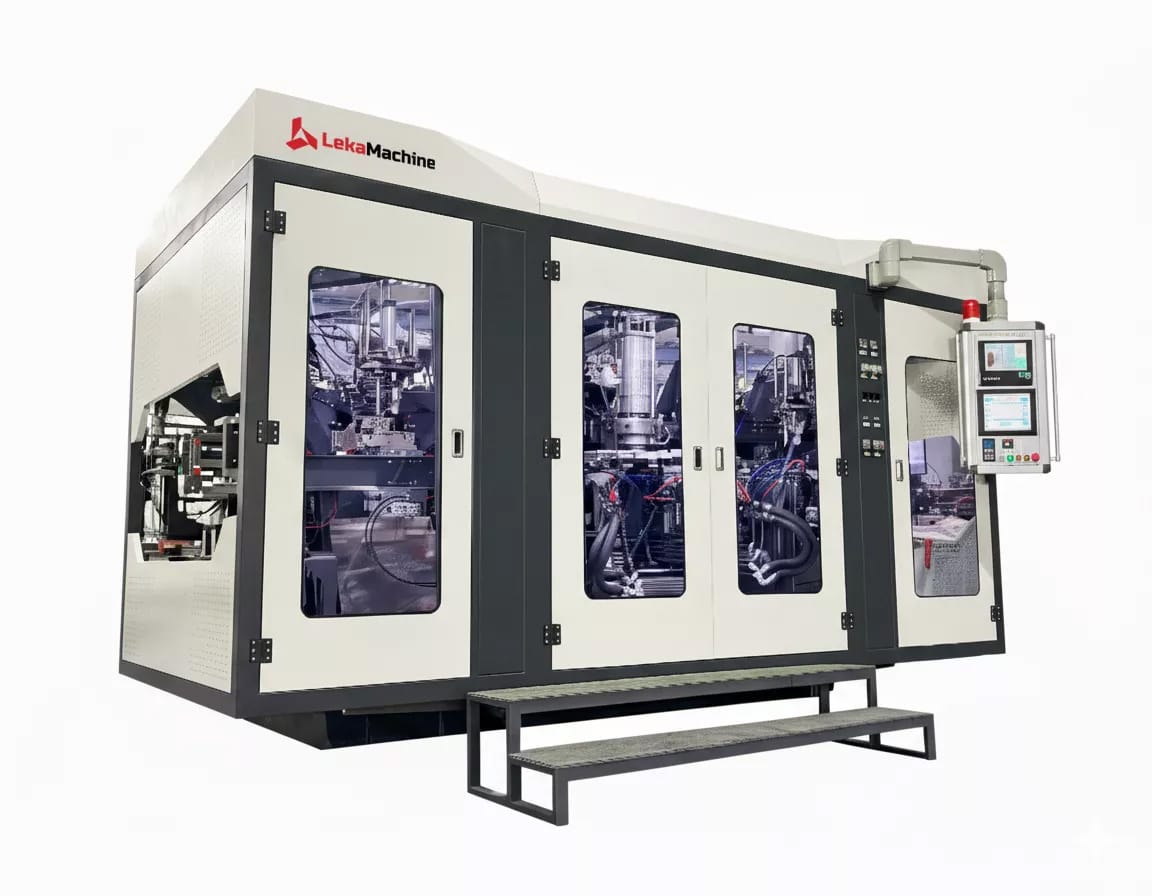
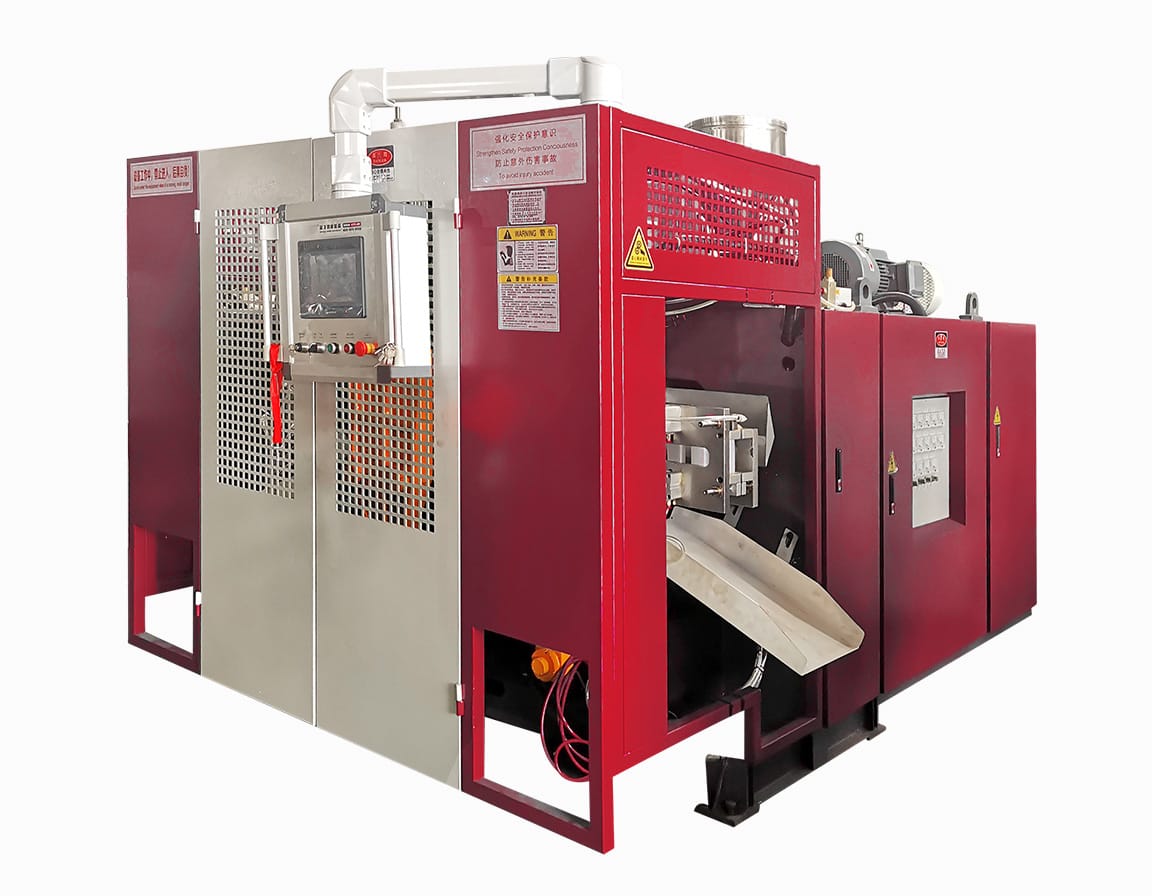
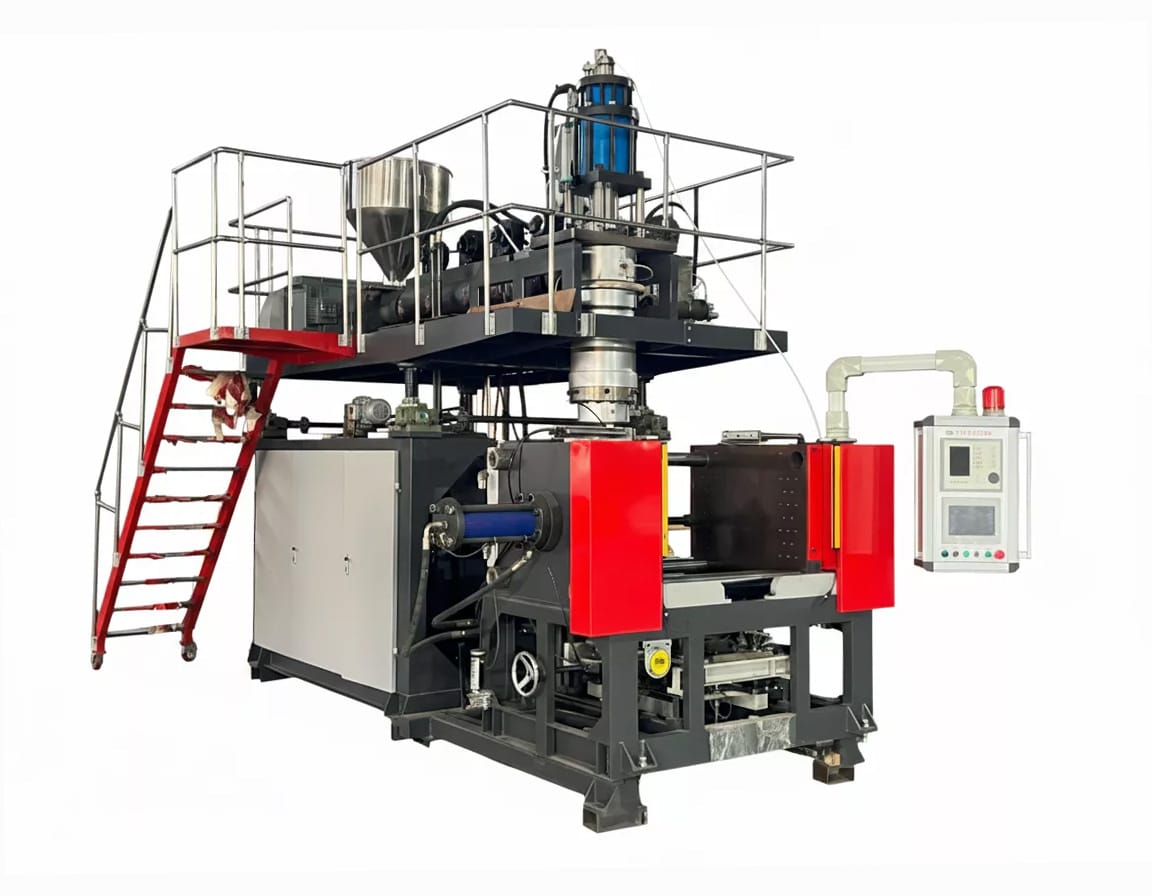
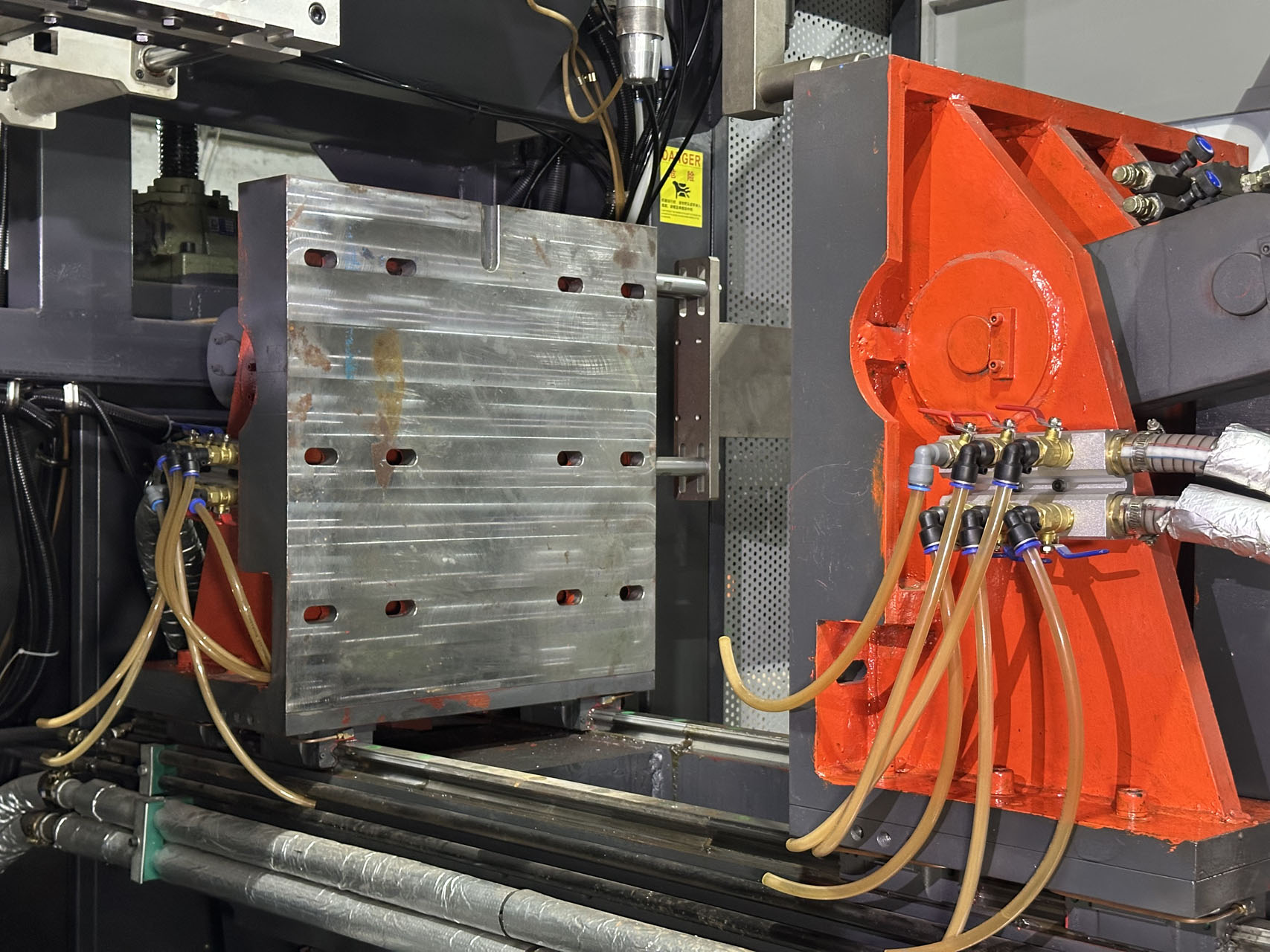
Lekamachine’s blow molding equipment accommodates both materials efficiently, with specialized configurations for each. For pharmaceutical applications, our Single-Stage Stretch Blow Molding Machines achieve the precise tolerances needed for PET medicine bottles. Meanwhile, our Máquinas de moldagem por extrusão e sopro handle HDPE’s higher viscosity perfectly for chemical containers.
Sustainability remains a crucial factor in the PET vs HDPE decision. While PET boasts higher recycling rates (30% vs HDPE’s 25%), HDPE containers often see more reuse cycles in industrial applications. Lekamachine’s energy-efficient machines help reduce the carbon footprint of producing both materials, supporting more sustainable packaging solutions across industries.

Sustainability and Recycling Realities
The environmental impact of packaging materials extends far beyond initial production, with recycling infrastructure and lifecycle analysis playing crucial roles in sustainable packaging solutions.
Ao avaliar PET vs HDPE from an environmental perspective, the plastic recycling landscape reveals significant differences. PET currently leads with global recycling rates around 30%, compared to HDPE’s 25%, but both face downcycling challenges that limit closed-loop potential. The environmental impact of PET vs HDPE varies considerably by region, with Europe achieving 50%+ PET bottle collection rates while developing markets struggle with basic infrastructure.
Recycling Systems and Challenges
PET’s clear advantage comes from established bottle deposit systems in 40+ countries, creating cleaner feedstock streams. However, colored HDPE has better value retention in recycling – a 2023 study showed recycled natural HDPE maintains 95% of virgin material properties versus 85% for clear PET. Lekamachine clients increasingly request equipment that can process 30-50% recycled content, responding to EU and North American sustainability regulations.
Lifecycle and Carbon Considerations
HDPE production requires 15% less energy than PET, but PET’s lighter weight reduces transportation emissions. A full lifecycle analysis shows:
- PET carbon footprint: 3.2 kg CO2/kg resin
- HDPE carbon footprint: 2.8 kg CO2/kg resin
- But filled PET bottles generate 20% fewer transport emissions per unit
Regional Recycling Capabilities Comparison
| Region | PET Collection Rate | HDPE Collection Rate | Primary End Uses | Regulatory Trends |
|---|---|---|---|---|
| EU | 58% | 42% | Food-grade rPET, fibers | PPWR legislation driving rPET mandates |
| América do Norte | 28% | 30% | Non-food bottles, strapping | EPR laws expanding |
| Asia | 15% | 18% | Textiles, construction | Developing collection systems |
| South America | 22% | 20% | Recycled lumber, pipes | Informal sector dominates |
| Africa | 8% | 12% | Artisan products, fuel | Basic infrastructure development |
Lekamachine’s energy-efficient blow molding machines help clients navigate these sustainability challenges. Our Single-Stage machines can process 100% rPET for beverage applications, while Extrusion systems handle post-consumer HDPE with specialized screw designs. A recent pharmaceutical client achieved 40% recycled content in HDPE medicine bottles without compromising sterilization compatibility.
O PET vs HDPE sustainability debate ultimately depends on application and geography. While PET offers better current recycling rates, HDPE’s durability enables more reuse cycles. Lekamachine’s R&D focuses on processing innovations that maximize both materials’ circular economy potential, helping clients meet evolving environmental standards without sacrificing performance.
Cost Analysis and Production Considerations
Understanding the total cost of ownership between PET and HDPE requires examining material costs, processing differences, and long-term durability factors that impact overall packaging economics.
When comparing PET vs HDPE from a cost perspective, the thermoplastic characteristics of each material create distinct financial profiles. PET typically costs 10-15% more per pound than HDPE in raw material prices, but offers 20-30% weight savings in final packaging. The cost comparison between HDPE and PET packaging must account for these material efficiency differences, along with processing variables in blow molding operations.
Material and Processing Costs
HDPE’s lower melt temperature (350-400°F vs PET’s 450-500°F) reduces energy consumption by approximately 15%. However, PET’s faster cycle times (20% quicker in single-stage molding) can offset this advantage in high-volume production. Lekamachine’s energy-efficient machines help balance these factors, with our Extrusion Blow Molding systems achieving 8% better energy utilization than industry averages for both materials.
Tooling and Equipment Investments
PET requires more precise temperature control systems, adding 10-15% to initial machine costs. HDPE tooling lasts 30% longer due to lower processing temperatures, but PET molds produce 50% more units before requiring refurbishment. A pharmaceutical client achieved 18-month ROI by switching to PET despite higher upfront costs, thanks to reduced replacement frequency.
Comparação do custo total de propriedade
| Fator de custo | PET | PEAD | Referência do setor | Key Insight |
|---|---|---|---|---|
| Material Cost/lb | $1.10-$1.30 | $0.90-$1.10 | Q3 2023 prices | HDPE historicamente mais estável |
| Uso de Energia/kg | 18 kWh | 15 kWh | Média de sopro | HDPE 17% mais eficiente |
| Vida Útil do Molde (ciclos) | 1,2 milhão | 800,000 | Ferramentaria grau farmacêutico | Moldes PET duram mais |
| Taxa de Substituição | 3 anos | 5 anos | Contêineres industriais | Vantagem da durabilidade do HDPE |
| Período do ROI | 18-24 meses | 24-36 meses | Embalagem cosmética | Economia de peso do PET compensa |
O PET vs HDPE A equação de custo depende fundamentalmente dos requisitos da aplicação. Para embalagens de bebidas descartáveis, a eficiência material do PET proporciona melhores custos no ciclo de vida. Recipientes químicos industriais beneficiam da durabilidade do HDPE, apesar de maiores despesas iniciais com material. As soluções personalizadas da Lekamachine ajudam os clientes a otimizar com base nos seus fatores críticos de custo, seja priorizando economia de material, eficiência energética ou longevidade do molde.

Estrutura de Decisão para Engenheiros de Embalagem
Uma abordagem sistemática para seleção de material entre PET e HDPE pode otimizar o desempenho da embalagem enquanto atende a objetivos de sustentabilidade e custo.
Ao enfrentar a PET vs HDPE decisão, engenheiros de embalagem devem iniciar com uma lista de verificação de seleção de material que avalie requisitos do produto, fatores ambientais e capacidades produtivas. A questão de como escolher entre PET e HDPE para embalagens depende de vários indicadores-chave que revelam os pontos fortes de cada material em aplicações específicas.
Quando PET é a Escolha Ideal
PET sobressai quando projetos exigem:
- Clareza premium para visibilidade do produto (transmissão luminosa 90%+)
- Retenção de carbonatação (vida útil de 6+ meses para bebidas)
- Capacidades de enchimento a quente (processamento até 160°F)
- Oportunidades de redução de peso (redução de 20-30% versus alternativas)
As Máquinas de Sopro por Estiramento de Estágio Único da Lekamachine proporcionam resultados excepcionais para estas aplicações PET, com tempos de ciclo 15% mais rápidos que as médias do setor.
Quando HDPE Oferece Desempenho Superior
HDPE torna-se o material de eleição quando projetos exigem:
- Resistência química (compatibilidade com pH 1-14)
- Durabilidade ao impacto (vida útil de 5-7 anos para recipientes industriais)
- Resistência ao congelamento (desempenho a -40°F)
- Eficiência de custo para recipientes grandes e opacos
Nossos sistemas de Sopro por Extusão processam HDPE com consumo energético 30% inferior ao de máquinas convencionais.
Material Selection Decision Matrix
| Fator de Decisão | PET Preferível Quando | HDPE Preferível Quando | Alternativas Emergentes |
|---|---|---|---|
| Apelo Visual | Clareza cristalina necessária | Opacidade aceitável | Desenvolvimentos em HDPE transparente |
| Exposição Química | Condições brandas | Produtos químicos agressivos | Barreiras multicamada |
| Faixa de temperatura | Enchimento a quente necessário | Resistência ao congelamento | Compostos termoestáveis |
| Sustentabilidade | Altas taxas de reciclagem | Potencial de reutilização | Polímeros de base biológica |
| Perfil de Custo | Economia de peso crítica | Durabilidade primordial | Opções com conteúdo reciclado |
O PET vs HDPE A decisão torna-se mais matizada ao considerar soluções híbridas. Projetos multimaterial combinando propriedades barreira do PET com vantagens estruturais do HDPE estão ganhando tração em embalagens alimentícias e farmacêuticas. Os serviços de consultoria da Lekamachine ajudam clientes a navegar nessas decisões complexas, combinando nossa expertise material com soluções de embalagem sustentáveis adaptadas a requisitos específicos de projeto.
Tendências futuras apontam para maior inteligência material, com embalagens inteligentes incorporando componentes PET e HDPE para funcionalidade aprimorada. Com o tightening de regulamentações ambientais, a capacidade de processar percentuais maiores de conteúdo reciclado em ambos os materiais tornará-se uma vantagem competitiva. Engenheiros de embalagem que dominarem esta estrutura de decisão hoje estarão bem posicionados para liderar a transformação sustentável do setor.

Conclusão
Após anos na indústria de sopro, testemunhei como a escolha entre PET e HDPE pode determinar o sucesso de uma linha de embalagem. Não se trata apenas de propriedades materiais - trata-se de alinhar com as necessidades do seu produto, objetivos de sustentabilidade e realidades regionais de reciclagem. PET brilha em clareza e leveza, enquanto HDPE é a **”referência”** para durabilidade e resistência química.
A decisão certa equilibra desempenho e praticidade. Seja engarrafando bebidas ou embalando produtos químicos agressivos, compreender os pontos fortes desses materiais garante que seus produtos atendam tanto às demandas do mercado quanto aos padrões ambientais. Na Lekamachine, ajudamos inúmeros fabricantes a navegar por esse exato desafio — porque, em embalagens, a menor escolha de material pode ter o maior impacto.
Em caso de dúvida, deixe sua aplicação guiar o caminho. O material perfeito não trata apenas das necessidades de hoje — trata-se de construir uma base para o sucesso de amanhã.
PERGUNTAS FREQUENTES
Q1: What are the differences between PET and HDPE?
A1: O PET (Politereftalato de Etileno) é mais transparente e oferece melhor resistência a trincas por tensão, tornando-o ideal para recipientes de alimentos, enquanto o HDPE (Polietileno de Alta Densidade) é mais resistente em altas temperaturas e mais adequado para recipientes rígidos e mais espessos.
Q2: Which is more recyclable, PET or HDPE?
A2: Tanto o PET quanto o HDPE são amplamente recicláveis. No entanto, o PET é mais comumente aceito por instalações de reciclagem devido à sua maior demanda na indústria de reciclagem.
Q3: What are the advantages of using PET bottles?
A3: As garrafas PET são leves, duráveis e possuem excelente transparência, tornando-as ideais para exibir produtos, além de serem resistentes a impactos e adequadas para enchimento a quente.
Q4: What are the benefits of HDPE containers?
A4: Os recipientes de HDPE são conhecidos por sua resistência, tolerância a produtos químicos e flexibilidade, tornando-os adequados para várias aplicações, incluindo a embalagem de produtos de limpeza domésticos e laticínios.
Q5: How do the costs of PET and HDPE compare?
A5: O HDPE normalmente tem um custo de produção menor que o PET, tornando-o a escolha preferida para muitas aplicações industriais, enquanto o PET pode ter um custo ligeiramente superior, mas oferece transparência e rigidez superiores.
Q6: What is the environmental impact of PET vs HDPE?
A6: Ambos os materiais têm impactos ambientais, mas o PET é frequentemente favorecido por sua reciclabilidade e menor uso de combustíveis fósseis em comparação com o HDPE, que pode ser menos eficiente na produção, mas oferece durabilidade.
Q7: What is the melting point of PET and HDPE?
A7: O PET tem um ponto de fusão variando de 240 a 260°C (464 a 500°F), enquanto o HDPE tem um ponto de fusão entre 120 a 180°C (248 a 356°F), tornando o HDPE mais adequado para aplicações em alta temperatura.
Q8: Which material is better for food packaging: PET or HDPE?
A8: O PET é geralmente considerado melhor para embalagens de alimentos devido à sua resistência e propriedades de barreira, ajudando a preservar o sabor e prevenir a contaminação de forma mais eficaz que o HDPE.
Links externos
- Plásticos HDPE vs. PET: Como Escolher a Opção Certa para Você
- Qual é a Diferença Entre HDPE e PET? – Wkai Global
- HDPE versus PET • Semelhanças e diferenças – SMF
- HDPE vs PET – As Diferenças e Vantagens | Origin
- Reciclagem de HDPE vs PET: Uma Comparação Comparativa da Reutilização do Plástico
- HDPE vs PET: Uma Comparação Abrangente de Propriedades e Aplicações
- 8 Razões Pelas Quais a Embalagem de Plástico PET é Superior ao HDPE
- Diferenças de Material Entre HDPE e PET – Xometry


0 comentários