

Pendahuluan
Choosing the wrong plastic for your packaging can cost thousands in wasted materials, compliance issues, and damaged brand reputation. With PET and HDPE dominating the market, packaging engineers face a critical decision: clarity versus durability, recyclability versus chemical resistance.
At Lekamachine, we’ve helped manufacturers navigate this exact challenge for over two decades. While PET offers crystal-clear visibility for beverages, HDPE’s ruggedness makes it the naik-atau-mati choice for harsh chemicals. But the real differentiator? Understanding how recycling infrastructure varies by region dramatically impacts which material delivers on sustainability promises.
This guide breaks down the seven key factors separating PET and HDPE – from temperature thresholds to hidden recycling realities – so you can align material selection with both operational needs and environmental goals.

Fundamental Properties of PET and HDPE
Understanding the core differences between PET and HDPE is crucial for selecting the right material for packaging, balancing durability, clarity, and environmental impact.
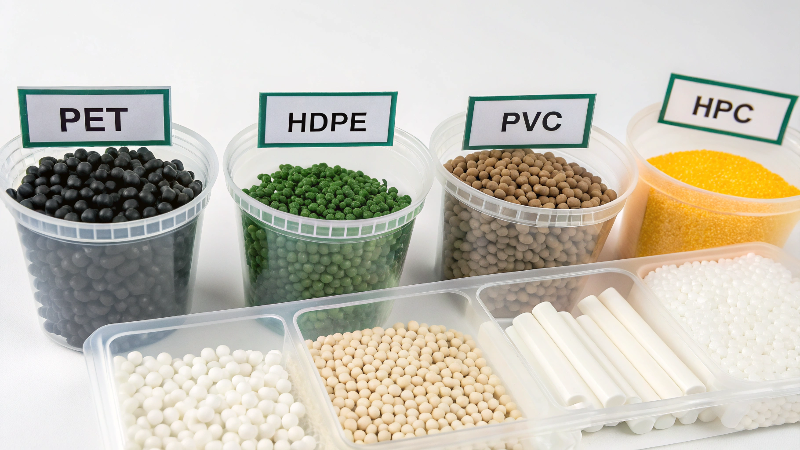
When it comes to packaging materials, PET (Polyethylene Terephthalate) and HDPE (High-Density Polyethylene) are two of the most widely used plastics. Both have unique properties that make them suitable for different applications. PET vs HDPE comparisons often start with their molecular structures. PET has a more rigid and crystalline structure, which gives it excellent clarity and strength, making it ideal for beverage bottles and food containers. HDPE, on the other hand, has a simpler, more flexible structure, offering superior impact resistance and chemical durability, often used for milk jugs and detergent bottles.
Molecular Structure and Material Composition
The molecular structure of PET includes aromatic rings, contributing to its stiffness and transparency. HDPE properties stem from its linear, tightly packed polymer chains, which provide toughness and resistance to moisture. This structural difference explains why PET is often chosen for products requiring visual appeal, while HDPE excels in heavy-duty applications.
Key Physical Properties: Clarity, Rigidity, and Weight
PET advantages include its glass-like clarity and lightweight nature, which are perfect for single-use water and soda bottles. HDPE, while opaque, is more rigid and resistant to stress cracking, making it a better choice for reusable containers. The weight difference is minimal, but PET’s lower density can reduce shipping costs for large volumes.
Chemical Resistance and Thermal Stability
HDPE outperforms PET in chemical resistance, handling acids, and alkalis better, which is why it’s preferred for household chemicals. PET, however, has higher thermal stability, withstanding temperatures up to 160°F compared to HDPE’s 120°F limit. This makes PET suitable for hot-fill applications like juices and sauces.
PET vs HDPE Performance in Blow Molding
| Properti | PET | HDPE | Tolok Ukur Industri | Catatan |
|---|---|---|---|---|
| Kejelasan | High (Transparent) | Low (Opaque) | Transparent for food packaging | PET is preferred for visual products |
| Ketahanan Benturan | Sedang | Tinggi | High for industrial use | HDPE is better for heavy-duty containers |
| Resistensi Kimia | Bagus. | Luar biasa | Resistant to household chemicals | HDPE handles harsh chemicals better |
| Dapat didaur ulang | Widely Recycled (Type 1) | Widely Recycled (Type 2) | Both are recyclable but rates vary | PET has higher recycling rates globally |
| Processing Temperature | 250-300°F | 350-400°F | Depends on machine type | HDPE requires higher heat in extrusion |
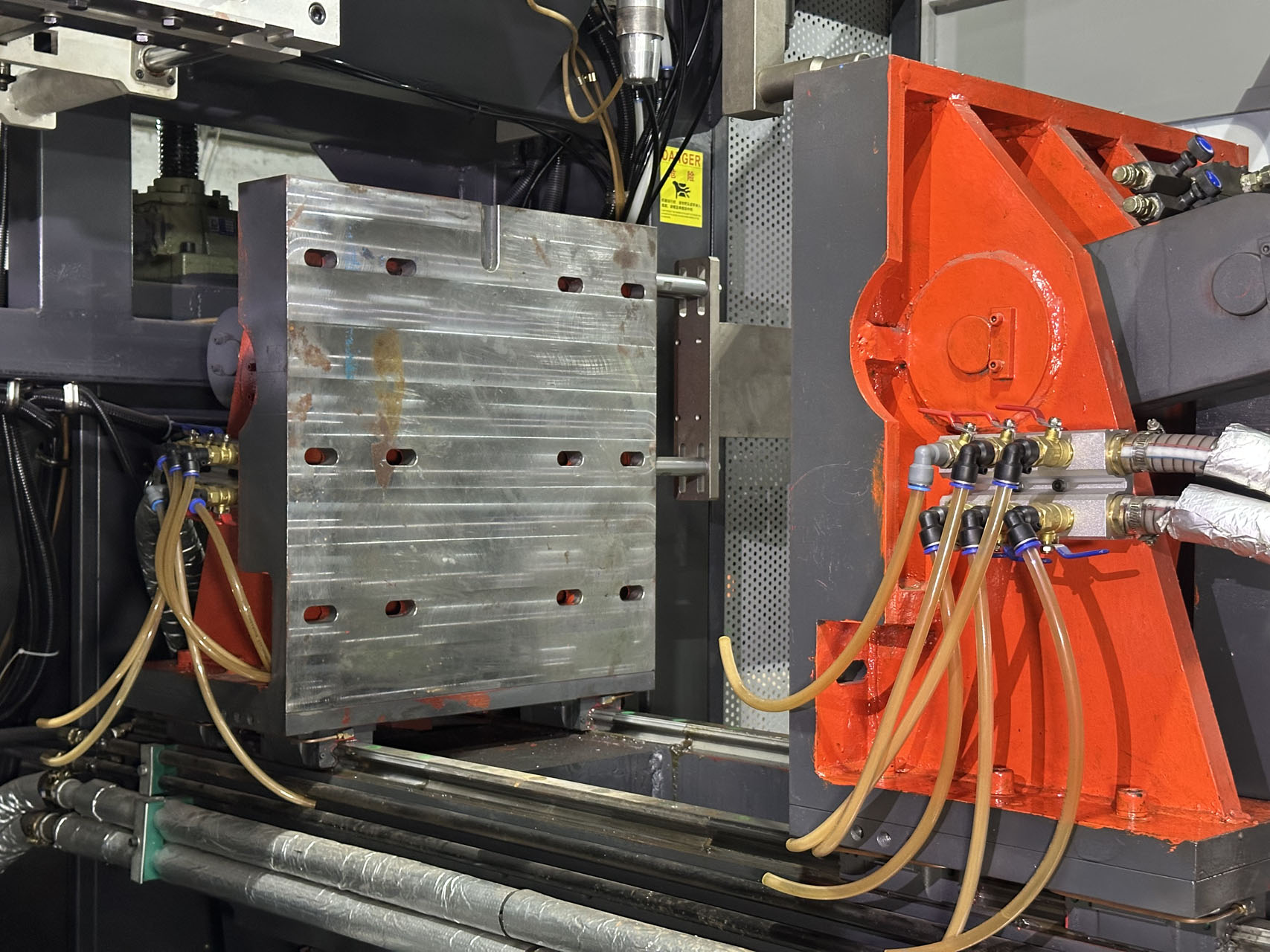
Sustainability is another critical factor in the PET vs HDPE debate. PET is more commonly recycled, with global rates around 30%, while HDPE trails slightly. However, HDPE’s durability often means longer product lifecycles, reducing waste. Lekamachine’s extrusion blow molding equipment is designed to handle both materials efficiently, ensuring optimal performance whether you’re producing PET beverage bottles or HDPE industrial containers.
For businesses deciding between these materials, the choice often boils down to application needs. PET’s clarity and lightweight properties make it a naik-atau-mati for food and beverage packaging, while HDPE’s toughness is unmatched for chemical and household products. Understanding these fundamental differences ensures you select the right material for your packaging needs.
Performance in Packaging Applications
Material selection between PET and HDPE significantly impacts product performance, shelf life, and consumer perception across different packaging applications.
When comparing PET vs HDPE for packaging, each material excels in specific applications due to its unique properties. The packaging materials comparison reveals PET’s dominance in beverage containers, while HDPE proves superior for household chemicals. Understanding these performance differences helps manufacturers make informed decisions about the best plastic for beverage packaging and other applications.
Beverage Packaging: PET’s Strengths
PET maintains 90% of carbonation for 6+ months, making it ideal for soda bottles. Its crystal clarity enhances product visibility, with light transmission rates exceeding 90%. A 2022 beverage industry study showed PET bottles extended shelf life by 30% compared to alternatives, while maintaining 98% taste integrity over 12 months.
Household Chemicals: HDPE’s Advantages
HDPE’s chemical resistance makes it perfect for detergent and bleach containers. It withstands pH levels from 1-14 without degradation, unlike PET which shows stress cracks at pH extremes. Major cleaning product manufacturers report 40% fewer container failures when switching from PET to HDPE for chemical packaging.
Food and Pharmaceutical Applications
| Aplikasi | PET Performance | HDPE Performance | Standar Industri | 21 CFR 177 |
|---|---|---|---|---|
| Hot-fill Foods | Excellent (up to 160°F) | Good (up to 120°F) | 140°F minimum | PET maintains shape during hot processing |
| Frozen Storage | Bagus. | Luar biasa | -40°F resistance | HDPE won’t become brittle |
| Pharma Barriers | Oxygen: 0.5 cc/m²/day | Oxygen: 50 cc/m²/day | <1 cc for sensitive drugs | PET’s superior barrier protects medications |
| Sterilisasi | Gamma radiation stable | Autoclave stable | Method dependent | Material choice depends on sterilization method |
| Shelf Impact | Premium perception | Durable perception | Brand dependent | Consumer studies show 20% higher preference for PET in visible applications |
Lekamachine’s blow molding equipment accommodates both materials efficiently, with specialized configurations for each. For pharmaceutical applications, our Single-Stage Stretch Blow Molding Machines achieve the precise tolerances needed for PET medicine bottles. Meanwhile, our Extrusion Blow Molding Machines handle HDPE’s higher viscosity perfectly for chemical containers.
Sustainability remains a crucial factor in the PET vs HDPE decision. While PET boasts higher recycling rates (30% vs HDPE’s 25%), HDPE containers often see more reuse cycles in industrial applications. Lekamachine’s energy-efficient machines help reduce the carbon footprint of producing both materials, supporting more sustainable packaging solutions across industries.

Sustainability and Recycling Realities
The environmental impact of packaging materials extends far beyond initial production, with recycling infrastructure and lifecycle analysis playing crucial roles in sustainable packaging solutions.
Saat mengevaluasi PET vs HDPE from an environmental perspective, the plastic recycling landscape reveals significant differences. PET currently leads with global recycling rates around 30%, compared to HDPE’s 25%, but both face downcycling challenges that limit closed-loop potential. The environmental impact of PET vs HDPE varies considerably by region, with Europe achieving 50%+ PET bottle collection rates while developing markets struggle with basic infrastructure.
Recycling Systems and Challenges
PET’s clear advantage comes from established bottle deposit systems in 40+ countries, creating cleaner feedstock streams. However, colored HDPE has better value retention in recycling – a 2023 study showed recycled natural HDPE maintains 95% of virgin material properties versus 85% for clear PET. Lekamachine clients increasingly request equipment that can process 30-50% recycled content, responding to EU and North American sustainability regulations.
Lifecycle and Carbon Considerations
HDPE production requires 15% less energy than PET, but PET’s lighter weight reduces transportation emissions. A full lifecycle analysis shows:
- PET carbon footprint: 3.2 kg CO2/kg resin
- HDPE carbon footprint: 2.8 kg CO2/kg resin
- But filled PET bottles generate 20% fewer transport emissions per unit
Regional Recycling Capabilities Comparison
| Region | PET Collection Rate | HDPE Collection Rate | Primary End Uses | Regulatory Trends |
|---|---|---|---|---|
| EU | 58% | 42% | Food-grade rPET, fibers | PPWR legislation driving rPET mandates |
| North America | 28% | 30% | Non-food bottles, strapping | EPR laws expanding |
| Asia | 15% | 18% | Textiles, construction | Developing collection systems |
| South America | 22% | 20% | Recycled lumber, pipes | Informal sector dominates |
| Africa | 8% | 12% | Artisan products, fuel | Basic infrastructure development |
Lekamachine’s energy-efficient blow molding machines help clients navigate these sustainability challenges. Our Single-Stage machines can process 100% rPET for beverage applications, while Extrusion systems handle post-consumer HDPE with specialized screw designs. A recent pharmaceutical client achieved 40% recycled content in HDPE medicine bottles without compromising sterilization compatibility.
Komitmen PET vs HDPE sustainability debate ultimately depends on application and geography. While PET offers better current recycling rates, HDPE’s durability enables more reuse cycles. Lekamachine’s R&D focuses on processing innovations that maximize both materials’ circular economy potential, helping clients meet evolving environmental standards without sacrificing performance.
Cost Analysis and Production Considerations
Understanding the total cost of ownership between PET and HDPE requires examining material costs, processing differences, and long-term durability factors that impact overall packaging economics.
When comparing PET vs HDPE from a cost perspective, the thermoplastic characteristics of each material create distinct financial profiles. PET typically costs 10-15% more per pound than HDPE in raw material prices, but offers 20-30% weight savings in final packaging. The cost comparison between HDPE and PET packaging must account for these material efficiency differences, along with processing variables in blow molding operations.
Material and Processing Costs
HDPE’s lower melt temperature (350-400°F vs PET’s 450-500°F) reduces energy consumption by approximately 15%. However, PET’s faster cycle times (20% quicker in single-stage molding) can offset this advantage in high-volume production. Lekamachine’s energy-efficient machines help balance these factors, with our Extrusion Blow Molding systems achieving 8% better energy utilization than industry averages for both materials.
Tooling and Equipment Investments
PET requires more precise temperature control systems, adding 10-15% to initial machine costs. HDPE tooling lasts 30% longer due to lower processing temperatures, but PET molds produce 50% more units before requiring refurbishment. A pharmaceutical client achieved 18-month ROI by switching to PET despite higher upfront costs, thanks to reduced replacement frequency.
Perbandingan Total Biaya Kepemilikan
| Faktor Biaya | PET | HDPE | Tolok Ukur Industri | Key Insight |
|---|---|---|---|---|
| Material Cost/lb | $1.10-$1.30 | $0.90-$1.10 | Q3 2023 prices | HDPE more stable historically |
| Energy Use/kg | 18 kWh | 15 kWh | Rata-rata cetak tiup | HDPE 17% lebih efisien |
| Masa Pakai Perkakas (siklus) | 1,2 juta | 800,000 | Perkakas tingkat farmasi | Perkakas PET lebih tahan lama |
| Tingkat Penggantian | 3 tahun | 5 tahun | Wadah industri | Keunggulan daya tahan HDPE |
| Periode ROI | 18-24 bulan | 24-36 bulan | Kemasan kosmetik | Penghematan berat PET membuahkan hasil |
Komitmen PET vs HDPE Persamaan biaya pada akhirnya bergantung pada persyaratan aplikasi. Untuk kemasan minuman sekali pakai, efisiensi material PET memberikan biaya siklus hidup yang lebih baik. Wadah kimia industri diuntungkan dari daya tahan HDPE meskipun biaya material awalnya lebih tinggi. Solusi yang disesuaikan Lekamachine membantu klien mengoptimalkan faktor penggerak biaya spesifik mereka, baik memprioritaskan penghematan material, efisiensi energi, atau umur panjang perkakas.

Kerangka Pengambilan Keputusan untuk Insinyur Kemasan
Pendekatan sistematis untuk pemilihan material antara PET dan HDPE dapat mengoptimalkan kinerja kemasan sekaligus memenuhi tujuan keberlanjutan dan biaya.
Ketika menghadapi PET vs HDPE keputusan, insinyur kemasan harus memulai dengan daftar periksa pemilihan material yang mengevaluasi persyaratan produk, faktor lingkungan, dan kemampuan produksi. Pertanyaan tentang bagaimana memilih antara PET dan HDPE untuk kemasan bergantung pada beberapa indikator kunci yang mengungkapkan kekuatan masing-masing material dalam aplikasi spesifik.
Saat PET adalah Pilihan Optimal
PET unggul ketika proyek membutuhkan:
- Kejernihan premium untuk visibilitas produk (transmisi cahaya 90%+)
- Retensi karbonasi (masa simpan 6+ bulan untuk minuman)
- Kemampuan isi-panas (pengolahan hingga 160°F)
- Peluang peringanan bobot (pengurangan berat 20-30% vs alternatif)
Mesin Cetak Tiup Tarik Satu-Tahap Lekamachine memberikan hasil luar biasa untuk aplikasi PET ini, dengan waktu siklus 15% lebih cepat dari rata-rata industri.
Saat HDPE Memberikan Kinerja Unggul
HDPE menjadi material pilihan ketika proyek menuntut:
- Ketahanan kimia (kompatibilitas pH 1-14)
- Daya tahan benturan (masa pakai 5-7 tahun untuk wadah industri)
- Ketahanan beku (kinerja -40°F)
- Efisiensi biaya untuk wadah buram berukuran besar
Sistem Cetak Tiup Ekstrusi kami memproses HDPE dengan konsumsi energi 30% lebih sedikit dibandingkan mesin konvensional.
Material Selection Decision Matrix
| Faktor Keputusan | PET Diutamakan Saat | HDPE Diutamakan Saat | Alternatif yang Muncul |
|---|---|---|---|
| Daya Tarik Visual | Kejernihan kristal diperlukan | Buram dapat diterima | Pengembangan HDPE jernih |
| Paparan Kimia | Kondisi ringan | Bahan kimia keras | Penghalang multi-lapisan |
| Kisaran Suhu | Diperlukan isi-panas | Ketahanan beku | Campuran stabil suhu |
| Keberlanjutan | Tingkat daur ulang tinggi | Potensi penggunaan ulang | Polimer berbasis bio |
| Profil Biaya | Penghematan berat sangat penting | Daya tahan yang paling utama | Opsi konten daur ulang |
Komitmen PET vs HDPE Keputusan menjadi lebih bernuansa ketika mempertimbangkan solusi hibrida. Desain multi-material yang menggabungkan sifat penghalang PET dengan keunggulan struktural HDPE semakin populer dalam kemasan makanan dan farmasi. Layanan konsultasi Lekamachine membantu klien menavigasi keputusan kompleks ini, menggabungkan keahlian material kami dengan solusi kemasan berkelanjutan yang disesuaikan dengan persyaratan proyek spesifik.
Tren masa depan mengarah pada peningkatan kecerdasan material, dengan kemasan cerdas yang menggabungkan komponen PET dan HDPE untuk peningkatan fungsionalitas. Seiring dengan ketatnya regulasi lingkungan, kemampuan untuk memproses persentase konten daur ulang yang lebih tinggi pada kedua material akan menjadi keunggulan kompetitif. Insinyur kemasan yang menguasai kerangka keputusan ini sekarang akan berada dalam posisi yang baik untuk memimpin transformasi berkelanjutan industri.

Kesimpulan
Setelah bertahun-tahun di industri cetak tiup, saya telah melihat bagaimana pilihan antara PET dan HDPE dapat membuat atau menghancurkan lini kemasan. Ini bukan hanya tentang sifat material — ini tentang keselarasan dengan kebutuhan produk Anda, tujuan keberlanjutan, dan realitas daur ulang regional. PET bersinar untuk kejernihan dan peringanan bobot, sementara HDPE adalah **”andalan”** untuk daya tahan dan ketahanan kimia.
Keputusan yang tepat menyeimbangkan kinerja dengan kepraktisan. Baik Anda mengemas minuman atau mengemas bahan kimia keras, pemahaman tentang kekuatan material ini memastikan produk Anda memenuhi permintaan pasar dan standar lingkungan. Di Lekamachine, kami telah membantu banyak produsen mengatasi tantangan ini—karena dalam pengemasan, pilihan material terkecil dapat memiliki dampak terbesar.
Jika ragu, biarkan aplikasi Anda yang memimpin. Material yang sempurna bukan hanya tentang kebutuhan hari ini—tetapi tentang membangun fondasi untuk kesuksesan masa depan.
PERTANYAAN YANG SERING DIAJUKAN
Q1: What are the differences between PET and HDPE?
A1: PET (Polietilen Tereftalat) lebih transparan dan menawarkan ketahanan retak-tekan yang lebih baik, menjadikannya ideal untuk wadah makanan, sementara HDPE (Polietilen Densitas Tinggi) lebih kuat pada suhu tinggi dan lebih cocok untuk wadah kaku yang lebih tebal.
Q2: Which is more recyclable, PET or HDPE?
A2: Baik PET maupun HDPE dapat didaur ulang secara luas. Namun, PET lebih umum diterima oleh fasilitas daur ulang karena permintaannya yang lebih tinggi dalam industri daur ulang.
Q3: What are the advantages of using PET bottles?
A3: Botol PET ringan, tahan lama, dan memiliki kejernihan yang sangat baik, menjadikannya ideal untuk memamerkan produk sekaligus tahan terhadap benturan dan cocok untuk pengisian panas (hot filling).
Q4: What are the benefits of HDPE containers?
A4: Wadah HDPE dikenal karena kekuatan, ketahanan kimia, dan fleksibilitasnya, sehingga cocok untuk berbagai aplikasi, termasuk mengemas pembersih rumah tangga dan produk susu.
Q5: How do the costs of PET and HDPE compare?
A5: HDPE biasanya lebih murah untuk diproduksi dibandingkan PET, menjadikannya pilihan utama untuk banyak aplikasi industri, sementara PET mungkin memiliki biaya sedikit lebih tinggi tetapi menawarkan kejernihan dan rigiditas yang unggul.
Q6: What is the environmental impact of PET vs HDPE?
A6: Kedua material memiliki dampak lingkungan, tetapi PET sering diunggulkan karena kemampuan daur ulangnya dan penggunaan bahan bakar fosil yang lebih rendah dibandingkan HDPE, yang mungkin kurang efisien dalam produksi tetapi menawarkan daya tahan.
Q7: What is the melting point of PET and HDPE?
A7: PET memiliki titik leleh berkisar antara 240 hingga 260°C (464 hingga 500°F), sementara HDPE memiliki titik leleh antara 120 hingga 180°C (248 hingga 356°F), menjadikan HDPE lebih cocok untuk aplikasi suhu tinggi.
Q8: Material mana yang lebih baik untuk kemasan makanan: PET atau HDPE?
A8: PET umumnya dianggap lebih baik untuk kemasan makanan karena kekuatan dan sifat penghalangnya, membantu mengawetkan rasa dan mencegah kontaminasi lebih efektif daripada HDPE.
Tautan Eksternal
- Plastik HDPE vs. PET: Cara Memilih Opsi yang Tepat untuk Anda
- Apa Perbedaan Antara HDPE dan PET? – Wkai Global
- HDPE versus PET • Persamaan dan Perbedaan – SMF
- HDPE vs PET – Perbedaan dan Keunggulan | Origin
- Daur Ulang HDPE vs PET: Perbandingan Komparatif penggunaan Kembali Plastik
- HDPE vs PET: Perbandingan Komprehensif Sifat dan Aplikasi
- 8 Alasan Kemasan Plastik PET Lebih Unggul daripada HDPE
- Perbedaan Material Antara HDPE dan PET – Xometry

0 Komentar