
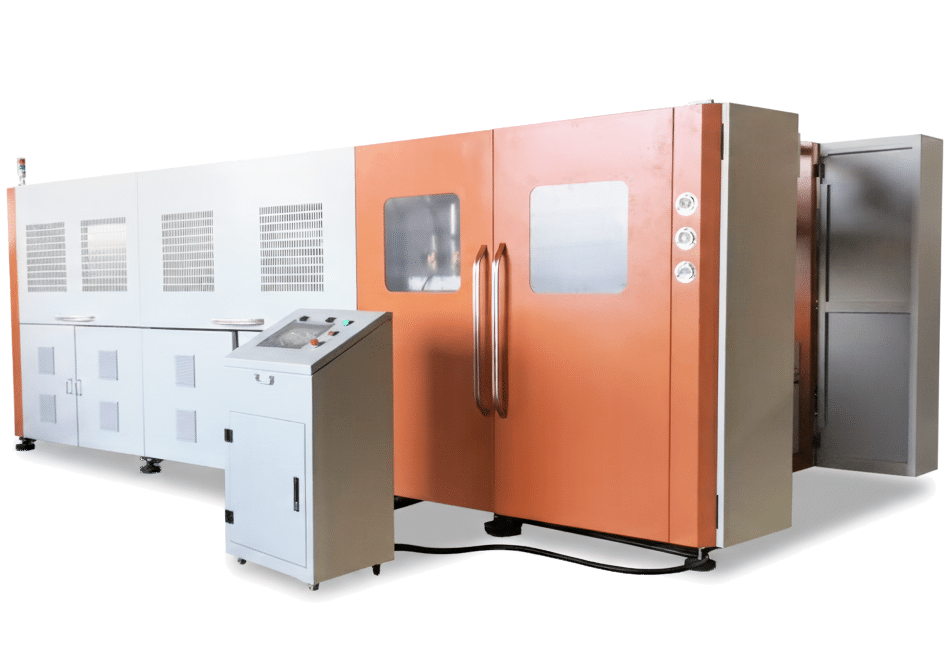
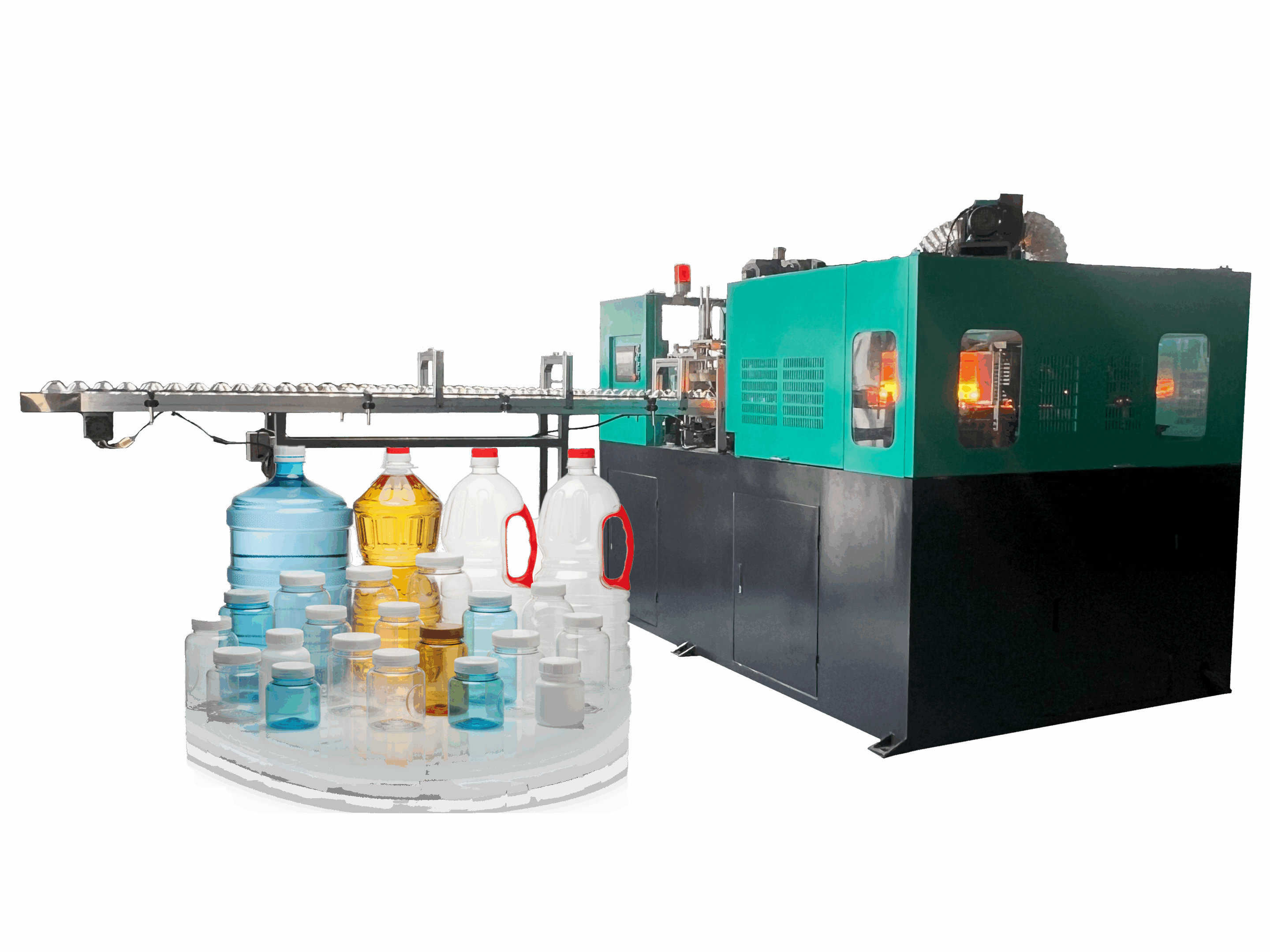
Pendahuluan
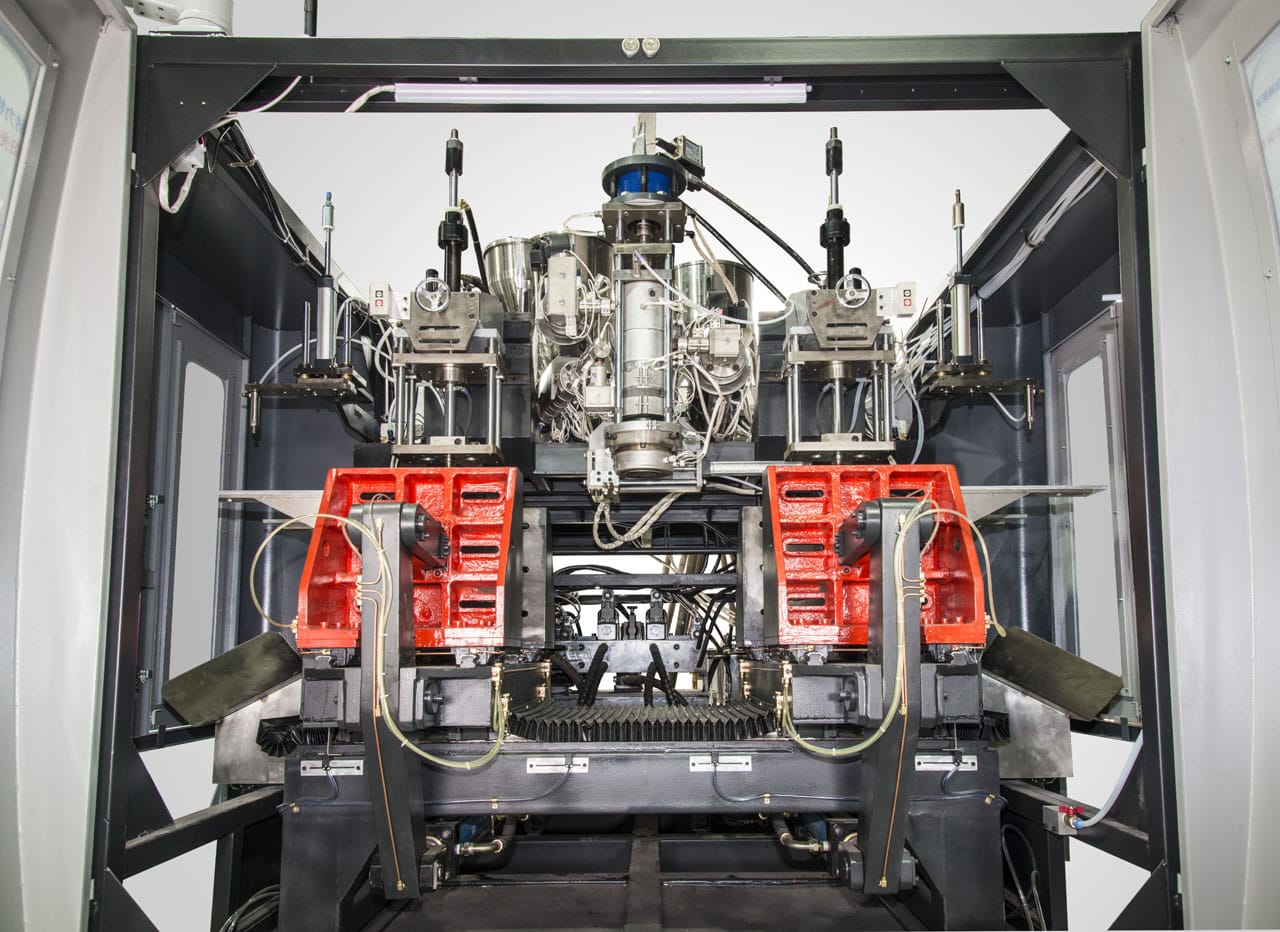
Blow molding is a crucial manufacturing process used to create hollow plastic products by inflating a heated plastic tube (parison) inside a mold. This versatile technique plays a vital role in producing a wide range of items, from everyday containers to complex automotive parts and industrial components.
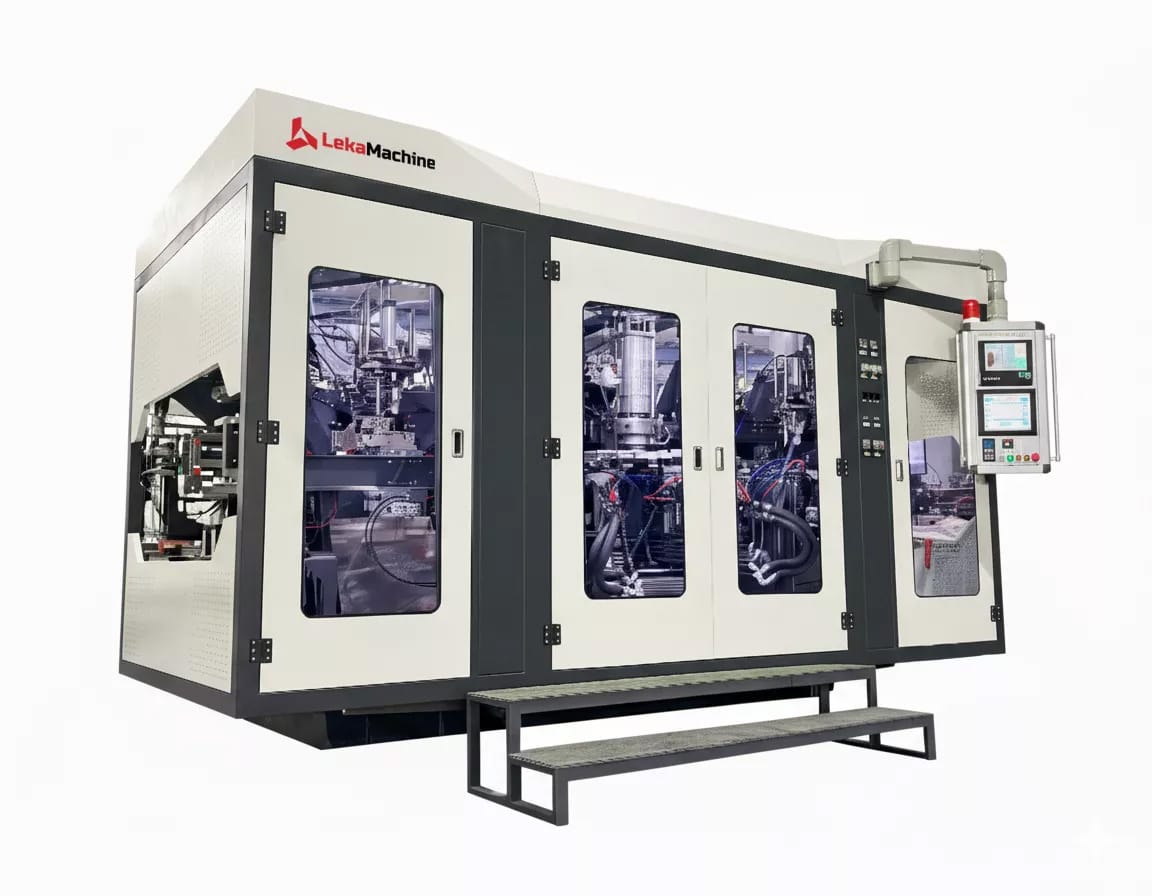
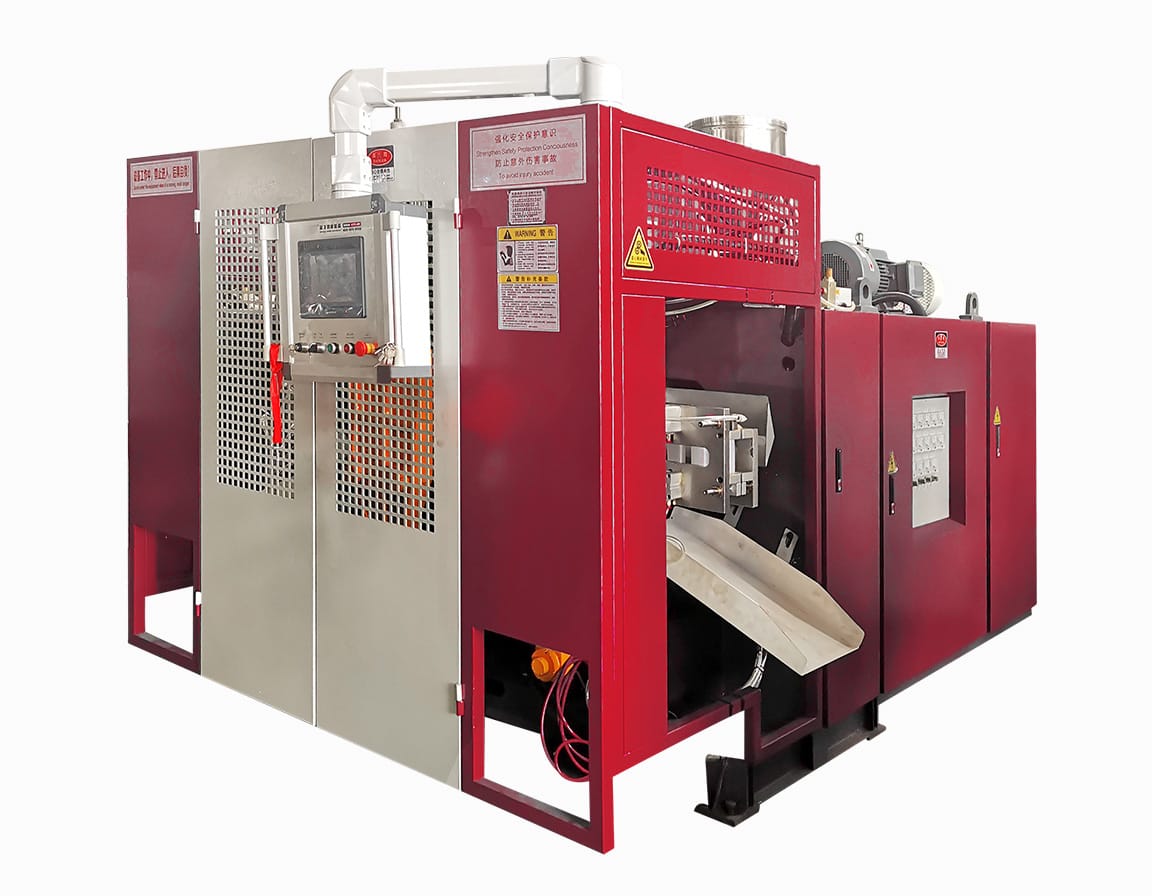
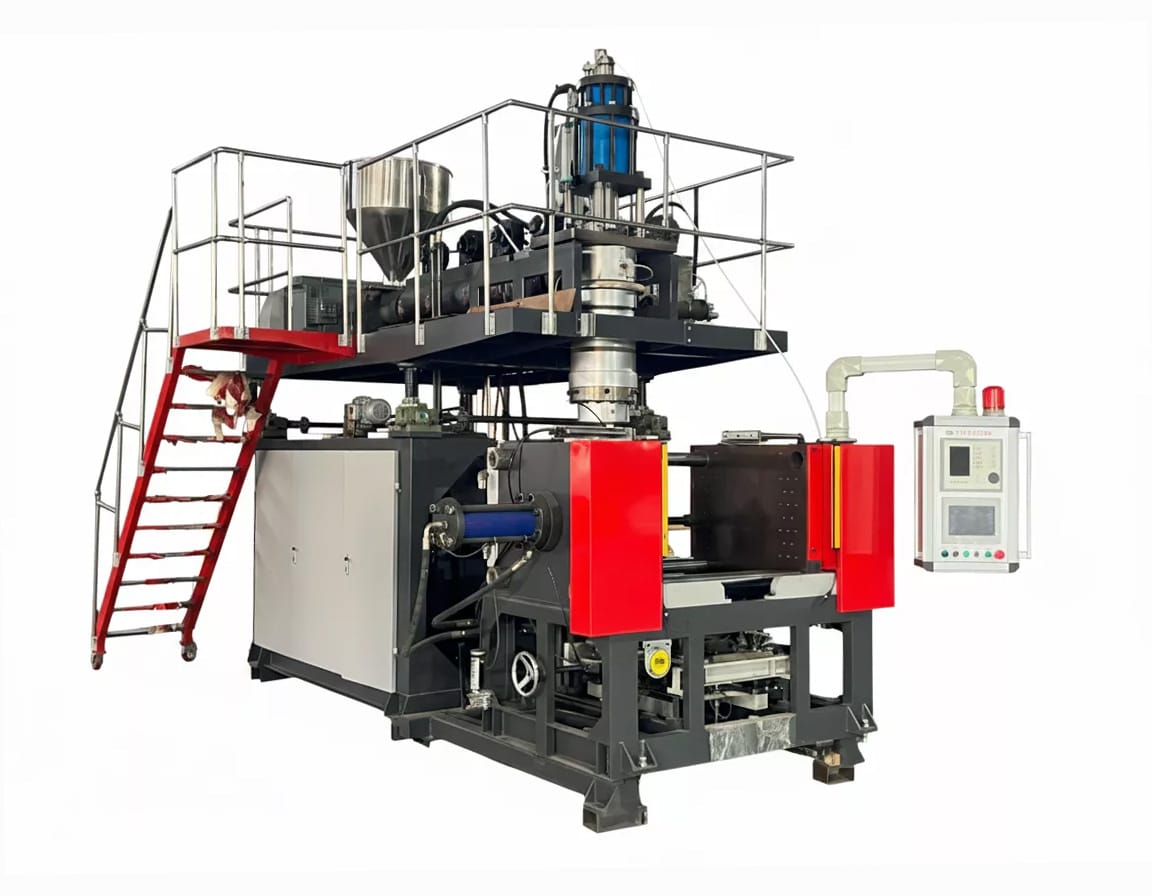
The process is particularly efficient for high-volume production of thin-walled plastic items, offering cost-effectiveness and design flexibility. Blow molding machines are the cornerstone of this manufacturing method, with three main types dominating the industry:
- Extrusion Blow Molding Machines: Ideal for continuous production of large quantities of hollow parts.
- Injection Blow Molding Machines: Suited for creating precise, small to medium-sized products.
- Cetakan Pukulan Peregangan Machines: Specialized for producing bottles with enhanced strength and clarity, particularly in the beverage industry.
Each type of machine offers unique capabilities, allowing manufacturers to tailor their production processes to specific product requirements and production volumes.

1. What Is Blow Molding and Why Is It Important?
Blow molding uses air pressure to form hollow plastic products by inflating a heated plastic tube, known as a parison, inside a mold. This technique is a cornerstone of the plastics industry due to its efficiency in producing a diverse array of products, ranging from everyday items to highly specialized components.
Key Advantages:
| Manfaat | Keterangan |
|---|---|
| Cost-efficiency | High production rates and relatively low tooling costs make it economical for large-scale manufacturing. |
| Skalabilitas | Suitable for both small batch production and high-volume manufacturing. |
| Versatility | Capable of producing complex shapes with consistent wall thickness. |
| Lightweight Products | Creates durable yet lightweight items, ideal for packaging and transportation. |
Applications:
Blow molding finds use across several industries, with products including:
- Beverage bottles and containers.
- Fuel tanks for automobiles.
- Custom packaging for consumer goods.
- Industrial drums and storage containers.
- Toys and recreational equipment.
The versatility of the process extends to its compatibility with multiple plastics such as polyethylene (PE), polyethylene terephthalate (PET), and polypropylene (PP). These materials allow manufacturers to tailor products to specific requirements, such as clarity, durability, or chemical resistance.
Blow molding continues to evolve, with advancements targeting sustainability, efficiency, and design capabilities, ensuring its relevance in modern manufacturing.

2. What Are the Types of Blow Molding Machines?
Blow molding machines are categorized into three primary types, each tailored for specific production needs and product characteristics. These machines form the foundation of the blow molding industry, enabling the efficient creation of a diverse range of hollow plastic products.
Types and Features:
| Machine Type | Fitur Utama | Aplikasi Khas |
|---|---|---|
| Cetakan Pukulan Ekstrusi | Continuous extrusion of parison, suitable for large volumes. | Bottles, containers, automotive parts. |
| Cetakan Pukulan Injeksi | Precise preform creation, ideal for small to medium-sized products. | Pharmaceutical containers, small bottles. |
| Cetakan Pukulan Peregangan | Biaxial stretching for enhanced strength and clarity. | PET bottles, high-performance containers. |
Extrusion Blow Molding (EBM):
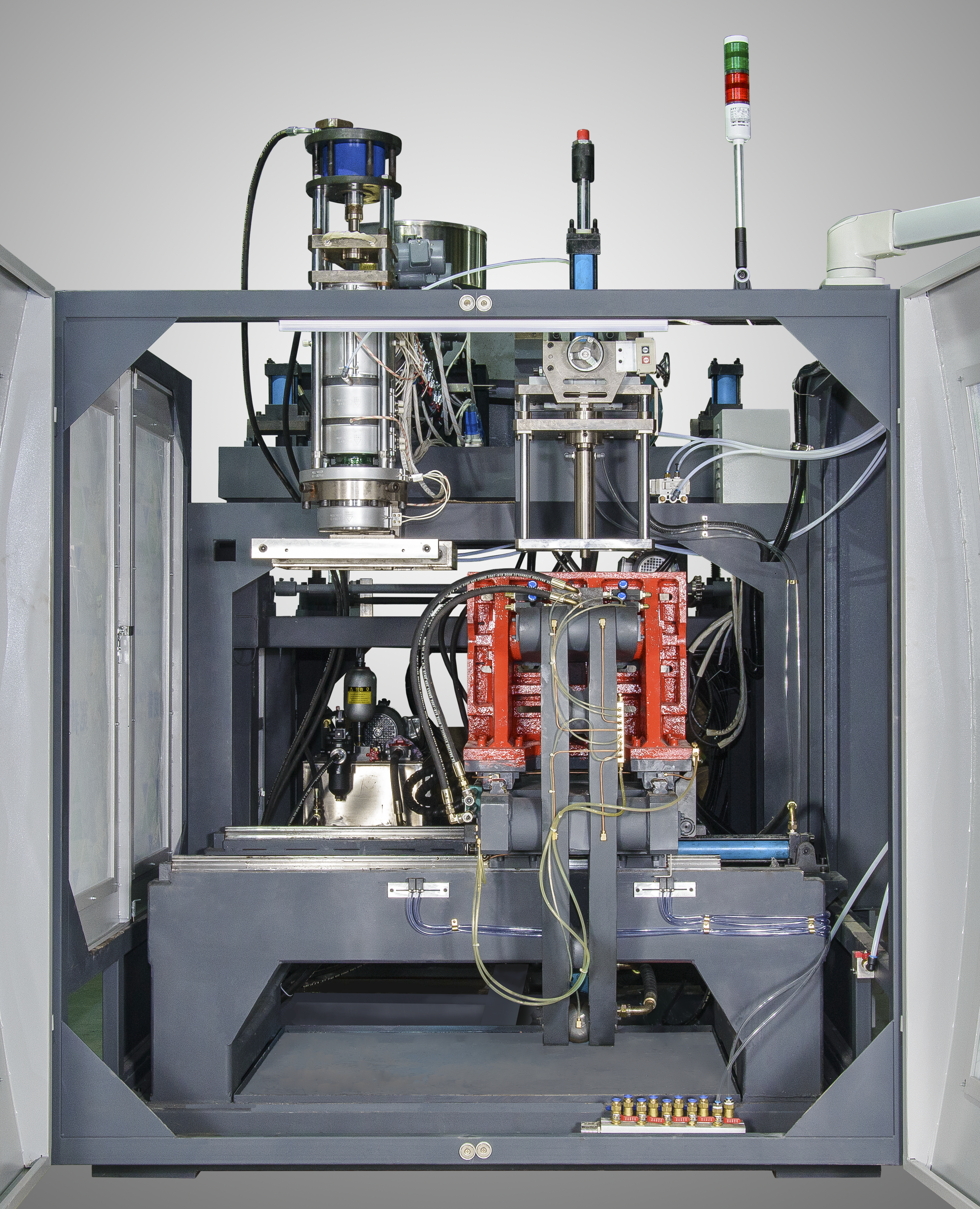
Ekstrusi mesin cetak tiup are widely used for producing larger, durable containers. Key features include:
- Continuous Production: Ideal for manufacturing hollow products in high volumes.
- Applications: Suitable for a wide range of containers, including fuel tanks, detergent bottles, and drums.
- Material Compatibility: Works well with HDPE, PVC, and PP.
Injection Blow Molding (IBM):
IBM machines are known for their precision in creating smaller items. Highlights include:
- High Dimensional Accuracy: Essential for pharmaceutical and cosmetic bottles.
- Efficient Production: Suitable for small to medium-sized runs.
- Special Features: Delivers superior neck finish and uniform wall thickness.
Stretch Blow Molding (SBM):
SBM machines are designed for lightweight, high-clarity products like beverage bottles. Unique attributes include:
- Enhanced Strength and Clarity: Achieved through biaxial stretching.
- High-Speed Production: Ideal for industries demanding fast output.
- Specialty Applications: Commonly used for PET containers in the beverage industry.
In addition to these main types, variations such as accumulator blow molding machines cater to niche applications like large or complex-shaped items.
3. How Do These Machines Differ in Their Applications?
Blow molding machines vary significantly in their applications, with each type excelling in producing specific product ranges. The choice of machine often depends on factors such as product size, material, and precision requirements.
Applications by Machine Type:
| Machine Type | Aplikasi Khas | Kompatibilitas Bahan |
|---|---|---|
| Cetakan Pukulan Ekstrusi | Large containers, automotive fuel tanks, drums. | HDPE, PP, PVC. |
| Cetakan Pukulan Injeksi | Small pharmaceutical bottles, medical devices. | PET, PP, HDPE. |
| Cetakan Pukulan Peregangan | Botol minuman PET ringan, wadah kosmetik. | PET, PP. |
Aplikasi Cetak Tiup Ekstrusi:
Mesin EBM serbaguna dan menangani beragam produk plastik:
- Produk Industri: Tangki bahan bakar, drum penyimpanan, dan wadah kemasan besar.
- Barang Rumah Tangga: Botol deterjen dan wadah sabun cair.
- Rentang Material: Kompatibel dengan plastik berkepadatan tinggi seperti HDPE dan PP.
Aplikasi Cetak Tiup Injeksi:
Mesin IBM disukai untuk item presisi tinggi berukuran kecil:
- Kemasan Farmasi: Botol dengan toleransi ketat dan ketebalan dinding seragam.
- Wadah Kosmetik: Botol parfum dan toples kecil yang membutuhkan hasil akhir halus.
- Karakteristik Khusus: Ideal untuk desain rumit dan produksi skala kecil.
Aplikasi Cetak Tiup Regang:
Mesin SBM mendominasi industri kemasan minuman:
- Botol PET: Wadah air, soda, dan jus dengan kejernihan dan kekuatan superior.
- Kosmetik dan Perawatan Diri: Wadah ringan namun tahan lama untuk losion dan semprotan.
- Desain Ringan: Menghasilkan botol berdinding tipis yang mempertahankan daya tahan dan daya tarik estetika.
Dengan memahami aplikasi spesifik setiap jenis mesin, produsen dapat mengoptimalkan proses produksi untuk memenuhi kebutuhan pasar yang tepat.
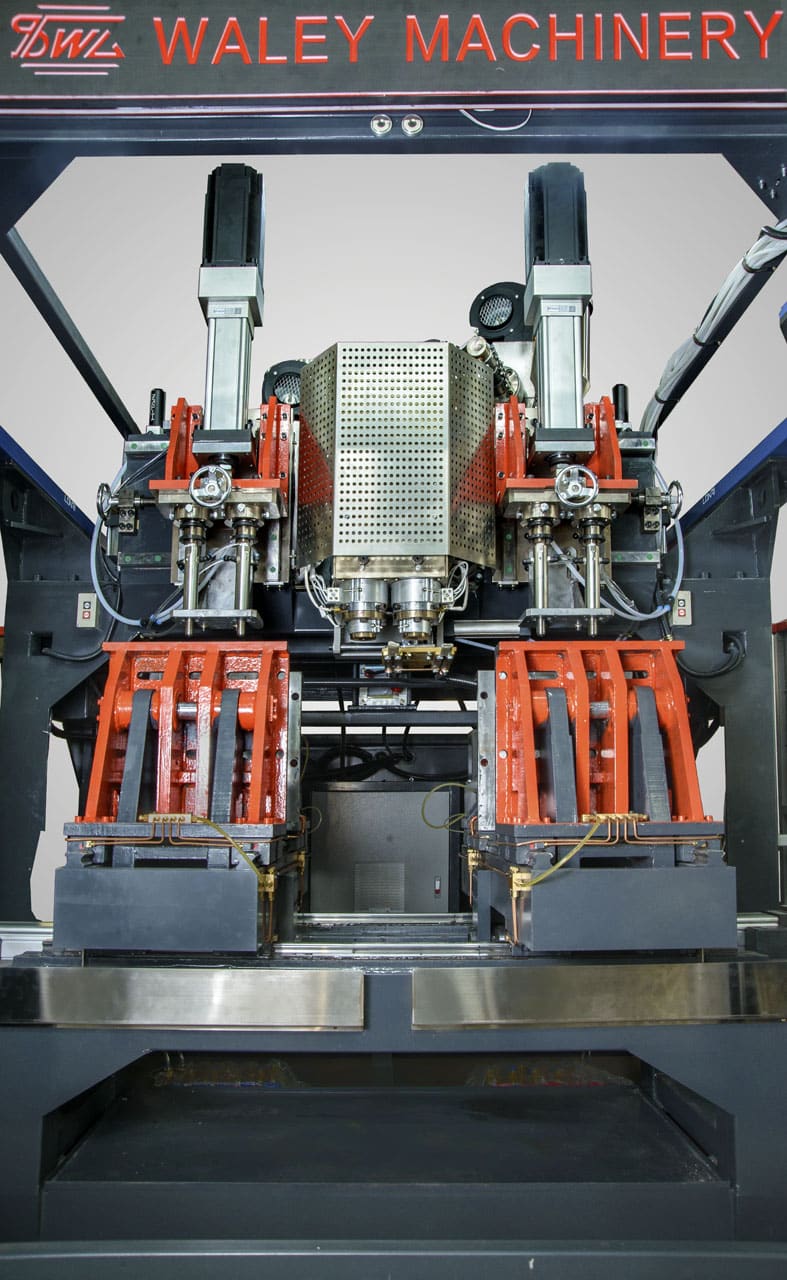
4. Bagaimana Memilih Mesin Cetak Tiup yang Tepat untuk Kebutuhan Anda?
Memilih mesin cetak tiup yang tepat sangat penting untuk mencapai efisiensi produksi dan memenuhi persyaratan produk. Keputusan harus mempertimbangkan faktor-faktor seperti kompatibilitas material, kapasitas produksi, dan kompleksitas desain produk.
Faktor-Faktor Kunci yang Perlu Dipertimbangkan:
| Faktor | Pertimbangan |
|---|---|
| Kompatibilitas Bahan | Pastikan mesin bekerja dengan plastik yang dibutuhkan seperti HDPE, PET, atau PVC. |
| Ukuran dan Kompleksitas Produk | Sesuaikan kemampuan mesin dengan dimensi dan fitur produk yang diinginkan. |
| Volume Produksi | Selaraskan dengan kebutuhan saat ini dan izinkan skalabilitas untuk pertumbuhan masa depan. |
| Efisiensi Energi | Tinjau konsumsi daya untuk mengurangi biaya operasional. |
| Tingkat Otomasi | Evaluasi kebutuhan tenaga kerja dan konsistensi produksi. |
| Waktu Pergantian Mold | Pilih mesin fleksibel untuk berbagai desain produk. |
Kompatibilitas Material:
Mesin yang berbeda dioptimalkan untuk plastik spesifik. Contohnya:
- PET: Umum digunakan dalam cetak tiup regang untuk botol minuman.
- HDPE: Cocok untuk cetak tiup ekstrusi, terutama untuk wadah besar seperti drum.
- PP: Sering digunakan dalam cetak tiup injeksi untuk wadah kecil dan presisi.
Volume Produksi dan Skalabilitas:
- Kebutuhan Volume Tinggi: Cetak tiup ekstrusi kontinu ideal untuk produksi massal.
- Batch Lebih Kecil: Cetak tiup ekstrusi intermiten atau cetak tiup injeksi cocok untuk volume lebih rendah atau desain khusus.
Efisiensi Energi:
- Pilih mesin hybrid atau full-electric untuk mengurangi konsumsi daya dan meningkatkan keberlanjutan.
- Mesin hemat energi dapat secara signifikan menurunkan biaya operasi sambil mematuhi standar lingkungan.
Otomasi dan Fleksibilitas:
- Mesin dengan otomasi canggih mengurangi biaya tenaga kerja dan meningkatkan konsistensi.
- Mesin fleksibel yang memungkinkan pergantian mold cepat ideal untuk produsen yang membuat berbagai desain.
Pertimbangan Pemasok:
Saat mengevaluasi pemasok mesin cetak tiup, pertimbangkan:
- Reputasi dan pengalaman industri.
- Ketersediaan dukungan purna jual dan pemeliharaan. layanan.
- Kepatuhan terhadap standar keselamatan dan kualitas internasional.
- Ulasan atau referensi dari pelanggan yang ada.
Dengan menilai faktor-faktor ini secara cermat, produsen dapat memastikan investasi dalam peralatan yang selaras dengan tujuan produksi dan adaptif terhadap kebutuhan pasar masa depan.
5. Siapa Saja Pemasok Terkemuka Mesin Cetak Tiup?
Pasar mesin cetak tiup menampilkan beberapa pemasok terkemuka yang dikenal untuk kemajuan teknologi, peralatan andal, dan solusi yang disesuaikan untuk berbagai industri. Berikut ikhtisar beberapa pemain kunci:
Pemasok Mesin Cetak Tiup Teratas:
| Pemasok | Fitur Utama |
|---|---|
| Sidel Group | Produksi botol PET berkecepatan tinggi, teknologi canggih untuk kemasan minuman. |
| Krones AG | Solusi kemasan terintegrasi dengan fokus pada efisiensi energi. |
| Aoki Technical Laboratory | Spesialis dalam mesin cetak tiup regang injeksi satu langkah. |
| Kautex Maschinenbau | Expertise in industrial packaging and automotive applications. |
| Yankang | Cost-effective machines with a focus on emerging markets. |
Sidel Group:
Sidel, part of Tetra Laval, is renowned for its cutting-edge PET bottle production systems. Their high-speed machines can produce up to 90,000 bottles per hour, making them a leader in beverage packaging.
Krones AG:
Krones provides energy-efficient solutions for the packaging industry, integrating automation and advanced control systems to reduce operational costs. Their blow molding machines are known for high precision and reliability.
Aoki Technical Laboratory:
Aoki specializes in one-step injection stretch blow molding machines, catering to small to medium production runs with complex shapes. Their equipment is favored for its versatility and compact design.
Kautex Maschinenbau:
Kautex excels in industrial and automotive applications, offering machines capable of producing large-scale products like fuel tanks and drums. They are a leader in innovation for large-volume production.
Yankang:
Yankang focuses on affordability and efficiency, offering machines that cater to smaller enterprises and emerging markets. Their emphasis on cost-effective solutions makes them a popular choice for businesses entering the blow molding industry.
Regional and Niche Suppliers:
- BLOW ENTERPRISES (India): Regional supplier offering competitive pricing and localized support.
- MEPER (China): Provides specialized solutions for industrial aplikasi pencetakan tiup.
Tips for Selecting a Supplier:
- Evaluate after-sales support, including maintenance and spare parts availability.
- Compare energy efficiency ratings to minimize long-term operational costs.
- Ensure compatibility with your specific material and design requirements.
- Request references or case studies to validate supplier reliability.
Whether sourcing machines for mass production or niche applications, working with reputable suppliers ensures long-term reliability, quality, and cost-efficiency.

6. What Are the Future Trends in Blow Molding Machines?
The blow molding industry is rapidly evolving, driven by technological advancements and an increasing emphasis on sustainability. Future trends are reshaping how manufacturers approach production, efficiency, and environmental responsibility.
Key Trends in Blow Molding Machines:
| Tren | Keterangan |
|---|---|
| Manufaktur Cerdas | Integration of IoT, AI, and real-time data monitoring for predictive maintenance. |
| Sustainability Focus | Use of recycled materials and eco-friendly production techniques to reduce waste. |
| Efisiensi Energi | Transition to electric and hybrid machines to lower energy consumption and emissions. |
| Advanced Automation | Implementation of robotic systems for enhanced precision and quality control. |
| Kustomisasi | Flexible machines capable of producing diverse designs with faster mold changeovers. |
Smart Manufacturing:
Blow molding machines are increasingly adopting smart technologies. Features such as IoT-enabled sensors and AI-based analytics allow real-time monitoring of production parameters. These advancements enable:
- Predictive maintenance to minimize downtime.
- Optimized production cycles for increased efficiency.
- Data-driven insights to improve product quality.
Sustainability Focus:
Sustainability is a top priority as consumers and regulators demand eco-friendly products. Key developments include:
- Machines capable of processing bio-based and recycled plastics.
- Technologies that reduce material waste during production.
- Energy-efficient processes that minimize the carbon footprint of manufacturing.
Efisiensi Energi:
Modern blow molding machines are shifting towards electric and hybrid models. Benefits include:
- Lower energy consumption compared to traditional hydraulic systems.
- Reduced operational costs due to improved energy efficiency.
- Compliance with stricter environmental regulations.
Advanced Automation:
Automation is transforming production lines with:
- Robotic systems for tasks like part removal, trimming, and stacking.
- Automated quality control using machine vision technology.
- Streamlined workflows for high-volume production with consistent quality.
Customization and Flexibility:
To meet dynamic market demands, blow molding machines are becoming more adaptable:
- Quick mold changeover systems allow for faster transitions between product designs.
- Enhanced flexibility enables production of a wider range of product sizes and shapes.
- Tailored solutions cater to industries with unique packaging needs, such as cosmetics and healthcare.
Future Outlook:
As these trends continue to shape the industry, blow molding machines are poised to become smarter, greener, and more versatile. This evolution not only enhances production efficiency but also positions manufacturers to meet the growing demand for sustainable and innovative products.

Kesimpulan
Blow molding machines have revolutionized the manufacturing of hollow plastic products. Each machine type—extrusion, injection, and stretch blow molding—offers distinct capabilities, catering to various industries from automotive to beverage packaging.
Memilih mesin yang tepat memerlukan evaluasi menyeluruh terhadap faktor-faktor seperti kompatibilitas material, volume produksi, dan kompleksitas desain. Selain itu, bermitra dengan pemasok terkemuka memastikan akses ke teknologi mutakhir dan dukungan yang andal.
Seiring keberlanjutan menjadi fokus inti, industri ini terus berkembang dengan mesin-mesin hemat energi dan ramah lingkungan yang mampu memproses material daur ulang. Dengan mengadopsi inovasi-inovasi ini, produsen dapat mengurangi dampak lingkungan sambil tetap kompetitif di pasar yang dinamis.
Berinvestasi dalam mesin blow molding tercanggih tidak hanya memenuhi kebutuhan produksi saat ini, tetapi juga memposisikan bisnis untuk pertumbuhan masa depan, selaras dengan tuntutan pasar akan keberlanjutan dan adaptabilitas.
Referensi yang Direkomendasikan
- Buku Panduan Blow Molding – Sumber komprehensif tentang teknologi dan aplikasi. Tautan Amazon
- Masa Depan Mesin Blow Molding – Tren terkini dalam otomasi dan keberlanjutan. Tren Manufaktur
- Inovasi Extrusion Blow Molding – Panduan tentang desain die dan material baru. Sumber Daya Extrusion Blow
- Teknik Injection Blow Molding – Wawasan tentang presisi dan kompatibilitas material. Ikhtisar IBM
- Plastik Berkelanjutan dalam Manufaktur – Solusi lingkungan dalam produksi plastik. Plastik Berkelanjutan


0 Komentar