
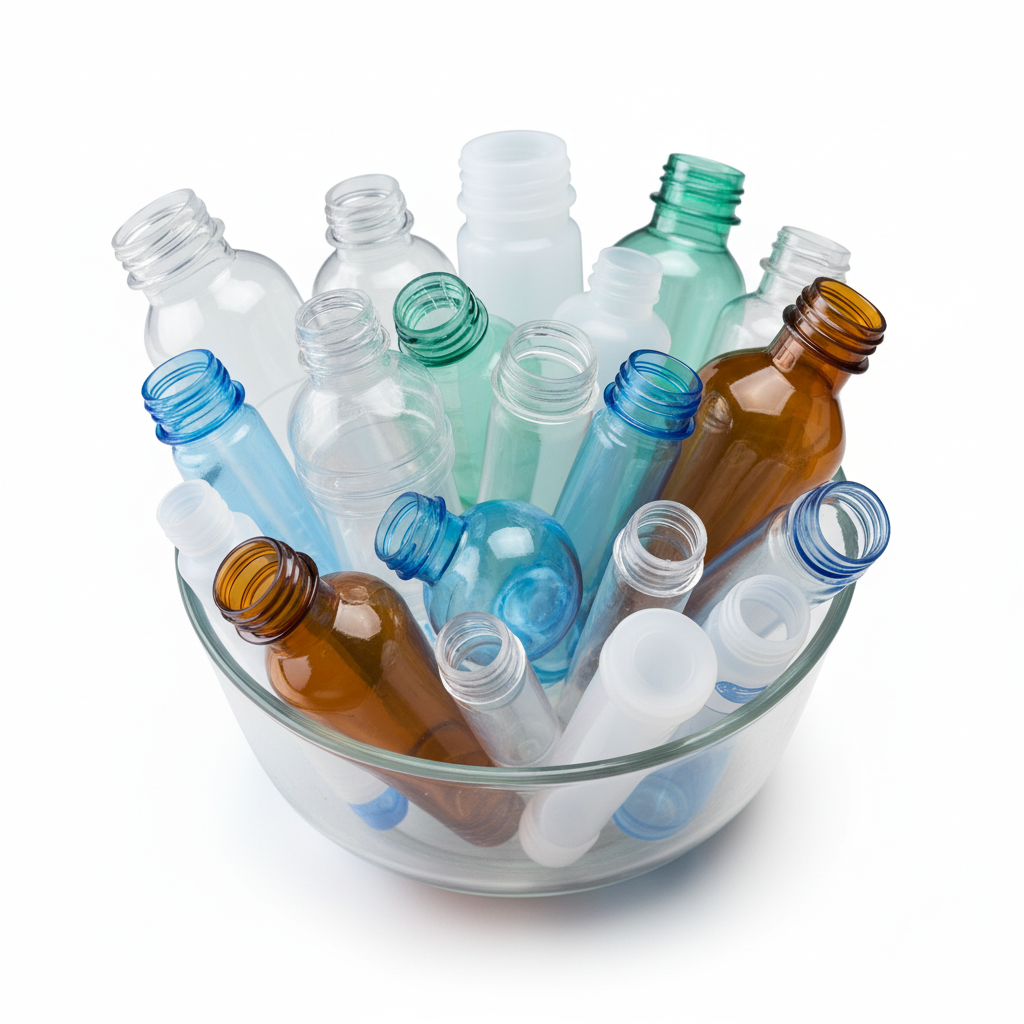
FDA vs EFSA for Food-Grade Bottles: What Blow Molding Manufacturers Need to Know
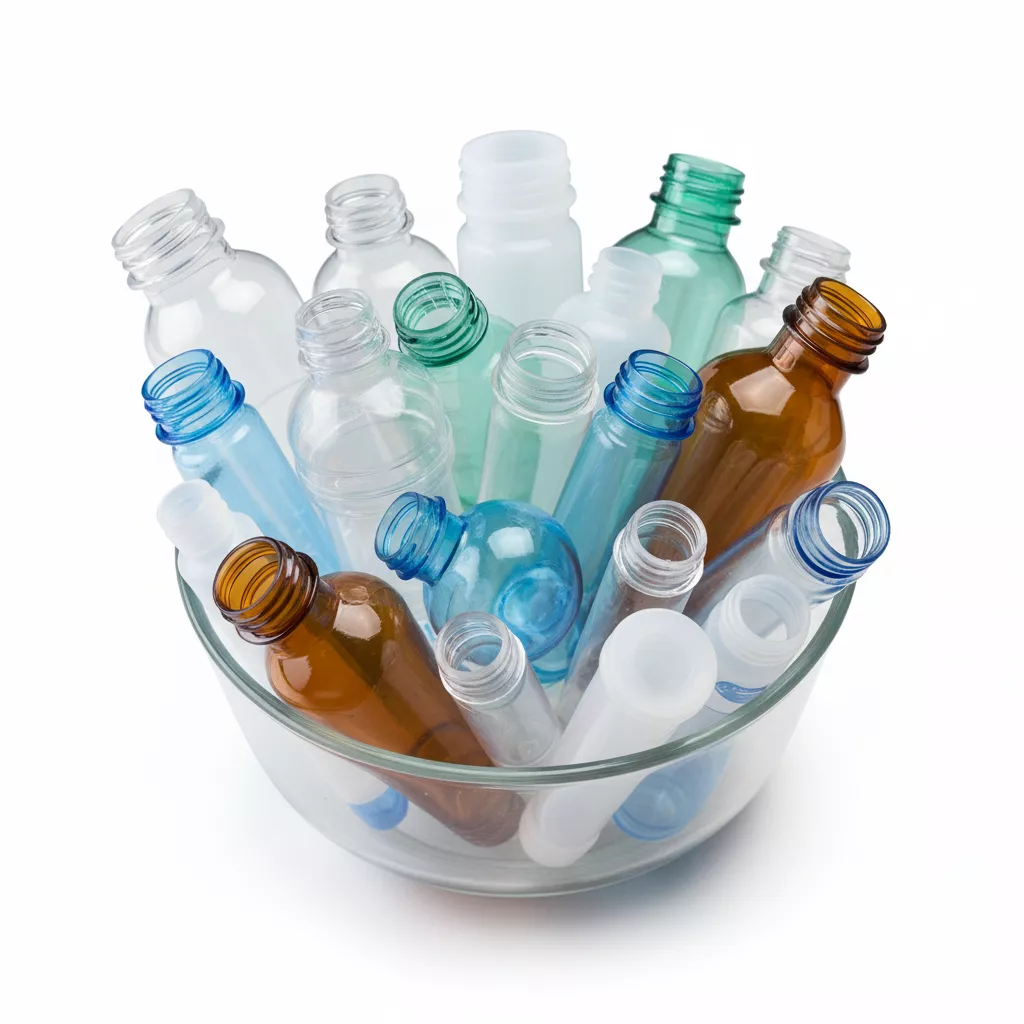
If you manufacture bottles for food, beverages, dairy, edible oil, or other consumer packaging, the real compliance issue is not whether a machine is called “food grade.” The real issue is whether the entire bottle system — resin, additives, colorants, structure, process control, and documentation — supports lawful food-contact use in the market you want to serve.
For bottle manufacturers, the United States and the European Union follow different regulatory logics. The U.S. system focuses on authorized food-contact substances and intended conditions of use. The EU system combines general food-contact rules with plastic-specific requirements, migration limits, good manufacturing practice, traceability, and supply-chain documentation.
That difference directly affects blow molding projects. A resin that looks acceptable on a supplier datasheet may still create commercial risk if its intended use, additive package, recycled content, or final bottle structure does not match the destination market. For manufacturers running extrusion blow molding or stretch blow molding lines, compliance is part of product design, process control, and customer confidence.
What do FDA and EU food-contact rules actually regulate?
In the United States, food-contact compliance is built around the legal status of the substances used in packaging. For common bottle polymers, HDPE and PP are often checked against the applicable U.S. polymer provisions, while PET follows its own plastic material path. In practical terms, manufacturers need to confirm that the resin system, additives, and use conditions are all properly covered for the specific application.
In the European Union, the compliance framework is broader. Plastic packaging must work within the general food-contact rules and the plastic-specific rules, while production must also follow good manufacturing practice. This means EU projects often require more visible documentation discipline across the supply chain.
| Area | United States | European Union |
|---|---|---|
| Core logic | Focus on whether the food-contact substances are authorized for the intended use. | Focus on authorized substances, migration limits, GMP, and supply-chain documentation. |
| Main concern for bottle makers | Correct legal basis for the resin and additive system under the target use conditions. | Correct material composition plus traceability, declaration support, and migration compliance. |
| Commercial implication | Suppliers’ resin paperwork matters heavily. | Final bottle structure and downstream documentation matter more visibly. |

What does this mean for blow molding manufacturers?
Compliance starts before the machine runs. A serious bottle project must define the resin family, additive package, color masterbatch, bottle structure, food type, fill temperature, and shelf-life expectation. It is not enough to say “this is PET” or “this is HDPE.” The intended use always matters.
For commercial bottle makers, the key point is simple: the final article matters. A machine helps you run a cleaner and more stable process, but the real compliance burden sits on the bottle system and the documents behind it.
Which materials are most common in food-grade bottle projects?
For stretch blow molding, PET remains the most common choice for clear beverage bottles and many edible-oil or consumer packaging formats because it supports lightweight, transparent, high-output production.
For extrusion blow molding, HDPE is widely used for opaque bottles, dairy-style formats, handled containers, and other rigid packages where toughness, stress-crack resistance, and shape flexibility matter. PP is also used in selected applications where heat resistance or product-specific performance is important.
Multi-layer structures require extra care. Once you move into barrier layers, recycled layers, or complex bottle walls, the compliance evaluation becomes more demanding. For export-oriented bottle manufacturers, material choice should always be tied to application + resin + bottle structure + target market.
Related LEKA pages
Extrusion blow molding vs stretch blow molding for food bottles
From a compliance perspective, extrusion blow molding and stretch blow molding are not “approved” or “non-approved” technologies. They are manufacturing routes. What matters is whether the selected process can produce a bottle that consistently matches the approved material system, intended use, and documentation expectations of the destination market.
In practical terms, extrusion blow molding is usually the better route when the project needs HDPE or PP bottles, handle designs, wide-mouth formats, or co-extrusion structures. Stretch blow molding is usually the better route for PET bottles where clarity, lightweight design, and high output are priorities.
This is also where qualified buyers start thinking beyond a single bottle machine. If the project is for real production rather than sampling, bottle forming should be evaluated together with filling machines, capping machines, labeling machines, and shrink wrapping and packing equipment.
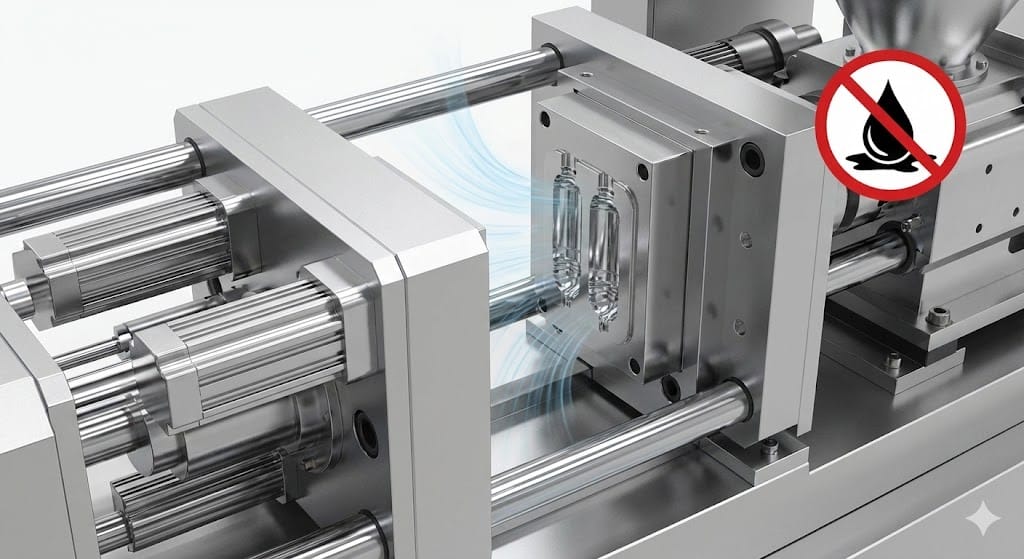
What process controls matter on the production floor?
Good compliance is not only about legal wording. It is also about how consistently the factory controls production.
1. Incoming material control
Every production batch should be linked to a defined resin lot, masterbatch lot, additive package, and supplier paperwork. If a factory cannot trace which raw material went into which bottle batch, its compliance system is weak.
2. Contamination control
Degraded polymer, black specks, dirty conveying systems, poor hopper housekeeping, uncontrolled regrind, and inconsistent changeovers can all turn a theoretically compliant formulation into a practical problem. GMP is not only paperwork. It is reflected in daily production discipline.
3. Air, handling, and transfer stability
Blow air quality, internal cleanliness, handling surfaces, storage bins, and post-molding transfer conditions all influence risk. Even when a regulation does not prescribe a specific machine structure, your customer will still expect a clean, stable, and auditable process.
What documents should bottle manufacturers prepare?
For U.S. projects, your technical file should clearly show the compliance basis for each material in the bottle system. For EU projects, the documentation burden is usually more structured because supply-chain statements and traceability are more visible parts of the compliance process.
In practice, a serious bottle manufacturer should prepare and maintain the following:
- Approved supplier documentation for resins, additives, and colorants
- Lot traceability for every production batch
- Change-control records when resin, mold, color, or process conditions change
- Cleaning and line-release records
- Relevant migration or validation reports where the customer or destination market requires them
- Supply-chain declaration documents for EU-facing projects
The goal is not paperwork for its own sake. The goal is to make the bottle legally and commercially defendable when the customer, auditor, or importer asks questions.
| Document | Why it matters |
|---|---|
| Raw material supplier paperwork | Shows the compliance basis of the resin and additive system. |
| Batch traceability log | Links the finished bottle to the exact production lot. |
| Process change log | Shows when materials, molds, colors, or settings were changed. |
| Cleaning and release records | Supports GMP and contamination control. |
| Validation or migration records | Supports higher-risk, export, or customer-audit projects. |

Can PCR be used in food-grade bottles?
Yes, but this is where many packaging projects become complicated. Recycled material cannot be treated as a cheap drop-in replacement for virgin resin. Its suitability depends on the polymer type, the recycling route, the quality-control system, the bottle structure, and the destination market.
In practical terms, food-grade rPET is currently the most commercially mature PCR path for many bottle applications. Once a project moves into more complex recycled structures, the validation burden usually rises. Buyers who want PCR content should define that target at the start of the project instead of adding it after machine selection.

Important: Do not market a machine as “FDA-approved.” A better and safer commercial message is that the machine can support stable production for food-contact bottle projects when the selected resin system, process control, and documentation are correctly matched to the destination market.
How should buyers choose equipment for a compliant food bottle project?
The wrong way is to ask for “a food-grade blow molding machine” and stop there. The right way is to define the full project:
- Bottle material
- Bottle volume and neck finish
- Product category
- Fill temperature and shelf-life target
- Destination market
- Recycled content target
- Downstream packaging requirements
Once those variables are clear, equipment selection becomes rational. PET beverage and edible-oil projects usually point toward stretch blow molding. HDPE food bottles, handled containers, and many opaque rigid bottle projects usually point toward extrusion blow molding. If the customer is building a real production line, filling, capping, labeling, and secondary packaging should be planned together from the beginning.
Conclusion
FDA and EU food-contact compliance do not follow the same logic, but they lead to the same commercial truth: a bottle project succeeds only when material selection, bottle design, blow molding process, documentation, and end-use conditions are aligned from the start.
For bottle manufacturers, the safest and most professional approach is clear: choose the right resin, validate the intended use, run a controlled process, and maintain documentation strong enough to support every batch you ship.
Need help matching the right bottle process and machine solution?
Tell LEKA your bottle material, bottle volume, target market, output requirement, and whether you also need filling, capping, labeling, or shrink wrapping. We can help you match a more practical solution for food-contact bottle production and downstream packaging.