
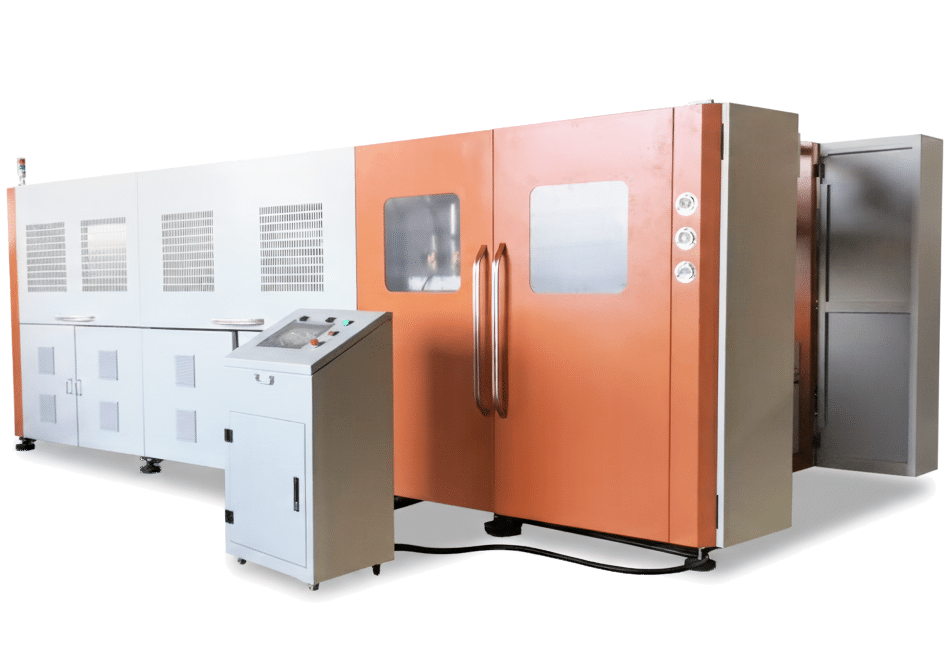
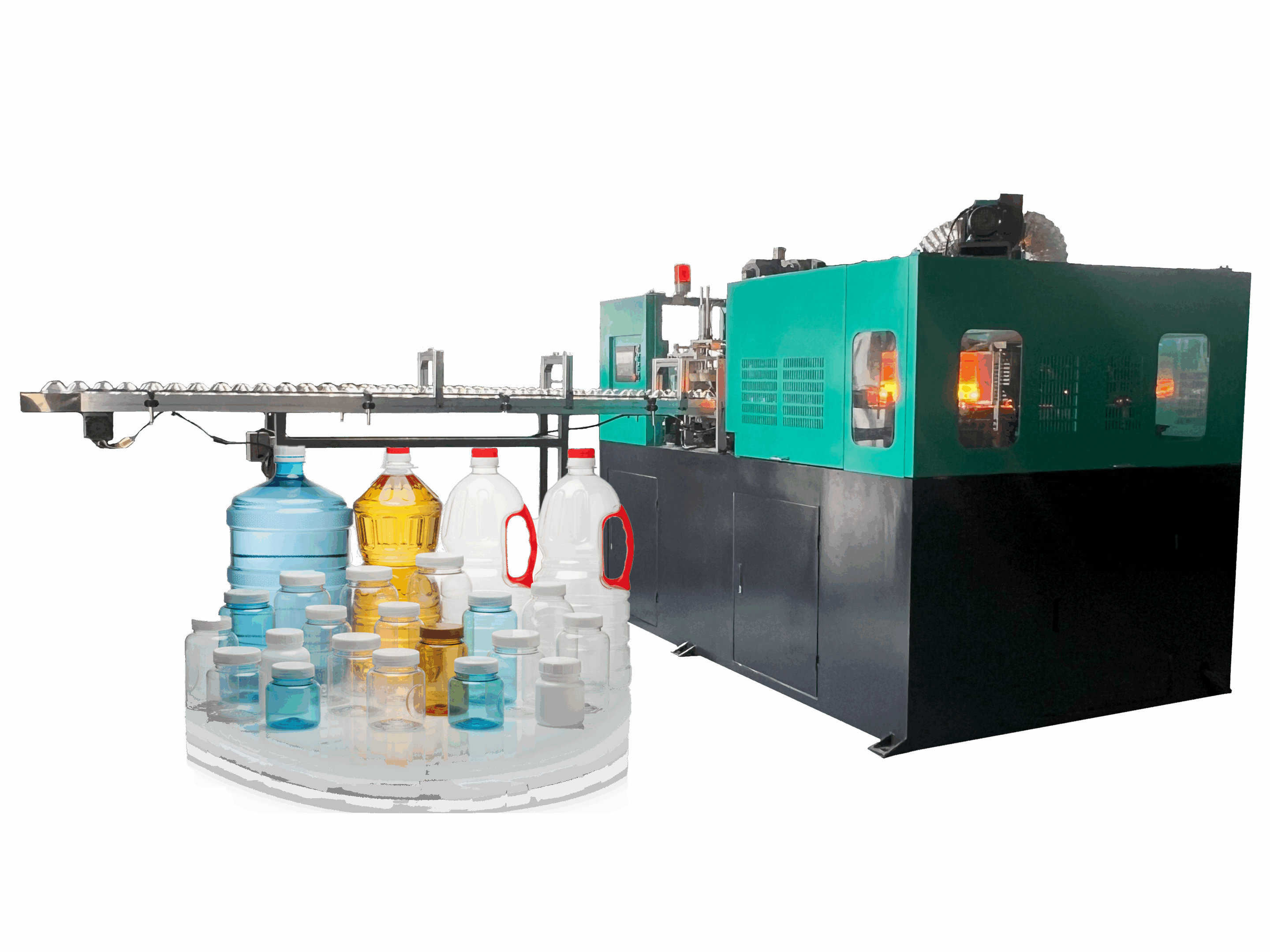
Introducción
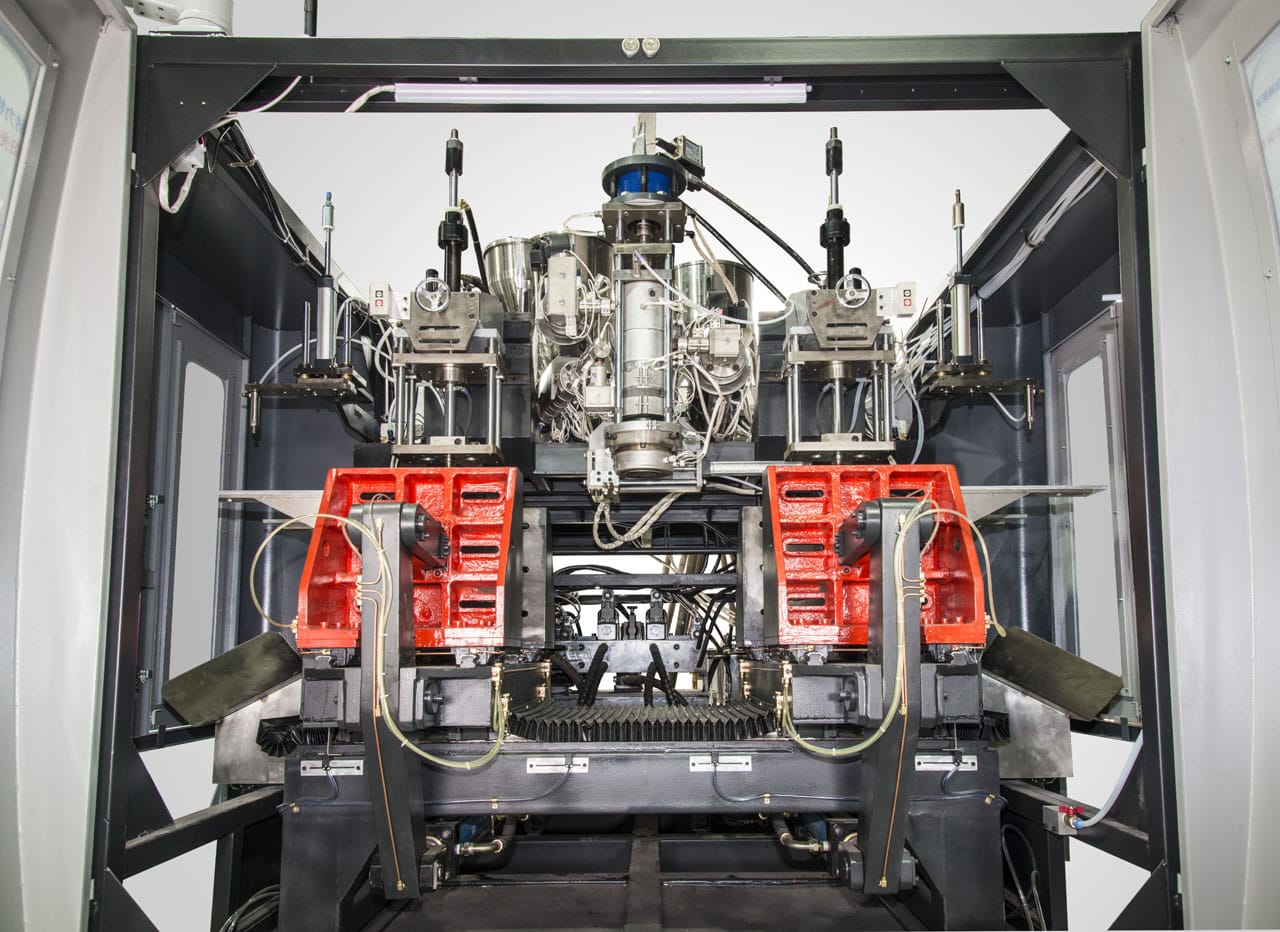
Blow molding is a crucial manufacturing process used to create hollow plastic products by inflating a heated plastic tube (parison) inside a mold. This versatile technique plays a vital role in producing a wide range of items, from everyday containers to complex automotive parts and industrial components.
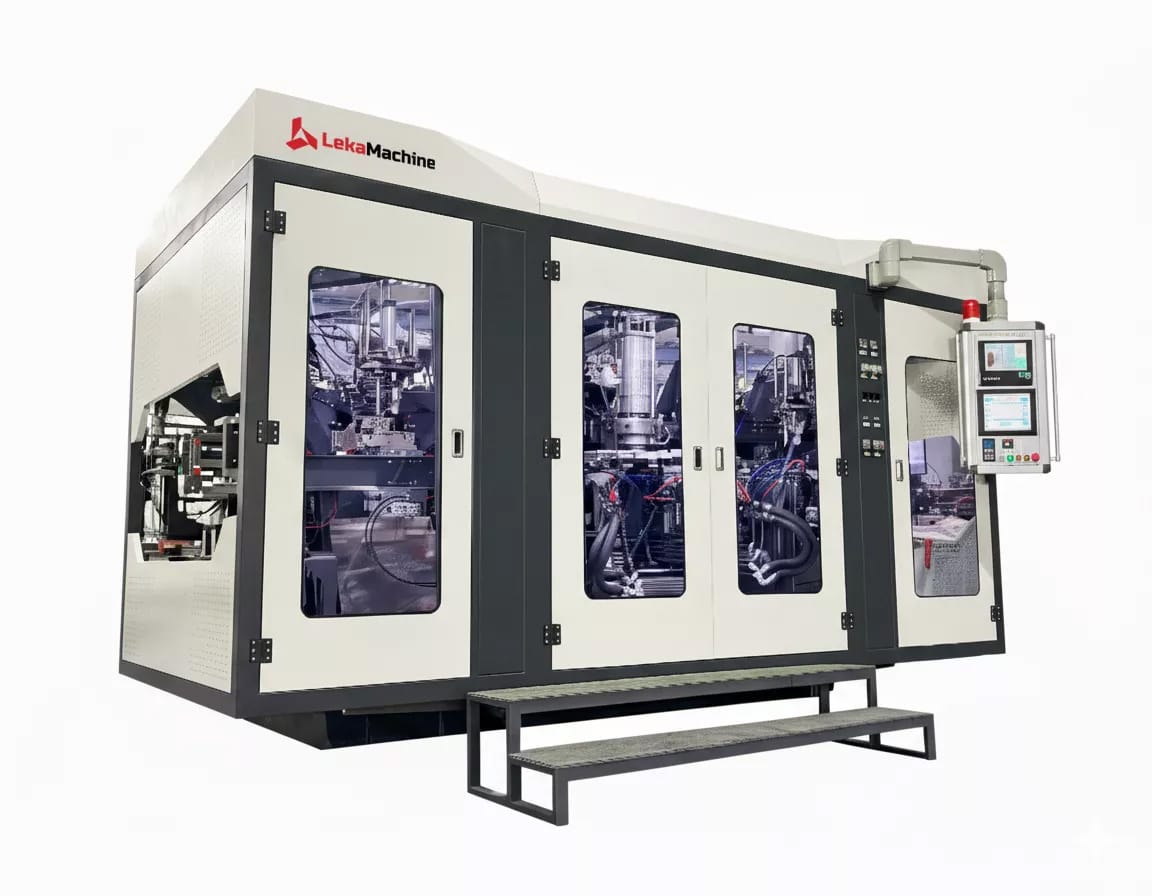
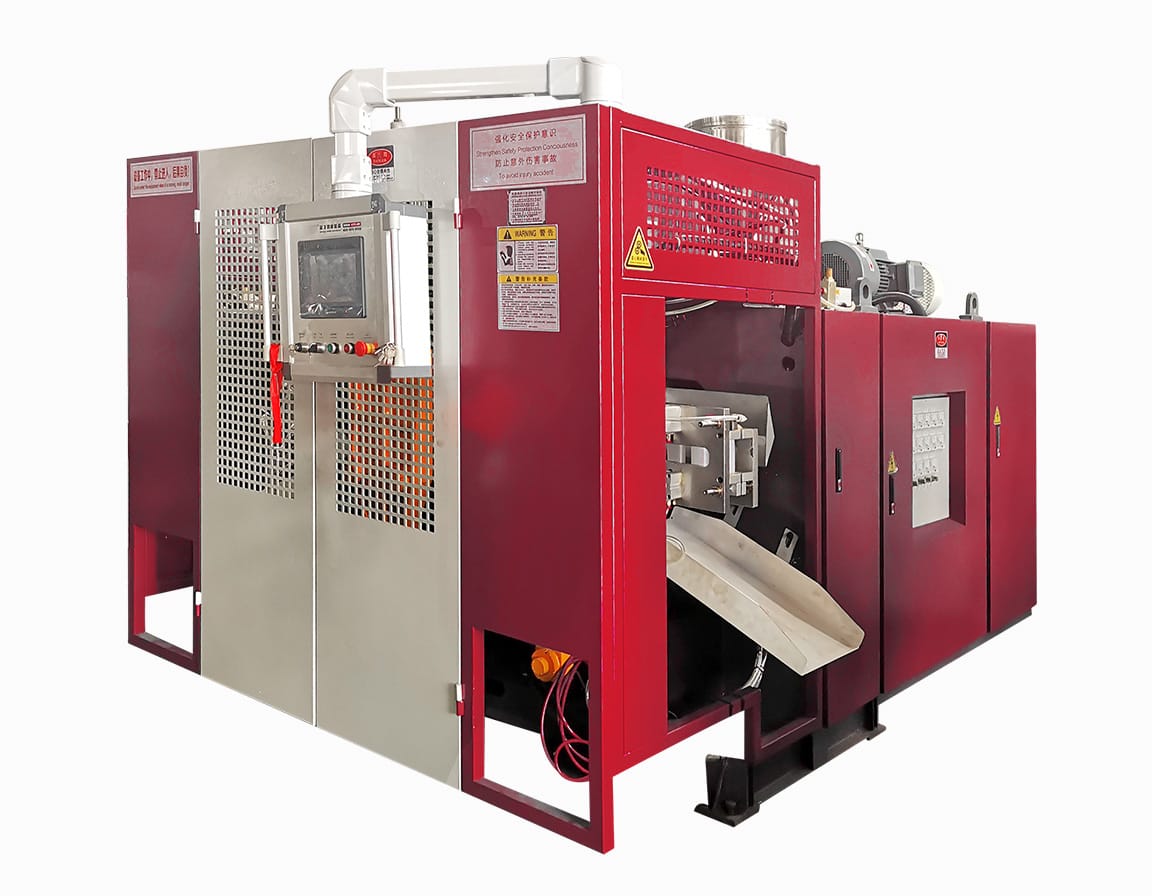
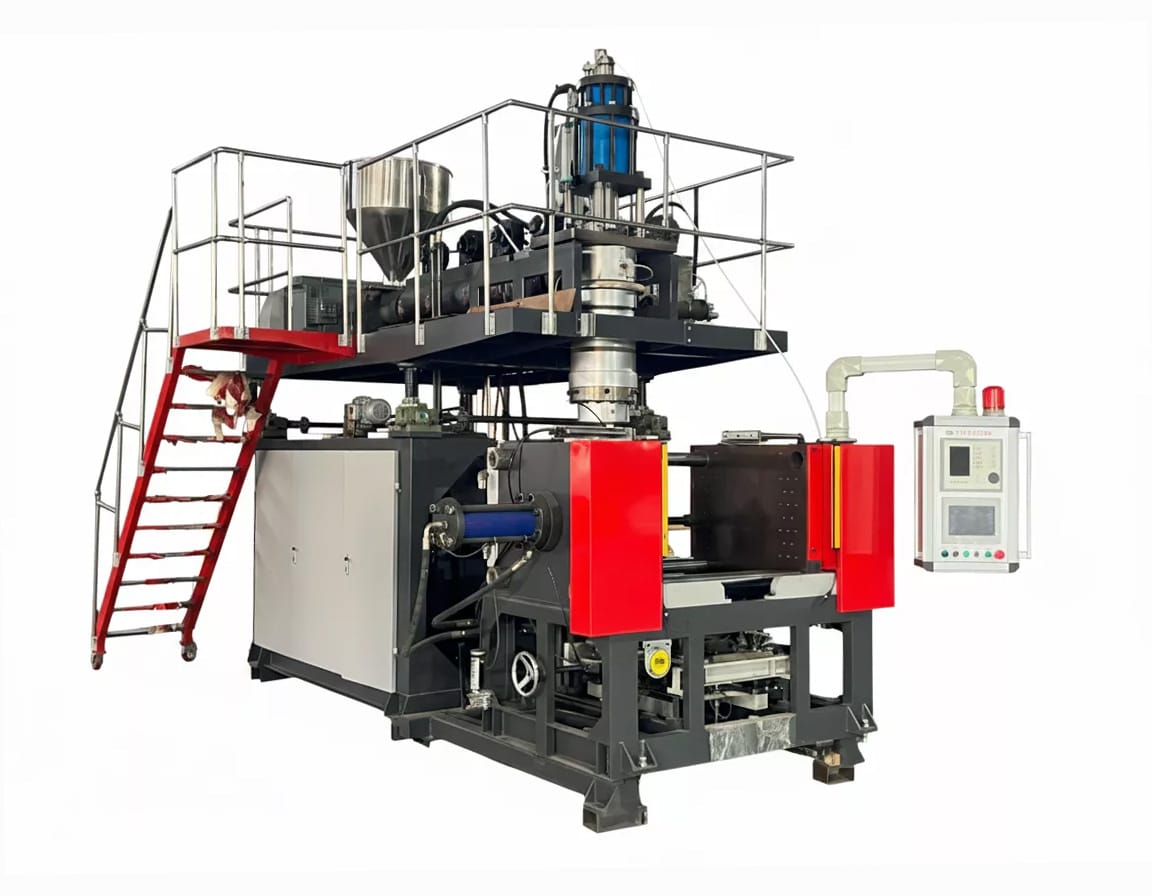
The process is particularly efficient for high-volume production of thin-walled plastic items, offering cost-effectiveness and design flexibility. Blow molding machines are the cornerstone of this manufacturing method, with three main types dominating the industry:
- Extrusion Blow Molding Machines: Ideal for continuous production of large quantities of hollow parts.
- Injection Blow Molding Machines: Suited for creating precise, small to medium-sized products.
- Moldeo por soplado y estirado Machines: Specialized for producing bottles with enhanced strength and clarity, particularly in the beverage industry.
Each type of machine offers unique capabilities, allowing manufacturers to tailor their production processes to specific product requirements and production volumes.

1. What Is Blow Molding and Why Is It Important?
Blow molding uses air pressure to form hollow plastic products by inflating a heated plastic tube, known as a parison, inside a mold. This technique is a cornerstone of the plastics industry due to its efficiency in producing a diverse array of products, ranging from everyday items to highly specialized components.
Key Advantages:
| Beneficio | Description |
|---|---|
| Cost-efficiency | High production rates and relatively low tooling costs make it economical for large-scale manufacturing. |
| Scalability | Suitable for both small batch production and high-volume manufacturing. |
| Versatility | Capable of producing complex shapes with consistent wall thickness. |
| Lightweight Products | Creates durable yet lightweight items, ideal for packaging and transportation. |
Applications:
Blow molding finds use across several industries, with products including:
- Beverage bottles and containers.
- Fuel tanks for automobiles.
- Custom packaging for consumer goods.
- Industrial drums and storage containers.
- Toys and recreational equipment.
The versatility of the process extends to its compatibility with multiple plastics such as polyethylene (PE), polyethylene terephthalate (PET), and polypropylene (PP). These materials allow manufacturers to tailor products to specific requirements, such as clarity, durability, or chemical resistance.
Blow molding continues to evolve, with advancements targeting sustainability, efficiency, and design capabilities, ensuring its relevance in modern manufacturing.

2. What Are the Types of Blow Molding Machines?
Blow molding machines are categorized into three primary types, each tailored for specific production needs and product characteristics. These machines form the foundation of the blow molding industry, enabling the efficient creation of a diverse range of hollow plastic products.
Types and Features:
| Machine Type | Características principales | Aplicaciones típicas |
|---|---|---|
| Extrusión Soplado | Continuous extrusion of parison, suitable for large volumes. | Bottles, containers, automotive parts. |
| Moldeo por inyección-soplado | Precise preform creation, ideal for small to medium-sized products. | Pharmaceutical containers, small bottles. |
| Moldeo por soplado y estirado | Biaxial stretching for enhanced strength and clarity. | PET bottles, high-performance containers. |
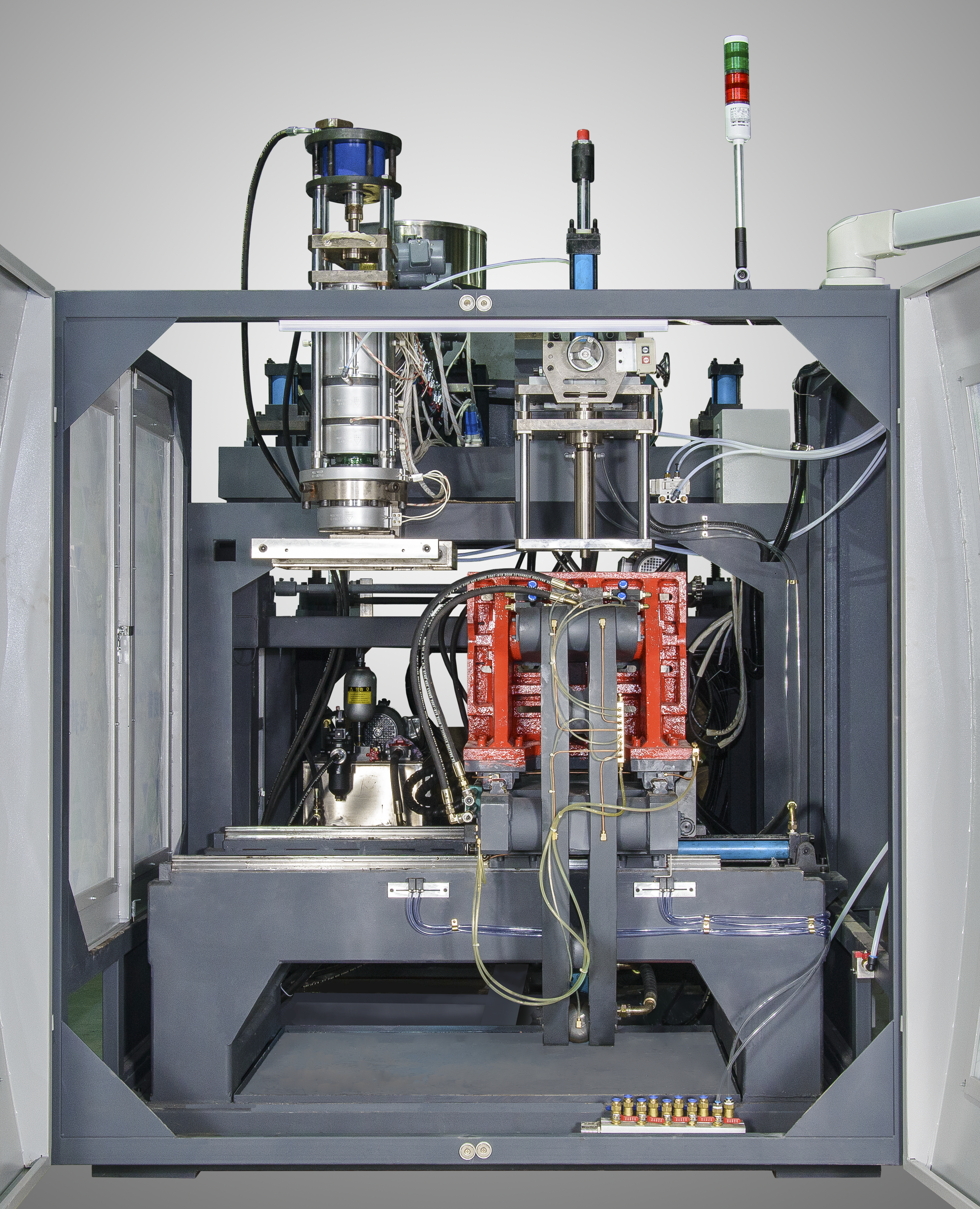
Moldeo por extrusión-soplado (EBM):
Extrusión máquinas de moldeo por soplado are widely used for producing larger, durable containers. Key features include:
- Continuous Production: Ideal for manufacturing hollow products in high volumes.
- Applications: Suitable for a wide range of containers, including fuel tanks, detergent bottles, and drums.
- Material Compatibility: Works well with HDPE, PVC, and PP.
Injection Blow Molding (IBM):
IBM machines are known for their precision in creating smaller items. Highlights include:
- High Dimensional Accuracy: Essential for pharmaceutical and cosmetic bottles.
- Efficient Production: Suitable for small to medium-sized runs.
- Special Features: Delivers superior neck finish and uniform wall thickness.
Stretch Blow Molding (SBM):
SBM machines are designed for lightweight, high-clarity products like beverage bottles. Unique attributes include:
- Enhanced Strength and Clarity: Achieved through biaxial stretching.
- High-Speed Production: Ideal for industries demanding fast output.
- Specialty Applications: Commonly used for PET containers in the beverage industry.
In addition to these main types, variations such as accumulator blow molding machines cater to niche applications like large or complex-shaped items.
3. How Do These Machines Differ in Their Applications?
Blow molding machines vary significantly in their applications, with each type excelling in producing specific product ranges. The choice of machine often depends on factors such as product size, material, and precision requirements.
Applications by Machine Type:
| Machine Type | Aplicaciones típicas | Compatibilidad de materiales |
|---|---|---|
| Extrusión Soplado | Large containers, automotive fuel tanks, drums. | HDPE, PP, PVC. |
| Moldeo por inyección-soplado | Small pharmaceutical bottles, medical devices. | PET, PP, HDPE. |
| Moldeo por soplado y estirado | Lightweight PET beverage bottles, cosmetic containers. | PET, PP. |
Extrusion Blow Molding Applications:
EBM machines are versatile and handle a broad range of plastic products:
- Industrial Products: Fuel tanks, storage drums, and large packaging containers.
- Household Items: Detergent bottles and liquid soap containers.
- Material Range: Compatible with high-density plastics like HDPE and PP.
Injection Blow Molding Applications:
IBM machines are preferred for small, high-precision items:
- Pharmaceutical Packaging: Bottles with tight tolerances and uniform wall thickness.
- Cosmetic Containers: Perfume bottles and small jars requiring fine finishes.
- Special Characteristics: Ideal for intricate designs and small-scale production runs.
Stretch Blow Molding Applications:
SBM machines dominate the beverage packaging industry:
- PET Bottles: Water, soda, and juice containers with superior clarity and strength.
- Cosmetic and Personal Care: Lightweight yet durable containers for lotions and sprays.
- Lightweight Designs: Creates thin-walled bottles that maintain durability and aesthetic appeal.
By understanding the specific applications of each machine type, manufacturers can optimize their production processes to meet precise market demands.
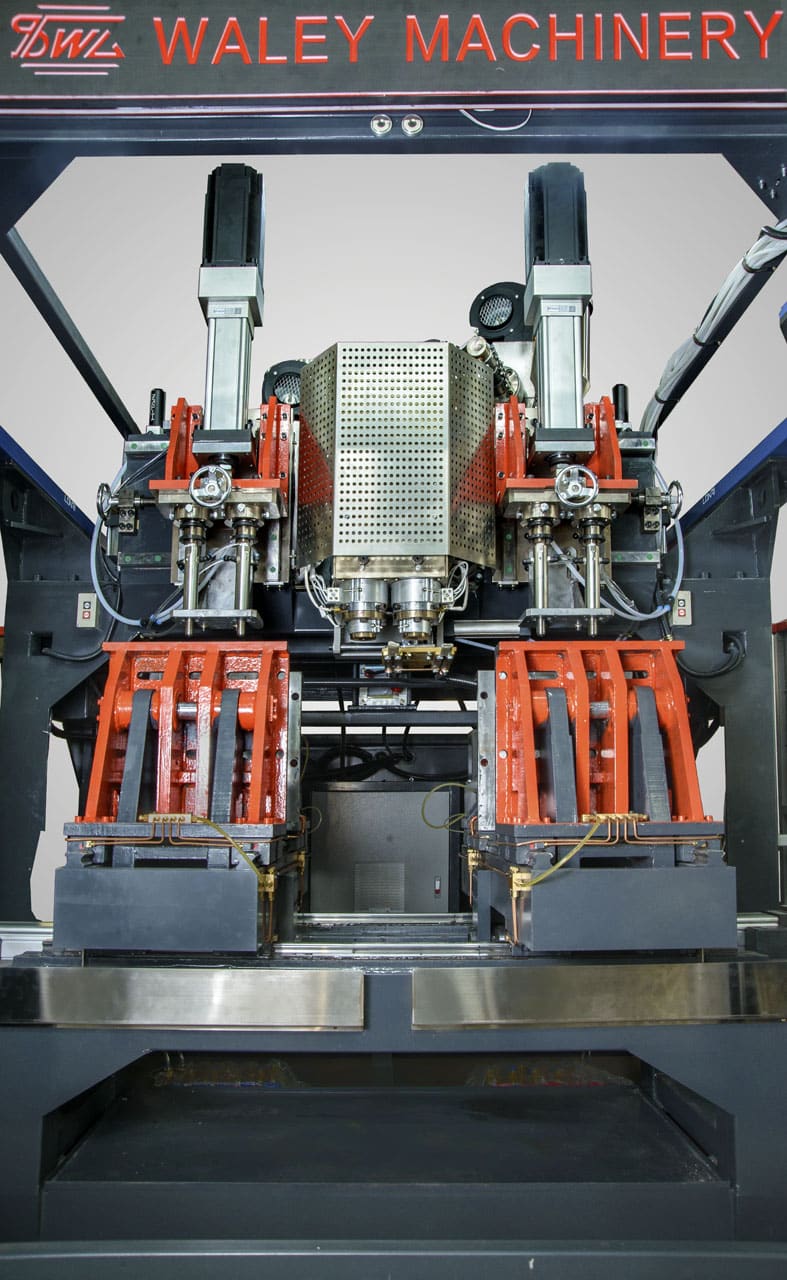
4. How to Choose the Right Blow Molding Machine for Your Needs?
Selecting the right blow molding machine is critical for achieving production efficiency and meeting product requirements. The decision should consider factors such as material compatibility, production capacity, and product design complexity.
Key Factors to Consider:
| Factor | Consideraciones |
|---|---|
| Compatibilidad de materiales | Ensure the machine works with required plastics like HDPE, PET, or PVC. |
| Product Size and Complexity | Match machine capabilities to desired product dimensions and features. |
| Volumen de producción | Align with current needs and allow scalability for future growth. |
| Eficiencia energética | Assess power consumption to reduce operational costs. |
| Nivel de Automatización | Evaluate labor requirements and production consistency. |
| Mold Changeover Time | Opt for flexible machines for varied product designs. |
Material Compatibility:
Different machines are optimized for specific plastics. For instance:
- PET: Commonly used in stretch blow molding for beverage bottles.
- HDPE: Suitable for extrusion blow molding, especially for larger containers like drums.
- PP: Frequently used in injection blow molding for small, precise containers.
Production Volume and Scalability:
- High-Volume Needs: Continuous extrusion blow molding is ideal for mass production.
- Smaller Batches: Intermittent extrusion blow molding or injection blow molding suits lower volumes or specialized designs.
Eficiencia Energética:
- Opt for hybrid or fully electric machines to reduce power consumption and improve sustainability.
- Energy-efficient machines can significantly lower operating costs while adhering to environmental standards.
Automation and Flexibility:
- Machines with advanced automation reduce labor costs and improve consistency.
- Flexible machines that allow quick mold changeovers are ideal for manufacturers producing varied designs.
Supplier Considerations:
When evaluating blow molding machine suppliers, consider:
- Reputation and industry experience.
- Availability of after-sales support and maintenance servicios.
- Compliance with international safety and quality standards.
- Reviews or references from existing customers.
By carefully assessing these factors, manufacturers can ensure they invest in equipment that aligns with their production goals and adapts to future market needs.
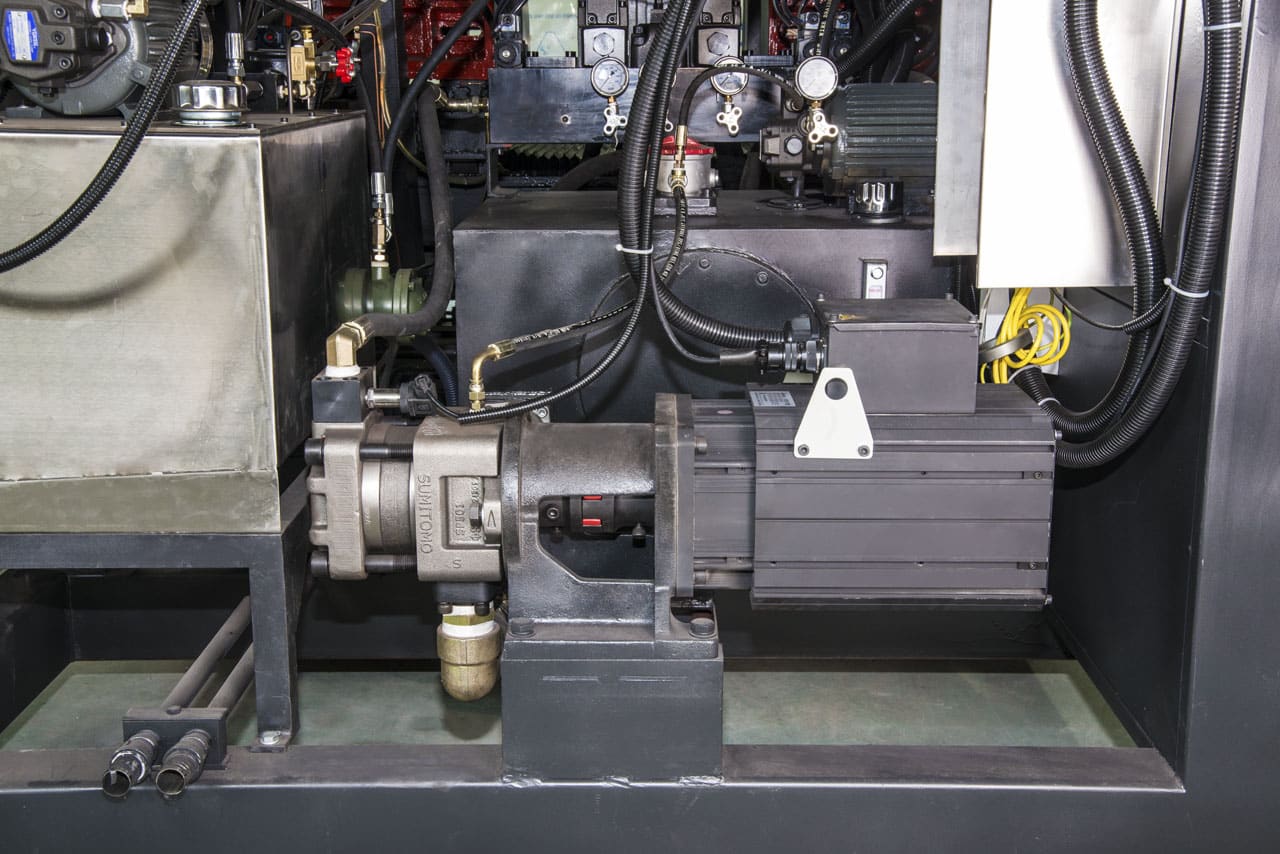
5. Who Are the Leading Blow Molding Machine Suppliers?
The blow molding machine market features several prominent suppliers known for their technological advancements, reliable equipment, and tailored solutions for various industries. Here’s an overview of some key players:
Top Blow Molding Machine Suppliers:
| Supplier | Notable Features |
|---|---|
| Sidel Group | High-speed PET bottle production, advanced technology for beverage packaging. |
| Krones AG | Integrated packaging solutions with a focus on energy efficiency. |
| Aoki Technical Laboratory | Specialized in one-step injection stretch blow molding machines. |
| Kautex Maschinenbau | Expertise in industrial packaging and automotive applications. |
| Yankang | Cost-effective machines with a focus on emerging markets. |
Sidel Group:
Sidel, part of Tetra Laval, is renowned for its cutting-edge PET bottle production systems. Their high-speed machines can produce up to 90,000 bottles per hour, making them a leader in beverage packaging.
Krones AG:
Krones provides energy-efficient solutions for the packaging industry, integrating automation and advanced control systems to reduce operational costs. Their blow molding machines are known for high precision and reliability.
Aoki Technical Laboratory:
Aoki specializes in one-step injection stretch blow molding machines, catering to small to medium production runs with complex shapes. Their equipment is favored for its versatility and compact design.
Kautex Maschinenbau:
Kautex excels in industrial and automotive applications, offering machines capable of producing large-scale products like fuel tanks and drums. They are a leader in innovation for large-volume production.
Yankang:
Yankang focuses on affordability and efficiency, offering machines that cater to smaller enterprises and emerging markets. Their emphasis on cost-effective solutions makes them a popular choice for businesses entering the blow molding industry.
Regional and Niche Suppliers:
- BLOW ENTERPRISES (India): Regional supplier offering competitive pricing and localized support.
- MEPER (China): Provides specialized solutions for industrial blow molding applications.
Tips for Selecting a Supplier:
- Evaluate after-sales support, including maintenance and spare parts availability.
- Compare energy efficiency ratings to minimize long-term operational costs.
- Ensure compatibility with your specific material and design requirements.
- Request references or case studies to validate supplier reliability.
Whether sourcing machines for mass production or niche applications, working with reputable suppliers ensures long-term reliability, quality, and cost-efficiency.

6. What Are the Future Trends in Blow Molding Machines?
The blow molding industry is rapidly evolving, driven by technological advancements and an increasing emphasis on sustainability. Future trends are reshaping how manufacturers approach production, efficiency, and environmental responsibility.
Key Trends in Blow Molding Machines:
| Tendencia | Description |
|---|---|
| Fabricación inteligente | Integration of IoT, AI, and real-time data monitoring for predictive maintenance. |
| Sustainability Focus | Use of recycled materials and eco-friendly production techniques to reduce waste. |
| Eficiencia energética | Transition to electric and hybrid machines to lower energy consumption and emissions. |
| Advanced Automation | Implementation of robotic systems for enhanced precision and quality control. |
| Personalización | Flexible machines capable of producing diverse designs with faster mold changeovers. |
Smart Manufacturing:
Blow molding machines are increasingly adopting smart technologies. Features such as IoT-enabled sensors and AI-based analytics allow real-time monitoring of production parameters. These advancements enable:
- Predictive maintenance to minimize downtime.
- Optimized production cycles for increased efficiency.
- Data-driven insights to improve product quality.
Sustainability Focus:
Sustainability is a top priority as consumers and regulators demand eco-friendly products. Key developments include:
- Machines capable of processing bio-based and recycled plastics.
- Technologies that reduce material waste during production.
- Energy-efficient processes that minimize the carbon footprint of manufacturing.
Eficiencia Energética:
Modern blow molding machines are shifting towards electric and hybrid models. Benefits include:
- Lower energy consumption compared to traditional hydraulic systems.
- Reduced operational costs due to improved energy efficiency.
- Compliance with stricter environmental regulations.
Advanced Automation:
Automation is transforming production lines with:
- Robotic systems for tasks like part removal, trimming, and stacking.
- Automated quality control using machine vision technology.
- Streamlined workflows for high-volume production with consistent quality.
Customization and Flexibility:
To meet dynamic market demands, blow molding machines are becoming more adaptable:
- Quick mold changeover systems allow for faster transitions between product designs.
- Enhanced flexibility enables production of a wider range of product sizes and shapes.
- Tailored solutions cater to industries with unique packaging needs, such as cosmetics and healthcare.
Future Outlook:
As these trends continue to shape the industry, blow molding machines are poised to become smarter, greener, and more versatile. This evolution not only enhances production efficiency but also positions manufacturers to meet the growing demand for sustainable and innovative products.

Conclusión
Blow molding machines have revolutionized the manufacturing of hollow plastic products. Each machine type—extrusion, injection, and stretch blow molding—offers distinct capabilities, catering to various industries from automotive to beverage packaging.
Selecting the right machine requires a thorough evaluation of factors such as material compatibility, production volume, and design complexity. Additionally, partnering with reputable suppliers ensures access to advanced technologies and reliable support.
As sustainability becomes a core focus, the industry is advancing with energy-efficient and eco-friendly machines capable of processing recycled materials. By embracing these innovations, manufacturers can reduce environmental impact while staying competitive in a dynamic market.
Invertir en máquinas de moldeo por soplado de vanguardia no solo satisface las necesidades de producción actuales, sino que también posiciona a las empresas para el crecimiento futuro, alineándose con las demandas del mercado de sostenibilidad y adaptabilidad.
Referencias Recomendadas
- Manual de Moldeo por Soplado – Recurso integral sobre tecnología y aplicaciones. Enlace de Amazon
- Futuro de las Máquinas de Moldeo por Soplado – Tendencias emergentes en automatización y sostenibilidad. Tendencias de Fabricación
- Innovaciones en Moldeo por Soplado por Extrusión – Guía sobre nuevos diseños de matrices y materiales. Recursos de Soplado por Extrusión
- Técnicas de Moldeo por Soplado por Inyección – Información sobre precisión y compatibilidad de materiales. Visión General del MBI (Moldeo por Soplado por Inyección)
- Plásticos Sostenibles en la Fabricación – Soluciones ambientales en la producción de plásticos. Plásticos Sostenibles


0 Comentarios