
Giriş
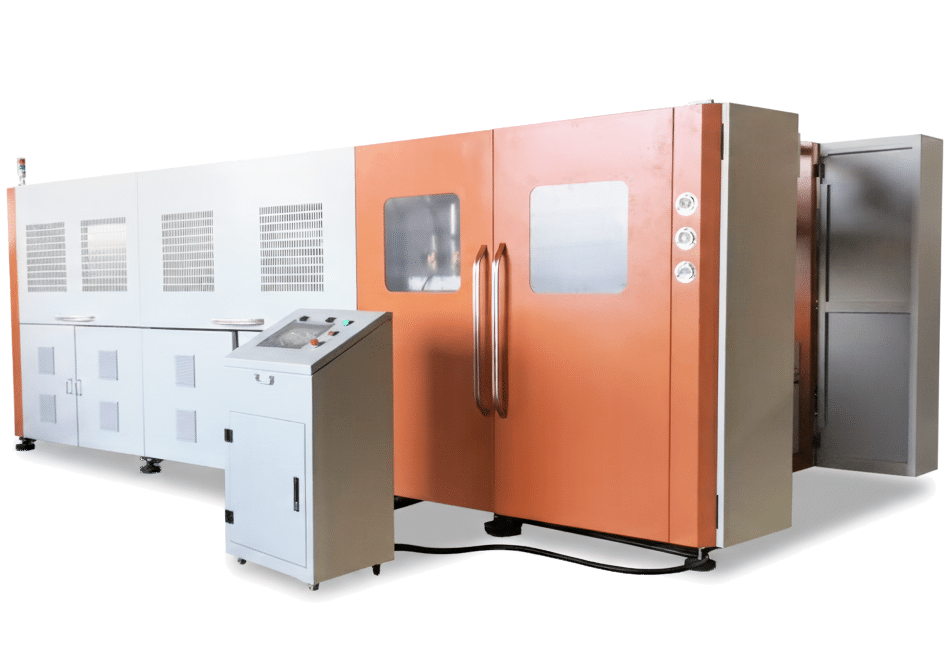
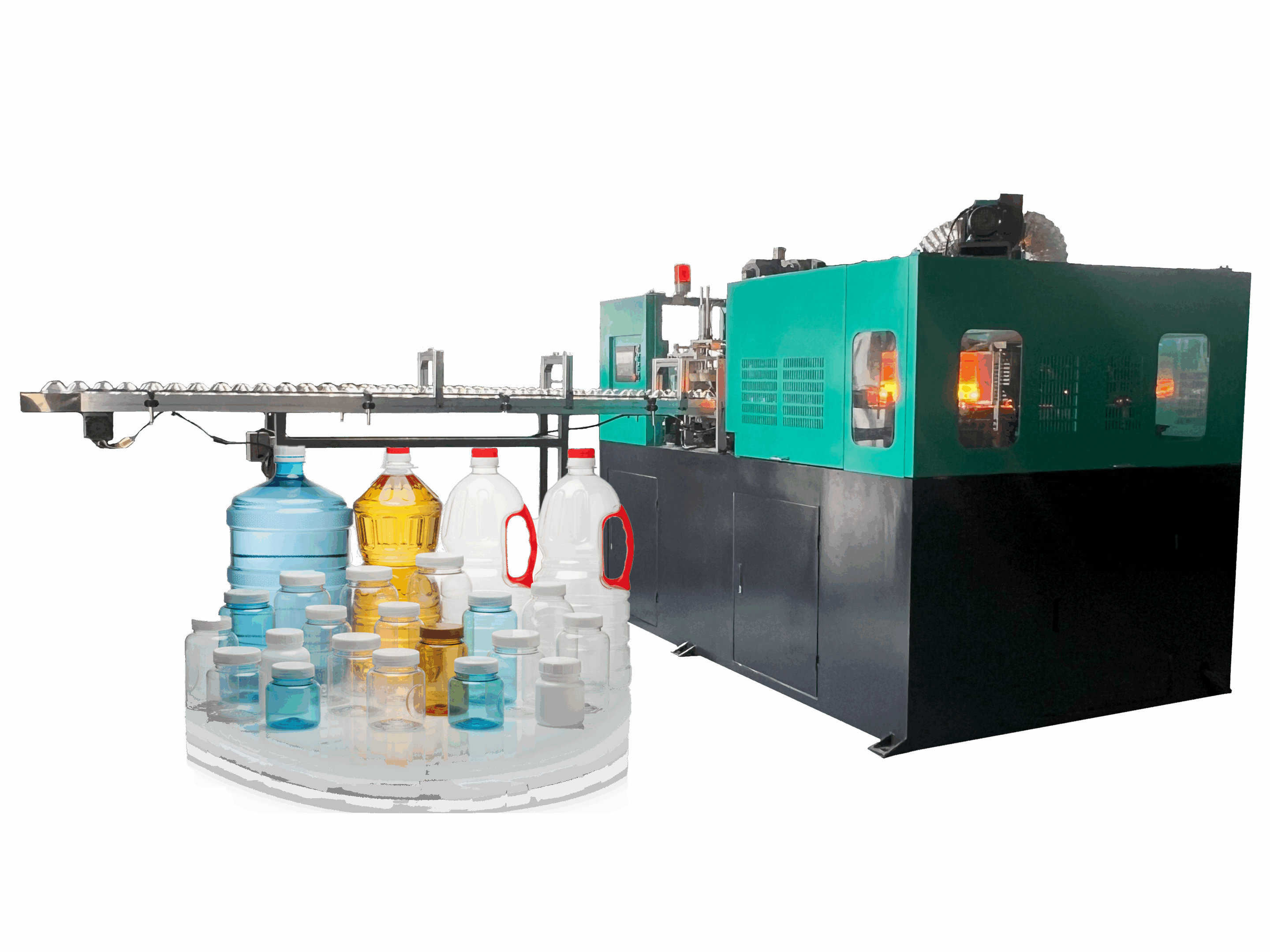
In an industry where material waste accounts for up to 15% of production costs, manufacturers are under increasing pressure to adopt smarter, more sustainable extrusion blow molding solutions. The convergence of automation, biodegradable materials, and IoT-driven efficiency isn’t just changing the game—it’s rewriting the rules for hollow container production.
From AI-powered precision molding to energy-saving smart systems, today’s innovations tackle two critical challenges: reducing operational costs while meeting stringent sustainability targets. This article explores how cutting-edge extrusion blow molding technology is delivering unprecedented efficiency for industries ranging from pharmaceuticals to industrial packaging.
The Evolution of Extrusion Blow Molding: A Technological Overview
“Extrusion blow molding innovation has transformed the manufacturing landscape, enabling businesses to produce high-quality containers with unmatched efficiency and precision.
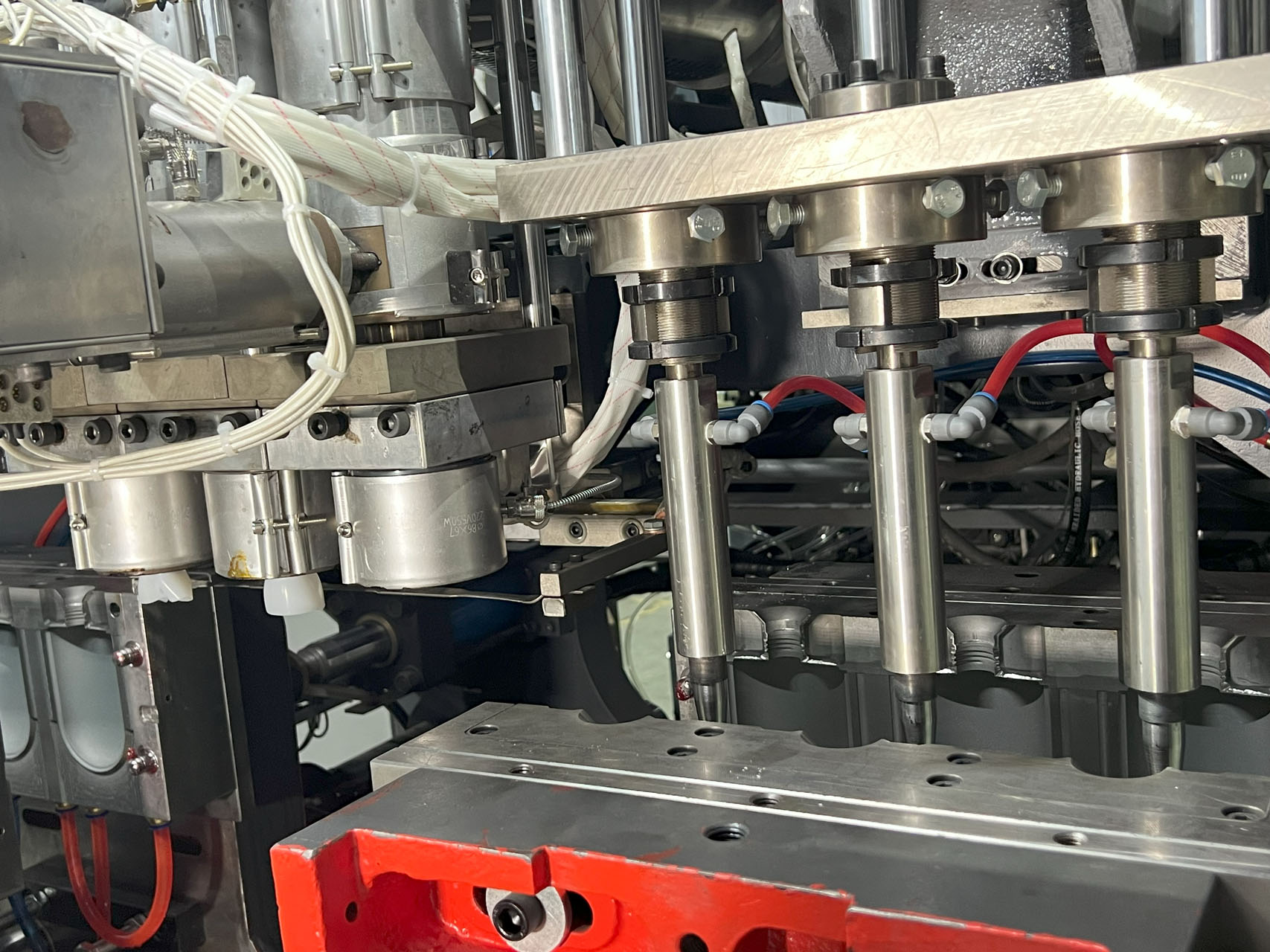
Ekstrüzyon şişirme is a manufacturing process used to create hollow plastic parts. It involves melting plastic and forming it into a parison, which is then inflated inside a mold to take its shape. This method is widely used in industries like cosmetics, pharmaceuticals, and food packaging due to its versatility and cost-effectiveness.
The core principles of extrusion şişirme kalıplama revolve around material selection, mold design, and process control. Advanced blow molding technology has made it possible to produce complex shapes with consistent wall thickness, improving product quality. Automation in blow molding has further enhanced production speeds and reduced human error.
Historical Milestones in Blow Molding Technology
The origins of şişirme kalıplama date back to the 1930s, but significant advancements came in the 1970s with the introduction of high-density polyethylene (HDPE). Over the years, extrusion blow molding innovation has led to more energy-efficient machines and smarter controls. Today, the latest trends in extrusion blow molding technology include IoT integration and real-time monitoring.
Key Challenges Driving Innovation
One of the biggest challenges in the industry is material waste reduction. Companies like Lekamachine have addressed this by developing machines with higher precision and lower scrap rates. Another challenge is meeting sustainability goals, which has led to the adoption of recyclable materials and energy-efficient designs.
The Role of Automation and Sustainability
Automation in blow molding has revolutionized production lines, allowing for 24/7 operation with minimal supervision. Smart sensors and AI-driven adjustments ensure consistent quality while reducing downtime. Sustainability efforts focus on reducing carbon footprints through energy-efficient motors and eco-friendly materials.
Extrusion Blow Molding Performance Comparison
| Özellik | Traditional Machines | Semi-Automated | Tam Otomatik | Sektör Karşılaştırması |
|---|---|---|---|---|
| Üretim Hızı (adet/saat) | 500 | 1,200 | 2,500 | 2,000 |
| Energy Consumption (kWh) | 30 | 20 | 15 | 18 |
| Material Wastage (%) | 10 | 6 | 2 | 4 |
| Labor Dependency | Yüksek | Orta düzeyde | Düşük | Düşük |
| Smart Monitoring | No | Temel | İleri Düzey | İleri Düzey |
As the industry evolves, extrusion blow molding innovation continues to push boundaries. Companies that adopt these advancements gain a competitive edge by improving efficiency and sustainability. Lekamachine’s 12 years of expertise in automated Çözümler positions them as a sür-ya da-öl partner for businesses looking to modernize their production lines.

Automation in Extrusion Blow Molding: Precision and Efficiency
Automation in şişirme kalıplama has revolutionized production lines, delivering unprecedented precision while reducing operational costs by up to 40%.
The integration of AI-driven automation is transforming extrusion şişirme kalıplama operations. Smart technology in extrusion now enables self-correcting systems that adjust parameters in real-time, eliminating human error. This shift is particularly valuable in pharmaceutical uygulamalar where consistency is critical.
IoT-Enabled Machines and Energy Optimization
Modern systems incorporate IoT sensors that monitor energy consumption, temperature, and material flow. These connected devices achieve energy efficiency in blow molding by automatically adjusting power usage during production cycles. Lekamachine’s PLC-controlled systems demonstrate 25% better energy utilization than conventional models.
Modular Solutions for Industry Needs
The latest modular designs allow manufacturers to customize automation packages for specific container types. This flexibility answers the growing demand for how automation is changing blow molding across cosmetics, food packaging, and industrial applications. Quick-change mold systems can reduce setup time from hours to minutes.
Automation Impact Comparison
| Metrik | Manual Operation | Semi-Automated | Tam Otomatik | Lekamachine Çözüm |
|---|---|---|---|---|
| Hata Oranı | 8% | 3% | 0.5% | 0.2% |
| Energy Use (kWh/kg) | 1.2 | 0.9 | 0.7 | 0.6 |
| Değişim Süresi | 120 dakika | 45 dakika | 15 min | 8 min |
| Operator Involvement | Sabit | Periodic | Monitoring | Remote |
| SCADA Integration | No | Temel | Full | Advanced Analytics |
Case studies from Lekamachine’s pharmaceutical clients show automation in blow molding reduced validation time by 30% while improving container uniformity. Their next-gen systems with predictive maintenance algorithms demonstrate how automation is changing şişirme kalıplama into a data-driven process.
Sustainable Materials and Eco-Friendly Practices
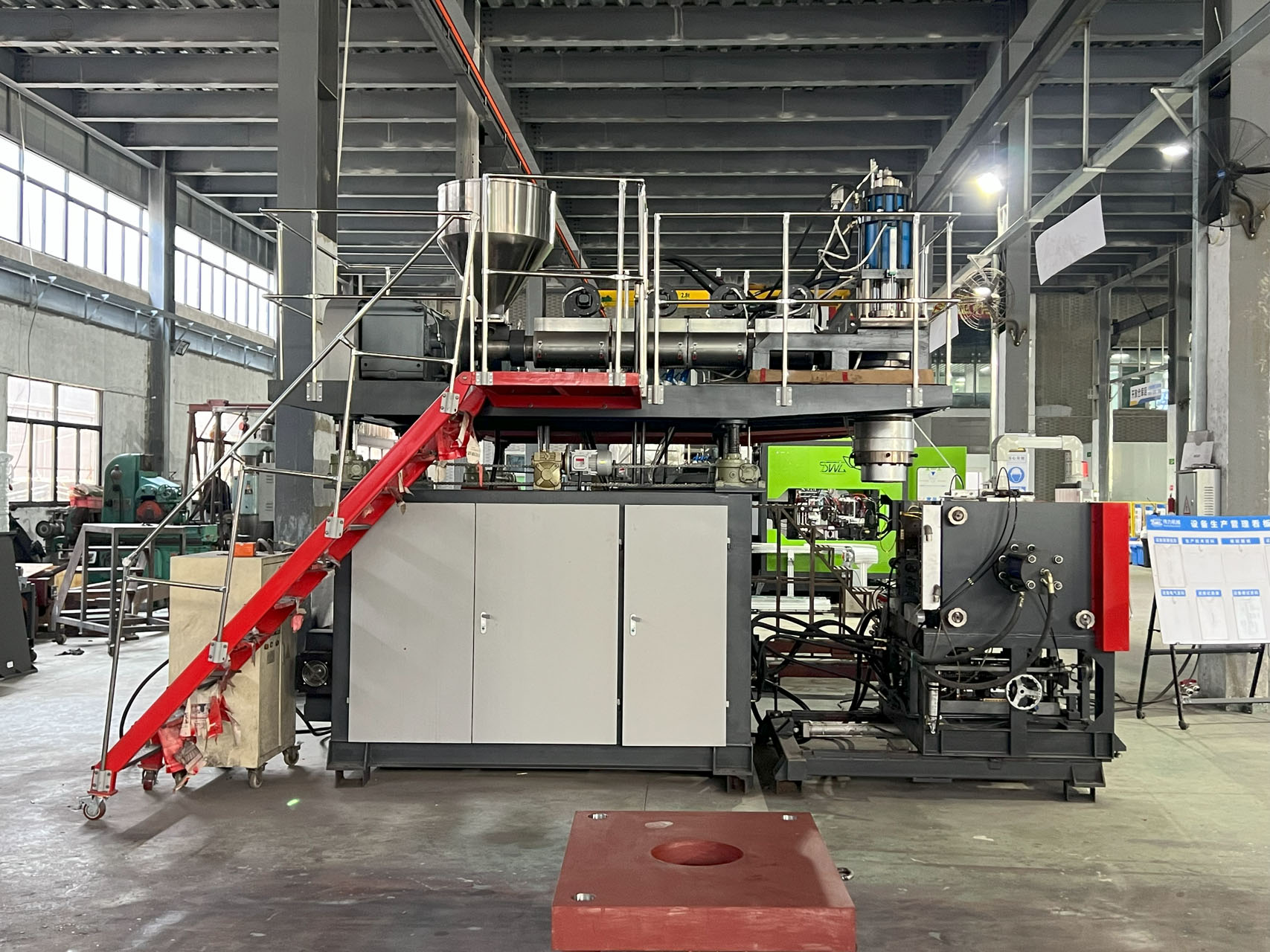
Sustainability in şişirme kalıplama has become a driving force in the industry, with biodegradable polymers and energy-efficient processes reducing environmental impact while maintaining production quality.
The shift toward biodegradable polymers for molding represents a fundamental change in plastic production. PET and HDPE variants now incorporate plant-based materials that decompose faster while maintaining structural integrity. This evolution directly supports global sustainability goals without compromising container performance.
Energy Efficiency and Carbon Reduction
Modern blow molding machines achieve energy efficiency in blow molding through advanced heating systems and servo-electric drives. These innovations reduce power consumption by up to 35% compared to traditional hydraulic systems. Sustainability in şişirme kalıplama also extends to heat recovery systems that repurpose waste energy for pre-heating materials.
The Circular Economy Approach
Leading manufacturers now design for recyclability from the outset, creating closed-loop systems where post-consumer waste becomes raw material. This circular model reduces reliance on virgin plastics while meeting stringent industry standards for food-grade and pharmaceutical containers.
Sustainable Material Performance Comparison
| Malzeme | Decomposition Time | Energy to Produce | Geri dönüştürülebilirlik | Cost Premium |
|---|---|---|---|---|
| Traditional PET | 450+ years | 85 MJ/kg | 3-5 cycles | Başlangıç Noktası |
| Bio-PET | 5-10 years | 70 MJ/kg | 5-7 cycles | 15-20% |
| PLA Blends | 1-3 years | 60 MJ/kg | Industrial Only | 25-30% |
| rHDPE | N/A (Recycled) | 50 MJ/kg | Infinite | 10-15% |
| PHA Compounds | 6-12 ay | 75 MJ/kg | Kompostlanabilir | 40-50% |
Bu industry’s commitment to sustainability extends beyond materials to encompass entire production ecosystems. From solar-powered facilities to waterless cooling systems, manufacturers are redefining what it means to produce plastic responsibly. These innovations prove that environmental stewardship and industrial productivity can coexist.
Sonuç
After years in the blow molding industry, I’ve seen firsthand how innovation isn’t just about flashy tech—it’s about solving real production headaches. Today’s extrusion blow molding advancements are a **”game-changer,”** slashing waste while boosting output quality across pharmaceuticals, food packaging, and beyond.
What excites me most? The convergence of automation and sustainability proves efficiency and eco-consciousness aren’t mutually exclusive. From self-adjusting IoT systems to plant-based polymers, these breakthroughs redefine what’s possible in hollow container manufacturing.
Whether you’re upgrading equipment or exploring new materials, one truth remains: staying ahead means embracing change. The right technology partner can make all the difference—because in this fast-evolving industry, standing still isn’t an option.
SSS
Q1: What is extrusion blow molding?
A1: Ekstrüzyon blow molding is a manufacturing process used to create hollow plastic parts by extruding melted plastic into a mold. This technique is efficient and allows for high production rates, making it suitable for producing containers, bottles, and other hollow products.
Q2: What innovations are being introduced in extrusion blow molding?
A2: Recent innovations in extrusion şişirme kalıplama include the development of biodegradable polymers, advancements in automation technologies, and smart machinery that enhance production efficiency and reduce energy consumption.
Q3: How does automation impact extrusion blow molding?
A3: Automation in extrusion blow molding greatly improves production efficiency by reducing manual labor, increasing precision, and minimizing downtime. Smart technology allows for real-time monitoring and optimization of the manufacturing process.
Q4: What are the sustainability trends in extrusion blow molding?
A4: Sustainability trends in extrusion blow molding focus on using recycled materials, reducing waste during production, and developing biodegradable and eco-friendly polymers that lessen environmental impact.
Q5: What role does energy efficiency play in blow molding?
A5: Energy efficiency in blow molding is crucial as it minimizes operational costs and reduces the carbon footprint. Modern blow molding machines are engineered to consume less energy while maintaining high productivity.
Q6: What are the latest materials used in extrusion blow molding?
A6: The latest materials in extrusion blow molding include advanced polymers capable of providing greater durability, recyclability, and biodegradability, which enhance the performance and sustainability of blow-molded products.
Q7: How are smart technologies being integrated into blow molding?
A7: Smart technologies in blow molding involve advanced sensors and data analytics that enable real-time process adjustments, predictive maintenance, and improved quality control, leading to higher efficiency and product consistency.
Q8: What are the future trends for extrusion blow molding?
A8: Future trends for extrusion blow molding include increased digitalization, Industry 4.0 integration, and the exploration of new materials that meet stricter environmental regulations, all aimed at enhancing efficiency and sustainability.
Dış Bağlantılar
- Understanding Blow Molding: Process, Applications, and Innovations
- Extrusion Blow Molding Machines: Innovation and Reliability for the Industry
- The Year’s Top Innovations in Molding and Extrusion Technologies
- Exploring the World of Blow Molding: Techniques and Innovations
- Navigating the Future of Blow Molding: Key Insights for Plastic Producers
- OEMs Forecast High-Tech Future for Extrusion
- What’s Powering the Future of Blow Molding? | Plastics Engineering
- 10 Keys to the Future of Blow Molding | Plastics Technology


0 Yorum