What country has the best blow molding manufacturers? Country-by-country buyer’s guide

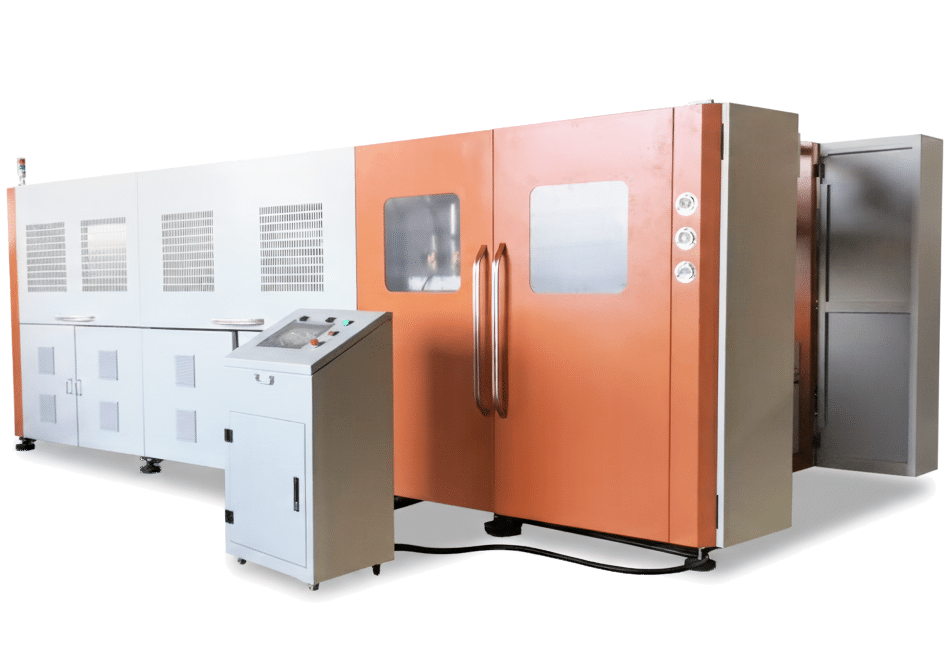
Ekstrüzyon şişirme makinesi ekstrüzyon yaparken
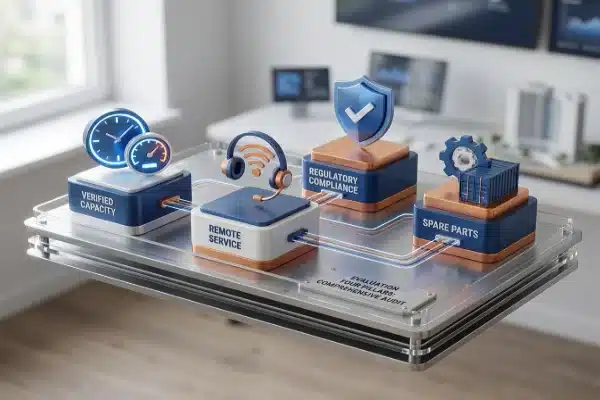
There isn’t a single “best” country for blow molding manufacturers. The right choice for you depends entirely on your priorities. Based on quality, energy use, Total Cost of Ownership (TCO), lead time, compliance, and service, you should shortlist countries that align with your specific project needs. You can use our country scorecards and the RFQ checklist below to make a data-driven choice.
1. Executive Summary: Quick Conclusions
I know you’re busy, so let’s get straight to the point. The idea of a single “best” country for blow molding machinery is a myth. Your best partner depends on what you value most.
Here’s a quick overview.
- If your top priority is cutting-edge Kalite and long-term consistency, you’ll likely look towards countries like Germany and Japan.
- If you need machines delivered quickly, require flexible customization, and want to get a complete production line up and running fast, then China is a very strong contender.
- If you need to meet strict local compliance standards and want service teams in your time zone, manufacturers in the USA or Western Europe might be your first call.
This guide is built to help you navigate these choices. We provide a downloadable Country Scorecard and a detailed RFQ Checklist to arm you with the right questions. We also include clear tables comparing things like energy consumption and return on investment.
This information is for plant managers, procurement teams, and engineers at OEM packaging companies and brands building their own production lines. If you are responsible for Kalite, efficiency, and the total cost of ownership, you are in the right place.
2. Our Methodology & Sources
To make a fair comparison, you need a clear framework. We built our analysis around the factors that directly impact your plant’s profitability and operational success.
Evaluation Dimensions and Weighting:
We score countries based on a weighted system that reflects real-world purchasing decisions in 2025.
- Quality & Stability (25%): Machine reliability, consistency of output, and the quality of core components.
- Total Cost of Ownership & Energy Use (20%): Beyond the sticker price—this includes energy consumption (kWh/kg), maintenance costs, and spare parts.
- Lead Time (15%): The speed from placing an order to having a machine operational on your factory floor.
- After-Sales Service & Spares (15%): Availability of technical support, response time, and local access to critical parts.
- Compliance & Documentation (10%): Ease of meeting standards like CE, UL, and providing thorough documentation for audits.
- Automation & Integration (8%): How well the machines integrate with upstream and downstream equipment (e.g., leak testers, labelers, palletizers).
- Sustainability & Digitalization (7%): Support for recycled materials (like rHDPE) and features like remote monitoring.
Our data comes from anonymized project installations, factory acceptance test (FAT) reports, and service logs. All information is current as of October 16, 2025.
We recognize that factors like local energy prices and labor costs will change the calculation for you. That’s why our downloadable scorecard includes formulas so you can input your own costs and customize the weightings to fit your specific needs.
3. The Framework: How to Judge the “Best Country”
Before you can compare countries, you need to know what to compare. A machine is more than just its price tag. It’s a long-term investment. Here’s the framework we use, which you can adopt for your own process.
Equipment and Process Capability
First, understand the two main types of machines we’re discussing.
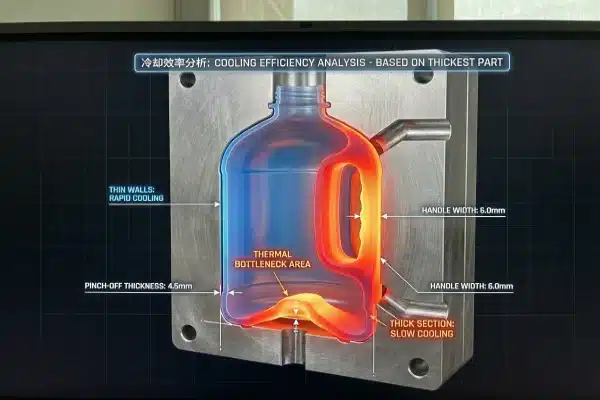
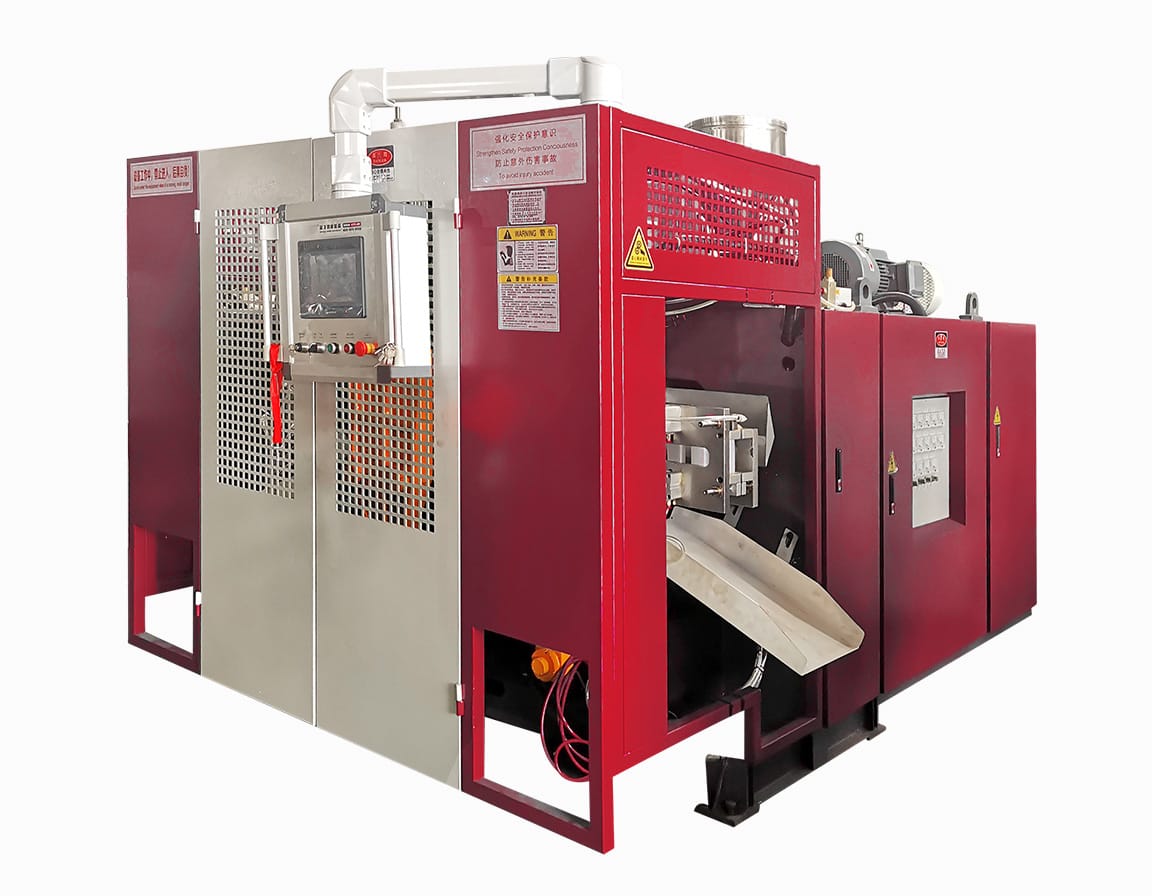
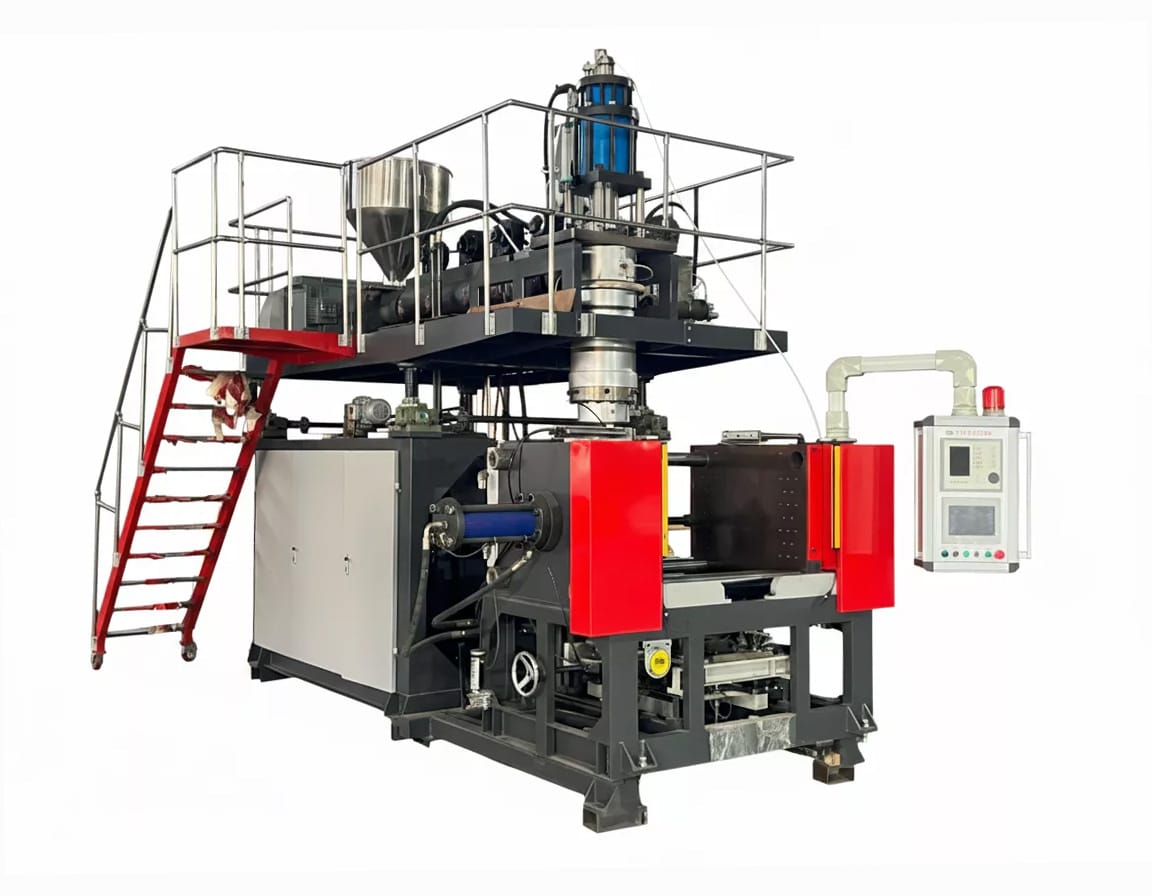
- Ekstrüzyonla şişirme makinesi (often called an ebm machine): This is the workhorse for containers made from materials like HDPE and PP. Think of jerry cans, industrial drums, automotive parts, and many household chemical bottles. The key here is precise control over the wall thickness of the plastic.
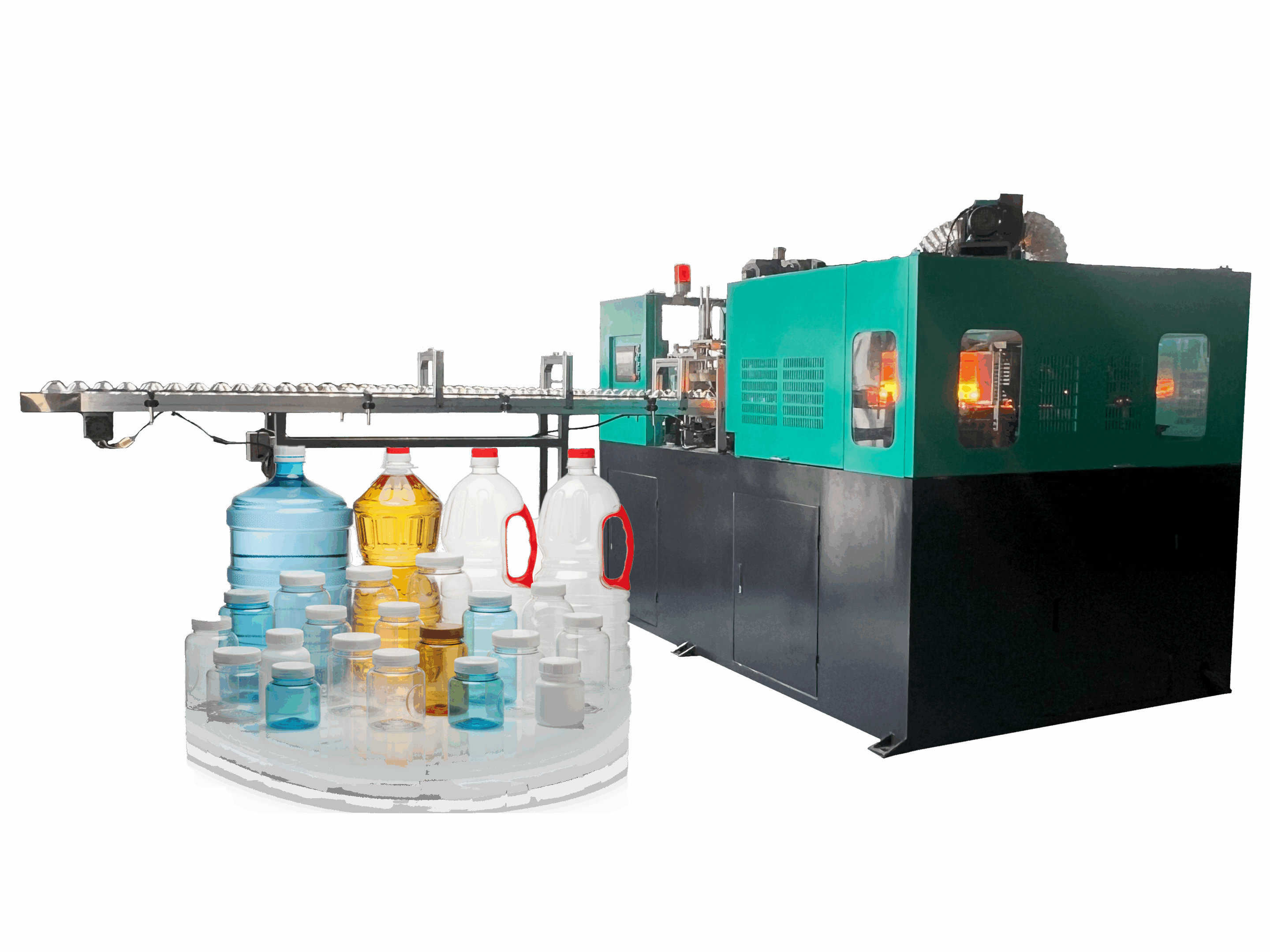
- Stretch blow molding machine: This process is used for PET bottles, common for water, soft drinks, and some food jars. It involves stretching a preform, which gives the final bottle strength and clarity.
For either type, you must evaluate its ability to deliver on key metrics: wall thickness consistency, bottle neck precision, lightweighting potential, and how well it handles your specific plastic formula.
Total Cost of Ownership (TCO) Model
TCO is the real cost of your machine. It’s a 3-to-5-year calculation that includes:
- The initial purchase price.
- Energy costs (calculated as kWh per kg of plastic x annual production x your local electricity rate).
- Labor costs to operate and maintain the machine.
- Mold and spare part expenses.
- The cost of downtime when the machine isn’t running.
- Training for your team.
A cheaper machine that consumes more energy or breaks down frequently will cost you far more in the long run.
Lead Time and Capacity Guarantee
How long will it take from signing the purchase order to producing bottles? This includes manufacturing time, shipping, installation, and the site acceptance test (SAT). Some manufacturers offer standard machines with shorter lead times, while custom projects will naturally take longer. Your ability to get products to market fast depends on this timeline.
Compliance and Certification
Your machine must meet the safety and quality standards of your region. This includes certifications like CE for Europe or UL for North America. It also covers documentation, such as proof that any lubricants used are food-grade. A manufacturer that provides a complete, audit-ready documentation package saves you enormous headaches.
After-Sales and Spare Parts
What happens when you need help? Look for a clear Service Level Agreement (SLA). Can you get a technician on a video call within hours? Can they diagnose problems remotely? Do they have a local or regional warehouse for critical spare parts to minimize your downtime? A machine is only as good as the support behind it.
Sustainability and Material Adaptability
The push for a circular economy is real. Your customers may demand packaging made from post-consumer recycled (PCR) materials like rHDPE or rPET. Your new machine must be able to process these materials efficiently, as they can behave differently from virgin plastics. Ask for proof and test data.
Digitalization and Automation
Modern factories are connected. Your blow molding machine should be able to integrate with your Manufacturing Execution System (MES) or ERP system. It should also connect seamlessly with downstream equipment like leak testers, vision inspection systems, and palletizers. Features like predictive maintenance and energy monitoring provide data that helps you optimize production.
4. Country Shortlists by Your Top Priority
Let’s simplify the decision. Based on the framework above, here are some shortlists depending on what matters most to your business right now.
If Your Priority is the Lowest Total Cost of Ownership (3-5 Year View)…
You’re looking for a balance of a reasonable purchase price, excellent energy efficiency, and reliable service to prevent costly downtime.
- China: Offers an unmatched purchase price. Leading Chinese manufacturers have made significant strides in energy efficiency and component quality. When paired with a strong service agreement for your new ebm machine, the TCO can be extremely competitive.
- Taiwan / South Korea: Often seen as a middle ground. These countries produce machines with high-quality components and excellent reliability, sometimes at a lower price point than Japanese or German equivalents.
- Turkey / Eastern Europe: These regions are becoming strong players, especially for serving European markets. They offer a good balance of cost, quality, and proximity, which reduces shipping times and service delays.
If Your Priority is the Fastest Delivery and Ramp-Up…
You have a new contract and need to get a production line running yesterday. Your focus is on standard machine availability, quick customization, and efficient installation.
- China: This is a major strength. Chinese manufacturers are known for their production speed and flexible manufacturing processes. Many can deliver complete, integrated lines—including all downstream equipment—on an aggressive timeline. This single-source responsibility simplifies project management.
- Italy: Italian manufacturers are often highly flexible and can excel at integrating lines, especially for packaging with unique designs. Their lead times can be competitive for semi-custom projects.
- USA (for North American buyers): If you are in the US, buying domestically eliminates international shipping and customs delays. Local manufacturers can often respond faster for installation and training.
If Your Priority is Strict Compliance and Audit-Ready Documentation (CE/UL/FDA)…
You operate in a highly regulated industry like pharmaceuticals or food and beverage, and you cannot afford any compliance issues. Every document must be perfect.
- Germany: German engineering is synonymous with precision and exhaustive documentation. Manufacturers are experts in navigating CE standards and provide some of the most thorough technical files in the industry.
- USA: US manufacturers have deep experience with FDA and UL requirements. They understand the expectations of North American regulatory bodies and build their machines and documentation accordingly.
- Japan: Similar to Germany, Japanese manufacturers are meticulous. Their quality control processes and documentation are world-class, ensuring consistency and audit-readiness.
If You’re a First-Time Buyer vs. Expanding an Existing Line…
Your needs change based on your experience.
- First-Time Buyers: You should prioritize a supplier who can deliver a complete turnkey solution. This includes training, process setup, and strong after-sales support. A supplier from a country like China that can package an ebm machine with molds, chillers, and downstream automation can be a huge advantage.
- Experienced OEMs: You are likely focused on TCO, energy efficiency, and how the new machine will integrate with your existing systems. You might compare a high-efficiency German machine against a cost-effective Chinese machine, running a detailed 5-year ROI calculation for each.
Ready to start your own comparison?
Download the country scorecard to score countries based on your project’s needs.
5. Best Blow Molding Manufacturers by Country
Now, let’s explore the specific strengths and weaknesses of the major manufacturing countries.
Almanya
German manufacturers are often considered the benchmark for high-end engineering.
- Top Strengths:
- Unmatched Quality & Longevity: Machines are built to last for decades with remarkable consistency. They use premium components and their manufacturing tolerances are exacting.
- Automation & Process Stability: German firms excel at creating highly automated, stable production lines that require minimal operator intervention once dialed in.
- Strong in Complex Technologies: They are leaders in multi-layer extrusion for barrier packaging and advanced wall thickness control on any ebm machine.
- Challenges:
- High Initial Investment: This is the most expensive option upfront.
- Longer Lead Times: A focus on precision and a full order book can mean waiting longer for your machine.
- Best For: Companies where the absolute lowest risk of failure and consistent, high-precision output are non-negotiable, and the budget can support the initial investment.
- Service Snapshot: Excellent global service networks, but support and spare parts come at a premium price.
Italy / France / UK
These European countries are strong in design and integration, particularly for consumer-facing goods.
- Top Strengths:
- Design & Aesthetics: Italian manufacturers, in particular, often work closely with packaging designers and are great at creating machines for bottles with unique, complex shapes.
- Turnkey Line Integration: Strong ability to deliver complete lines, integrating şişirme kalıplama with filling, capping, and labeling solutions, especially for the beverage industry.
- Flexibility: Often more agile than their German counterparts in accommodating custom requests.
- Challenges:
- Price Point: Generally less expensive than German machines but still a significant investment compared to Asian options.
- Variable Support: The quality of after-sales service can vary more between companies compared to the consistent German model.
- Best For: Brands in the food, beverage, and personal care sectors that need to produce uniquely shaped bottles and want a well-integrated, complete packaging line.
USA
American manufacturers offer the significant advantage of being local for North American buyers.
- Top Strengths:
- Local Service & Support: Having engineers in the same time zone and a domestic supply chain for spare parts is a huge operational advantage.
- Compliance Expertise: Deep, firsthand knowledge of UL, FDA, and other North American standards.
- Robust, Heavy-Duty Machines: US-made machines, especially a large industrial ebm machine, often have a reputation for being built tough.
- Challenges:
- Higher Cost: Labor and manufacturing costs make them more expensive than Asian imports.
- Less Focus on Small Machines: The market focus is often on larger, industrial ekstrüzyon şişirme makineleri.
- Best For: North American companies that prioritize fast service response, guaranteed compliance, and want to avoid the complexities of international logistics.
Japan
Japanese manufacturing is defined by precision, efficiency, and a relentless focus on continuous improvement.
- Top Strengths:
- Precision and Energy Efficiency: Japanese stretch blow molding machines are legendary for their precision, reliability, and low energy consumption, especially for lightweight PET bottles.
- Exceptional Stability: Like German machines, they are known for their long-term stability and consistency.
- Expertise in Thin-Walled Packaging: They have pushed the boundaries of lightweighting PET şişeler for the beverage industry.
- Challenges:
- High Price: The quality and technology come at a premium.
- Less Customization Flexibility: Often more focused on perfecting their standard models than on one-off custom projects.
- Best For: High-volume producers of PET bottles who are focused on minimizing material and energy costs over the long run.
China
Once known only for low cost, China has rapidly become a hub for high-quality, technologically advanced machinery.
- Top Strengths:
- Unbeatable Cost-Performance: The purchase price is significantly lower than European or Japanese competitors, and the quality from top-tier suppliers is now excellent, offering a rapid ROI.
- Fast Delivery and Flexibility: Production lead times are among the shortest in the world. Manufacturers are highly responsive to customization requests.
- Complete Turnkey Solutions: Chinese companies excel at providing complete, integrated production lines. They can act as a single point of İletişim for the ebm machine, molds, and all downstream automation, which is a massive project management advantage.
- Challenges:
- Variable Quality: The market is huge, and quality can vary. It is crucial to conduct thorough supplier verification.
- Tam kılavuz, şemalar ve yedek parça listesini sağlarız. While improving dramatically, the depth of technical documentation may not always match the German standard unless specified upfront.
- Best For: Companies of all sizes—from startups to established OEMs—that are focused on fast ROI, need a machine delivered quickly, or want the simplicity of a single supplier for a complete, automated line.
Taiwan / South Korea
These countries occupy a strategic middle ground, offering a blend of quality and value.
- Top Strengths:
- High-Quality Components: Known for using reliable electronic and hydraulic components, leading to very stable machine performance.
- Good Value: They offer a TCO that is often lower than Japanese or German machines but with reliability that can be superior to lower-tier Chinese manufacturers.
- Niche Specialization: Many companies are specialists in specific areas, such as multi-layer co-extrusion or high-speed PET bottle machines.
- Challenges:
- Less Brand Recognition: They are not always as well-known globally as their Japanese or German counterparts.
- Smaller Scale: Many are smaller, more focused companies, which can impact global service reach.
- Best For: Buyers looking for a high-quality, reliable machine at a mid-range price point who have done their research to find a specialist that fits their application.
India / Turkey / Eastern Europe
These regions are emerging as powerful, cost-effective manufacturing hubs for their respective regions.
- Top Strengths:
- Regional Proximity: They offer a strategic advantage for serving markets in the Middle East, Africa, and Europe, reducing shipping costs and service travel time.
- Aggressive Pricing: They are highly competitive on price, providing a strong alternative to both Western European and East Asian suppliers.
- Growing Capabilities: The quality and technological level of machinery are improving rapidly, especially in Turkey.
- Challenges:
- Consistency: The overall quality and service levels can be less consistent than in more established manufacturing nations.
- Newer to Global Market: Many are still building their international service and spare parts networks.
- Best For: Companies located in or near these regions who are looking for a cost-effective solution and can work closely with the manufacturer on service and support.
Typical Lead Time & After-Sales SLAs by Country
To make this more concrete, here is a table of what you can generally expect. (Note: These are typical ranges and can vary significantly by manufacturer and project complexity).
| Country/Region | Standard Machine Lead Time | Custom Machine Lead Time | Engineer Phone/Video Response | Spare Parts from Regional Hub |
|---|---|---|---|---|
| Almanya | 16-24 weeks | 24-40 weeks | Within 24 hours | 24-48 hours |
| Italy/France | 14-20 weeks | 20-35 weeks | Within 24-48 hours | 48-72 hours |
| USA | 12-20 weeks | 20-30 weeks | Within 12-24 hours | 24-48 hours (domestic) |
| Japan | 18-26 weeks | 26-40 weeks | Within 24 hours | 48-72 hours |
| China | 8-14 weeks | 12-20 weeks | Within 12-24 hours | 48-96 hours |
| Taiwan/SK | 12-18 weeks | 18-28 weeks | Within 24-48 hours | 72-96 hours |
| Turkey/India | 10-16 weeks | 16-24 weeks | Within 48 hours | Değişken |
6. Which Country is Best for Your Application?
The “best” country also depends on what you are making. Different applications have different priorities.
Food & Beverage (Water, Juice, Edible Oil, Dairy)
This sector is all about speed, efficiency, and hygiene. You’re likely producing millions of PET bottles.
- Priorities: High output speed (BPH), lightweighting bottles to save material, perfect bottle neck consistency for capping, and integrated leak and vision inspection.
- Top Country Candidates:
- Japan: For their leadership in high-speed, energy-efficient stretch blow molding machines for water and beverage bottles.
- Germany: When process stability and integration with high-speed filling lines are critical.
- China: For complete, high-speed turnkey lines that offer a fast ROI, making them ideal for competitive markets. Our LEKA Machine AQUA Series is designed specifically for this high-speed beverage packaging market.
Home & Personal Care (Shampoos, Detergents, Cosmetics)
Here, appearance is key. You might have unique bottle shapes, and you might change product lines frequently.
- Priorities: Flexibility to handle different shapes and sizes, quick mold changeover times, and perfect surface finish for labeling and printing. Material compatibility with chemicals is also crucial.
- Top Country Candidates:
- Italy: Renowned for their ability to handle complex and beautiful designs.
- China: For their flexibility in customization and the ability to provide cost-effective molds for multiple SKUs. Our BOTTLER Series focuses on these high-value, non-standard bottle types where flexibility is paramount.
- Taiwan: Offers a great balance of precision and cost for producing high-quality cosmetic bottles.
Industrial chemicals & automotive (jerry cans, chemical drums)
These products need to be tough. Strength and durability are non-negotiable. This is the domain of the ekstrüzyon şişirme makinesi.
- Priorities: Excellent wall thickness control for strength, multi-layer capabilities for chemical barriers, and high clamping force for large parts. Drop resistance and top-load strength are key quality metrics for any part made on a robust ebm machine.
- Top Country Candidates:
- USA: Strong tradition of building large, robust industrial blow molding machines.
- Germany: For precision multi-layer applications and unmatched process control.
- China: For a cost-effective solution for producing everything from 5-liter jerry cans to 200-liter industrial drums. Our TITAN Series is engineered for these large-capacity, high-strength industrial containers, while our FORMA Series is a versatile workhorse for everything from small bottles to medium-sized jerry cans.
7. Technology Factors That Decide “Best” by Country
The country-level differences we’ve discussed are rooted in specific technological philosophies and strengths.
For Extrusion Blow Molding Machines:
The heart of the ebm machine is the ekstrüder and the die head. German and Japanese systems often feature highly engineered screws and barrels for perfect melt quality. Top-tier Chinese manufacturers now also use advanced designs and high-quality steel, focusing on robust and stable output for industrial parts like those made by our TITAN H-series machines. The wall thickness control system (like a parison programmer) is critical. High-end systems offer more control points, resulting in better material distribution and lighter, stronger parts.
For Stretch Blow Molding Machines:
It’s all about the heating and stretching. The design of the oven and the quality of the heating lamps directly impact energy consumption. Japanese and top European designs excel at targeted heating, using less energy to get the PET preform to the ideal temperature. The precision of the stretching rod’s movement determines the final bottle’s quality. This is where the engineering precision of a machine like our AQUA E-series becomes a competitive advantage in the high-speed beverage market.
Tooling & Changeover Efficiency:
How quickly can you switch from making a 1-liter bottle to a 2-liter bottle? This is “changeover time.” In industries with many different products, minimizing this downtime is crucial. Manufacturers from Germany and Japan often offer sophisticated quick-change systems, but they come at a high price. Many Chinese manufacturers offer practical and cost-effective solutions like hydraulic clamps and roller-assisted mold changes that dramatically reduce changeover time compared to basic machines.
Inline Quality Controls & Data Logging:
The “best” manufacturers today don’t just make a machine; they provide a quality control system. This means integrating systems like:
- Vision Inspection: Cameras that check for cosmetic defects.
- Leak Testers: To ensure container integrity.
- Weight Checkers: For process control.
Top suppliers from any country can offer this. The key difference is the level of data logging and traceability. German systems are famous for this, but leading Chinese suppliers now provide comprehensive data logging suitable for audits, which is essential for regulated industries.
Downstream Integration:
A şişirme makinesi is just one part of your line. You also need conveyors, labelers, packers, and palletizers. A key advantage of working with many Chinese manufacturers, including us at LEKA Machine, is our ability to design and deliver the entire, fully integrated line. This gives you a single point of responsibility. If there’s an issue, you have one phone call to make, instead of trying to coordinate between five different suppliers.
8. Cost & ROI: A Global Cost Structure Comparison
The sticker price of a machine is only the beginning of the story. A true comparison requires looking at the 5-year Total Cost of Ownership.
Let’s run a simplified comparison for an ebm machine producing 5-liter HDPE jerry cans, comparing a hypothetical high-end European machine with a top-tier Chinese machine in two different factory locations.
Scenario 1: Factory in North America
- Energy Price: High ($0.15/kWh)
- Labor Cost: Yüksek
| Maliyet Faktörü | European Machine | Top-Tier Chinese Machine | Notlar |
|---|---|---|---|
| Purchase Price | $500,000 | $280,000 | The most obvious difference. |
| Annual Energy Cost | $78,840 | $83,220 | European machine is slightly more efficient (e.g., 0.55 kWh/kg vs 0.58 kWh/kg). |
| Annual Maintenance | $15,000 | $10,000 | European spare parts are more expensive. |
| 5-Year TCO | $969,200 | $746,100 | The initial price difference is too large for energy savings to overcome. |
Scenario 2: Factory in Southeast Asia
- Energy Price: Moderate ($0.10/kWh)
- Labor Cost: Düşük
| Maliyet Faktörü | European Machine | Top-Tier Chinese Machine | Notlar |
|---|---|---|---|
| Purchase Price | $500,000 | $280,000 | Price remains the same. |
| Annual Energy Cost | $52,560 | $55,480 | Energy cost impact is lower. |
| Annual Maintenance | $12,000 (higher import cost) | $8,000 | Sourcing parts locally is cheaper. |
| 5-Year TCO | $822,800 | $597,400 | The TCO advantage for the Chinese machine is even greater. |
As you can see, while the European machine has a slight edge in energy efficiency, the massive difference in initial purchase price and spare parts cost makes the top-tier Chinese machine the clear winner on a 5-year TCO basis in both scenarios.
Tooling and Spare Parts
Molds are a significant cost. Molds from Europe can be 2-3 times more expensive than high-quality molds sourced from China. The same applies to spare parts. Having a supplier with a regional parts center is critical. Waiting weeks for a critical component from across the world can cost you more in lost production than the part itself is worth.
9. Time to Production: Lead Time and Capacity
In today’s market, speed is a competitive weapon. The time it takes to get your new line running is a major factor in which country you should choose.
Differences in Lead Time by Country
As shown in the table earlier, there are significant differences. European manufacturers, with their long order backlogs and complex supply chains, often have the longest lead times.
Chinese manufacturers, on the other hand, are built for speed. Their supply chains are highly localized and efficient. It is not uncommon for a standard ebm machine to be ready for shipment in 8-10 weeks. This can be a game-changer if you’ve just won a new contract and need to scale up production immediately.
Capacity and Expansion Strategy
If you are planning a large expansion, consider a strategy of “rolling delivery.” Instead of waiting for one massive shipment, a flexible supplier can deliver your project in phases. For example, the first machine and its mold arrive and are installed while the second and third machines are still in production. This allows you to start generating revenue months earlier. This level of flexibility is a core strength of the manufacturing ecosystem in China.
10. After-Sales, Training & Compliance Support
A machine is a long-term partnership. The support you receive after the sale is just as important as the hardware itself.
Regional Service Networks
No matter where you buy from, you need access to qualified technicians. Ask potential suppliers about their service network in your region.
- Do they have engineers based in North America, Europe, or Latin America?
- What languages do their support teams speak?
- What is their guaranteed response time?
At LEKA Machine, for example, we have teams that serve our main export markets in Europe, Russia, the Americas, and Southeast Asia, offering support in the local languages.
Spare Parts and Remote Diagnostics
Modern machines should have remote access capabilities. This allows an engineer from the manufacturer to log into your machine’s control panel (with your permission) to diagnose problems without getting on a plane. This can solve 80% of issues within hours, not days.
For the other 20%, you need parts. A 48-hour SLA for critical spare parts means the supplier guarantees they can ship a part from a regional warehouse to you within two days. This is a critical question to ask in your RFQ.
Compliance and Audit Support
When a quality auditor from one of your major customers visits, you need to be prepared. A good machine supplier provides a comprehensive documentation package, including:
- A full bill of materials for the machine.
- Certificates for all materials that come into contact with your product.
- Calibration records for all sensors.
- A complete Factory Acceptance Test (FAT) and Site Acceptance Test (SAT) report.
This documentation should be available in English and be clear and professionally organized.
11. Sustainability & Materials
The world is changing, and so are the materials we use. Your choice of machinery partner will impact your ability to meet your sustainability goals.
Adapting to Recycled Materials (PCR/rHDPE/rPET)
Using recycled content is no longer optional for many brands. However, recycled materials can be less consistent than virgin plastic. They can have different melt flows and contain minor impurities.
A machine designed for rHDPE or rPET will have features to handle this, such as:
- Specialized screw designs to ensure proper melting and mixing.
- Advanced melt filtration systems.
- Control systems that can adapt to slight variations in the material.
Always ask a potential supplier for case studies or test data showing their machines successfully running the percentage of PCR you plan to use.
Energy Consumption and Carbon Footprint
Energy is one of the biggest operational costs in şişirme kalıplama. The energy consumption, measured in kWh per kg of plastic, is a key performance indicator. Modern machines use servo-hydraulic or all-electric systems, which are significantly more efficient than older, fully hydraulic designs.
Ask the manufacturer to provide you with the machine’s energy consumption data. This data is not only crucial for calculating your TCO but also for reporting your company’s carbon footprint.
Lightweighting vs. Performance
Everyone wants to use less plastic. “Lightweighting” is the process of reducing the weight of a bottle without sacrificing its performance. A bottle must still be strong enough to survive shipping and stacking (this is called “top-load” strength).
This requires a machine with extremely precise wall thickness control. You need to make the non-critical areas of the container thinner while keeping strength in the critical areas. This level of control is what separates a good ebm machine from a great one.
12. The Scorecards: Your Decision-Making Tool
Theory is great, but you need to make a real-world decision. That’s why we created a customizable country scorecard.
It’s a simple tool that lists the key evaluation criteria we’ve discussed. You can assign a weight to each criterion based on your project’s priorities. Then, as you research suppliers from different countries, you can score each one from 1 to 5. The tool automatically calculates a weighted score, giving you an objective way to compare your options.
Example Scorecard Visualization
Here is a sample radar chart showing how different countries might compare based on our general analysis. Your own chart will look different based on your specific needs and research.
(Image of a radar chart with axes for Quality, TCO, Lead Time, Service, and Compliance. Germany scores high on Quality/Compliance. China scores high on TCO/Lead Time. The USA scores high on Service for local buyers.)
How to Customize the Scorecard
The downloadable spreadsheet version allows you to change the weighting. For example, if you’re in a high-electricity cost region, you might increase the weight for “Energy Consumption” from 20% to 30%. If you have a tight deadline, you might increase the “Lead Time” weight. This turns a generic guide into a personalized decision-making tool.
Download your interactive Country Scorecard (Excel/Google Sheet) to start your analysis.
13. From Research to Purchase Order: A Practical Checklist
You’ve done your research and shortlisted a few suppliers. Now it’s time to get serious. The Request for Quotation (RFQ) is your most important tool.
Your RFI/RFQ Checklist
Don’t just ask for a price. A detailed RFQ will save you from nasty surprises later. Here are some things you must request:
- Performance Guarantees: What is the guaranteed production output (bottles per hour) and energy consumption (kWh/kg) for your specific bottle?
- Component List: Ask for a list of the main components (hydraulics, electronics, pneumatic systems) and their brands.
- FAT/SAT Protocols: Ask for a sample of their Factory and Site Acceptance Test documents so you can see how thorough their testing is.
- Quality Control Plan: How will they ensure the machine meets your specifications during manufacturing?
- Training Program: What does the training for your operators and maintenance team include?
- Spare Parts Package: What is included in the recommended spare parts package, and what is the lead time for each item?
We have compiled a comprehensive checklist to help you.
Download our complete Blow Molding RFQ Checklist.
The Sampling and Mold Trial Process
Before you sign, you must approve a sample bottle. The process usually works like this:
- You provide a 3D CAD drawing of your bottle.
- Bu machine manufacturer (or their mold partner) produces a mold.
- They run a mold trial on a machine identical to the one you are ordering.
- They send you sample bottles to evaluate for weight, dimensions, wall thickness, drop strength, and leak resistance.
- You approve the samples before the machine is shipped.
Contract and Acceptance Terms
Your purchase contract should be crystal clear. Pay close attention to:
- Delivery Terms: Is it DAP (Delivered at Place) or DDP (Delivered Duty Paid)? This determines who is responsible for shipping and customs.
- Payment Schedule: A typical schedule is 30% down, 60% before shipment (after a successful FAT), and 10% after a successful SAT at your factory.
- Garanti: What is covered and for how long? One year is standard, but some offer longer terms on key components.
- Performance Penalties: What happens if the machine does not meet the guaranteed output or energy consumption targets specified in the contract?
14. A Special Look: When to Choose China?
As a technical sales manager for LEKA Machine, a company with operations in China, Singapore, and Hong Kong, I get asked this question a lot. There are still some outdated perceptions about manufacturing in China, so let’s address them head-on.
The Clear Advantages
As we’ve seen, the key strengths are speed, flexibility, and cost-performance. The ability to get a complete, customized, automated line from a single source, delivered in a fraction of the time of a European competitor, is a powerful advantage. For many projects, the ROI is simply unbeatable. The technology and quality from the top tier of Chinese manufacturers are now on par with global standards.
Risks and How to Mitigate Them
The risks are real, but they are manageable with the right process.
- Risk: Quality inconsistency.
- Mitigation: Don’t rely on websites alone. You need a robust supplier verification process. This is a service we provide at LEKA Machine. We audit potential manufacturing partners, inspect their quality control systems, and manage the entire production process to ensure it meets our standards.
- Risk: Vague technical documentation or language barriers.
- Mitigation: Specify in your contract that all documentation, software interfaces, and safety labels must be in English (or your local language). Work with a company that has an international sales and service team who are fluent in your language.
- Risk: Protecting your intellectual property (your bottle design).
- Mitigation: Always have a legally enforceable Non-Disclosure Agreement (NDA) in place before sharing any sensitive designs.
Choosing a partner in China is not about finding the cheapest price online. It’s about finding a partner with a proven process for managing quality and communication.
15. LEKA Machine: How We Can Help
So, where do we fit into this picture?
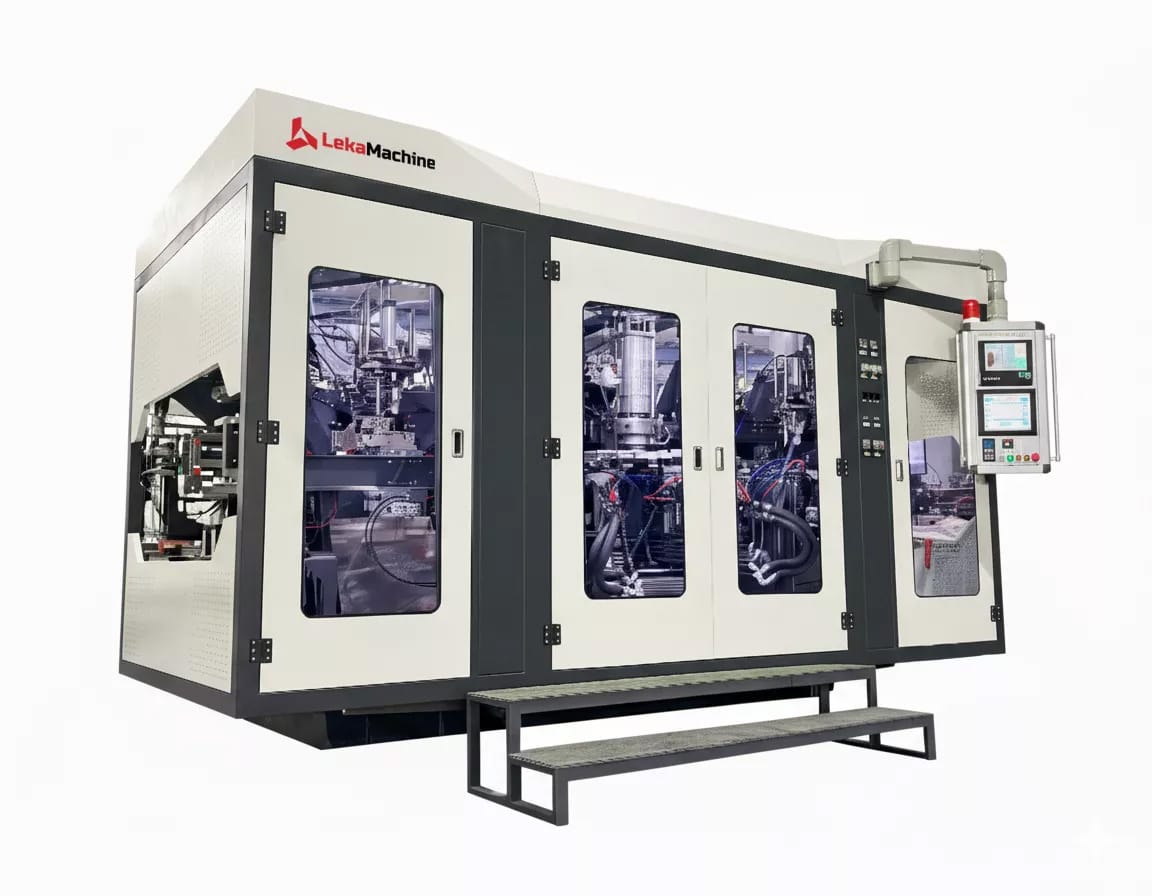
LEKA Machine isn’t a typical manufacturer. Our business model is designed to give you the benefits of global manufacturing without the risks. We specialize in two main product categories: ekstrüzyon şişirme makinesi for HDPE/PP bottles (specs & case studies) ve stretch blow molding machine for PET bottles (energy-saving heating).
Project-Based Delivery and Quality Control
Our process is built around your project.
- We start by understanding your specific needs—the bottle you want to make, your production targets, and your budget.
- We then leverage our network of audited and verified manufacturing partners to find the perfect fit for your machine.
- Our engineering team manages the entire project. We oversee production, conduct in-process quality control, and perform a rigorous Factory Acceptance Test.
- We manage the entire supply chain, from the factory floor to your door, including logistics and customs.
- Our service team then assists with installation, training, and ongoing remote support.
This model gives you a single point of contact and accountability. You get the speed and cost-effectiveness of top-tier Asian manufacturing, combined with the quality control and project management you’d expect from a high-end consultant.
We serve clients across the globe, with a focus on Europe, the Americas, and Southeast Asia, providing compliant and well-documented solutions for each market.
If you’re ready to explore your options, you can download our şişirme makinesi catalog veya see our case studies.
16. Frequently Asked Questions
What country has the best blow molding manufacturers?
There is no single “best” country. It depends on your priorities. Germany and Japan are top for precision and quality. China is excellent for speed, customization, and overall value. The USA is strong for local service in North America. Our downloadable country scorecard can help you decide what’s best for you.
Which country offers the lowest total cost of ownership for blow molding?
When you factor in the purchase price, energy use, and maintenance over 3-5 years, top-tier Chinese manufacturers often offer the lowest TCO. Their competitive initial cost and affordable spare parts provide a significant long-term financial advantage.
Which country is best for fast delivery of complete şişirme kalıplama lines?
China is generally the leader for fast delivery. Their efficient supply chains and flexible manufacturing allow them to produce and deliver complete, integrated lines—including molds and downstream automation—significantly faster than most European or Japanese competitors.
Which country is best for food-grade compliance (CE/UL/FDA)?
Germany and the USA are traditionally the strongest here. They have deep expertise and a long history of meeting strict CE and UL/FDA standards, and their documentation is typically exhaustive and audit-ready. However, leading manufacturers in all regions, including China, can and do provide fully compliant machines when specified in the contract.
How to compare suppliers for an ebm machine vs. a stretch blow molding machine by country?
For an ebm machine, focus on wall thickness control and experience with industrial products; Germany, the USA, and China are all strong. For stretch blow molding (şişirme ve germe), focus on energy efficiency and high-speed precision for PET; Japan, Germany, and China are key players.
How to evaluate energy consumption (kWh/kg) across countries?
Request guaranteed energy consumption data in your RFQ. Ask for it to be demonstrated during the Factory Acceptance Test. This metric is crucial for calculating your TCO, and reputable manufacturers from any country should be able to provide it.
What documents to request for FAT/SAT and compliance?
Request a full documentation package including the machine layout, electrical and pneumatic schematics, a certified component list, material compliance certificates (especially for food-grade applications), and the full FAT/SAT protocol checklists.
Is Germany the best for quality? What about China for customization?
Germany is a benchmark for build quality and longevity. If your goal is a machine that runs with minimal deviation for 20 years, they are a top choice. China’s strength lies in its incredible flexibility and speed. If you need a custom-designed line delivered in six months for a new product launch, China is likely your best option.
17. Conclusion: Making Your Final Choice
There isn’t a single “best” country—your “best” depends on quality, TCO, delivery speed, and compliance priorities. The right choice is a balancing act.
Let’s bring it back to three common scenarios:
- Priority: Maximum ROI and Speed-to-Market. You need a reliable


0 Yorum