
The Ultimate Guide to Thailand’s Top 10 Stretch Blow Molding Machine Manufacturers (2026 Edition)
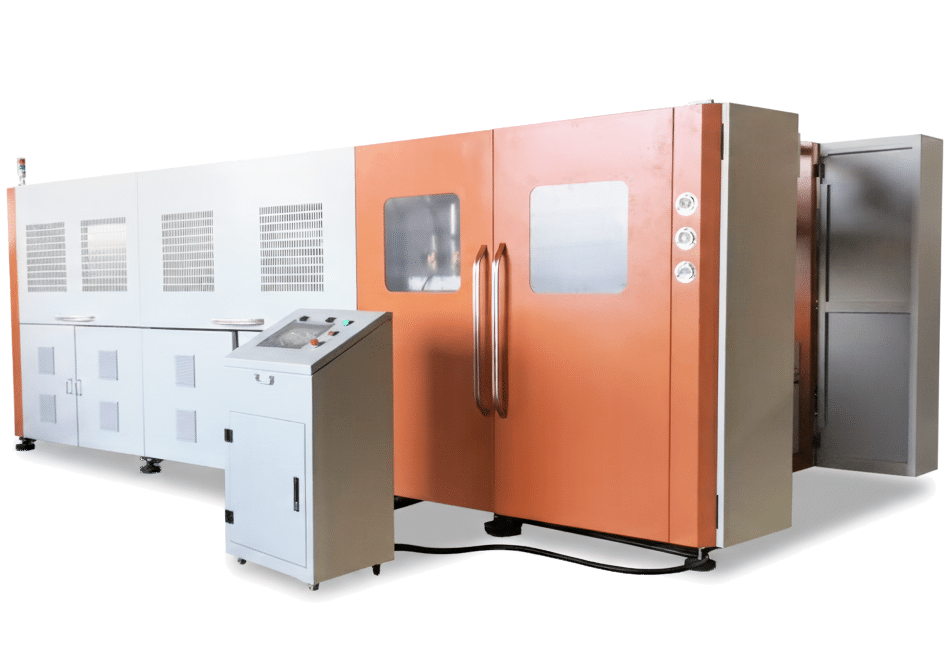
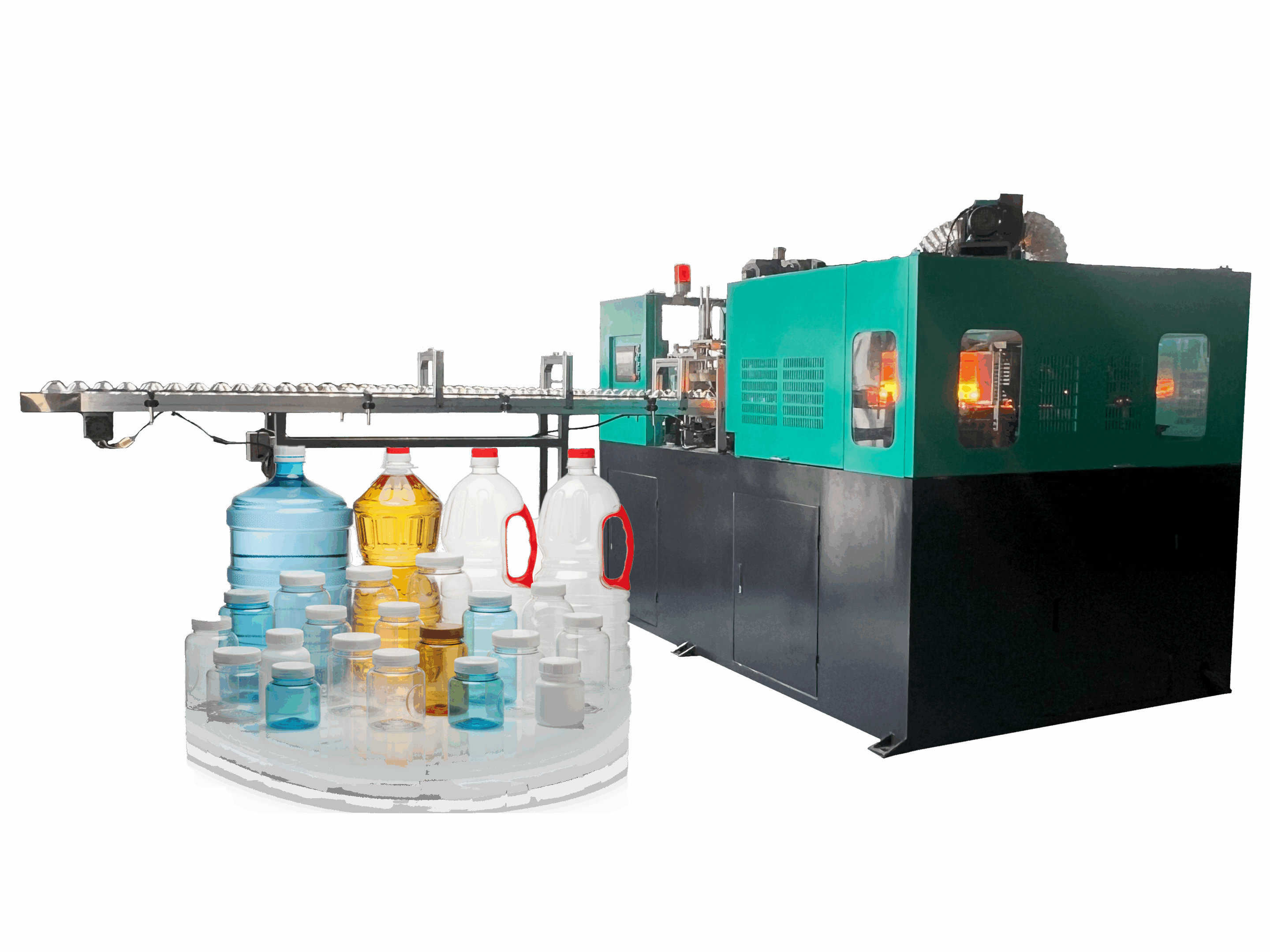
I replaced every image in this article with a video because video shows reality faster and clearer. I use videos when I evaluate machines for real projects in Asia. A video helps me judge guarding, layout, automation level, wiring habits, and build details. A photo can hide too much. A brochure can hide even more.
In 2026, buyers in Thailand face a sharper mix of pressure than before. Energy cost is still a big line item. Skilled operators are harder to keep. Brand owners push sustainability targets. Co-packers push short lead times. Retail cycles move faster. A stretch blow molding machine is not only equipment. It becomes the center of your cost, your speed, and your risk.
I wrote this guide in the first person because I want it to sound like how I talk with buyers in real life. I use clear, short sentences. I avoid fancy words. I focus on what changes your profit per bottle and your stress level on the shop floor.
Manufacturers At a Glance (with Official Sites)
- Krones — https://www.krones.com
- Sidel — https://www.sidel.com
- KHS — https://www.khs.com
- SIPA — https://www.sipa.it
- Nissei ASB — https://www.nisseiasb.co.jp/en/
- SMF — https://smfgmbh.com
- Sacmi — https://www.sacmi.com
- LEKA Machine — https://lekamachine.com
- Chumpower — https://www.chumpower.com
- Powerjet — https://www.powerjet-machinery.com
Main Video for This Page
I place one video near the top because I want one clear overview for readers. I also want a simple page structure for video indexing. I treat this as the “main video” of the page. I keep the title clear. I keep the embed stable. I use the no-cookie domain. I also load it lazily to reduce page load pressure.
Top 10 Stretch Blow Molding Machine Manufacturers in Thailand (2026)
Krones
Video proof over brochuresKrones is strong in Thailand in 2026, especially in beverage and liquid food projects. I often describe Krones as a durability-focused option. Many older Krones machines still run today, and that matters. Long service life reduces total cost of ownership if the machine stays stable and serviceable.
I also see Krones chosen by buyers who want high OEE and stable long-run output. These buyers usually have strong demand and serious uptime targets. Krones also supports integrated line logic, which helps when a buyer wants to link blowing with filling and downstream.
I tell buyers to model the premium cost carefully. Krones can be a premium investment. If you value reliability and long-term stability, Krones can be a good fit. If you need many small runs and very fast format changes, you should test flexibility carefully and confirm how changeover steps work in real operation.
Sidel
Integrated line logicSidel remains a global leader in 2026, and I see them frequently in Thailand beverage projects. Their systems are often selected by large producers that want full line integration, not only a blow molder. These buyers also want proven performance and strong application support.
I see Sidel’s strength in process expertise and line design. I see their strength in lightweighting and high-speed stability. I also see strong service structure across the region, which matters in Thailand where downtime costs can be brutal during peak orders.
I also tell smaller buyers to be careful. Sidel systems can be complex. They can be more than you need. If you produce small batches and change often, you may not use the full value. You may also face longer lead times and higher capex. I still consider Sidel a top choice when speed, stability, and integrated lines are the top priorities.
KHS
Energy focus + stable windowKHS remains a serious contender in Thailand in 2026. I see KHS selected by buyers who focus strongly on energy efficiency and stable process windows. In a high energy cost environment, this matters. KHS also positions well for medium to large beverage operations.
I see robust engineering and stable long-run performance when the site utilities are done right. Pricing remains in the premium segment, so buyers should build a real TCO model. If energy savings and uptime improvements are real, the premium can make sense.
I also advise buyers to confirm service response plans inside Thailand. Even strong global brands need clear local support details. A clear SLA matters more than brand reputation when downtime happens.
SIPA
Balance: flexibility + performanceSIPA is a brand I often recommend when a buyer needs balance. In Thailand, many producers do not run only one bottle. They run a mixed portfolio. SIPA fits this reality well because they offer both flexibility and strong performance.
I also respect SIPA’s tooling and bottle design capabilities. Molds and bottle design matter a lot in real production. If a supplier can support both machine and tooling logic, your project risk drops.
SIPA may not dominate the ultra-high-speed segment like the biggest beverage-focused players, but they often deliver strong value for mixed-use plants. I also see practical solutions that match real factory life. I advise buyers to look at SIPA when they want a wide process window and a supplier that can talk about both machine settings and bottle outcomes.
Nissei ASB
One-stage ISBM (specialty clarity)Nissei ASB is a leader in one-stage injection stretch blow molding. In Thailand, I see them used for high clarity, tight neck finish, and excellent cosmetics. These machines are common in cosmetics, pharma, and specialty food jars.
One-stage ISBM changes the workflow. You do not buy preforms. You run resin to finished bottle in one process. This reduces preform inventory and handling. It can also improve quality control for certain containers.
The trade-off is speed. One-stage systems are slower than high-speed two-stage beverage lines. If you produce simple water bottles in very high volume, this is not the best fit. I advise buyers to choose Nissei ASB when product value is high and quality requirements are strict, and when the buyer accepts the throughput reality and plans capacity accordingly.
SMF
Value option with standard partsSMF continues to grow in visibility in Asia. In 2026, I see them selected by buyers who want solid performance but also want a better price point than the top premium brands. This can make sense for many Thai small and medium producers.
I often highlight the use of standard components and practical design. When a machine uses common parts, maintenance becomes easier. Parts sourcing becomes easier. Training becomes easier. This can reduce downtime risk.
SMF may not offer the same service scale as the biggest global brands. This is why I advise buyers to confirm the service plan clearly and to keep a proper spares kit on site. For many projects, SMF delivers strong value when expectations are realistic and the support plan is clear.
Sacmi
Group integration (closures/preforms/bottles)Sacmi is a large industrial group with strong packaging presence. In Thailand, I see Sacmi selected by buyers who want integrated solutions that link closures, preforms, bottles, and filling. This can simplify procurement and integration risk.
Sacmi can be strong when you want a complete approach and you value integration. I still advise buyers to confirm the local support map and the service process for the specific product line, because large groups can operate with different structures by region.
I also remind buyers that blow molding is only part of Sacmi’s broader business. This can be an advantage if you want a full system. It can also be less ideal if you want a specialist who focuses only on blow molding. The best choice depends on your internal team and your project scope.
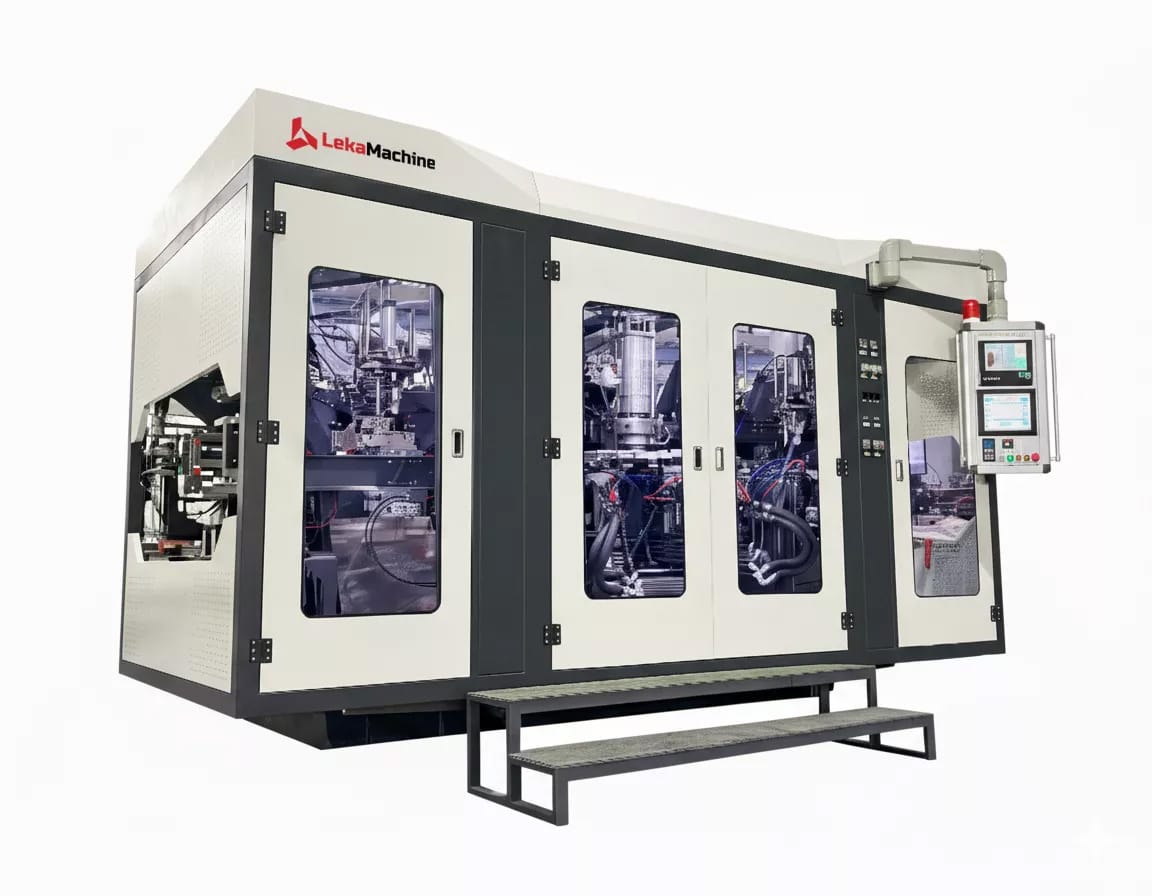
LEKA Machine
Fast delivery + price-performanceIn 2026, I see more buyers in Thailand ask about fast delivery. This is where LEKA Machine becomes relevant. Many plants want to add capacity quickly. Some startups need to start production fast. In these cases, delivery time can change the business outcome.
LEKA Machine’s value comes from speed and price-performance. When the platform is designed well and the components are chosen with serviceability in mind, buyers can scale with lower capex pressure.
I also speak honestly about service structure. A remote-first model can work well when remote diagnostics are strong and when the supplier responds fast. It also works best when the buyer keeps critical spares on site and follows clear maintenance routines. I advise buyers to match this model to their comfort level. If a buyer demands a local office inside Thailand for every step, they may prefer a different supplier. If a buyer values speed and cost and can operate with a modern remote support workflow, this can be a strong option.
Chumpower
Practical budget-performance balanceChumpower is often considered by Thai buyers who want a practical balance between performance and budget. I see it used in projects where the buyer wants a reliable two-stage setup without paying the highest premium price. In Thailand, this can fit many mid-size plants and new lines that need a stable platform.
I tell buyers to focus on two things with this type of option. The first is local support execution. The second is parts and component standardization. If the machine uses standard controls and common pneumatic and servo parts, service becomes much easier. If the machine relies on hard-to-source parts, downtime risk grows.
I also advise buyers to test changeover steps and recipe stability in a pilot. A machine can look strong in a steady demo run. The real test is how fast the team can change formats and return to stable bottles. If the support plan is clear and the platform matches the production pattern, Chumpower can be a sensible choice in Thailand.
Powerjet
Entry-level capex strategyPowerjet is often considered by Thai startups and cost-sensitive projects. I see it used when the buyer wants to enter PET bottle production with lower capex. This can be useful when demand is still uncertain, or when the buyer wants a first line before scaling.
I tell buyers to be strict on acceptance criteria when they choose a budget-driven option. I want clear targets for scrap, stable output, and energy use. I also want clarity on what is included in training and what is included in the spares kit. When a buyer saves capex, they should not lose the savings through downtime and scrap.
I also advise buyers to confirm support capacity in Thailand and nearby countries. If the support model relies on a dealer, the dealer quality matters a lot. When the dealer is strong and the scope is realistic, Powerjet can fit an entry-level plan. When the buyer expects premium OEE and premium service, the buyer should align expectations or consider other platforms.


0 Yorum