
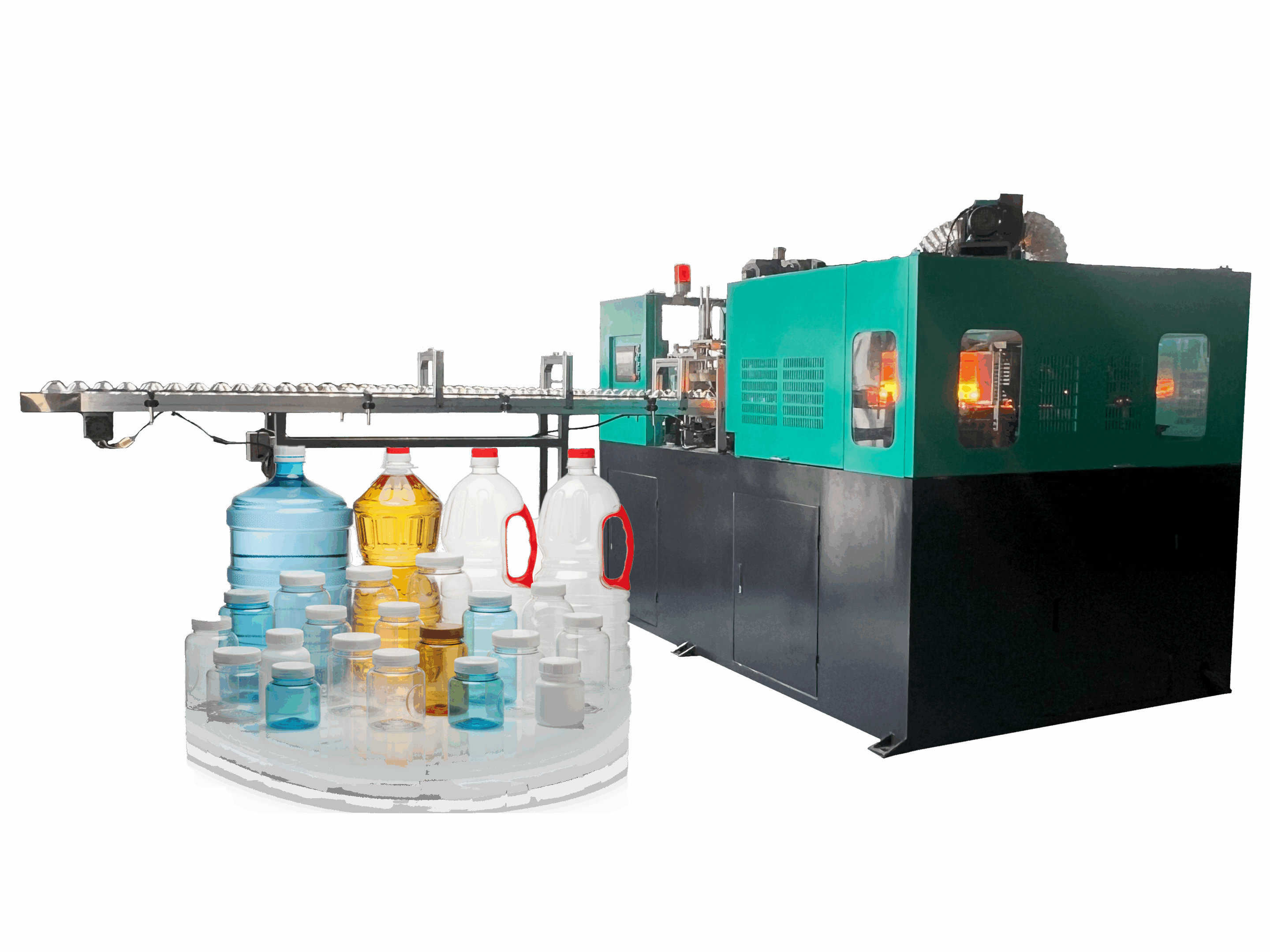
Semi Automatic vs Fully Automatic PET Blow Molding Machine: The Big Debate
İçindekiler
- The Big Question: Which Machine Fits Your Business Size?
- Understanding the Basics: What is Semi-Automatic?
- The Fully Automatic Revolution: Set It and Forget It
- Output Wars: How Many Bottles Do You Actually Need?
- The Hidden Cost of Labor and Human Error
- Consistency is King: Why Robots Do It Better
- Energy Efficiency and Your Utility Bill
- Safety First: Handling Hot Plastic
- The Price Tag vs Total Cost of Ownership
- When to Stick with Semi-Automatic
- When to Upgrade to Fully Automatic
- Making the Final Decision for Your Production Line
The Big Question: Which Machine Fits Your Business Size?
It is the classic dilemma that keeps production managers awake at night. You are growing, orders are ticking up, and your current setup feels like it is straining at the seams. But do you make the massive leap to full automation, or do you keep things manual and flexible?
Choosing between a semi-automatic and a fully automatic machine isn’t merely a budgetary calculation; it is a strategic maneuver that dictates your future scalability. If you purchase a machine that is too small, you bottleneck your revenue. If you buy one that is too complex, you drown in overhead.
At the heart of this decision is the core process of plastic blow moulding, and how you choose to manage it will define your competitive edge for the next decade.
Understanding the Basics: What is Semi-Automatic?
Let’s strip away the jargon. A semi-automatic process is exactly what it sounds like: a partnership between man and machine. The “semi” implies that human dexterity is still a requisite part of the production cycle.
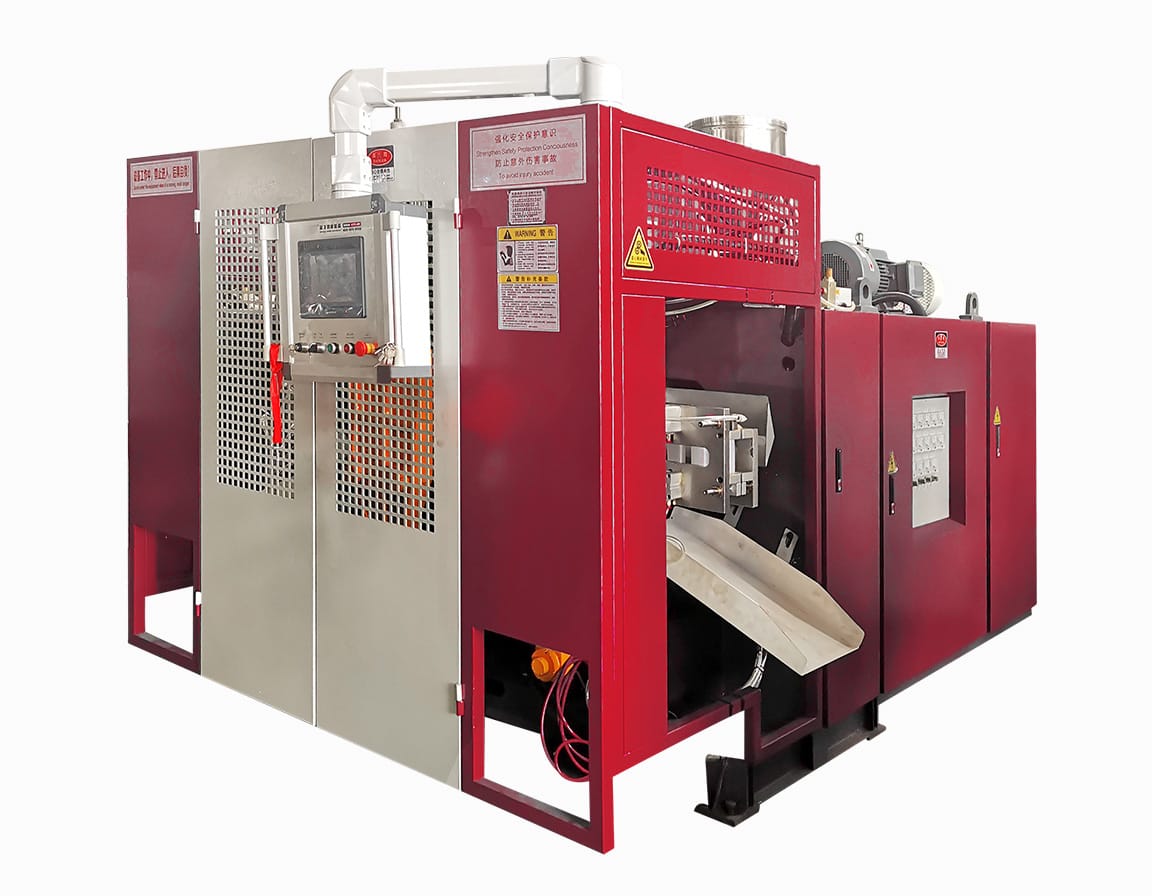
In this setup, an operator must manually take a preheated preform—the test-tube-shaped piece of plastic—and physically transfer it into the şişirme kalıp. It is tactile and hands-on. Think of it like cooking with a manual espresso press versus using a commercial coffee vending machine. You have control, and it is excellent for small batches, but the rhythm of production is entirely dependent on how fast your operator can move their hands without getting tired.
The Fully Automatic Revolution: Set It and Forget It
Contrast that manual effort with the seamless choreography of a fully automatic workflow. In this ecosystem, human intervention is virtually obsolete during the actual molding cycle.
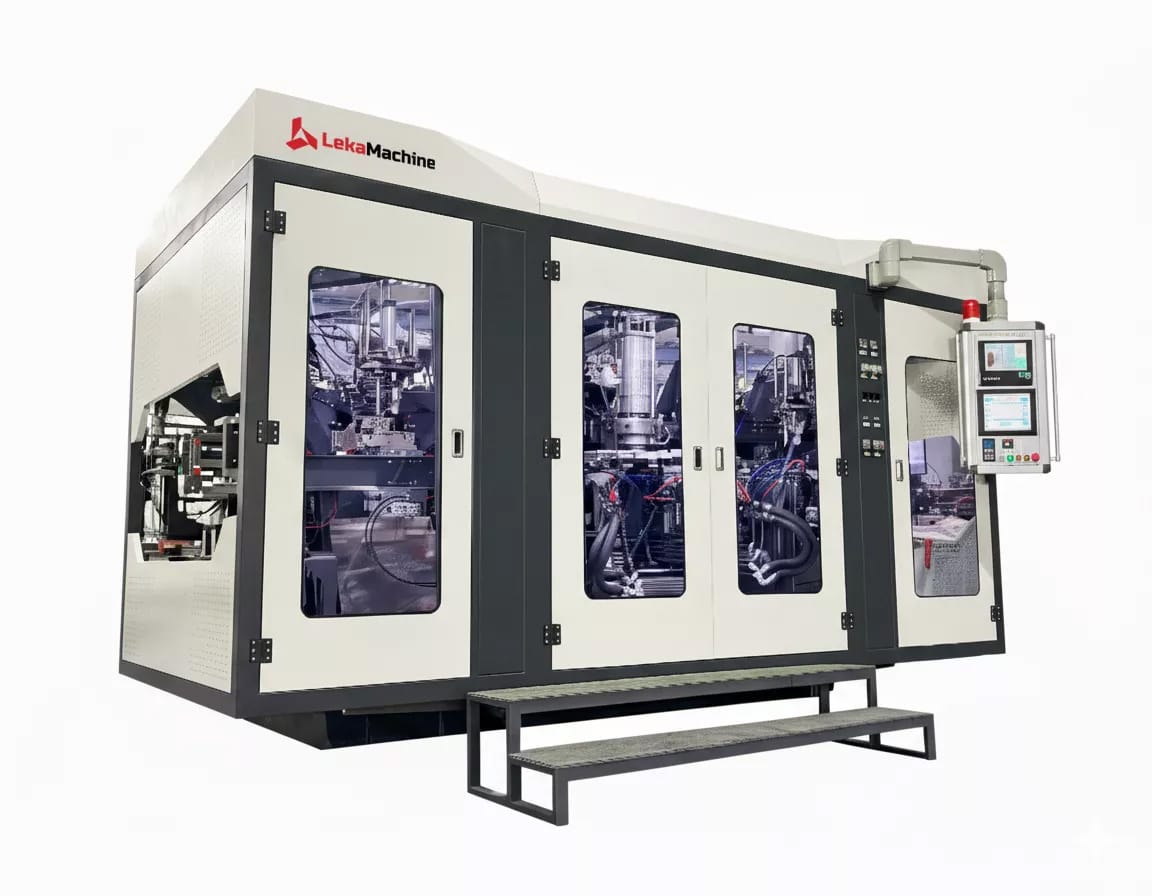
Machines like the Leka AQUA series exemplify this autonomy. You simply dump raw preforms into a hopper, and the machine takes over. It unscrambles them, heats them, stretches them, and blows them into finished bottles without a single human finger touching the plastic. It is the “magic” of synchronized conveyors and robotic transfer arms doing the heavy lifting. This is a true “set it and forget it” methodology, allowing you to focus on logistics rather than micromanaging the molding rhythm.
💡 Internal Link Suggestion: Explore our high-speed Şişirme Gerçekleme Makineleri for automated solutions.
Output Wars: How Many Bottles Do You Actually Need?
Here is where the rubber meets the road: sheer velocity. In the output wars, the disparity between the two technologies is staggering.
- Semi-Automatic: A proficient operator on a semi-automatic machine might hustle to produce 800 to 1,000 bottles per hour. That is respectable for a boutique operation.
- Fully Automatic: A fully automatic system resides in a different stratosphere. High-speed lines, such as the AQUA F22, are engineered to effortlessly hit speeds of 18,000 to 20,000 bottles per hour.
To make the right choice, take a hard look at your monthly sales ledger. Calculate your required daily output. If your demand is exponential, relying on manual labor is akin to bringing a knife to a gunfight.
The Hidden Cost of Labor and Human Error
We must discuss the “people factor,” often the most volatile variable in üretme. In a semi-automatic configuration, your production line is only as reliable as your workforce. If an operator is fatigued, takes a lunch break, or calls in sick, your output plummets to zero.
Furthermore, humans are prone to inadvertence. A preform not seated perfectly straight can ruin a bottle or damage a mold. Contrast this with fully automatic machines that operate with indefatigable precision. They do not require coffee breaks. A single technician can monitor an entire high-speed line, whereas a bank of semi-automatic machines would require a small army of workers handling hot plastic, drastically inflating your payroll.
Consistency is King: Why Robots Do It Better
In the world of retail, variance is the enemy. Plastic blow moulding requires an exacting balance of thermal conditioning and pneumatic pressure.
Fully automatic machines control the temperature of every single preform with digital exactitude. This ensures that the duvar kalınlığı of the first bottle produced on Monday morning is identical to the last bottle produced on Friday afternoon. For brands aiming to sit on supermarket shelves, this homogeneity is non-negotiable. Your customers expect professional consistency, and robotic automation delivers that uniformity where human hands cannot.
Energy Efficiency and Your Utility Bill
It is a common misconception that bigger machines always equal bigger bills. While fully automatic machines have a larger physical footprint, modern iterations are marvels of efficiency.
Machines like our all-electric Leka BOTTLER series are designed to minimize the kilowatt-hour consumption per unit produced. In semi-automatic processes, there is often significant thermal loss as the preform is moved through the open air from the oven to the mold. This ambient heat loss is essentially money evaporating. Fully automatic systems typically utilize closed-loop heating tunnels that retain energy, ensuring your utility costs don’t eat away your margins.
Safety First: Handling Hot Plastic
We cannot overlook the occupational hazards. Semi-automatic processes inherently place workers in close proximity to searing heating lamps and high-pressure clamping units. The risk of burns or crush injuries, while manageable, is present.
Fully automatic machines encapsulate these dangerous zones behind interlocked safety doors and polycarbonate guards. This containment not only keeps your employees safe but also reduces liability for the business owner. A safe factory floor is a productive one, and automation removes the most dangerous variables from the operator’s daily routine.
The Price Tag vs Total Cost of Ownership
Let’s be honest about the financials. A semi-automatic machine is significantly cheaper to purchase upfront. For a garage startup or a pilot plant, this low barrier to entry is attractive.
However, smart business owners pivot to the concept of Total Cost of Ownership (TCO). When you aggregate the cost of three shifts of labor, the scrap rate from human error, and the opportunity cost of slower speeds, the “cheap” machine often becomes the most expensive option over a three-year period. Automation requires a higher capital expenditure (CapEx), but the operational expenditure (OpEx) savings usually pay for the machine in a surprisingly short window.
When to Stick with Semi-Automatic
We are not here to bash the little guy. There are specific scenarios where semi-automatic is the superior strategic choice:
- R&D Labs: Perfect for testing new prototypes without interrupting the main line.
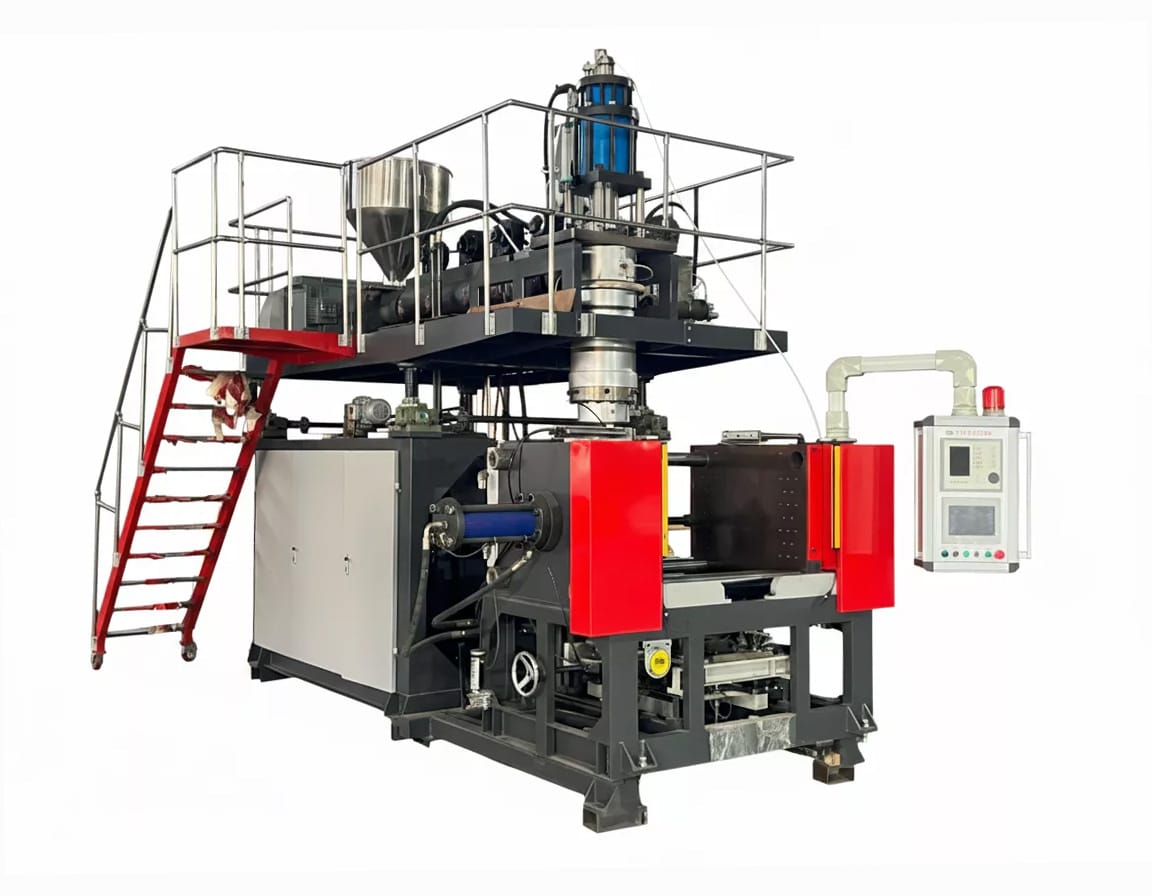
- Large Containers: Producing massive 5-gallon water jugs where weight makes automation costly.
- Micro Batches: Running extremely small batches of özel şekiller (like 500 novelty bottles) where speed doesn’t matter.
In these low-volume, high-mix environments, the rapid mold changes and low setup costs of a manual machine outshine the heavy artillery of automation.
When to Upgrade to Fully Automatic
So, when do you pull the trigger? Create a mental checklist. If your daily production requirement exceeds 5,000 units, it is time.
- If you just signed a contract with a major retailer (e.g., Target, Whole Foods), you cannot risk a manual failure.
- If you are moving into the beverage sector, the Leka AQUA series is the logical evolution for speed.
- If you are scaling up high-end cosmetic containers, , Leka BOTTLER series offers the precision you need without manual handling marks.
Making the Final Decision for Your Production Line
Ultimately, you need to look at your five-year trajectory, not just your current growing pains. The goal of plastik blow moulding is to generate profit, and your machinery is the engine of that revenue.
Don’t just buy for today’s orders; buy for tomorrow’s ambition. Whether you need the flexibility of the BOTTLER series or the raw horsepower of the AQUA series, choosing the right level of automation is the first step toward dominating your market segment.
Watch it in Action
See exactly how manual labor integrates with the machine compared to a fully automatic line in this video demonstration:


0 Yorum