

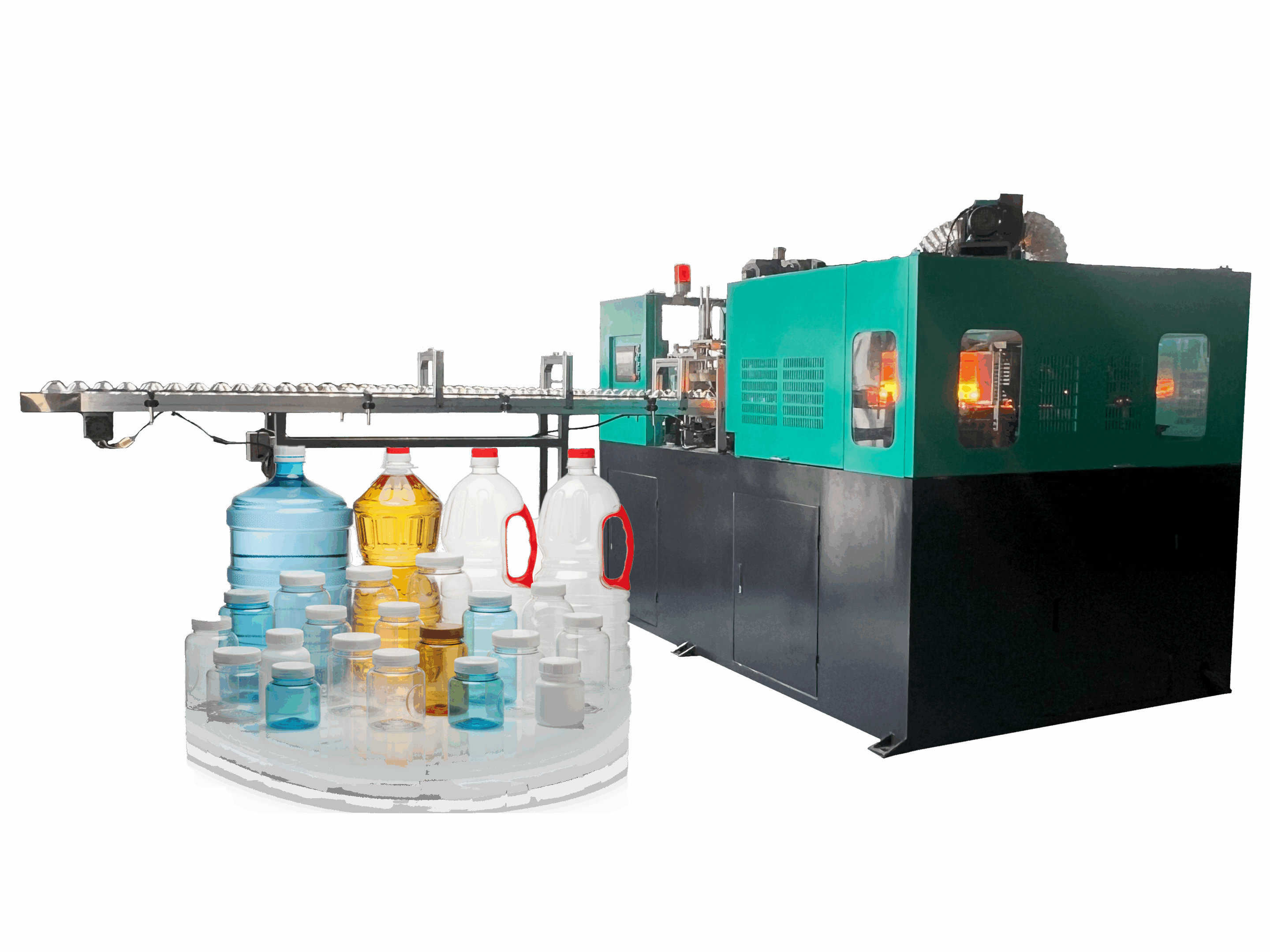
Enjeksiyon-Şişirme Üretim Tesisleri İçin Sürekli Sipariş Alan 6 PP Şişe Modeli
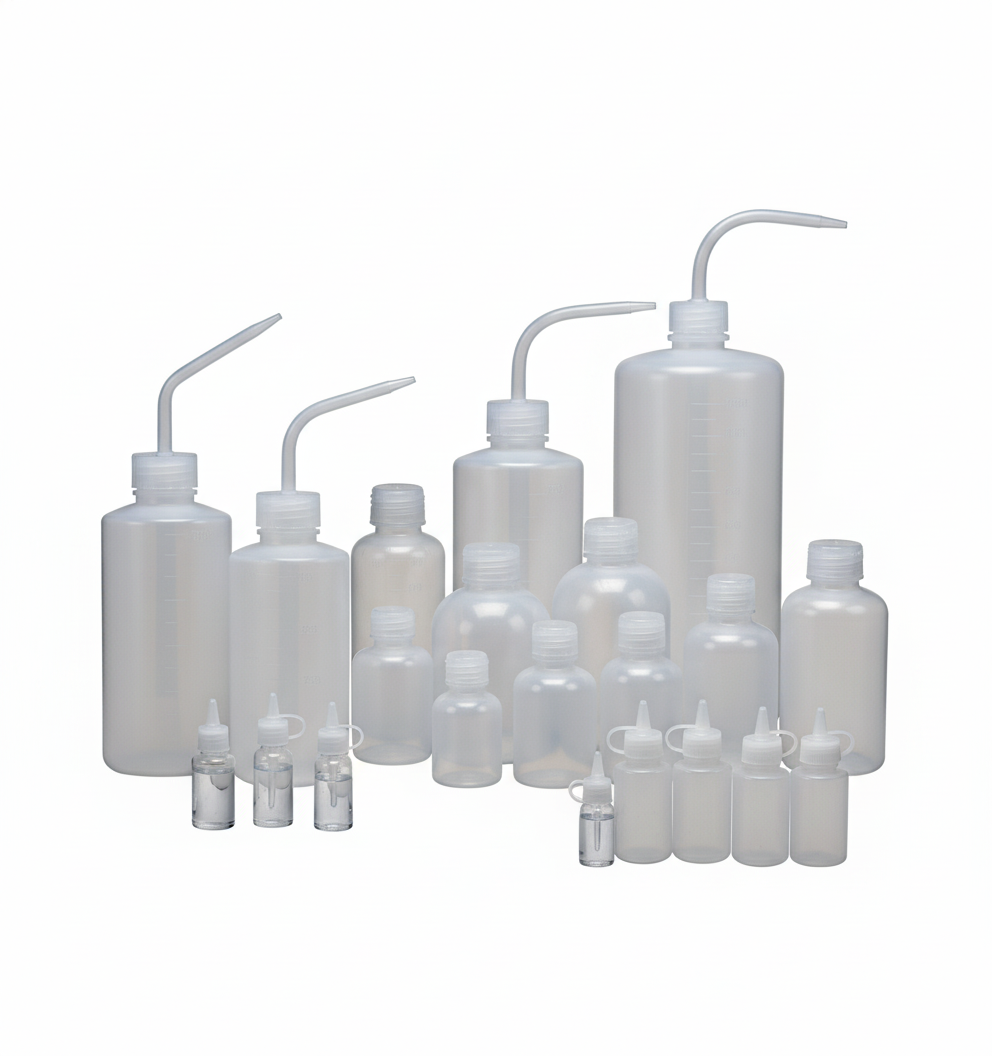
PP plastic bottles ideal for storing, dispensing, and packaging liquids in molding production facilities.
I often see factories chasing one-off, seasonal orders. It’s a tough way to run a business. You’re always quoting, always changing molds, and always hunting for the next small job.
But some of the most stable, long-term contracts I’ve seen are for PP bottles.
Everyone knows PET for stretch blow molding (SBM). But Polypropylene (PP) is a different game. It handles heat better, has great chemical resistance, and can be ‘squeezable’ in a way PET can’t.
This isn’t about chasing ‘one-season’ launches. This is about finding the products that bring in stable revenue, year after year.
These bottles are often a perfect fit for single-stage stretch blow molding machines, especially in cosmetics, pharma, and food.
In this post, I’ll share the 6 PP bottle types I consistently see providing stable orders for OEM suppliers and factories.
Who Should Use This PP Bottle Shortlist
Bu list is for you if you’re:
- An OEM or contract manufacturer supplying PP bottles to brands and fillers.
- A brand owner considering moving your PP bottle production in-house.
- An engineer comparing ekstrüzyon şişirme (EBM) vs. stretch blow molding (SBM) for a new PP bottle project.
- A procurement or commercial manager who wants fewer surprises after winning that next PP bottle RFQ.
Real Factory Experience Behind This PP Bottle Shortlist
My name is Slany Cheuang, and I’m a technical sales manager at LEKA Machine.
I’ve spent years working with factories on blow molding projects, specifically with extrusion and stretch şişirme makineleri.
When I visit factories, I see a few things repeat with PP bottle orders.
The most common failure? Trying to treat PP just like PET. It’s not. It heats differently, stretches differently, and has a completely different ‘feel’.
But the successful projects… they are very successful. I’ve seen PP bottle projects that quietly pay the factory’s bills for 5, even 10 years. They’re not flashy, but they are reliable.
Sometimes, PP is better suited for extrusion şişirme kalıplama (EBM), especially for large containers or those with complex handles. But for the bottle types on this list, single-stage stretch blow molding offers precision, clarity, and efficiency that EBM can’t match.
I chose these 6 bottle types based on three criteria: high-volume potential, long-term order stability, and good margin potential for the factory.
PP Basics for Stretch Blow Molding (Quick Primer)
Before we dive into the list, let’s cover a few basics.
PP’s key properties for SBM are its high heat resistance (think hot-fill or sterilization) and its good chemical resistance.
PP preforms are also different from PET. They are often hazier (more ‘milky’) and require a different heating and stretching process. Getting the cycle time and temperature right is the key.
So, when does PP stretch blow molding make sense?
It’s ideal when you need better heat or chemical resistance than PET, or when you want a ‘squeezable’ feel for a lotion, but still need the precision neck and finish that SBM provides.
Most of these high-value bottles are made on single-stage SBM machines, which go from raw resin to finished bottle in one process. This is great for custom colors and precise neck finishes.
(If you’re still comparing materials, you might want to read our guide on choosing PET vs. PP vs. HDPE for bottles.)
Quick Overview: The 6 PP Bottle Types with Stable Order Potential
Here are the six PP bottle types I see with the most stable order potential:
- Baby & toddler PP feeding bottles and training cups
- PP pharmaceutical syrup and dropper bottles
- Medical & lab PP bottles (nutritional, saline, reagents)
- PP hot-fill and microwaveable food bottles and jars
- PP personal care & cosmetic bottles (lotions, shampoos, refills)
- Refillable & reusable PP household liquid bottles (cleaners, detergents)
1. PP Baby Feeding Bottles and Training Cups
This is a classic.
Brands choose PP for baby bottles because it’s BPA-free, impact-resistant (won’t shatter), and can be repeatedly sterilized with boiling water or steam.
You’ll typically see 120ml, 150ml, and 250ml sizes with specific neck finishes for nipples and caps. Graduation lines (the measurement marks) are critical.
Order stability here is fantastic. These aren’t promotional items. Parents buy them consistently, and brands rarely change a successful design for years.
The SBM challenge is getting high clarity and avoiding deformation during sterilization. It requires precise process control.
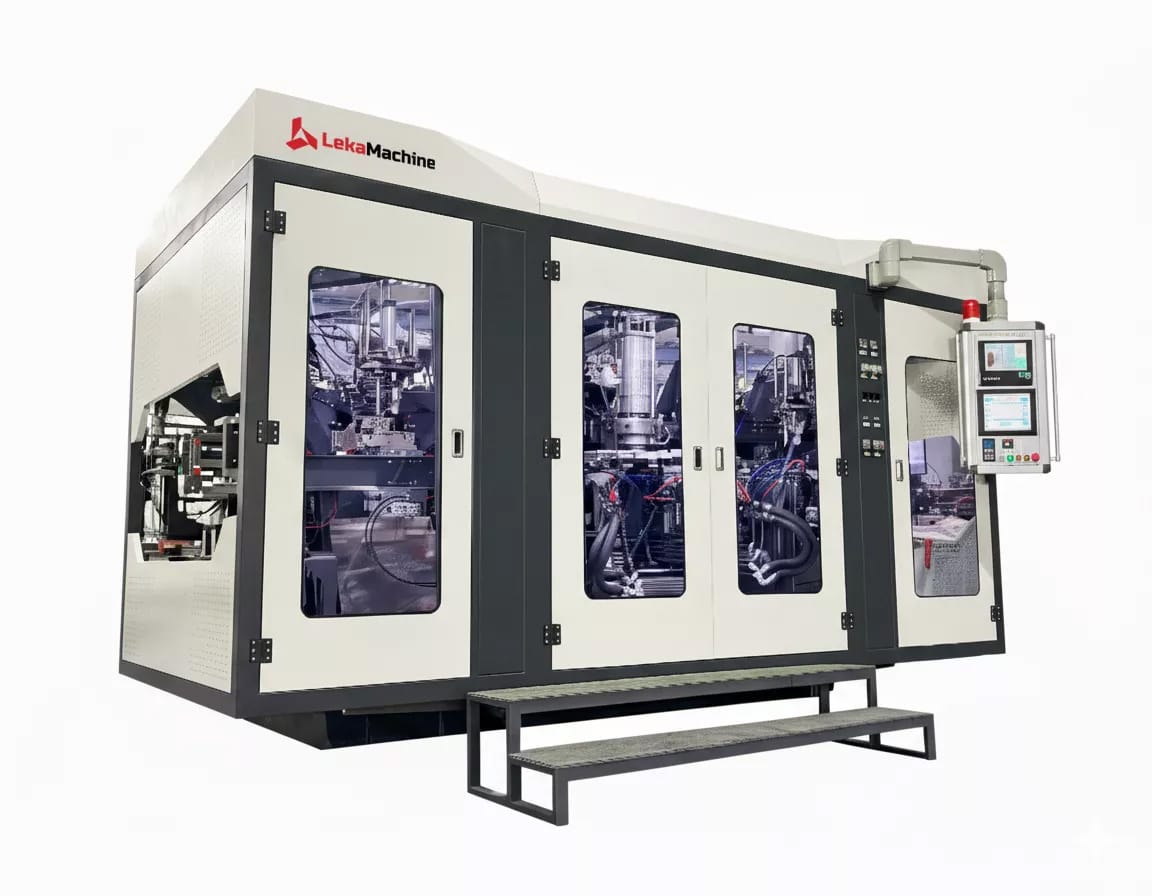
This is a great fit for a single-stage SBM machine, like our BOTTLER series, which is designed for this kind of precision work.
Be prepared for high compliance. You’ll need food-contact certifications and migration test reports.
2. PP Pharmaceutical Syrup and Dropper Bottles
Think cough syrups, oral medicines, and saline dropper bottles.
PP is used here for its excellent chemical resistance (it doesn’t react with the medicine) and its ability to be sterilized.
Formats are usually 30ml to 250ml, with very specific child-safe or tamper-evident neck finishes.
İlaç orders are the definition of stable. You’ll get annual forecasts, with scheduled deliveries. But the Kalite standard is absolute. Change control is rigid; you can’t just ‘tweak’ the process.
This is why single-stage SBM is preferred. It gives you total control over the neck and thread dimensions, which is vital for a perfect seal.
You’ll likely need to operate in a cleanroom environment and have extensive documentation (validation, batch records).
When quoting, make sure to factor in the costs of qualification batches and tooling. These projects are a perfect match for a high-precision Streç Şişirme Makinesi.
3. PP Medical and Laboratory Bottles (Nutritional, Saline, Reagents)
This category includes bottles for nutritional drinks, hospital saline or irrigation, and lab reagent containers.
Hospitals and labs like PP because it’s tough, can be autoclaved (steam sterilized), and has low ‘extractables’ (it doesn’t leach particles into the contents).
Again, the precise necks and threads for sealing are critical, making single-stage SBM a strong choice.
Buyers in this space are institutional. They issue multi-year tenders or framework agreements. They are very price-sensitive, but also very loyal once you are a qualified supplier.
Risk management is key. These buyers will want to know about your backup molds and spare parts strategy. They can’t afford a line-down or production bottleneck.
If this is a new area for you, having (or building) strong vaka çalişmalari is the best way to build trust.
4. PP Hot-Fill and Microwaveable Food Bottles & Jars
Think barbecue sauces, baby food jars, nutritional drinks, and ‘heat-and-eat’ products.
This is where PP’s heat resistance shines. You can’t hot-fill most standard PET bottles above 60°C, but PP can handle 85°C or even 100°C+ for sterilization.
The main challenge is managing shrink and warpage. PP wants to move when it cools. This requires smart preform and bottle design (like paneling) and a very controlled process.
Stretch blow molding can produce beautiful wide-mouth PP jars and bottles that look great on a retail shelf. Our BOTTLER series, for example, is made for these wide-mouth food jars.
Retailers will want good clarity (though it will be slightly hazier than PET) and a perfect surface for labeling.
5. PP Personal Care and Cosmetic Bottles
This is a huge market for PP.
Brands choose PP over PET when they want a ‘squeezable’ bottle, an opaque or pearlescent look, or a ‘soft touch’ feel. Think lotions, shampoos, conditioners, and shower gels.
This is a high-volume, high-frequency business. Look at all the refill pouches designed to fill PP bottles.
Single-stage SBM gives designers incredible freedom with shapes, from sharp shoulders to tapered waists. Our BOTTLER series is specifically for these non-standard, high-value bottle types.
Thread accuracy is non-negotiable. These bottles have to work perfectly with expensive pumps, flip-tops, and spray triggers.
A flexible SBM machine is great here, as you can manage many different SKUs (same bottle, different color) with quick changeovers.
6. Refillable & Reusable PP Bottles for Household Liquids
The ‘refill and reuse’ trend is a major opportunity.
We’re seeing more and more systems for refilling household cleaners, detergents, and concentrates.
PP is the perfect material for the ‘keeper’ bottle. It has excellent environmental stress crack resistance (ESCR), so it won’t crack from harsh cleaning chemicals. It can also handle being dropped and used daily.
These are typically 500ml to 1L bottles, designed for durability.
Winning a contract to supply a major brand’s refillable bottle can mean stable, predictable orders for years. It’s a great way to stabilize your machine utilization.
When PP Bottles Are Better with Extrusion Blow Molding (And When They’re Not)
As a company that provides both SBM and EBM machines, I can tell you that SBM is not always the answer for PP.
When should you use ekstrüzyon üfleme molding (EBM)?
EBM is almost always better for bottles with integrated handles (like a detergent jug), very large containers (like a 20L jerry can), or complex, non-symmetrical shapes.
You have to learn how to screen RFQs. If the drawing shows a handle or it’s a 10-liter bottle, it’s an EBM project. If it’s a 200ml cosmetic bottle with a sharp shoulder, it’s an SBM project.
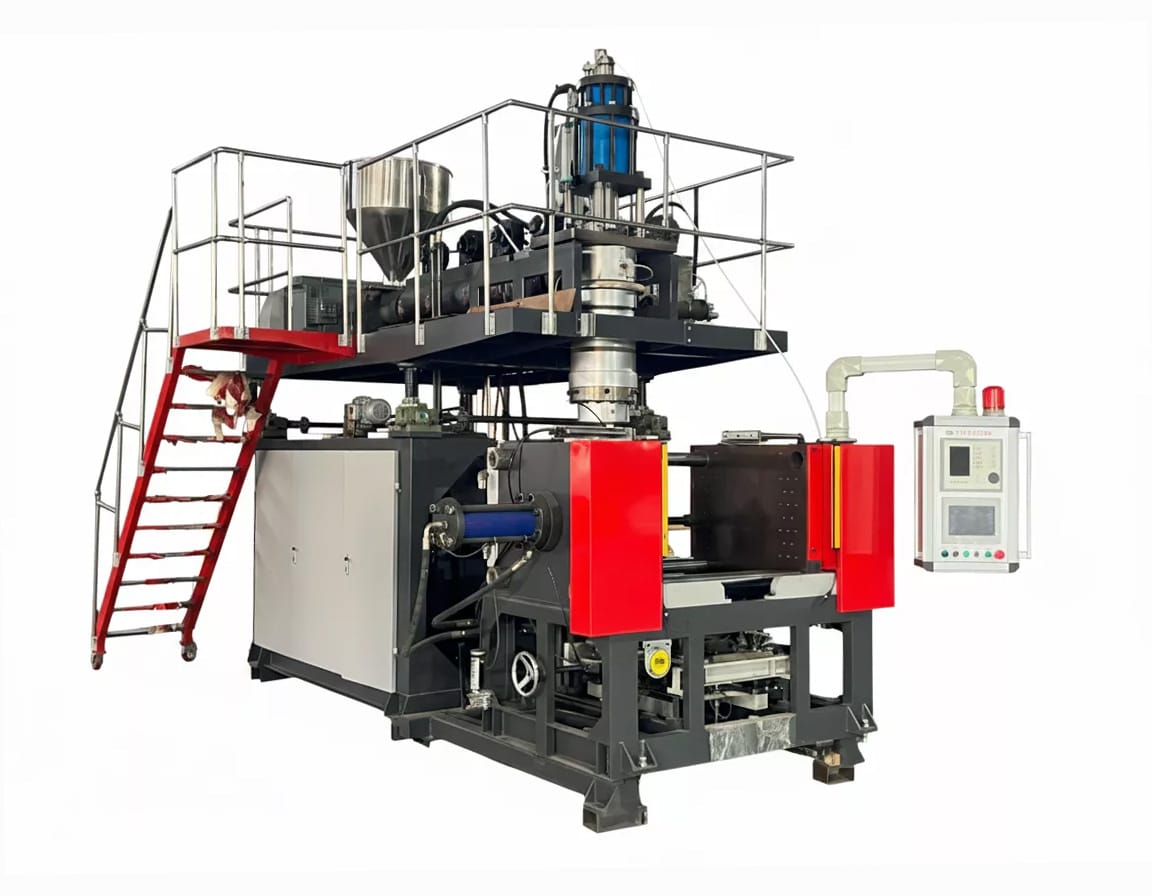
Some of the smartest factories I know run a hybrid strategy. They use our FORMA or TITAN EBM machines for the big industrial parts and our BOTTLER SBM machines for the high-precision cosmetic bottles.
Being honest with your customer about the right process builds long-term trust. Don’t try to force a project onto the wrong machine.
(You can see our Extrusion Blow Molding machine range if you handle those types of containers.)
Key Technical Considerations for PP in Stretch Blow Molding
You can’t just put PP resin into a PET machine and expect good bottles.
PP has a narrower processing window. It heats and cools differently. You’ll need to redesign your preforms specifically for PP.
Your oven profile (the heating lamp setup) will be completely different. The stretch ratios are also different.
Kalıp tasarımı is critical. You need excellent cooling, proper venting, and a highly polished surface to get good clarity.
Common PP defects include haze (cloudiness), whitening (from over-stretching), and ovality (the bottle isn’t round). Reducing these is all about process control.
Your QC plan must include checks for weight, top-load strength, leak testing, and visual inspection.
Choosing the Right Stretch Blow Molding Machine Setup for PP Bottles
For the high-value bottles on this list (pharma, cosmetics, baby), a single-stage SBM machine is almost always the right choice.
It gives you maximum control over the preform and the final bottle shape, all in one machine.
You need a machine with a good HMI (Human-Machine Interface) that allows you to save and manage recipes. When you switch from a 150ml baby bottle to a 50ml dropper bottle, you want that changeover to be fast and repeatable.
For pharma and medical, data logging is also important for traceability.
Think about automation. Vision inspection for defects, automatic leak testing, and cleanroom-compatible packing systems can save you a lot of money and headaches.
When you talk to a machine supplier (like us), be ready to share your bottle drawings, target output, the specific PP grade you plan to use, and your timeline. The more information we have, the better we can configure a line for you.
How to Tell If a PP Bottle Project Will Bring Stable, Long-Term Orders
So you get an RFQ. How do you know if it’s a 10-year contract or a 6-month headache?
- Look at the brand. Is it an established brand in a stable market (like baby food or pharma) or a new startup in a trendy (but unproven) space?
- Look at the contract structure. Are they asking for annual forecasts and multi-year pricing, or is it a single Purchase Order?
- Ask the buyer questions. Before you quote, ask: “What is the expected lifetime volume of this SKU?” “How often do you anticipate design changes?” “Who owns the mold?”
- Align your investment. Your investment in molds and a machine must align with the toplam expected volume, not just the first order.
- Check the fit. Ask if this project fits your factory. If you are a high-volume, low-mix factory, a project with 10 different colors and 5 mold changes a week will be a nightmare, even if the margin looks good.
Commercial Playbook: Quoting and Negotiating PP Bottle Projects
Your quote needs to be thorough.
- Break down your costs: PP resin, cycle time (machine cost), scrap rate (PP can be trickier than PET), labor, and changeover time.
- Be clear on mold ownership: Who pays for it? Who pays for maintenance? What happens to the mold if the contract ends?
- Know your competition: Are you competing against a local factory with old, inefficient machines? If so, your higher output and lower energy use are strong negotiation levers.
- Use hizmet to win: For high-value clients, service commitments can win the deal. Guaranteed lead times, safety stock programs, and dedicated technical support are often more important than the last penny on the price.
Simple Checklist Before You Say “Yes” to the Next PP Bottle RFQ
Before you commit, run through this quick list.
- Technical Checklist: Do I have the exact PP grade? Does it need sterilization or special barrier properties? What are the regulatory needs?
- Machine Checklist: Do I have the machine capacity? Is my SBM machine capable of processing PP? Do I have a reliable preform supply?
- Operations Checklist: How many color changes per week? Does this fit my production schedule? Do I have the right downstream equipment (leak testers, printers)?
- Business Checklist: Is the annual volume clear? Is the contract length defined? Does the margin justify the complexity?
A big red flag is a customer who is vague on volume, won’t commit to a contract, and won’t pay for tooling. That’s often a project to walk away from.
FAQ: PP Bottles and Stretch Blow Molding
Can PP be used on stretch blow molding machines, or is it only for PET?
Yes, PP can absolutely be used on SBM machines. However, it requires a machine that is configured for it (different heating, different screw design for single-stage) and a completely different process setup than PET. You can’t just swap the resin.
What PP bottle sizes and shapes are most suitable for stretch blow molding?
SBM is best for small- to medium-sized PP bottles (from 30ml up to 2L) where high-precision necks, good clarity, and complex but symmetrical shapes are needed. Think cosmetic bottles, baby bottles, and pharma bottles.
How does PP stretch blow molding compare in cost to PET for similar bottles?
PP resin is often slightly cheaper than PET resin. However, the cycle times for PP in SBM are typically slower, which can make the ‘per-bottle’ machine cost higher. The final cost depends heavily on the bottle’s weight, complexity, and cycle time.
Which industries most often order PP stretch blown bottles on long-term contracts?
From my experience, the most stable, long-term contracts come from pharmaceuticals, baby products, medical/lab supplies, and high-end cosmetics.
What information should a buyer send with an RFQ for PP stretch blow bottles?
To get an accurate quote, you must send: a 3D or 2D drawing of the bottle, the bottle weight, the specific PP resin grade, any color/additive requirements, annual volume, and any special compliance needs (e.g., food-grade, sterilization).
About LEKA Machine and How We Support PP Bottle Projects
At LEKA Machine, we manufacture both Extrusion Blow Molding and Stretch Blow Molding machines.
Our BOTTLER Series, for example, is a stretch blow molding solution specifically designed for high-value PET and PP containers, like the cosmetic, pharma, and food jars mentioned here.
A typical project with us goes from your sample bottle or drawing, to machine configuration, mold design, and full Factory Acceptance Testing (FAT) before we ship. We then support you with on-site installation and ramp-up.
After installation, our support continues with remote diagnostics, training for your team, and reliable spare parts.
If you have a PP bottle project you’re considering, send me your drawings, output targets, and timeline. I’d be happy to do a quick check and see if it’s a good fit for SBM.
You can also read more about our other projects, like our guides to PET and HDPE bottles or our factory case studies.


0 Yorum