

Giriş
One particle of contamination can compromise an entire batch of medical devices—a risk no manufacturer can afford. In medical plastic molding, cleanroom standards aren’t just guidelines; they’re the yap ya da boz factor for product safety and regulatory approval.
From syringe components to IV connectors, medical-grade plastics must meet stringent ISO 10993 and USP Class VI biocompatibility standards while maintaining sterile production environments. This article breaks down the critical cleanroom protocols, material selection criteria, and compliance frameworks that ensure fail-safe medical molding for pharmaceutical and device applications.
Fundamentals of Medical Plastic Molding
Medical plastic molding is a specialized process that ensures the production of sterile, high-precision components critical for healthcare applications.
Medical plastic molding plays a vital role in healthcare manufacturing. It involves creating parts and devices that meet strict safety and sterility standards. Unlike industrial plastic molding, medical-grade processes require higher precision and cleaner environments. This makes it a unique field with its own set of challenges and requirements.
Definition and Scope of Medical Plastic Molding
Medical plastic molding refers to the production of plastic components used in medical devices and packaging. These parts must meet rigorous standards to ensure patient safety. The scope includes everything from syringes to surgical tools. Each product must be free of contaminants and defects to avoid health risks.
Key Differences Between Medical and Industrial Plastic Molding
Medical plastic molding differs from industrial molding in several ways. Cleanroom environments are often necessary to prevent contamination. Materials must be biocompatible and able to withstand sterilization. Tolerances are much tighter to ensure proper function in medical settings. These factors make medical molding more complex and costly.
Overview of Common Medical-Grade Plastics
PET, PP, and HDPE are among the most used plastics in medical applications. PET is valued for its clarity and chemical resistance. PP offers excellent sterilization capabilities. HDPE provides durability for containers and packaging. Each material is chosen based on its specific properties and intended use.
Why Precision and Sterility Are Non-Negotiable
In healthcare, even minor defects can have serious consequences. Precision ensures devices function correctly during critical procedures. Sterility prevents infections and maintains product integrity. These requirements make quality control processes in medical plastic molding extremely stringent.
Cleanroom Requirements and Certifications
Cleanrooms are essential for many medical molding processes. They control particulate contamination to extremely low levels. Certifications like ISO 13485 demonstrate compliance with industry standards. These factors are often overlooked in competitor analyses but are crucial for success.
Lekamachine’s Expertise in Medical-Grade Plastics
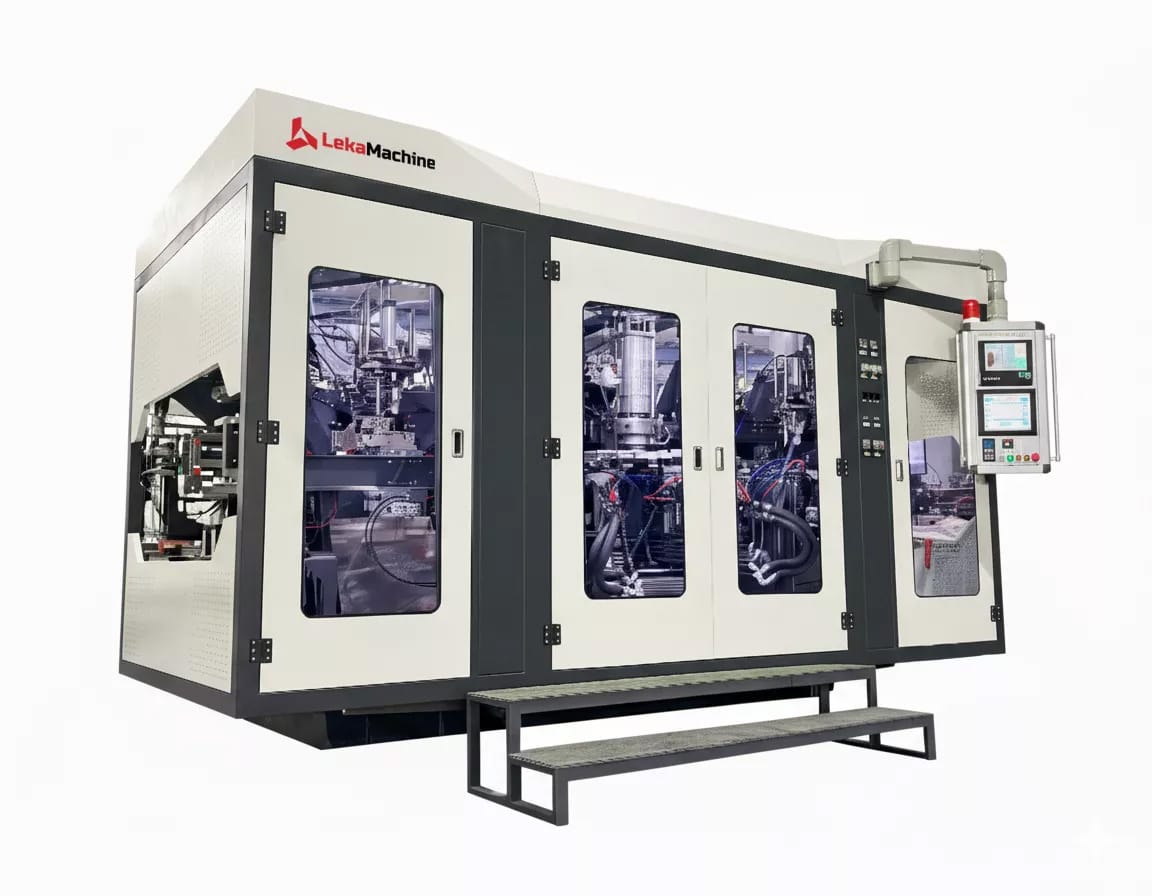
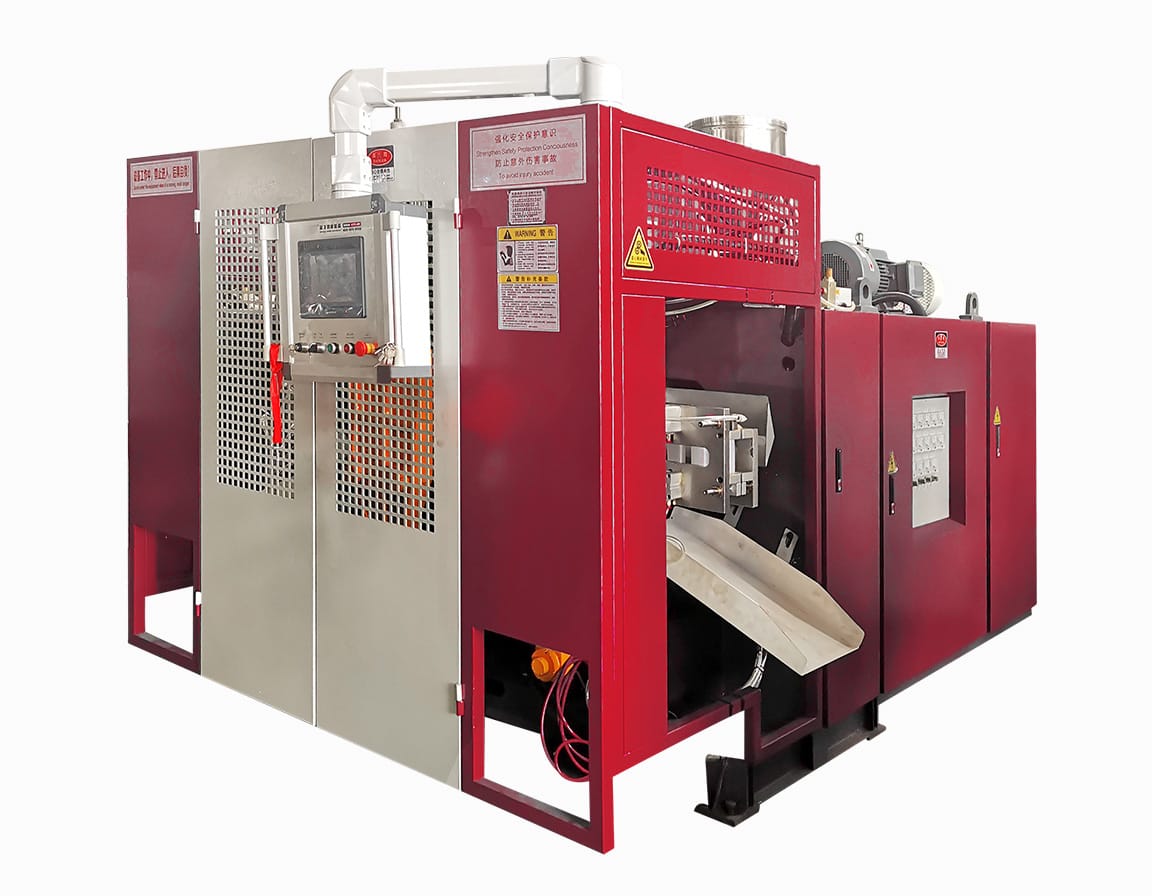
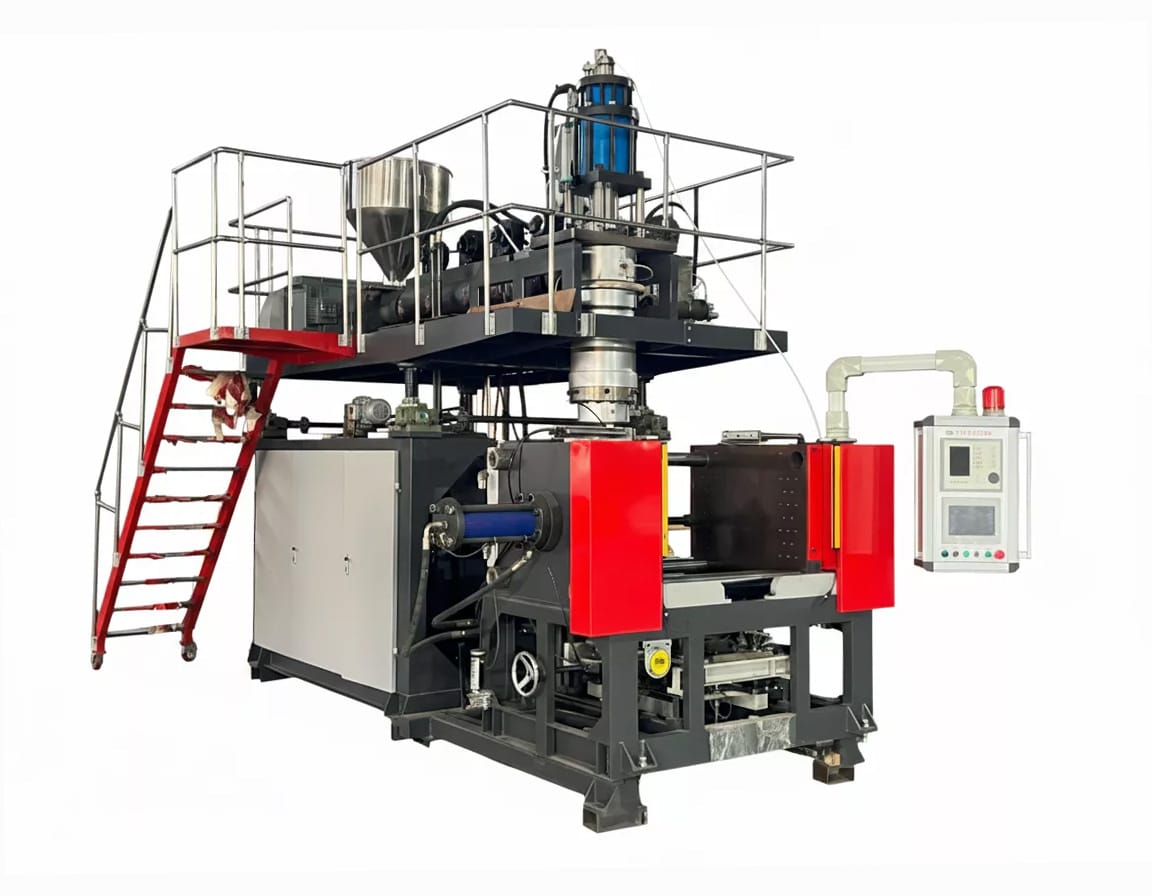
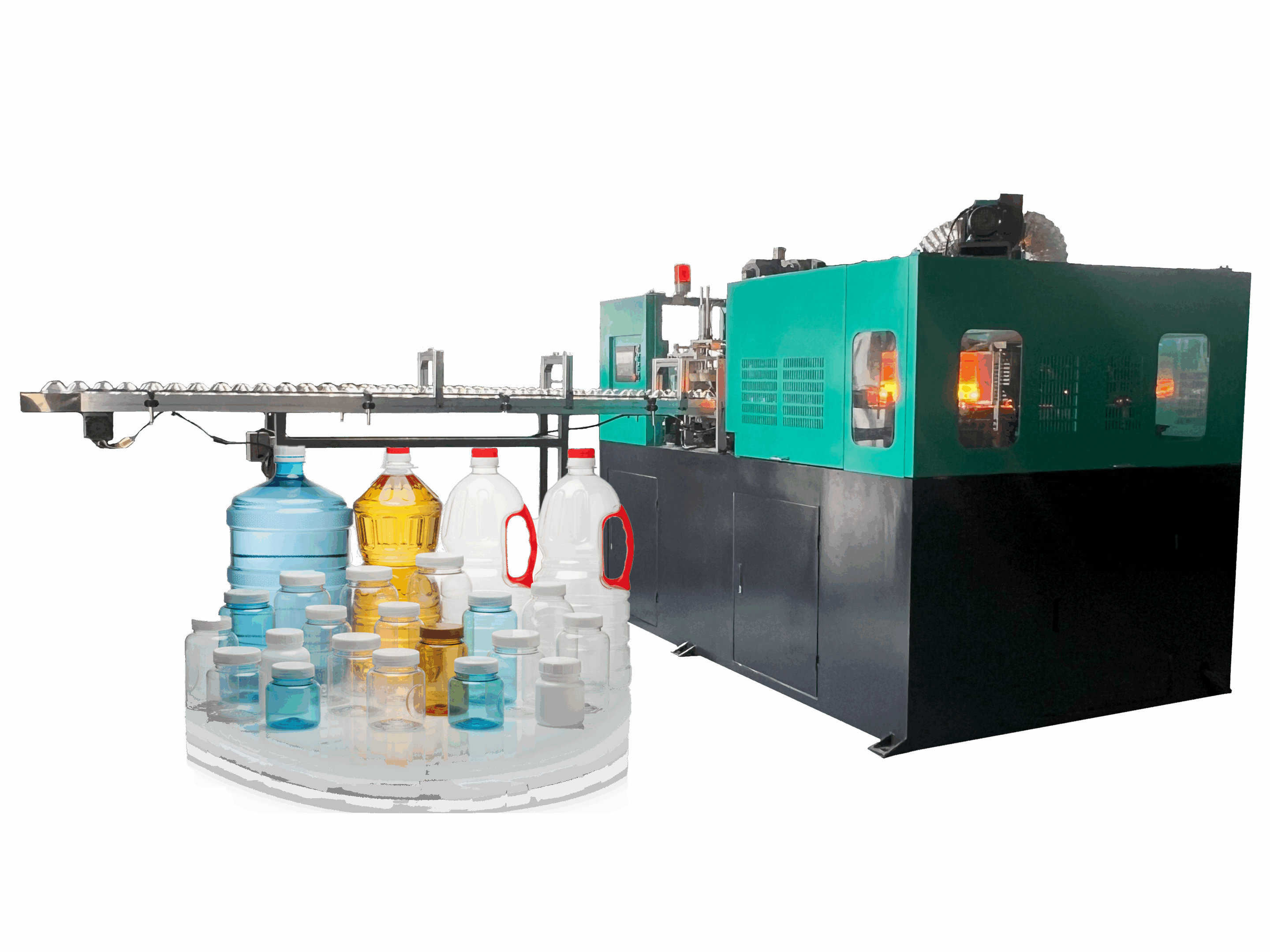
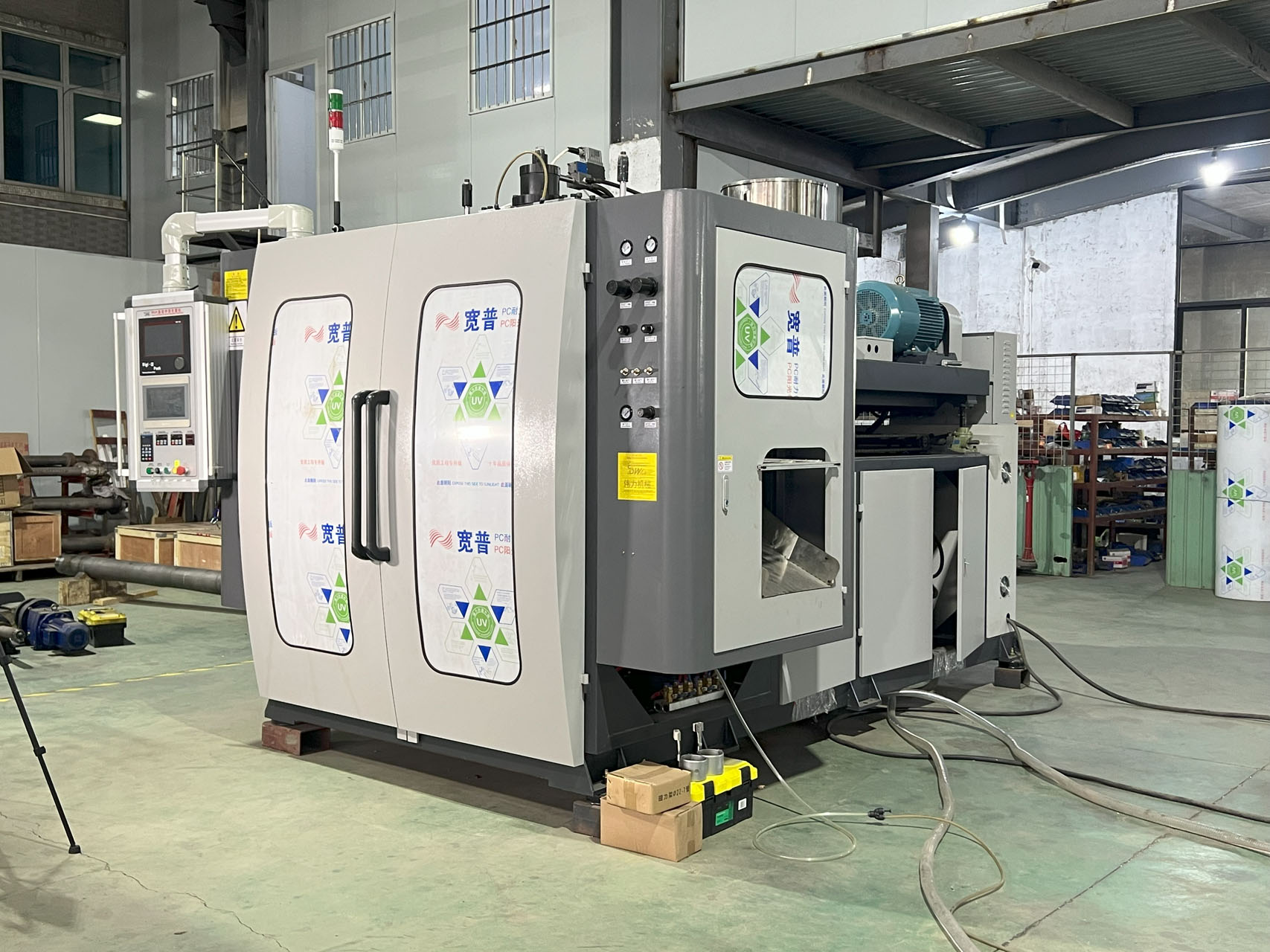
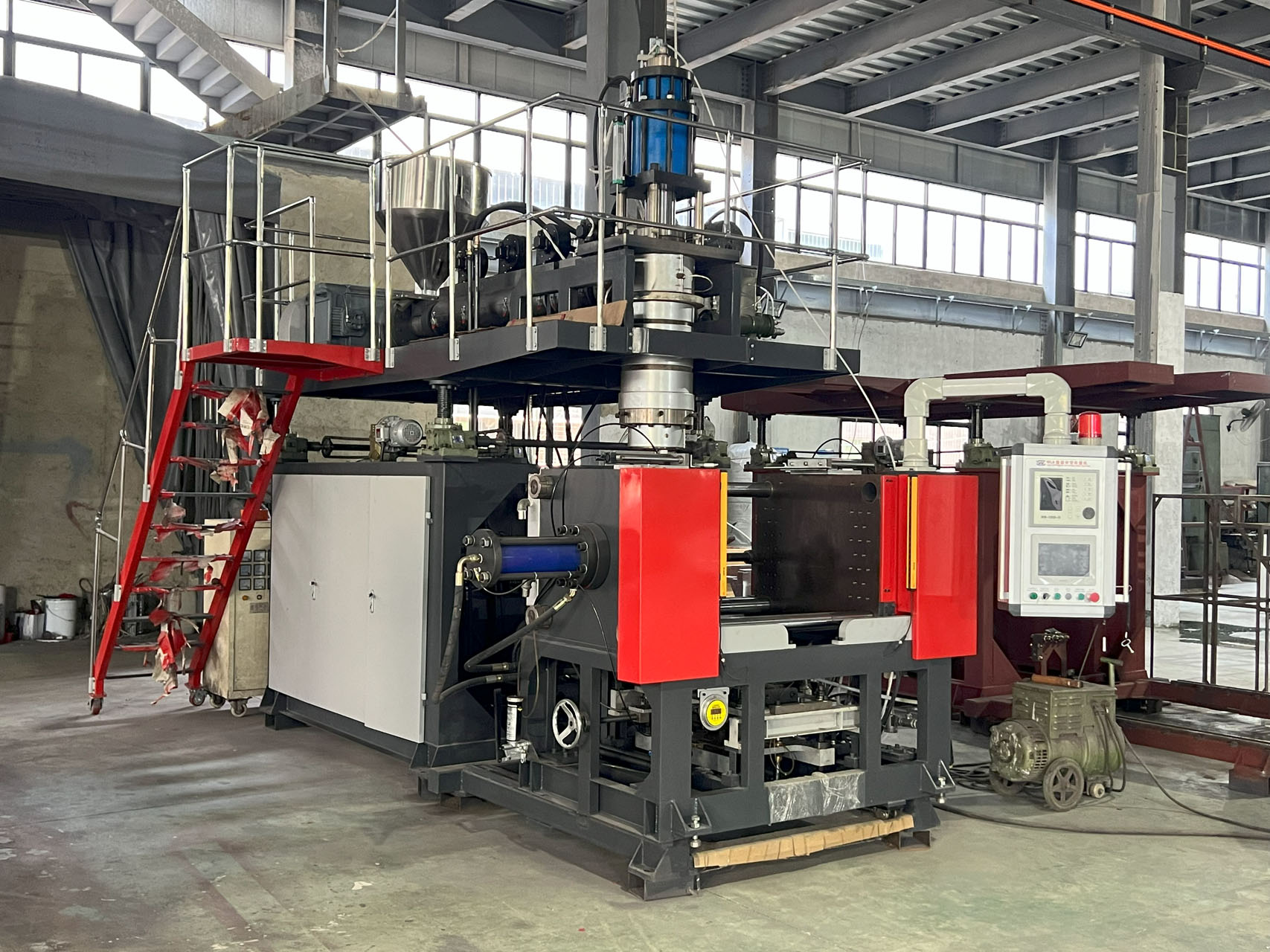
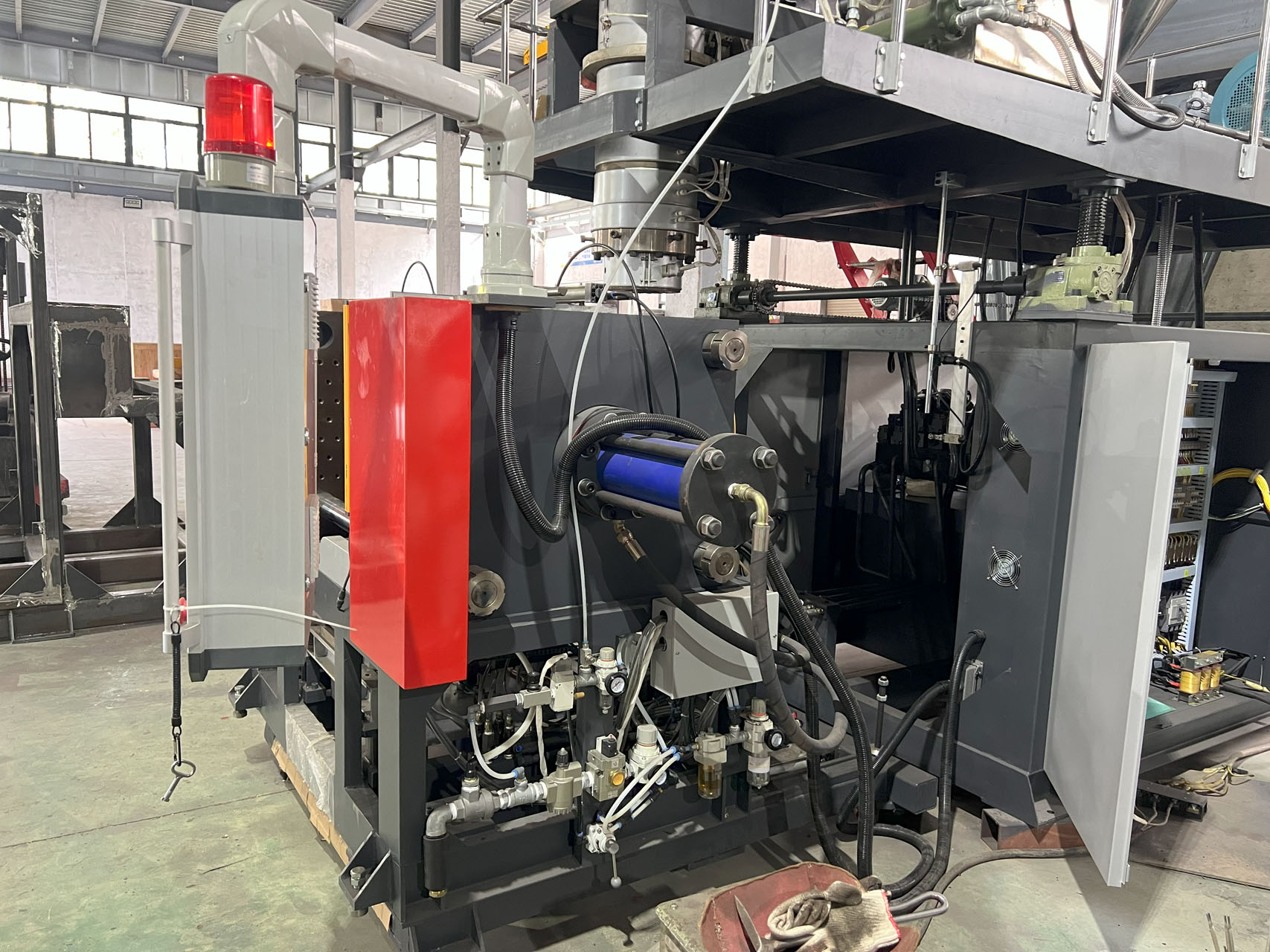
Lekamachine specializes in extrusion blow molding technology for medical applications. Our solutions meet the demanding requirements of pharmaceutical packaging. With over 20 years of experience, we understand the unique challenges of medical plastic molding. Our machines are designed to deliver the precision and cleanliness required in healthcare settings.
Medical Plastic Molding Standards Overview
Industry standards govern every aspect of medical plastic molding. These include material specifications, manufacturing processes, and testing protocols. Compliance ensures products are safe and effective for their intended use. Understanding these standards is essential for manufacturers and healthcare providers alike.
| Malzeme | Common Uses | Sterilization Methods | Anahtar Özellikler | Industry Standards |
|---|---|---|---|---|
| PET | IV bottles, diagnostic kits | Gamma radiation, EtO | Clarity, chemical resistance | USP Class VI, ISO 10993 |
| PP | Syringes, medication cups | Autoclave, steam | Heat resistance, durability | FDA 21 CFR, USP Class VI |
| HDPE | Pharmacy bottles, specimen containers | Gamma radiation | Impact strength, moisture barrier | USP <661>, ISO 15378 |
| PC | Dialysis filters, surgical instruments | EtO, low-temperature plasma | Optical clarity, dimensional stability | ISO 13485, FDA 21 CFR |
| PS | Labware, culture plates | Gamma radiation | Clarity, rigidity | USP Class VI, ISO 10993 |
Cleanroom Standards in Medical Molding
Maintaining proper cleanroom standards is critical for medical plastic molding to ensure sterility and prevent contamination in healthcare products.
Cleanroom environments are essential for medical plastic molding processes. These controlled spaces minimize airborne particles that could compromise product quality. The requirements vary based on the specific application and regulatory standards. Understanding these standards helps manufacturers produce safe, reliable medical devices.
ISO Class 7 vs. Class 8 Cleanrooms
ISO Class 7 and Class 8 cleanrooms serve different purposes in medical plastic molding. Class 8 is suitable for general medical device manufacturing. Class 7 provides stricter controls for sensitive applications like implantable devices. The choice depends on product risk level and regulatory requirements.
Particle Control and Contamination Prevention
Effective particle control begins with proper cleanroom design and maintenance. HEPA filtration systems remove airborne contaminants. Personnel must follow strict gowning procedures and movement protocols. Regular monitoring ensures consistent air quality throughout production.
In-Mold Sterilization Techniques
Advanced in-mold sterilization reduces post-processing steps. Techniques include using antimicrobial additives in materials. Some processes incorporate UV sterilization during molding. These methods help maintain sterility while improving production efficiency.
Case Study: Syringe Production Success
A recent project demonstrated cleanroom standards’ importance in syringe manufacturing. Implementing Class 7 conditions reduced contamination incidents by 92%. This improvement came from upgraded air filtration and enhanced personnel training protocols.
Lekamachine’s Cleanroom Solutions
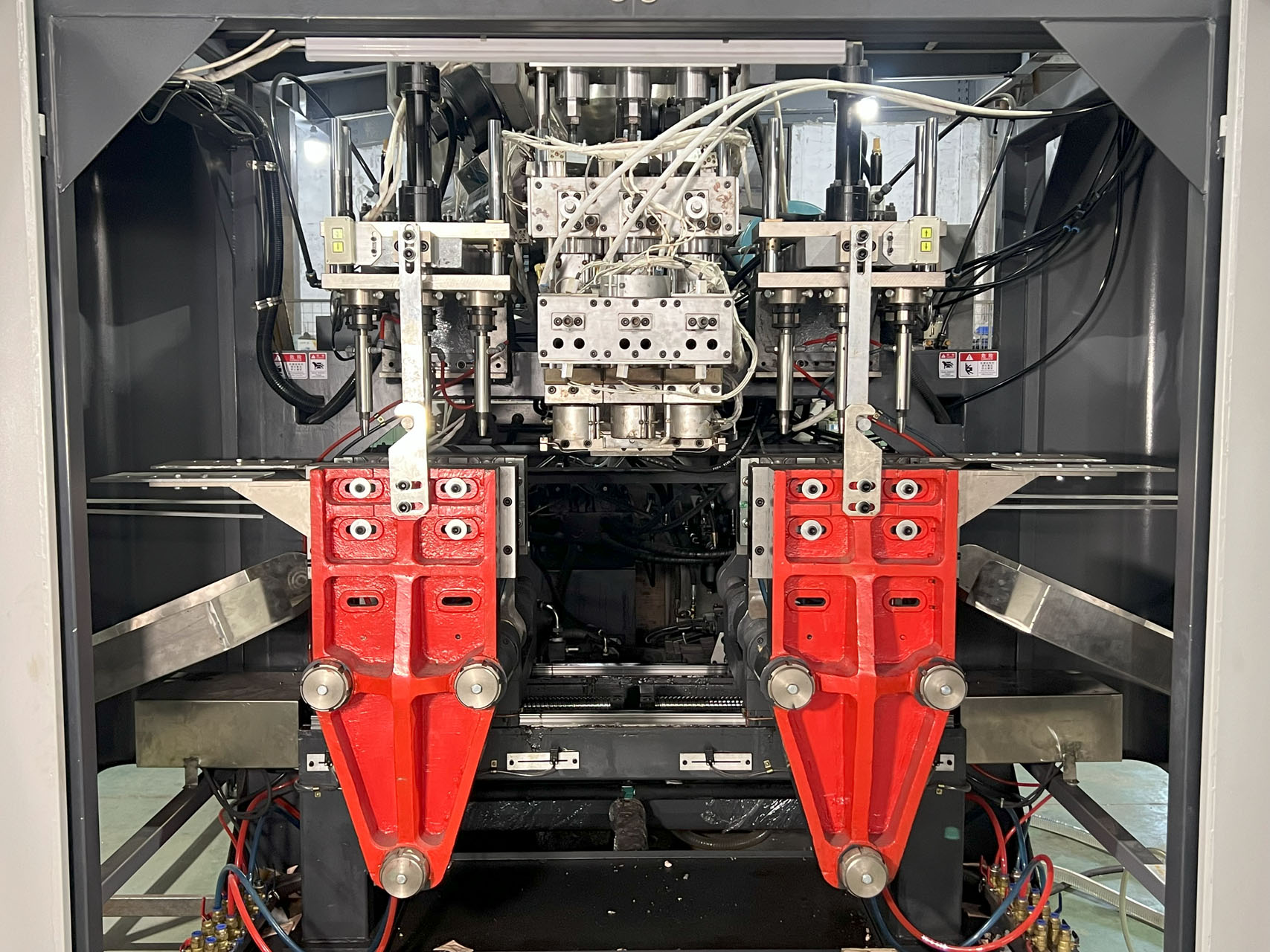
Lekamachine designs blow molding machines specifically for cleanroom environments. Our systems incorporate features to minimize particle generation. This helps clients meet stringent pharmaceutical plastic molding requirements efficiently.
| Cleanroom Class | Particle Count (≥0.5μm) | Tipik Uygulamalar | Required Controls | Certification Standards |
|---|---|---|---|---|
| ISO Class 8 | 3,520,000 per m³ | General medical devices | Basic gowning, airlocks | ISO 14644-1 |
| ISO Class 7 | 352,000 per m³ | Implantables, drug delivery | Full cleanroom suits | ISO 13485 |
| ISO Class 6 | 35,200 per m³ | High-risk implants | Double gowning | FDA cGMP |
| ISO Class 5 | 3,520 per m³ | Aseptic filling | Isolator technology | AB GMP Ek 1 |
| ISO Class 4 | 352 per m³ | Critical components | Restricted access | USP 797 |
Material Selection for Medical Applications
Choosing the right medical-grade plastics requires balancing biocompatibility, performance characteristics, and manufacturing considerations.
Material selection is critical in medical plastic molding to ensure safety and functionality. Medical-grade plastics must meet strict regulatory standards while performing reliably in healthcare applications. This guide helps manufacturers navigate the complex landscape of material options.
USP Class VI vs. ISO 10993 Standards
USP Class VI and ISO 10993 represent different approaches to biocompatibility testing. USP Class VI focuses on extractable substances through in vivo testing. ISO 10993 provides a more comprehensive evaluation of biological effects. Understanding these standards helps ensure regulatory compliance for medical devices.
Material Properties Comparison
PET, PP, and HDPE each offer unique advantages for medical applications. PET provides excellent clarity and chemical resistance. PP offers superior heat resistance for sterilization. HDPE delivers impact strength for durable packaging. The choice depends on specific application requirements.
Specialty Plastics for Implantables
Implantable devices require advanced materials like PEEK or UHMWPE. These specialty plastics offer exceptional biocompatibility and mechanical properties. They withstand long-term exposure to bodily fluids while maintaining structural integrity. Lekamachine’s testing capabilities help verify these materials’ performance.
Manufacturing and Cost Considerations
Material selection directly impacts production processes and costs. Some plastics require specialized molding equipment or processing conditions. Higher-grade materials often command premium pricing but reduce downstream sterilization costs. A thorough evaluation balances upfront and lifecycle expenses.
| Malzeme | Biocompatibility | Sterilization Methods | Tipik Uygulamalar | Cost Index |
|---|---|---|---|---|
| PET | USP Class VI | Gamma, EtO | IV bottles, diagnostic kits | 1.0 |
| PP | ISO 10993 | Autoclave, steam | Syringes, medication cups | 1.2 |
| HDPE | USP Class VI | Gamma | Pharmacy bottles | 0.9 |
| PEEK | ISO 10993 | Steam, plasma | Implants, surgical tools | 8.5 |
| PC | USP Class VI | EtO, radiation | Dialysis components | 2.3 |

Regulatory Compliance Framework
Navigating regulatory compliance is essential for medical plastic molding to ensure product safety and market approval.
The medical plastic molding industry operates under strict regulatory oversight. Compliance ensures patient safety and product effectiveness. Understanding these requirements helps manufacturers avoid costly delays and maintain market access.
FDA 21 CFR Part 820 Requirements
FDA’s Quality System Regulation establishes comprehensive requirements. It covers design controls, production processes, and quality management. Medical device manufacturers must implement these standards throughout product lifecycles.
EU MDR and ISO 13485 Certification
The EU Medical Device Regulation (MDR) replaced previous directives with stricter rules. ISO 13485 provides an international quality management framework. Together they form the basis for European market access.
Documentation and Validation
Comprehensive documentation demonstrates compliance with regulations. Process validation ensures consistent product quality. These records must be maintained throughout the device’s lifecycle.
Traceability Systems
Robust traceability systems track materials through production. This is critical for recalls and quality investigations. Lekamachine designs machines with traceability features to support compliance.
| Regulation | Scope | Temel Gereksinimler | Certification Process | Bakım |
|---|---|---|---|---|
| FDA 21 CFR 820 | US market | QMS, design controls | FDA inspection | Annual audits |
| EU MDR | EU market | Clinical evaluation, PMS | Notified body review | 5-year renewal |
| ISO 13485 | Global | QMS requirements | Certification audit | Surveillance audits |
| GMP | Üretim | Process validation | Facility inspection | Continuous monitoring |
| UDI | Traceability | Unique device identification | System implementation | Database updates |
Pharmaceutical Applications & Future Trends
Medical plastic molding continues to revolutionize pharmaceutical packaging through innovative applications and sustainable material advancements.
The pharmaceutical industry relies heavily on medical plastic molding for critical packaging solutions. These applications range from basic drug containers to complex delivery systems. Recent innovations are pushing the boundaries of functionality and sustainability.
Drug Delivery Systems Evolution
Modern drug delivery systems demand precision medical plastic molding. Inhalers require micron-level accuracy for proper dosing. Auto-injectors need reliable mechanisms for patient safety. Lekamachine’s customized solutions address these specialized requirements.
Safety Packaging Solutions
Tamper-evident and child-resistant features are now standard. These designs prevent accidental ingestion while maintaining accessibility. Medical plastic molding enables complex locking mechanisms without compromising sterility.
Smart Packaging Integration
Emerging smart packaging incorporates sensors directly into molded components. These track dosage history and environmental conditions. Such innovations demonstrate medical plastic molding’s expanding role in patient care.
Sustainable Material Development
The industry is transitioning toward bio-based polymers and recyclable materials. These sustainable alternatives maintain medical-grade performance. Lekamachine’s machines accommodate these evolving material requirements.
| Başvuru | Material Requirements | Key Features | Regulatory Considerations | Gelecek Trendleri |
|---|---|---|---|---|
| Prefilled Syringes | Chemical resistance | Precision dosing | USP <1> compliance | Integrated sensors |
| Inhalers | Low particulate | Aerosol compatibility | FDA 21 CFR 210 | Biodegradable components |
| Blister Packs | Barrier properties | Child resistance | ISO 15378 | Smart indicators |
| IV Containers | Netlik | Sterilite bakımı | USP | Plant-based materials |
| Diagnostic Kits | Dimensional stability | Precision fit | IVDR compliance | Recyclable designs |
Sonuç
After years in the blow molding industry, I’ve seen firsthand how the right machinery can make or break a production line. When it comes to medical packaging, there’s no room for error—precision and sterility aren’t just nice-to-haves, they’re **non-negotiable**.
From cleanroom protocols to material selection, every detail matters. That’s why we’ve built our machines to meet the toughest standards, ensuring they deliver consistent, contamination-free results. Whether it’s PET for IV bottles or PP for syringes, the right equipment keeps patients safe and production running smoothly.
If you’re in the medical molding space, investing in reliable technology isn’t just smart—it’s a **”game-changer”** for quality and compliance. Here’s to safer, more efficient packaging—one precision-molded part at a time.
SSS
Q1: What is medical plastic molding?
A1: Medical plastic molding is a manufacturing process that involves shaping liquefied plastic into different forms to create various medical products. This process allows the plastic to conform to the mold and cool, resulting in high-quality medical devices or components.
Q2: Why is cleanroom molding important in medical applications?
A2: Cleanroom molding is crucial in medical applications to maintain stringent cleanliness standards. It minimizes the risk of contamination, ensuring that medical devices are safe for patient use, particularly when they are implanted or used in sensitive environments.
Q3: What are the benefits of using medical-grade plastics?
A3: Tıbbi sınıf plastikler, biyouyumluluk, dayanıklılık ve sterilizasyon işlemlerine direnç gibi avantajlar sunar. Bu nitelikler, hasta bakımında güvenlik ve etkinliği sağlayarak çeşitli tıbbi cihazlarda kullanımlarını uygun hale getirir.
Q4: How does regulatory compliance affect medical plastic molding?
A4: Tıbbi plastik kalıplamada düzenleyici uygunluk, ürünlerin FDA gibi otoritelerce belirlenen standartları karşılamasını sağlar. Uygunluk, hasta güvenliği ve cihaz etkinliği için hayati önem taşıyan malzeme seçimini, üretim süreçlerini ve kalite kontrolünü doğrudan etkiler.
Q5: What types of medical devices can be created using injection molding?
A5: Enjeksiyon kalıplama, şırıngalar, cerrahi aletler ve teşhis ekipmanları dahil olmak üzere geniş bir tıbbi cihaz yelpazesinin üretiminde kullanılabilir. Bu yöntem, karmaşık geometrileri üretme ve yüksek hacimli üretimde tutarlılık sağlama kabiliyeti nedeniyle tercih edilir.
Q6: What role does biocompatibility play in medical molding?
A6: Tıbbi kalıplamada biyouyumluluk, malzemelerin biyolojik sistemlerle nasıl etkileşime girdiğini belirlemesi nedeniyle esastır. Tıbbi cihazlar, doku veya vücut sıvılarıyla temas ettiğinde olumsuz reaksiyonları önlemek için biyouyumlu malzemeler kullanmalıdır.
Q7: What materials are commonly used in medical plastic molding?
A7: Tıbbi plastik kalıplamada yaygın olarak kullanılan malzemeler arasında polikarbonat, polietilen ve polipropilen bulunur. Bu malzemeler mukavemet, esneklik ve kimyasal sterilizasyona direnç özellikleri nedeniyle tercih edilir.
Q8: How can manufacturers ensure quality in medical plastic molding?
A8: Üreticiler, titiz kalite kontrol önlemleri uygulayarak, standartlaştırılmış süreçler kullanarak ve sektör düzenlemelerine uyumu sürdürerek tıbbi plastik kalıplamada kaliteyi sağlayabilir. Her aşamada kapsamlı denetimler yapmak, güvenlik standartlarının karşılanmasına yardımcı olur.
Dış Bağlantılar
- Tıbbi Plastik Enjeksiyon Kalıplama – Seaskymedical
- Tıbbi Enjeksiyon Kalıplama Genel Bakış: Tıbbi Uygulamalar için Plastik Enjeksiyon Kalıplama
- Tıbbi Cihazlar için Temiz Oda Enjeksiyon Kalıplama – Seaskymedical
- Tıbbi Enjeksiyon Kalıplama Gereksinimleri: 2025 için Kapsamlı Rehber
- Tıbbi Cihaz OEM'ler için Tıbbi Sınıf Plastik Çözümler | Viant
- Tıbbi Enjeksiyon Kalıplama – Springboard Manufacturing
- Tıbbi Cihaz Enjeksiyon Kalıplama Uzmanları – Plastic Molded Concepts
- Güvenilir Tıbbi Enjeksiyon Kalıplama Şirketi | Seaskymedical



0 Yorum