
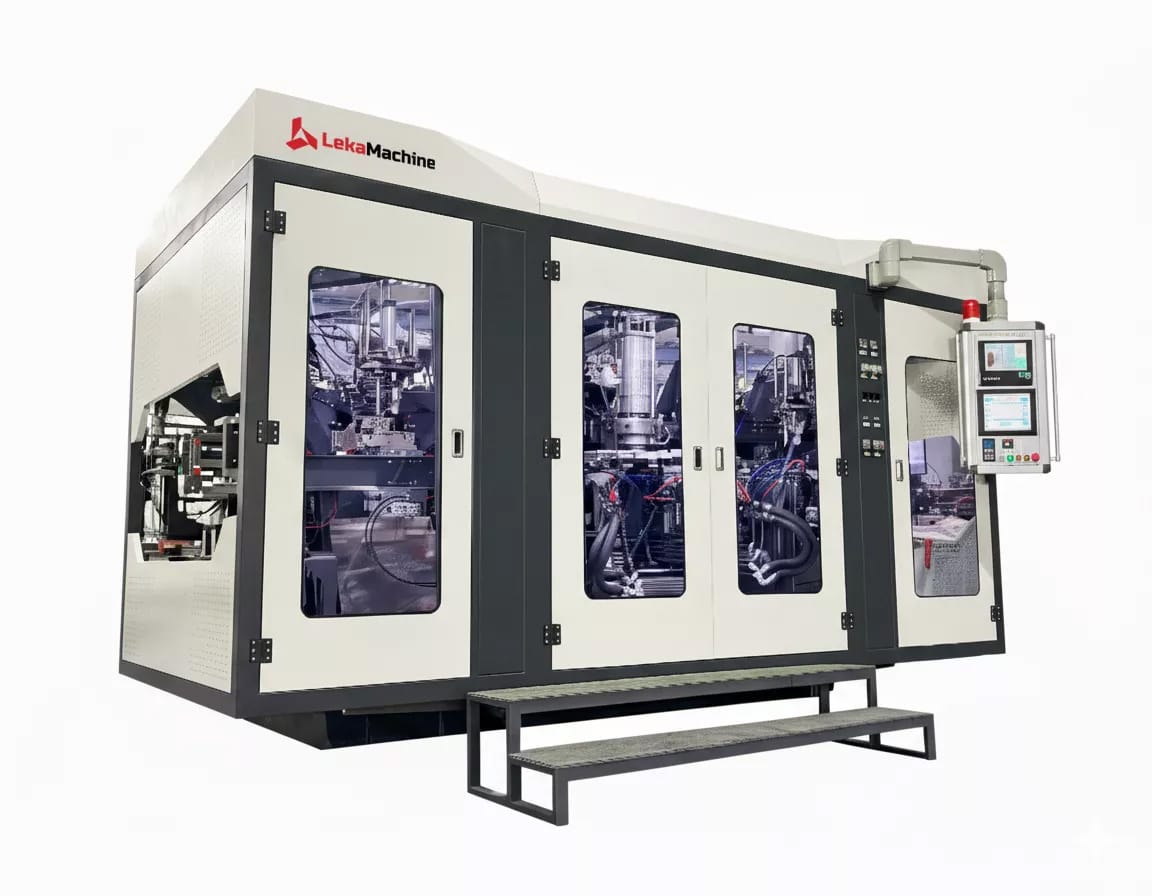
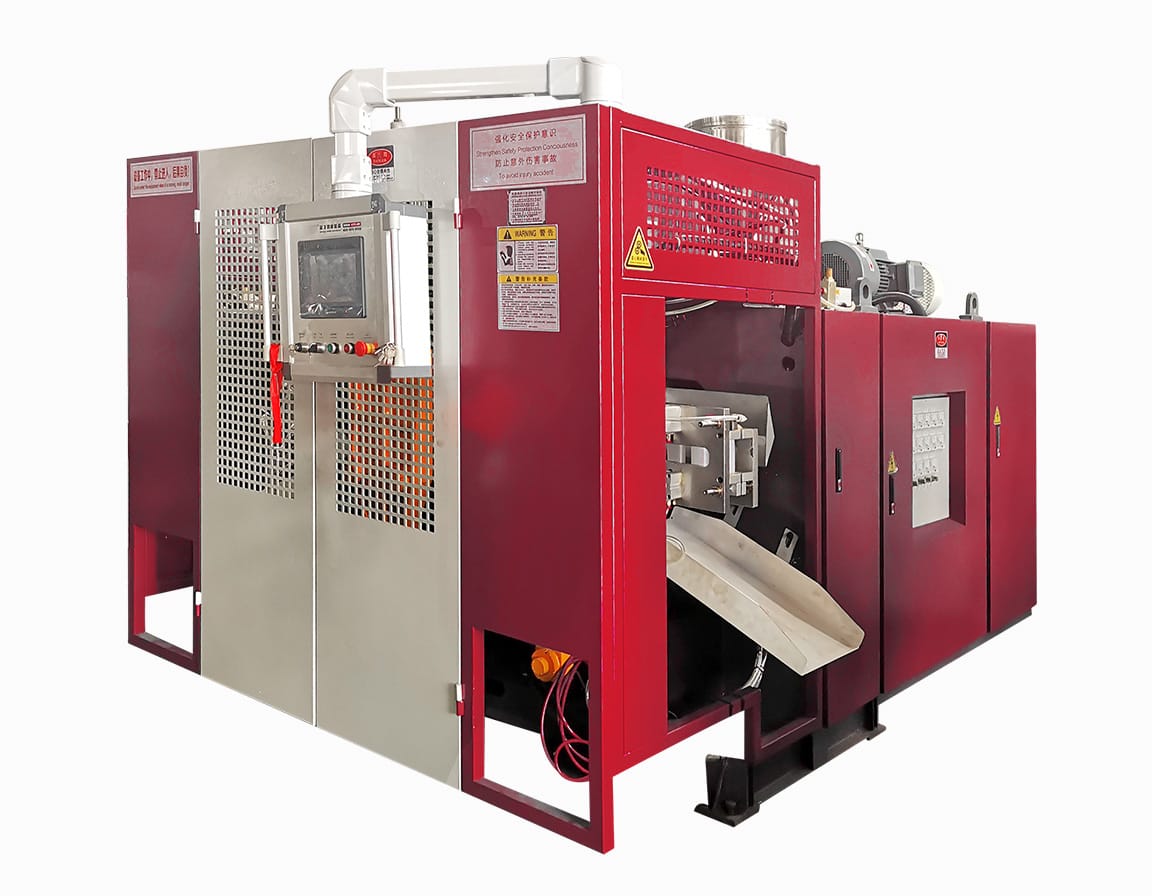
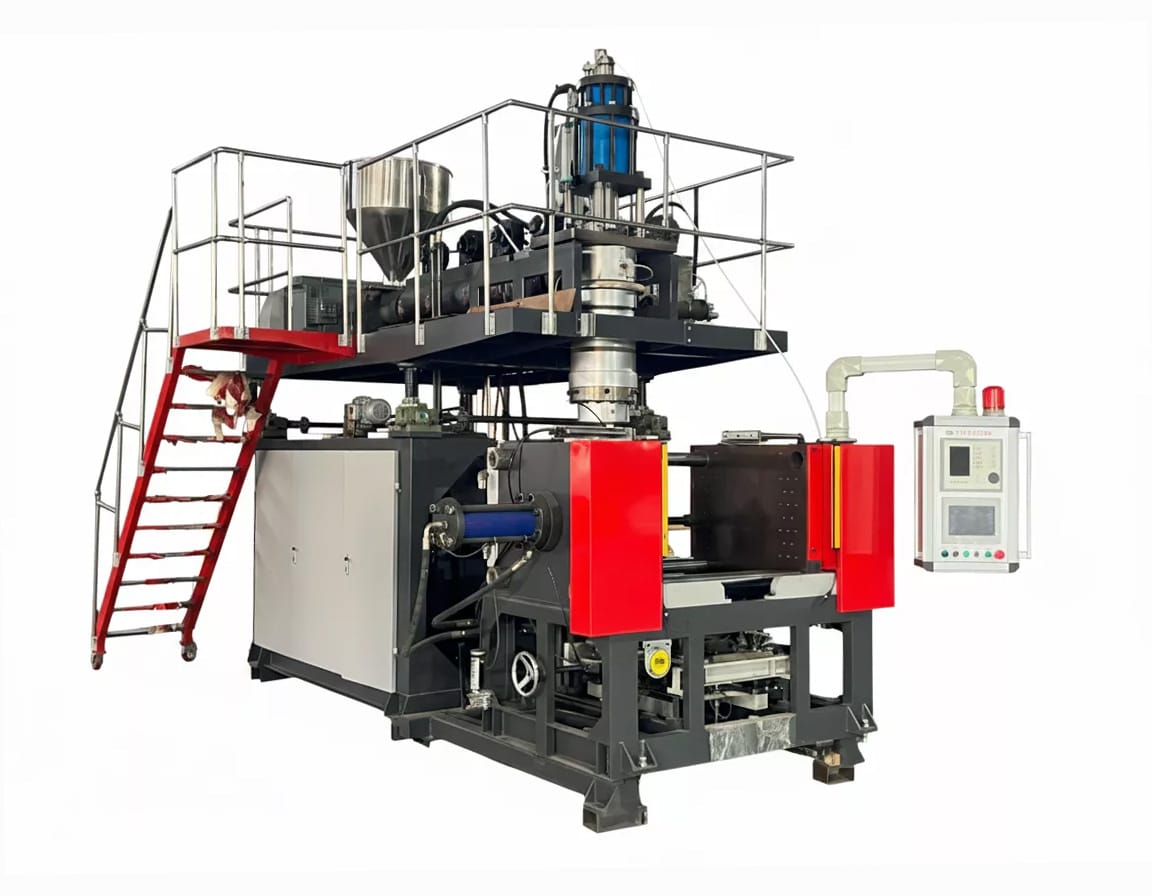
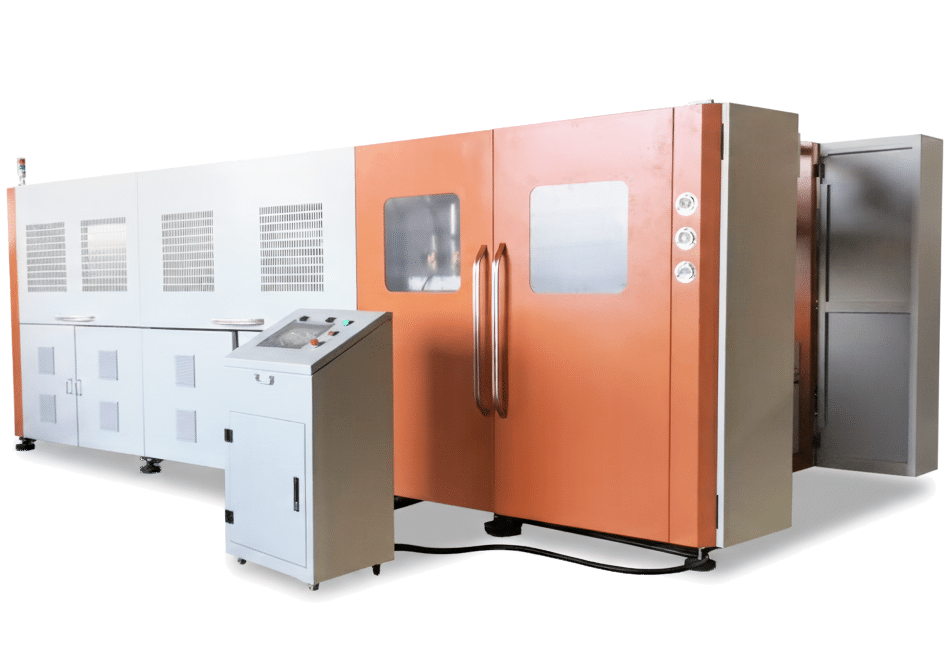
At our facility, we often see customers prioritize the brand of the clamp or extruder motor while overlooking the small sensors that actually control the machine's precision. When a cheap position sensor fails, your entire production line 1 stops just as fast as if the main motor failed. We always advise buyers to look beyond the shiny metal and inspect the electronic "nervous system" of the equipment to ensure long-term reliability.
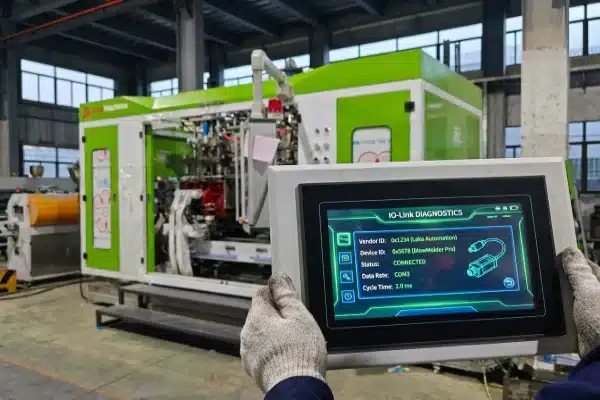
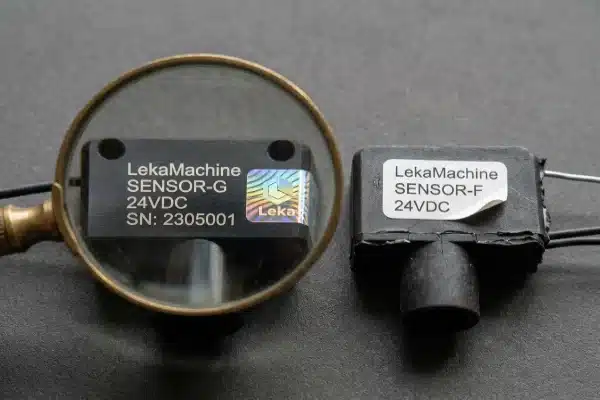
To determine if sensors are from well-known brands, verify the "Vendor ID" via the IO-Link interface on the HMI, which digitally confirms the manufacturer. Additionally, physically inspect the sensor housing for high-resolution QR codes and holographic tamper-evident seals, and cross-reference the installed part numbers against a contractually binding "Approved Vendor List."
Let’s break down exactly how you can audit these components before finalizing your machine purchase.
Will you provide a detailed Bill of Materials listing all sensor brands before I order?
We know how frustrating it is to receive a quote that simply says "European Standard Electronics" without specific details. When we prepare contracts for our international clients, we understand that vague specifications are a major red flag for potential quality issues later on.
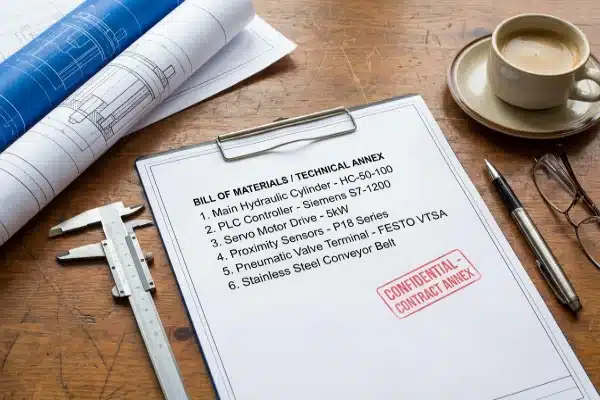
You must insist on a Technical Annex attached to the contract that includes a comprehensive Bill of Materials (BOM). This document should explicitly list the exact manufacturer, model series, and country of origin for every sensor type, legally preventing the supplier from swapping in cheaper generic "equivalents" during the final assembly.
The Importance of the "Approved Vendor List" (AVL)
In the machinery trade, the difference between a high-end machine and a budget one often hides in the Bill of Materials 2 (BOM). A generic BOM allows manufacturers to cut corners significantly. For example, a generic "Inductive Proximity Sensor" might cost $5 from a domestic white-label brand, whereas a genuine Omron or Balluff sensor costs significantly more but offers years of stability.
To protect your investment, you need to mandate an Approved Vendor List (AVL). This is not just a list of parts; it is a binding agreement. When we build a machine, we expect the client to hold us accountable to this list.
Avoiding the "Equivalent" Trap
Suppliers often include a clause stating they can use "equivalent" brands if the primary brand is out of stock. You must define what "equivalent" means. It should be restricted to Tier 1 brands only.
Table 1: Generic vs. Specific BOM Examples
| Bileşen Tipi | Unacceptable Generic Description | Acceptable Specific Description | Why It Matters |
|---|---|---|---|
| Parison Kontrolü | "High-precision linear transducer" | "Gefran (Italy) LT Series Linear Transducer, Model PK-M-0225" | Ensures precise wall thickness control and prevents parison drift. |
| Mold Protection | "Photo-eye sensor" | "Sick (Germany) W12 Series Photoelectric Sensor" | Genuine sensors react faster, preventing mold damage during cycle jams. |
| Safety Logic | "Door safety switch" | "Omron (Japan) D4NS Safety-Door Switch with Key" | Critical for CE compliance and operator safety; cheap switches fail open. |
| Positioning | "Inductive sensor" | "Balluff (Germany) BES Series Inductive Sensor" | Cheap inductive sensors drift with temperature changes, affecting bottle consistency. |
By forcing this level of detail into the contract, you remove the ambiguity that allows for cost-cutting with inferior components. It ensures that the machine you inspect at the factory is the machine you paid for.
Can I specify preferred brands like Omron or Sick for critical position sensors?
Our engineering team frequently adapts our electrical schematics to match the specific supply chains of our customers in Europe and North America. We recognize that having a machine full of obscure components makes maintenance a nightmare for your local technicians.
Yes, reputable machine builders will allow you to specify preferred brands like Omron, Sick, or Keyence for critical sensors. This ensures compatibility with your local spare parts inventory and guarantees that you can source replacements from local distributors without relying on the machine manufacturer for proprietary, overpriced components.

Customization and "OEM-Locked" Parts
One of the biggest hidden costs in blow molding machinery is the "OEM-Locked" component. Some manufacturers use sensors that are custom-coded or modified so that they only work with their specific PLC handshake. This forces you to buy replacements directly from them at a 300% markup.
modern manufacturing 3
When we discuss specifications with clients, we encourage selecting standard commercial model numbers.
Why Standard Numbers Matter
- Availability: If a sensor fails on a Friday night, you can likely find a standard Omron E3Z sensor at a local Grainger, Digi-Key, or RS Components warehouse. An OEM-locked sensor might take weeks to ship from China.
- Price Transparency: You can check the global market price for standard parts, ensuring you aren't being price-gouged on spares.
Critical Sensors to Standardize
There are specific areas in an all-electric extrusion blow molding machine where brand quality is non-negotiable. We recommend focusing your budget on upgrading these specific areas if they aren't already top-tier.
- Parison Wall Thickness Gauge: This dictates your material costs. A cheap sensor here causes weight fluctuation.
- Carriage Movement Linear Scales: In an all-electric machine, the carriage movement must be precise to align the blow pin.
- Mold Protection Eyes: These need to see through dust and oil mist. Cheap sensors get "blinded" easily, causing false alarms or crashes.
The Role of Cables and Connectors
It is not just the sensor; it is the connection. We often see competitors use genuine Sick sensors but connect them with cheap, unshielded hand-soldered wires.
- Ask for M12 Connectors: Demand industry-standard M12 or M8 screw-on connectors (like those from Turck or Murrelektronik).
- Check the Jacket: Look for PUR (Polyurethane) cables, which resist oil and movement better than cheap PVC cables.
How do I verify that the installed sensors are genuine and not counterfeits?
When we calibrate our flight controllers and high-precision drives, we rely on the digital feedback from sensors to be 100% accurate. We have seen instances where counterfeit sensors look identical to the real thing but fail to communicate properly with the main computer system.
servo absolute encoders 4
You can verify authenticity by connecting the machine to the HMI and checking the "IO-Link" data, which displays the electronic signature of the vendor directly from the chip. Furthermore, use the manufacturer’s official smartphone app to scan the QR codes on the sensor housing to validate the serial number against their global database.
Digital vs. Physical Verification Methods
In the era of modern manufacturing, counterfeiting has become sophisticated. A sticker can be faked, but the internal firmware of a sensor is much harder to replicate.
standard Omron E3Z sensor 6
1. IO-Link Digital Handshake
Modern sensors from brands like Keyence, Sick, and Balluff often utilize the IO-Link protocol. This is a digital communication standard (IEC 61131-9).
- How to check: On the machine's control screen (HMI), navigate to the I/O diagnosis page.
- What to look for: The system should display the "Vendor ID" and "Device ID." A genuine sensor will digitally report "SICK AG" or "OMRON Corporation." A counterfeit or dumb analog sensor will often show up as "Unknown Device" or simply fail to provide digital data parameters.
2. Physical Inspection: The Hologram and QR Code
When you are on the factory floor for the FAT (Factory Acceptance Test), take a close look at the sensor housing.
- Laser Etching: Genuine industrial sensors usually have their specs laser-etched into the plastic or metal housing. Fakes often use stick-on labels that peel off with heat.
- Holographic Seals: Brands like Danfoss or Gefran often use tamper-evident holographic stickers on their packaging or the device itself.
- App Verification: Download the official app for the brand (e.g., the SICK Support App). Scan the Data Matrix code on the sensor. If it’s real, the app will instantly pull up the date of manufacture and specs. If it says "Code not found," reject the machine until it is replaced.
Table 2: Signs of Counterfeit vs. Genuine Sensors
| Özellik | Genuine Tier 1 Sensor | Counterfeit / Low-Quality Copy |
|---|---|---|
| Casing Finish | Smooth, high-quality molded plastic; no flash or rough edges. | Rough seams, visible mold lines, or cheap brittle plastic. |
| Labeling | Laser-etched or high-durability print; clear fonts. | Crooked stickers, blurry text, or typos (e.g., "Omrn"). |
| Thermal Drift | Value remains stable as the machine heats up. | "Zero point" drifts significantly after 2 hours of running. |
| LED Indicators | Bright, distinct light (Green/Orange/Red). | Dim light, light bleeding through the plastic casing. |
3. Thermal Drift Test
Counterfeits often use cheap internal components that lack temperature compensation. During your continuous dry-cycle test (running the machine for 4-8 hours), watch the values of the analog sensors (like pressure or position). If the machine is physically stopped but the sensor value slowly climbs or drops as the cabinet heats up, the sensor is likely defective or fake.
What is the warranty coverage for these specific electronic components?
In our experience exporting to the US and Europe, we find that warranty terms 7 are often the most misunderstood part of the contract. Clients assume the "2-Year Warranty" covers everything, but are shocked when a sensor fails in month 7 and they are billed for it.
Standard machine warranties typically cover structural parts for longer periods but often limit electronic sensors to 6 or 12 months under "wear and tear" clauses. You must negotiate to include critical non-contact sensors, like linear transducers and servo encoders, in the main warranty period, as they should not degrade like mechanical consumables.

Navigating Warranty Loopholes
Electronic components are often the first thing a supplier will try to exclude from a warranty claim. They might argue that "unstable power supply" at your factory caused the failure.
electrical schematics 9
"New Old Stock" (NOS) Risks
One sneaky way costs are cut is by using "New Old Stock." These are genuine sensors that have been sitting in a warehouse for 5 to 10 years.
- Risk: Capacitors inside the sensors dry out, and grease in mechanical switches hardens.
- The Fix: Check the Date Code. Most manufacturers stamp a 4-digit code (e.g., "2345" = 45th week of 2023). If you see a code from 2018 on a new machine, demand a replacement. The warranty might technically be valid, but the lifespan is already compromised.
Certificate of Origin (CoO)
For high-value sensor lots, such as the entire servo system or the parison controller, we recommend requiring a Certificate of Origin (CoO) or a Certificate of Conformance.
- This proves the parts were sourced through legitimate channels (authorized distributors) rather than the "grey market."
- Grey market parts often lack a manufacturer warranty. If Omron USA finds out the part was meant for the Chinese domestic market, they may refuse to support you in America.
Table 3: Recommended Warranty Structure for Electronics
| Bileşen Kategorisi | Standard Industry Offer | What You Should Negotiate For | Rationale |
|---|---|---|---|
| Inductive/Photo Sensors | 6 Months (Consumable) | 12 Months + Spare Kit | These are cheap but should last a year if mounted correctly. |
| Servo Motors/Encoders | 12 Months | 24 Months | These are the heart of an all-electric machine and are not "wear" items. |
| Linear Transducers | 12 Months | 24 Months | Non-contact technology should theoretically last indefinitely. |
| HMI/PLC Hardware | 12 Months | 24-36 Months | These are high-value, static components that should not fail early. |
Firmware Version Audits
Finally, for intelligent sensors like servo absolute encoders, check the firmware version via the drive software. "Refurbished" sensors will often carry outdated firmware that causes communication jitter (noise) when paired with the latest generation of drives. Ensuring all sensors are on the current firmware version is a good proxy for ensuring they are factory-fresh.
Sonuç
Verifying sensor authenticity is about protecting your future uptime. By demanding a specific BOM, checking digital signatures via IO-Link, and inspecting physical date codes, you ensure your all-electric machine delivers the precision you paid for.
extruder motor 10
Dipnotlar
1. Manufacturing concept describing the sequence of operations. ↩︎
2. Standard manufacturing document listing all components and sub-assemblies. ↩︎
3. EPA resources regarding environmental and efficiency standards in industrial production. ↩︎
4. International organization responsible for industrial and technical communication standards. ↩︎
5. Official website for a leading global producer of industrial sensors. ↩︎
6. Replaced broken corporate link with stable Wikipedia entry for the manufacturer. ↩︎
7. Legal and business concept central to industrial equipment contracts. ↩︎
8. The specific manufacturing process used to produce hollow plastic parts. ↩︎
9. Technical diagrams used to design and maintain industrial electrical systems. ↩︎
10. Technical term for the primary drive system in electric machinery. ↩︎


0 Yorum