
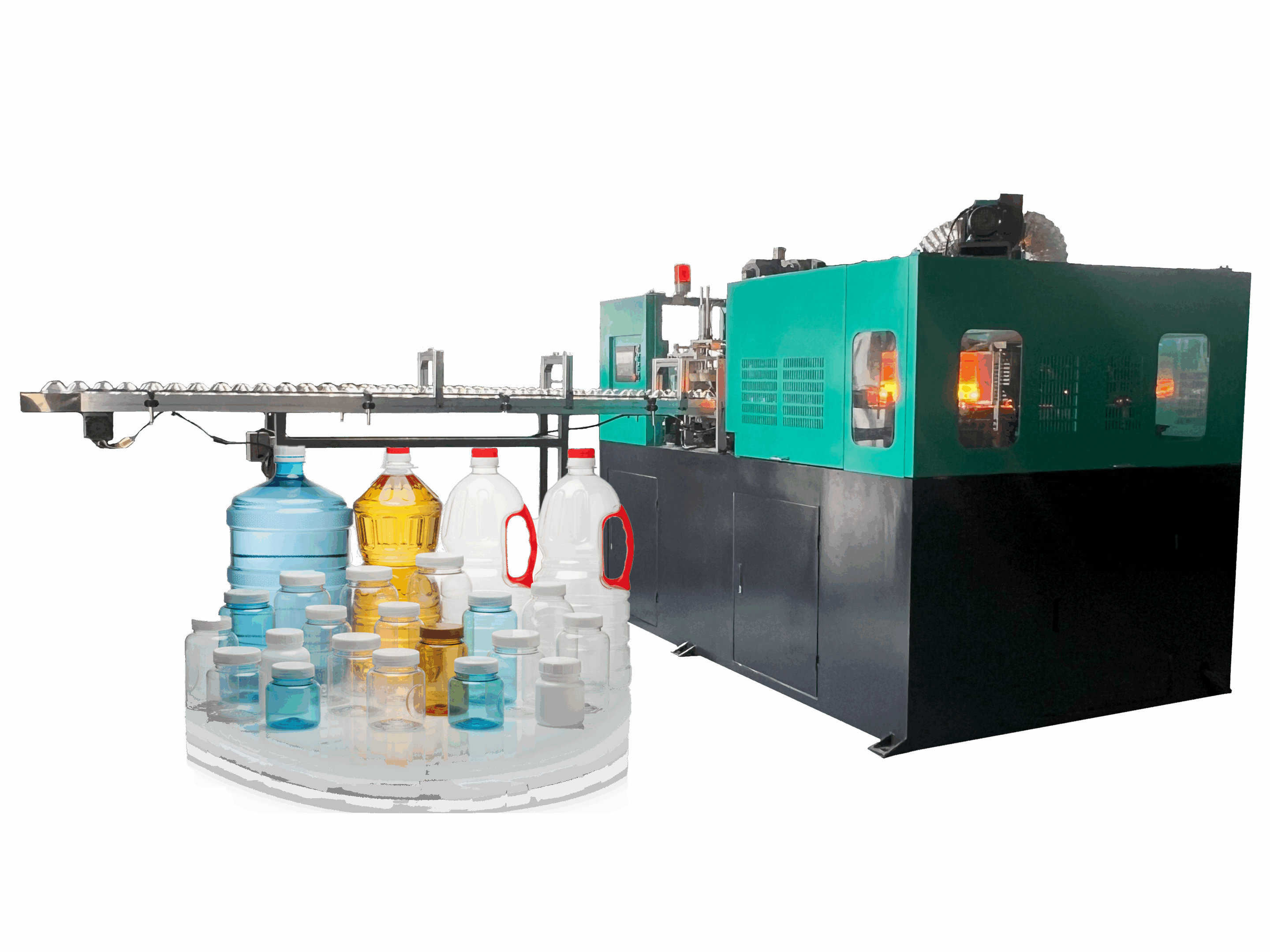
Çin'de Ekstrüzyon Şişirme Kalıplama Ambalaj Makinesi Şirketi Nasıl Seçilir?
Giriş
Çin'de ekstrüzyon şişirme kalıplama ambalaj makinesi üreten bir firma seçmek, fabrikanızın önümüzdeki on yılını şekillendirecektir.
Bu durum, şişelerinizin ne kadar stabil olduğunu, hatlarınızın ne sıklıkla durduğunu ve enerji, hurda ve işçilik maliyetleri de dahil edildiğinde şişe başına gerçek maliyetinizin neye benzediğini etkiler.
Eğer bir OEM şişe fabrikası işletiyorsanız, ambalaj üretimini kendi bünyesine almak isteyen bir markanız varsa, bir kimya tesisiniz varsa veya başkaları için anahtar teslimi üretim hatları kuruyorsanız, bu kılavuz sizin için.
Odak noktası şudur: ekstrüzyon şişirme kalıplama ambalaj makineleri için HDPE ve PP şişeler, bidonlar ve kaplar, ve doğru olanı nasıl seçeceğiniz Çin'de ekstrüzyon şişirme kalıplama makinesi şirketi Sizin durumunuz için.
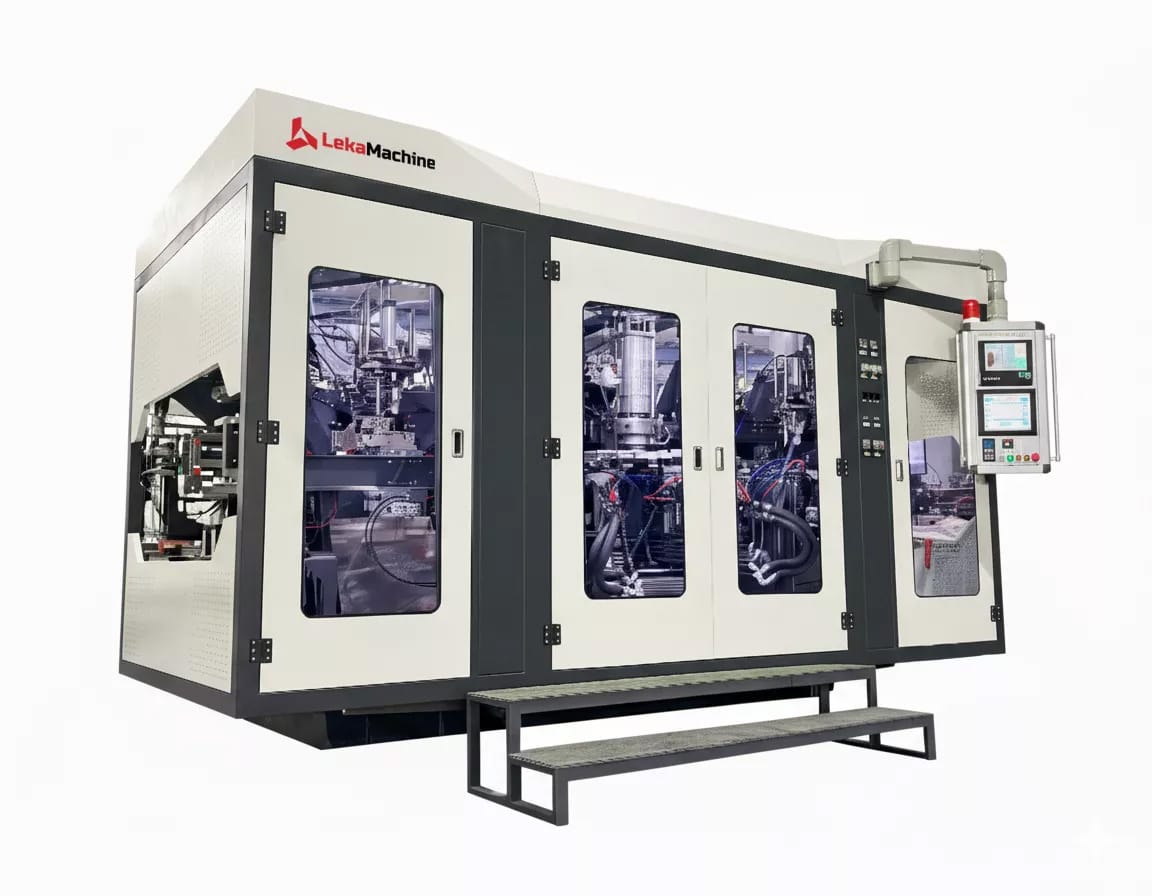
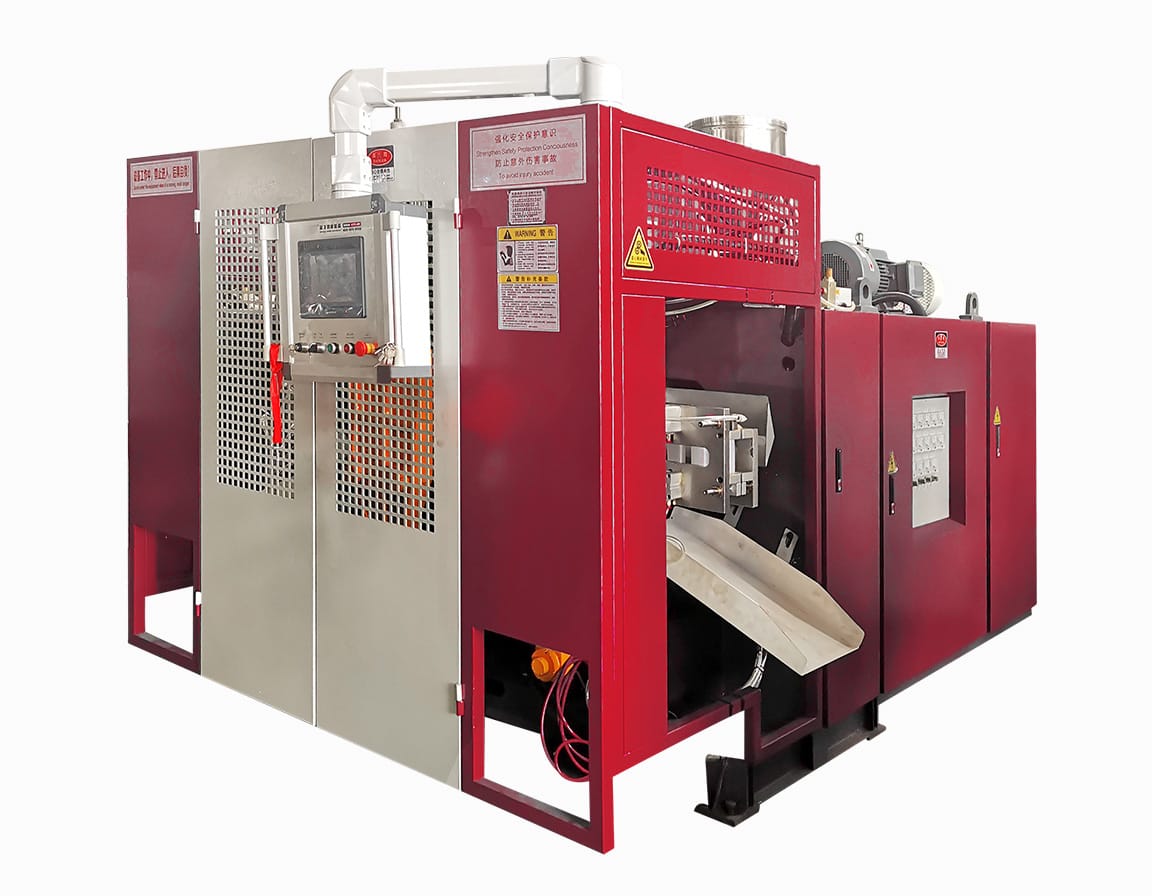
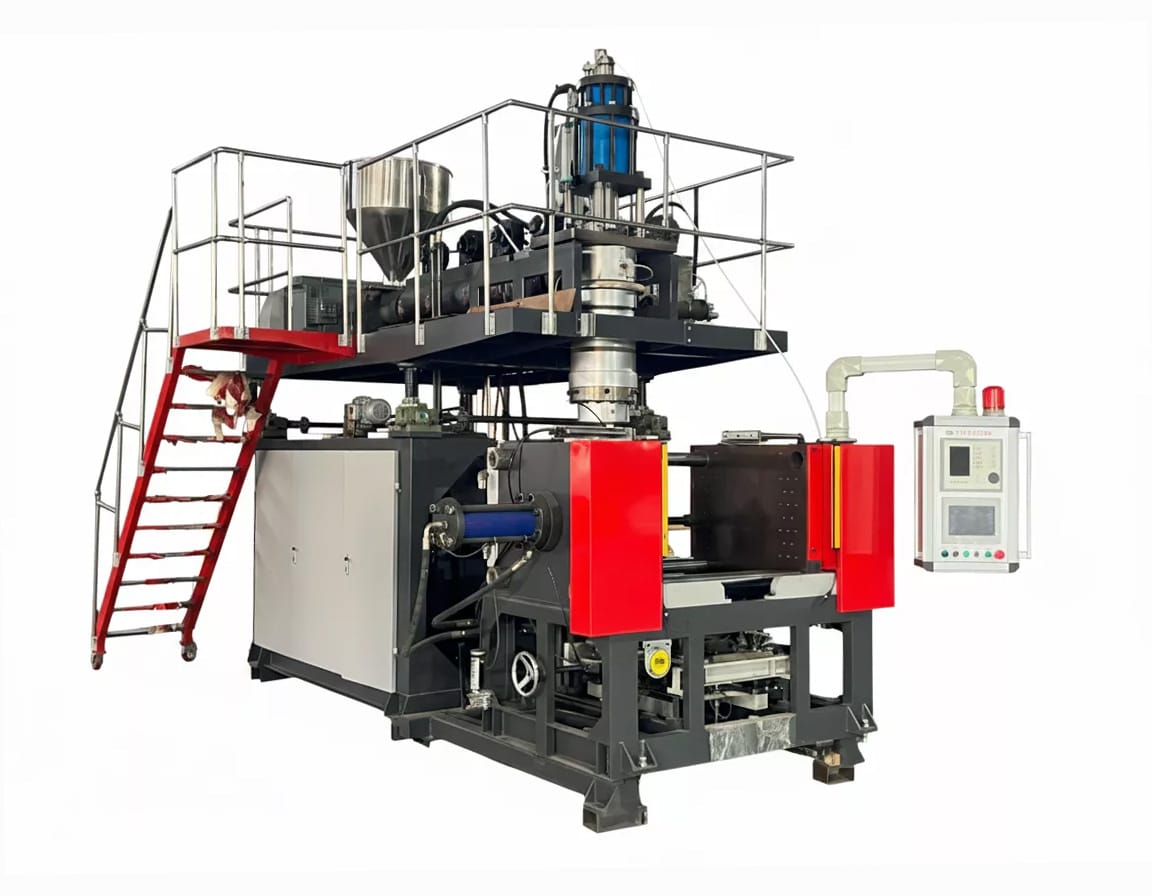
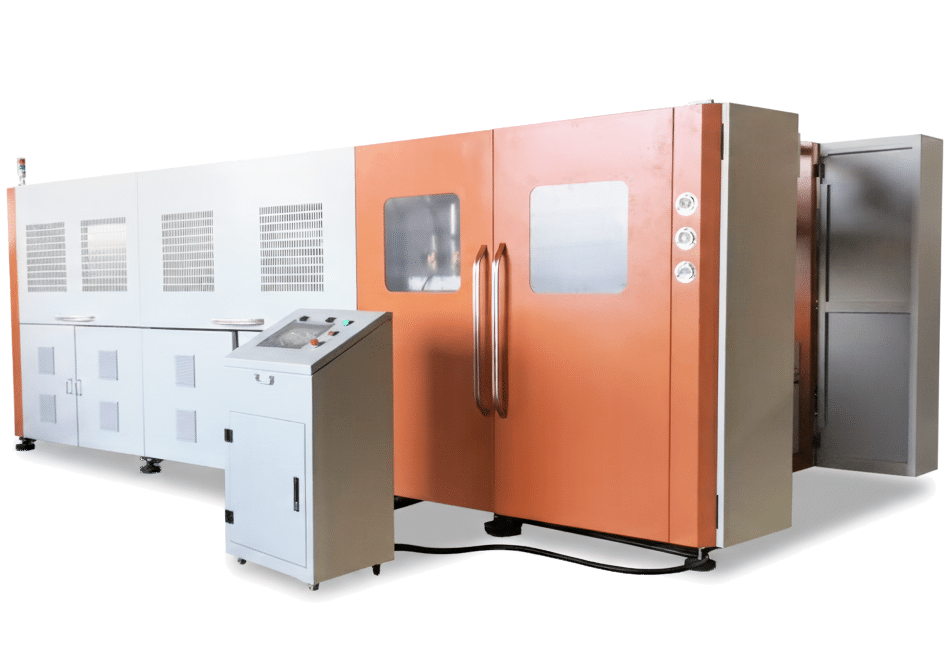
Tipik makine platformlarını sitemizde görebilirsiniz.
ekstrüzyon şişirme kalıplama makineleri sayfası.
Ekstrüzyon Şişirme Kalıplama Ambalaj Makinesi Ne İş Yapar?
Ekstrüzyon şişirme kalıplama karmaşık gibi görünse de, temel fikir basittir.
Peletlerden şişelere, kapalı bir döngü içinde
Tipik bir ekstrüzyon şişirme kalıplama hattında:
- Plastik granüller (genellikle HDPE veya PP) ekstrüderin içine beslenir.
- Vida erir ve plastiği ileri doğru iter.
- Erime sonucu ortaya çıkan malzeme, içi boş bir tüp şeklindedir. parison.
- Kalıp, ön kalıbın etrafını sarar ve içeriye hava üflenir.
- Plastik, oyuğun şeklini alır, soğur, kesilir ve ardından incelenir.
Bir ekstrüzyon şişirme kalıplama ambalaj makinesi Bu sistem, bu döngünün 7/24 istikrarlı kalitede çalışmasını sağlar. Genellikle şunları içerir:
- Ekstrüder ve vida
- Kalıp başlığı (tek katmanlı veya çok katmanlı)
- Sıkıştırma ünitesi ve kalıplar
- Çapak alma ve budama üniteleri
- Sızıntı testi, görsel inceleme ve bazen otomatik paketleme
Diğer şişirme kalıplama süreçleriyle karşılaştırıldığında
Ambalajlama işleminde genellikle üç süreç karşılaştırılır:
- Ekstrüzyon şişirme kalıplama (EBM) – HDPE/PP şişeler ve bidonlar için en uygun; sağlam tutacaklar, görüş şeritleri, çok katmanlı yapılar.
- Germe şişirme kalıplama (SBM) – ağırlıklı olarak PET ve bazı PP şişeler için; yüksek şeffaflık; su, gazlı içecekler ve yemeklik yağlar için yaygın olarak kullanılır.
- Enjeksiyon şişirme kalıplama (IBM) – İlaç şişeleri gibi küçük, hassas şişeler için yaygındır.
LEKA Machine olarak biz şunlara odaklanıyoruz: ekstrüzyon şişirme makineleri ve
tek kademeli germe şişirme kalıplama makineleri. Enjeksiyonlu şişirme kalıplama makineleri tedarik etmiyoruz; burada sadece karşılaştırma noktası olarak kullanılmıştır.
Ekstrüzyon şişirme hatlarında üretilen tipik HDPE/PP ambalajlar
- 100 ml – 5 L ev ve kişisel bakım ürünleri şişeleri (şampuan, deterjan, temizleyiciler)
- 0,5 L – 5 L arası gıda şişeleri (soslar, yemeklik yağ, baharatlar)
- 1 L – 30 L bidonlar ve endüstriyel kimyasal kaplar
- Borular, tanklar ve küçük bidonlar gibi bazı teknik parçalar
Eğer temel ürünleriniz HDPE veya PP şişeler ve bidonlar ise, ekstrüzyon şişirme kalıplama genellikle en pratik ve uygun maliyetli yöntemdir.
Çin'de bir ekstrüzyon şişirme kalıplama makinesi şirketiyle neden çalışmalısınız?
“Her ne pahasına olursa olsun ucuza” yaklaşımı yerine maliyet performansı”
Geçmişte insanlar Çin makinelerinden yalnızca düşük fiyatlı seçenek olarak bahsediyorlardı.
Günümüzde, önde gelen Çinli ekstrüzyon şişirme kalıplama tedarikçileri şunları sunabilir:
- Servo veya yüksek verimli hidrolik sistemler
- Güvenilir kalıp kontrolü ve istikrarlı duvar kalınlığı
- Reçine kilogramı başına makul enerji tüketimi
- Rekabetçi teslim süreleri ve esnek yerleşim planları
Normalde yine de Avrupa'nın önde gelen markalarına göre daha az ödüyorsunuz, ancak performans farkı eskisine kıyasla çok daha az.
Asıl soru "Çin mi, değil mi" değil, Çinli tedarikçinin hangi seviyesi Seçim sizin.
Yoğun ve hızlı bir endüstriyel tedarik zinciri
Parça üreticileri, kalıp atölyeleri ve otomasyon üreticileri birbirine yakın konumda bulunduğundan, Çinli bir ekstrüzyon şişirme kalıplama makinesi şirketi genellikle şunları yapabilir:
- Fabrikanızda sıkıştırma boyutunu, başlığı ve yerleşimi özelleştirin.
- Kalıpları daha hızlı çevirin
- Makineyi, kalıpları, otomasyonu ve yardımcı ekipmanları tek bir paket halinde teslim edin.
Bu, proje sürenizi ve koordinasyon sağlamanız gereken tedarikçi sayısını azaltır.
Çin uygun bir seçenek olduğunda
Çin, genellikle şu durumlarda güçlü bir tercihtir:
- Önümüzdeki birkaç yıl içinde iki ila beş yeni hat döşenmesi planlanıyor.
- Modern performansa ihtiyaç var ama sermaye harcamalarını da yakından takip etmek gerekiyor.
- Enerji verimliliği, esneklik ve fiyat arasında bir denge mi istiyorsunuz?
Politika veya sübvansiyonlar yerel satın almayı zorunlu kılıyorsa veya yalnızca birkaç küresel markanın sunduğu çok özel bir teknolojiye ihtiyacınız varsa, diğer bölgeler daha iyi olabilir.
Bu konuda dürüst olmak, uzun vadeli güven inşa etmenin bir parçasıdır.
Çinli Ekstrüzyon Şişirme Kalıplama Tedarikçilerini Nasıl Değerlendirebilirsiniz?
Sadece belirtilen fiyata bakmak yerine, şunlara da bakın: Alıntının ardındaki hikaye.
Durumunuza uygun proje deneyimi
Şu gibi sorular sorun:
- Yurt dışında kaç adet ekstrüzyon şişirme kalıplama hattı kurdunuz?
- Hangi bölgelerde ve hangi şişe türleri için?
- Benimkine benzer birkaç proje paylaşabilir misiniz?
Ciddi bir tedarikçi, sadece genel katalog resimleri değil, gerçek fabrikaları ve ürün çeşitlerini (SKU'ları) gösterebilir.
Mühendislik derinliği, sadece montaj değil.
İstikrarlı üretim, sağlam bir altyapıdan daha fazlasını gerektirir. Ekibin şunları yapıp yapamayacağını kontrol edin:
- Reçine ve PCR planınız için vida ve başlık tasarımları önerin.
- Hafiflik ve istifleme dayanıklılığı için şişe tasarımını destekleyin.
- Soğutma, çevrim süresi ve sızıntı testi stratejisi konusunda size yardımcı olacağız.
Her şey dışarıdan yaptırılırsa ve ağırlıklı olarak montaj işi yapılırsa, daha sonra ortaya çıkabilecek sorunları çözme yetenekleri sınırlı olacaktır.
Vaatler yerine kanıtlar
İyi tedarikçiler iddialarını şu şekilde desteklerler:
- Gerçek şişeler kullanılarak yapılan FAT (Fabrika Kabul Testi) raporları ve videoları.
- Başlangıç sorununu, çözümünü ve nihai sonucunu açıklayan vaka çalışmaları.
- Belirlenen koşullar altında çıktı, enerji kullanımı ve hurda miktarına ilişkin net dokümantasyon.
"Yüksek hız" veya "düşük enerji" gibi, arkasında herhangi bir sayı veya test koşulu bulunmayan belirsiz ifadelerden kaçının.
İletişim ve proje disiplini
İlk e-postalardan itibaren kültürün bir kısmını hissedebilirsiniz.
- Yapılandırılmış bir teknik anket gönderiyorlar mı?
- Soruları açık ve yazılı olarak yanıtlıyorlar mı?
- Riskleri ve belirsiz noktaları vurguluyorlar mı, yoksa her zaman "sorun yok" mu diyorlar?
Açık iletişim, çoğu zaman proje başarısının, isim levhasındaki isimden daha iyi bir göstergesidir.
Hizmet modeli ve yerel destek
Yurtdışı alıcılar için satış sonrası hizmet küçük bir ayrıntı değildir. Açıklığa kavuşturalım:
- Uzaktan desteklerini nasıl sağlıyorlar?
- Ülkenizde veya bölgenizde yerel ortakları olup olmadığı
- Arızalar için standart müdahale süreleri
- Yedek parça stoğu ve nakliye seçenekleri
Ödeme yapıldıktan sonra da görünür kalacak bir ortak istiyorsunuz.
Hizmet ve uygulama desteğine yaklaşımımızın örnekleri için lütfen ilgili belgelerimize bakın.
Kozmetik, gıda ve endüstriyel ambalajlar için şişirme kalıplama çözümleri.
Çekirdek Ekstrüzyon Şişirme Kalıplama Konfigürasyonları
Teklifleri karşılaştırmadan önce, karşılaştırın. yapılandırmalar. Yanlış yapılandırma, herhangi bir indirimden daha pahalıya mal olacaktır.
Sürekli ekstrüzyon ile akümülatör başlığı karşılaştırması
- Sürekli ekstrüzyon – Ekstrüder sürekli çalışır; daha hızlı döngülerle küçük ve orta boy şişeler için kullanılır.
- Akümülatör başlığı – Erimiş malzeme depolanır ve tek seferde dışarı itilir; büyük variller, tanklar ve ağır parçalar için kullanılır.
5-10 litreye kadar olan çoğu HDPE ve PP şişe ve bidon için sürekli ekstrüzyon standart seçenektir.
Tek istasyonlu makineler mi yoksa çift istasyonlu makineler mi?
- Tek istasyonlu – Tek taraflı sıkıştırma; daha basit ve genellikle daha düşük maliyetli; düşük üretim miktarları veya çok sayıda ürün çeşidi değişikliği için uygundur.
- Çift istasyon – İki sıkıştırma tarafı dönüşümlü olarak çalışır; benzer alan kaplamasıyla daha yüksek verim.
Birçok OEM fabrikası, yüksek hacimli ürünler için çift istasyonlu makineleri, geliştirme veya niş ürünler için ise tek istasyonlu makineleri tercih etmektedir.
Çürükler ve merkez mesafesi
Daha fazla çürük, döngü başına daha fazla biberon anlamına gelir, ancak bunun yanı sıra:
- Daha yüksek kalıp maliyeti
- Daha zorlu soğutma
- Parison dengesi üzerinde daha sıkı kontrol
Bu merkez mesafesi Şişe genişliğine, kesme aletlerine ve sızıntı test cihazlarına uygun olmalıdır. İyi bir tedarikçi, şişe boyutunuz için pratik sınırların nerede olduğunu size dürüstçe söyleyecektir.
Tek katmanlı ve çok katmanlı yapılar
- Tek katmanlı – Standart HDPE/PP şişeler ve bidonlar; işlenmesi ve geri dönüştürülmesi daha kolay.
- Çok katmanlı – Tarım kimyasalları, yakıt veya hassas gıdalar için bariyer yapılar ve geri dönüştürülmüş çekirdekli ve bakir iç/dış katmanlara sahip PCR yapılar.
Eğer PCR veya bariyer yapıları yol haritanızda yer alıyorsa, çok katmanlı kapasiteyi baştan tasarlamak genellikle daha ucuzdur.
Makinenin etrafındaki otomasyon modülleri
Modern ekstrüzyon şişirme kalıplama ambalaj makineleri genellikle şunları içerir:
- Boyun ve kuyruk tüylerinin kesilmesi
- Sızıntı testi
- Flaş, kısa çekim veya deformasyon açısından görsel inceleme
- Torbalara veya kutulara otomatik paketleme
Makine ve otomasyon entegrasyonundan sorumlu tek bir şirketin olması, belirsizlikleri ve suçlamaları azaltır.
Ambalaj uygulamanıza uygun makine tipini seçme
Gıda ve içecek ambalajları
Süt, meyve suyu, sos ve yemeklik yağ için kullanılan HDPE şişeler için gerekenler:
- Kapaklar ve contalar için sağlam boyunlar
- Sade tasarım ve kolay temizlik imkanı.
- Yüksek ve tekrarlanabilir çıktı
Bu genellikle sürekli ekstrüzyon, çok boşluklu başlıklar ve iyi tasarlanmış soğutma anlamına gelir.
Ev ve kişisel bakım
Şampuan, temizleyici, el sabunu ve kozmetik ürünler için genellikle şunlara dikkat edersiniz:
- Şişe estetiği ve yüzey kalitesi
- Tek bir platformda birden fazla şekil ve hacim.
- Pompa ve püskürtücüler için hassas boyun bağlantıları.
Burada esnek sıkıştırma ve akıllı kalıp değiştirme konseptleri, aşırı hızdan daha önemli olabilir.
Endüstriyel ve kimyasal kaplar
Madeni yağlar, tarım kimyasalları ve diğer endüstriyel ürünler şunlara ihtiyaç duyar:
- Sağlam, istiflenebilir tasarımlar
- Güvenilir tutacaklar
- Gerektiği yerlerde bariyer performansı için çok katmanlı yapılar.
Bu sektörde sızıntı testleri ve bazen BM onaylı tasarımlar kritik öneme sahiptir.
Büyük konteynerler ve variller
Büyük variller ve tanklar için, şuraya geçersiniz: akümülatör başlığı Şu özelliklere sahip makineler:
- Yüksek sıkıştırma kuvveti
- Uzun vuruş
- Ağır hizmet tipi kalıplar
Çin'deki her ekstrüzyon şişirme kalıplama makinesi şirketi bu alana odaklanmıyor, bu nedenle hedefiniz buysa referansları dikkatlice kontrol edin.
Reçine seçenekleri ve vida tasarımı
Reçine planınız (saf HDPE, PP, PCR karışımları veya biyolojik bazlı malzemeler) doğrudan şunları etkiler:
- Vida geometrisi ve L/D oranı
- Kafa tasarımı ve akış kanalları
- Gerçek çıktı ve çevrim süresi
Eğer bir tedarikçi PCR içeriği, erime akış indeksi veya reçine kaynağı hakkında hiç soru sormuyorsa, projenize yeterince derinlemesine yaklaşmıyor demektir.
Çinli bir tedarikçiyle yürütülen bir projenin nasıl göründüğüne dair bir örnek.
Yapılandırılmış bir proje akışı, bir tedarikçinin ne yaptığını bildiğinin en iyi işaretlerinden biridir.
Adım 1: İlk temas ve veri toplama
Aşağıdakileri kapsayan teknik bir anketle karşılaşmayı beklemelisiniz:
- Şişe çizimleri veya örnekleri
- Günlük ve yıllık üretim hedefleri
- Reçine türü ve PCR planı
- Mevcut elektrik, hava, su ve fabrika alanı
Bu, tahmine dayalı çalışmalardan kaçınmanıza ve gerçekliğinize uygun tasarımlar yapmanıza yardımcı olur.
Adım 2: Konsept ve fiyat teklifi
Verilerinize göre şunları almanız bekleniyor:
- Önerilen bir makine konfigürasyonu
- Kalıp ve otomasyon konsepti
- Fabrikanız için yerleşim planı çizimi.
- Ayrıntılı fiyat teklifi
İyi ortaklar, bu aşamada açık soruları ve riskleri gizlemek yerine, bunları ortaya çıkarırlar.
3. Adım: Detaylı tasarım ve kalıp yapımı
Sipariş onaylandıktan sonra, iş genellikle şunları içerir:
- Şişe ve kalıp çizimlerinin son halinin verilmesi
- Gerekirse soğutma ve duvar kalınlığının simülasyonu.
- Kalıp imalatı ve makine montajı
Özellikle Çin'deki ilk projeniz ise, düzenli olarak ilerleme güncellemeleri almalısınız.
Adım 4: Fabrika Kabul Testi (FAT)
Sevkiyat öncesinde, Çin'deki uygun bir FAT (Fabrika Kabul Testi) şu testleri yapmalıdır:
- Şişe başına saat ve döngü süresi bilgileri, şişenizin veya benzer bir şişenin üzerinde yer almaktadır.
- Şişe ağırlığı, duvar kalınlığı dağılımı ve sızıntı oranı
- Belirli koşullar altında enerji kullanımı
- Emniyet koruyucularının, alarmların ve kilitleme sistemlerinin işlevi
Bu noktalar, her iki tarafça imzalanmış bir FAT raporunda belgelenmelidir.
Adım 5: Sevkiyat, kurulum ve Saha Kabul Testi (SAT)
Yağdan sonra:
- Makine, kararlaştırılan Incoterms şartlarına uygun olarak paketlenip sevk edilir.
- Tesisinizdeki kurulum, tedarikçi veya yerel bir ortak tarafından denetlenir.
- SAT testi, reçineniz ve operatörlerinizle birlikte temel FAT kontrollerini tekrarlar.
Projenin tamamen kabul edilmiş sayılması için SAT değerlendirmesinin yapılması gerekmektedir.
Adım 6: Yoğunlaşma ve eğitim
İlk 90 gün çok kritik.
- Operatörler ve bakım personeli eğitime ihtiyaç duyuyor.
- Tarifler, farklı ürün çeşitlerine (SKU'lara) göre ayarlanmalıdır.
- Erken aşamada ortaya çıkan sorunlar hızla ele alınmalıdır.
Tedarikçinin bu ilk aylar için net bir planı varsa, uzun vadeli riskiniz önemli ölçüde azalır.
Kalite, Uyumluluk ve Güvenlik
Tasarım ve bileşen seçimleri
Boyanın ve kaplamaların ötesine bakın.
- Bağlantı çubuklarında ve plakalarda hangi çelik kaliteleri kullanılır?
- PLC, HMI, sürücüler, vanalar ve sensörler için hangi markalar kullanılır?
- Yedek parçalar standart mı ve dünya çapında bulunabiliyor mu?
İyi tasarlanmış bir makinenin 10-15 yıl boyunca bakımı daha kolaydır.
Sertifikalar ve dokümanlar
İhracat projeleri için şunları talep etmelisiniz:
- İlgili durumlarda CE uygunluk belgeleri
- Varsa ISO sertifikaları.
- Elektrik ve pnömatik şemaları
- Önerilen yedek parça listesi ve yağlama programı
Düzgün dokümantasyon, ödediğiniz ücretin bir parçasıdır.
Gıda ve ilaç uygulamaları
Eğer üretim hattı gıda veya ilaç ambalajı üretiyorsa, dikkatlice kontrol edin:
- Toz birikmesini önleyen ölü alanları en aza indiren yerleşim planı.
- Yağlama bölgelerinin ürün alanlarından ayrılması
- Gerektiğinde gıda sınıfı yağlayıcılar kullanılmalıdır.
Tasarım ilkesi olarak güvenlik
Makineyi sanki kendi güvenlik denetçinizmiş gibi inceleyin:
- Hareketli parçalar koruma altında mı?
- Kapılar kilitli mi?
- Acil durdurma düğmeleri belirgin bir şekilde yerleştirilmiş ve kolayca ulaşılabilir mi?
İyi bir güvenlik tasarımı, tedarikçinin sadece satış broşürünü değil, günlük operatörlerinizi de düşündüğünü gösterir.
Enerji, PCR ve Dijitalleşme
Kilogram başına enerjinin önemi
Birçok alıntı yalnızca "saatte şişe sayısı"nı vurgular.
Gerçek hayatta, kWh/kg Bu da aynı derecede önemli, çünkü enerji, şişe başına maliyetinizin büyük bir bölümünü oluşturuyor.
Çin'deki iyi bir ekstrüzyon şişirme kalıplama ambalaj makinesi şirketi şunları yapacaktır:
- Net test koşulları altında gerçekçi enerji rakamlarını paylaşın.
- Explain which options lower energy use (servo systems, insulation, optimized screw)
- Help you estimate yearly energy savings in local currency
Processing PCR and recycled materials
More brand owners now push for PCR and rHDPE. This affects how you set up the line:
- Screw and barrel design must handle variable melt quality
- Multi-layer heads can hide color or smell of PCR in the core layer
- Parison control must be tuned carefully to keep wall thickness stable
Ask for real PCR projects and honest limits. Clear limits are more useful than perfect promises.
Data visibility and connectivity
Your next line should not be a black box. It should be able to:
- Share production data with your MES or ERP
- Record output, energy consumption, and reject rates
- Provide basic remote diagnostics to the supplier’s service team
Simple and reliable data flows help you keep lines stable and improve performance over time.
Bütçeleme ve Toplam Sahip Olma Maliyeti
What a full line usually includes
When you compare quotations from different extrusion blow molding machine companies in China, make sure you compare the same package:
- Machine body (extruder, head, clamp)
- Molds and neck tooling
- Automation (deflashing, leak test, vision, packing)
- Auxiliaries (chiller, air compressor, dryer, conveyors)
A cheaper machine with weak automation or missing auxiliaries is not really cheaper at line level.
Hidden costs to watch out for
Beyond the purchase price, think about:
- Energy consumption
- Average mold change time
- Number of operators per line
- Spare parts pricing and logistics
- Downtime during the first year
These factors will decide your real cost per bottle much more than a small discount on machine price.
Building a simple ROI model
A good supplier should help you build a simple payback model using:
- Energy savings vs your current line
- Scrap reduction
- Labor savings from automation
- Extra saleable production capacity
Many buyers target payback within about three years, but the exact number should be based on your own cost structure.
Sık Karşılaşılan Riskler ve Bunlarla Nasıl Baş Edilir
Misunderstood scope
Risk: bottle range, change-part concept, or resin spec is not fully aligned.
Düzeltmek: use signed technical datasheets, 2D/3D drawings, and written scope documents.
“Catalog numbers” versus real performance
Risk: quotation shows aggressive bottles/hour or energy numbers that are not realistic.
Düzeltmek: tie performance to FAT and SAT results, with defined bottle, resin, and test method.
Intellectual property concerns
Risk: your custom bottle design appears somewhere else.
Düzeltmek: NDAs, clear IP clauses, and working with partners that have a reputation to protect.
After-sales gaps
Risk: slow responses and delayed spare parts.
Düzeltmek: agree upfront on support channels, response times, and basic spare-part stocking.
Karar Vermeden Önce Hızlı Kontrol Listesi
Your internal preparation
- We know our bottle roadmap and main SKUs.
- We know our resin and PCR plan for the next 3–5 years.
- We have a target budget and expected payback period.
Supplier fit
- They have real references in our industry and bottle size range.
- They shared clear FAT/SAT concepts and are open to testing.
- They explained their service and spare parts model for our region.
Technical clarity
- Configuration (layers, cavities, stations) matches our roadmap.
- Energy and output numbers are realistic and written into the contract.
- Daily operation, cleaning, and mold changes are practical for our team.
If you can tick most of these boxes, you are likely working with a serious partner.
Sıkça Sorulan Sorular: Çin'den Ekstrüzyon Şişirme Kalıplama Makineleri Satın Alma
Are Chinese extrusion blow molding machines suitable for 24/7 production?
Yes, when you choose a supplier with proven export projects and proper engineering. Many lines run three shifts per day with normal preventive maintenance.
How long from purchase order to first good bottle?
For a standard line with custom molds, a rough range is 4–6 months, depending on bottle complexity, mold count, and shipping time.
What does a complete extrusion blow molding line from China usually cost?
Cost depends heavily on bottle size, output, layer count, and automation. A simple single-station line with basic automation is much cheaper than a high-output, multi-layer, fully automated system. Always compare quotations line by line, not just the final number.
Can Chinese lines process PCR and bio-based resins?
Many modern lines can handle PCR and some bio-based materials if screw, head, and process settings are designed for them. Always ask for real PCR references and tested limits.
How does remote support work if I am overseas?
Serious suppliers provide remote diagnostics, online training, and guidance by video, and may work with local partners who can visit your factory if needed. These points should be clear in your contract.
LEKA Makinesi ve Yazarı Hakkında
LEKA Machine
LEKA Machine is a China-based manufacturer focused on:
- Extrusion blow molding machines for HDPE and PP bottles, jerrycans, and containers
- Single-stage stretch blow molding machines for PET and PP bottles
Our lines serve converters and brand owners in:
- Food and beverage
- Cosmetics and personal care
- Household cleaning
- Industrial and chemical packaging
Within the extrusion portfolio, ranges such as the
FORMA serisi and our other platforms are designed for flexible, customizable HDPE and PP projects.
You can find an overview of industries and applications on our
solutions page.
About the author
My name is Slany Cheuang, Technical Sales Manager at LEKA Machine. I have spent around 12 years working with extrusion blow molding and stretch blow molding projects for cosmetics, food, pharma, and industrial containers.
Most of my work is done inside real factories, next to real machines, with engineers and owners who cannot afford long downtime.
If you are considering a new line or replacing older equipment, you can share your bottle drawings, expected volumes, and resin plan.
From there we can map a suitable machine configuration, a realistic energy and output target, and a step-by-step project path from first discussion to first good bottle.
The goal is simple: help you choose the right extrusion blow molding packaging machine company in China with clear information and lower risk, whether you eventually work with us or not.


0 Yorum