
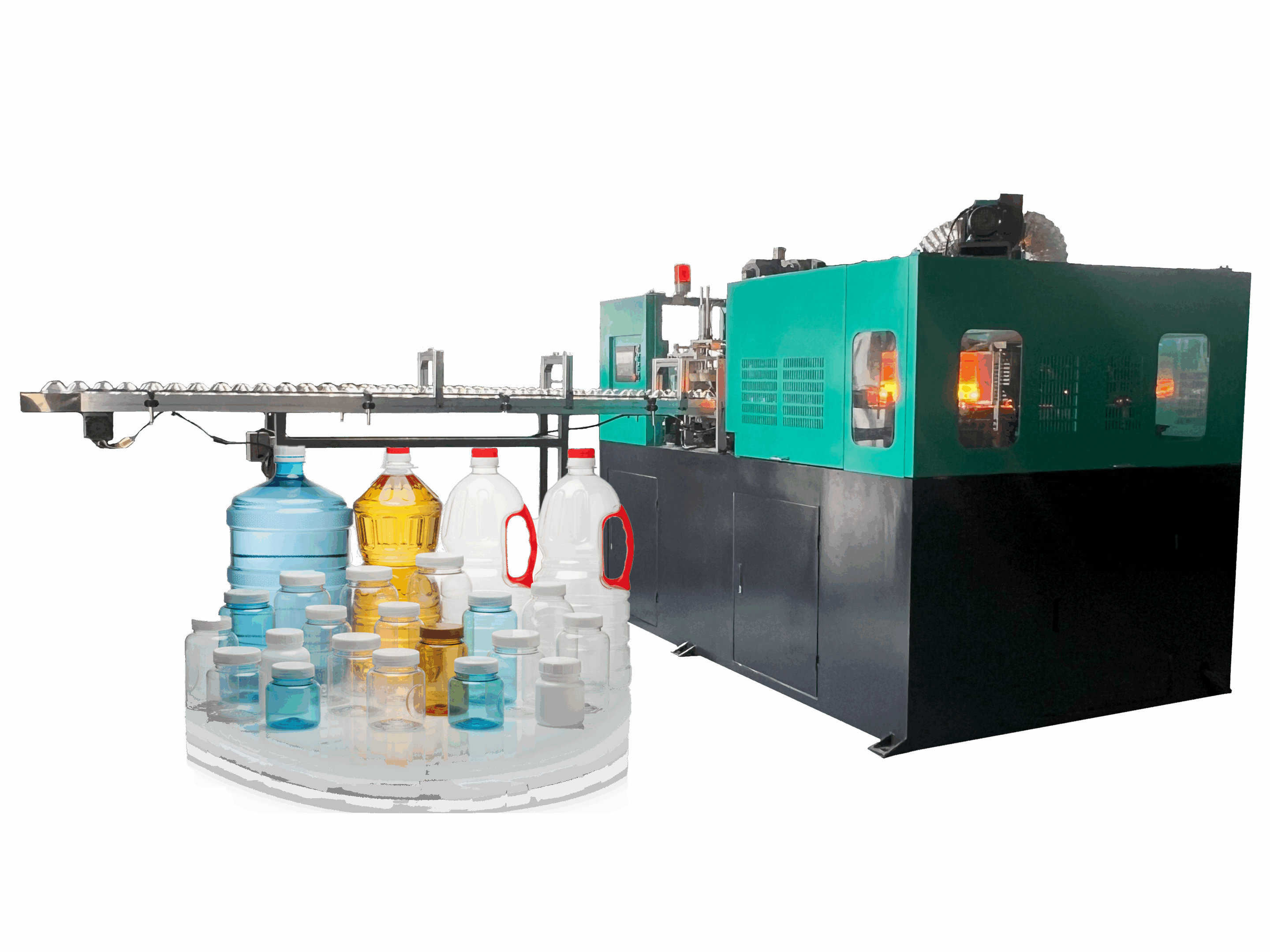
How should I evaluate the performance of the all-electric extrusion blow molding machine under different ambient temperatures?
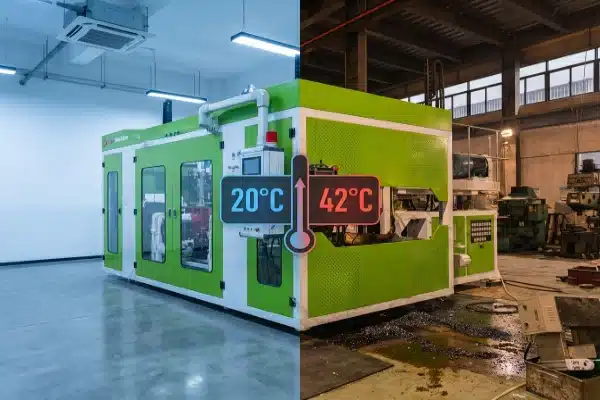
At our facility in Guangdong, we often run stress tests during the peak of summer to see how our machines behave when the mercury rises. We know that a machine calibrated in a cool, air-conditioned showroom behaves very differently when placed in a factory without climate control. If you ignore the impact of ambient temperature, you risk facing mysterious shutdowns, inconsistent bottle weights, and frustrating scrap rates that eat into your profit margins.
To accurately evaluate performance, you must verify the machine’s thermal management capabilities, specifically checking for an industrial cabinet air conditioner for environments over 35°C and requesting the servo motor derating curve. Additionally, ensure the system includes automatic parison length control and feed throat cooling logic to handle viscosity changes caused by daily temperature swings.
The following sections detail the specific thermal checks you need to perform before signing a contract.
How does the machine manage heat dissipation for the servo drives in hot climates?
When we design electrical cabinets for clients in high-temperature regions like Southeast Asia, we treat heat as the primary enemy of electronic components. We have seen standard fans fail to keep up with the heat generated during rapid cycles, leading to sudden machine stoppages that operators cannot explain.
The machine manages heat by using sealed loop cooling systems with positive pressure to keep out dust and by mounting regenerative braking resistors externally. In hot climates, this prevents internal heat saturation within the electrical cabinet, ensuring the servo drives operate within their safe thermal limits without triggering overheat alarms.
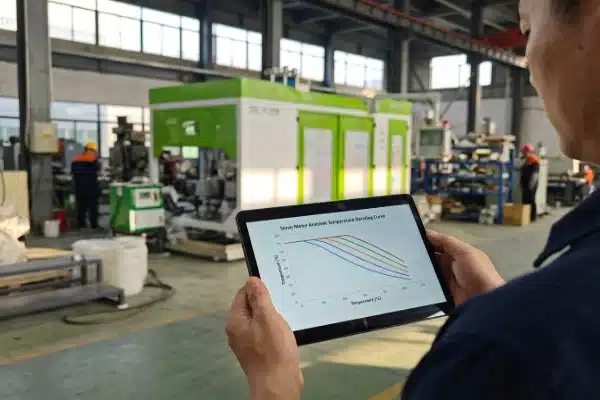
To understand why this matters, you must look inside the "brain" of your blow molding machine. Servo drives are efficient, but they generate significant heat, especially during the braking phase of the carriage movement.
The Danger of Internal Resistors
In many budget machines, manufacturers install Regenerative Braking Resistors inside the electrical cabinet to save money on enclosure costs. These resistors dissipate the energy created when the heavy clamping unit stops moving. If these are located inside, they act like a heater, raising the internal temperature rapidly. We strongly advise inspecting the machine design to confirm these resistors are mounted externally or on top of the cabinet. This simple design choice prevents internal heat saturation that degrades the lifespan of your PLC and drive controllers.
Positive Pressure and Sealed Loops
In hot environments, operators often make a fatal mistake: they open the cabinet doors to "let the machine breathe." This introduces conductive dust to high-voltage components, leading to short circuits. A proper system uses Sealed Loop Cooling. This design keeps the internal air separate from the dirty factory air. Furthermore, the cabinet should maintain positive pressure. This means if there is a tiny leak, clean air pushes out rather than dirty air being sucked in.
Cooling Method Comparison
| Cooling Method | Ambient Temp Limit | Risk Level | Recommended Environment |
|---|---|---|---|
| Standard Filter Fans | Up to 30°C (86°F) | Yüksek | Cool, clean, air-conditioned labs only. |
| Heat Exchangers | Up to 35°C (95°F) | Orta | Standard factories with good ventilation. |
| Active Air Conditioning | Over 35°C (95°F) | Düşük | Hot, humid, or non-ventilated factories. |
Do I need to upgrade the electrical cabinet cooling system for my factory’s temperature?
We frequently review layout plans for customers where the ambient temperature near the ceiling—where the machine heat rises—can exceed 40°C. In our experience, relying on standard cooling specifications in these conditions is a recipe for torque overload alarms during the clamping phase.
You must upgrade to an integrated Industrial Cabinet Air Conditioner if your factory environment consistently exceeds 35°C (95°F) to prevent thermal shutdowns. Standard filter fans cannot cool below the ambient air temperature, meaning they will fail to protect sensitive electronics once the surrounding air becomes too hot.
Deciding to upgrade requires looking at data, not just the weather forecast. You need to ask your supplier for specific technical documents regarding the motors and chillers.
The "Ambient Temperature Derating Curve"
A servo motor has a "nominal torque" rating, which is valid at a standard temperature, usually 20°C or 25°C. However, as the temperature rises, the motor’s ability to deliver that torque drops. This is called "derating."
We suggest asking the supplier for the Ambient Temperature Derating Curve. You might find that a motor rated for 100% capacity at 20°C loses up to 20% of its capacity at 45°C. If your application requires high clamping force and you are operating at the limit, a hot summer day will cause "torque overload" alarms. The solution is either a larger motor or a cabinet air conditioner that guarantees a cool operating environment regardless of the factory floor temperature.
Chiller Capacity Correction
The same logic applies to your water chiller. A chiller rated for 10 tons is usually tested at a standard 25°C ambient temperature. We calculate this using a "High Ambient Correction Factor."
If your factory hits 40°C, that 10-ton chiller might only deliver 7 tons of actual cooling power. If you do not account for this loss, your mold will overheat, and your cycle times will extend significantly during summer, reducing your daily output.
Component Temperature Thresholds
| Bileşen | Optimal Temp | Critical Warning | Failure/Shutdown Point |
|---|---|---|---|
| Servo Drive | 20°C – 35°C | 45°C | > 55°C |
| PLC CPU | 20°C – 40°C | 50°C | > 60°C |
| Hydraulic Oil (if hybrid) | 35°C – 45°C | 55°C | > 60°C |
How will ambient temperature changes affect the stability of the parison length?
Our engineers have spent countless hours troubleshooting "ghost" quality issues where a machine produces perfect bottles in the morning but fails in the afternoon. We have found that the root cause is often the resin changing viscosity as the factory heats up throughout the day, altering the flow rate.
Ambient temperature swings significantly alter resin viscosity, causing the parison length to drift and requiring Automatic Parison Length Control to compensate. Without this photocell-based feature, the material will stretch differently as the day warms up, leading to high scrap rates and constant manual adjustments.
Stabilizing the process requires addressing both the material feed and the extrusion control logic.
Feed Throat Cooling Logic
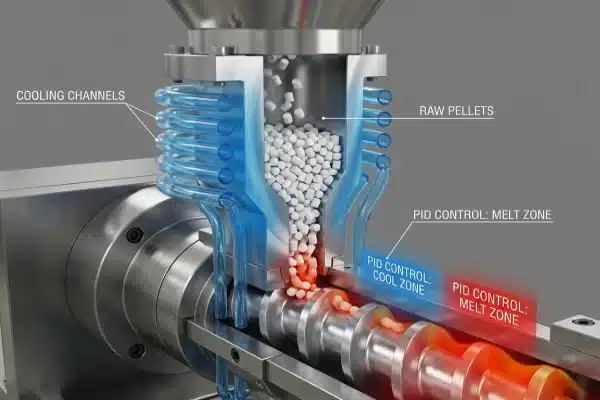
The "feed throat" is the section where plastic pellets enter the extruder screw. If this area gets too hot due to ambient heat, the pellets become tacky and stick together before they are melted. This is called "bridging." When bridging occurs, the screw cannot grab the plastic consistently, leading to surging—thick and thin sections in your parison.
You must check for a PID-controlled Feed Throat Cooling Circuit. However, in humid climates, you must also be careful. If you cool the throat too much, condensation will form. This water drips into the extruder, turning into steam bubbles that cause "splay" (silver streaks) on your bottle. Advanced machines use Dew Point Monitoring to keep the throat cool enough to prevent bridging but warm enough to prevent condensation.
Automating the Solution
You cannot rely on an operator to turn a knob every time the sun comes out. We recommend machines equipped with Automatic Parison Length Control. This system uses photocells to detect the bottom of the parison. If the resin gets hotter and flows faster (making the parison too long), the system automatically slows the screw speed or adjusts the die gap. This closed-loop feedback ensures that your bottle weight remains stable from the cool morning shift through the heat of the afternoon.
Impact of Temperature on HDPE Processing
| Temp Condition | Resin Behavior | Common Defect | Çözüm |
|---|---|---|---|
| Cold Morning | High viscosity, stiff flow. | Short shots, high amperage load. | Longer soak time, higher barrel heats. |
| Hot Afternoon | Low viscosity, runny flow. | Parison sagging, thin bottoms. | Auto-parison control, reduced melt temp. |
| High Humidity | Moisture on pellets. | Splay, bubbles, weak walls. | Hopper dryer + Feed throat dew point control. |
What guarantees can the supplier offer regarding startup times in colder environments?
We export to regions like Canada and Northern Europe, where factories can be extremely cold on Monday mornings after the heating has been turned down over the weekend. In these conditions, we verify that the grease in the mechanical systems has not stiffened to the point of causing servo tracking errors.
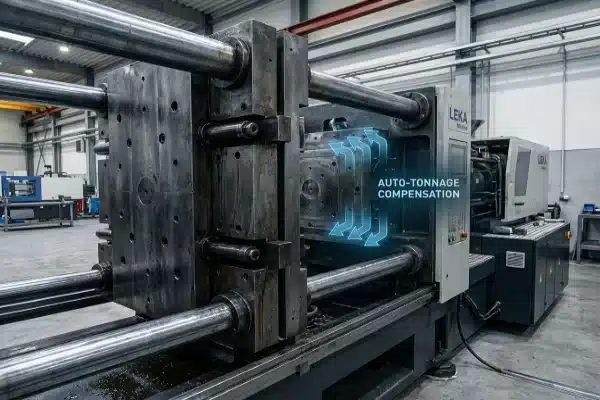
The supplier should offer a "Cold Start Warm-Up" software routine that cycles servo axes at low speeds to loosen stiff grease and prevent friction alarms. They must also provide "Auto-Tonnage Compensation" to adjust platen positions as the steel tie-bars expand or contract with temperature changes.

Cold environments present a different set of challenges compared to heat, primarily related to friction and metallurgy.
The "Cold Start Warm-Up" Routine
When a machine sits idle in a 5°C (41°F) factory, the grease inside the ball screws and linear guides becomes viscous and sticky. If an operator hits "Auto Start" and commands the machine to move at 100% speed, the servo motor encounters massive resistance. This triggers a "Following Error" or "Overload Alarm" because the motor cannot push the carriage fast enough to match the program.
We provide a specific software feature for this: the Cold Start Warm-Up. When activated, the machine automatically moves all axes back and forth at 10% or 15% speed for a set period. This friction generates heat, warming the lubricant and preparing the mechanical system for high-speed operation without damaging the components.
Auto-Tonnage Compensation
Steel reacts to temperature. As the machine runs and the ambient temperature rises, the steel tie-bars (which hold the mold closed) expand and lengthen. Even a fraction of a millimeter of expansion significantly reduces your effective clamping force.
If you set 20 tons of clamping force in the morning, you might only have 18 tons by noon because the bars have lengthened. This causes flash on the bottles. A premium machine uses strain gauges to monitor this force. With Auto-Tonnage Compensation, the machine detects that the force has dropped and automatically moves the rear platen forward slightly to re-establish the correct tonnage. This guarantees flash-free bottles regardless of thermal expansion.
Sonuç
Temperature is the invisible variable in manufacturing. Whether it is the heat inside the electrical cabinet causing drive failure or the cold morning air causing start-up friction, your machine must be equipped to adapt. By insisting on features like cabinet air conditioners, automatic parison control, and cold-start software, you ensure consistent production year-round.
Dipnotlar
1. Overview of the extrusion blow molding manufacturing process. ↩︎ 2. Technical explanation of servo drive mechanisms in automation. ↩︎ 3. How regenerative braking resistors dissipate excess energy. ↩︎ 4. Importance of positive pressure in electrical enclosure cooling. ↩︎ 5. Data on electric motor efficiency losses at high temperatures. ↩︎ 6. Guide to industrial water chiller applications and efficiency. ↩︎ 7. Scientific definition of viscosity and fluid behavior. ↩︎ 8. Explanation of PID control loops in temperature regulation. ↩︎ 9. Difference between dew point and relative humidity. ↩︎ 10. Physics of thermal expansion in materials like steel. ↩︎


0 Yorum