
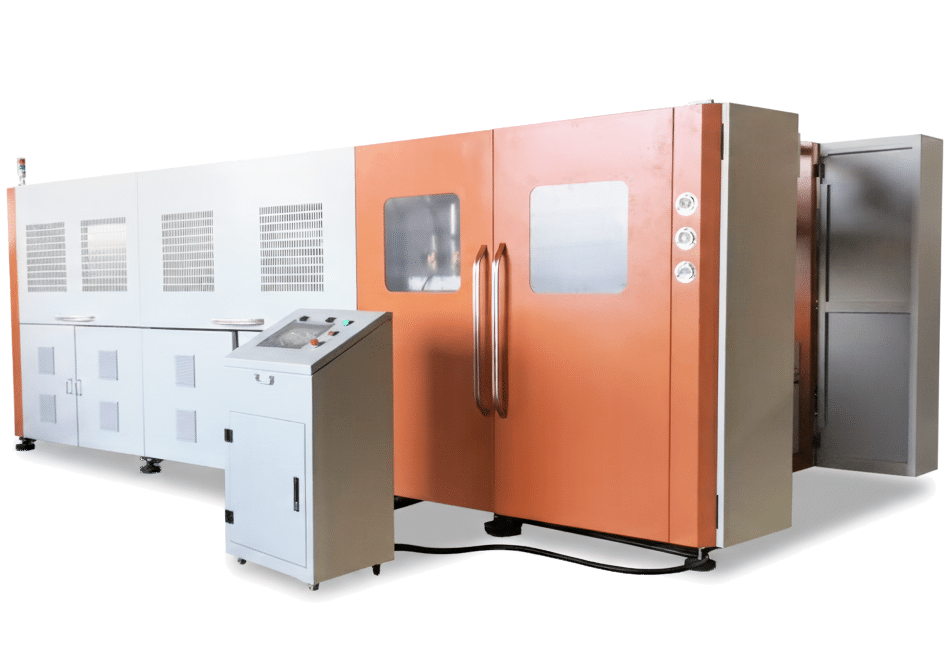
Giriş
When manufacturers need complex plastic parts fast, traditional methods often fall short—either too expensive for small batches or too rigid for custom designs. This is where custom vacuum forming shines, offering a "zahmetsiz" solution that balances precision, speed, and cost-efficiency for industries from automotive to medical devices.
Unlike injection molding, vacuum forming delivers intricate, lightweight components with minimal tooling investment—ideal for prototypes or mid-volume runs. Whether you’re shaping ABS dashboards or PETG medical trays, this process adapts to your material and design needs without compromising quality. Let’s explore how it solves real production challenges across sectors.
Introduction to Custom Vacuum Forming
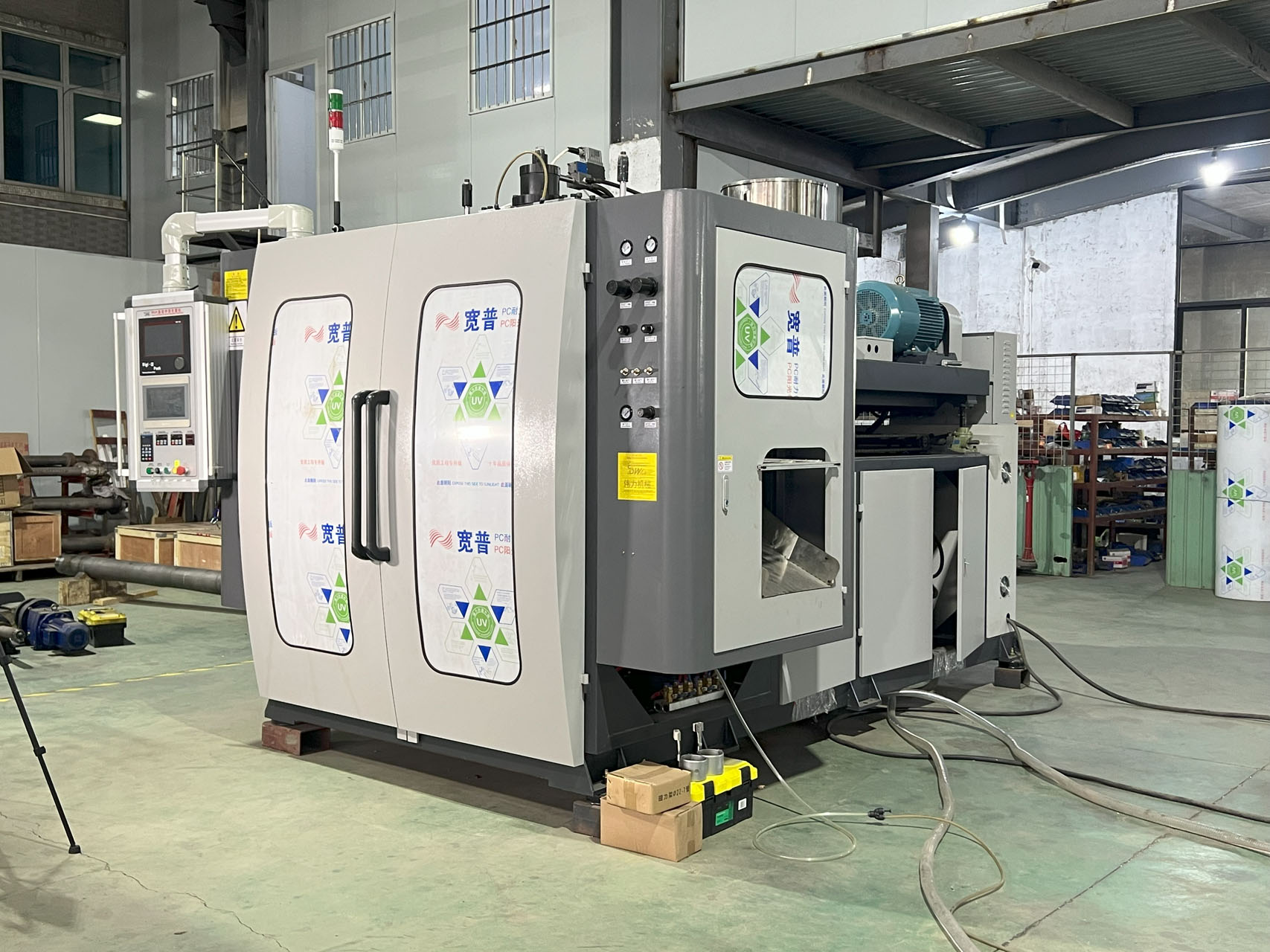
Custom vacuum forming is a versatile and cost-effective plastic manufacturing technique that has become a sür-ya da-öl solution for many industries. This process involves heating a plastic sheet until pliable, then using vacuum pressure to mold it over a custom-designed tool. The result is a precise, lightweight, and durable product that meets specific design requirements.
“Custom vacuum forming offers manufacturers a flexible and economical alternative to more rigid plastic forming methods, making it ideal for rapid prototyping and mid-volume production.”
What is Custom Vacuum Forming?
Custom vacuum forming, also known as thermoforming, is a process where a heated plastic sheet is shaped using vacuum pressure. The plastic is clamped over a mold, and air is sucked out, forcing the material to conform to the mold’s contours. This method is widely used for creating parts with intricate details and varying thicknesses.
Comparison with Other Plastic Forming Techniques
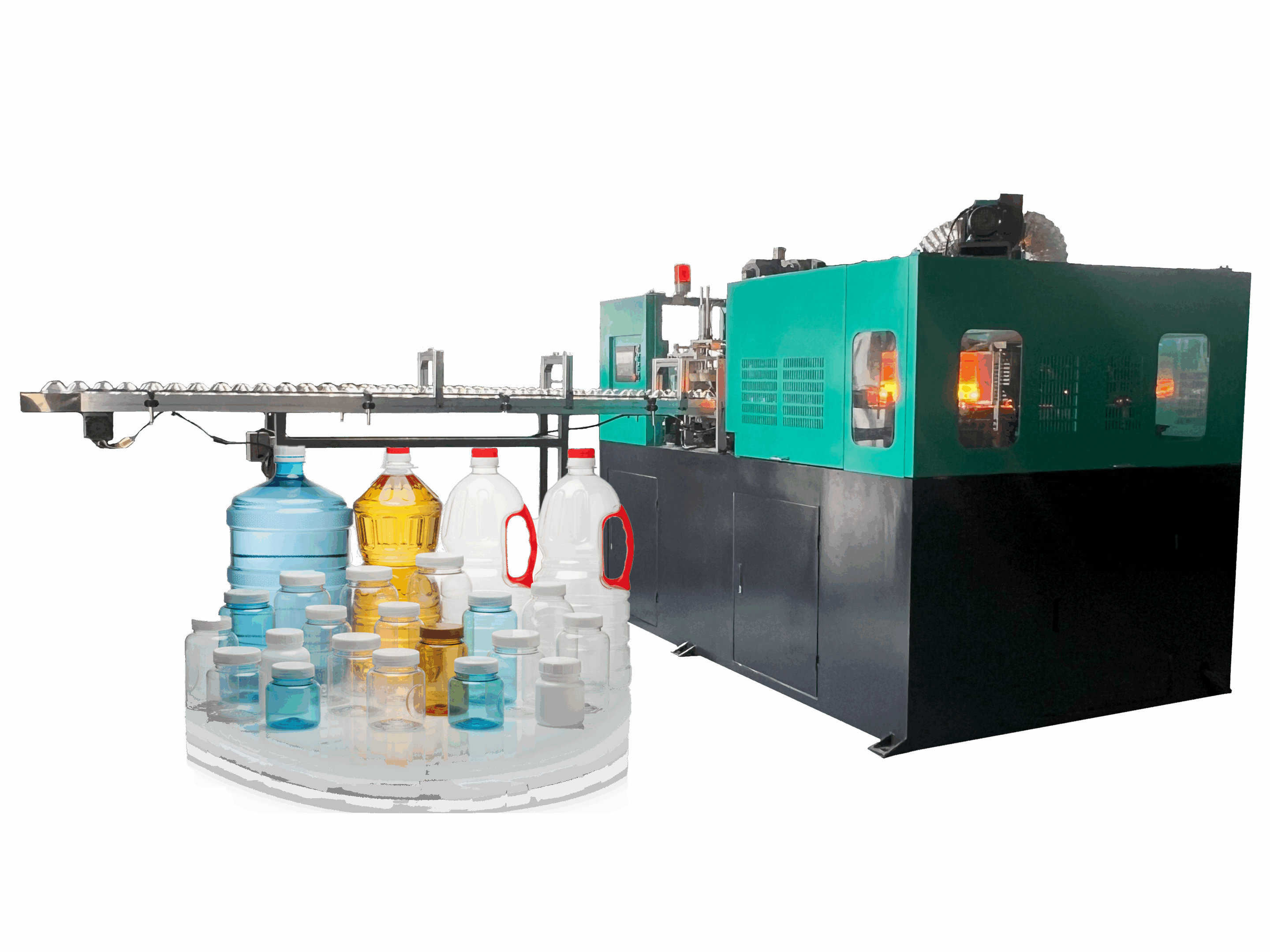
Unlike injection molding, which requires expensive molds and high-pressure machinery, custom vacuum forming uses simpler tools and lower pressures. Şişirme kalıplama, another common technique, is better suited for hollow objects like bottles, while vacuum forming excels at producing solid, detailed parts. The table below highlights key differences:
Plastic Forming Techniques Comparison
| Özellik | Vakum Şekillendirme | Enjeksiyon Kalıplama | Şişirme Kalıplama |
|---|---|---|---|
| Kalıp Maliyeti | Low to Moderate | Yüksek | Moderate to High |
| Üretim Hızı | Hızlı | Çok Hızlı | Orta düzeyde |
| Malzeme Atıkları | Düşük | Düşük | Orta düzeyde |
| Parça Karmaşıklığı | Yüksek | Çok Yüksek | Low to Moderate |
| İçin En İyisi | Prototyping, Mid-Volume | High-Volume | Hollow Containers |
Key Advantages of Custom Vacuum Forming
One of the biggest benefits of custom vacuum forming is its cost-effectiveness for short to medium production runs. The tooling is less expensive than other methods, and setup times are quicker. It also allows for easy design changes, making it perfect for prototyping. Additionally, vacuum forming can work with a wide range of plastic materials, including ABS, PVC, and polycarbonate.
Industries That Benefit Most
Custom vacuum forming is used across various sectors. The automotive industry relies on it for interior panels and dashboards. Medical device manufacturers use it for sterile packaging and equipment housings. Retail and signage companies appreciate its ability to create eye-catching displays. Even the aerospace sector uses vacuum-formed parts for lightweight cabin interiors.

The Vacuum Forming Process Explained
The vacuum forming process is a streamlined method for creating custom plastic parts with precision and efficiency. This thermoforming technique transforms flat plastic sheets into three-dimensional shapes through controlled heating and vacuum pressure. Understanding each step of this process helps manufacturers optimize production quality and output.
“From material selection to final trimming, the vacuum forming process offers manufacturers a reliable way to produce consistent, high-quality plastic components with minimal waste.”
Step 1: Material Selection
The process begins with choosing the right thermoplastic material based on the product’s requirements. Common options include ABS for its durability, PETG for food-grade applications, polycarbonate for impact resistance, and HDPE for chemical resistance. Material thickness typically ranges from 0.5mm to 6mm depending on the application.
Step 2: Heating and Forming Process
The selected plastic sheet is clamped into a frame and heated in an oven until it reaches optimal pliability (typically between 300-400°F). Uniform heating is critical to ensure consistent material distribution during forming. Automated systems like those at Lekamachine precisely control temperature profiles for different materials.
Step 3: Vacuum Application and Cooling
Once heated, the plastic is quickly positioned over the mold. Vacuum pumps remove air between the mold and plastic at 15-25 inches of mercury, forcing the material to conform exactly to the mold’s contours. The formed part then cools rapidly, typically in 15-60 seconds depending on material and thickness.
Step 4: Trimming and Finishing
After cooling, the formed part undergoes trimming to remove excess material. Modern facilities use CNC routers for precision trimming and robotic handling systems for consistent quality. Secondary operations may include drilling, painting, or assembly depending on the product specifications.
Vacuum Forming Equipment Overview
| Equipment | Function | Otomasyon Seviyesi | Production Capacity |
|---|---|---|---|
| Heating Oven | Evenly heats plastic sheets | Manual to Fully Automated | 1-20 sheets/hour |
| Vacuum Press | Forms heated plastic over mold | Semi-Automatic | 5-30 cycles/hour |
| CNC Trimmer | Precision cuts finished parts | Tam Otomatik | 10-50 parts/hour |
| Robotic Handler | Moves parts between stations | Tam Otomatik | 20-100 parts/hour |
Key Benefits of Custom Vacuum Forming
Custom vacuum forming offers manufacturers numerous advantages that make it a preferred choice for plastic part production. The benefits of vacuum forming extend across cost, speed, material options, and production flexibility, making it ideal for various industrial applications.
“From rapid prototyping to cost-effective production runs, the benefits of vacuum forming provide manufacturers with competitive advantages in today’s fast-paced market.”
Cost-Efficiency for Low to Medium Production Runs
Vacuum forming stands out for its economical tooling costs compared to injection molding. Mold fabrication typically costs 60-80% less, making it perfect for production quantities from 50 to 10,000 units. This cost advantage allows businesses to test market viability before committing to expensive tooling.
Rapid Turnaround Times
The process enables quick production cycles, with lead times often 50-70% faster than alternative methods. Simple molds can be produced in days rather than weeks, allowing for faster time-to-market. This agility is particularly valuable for product development and seasonal demand fluctuations.
Material Versatility and Compatibility
Vacuum forming accommodates a wide range of thermoplastics including ABS, PETG, polycarbonate, and HIPS. This flexibility allows manufacturers to select materials based on specific requirements like UV resistance, food safety, or impact strength without changing production methods.
Vacuum Forming Benefits Comparison
| Fayda | Vakum Şekillendirme | Enjeksiyon Kalıplama | Şişirme Kalıplama |
|---|---|---|---|
| Kalıp Maliyeti | $1,000-$5,000 | $10,000-$100,000+ | $5,000-$50,000 |
| Teslim Süresi | 1-2 hafta | 4-12 weeks | 3-8 weeks |
| Material Options | 20+ types | 50+ types | 10-15 types |
| Part Weight | Light-Medium | Any | Light |
| Ideal Volume | 50-10,000 | 5,000+ | 1,000-50,000 |
Lightweight Yet Durable Products
Vacuum formed parts maintain excellent strength-to-weight ratios, making them ideal for automotive, aerospace, and packaging applications. The process creates uniform wall thickness while allowing for strategic reinforcement in high-stress areas through rib design.
Scalability from Prototypes to Production
The same process efficiently handles both prototype development and full-scale production. This seamless scalability reduces transition costs and allows for continuous product refinement. Manufacturers can start with small batches and easily ramp up as demand grows.
Industrial Applications of Vacuum Forming
The industrial applications of vacuum forming span across numerous sectors, demonstrating its remarkable versatility in manufacturing. This thermoforming process has become essential for creating customized plastic components that meet specific industry requirements while maintaining cost-efficiency and production speed.
“From automotive interiors to medical device packaging, the industrial applications of vacuum forming solve critical manufacturing challenges across diverse sectors.”
Otomotiv Bileşenleri
Vacuum forming produces lightweight yet durable dashboards, door panels, and interior trim pieces. The process allows for complex shapes with precise detailing while meeting automotive weight reduction goals. Materials like ABS and polycarbonate provide the necessary strength and UV resistance.
Medical Equipment
The medical industry relies on vacuum formed sterile trays, device housings, and surgical instrument packaging. The ability to use medical-grade plastics and maintain sterile surfaces makes vacuum forming ideal for healthcare applications. Clear materials enable visibility while protecting sensitive equipment.
Retail Displays and Packaging
Eye-catching product displays, blister packaging, and point-of-purchase fixtures are commonly vacuum formed. The process allows for vibrant colors, textures, and custom shapes that enhance brand presentation. Quick turnaround times support seasonal marketing campaigns.
Vacuum Forming Applications by Industry
| Endüstri | Yaygın Uygulamalar | Preferred Materials | Temel Gereksinimler |
|---|---|---|---|
| Otomotiv | Interior panels, dash components | ABS, polycarbonate | Durability, UV resistance |
| Tıbbi | Sterile trays, device housings | PETG, HIPS | Chemical resistance, clarity |
| Retail | Displays, packaging | PVC, acrylic | Aesthetics, impact resistance |
| Aerospace | Cabin interiors, ducting | Polycarbonate, PEI | Lightweight, flame retardant |
| Elektronik | Equipment housings | ABS, polystyrene | EMI shielding, durability |
Aerospace Components
The aerospace industry benefits from vacuum formed cabin interiors, ducting, and protective covers. The process creates lightweight parts that meet strict aviation standards while reducing aircraft weight. Flame-retardant materials ensure safety compliance.
Electronics Protection
Vacuum forming produces durable housings for electronics that provide impact protection and EMI shielding. The process accommodates precise cutouts for buttons, ports, and ventilation while maintaining structural integrity. Custom colors and textures enhance product branding.

Choosing the Right Vacuum Forming Partner
Selecting the right partner for your vacuum forming services is crucial for project success. With numerous thermoforming solutions available, understanding key selection criteria helps ensure quality results and smooth production.
“The ideal vacuum forming partner combines technical expertise with responsive service to transform your concepts into high-quality finished products.”
Key Selection Factors
When evaluating potential partners, consider their industry experience, equipment capabilities, and material expertise. Lekamachine’s 12+ years in custom plastic forming demonstrates our deep understanding of diverse manufacturing challenges. Modern facilities should include CNC trimming and robotic handling for precision and efficiency.
Quick-Turn Capabilities
Rapid prototyping and production turnaround times can significantly impact your time-to-market. Look for providers offering streamlined processes from design to delivery, with the flexibility to accommodate urgent requests without compromising quality.
Vacuum Forming Partner Evaluation Criteria
| Kriterler | Basic Provider | Advanced Provider | Endüstri Standardı |
|---|---|---|---|
| Years Experience | 0-5 | 10+ | 5+ |
| Equipment Types | Manuel | Automated | Semi-Automatic |
| Material Options | 3-5 | 15+ | 8-10 |
| Quality Certifications | Hiçbiri | ISO 9001 | Basic QC |
| Prototype Lead Time | 2+ weeks | 3-5 gün | 1 hafta |
Quality Assurance
Certifications like ISO 9001 indicate a commitment to quality management systems. Inquire about testing protocols, inspection procedures, and how the provider handles quality issues. Case studies demonstrating successful projects in your industry provide valuable insight into their capabilities.
Getting Started
Begin your project with a detailed consultation to discuss requirements, timelines, and budget. Reputable vacuum forming services will guide you through material selection, design considerations, and production planning to optimize results.
Sonuç
After years in the industry, I’ve seen how custom vacuum forming bridges the gap between prototyping and full-scale production—"sür ya da öl" for manufacturers who need flexibility without breaking the bank. It’s not just about shaping plastic; it’s about delivering precision, speed, and cost-efficiency in one streamlined process.
Whether you’re crafting automotive dashboards or medical trays, the right technique makes all the difference. Vacuum forming adapts to your needs, offering a smarter way to bring designs to life. If you’re weighing options for your next project, remember: sometimes the best solution isn’t the most expensive—it’s the most adaptable.
SSS
Q1: What is custom vacuum forming?
A1: Custom vacuum forming is a manufacturing process where a heated plastic sheet is molded over a specific shape, creating a three-dimensional product by removing air between the heated sheet and the mold.
Q2: What are the advantages of custom vacuum forming?
A2: The advantages of custom vacuum forming include lower production costs, quick turnaround times, and the ability to manufacture complex shapes with a variety of materials, making it ideal for prototyping and small to medium production runs.
Q3: What materials are commonly used in vacuum forming?
A3: Common materials for vacuum forming include ABS, polycarbonate, PVC, and polystyrene. These materials are chosen for their flexibility and ability to retain detailed shapes after cooling.
Q4: What industries use custom vacuum forming?
A4: Custom vacuum forming is widely used in industries such as automotive, packaging, medical devices, and consumer products, as it allows for the production of parts that require intricate details and precise measurements.
Q5: How does the vacuum forming process work?
A5: The vacuum forming process involves heating a thermoplastic sheet until it’s pliable, draping it over a mold, and using a vacuum to draw the sheet tightly against the mold’s surface to form the desired shape.
Q6: What are the differences between vacuum forming and thermoforming?
A6: Vacuum forming is a type of thermoforming where a vacuum is applied to suck the heated plastic sheet against a mold, whereas thermoforming encompasses broader techniques that can include pressure forming and drape forming.
Q7: What should I consider when choosing a vacuum forming service?
A7: When choosing a vacuum forming service, consider their experience, machinery capabilities, material options, turnaround times, and whether they offer prototypes and custom tooling.
Q8: What are the typical applications of vacuum formed products?
A8: Typical applications of vacuum formed products include display cases, trays, packaging, automotive parts, and electronic device housings, highlighting its versatility in various sectors.
Dış Bağlantılar
- Custom Plastic Vacuum Forming – Neodesha Plastics, Inc.
- Custom Vacuum Forming – Toolcraft
- Vacuum Forming Services – Productive Plastics
- Custom Vacuum Forming of Thermoplastics – Formtech Plastics
- Custom Vacuum Forming Service – Interform Manufacturing
- Custom Vacuum Forming Services – Emco Industrial Plastics
- Vacuum Forming Services – Wrights Plastics
- Vacuum Forming Plastic – Productive Plastics


0 Yorum