

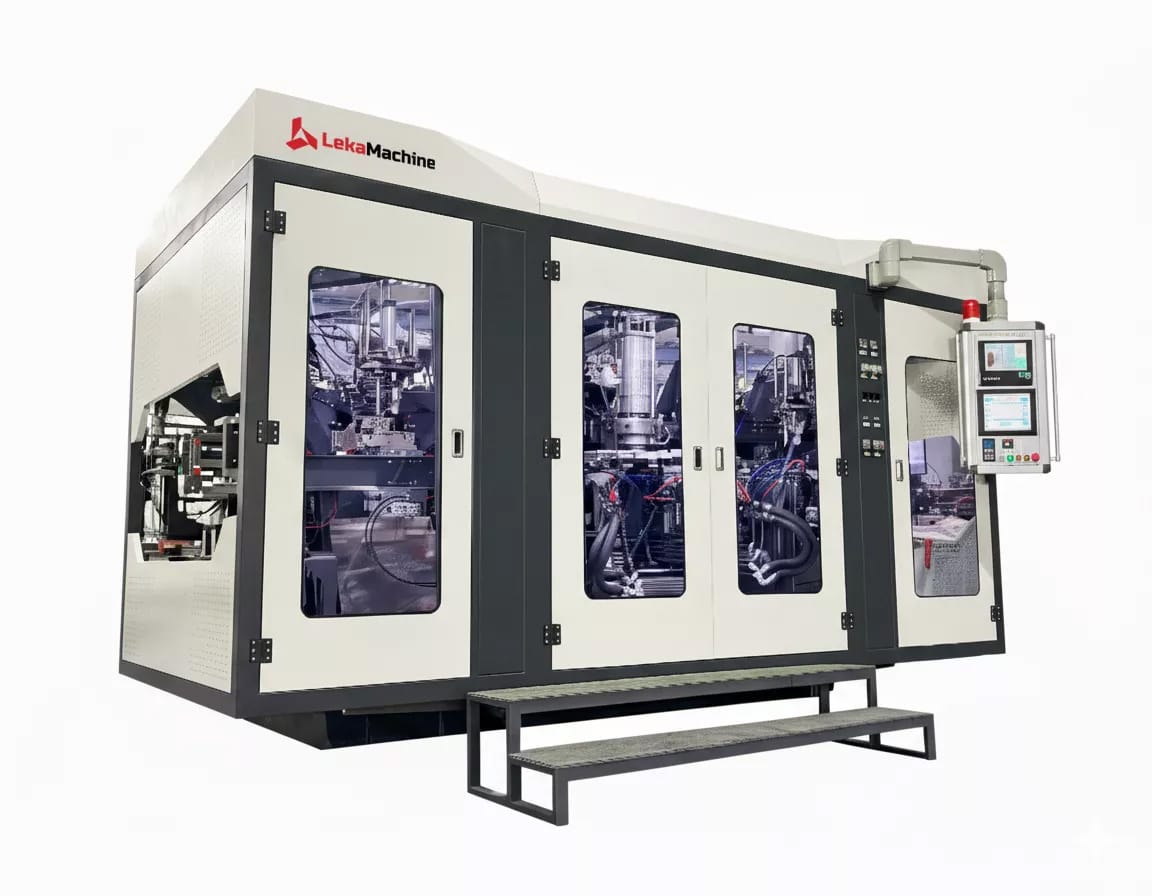
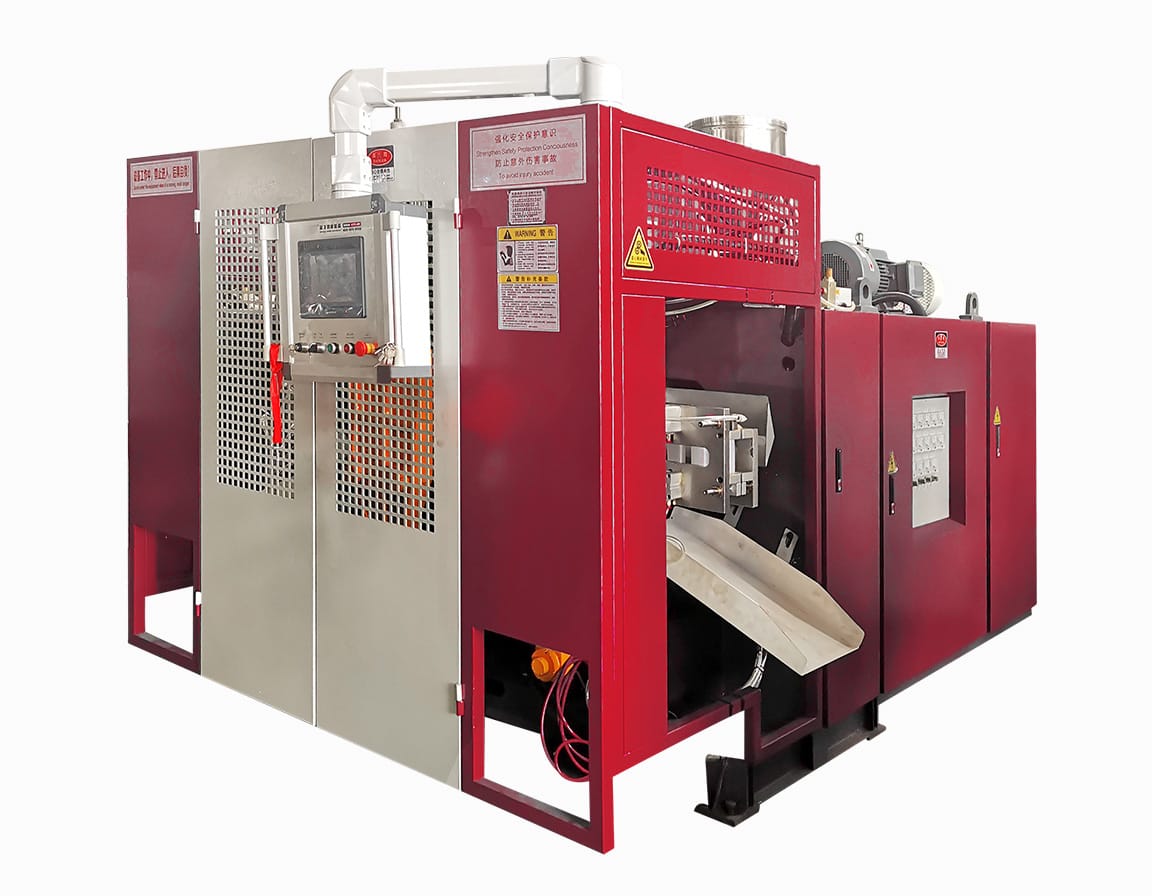
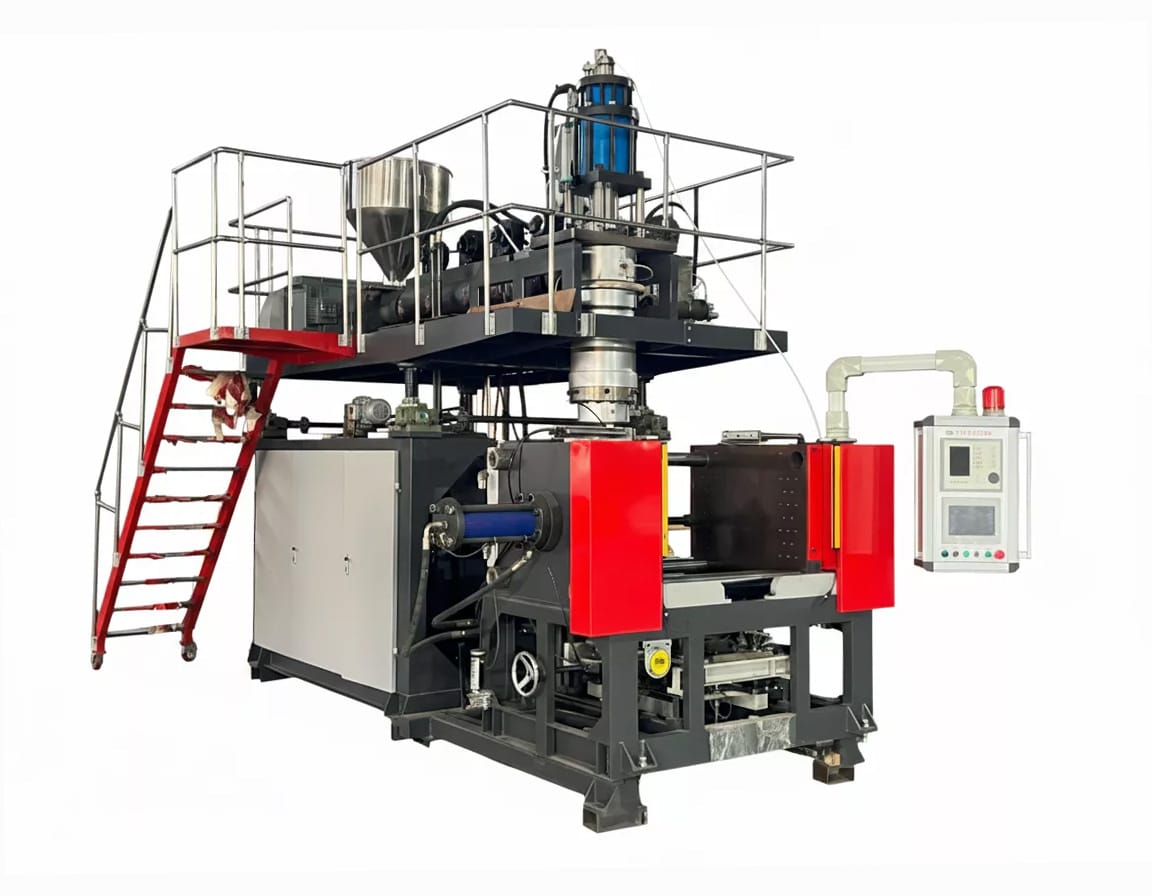
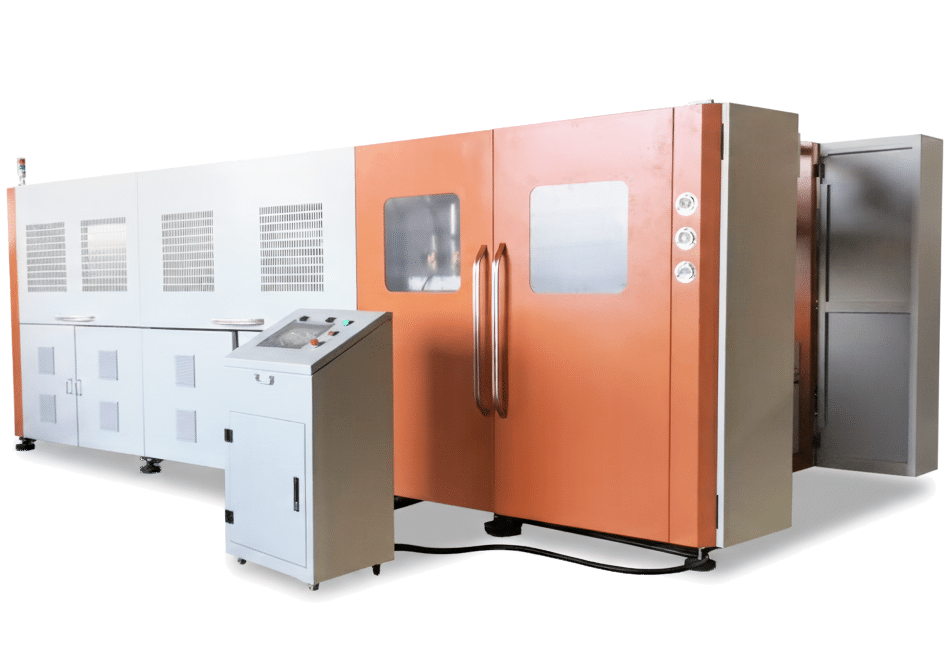
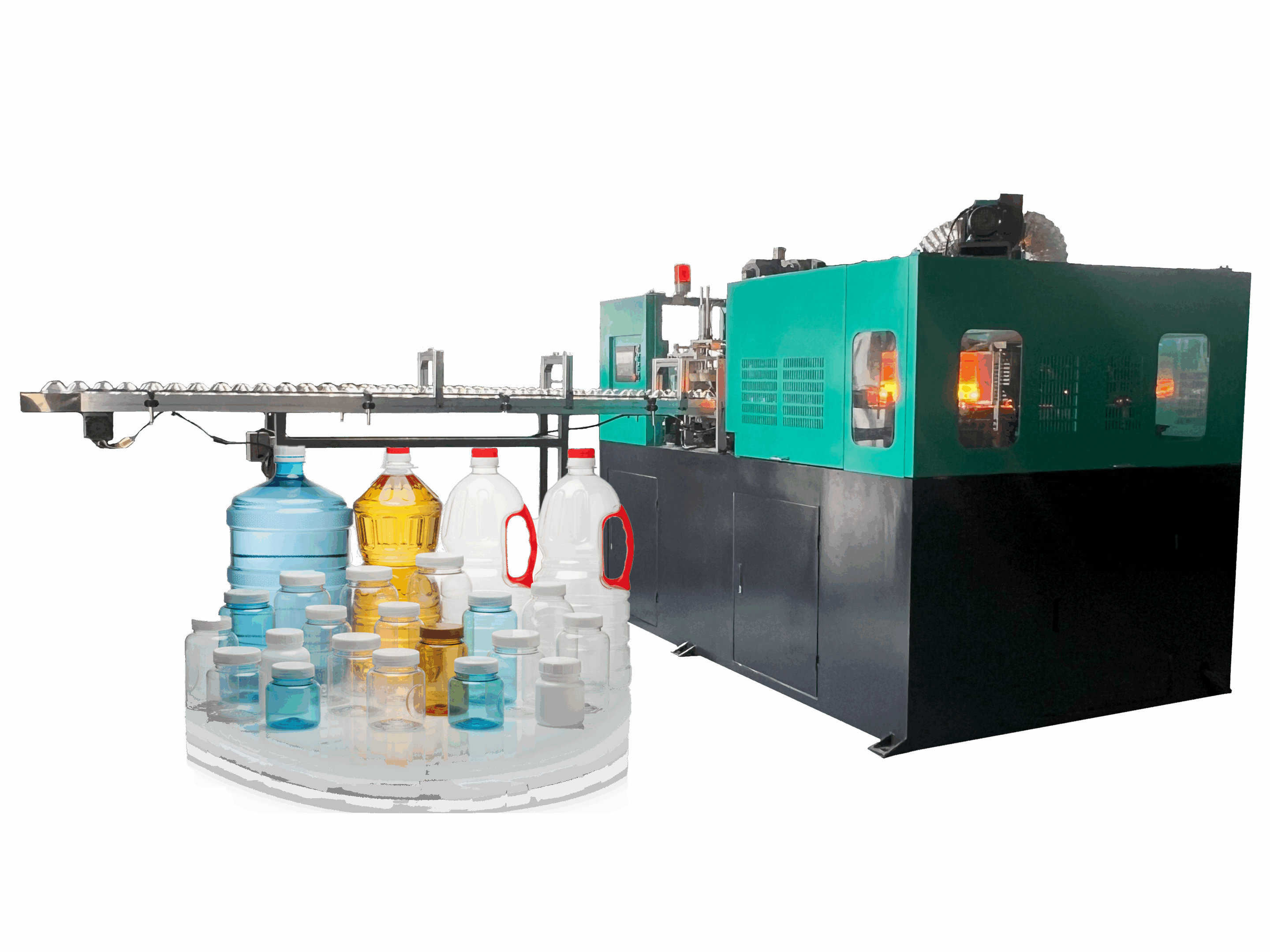
How to Choose the Right Extrusion Blow Molding Machine Manufacturer?
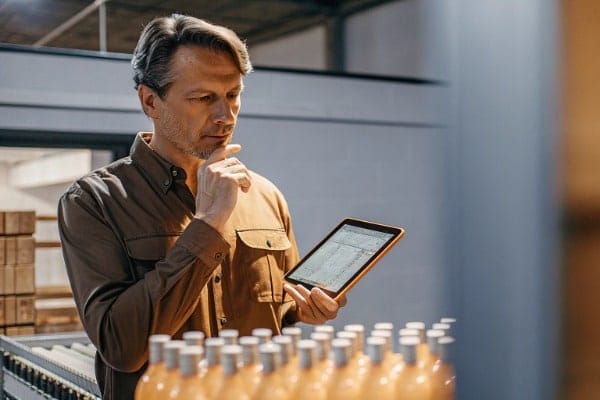
At our factory in Guangdong, we often hear horror stories from clients who bought machines based solely on the lowest price tag. They end up with equipment that leaks oil, produces uneven bottles, and stops working right when they get a big order. This downtime kills their profit margins and damages their reputation with big brands. We know that picking a partner is about more than just steel and wires; it is about trusting your production line to deliver every single day.
Selecting the best manufacturer requires evaluating Total Cost of Ownership (TCO) rather than just initial price. You must verify their ability to deliver consistent parison control, guaranteed cycle times, and local spare parts support to ensure your production lines run without costly interruptions.
Finding a supplier who understands your specific production needs is the only way to secure your long-term success.
What distinguishes a reliable machine supplier from a risky one?
When we source components for our own machines, we look for partners who are open about their processes. If a supplier hides their testing data or uses obscure parts, we walk away. You should feel the same way about your machinery. If you cannot see how the machine runs before it ships, you are taking a massive gamble with your business capital.
Reliable suppliers distinguish themselves by offering transparent Factory Acceptance Tests (FAT) with actual production runs, not just dry cycles. They provide specific energy consumption data (kWh/kg), use non-proprietary components like Siemens or Festo, and have a proven track record of accessible after-sales support in your specific region.
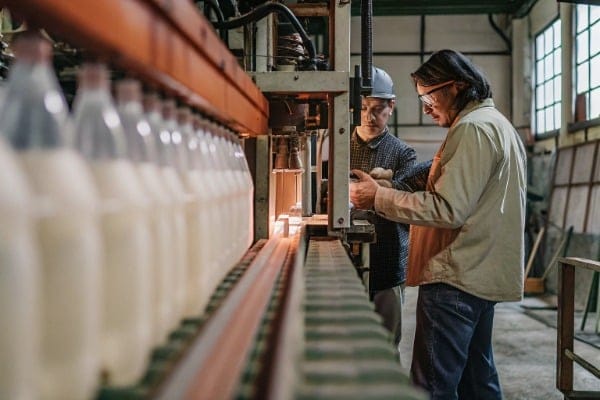
Many "cheap" machines are built with what we call "black box" components. These are controllers or valves from unknown brands that have no manuals and no replacements available outside of the original factory.
carbon footprint 1
The Hidden Cost of Proprietary Parts
[cite_start]We have seen European and North American plant managers struggle because a $50 sensor failed, and the replacement had a six-week lead time from a single supplier[cite: 198]. A reliable manufacturer uses global standard parts. [cite_start]For example, in our specific designs, we use Siemens PLCs and Festo pneumatics[cite: 291]. Why? Because if a part breaks in Poland or Mexico, you can call a local distributor and get a replacement the next morning. This accessibility keeps your downtime to hours, not weeks.
The Importance of a Real FAT
A risky supplier will only show you the machine moving without plastic ("dry cycle"). This tells you nothing about cooling capacity or parison stability. [cite_start]A quality supplier will insist on a Factory Acceptance Test (FAT) that mimics your real production conditions[cite: 249]. We run machines with your specific mold and resin to prove the cycle time and bottle weight before you pay the final balance.
Comparing Supplier Standards
Here is a quick guide to help you spot the difference between a partner and a risky vendor:
| Özellik | Risky Supplier | Reliable Partner (LEKA Standard) |
|---|---|---|
| Component Brands | Unbranded or obscure local copies | Global Tier-1 (Siemens, Rexroth, Festo) |
| Acceptance Test | Dry cycle video only | Full production run with your mold |
| Energy Data | Vague estimates | [cite_start]Specific kWh/kg guarantees [cite: 228] |
| Yedek parça | "Call us and wait" | Recommended "Crash Kit" shipped with machine |
| Dokümantasyon | Poorly translated manual | Clear schematics and maintenance guides |
How does machine capacity impact your long-term profitability?
We recently helped a client calculate the cost of a 3-second delay in their cycle time. [cite_start]Over a year, that small delay meant they produced 200,000 fewer bottles, which was a huge hit to their revenue[cite: 195]. Many buyers underestimate how critical it is to match the machine size exactly to their output needs.
çevrim süresi 2
Machine capacity directly dictates profitability by defining your output per hour and energy cost per unit. An undersized machine forces slower cycle times to maintain cooling, while an oversized unit wastes electricity. Matching clamping force and extruder size to your specific bottle volume is critical for maximizing ROI.
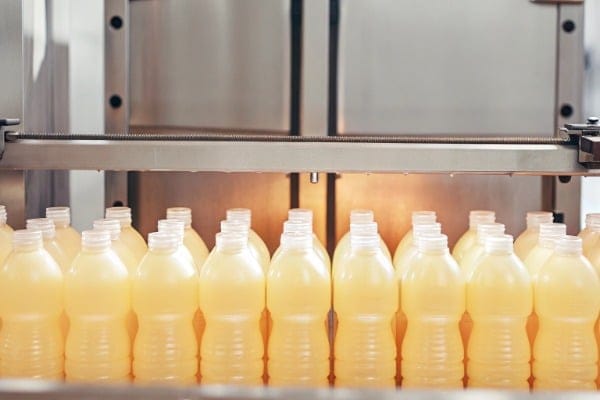
Choosing the right machine size is not just about physical dimensions; it is about balancing force and speed.
electric servo motor 4
Understanding Clamping Force and Volume
If you are making a 20-liter jerry can, you need a machine with significant clamping force to keep the mold closed under high pressure. If the machine is too small, the mold will breathe, creating "flash" (excess plastic) that ruins the bottle and wastes material. Conversely, running small 500ml cosmetic bottles on a massive industrial machine is like using a sledgehammer to crack a nut—it works, but you burn way too much energy.
Single Station vs. Double Station
[cite_start]For high-volume orders, a double-station machine (like our FORMA M5LD) can double your output without doubling your labor costs[cite: 71]. One operator can manage a double-station machine, effectively cutting your labor cost per bottle in half. [cite_start]However, for smaller, diverse orders where you change molds frequently, a single-station machine might offer better flexibility and faster setup times[cite: 230].
Capacity Selection Guide
Based on our FORMA series, here is how we typically match applications to machine specifications:
| Başvuru | Recommended Series | Max Capacity | Output Strategy |
|---|---|---|---|
| Small Cosmetics (200ml – 1L) | [cite_start]FORMA M2L / H1L [cite: 126] | 2 Liters | Speed and precision focus |
| Standard Jerry Cans (4L – 5L) | [cite_start]FORMA M5L / H5L [cite: 127] | 5 Liters | Balanced output and stability |
| Medium Drums (10L – 20L) | [cite_start]FORMA H20L / H30L [cite: 129] | 30 Liters | High clamping force focus |
| Industrial/Auto Parts | [cite_start]TITAN Series [cite: 81] | 50L – 1000L | Maximum strength and durability |
Why is the choice between electric and hydraulic systems critical?
[cite_start]Our engineering team spends a lot of time testing different drive systems because we know energy costs are killing profitability for many factories[cite: 9]. The wrong drive system can increase your electricity bill by thousands of dollars a month. You need to choose the power source that matches your product requirements.
enerji̇ mali̇yetleri̇ 5
Electric systems offer precision and cleanliness for food or medical bottles, reducing energy usage by 30-50%. However, hydraulic systems remain the superior choice for large industrial containers requiring high clamping force. Hybrid models often provide the best balance of power, efficiency, and recycling capability for general packaging needs.
The debate between electric and hydraulic is not about which is "better" overall, but which is better for you.
clamping force 7
The Power of Hybrid Systems
For many of our clients producing 5L to 20L containers, a full electric machine is too expensive upfront, but a standard hydraulic machine uses too much power. [cite_start]This is why we often recommend Hybrid systems (like our code "H" models)[cite: 120]. These machines use electric drives for the extruder (which runs constantly) and hydraulic systems for the clamping (which needs brute force). [cite_start]This combination delivers high power stability while keeping energy consumption low[cite: 120].
When to Go Full Electric
[cite_start]If you are producing food containers or pharmaceutical bottles, oil contamination is a major risk[cite: 200]. Full electric machines (our "E" code) eliminate hydraulic oil entirely. [cite_start]They are cleaner, quieter, and extremely precise[cite: 119]. [cite_start]If your clients demand exact wall thickness to save on resin costs (lightweighting), the precision of an electric servo motor is unbeatable[cite: 190].
Energy and Application Comparison
We have broken down the pros and cons to help you decide:
| Özellik | Hydraulic System | Full Electric System | Hybrid System |
|---|---|---|---|
| Enerji Verimliliği | Low (High consumption) | High (Saves 30-50%) | Medium-High (Good balance) |
| Cleanliness | Risk of oil leaks | 100% Clean room ready | Low risk |
| İlk Maliyet | Lowest | Highest | Orta düzeyde |
| Ideal For | Large drums, Auto parts (TITAN) | Medical, Food, Small bottles | Jerry cans, Detergents (FORMA) |
How can you verify a manufacturer’s claims before buying?
I always tell visitors to our factory: "Don’t just listen to what I say, look at the scrap bin." A machine that produces a lot of waste during setup or running is a money pit. You need to be a detective. Brochures are full of marketing fluff, but the machine’s actual performance is what pays your bills.
Factory Acceptance Test (FAT) 8
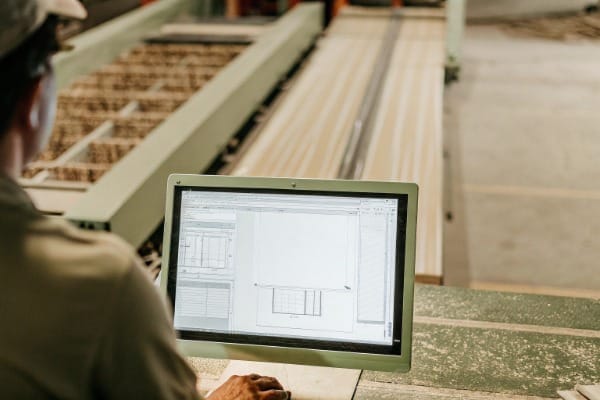
Verify claims by demanding a reference list of current customers producing similar products in your time zone. Insist on a live video audit of the machine running at full speed for one hour, checking for parison stability, flash consistency, and actual energy consumption readings on the main panel.
Due diligence is your safety net. We encourage our partners to dig deep because we know our machines stand up to scrutiny.
Siemens PLCs 10
The "One Hour" Test
A common trick is to run a machine for 5 minutes to show it works. But heat buildup and hydraulic pressure changes happen over time. We suggest a "One Hour Production Run" during the FAT. During this hour, measure the weight of the first bottle and the last bottle. [cite_start]If the weight fluctuates by more than 1%, the parison control is unstable[cite: 190].
Checking the "DNA" of the Machine
Ask for a detailed component list (BOM). Reliable manufacturers will list every major part brand. If you see "Domestic Brand" listed for the PLC or servo valves, ask for the specific manufacturer name. If they cannot tell you, or if it is a brand that doesn’t have an English website, you will have trouble servicing it later.
Remote Diagnostics and Future-Proofing
Modern manufacturing requires data. [cite_start]Your clients might ask for carbon footprint reports or production data[cite: 205]. Ask if the machine has remote connection capabilities. [cite_start]We equip our advanced models with remote diagnostic tools so our engineers can look at your machine’s code from our office in China to help solve problems instantly[cite: 275].
Checklist for Verification
Before signing a contract, ensure you have checked these boxes:
- Reference Check: Spoken to a customer in your region?
- Output Guarantee: Is the cycle time written in the contract?
- Energy Audit: Have you seen a video of the energy meter during operation?
- [cite_start]Material Test: Has the machine run with your specific resin (e.g., PCR or rHDPE)? [cite: 13]
Sonuç
Choosing the right manufacturer is about protecting your profit margins. You need a partner who prioritizes TCO, offers honest testing, and provides components you can actually service.
Dipnotlar
- Authoritative definition and tools regarding environmental impact. ↩︎
- Definition of the production speed metric affecting profitability. ↩︎
- Details the process of controlling plastic wall thickness. ↩︎
- Technical explanation of the precision motors used in electric machines. ↩︎
- Government resource on energy efficiency in manufacturing. ↩︎
- Overview of the fluid power technology used in these machines. ↩︎
- Explains the mechanical force required to hold molds closed. ↩︎
- Standard definition of this critical equipment verification process. ↩︎
- Official website of the pneumatic component manufacturer cited. ↩︎
- Official page for the specific programmable logic controllers mentioned. ↩︎


0 Yorum