
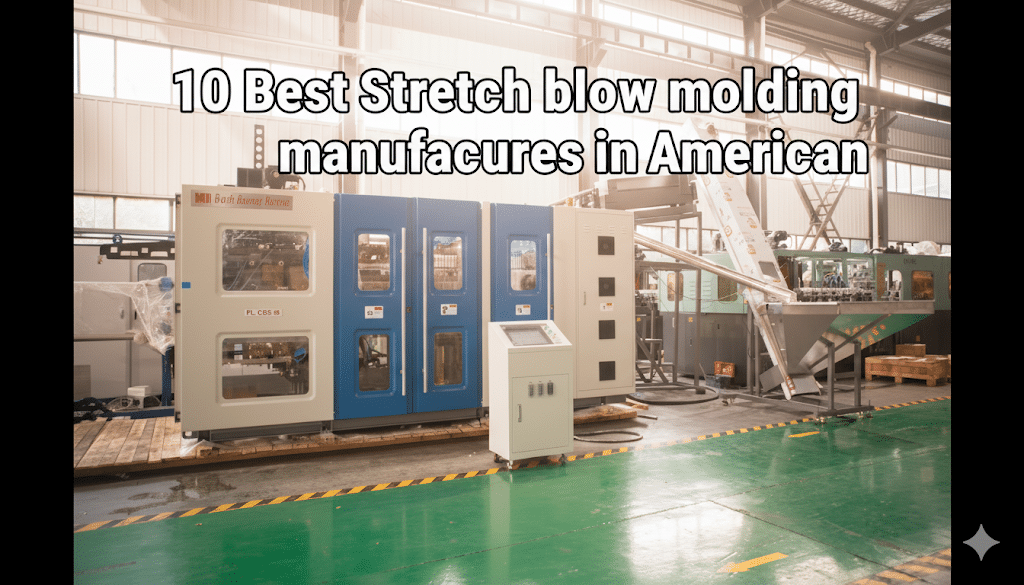
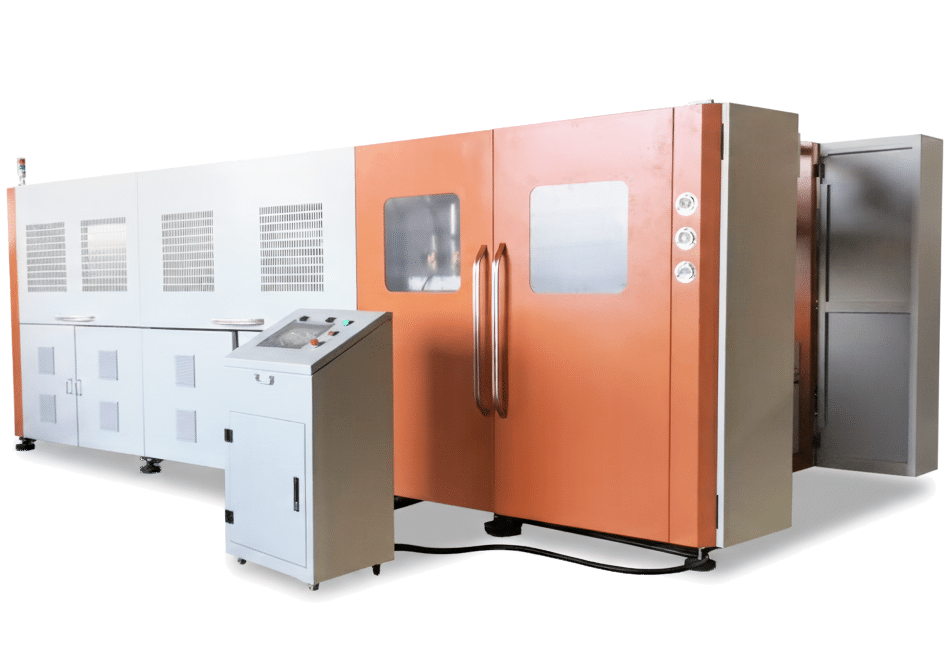
10 Best Stretch Blow Molding Machine Manufacturers in America (2026)
If you’re buying a stretch blow molding (SBM) machine in 2025, you’re not just buying a piece
of equipment — you’re choosing the production engine of your packaging business in America.
The wrong choice locks you into high energy bills, long changeovers, and painful downtime. The right
choice gives you stable output, predictable cost per bottle, and room to grow.
This guide walks through:
- How stretch blow molding machines are evaluated in the American market
- The 10 most relevant manufacturers serving the USA (and wider North America)
- Practical factors like TCO, service coverage, and ramp-up that matter more than brochure specs
Whether you’re a regional OEM packaging supplier, a mid-sized CPG brand bringing bottling in-house,
or an established beverage producer upgrading old lines, this article will help you build a realistic shortlist.
Manufacturers at a Glance
Here is a quick list of 10 stretch blow molding machine manufacturers with strong activity or service
coverage in America:
- Krones — German engineering with major North American headquarters in Wisconsin
- Sidel — Global leader in PET ambalaj with a key U.S. base in Georgia
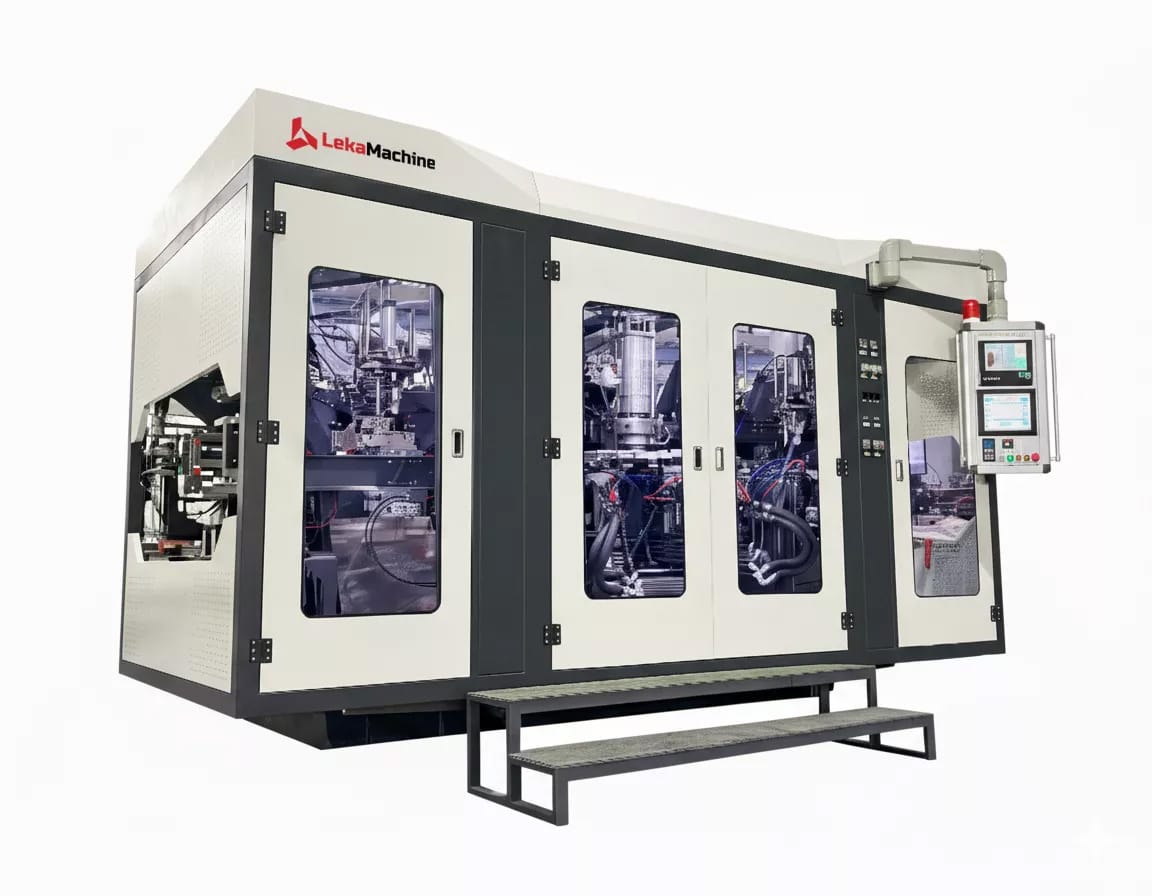
- LekaMachine — Global OEM from Asia, focused on fast lead times and competitive TCO for American customers
- KHS — German group with KHS USA based in Wisconsin
- Nissei ASB Company — One-stage ISBM specialist with a technical center in Georgia
- SIPA — Italian supplier with U.S. office in Atlanta, flexible between one- and two-stage
- Bekum — Famous for ekstrüzyon şişirme, with stretch blow solutions and a plant in Michigan
- Aoki Technical Laboratory, Inc. — Japanese one-stage specialist with U.S. presence in Illinois
- Chumpower Machinery Corp. — Taiwanese value option with sales and service coverage in California
- SMF — European supplier with linear and rotary machines, increasingly active in North America
Use this as your shortlist starting point, then drill down into which platform fits your bottles, throughput and budget.
Why This Matters in 2025 — Energy, Uptime and Service in America
In the American market, the real competition is not just machine vs. machine — it is
TCO vs. TCO (total cost of ownership):
- Electricity rates and compressed air are major line-item costs, especially for large PET beverage plants.
- Labor is expensive, and skilled technicians are hard to hire, so changeover time and ease of operation directly hit your P&L.
- Uptime is king: a line sitting idle while you wait for parts or a technician can cost more than any initial price difference.
That’s why this guide emphasizes:
- Energy consumption (kWh per 1,000 bottles)
- Output and flexibility (cavities, formats, changeover minutes)
- American service coverage — who can actually support you on U.S. soil or in your region
Price Signals in 2025 — One-Stage vs Two-Stage, Cavities and Automation
Uzatmak şişirme kalıplama investment levels in America typically fall into these bands:
- Entry to mid-range linear two-stage machines: from around USD 200,000+ for small-scale water or specialty lines
- High-speed rotary systems with full automation: into the multi-million-dollar range for large beverage plants
Key price drivers include:
- Process type
Two-stage SBM (with preforms bought or molded separately) dominates standard water, CSD and tea bottles.
One-stage ISBM is favored for cosmetics, pharma, wide-mouth jars and complex shapes where surface Kalite is critical. - Number of cavities
More cavities mean higher hourly output, but also more expensive molds, higher clamp tonnage and more demanding utilities. - Automation scope
Including preform infeed, bottle take-out, leak testing, vision inspection and packing in the same contract
significantly changes the total cost. - FAT / SAT and import costs
When buying from overseas, you must account for Factory Acceptance Tests, Site Acceptance Tests,
freight, insurance and import duties to the U.S. or your specific American country.
Energy, Utilities and Sustainability
İçin PET şişeler in America, electricity and compressed air together can represent a double-digit percentage of total container cost.
When comparing suppliers, insist on:
- Energy consumption expressed as kWh / 1,000 bottles for your specific bottle weight
- Details of IR oven zoning, neck protection and heat-management features
- High-pressure air recovery systems to cut compressor load
- Use of servo drives on key motions vs. older hydraulic systems
With brands and retailers pushing for lower carbon footprints, being able to document energy savings on your stretch blow line
is now a commercial advantage, not only an engineering detail.
Throughput vs Flexibility — High-Speed Beverage vs Premium Small Runs
In America you usually face a choice between:
- High-speed, two-stage rotary SBM systems
Perfect for water, CSD and mainstream beverages in standard bottle families.
Tens of thousands of bottles per hour are achievable with the right preforms and layout. - One-stage injection stretch şişirme kalıplama (ISBM)
Lower throughput but unmatched surface Kalite and shape freedom.
Ideal for high-margin cosmetics, pharma bottles, dropper containers, wide-mouth jars and short SKUs where handling scratches are unacceptable.
If your business model is based on few SKUs and massive volume (for example, private-label water), optimize for speed.
If your edge is design, brand differentiation and premium positioning, optimize for flexibility and container quality.
Tooling, Molds and Quick-Change Strategy
In the American context, tooling strategy is often where projects win or lose ROI.
- Treat preform molds, neck rings, stretch rods, grippers and EOAT as one system with the machine.
- If you operate multiple sites, consider tooling interchangeability between plants.
- For multi-SKU producers, aim for complete mold changeovers in 30–60 minutes with a trained crew, not half a day.
- Ask each vendor to show you uncut video of a full format change, not just a brochure claim.
Vision inspection (neck finish, body panels, base) should be part of your quality concept from day one,
especially for food and beverage or personal care.
Process Control and Quality
A good stretch blow molding machine must give you precise control over:
- IR oven profile and preform temperature window
- Stretch ratios in axial and hoop directions
- Blow and counter-pressure curves
- Cooling and mold temperature stability
In practice, this is how you achieve high Cp/Cpk on neck finish and critical wall locations, keep scrap low,
and maintain the same bottle performance from first shift to last.
Materials and Barriers — PET, rPET, PETG and Multilayer
Across America, you will see strong demand for:
- Standart PET water and CSD bottles
- High rPET content, often 25–100%, driven by retailer and state sustainability goals
- PETG and specialty materials for cosmetics and medical packaging
- Multilayer barrier preforms (for example with EVOH or nylon) for juice, sauces, ketchup and oxygen-sensitive products
When evaluating a supplier, verify:
- Experience with high-rPET content (flake quality varies a lot between regions)
- References for multilayer barrier containers in North American conditions
- Local support for process tuning when switching resin grades
The 10 Best Stretch Blow Molding Machine Manufacturers for the American Market
Below is a short overview of 10 major suppliers. You can use this to filter based on your project needs.
1. Krones — Large-Scale Beverage Lines with North American Headquarters
Krones is one of the most recognized names in beverage packaging worldwide, with its North American headquarters in Wisconsin
supporting sales, service and training across the region.
Best fit:
- High-speed water and CSD plants
- Integrated bottling lines where blower, filler and labeler come from one vendor
Highlights:
- Contiform rotary SBM platforms known for excellent reliability
- Strong integration with pasteurizers, fillers, labelers and end-of-line
- Deep local knowledge of North American beverage regulations and practices
Watch-outs:
- Premium pricing and long lead times
- Overkill for small and mid-sized plants that don’t need top-end speeds
Official site:
https://www.krones.com
2. Sidel — Global PET Specialist with Strong U.S. Presence
Sidel, part of the Tetra Laval group, focuses on PET packaging and complete lines for beverages, food and home-care products.
The company operates from the Atlanta, Georgia area to serve American customers.
Best fit:
- Brands prioritizing bottle lightweighting and advanced packaging design
- Producers needing aseptic or sensitive product handling
Highlights:
- EvoBLOW series with modular, upgradeable architecture
- Strong competence in lightweight bottle design and line efficiency
- Broad portfolio including Combi systems that integrate blower and filler
Watch-outs:
- Complex systems that require experienced operators
- Premium cost level and potentially longer project cycles
Official site:
https://www.sidel.com
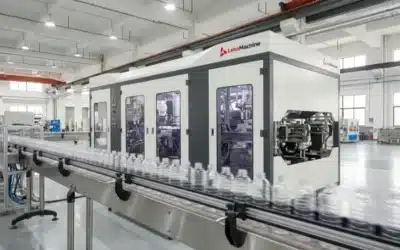
3. LekaMachine — Fast Lead Times and Competitive TCO from Asia
LekaMachine is a global OEM with manufacturing in Asia and a growing customer base in food, beverage and personal-care packaging.
For American buyers, its advantage lies in price-performance and delivery speed compared to many European machines.
Best fit:
- Regional OEM packaging suppliers serving food, beverage and household chemicals
- Mid-sized CPG brands in America bringing bottle production in-house for the first time
Highlights:
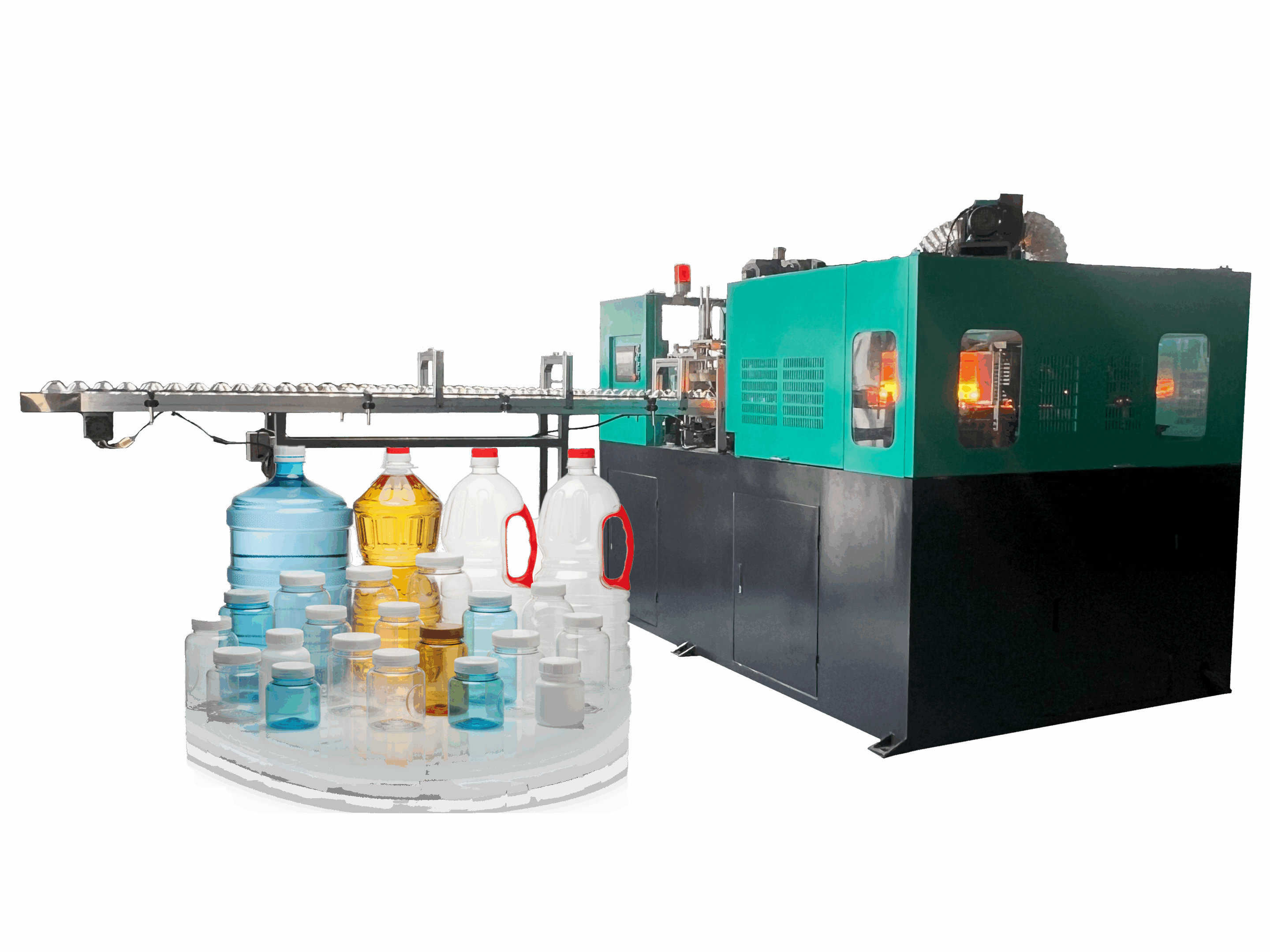
- Dedicated
stretch blow molding machine ranges
for high-speed water and beverage bottles, plus flexible machines for cosmetics, pharma and wide-mouth jars - Typical delivery lead time in the 30–90 day range, attractive if you cannot wait 6–12 months for high-end European equipment
- Practical, operator-friendly designs with remote diagnostics and online support
Watch-outs:
- Technical support is primarily handled remotely or via travelling engineers, rather than from a large permanent U.S. office
- Brand awareness in North America is still developing, so you should be prepared to check references and run a thorough FAT/SAT
Official site:
https://lekamachine.com
4. KHS — Energy-Efficient PET Lines with U.S. Manufacturing and Service
KHS is another major German group, with KHS USA based in Wisconsin and manufacturing capability in the U.S.
Best fit:
- Beverage producers focused on energy efficiency and long-term durability
- Plants looking for integrated filling and packaging solutions
Highlights:
- InnoPET Blomax series for PET bottle blowing with advanced heater and air-recovery concepts
- Strong focus on reducing kWh / 1,000 bottles and compressed air consumption
- Reliable American service base and engineering support
Watch-outs:
- Higher initial investment than some competitors
- Changeover flexibility may not match smaller, more agile platforms
Official site:
https://www.khs.com
5. Nissei ASB Company — One-Stage ISBM for Premium Containers
Nissei ASB is a pioneer of one-stage ISBM and runs a dedicated American office and technical support center in Georgia.
Best fit:
- Cosmetics, pharma, nutraceuticals and specialty food packaging
- Complex neck finishes, wide-mouth jars and thick-wall containers
Highlights:
- ASB-Series four-station machines handling a wide range of container volumes
- Excellent clarity and dimensional control, especially on challenging materials
- Strong technical support and training for North American users
Watch-outs:
- Slower than two-stage rotary systems for standard beverage work
- Tooling investment and per-cavity cost are higher
Official site:
https://www.nisseiasb.co.jp/en/
6. SIPA — Flexible Partner for Preforms, Molds and SBM
SIPA from Italy runs a U.S. office in Atlanta and offers one-stage, two-stage and preform systems under one roof.
Best fit:
- Companies wanting a single partner for preform injection, SBM and mold making
- Projects needing a mix of standard beverage bottles and special shapes
Highlights:
- SFR rotary SBM makineleri and XFORM preform injection systems
- Strong mold and packaging development capability
- Good balance between performance and customization
Watch-outs:
- Service footprint in America is solid but smaller than the largest German players
- Brand recognition is still lower than Krones or Sidel in some segments
Official site:
https://www.sipa.it
7. Bekum — U.S. Manufacturing Experience with SBM Offerings
Bekum is better known for extrusion şişirme kalıplama, but its American plant in Michigan and long presence in the U.S.
make it a familiar name for many processors.
Best fit:
- Producers who already trust Bekum for other blow molding processes
- Projects where “Made in USA” is a tender requirement
Highlights:
- DAN-SBM series for stretch blow applications
- Robust mechanical designs and deep experience in blow molding generally
- Local production and parts stock in the U.S.
Watch-outs:
- Stretch blow portfolio is narrower than dedicated PET specialists
- Not primarily targeted at high-speed mainstream beverage lines
Official site:
https://www.bekum.com
8. Aoki Technical Laboratory, Inc. — Compact One-Stage Innovation
Aoki, another Japanese ISBM pioneer, operates through its U.S. office in Illinois and focuses on compact,
energy-efficient one-stage systems.
Best fit:
- Specialty containers where flexibility, energy saving and design options are important
- Factories with limited floor space
Highlights:
- AL series one-stage machines with innovative three-station concepts
- Energy-saving technology suitable for thick-wall and specialty articles
- Strong reputation for precise, repeatable processing
Watch-outs:
- Not designed for ultra-high-speed standard water or CSD bottles
- Service network in America is smaller than some competitors, so response times should be confirmed in the SLA
Official site:
https://www.aokitech.co.jp/en/
9. Chumpower Machinery Corp. — Value Option with California Presence
Chumpower from Taiwan offers linear and rotary SBM machines and serves American customers via a sales and service office in California.
Best fit:
- Small to mid-size bottlers looking for good performance at a competitive price
- Regional water, juice or edible-oil brands
Highlights:
- LSS series linear machines known for flexibility and ease of use
- Competitive pricing vs. many European and Japanese suppliers
- Direct U.S. İletişim point for sales and technical support
Watch-outs:
- Not typically chosen for fully turnkey mega-plants
- Secondary market (resale) value may be lower than top-tier brands
Official site:
https://www.chumpower.com
10. SMF — Flexible European Alternative Serving North America
SMF, with German and Polish roots, has built a customer base in America by offering flexible, cost-effective rotary and linear blowers.
Best fit:
- Custom bottle manufacturers and regional beverage producers
- Businesses that need a mix of speed and format variety
Highlights:
- Optima and HS series rotary SBM for medium to high speeds
- Compact linear systems that suit custom jobs and smaller batches
- Competitive pricing for European-built machinery
Watch-outs:
- Smaller service network in America; confirm coverage and response times
- Less widely recognized brand name, which can matter for financing or resale
Official site:
https://smfgmbh.com
How American Startups and Mid-Sized Brands Should Choose a Supplier
If you’re a startup or growth-stage brand in America, your priorities are different from a multinational:
- Time-to-market: a machine delivered in 30–90 days can make or break a launch.
- Ease of operation: you may not have veteran SBM technicians.
- Cash flow: you care about payback time, not just nameplates and prestige.
For this profile, focus on:
- Delivery and installation timeline — get realistic schedules in writing.
- Training package — how many operator and maintenance training days are included?
- TCO model based on local costs — ask suppliers to calculate TCO with your electricity and labor rates, not generic numbers.
- Remote diagnostics and spare parts — what is the guaranteed response time, and where are parts stocked?
Overpaying for a sophisticated line you don’t fully utilize is just as bad as buying a “cheap” machine that constantly breaks down.
Domestic vs Overseas Machines — Finding the Right Balance
Domestic / U.S.-Built Machines
Pros:
- Fast onsite service and local travel only
- Easier communication across time zones and language
- In some cases, better access to financing and “Buy American” incentives
Cons:
- Higher upfront equipment cost
- Lead times can still be long for highly customized projects
Overseas Machines (Europe / Asia)
Pros:
- Lower acquisition cost for similar output
- More options in terms of suppliers and configurations
Cons:
- Longer shipping and customs process
- More complex warranty and service arrangements
For many American buyers, a hybrid strategy works best:
choose a cost-effective overseas machine (for example from an Asian OEM like LekaMachine) and negotiate a robust remote support plan
plus fast air-freighted parts, while keeping some local partners for downstream automation or maintenance.
Maintenance, Spare Parts and Service Level Agreements
Before signing any contract, clarify in writing:
- Recommended preventive maintenance (PM) intervals
- A critical spares kit list and its cost
- Service Level Agreement (SLA) with measurable targets, such as:
response time for remote support, time to dispatch a technician in the U.S., and maximum Mean Time To Repair (MTTR) for priority issues
Modern SBM machines should offer built-in remote diagnostics: technicians can log in securely, read alarms, adjust parameters
and guide your team through fixes, often avoiding a site visit altogether.
Installation, Commissioning and Ramp-Up
A smooth start-up in America requires:
- Clear Factory Acceptance Test (FAT) checklist before shipment
- Detailed Site Acceptance Test (SAT) procedure on your floor
- A training plan in English for operators, maintenance and supervisors
- Defined ramp-up KPIs, for example:
OEE target after 30 days, scrap rate threshold, and energy consumption benchmarks
Make sure the schedule accounts for U.S. holidays and your plant shutdown periods
so that key engineers are actually available when you need them.
Pilot Runs, RFQs and Vendor Scorecards
When you send your RFQ and evaluate suppliers:
- Ask for a pilot run using your own preforms and resin (or at least a close equivalent).
- Measure during the trial:
OEE, scrap rate, kWh / 1,000 bottles and mold changeover time. - Request unedited video of a full changeover, a service coverage map for America,
and at least two references from companies in your region and industry. - Build a simple vendor scorecard that rates each supplier on:
technical fit, energy and air efficiency, changeover performance, service coverage and total commercial package.
FAQ — Common Stretch Blow Molding Questions from American Buyers
Q: One-stage or two-stage — which is better for me?
If you produce large volumes of standard water or CSD bottles, a high-speed two-stage line is usually best.
If you produce high-margin cosmetics, pharma bottles, dropper vials or wide-mouth jars with complex shapes,
a one-stage ISBM platform will give you better surface quality and design freedom.
Q: What is a realistic energy benchmark?
Efficient, modern two-stage lines should target around 2–3 kWh per 1,000 standard 0.5 L water bottles,
but you must verify this with the supplier for your bottle size, weight and pressure.
Q: How much compressed air will I need?
Şişirme makinesi uses a lot of high-pressure air (often around 40 bar / 580 psi).
Get your supplier to specify consumption at different speeds, and seriously consider an air-recovery system to cut compressor costs.
Q: Can these machines be used for hot-fill applications?
Yes, but you will need a heat-set configuration that conditions the PET inside the mold,
so the bottle can resist high temperatures without shrinking.
That adds complexity and cost, so specify it clearly in your RFQ.
Q: How long should a mold change take?
On a well-designed system with quick-change features and a trained crew,
you should aim for 30–60 minutes from last good bottle of the old SKU to first acceptable bottle of the new one.
Conclusion — Find the Right Platform, Prove the Numbers, Then Commit
Choosing the right stretch blow molding machine in America is ultimately about three things:
- Platform fit — one-stage vs two-stage, speed vs flexibility for your bottle portfolio
- Verified service — who will actually support you on American soil or via reliable remote diagnostics
- Measured TCO — realistic energy, labor and maintenance costs over the machine’s lifetime
Don’t rush into a decision based on a low sticker price or a famous brand name.
Use this guide to build a sensible shortlist, demand pilot runs and clear SLAs,
and insist on hard numbers for energy, uptime and changeover times.
If you would like to benchmark your project or explore a stretch blow molding solution with shorter lead times
and competitive TCO, you are welcome to reach out to
LekaMachine
and compare our proposal with the other manufacturers on this list.


0 Yorum