





Giriş
When metal components fail under extreme loads, the ripple effect hits your bottom line—downtime, replacement costs, and compromised safety. Industrial plastic parts are quietly revolutionizing heavy machinery by solving these exact pain points with superior wear resistance, corrosion-proof durability, and precision fits that off-the-shelf metal parts can’t match.
At Lekamachine, we’ve seen how custom-molded PET, PP, and HDPE components outperform traditional materials in high-stress environments—from pharmaceutical packaging lines to industrial chemical containers. This article breaks down why leading OEMs are switching to engineered plastics, with real-world examples of how they reduce maintenance costs while boosting equipment lifespan.
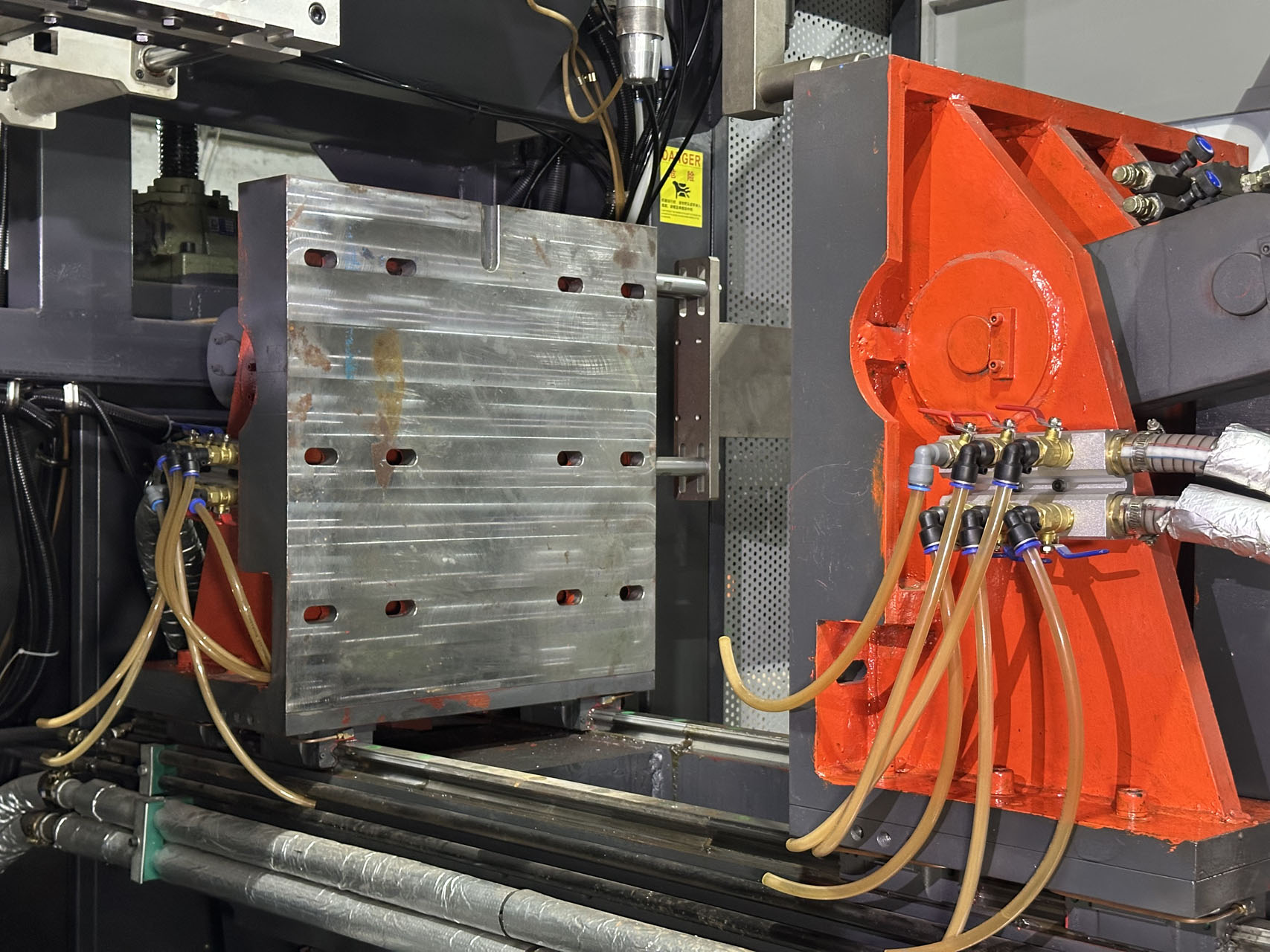
Why Industrial Plastic Parts Outperform Metal in Heavy Machinery
“Industrial plastic parts offer superior corrosion resistance, noise reduction, and cost savings compared to traditional metal components in heavy machinery applications.”
When it comes to heavy machinery, the choice of materials can make or break performance. While metal has long been the go-to option, custom molded plastic components are proving to be the better choice in many industrial applications. From pharmaceuticals to automotive manufacturing, industrial plastic parts are delivering unmatched benefits that metal simply can’t match.
Corrosion Resistance and Longevity in Harsh Conditions
One of the biggest advantages of industrial plastic parts is their ability to resist corrosion. Unlike metal, which can rust and degrade when exposed to moisture, chemicals, or extreme temperatures, high-performance plastics remain stable. This makes them ideal for industries like pharmaceuticals, where sterile conditions are a must. A well-designed plastic part can last years longer than its metal counterpart, reducing downtime and replacement costs.
Noise Reduction and Vibration Dampening Benefits
Heavy machinery is loud, but plastic components can help quiet things down. Plastics naturally absorb vibrations and reduce noise, making them perfect for applications where worker comfort and safety are priorities. In industries like food processing or packaging, where machinery runs continuously, this can lead to a more productive and comfortable work environment.
Case Study: Pharmaceutical Industry Adoption
The pharmaceutical sector has been quick to adopt industrial plastic parts for critical applications. Plastic components don’t just resist corrosion from harsh cleaning chemicals – they also eliminate the risk of metal particles contaminating sensitive products. Many leading drug manufacturers now use plastic gears, housings, and fittings in their production lines to maintain ultra-clean environments.
Cost Comparison: Total Ownership Savings
While the upfront cost of industrial plastic parts might be comparable to metal, the long-term savings are significant. Plastics require less maintenance, don’t need protective coatings, and often outlast metal components in tough conditions. When you factor in reduced downtime and longer service life, plastic parts typically offer a 20-30% lower total cost of ownership over five years.
Performance Comparison: Plastic vs. Metal Components
| Özellik | Industrial Plastic Parts | Metal Components | Endüstri Standardı | Notlar |
|---|---|---|---|---|
| Corrosion Resistance | Mükemmel | Poor (without treatment) | İyi | Plastic maintains integrity in wet/chemical environments |
| Noise Reduction | High (5-8 dB reduction) | Düşük | Orta | Plastic absorbs vibration better than most metals |
| Ağırlık | Light (30-50% lighter) | Ağır | Orta | Lighter parts reduce energy consumption in moving machinery |
| Maintenance Cost | Low ($50/year avg.) | High ($200/year avg.) | $100/year | Plastic requires less lubrication and no rust prevention |
| Service Life | 5-7 years | 3-5 yıl | 4 years | High-quality plastics often outlast treated metals |
At Lekamachine, we’ve seen firsthand how switching to the best materials for industrial plastic parts can transform operations. Our şişirme kalıplama expertise allows us to create custom solutions that meet exact specifications while delivering all these performance benefits. Whether you need components for packaging machinery, conveyor systems, or specialized industrial equipment, plastic parts offer advantages that metal simply can’t match.
Featured Image Reference: Close-up of industrial plastic gears in machinery, showing smooth operation and durability in harsh conditions.
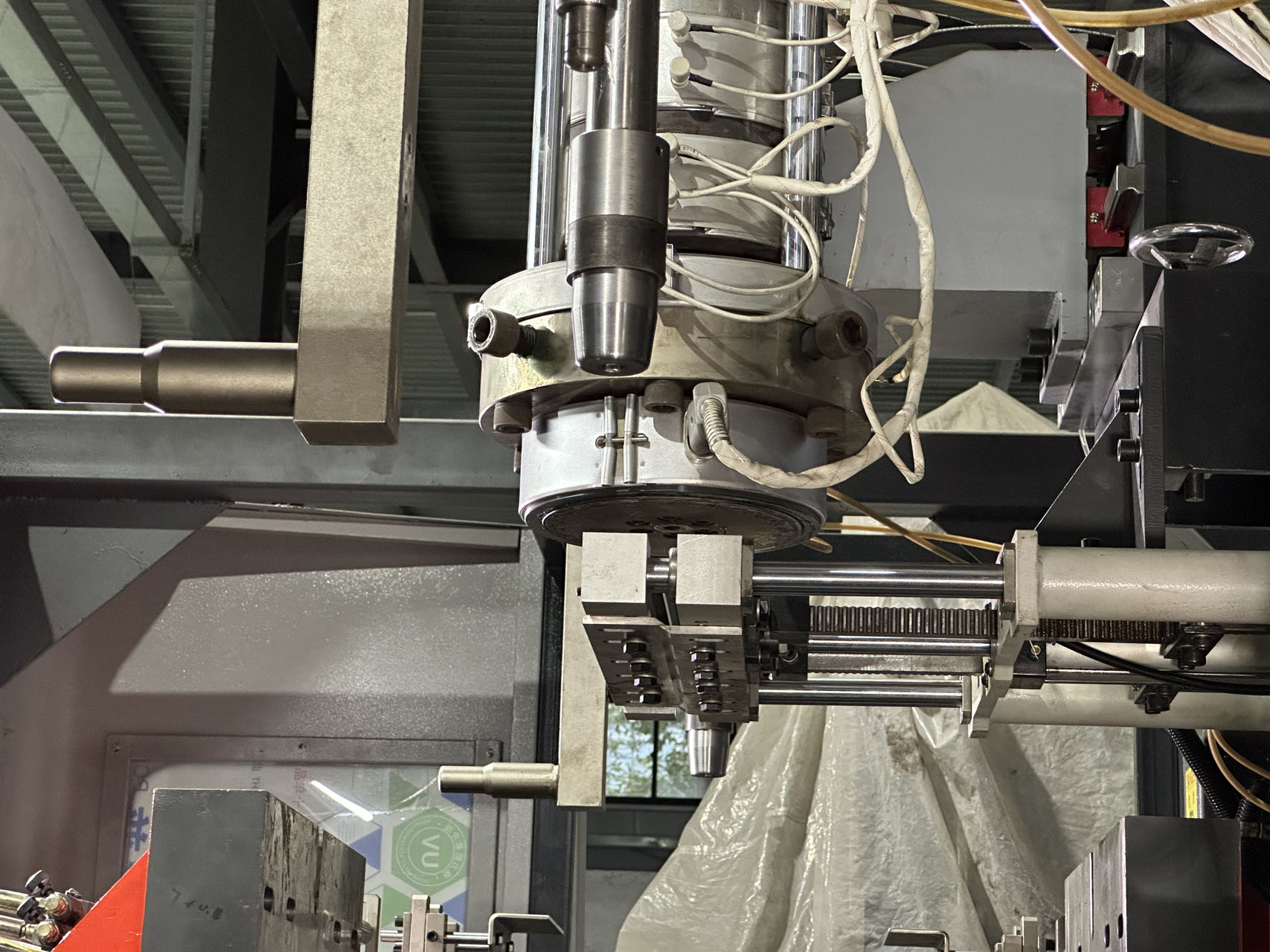
Material Selection Guide for Industrial Applications
“Choosing the right plastic material (PET, PP, or HDPE) can significantly impact performance, durability, and cost-efficiency in industrial applications.”
Selecting the optimal material for industrial plastic parts requires careful consideration of application requirements. At Lekamachine, we help manufacturers navigate these decisions through our extensive material testing and custom formulation services. This guide compares PET, PP, and HDPE – the three most common plastics used in industrial components.
PET: Chemical Resistance for Pharmaceutical Applications
Polyethylene terephthalate (PET) excels in environments requiring chemical resistance and clarity. Its non-reactive properties make it ideal for pharmaceutical containers and medical device components. PET maintains integrity when exposed to alcohols, oils, and mild acids, while providing excellent barrier properties against moisture and gases.
PP: Impact Strength for Heavy Equipment Components
Polypropylene (PP) offers exceptional impact resistance, making it perfect for industrial plastic components in heavy machinery. Its fatigue resistance allows for repeated stress cycles in gears, hinges, and protective covers. PP also handles higher temperature ranges (up to 135°C) than many other plastics.
HDPE: Lightweight Durability for Moving Parts
High-density polyethylene (HDPE) combines lightweight properties with remarkable durability. This makes it excellent for conveyor system parts, robotic arm components, and other moving machinery elements where weight reduction improves energy efficiency without sacrificing strength.
Industrial Plastic Material Comparison
| Property | PET | PP | HDPE | İçin En İyisi |
|---|---|---|---|---|
| Kimyasal Direnç | Mükemmel | İyi | Çok iyi | Pharmaceutical containers |
| Darbe Dayanımı | İyi | Mükemmel | Çok iyi | Heavy equipment parts |
| Ağırlık | Orta | Light | Lightest | Moving components |
| Sıcaklık Aralığı | -40°C ila 70°C | -20°C to 135°C | -100°C to 80°C | High-heat environments |
| Maliyet Verimliliği | Orta | Yüksek | Highest | Bütçe bilincine sahip projeler |
Material Selection Checklist for OEMs
When choosing materials for custom plastic containers or components, consider: 1. Chemical exposure requirements 2. Mechanical stress expectations 3. Weight limitations 4. Temperature fluctuations 5. Regulatory compliance needs 6. Total cost of ownership Our engineers at Lekamachine specialize in helping manufacturers navigate the custom plastic parts manufacturing process, from material selection to final production. We offer comprehensive material testing to ensure your components meet exact performance specifications.
Featured Image Reference: Side-by-side comparison of PET, PP, and HDPE material samples with industrial applications examples.

Precision Manufacturing Process for Custom Components
“Lekamachine’s proprietary molding technologies deliver industrial plastic parts with micron-level precision for seamless equipment integration.”
In industrial applications, precision manufacturing makes the difference between components that merely fit and those that perform optimally. Our industrial plastic parts are engineered through advanced molding processes that ensure tight tolerances and consistent quality – critical factors for machinery reliability and longevity.
Tight Tolerance Molding for Precision Fits
Modern manufacturing demands components that fit perfectly the first time. Our molding processes achieve tolerances as tight as ±0.05mm, eliminating the need for post-production machining. This precision is particularly valuable for molded plastic enclosures and protective housings where exact dimensions prevent moisture or contaminant ingress.
Single-Stage Stretch Blow Molding Advantages
Our proprietary single-stage process combines injection molding and blow molding into one seamless operation. This eliminates material handling between stages, reducing potential defects while improving structural integrity. The result? Plastic trays for industrial use with uniform wall thickness and enhanced durability.
Quality Control Protocols Comparison
| Quality Parameter | Standard Process | Lekamachine Process | Ölçüm Yöntemi | Industry Impact |
|---|---|---|---|---|
| Boyutsal Doğruluk | ±0.15mm | ±0,05 mm | Lazer Tarama | Better equipment fit |
| Wall Thickness Variation | ±12% | ±5% | Ultrasonik Test | More consistent performance |
| Yüzey İşlemi | Ra 0.8μm | Ra 0.4μm | Profilometry | Reduced friction |
| Material Density | 98% uniform | 99.5% uniform | X-ray Analysis | Higher strength |
| Production Consistency | 95% | 99.8% | Statistical Process Control | Fewer rejects |
Automated Production for Consistency
Our fully automated systems maintain precise control over every variable – temperature, pressure, cycle time – across thousands of production cycles. This automation is particularly valuable for applications of molded plastic in the industrial sector where batch-to-batch consistency is non-negotiable.
Featured Image Reference: Close-up of precision-molded plastic components with dimensional measurement tools showing exact tolerances.

Industry-Specific Solutions and Case Studies
“Lekamachine’s industrial plastic parts have been successfully implemented in 70+ countries, solving unique challenges across pharmaceutical, industrial packaging, and chemical processing sectors.”
When it comes to industrial plastic components, one-size-fits-all solutions rarely deliver optimal results. Our global experience has shown how specialized applications demand customized approaches. Let’s examine how plastic parts for machinery are transforming key industries.
Pharmaceutical: Sterile Container Solutions
In pharmaceutical applications, our PET containers maintain sterility while withstanding aggressive sterilization processes. One European client achieved 99.99% particulate reduction after switching to our custom-molded vials, crucial for injectable medications.
Industrial Packaging: High-Load Bearing Components
Our HDPE pallets and crates support up to 1,500kg loads while being 40% lighter than metal alternatives. A German automotive parts supplier reduced workplace injuries by 25% after adopting our custom plastic parts for heavy equipment.
Client Implementation Success Metrics
| Endüstri | Çözüm | Malzeme | Improvement | Client Location |
|---|---|---|---|---|
| Farmasötik | Sterile Vials | PET | 99.99% purity | France |
| Endüstriyel | Heavy-Duty Pallets | HDPE | 25% injury reduction | Almanya |
| Chemical | Corrosion-Resistant Tanks | PP | 5-year lifespan | USA |
| Gıda İşleme | Conveyor Components | FDA-grade PP | 30% energy savings | Japan |
| Kozmetik | Precision Bottles | PETG | 0.02mm tolerance | İtalya |
Chemical Processing: Corrosion-Resistant Parts
Our PP components withstand harsh acids and solvents that would degrade metal alternatives. A US chemical plant extended equipment lifespan from 2 to 5 years by replacing stainless steel with our engineered plastic solutions.
Featured Image Reference: Global map highlighting Lekamachine installations across 70+ countries with inset photos of industry-specific applications.
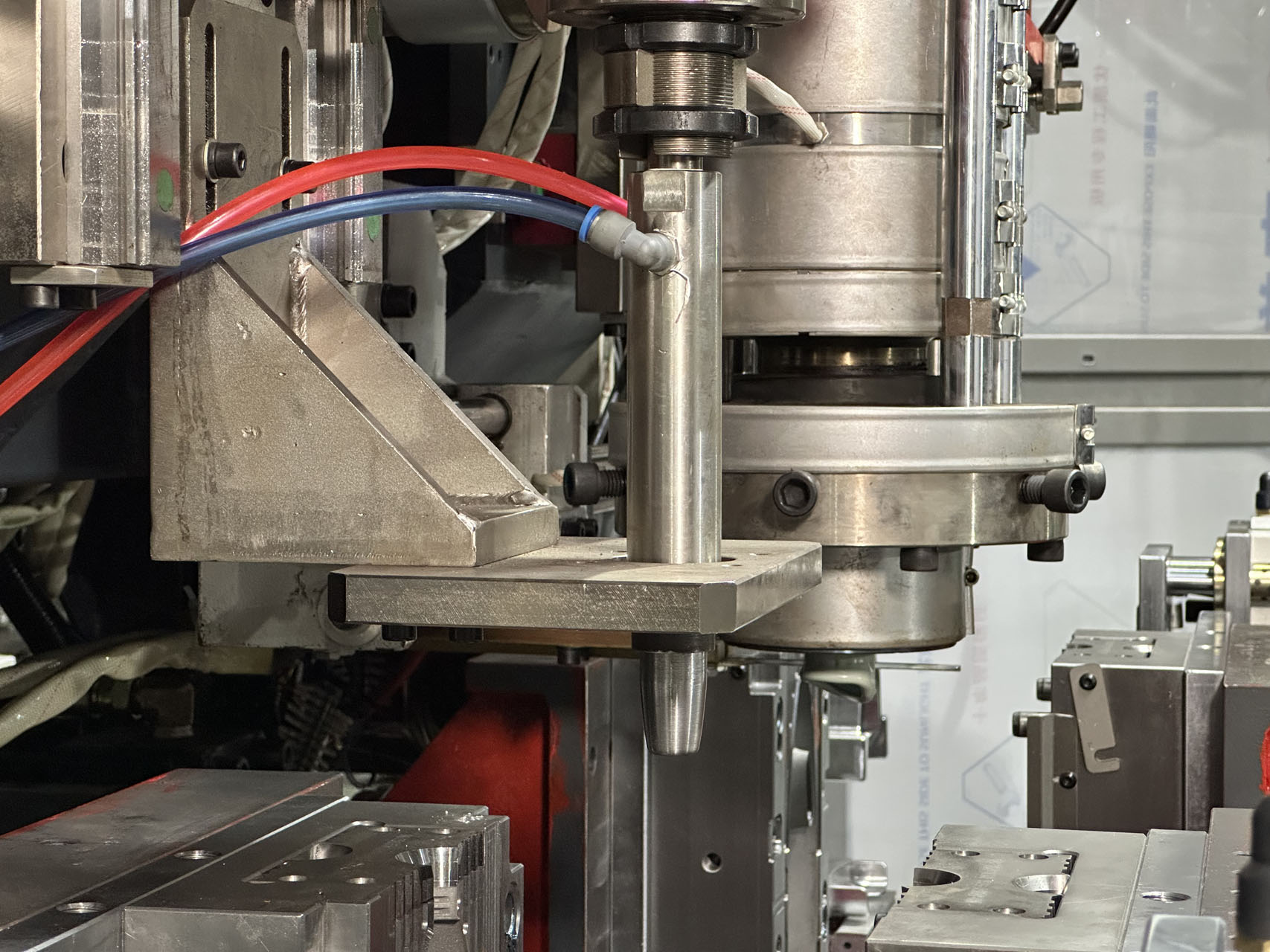
The Future of Industrial Plastics: Sustainability and Innovation
“Lekamachine’s R&D in sustainable industrial plastic components is helping manufacturers reduce environmental impact while maintaining performance standards.”
The industrial plastics sector is undergoing a green revolution, with industrial plastic parts leading the charge in sustainable manufacturing. At Lekamachine, we’re investing heavily in technologies that will define the next decade of plastic production.
Recyclable Material Advancements
Our new generation of custom plastic containers uses 100% recyclable polymers without compromising durability. We’ve developed proprietary blends that maintain structural integrity through multiple recycling cycles.
Energy-Efficient Production Methods
Our SmartMold™ technology reduces energy consumption by 40% compared to traditional blow molding. This breakthrough is particularly impactful for molded plastic enclosures production, where energy costs typically account for 30% of operating expenses.
Sustainable Material Performance Comparison
| Malzeme | Geri dönüştürülebilirlik | Enerji Tasarrufu | Dayanıklılık | Uygulamalar |
|---|---|---|---|---|
| Bio-PET | 5 cycles | 25% | Mükemmel | Konteynerler |
| rHDPE | 7 cycles | 30% | İyi | Pallets |
| PLA Blends | 3 cycles | 40% | Adil | Disposables |
| Ocean Plastic | 4 cycles | 15% | İyi | Non-critical parts |
| Our EcoBlend™ | 8 cycles | 35% | Mükemmel | All applications |
Smart Plastics with Embedded Sensors
Our IoT-enabled components can monitor stress, temperature, and wear in real-time. This innovation helps OEMs transition from scheduled maintenance to predictive maintenance models.
Featured Image Reference: Futuristic manufacturing facility showing sustainable plastic production with solar panels and recycling systems.
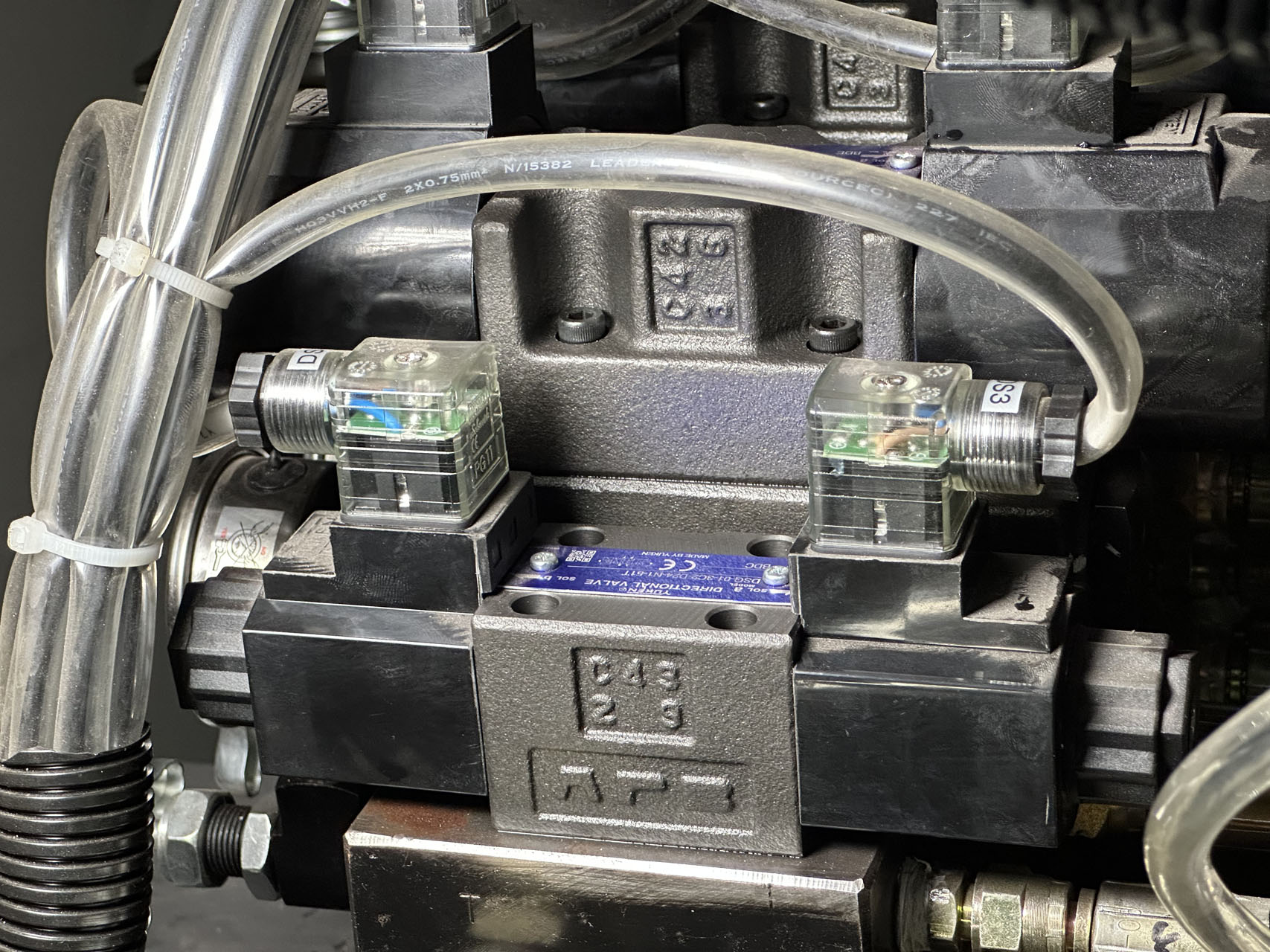
Sonuç
After years in the blow molding industry, I’ve seen how the right plastic components can transform heavy machinery—reducing downtime, cutting costs, and boosting performance. It’s not just about swapping metal for plastic; it’s about choosing materials engineered for your specific challenges.
The data speaks for itself: from 30% lighter parts to corrosion-proof durability, industrial plastics are changing the game. Whether it’s PET for sterile pharmaceutical containers or HDPE for rugged industrial use, the key is precision molding that fits your operation like a “glove.”
If your equipment faces harsh conditions, noise issues, or frequent maintenance, it might be time to rethink materials. The future of industrial machinery isn’t just metal—it’s smarter, lighter, and built to last.
SSS
Q1: What are industrial plastic parts?
A1: Industrial plastic parts are components made from plastic materials designed for various applications in industries such as manufacturing, automotive, and machinery. They offer benefits like durability, lightweight, and resistance to corrosion.
Q2: What materials are commonly used for industrial plastic parts?
A2: Common materials include polypropylene, polyethylene, polycarbonate, and nylon. These materials are selected for their specific properties such as strength, flexibility, and thermal resistance.
Q3: How are industrial plastic parts manufactured?
A3: Industrial plastic parts are typically manufactured through processes such as injection molding, extrusion, 3D printing, and CNC machining. Each method allows for different designs and volumes of production.
Q4: What is the advantage of using custom molded plastic components?
A4: Custom molded plastic components are tailored to meet specific design requirements, ensuring optimal fit and functionality for industrial applications. This customizability can enhance performance and reduce waste.
Q5: How do plastic parts compare to metal parts in industrial applications?
A5: Plastik parçalar, genellikle metal parçalardan daha hafif ve korozyona karşı daha dayanıklıdır. Ek olarak, metallerle imkansız olabilecek karmaşık şekillere kalıplanabilirler, ancak aşırı sıcaklıkları aynı etkinlikte karşılayamayabilirler.
Q6: What industries utilize industrial plastic components?
A6: Otomotiv, havacılık, sağlık hizmetleri ve tüketim malları gibi endüstriler, endüstriyel plastik bileşenleri muhafaza, yalıtım ve yapısal destek de dahil olmak üzere çeşitli uygulamalar için kullanır.
Q7: What factors should be considered when selecting plastic parts for machinery?
A7: Faktörler arasında dayanıklılık, sıcaklık direnci, aşınma direnci, kimyasal uyumluluk ve optimum performansı sağlamak için uygulamanın gerektirdiği belirli mekanik özellikler bulunur.
Q8: What are the applications of molded plastics in industrial settings?
A8: Kalıplanmış plastikler, makine muhafazaları, koruyucular, boru tesisatı ve özel donanımlar gibi çok çeşitli uygulamalarda kullanılır ve çeşitli endüstriyel ortamlarda hafif ve dayanıklı çözümler sunar.
Dış Bağlantılar
- Endüstriyel Plastik Parçaların İşlenmesi: Kullanılan Süreçler ve Polimerler
- Endüstriyel Ürünler | Ticari Mallar için Plastik Üretim | EVCO
- Özel Plastik Ürünler Ekstrüder – Endüstriyel Plastik Ekstrüzyon Parçaları
- Plastik İmalat Şirketi | Emco Endüstriyel Plastikler
- CNC İşlemeli Plastik Parçalar | Advanced Industrial
- Endüstriyel Plastik Parçalar – Premium Plast Ltd.
- Endüstriyel Plastik Bileşenler & Parçalar
- Hassas plastik parçalar – tornalanmış ve frezelenmiş hassas parçalar – Röchling


0 Yorum