
Introduction
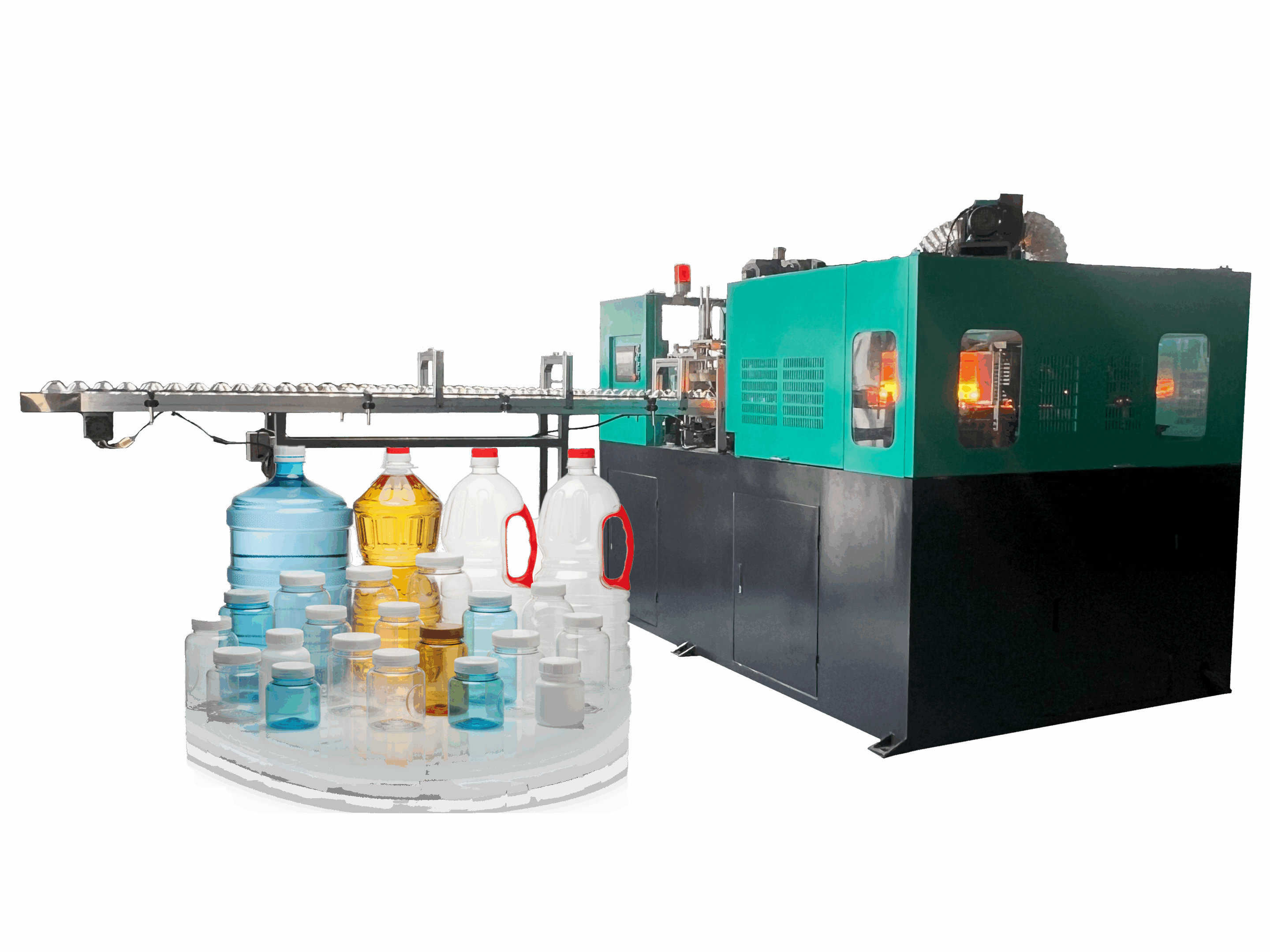
The manufacturing sector accounts for nearly 30% of global plastic waste—a staggering figure that puts pressure on brands to adopt sustainable blow molding practices. With tightening ESG regulations and consumer demand for eco-friendly packaging, companies can no longer afford inefficient, wasteful production methods.
At Lekamachine, we’ve seen how closed-loop recycling and energy-efficient servo-driven systems reduce material waste by up to 40% while maintaining output quality. This article explores seven key innovations—from bio-based resins to IoT-enabled monitoring—that are transforming blow molding into a cornerstone of the circular economy.
The Fundamentals of Sustainable Blow Molding Sustainable blow molding combines advanced manufacturing techniques with eco-friendly materials to reduce environmental impact while maintaining high production efficiency. Sustainable blow molding is transforming the plastics industry by aligning manufacturing processes with the principles of the circular economy. Unlike traditional methods, this approach prioritizes energy efficiency, waste reduction, and material recyclability. Companies leverage decades of expertise to deliver machines that meet stringent global environmental standards while boosting productivity. Key aspects include: Use of recycled PET, PP, or HDPE materials. Energy consumption reductions up to 40%. Design for disassembly and recyclability. Compliance with global environmental regulations. Improved material utilization rates

Innovative Materials in Sustainable Blow Molding
“Advanced materials like PCR plastics and bio-based resins are revolutionizing sustainable blow molding by reducing environmental impact while maintaining product performance.”
The shift toward environmentally friendly packaging has driven significant innovation in materials for sustainable blow molding. Post-consumer recycled (PCR) plastics, particularly PET and HDPE, now account for nearly 30% of material inputs in leading manufacturing facilities. These recycled materials maintain 95-98% of virgin plastic performance characteristics while reducing carbon footprint by 40-60%.
Material Breakthroughs Transforming the Industry
Bio-based resins like PLA (polylactic acid) present exciting opportunities for sustainable blow molding. Derived from renewable resources such as corn starch, PLA offers comparable clarity and rigidity to traditional plastics with 70% lower greenhouse gas emissions during production. However, material scientists note PLA requires modified processing temperatures between 160-180°C compared to PET’s 240-260°C range.
Closed-Loop Systems in Action
Forward-thinking manufacturers have implemented material recovery systems that achieve 90%+ recycling rates. These closed-loop solutions integrate directly with blow molding equipment, automatically sorting and reprocessing production scrap. One European cosmetics brand reduced material waste by 82% after implementing such systems with their sustainable blow molding process.
| Material | Recycled Content % | Energy Savings | Tensile Strength | Processing Temp (°C) |
|---|---|---|---|---|
| PCR PET | 30-100% | 40-60% | 95% of virgin | 240-260 |
| PCR HDPE | 25-100% | 35-55% | 97% of virgin | 180-240 |
| PLA | 0% (bio-based) | 60-70% | 85% of PET | 160-180 |
| rPP | 20-80% | 30-50% | 93% of virgin | 200-230 |
| Industry Target | 50%+ | 40%+ | 90%+ | N/A |
Lekamachine’s partnerships with material scientists have yielded proprietary processing adaptations that maintain production speeds when using these sustainable alternatives. Their ride-or-die commitment to material innovation helps clients navigate the transition to circular economy practices without sacrificing output quality or efficiency.
Featured image suggestion: Comparative infographic showing environmental benefits of sustainable blow molding materials versus traditional plastics.

Energy-Efficient Technologies in Blow Molding
“Modern servo-driven systems and IoT monitoring are transforming sustainable blow molding, reducing energy consumption by up to 40% while improving product quality.”
The push toward sustainable manufacturing practices has accelerated innovation in energy-efficient blow molding technologies. Servo-driven systems now dominate the market, offering precise control that reduces energy waste during production cycles. These advanced systems automatically adjust power consumption based on real-time demand, achieving consistent 35-40% energy savings compared to traditional hydraulic machines.
Smart Monitoring for Sustainable Production
IoT-enabled sensors provide continuous monitoring of temperature, pressure, and material flow rates in sustainable blow molding operations. This real-time data allows for immediate adjustments that prevent defects before they occur, reducing material waste by up to 25%. One pharmaceutical manufacturer reported a 30% decrease in rejected containers after implementing these smart monitoring systems.
Lightweighting Without Compromise
Material optimization techniques enable thinner wall sections while maintaining structural integrity. Advanced simulation software helps engineers reduce container weight by 15-20%, directly lowering material costs and transportation emissions. These innovations demonstrate how sustainable blow molding contributes to circular economy objectives through smarter resource utilization.
| Technology | Energy Savings | Defect Reduction | Material Savings | ROI Period |
|---|---|---|---|---|
| Servo-Driven Systems | 35-40% | 15% | 5-8% | 18-24 months |
| IoT Monitoring | 8-12% | 20-25% | 10-15% | 12-18 months |
| Lightweighting | 5-10% | 5% | 15-20% | 6-12 months |
| Heat Recovery | 10-15% | N/A | N/A | 24-36 months |
| Industry Benchmark | 25%+ | 15%+ | 10%+ | 24 months |
Lekamachine’s energy-efficient blow molding machines integrate these technologies to help manufacturers achieve sustainability targets without compromising production volumes. Their ride-or-die approach to innovation includes proprietary algorithms that optimize energy use across different container designs and materials.
Featured image suggestion: Side-by-side comparison of traditional versus energy-efficient blow molding systems showing key technology differences.
Waste Reduction Strategies and Industry Collaborations
“Modular mold systems and precision manufacturing techniques are reducing material waste in sustainable blow molding by up to 30% while extending equipment lifespan.”
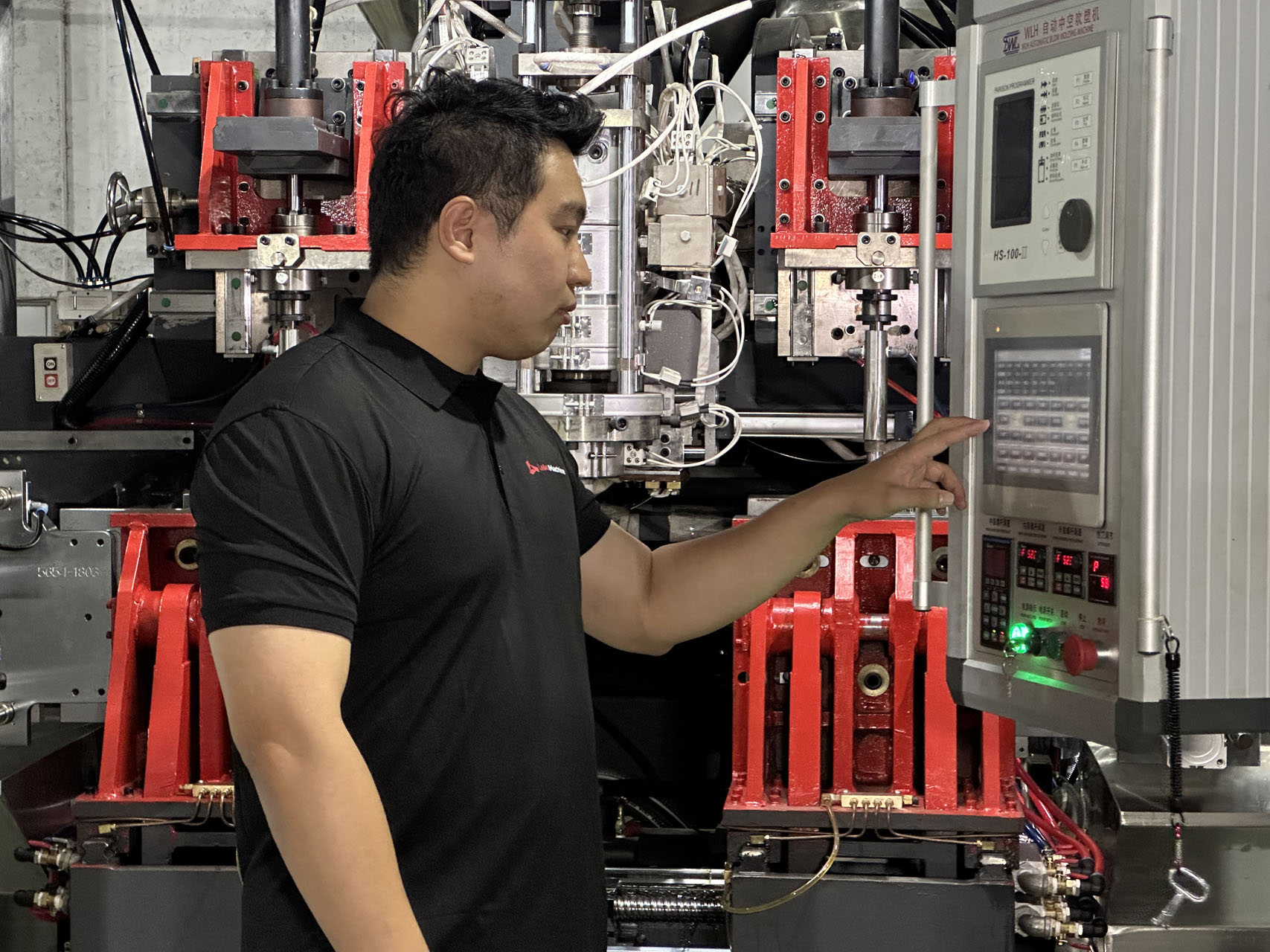
The transition toward circular economy in manufacturing has made waste reduction a critical focus for blow molding operations. Modular mold designs now allow manufacturers to achieve 25-30% longer equipment service life through interchangeable components and standardized interfaces. These systems demonstrate how sustainable blow molding practices can simultaneously reduce capital expenditures and environmental impact.
Precision Manufacturing for Scrap Reduction
Advanced process control systems have enabled scrap rates below 2% in leading facilities, compared to industry averages of 5-8%. Real-time monitoring of wall thickness distribution and automated weight adjustment systems ensure material optimization without compromising container integrity. One pharmaceutical partner achieved 40% material savings after implementing these precision techniques in their eco-friendly blow molding process.
Closing the Loop Through Collaboration
Industry partnerships have established successful bottle-to-bottle recycling programs that achieve 90%+ material recovery rates. These collaborations combine Lekamachine’s equipment expertise with material scientists’ knowledge to maintain virgin-like quality from recycled content. The cosmetics sector particularly benefits from these closed-loop systems, meeting ESG initiatives while preserving premium product aesthetics.
| Strategy | Waste Reduction | Equipment Lifespan | Material Recovery | Implementation Cost |
|---|---|---|---|---|
| Modular Molds | 15-20% | +25-30% | N/A | Medium |
| Precision Controls | 30-40% | +10% | 5-10% | High |
| Recycling Partnerships | 20-25% | N/A | 90%+ | Variable |
| Process Optimization | 10-15% | +15% | 15-20% | Low |
| Industry Benchmark | 20%+ | +20% | 50%+ | N/A |
Lekamachine’s ride-or-die approach to sustainable blow molding includes proprietary scrap reduction algorithms and active participation in cross-industry working groups. Their machines incorporate standardized interfaces specifically designed to facilitate material recovery and recycling processes.
Featured image suggestion: Infographic showing the lifecycle of recycled materials in closed-loop blow molding systems.

Future Trends and Business Case for Sustainable Blow Molding
“AI-driven optimization and biodegradable materials are transforming sustainable blow molding, offering 25-40% cost reductions while meeting evolving environmental regulations.”
The future of sustainable blow molding is being shaped by three key technological advancements: AI-powered process optimization, next-generation biodegradable materials, and smart energy recovery systems. Machine learning algorithms now analyze production data in real-time, adjusting parameters to reduce material waste by up to 30% while maintaining quality standards. These innovations demonstrate how sustainable manufacturing practices can deliver both environmental benefits and operational savings.
Emerging Materials and Market Shifts
New compostable polymers like PHA (polyhydroxyalkanoates) are achieving performance comparable to traditional plastics in sustainable blow molding applications. Market analysis predicts these materials will capture 15-20% of packaging demand by 2028, driven by brand owners’ ESG commitments. Lekamachine’s research shows clients adopting these solutions gain 5-7% price premiums for eco-conscious product lines.
Regulatory Preparedness and ROI
Forward-thinking manufacturers are future-proofing operations against anticipated extended producer responsibility (EPR) regulations. Investments in energy-efficient blow molding equipment typically show 18-24 month payback periods through combined energy savings (30-40%), material optimization (15-20%), and reduced compliance costs.
| Technology | Cost Reduction | Efficiency Gain | Adoption Rate | Regulatory Impact |
|---|---|---|---|---|
| AI Optimization | 20-25% | 30%+ | 35% | High |
| Biodegradables | 15-20% | 10-15% | 20% | Critical |
| Energy Recovery | 25-30% | 40%+ | 45% | Medium |
| Smart Sensors | 10-15% | 25% | 50% | Low |
| Industry Average | 15% | 20% | 30% | N/A |
Lekamachine’s ride-or-die commitment to sustainable blow molding includes proprietary AI models that predict optimal production parameters for new materials. Their future-ready machines feature modular designs that accommodate both current and anticipated regulatory requirements.
Featured image suggestion: Timeline infographic showing the evolution of sustainable blow molding technologies from current solutions to future innovations.

Conclusion
After 12 years in the blow molding industry, I’ve seen firsthand how sustainability isn’t just a trend—it’s the “ride-or-die” future of manufacturing. The shift to circular economy practices isn’t just about compliance; it’s about smarter production that cuts waste, saves costs, and keeps brands competitive.
From bio-based resins to AI-driven efficiency, the innovations we’ve covered prove that eco-friendly blow molding doesn’t mean sacrificing performance. At Lekamachine, we’ve helped clients slash material waste by 40% while boosting output—proof that sustainability and productivity go hand in hand.
The question isn’t whether to adapt—it’s how fast you can. With regulations tightening and consumers demanding greener packaging, the right technology isn’t just an investment; it’s your edge.
FAQ
Q1: What is sustainable blow molding?
A1: Sustainable blow molding is a manufacturing process that focuses on reducing waste and energy consumption while utilizing eco-friendly materials, like recycled plastics. It aims to create products with a lower environmental impact throughout their lifecycle.
Q2: How does blow molding contribute to the circular economy?
A2: Blow molding contributes to the circular economy by utilizing recyclable materials and creating products that can be reprocessed and reused, thus reducing waste and the need for new raw materials.
Q3: What are the benefits of using recycled materials in blow molding?
A3: Using recycled materials in blow molding reduces the carbon footprint, conserves natural resources, and can lower production costs, leading to both environmental and economic benefits.
Q4: How can blow molding become more energy-efficient?
A4: Blow molding can become more energy-efficient by adopting advanced technologies, optimizing production processes, and using machinery designed to consume less energy, which can significantly reduce overall energy usage.
Q5: What innovations are driving sustainable practices in blow molding?
A5: Innovations such as improved machinery, alternative materials like bioplastics, and energy-efficient technologies are driving sustainable practices in blow molding, making processes more environmentally friendly.
Q6: What role do regulations play in sustainable blow molding?
A6: Regulations play a crucial role in promoting sustainable blow molding by setting standards for material usage, emissions, and waste management that manufacturers must adhere to for environmental compliance.
Q7: What is the future of sustainable blow molding?
A7: The future of sustainable blow molding is focused on increased use of renewable resources, higher recycling rates, and advancements in technology that further reduce environmental impacts while maintaining product quality.
Q8: How does sustainable blow molding impact product design?
A8: Sustainable blow molding impacts product design by encouraging the use of lightweight designs, eco-friendly materials, and more efficient shapes that minimize material usage, leading to better sustainability outcomes.
External Links
- Blow molding OEMs focus on sustainability
- Sustainability Pressures & Blow Molding Applications
- Enhancing Sustainability in Plastic Production: Energy-Efficient Blow Molding Equipment
- stretch Blow Molding in Reducing Plastic Waste
- Environmental Impact of the Materials Used in Blow Molded Plastic Products
- Blow Molding and Sustainability: Why Being Eco-Friendly is Good Business
- Biodegradable Blow Molding: A Greener Future for Packaging
- Sustainable Injection Molding: Amcor and the Big Picture


0 Comments