


Introduction
Designing plastic components that are both lightweight and durable has long been a challenge for engineers. Traditional methods often force a trade-off between strength and weight, leading to either over-engineered parts or fragile designs that fail under stress. That’s where structural foam molding changes the game—delivering a cellular core structure that cuts material use by up to 30% while maintaining exceptional strength.
From automotive panels to medical equipment, this innovative process solves critical design problems. It enables complex geometries without warping, reduces production costs through lower clamping pressures, and even supports in-mold finishes to eliminate post-processing. For product designers and engineers, structural foam molding isn’t just an alternative—it’s a smarter way to balance performance, cost, and sustainability.
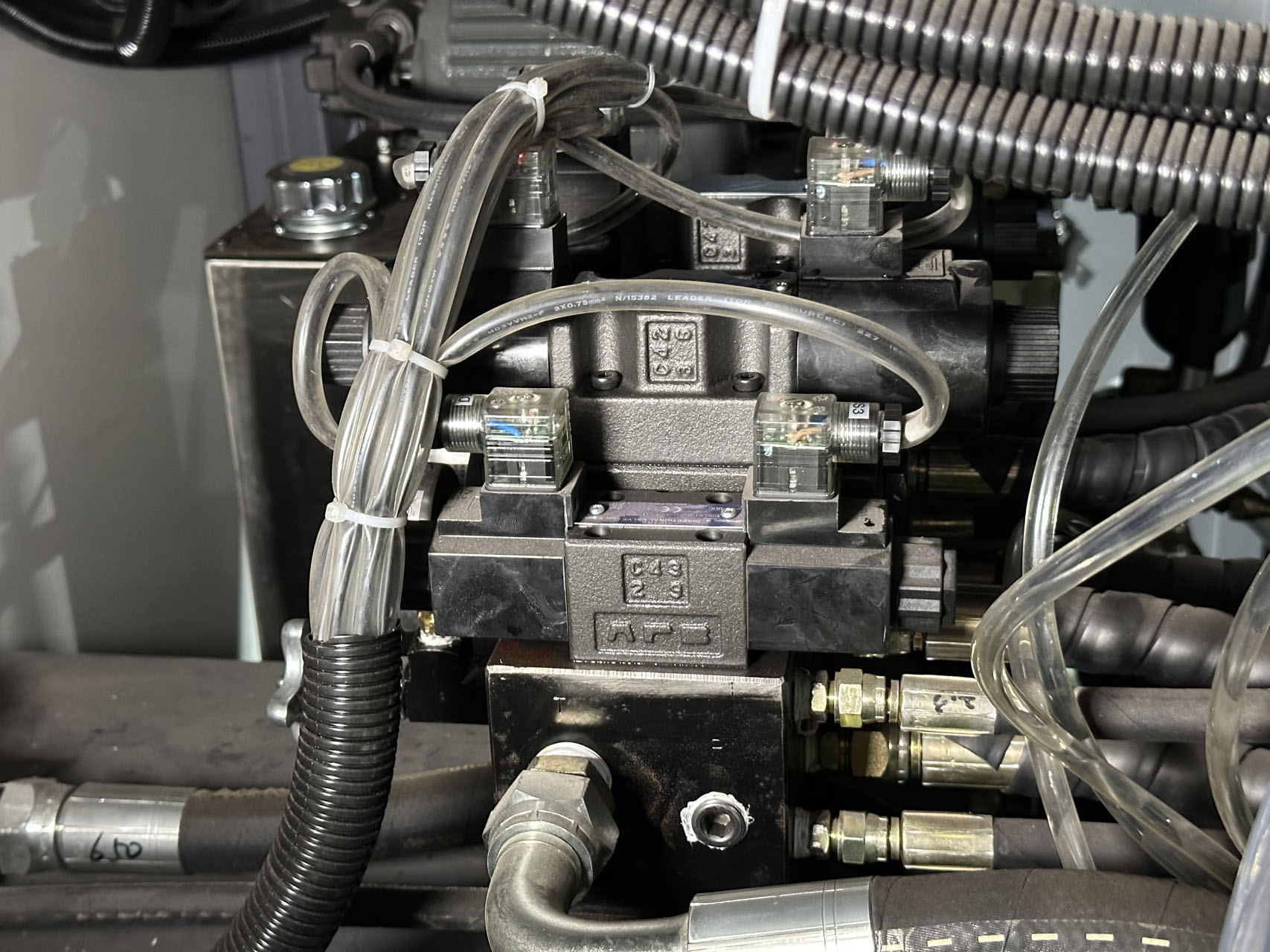
Understanding Structural Foam Molding: The Basics
“Structural foam molding creates lightweight yet durable plastic parts with a unique cellular core, offering cost savings and design flexibility.”
Structural foam molding is a specialized plastic manufacturing process that produces parts with a solid outer skin and a porous inner core. This technique injects a foaming agent into the molten plastic, creating a cellular structure that reduces material usage while maintaining strength. Unlike traditional injection molding, structural foam molding allows for thicker wall sections without sink marks, making it ideal for large parts like pallets, equipment housings, and automotive components.
What is Structural Foam Molding?
At its core, structural foam molding combines polymer resins with a blowing agent to create parts that are 10-30% lighter than solid injection molded components. The process begins when nitrogen gas or chemical blowing agents expand the molten plastic during injection, forming millions of tiny bubbles throughout the material. This cellular structure gives structural foam its signature combination of strength and weight reduction – a game-changer for industries where every ounce matters.
The Science Behind the Cellular Core Structure
The magic of structural foam lies in its microcellular architecture. As the plastic cools, the outer layers solidify first against the mold walls, creating a dense skin. Meanwhile, the inner material continues expanding, forming a honeycomb-like matrix that provides exceptional stiffness-to-weight ratios. This natural reinforcement allows manufacturers to use less material while achieving comparable (and sometimes superior) mechanical properties to solid parts.
Key Differences Between Structural Foam and Traditional Injection Molding
| Feature | Structural Foam | Traditional Injection | Advantage | Industry Application |
|---|---|---|---|---|
| Wall Thickness | Up to 0.5″ without sinks | Limited to 0.25″ | Better for large parts | Industrial equipment |
| Material Savings | 15-30% reduction | Full density | Lower costs | Consumer goods |
| Clamp Tonnage | 50-100 tons | 200-500 tons | Smaller machines | Automotive |
| Surface Finish | Textured options | High gloss | No secondary ops | Electronics |
| Cycle Time | 30-90 seconds | 15-30 seconds | Slower but efficient | Medical devices |
Note: Structural foam molding excels in applications requiring dimensional stability for large parts, while traditional injection remains better for small, high-precision components.
Evolution in Modern Manufacturing
From its origins in the 1970s for making basic industrial pallets, structural foam molding has evolved into a sophisticated process capable of producing complex, high-tolerance components. Today’s advanced foam injection molding systems incorporate precise gas metering and multi-nozzle injection for consistent cellular structures. At Lekamachine, we’ve adapted principles from our blow molding expertise to enhance structural foam processes, particularly in controlling wall thickness distribution and improving surface finishes.
The hidden benefit of modern structural foam lies in its aesthetic potential. Beyond functional advantages, the process now accommodates in-mold painting and textured finishes that eliminate secondary operations. This makes cellular structure injection molding increasingly popular for visible components in appliances, recreational vehicles, and point-of-purchase displays where both performance and appearance matter.

The Structural Foam Molding Process Explained
“Structural foam molding operates at significantly lower pressures than traditional injection molding, reducing equipment stress while creating lightweight, durable components.”
Step 1: Material Preparation and Resin Selection
The process begins with selecting thermoplastic materials like ABS, polycarbonate, or polypropylene blended with a chemical blowing agent. These resin pellets are dried to remove moisture before being fed into the molding machine’s hopper. The material choice directly impacts the final part’s properties – from impact resistance to thermal stability.
Step 2: Injection and Foaming Agent Activation
During structural foam molding, the plastic is melted and injected at low pressure (typically 100-300 psi vs. 1,000-20,000 psi for conventional molding). As the material enters the mold, the blowing agent decomposes, releasing gas that creates the cellular core structure. This low-pressure approach significantly reduces wear on molds and machinery.
Key Equipment Used in Structural Foam Molding
| Equipment | Function | Pressure Range | Material Savings | Mold Life Extension |
|---|---|---|---|---|
| Foaming Unit | Precisely meters blowing agent | N/A | 15-30% | 30-50% |
| Low-Pressure Screw | Melts and injects material | 100-300 psi | N/A | 40% |
| Specialized Nozzles | Controls foam expansion | 50-200 psi | 5-10% | 20% |
| Temperature Control | Maintains optimal melt temp | N/A | 2-5% | 15% |
| Mold Assembly | Forms final part geometry | 50-150 psi | N/A | 60% |
Step 3: Mold Filling and Cellular Structure Formation
The expanding plastic fills the mold cavity, with the outer layers cooling first against the mold walls to form a solid skin. The inner material continues expanding to create the characteristic foam core. This self-skinning effect eliminates sink marks common in thick-walled conventional molded parts.
Step 4: Cooling and Ejection of the Final Part
After sufficient cooling time (typically longer than standard injection molding), the mold opens and ejector pins remove the finished part. The extended cooling period allows the cellular structure to stabilize, ensuring dimensional accuracy. The resulting components show excellent strength-to-weight ratios – a key benefit of structural foam molding in design applications.

Advantages of Structural Foam Molding
“Structural foam molding delivers unmatched strength-to-weight ratios while offering significant cost savings through material efficiency and energy reduction.”
Superior Strength-to-Weight Ratio: How It Works
The cellular core structure of structural foam molding creates parts that are 10-30% lighter than solid injection molded components while maintaining comparable strength. This unique composition makes it ideal for applications where weight reduction is critical without sacrificing durability – a key consideration for lightweight durable plastics in automotive and aerospace industries.
Cost Savings: Material Efficiency and Energy Reduction
Structural foam molding uses 15-30% less material than traditional methods while operating at lower pressures (100-300 psi vs 1,000-20,000 psi). This dual efficiency reduces both raw material costs and energy consumption by up to 40%, making it one of the most economical choices for large plastic components.
Design Considerations for Molded Parts
| Advantage | Benefit | Material Savings | Energy Reduction | Industry Application |
|---|---|---|---|---|
| Thick Walls | No sink marks | 20% | 15% | Industrial Equipment |
| Complex Shapes | Fewer assemblies | 10% | 20% | Medical Devices |
| Large Parts | Lower clamp force | 30% | 40% | Automotive |
| Surface Finishes | No secondary ops | 5% | 10% | Consumer Goods |
| Hollow Sections | Natural reinforcement | 25% | 30% | Aerospace |
Design Flexibility for Complex Geometries
The low-pressure process allows for intricate designs that would be impossible with conventional molding. Structural foam molding excels at producing large, complex parts with varying wall thicknesses – a game-changer for applications ranging from medical equipment housings to automotive interior components.
Aesthetic and Sustainability Benefits
Beyond functional advantages, structural foam molding offers superior surface finishes with options for in-mold textures and painting. The process also supports sustainability goals through reduced material waste (3-5% vs 15% for traditional molding) and lower energy consumption throughout the product lifecycle.

Materials and Applications in Key Industries
“Structural foam molding utilizes specialized thermoplastics to create lightweight, durable components across automotive, medical, industrial and consumer markets.”
Common Thermoplastics Used
The most frequently used materials in structural foam molding include ABS for its impact resistance, polycarbonate for optical clarity, and PPE/PS blends for high-temperature applications. These thermoplastic materials offer unique properties that make them ideal for different industry requirements while maintaining the lightweight durable plastics advantage.
Industry Applications of Structural Foam Molding
| Industry | Typical Applications | Material Used | Weight Reduction | Case Study Example |
|---|---|---|---|---|
| Automotive | Door panels, bumpers, dashboards | PPE/PS blends | 25-30% | Reduced vehicle weight by 18kg in EV battery housings |
| Medical | Equipment housings, surgical trays | Polycarbonate | 20-25% | Portable MRI machine casing with EMI shielding |
| Industrial | Pallets, enclosures, tanks | HDPE | 30-35% | Chemical storage tanks with 40% longer lifespan |
| Consumer | Furniture, appliance parts | ABS | 15-20% | Outdoor furniture with UV-resistant in-mold finish |
| Electronics | Housings, protective cases | PC/ABS | 20-25% | 5G antenna covers with integrated cooling channels |
Automotive and Medical Applications
In automotive manufacturing, structural foam molding solves critical challenges like weight reduction for fuel efficiency while meeting stringent safety standards. Medical applications benefit from the process’s ability to produce sterile, durable housings that withstand repeated sterilization – a key consideration for how structural foam is used in manufacturing medical equipment.
Industrial and Consumer Solutions
The industrial sector leverages structural foam molding for large, rugged components like pallets and storage tanks that require exceptional durability. Consumer products benefit from the aesthetic flexibility of the process, which allows for textured finishes and color integration without secondary operations.

Design Considerations and Future Trends
“Optimizing designs for structural foam molding requires understanding wall thickness guidelines, rib placement, and material flow characteristics to maximize part performance.”
Wall Thickness and Structural Elements
For optimal results in structural foam molding, maintain consistent wall thickness between 0.125-0.500 inches. Ribs should be 50-60% of nominal wall thickness, while bosses require careful design to prevent sink marks. These design considerations for molded parts ensure uniform cellular structure formation throughout the component.
Key Design Parameters for Structural Foam Molding
| Design Element | Recommended Spec | Tolerance | Material Impact | Strength Benefit |
|---|---|---|---|---|
| Wall Thickness | 0.25-0.4 inches | ±0.03 inches | All materials | 30-40% |
| Rib Thickness | 50-60% of wall | ±5% | ABS, PC | 20-25% |
| Draft Angle | 1-2° per side | ±0.5° | All materials | N/A |
| Boss Design | Hollow recommended | N/A | PPE/PS | 15-20% |
| Gate Placement | Thickest section | N/A | All materials | Flow control |
Process Optimization and Future Innovations
Proper gate placement in cellular structure injection molding ensures complete filling while minimizing flow marks. Emerging trends include bio-based foaming agents that reduce environmental impact and smart materials that change properties based on environmental conditions.
Selecting a Manufacturing Partner
When choosing a structural foam molding partner, consider their experience with similar projects, material expertise, and ability to provide design feedback. While Lekamachine specializes in blow molding, our deep understanding of plastic manufacturing processes allows us to advise clients on the full range of options for their specific applications.

Conclusion
After years in the blow molding industry, I’ve seen firsthand how structural foam molding transforms the game for lightweight, durable plastics. It’s not just about cutting weight—it’s about smarter material use, cost efficiency, and design freedom that traditional methods can’t match.
From automotive to medical applications, this process delivers “next-level” performance without the trade-offs. The cellular core structure isn’t just innovative—it’s practical, solving real-world challenges in production and sustainability.
If you’re weighing options for your next project, structural foam molding is worth a closer look. It’s more than a process—it’s a strategic advantage for anyone serious about high-performance plastics.
FAQ
Q1: What is structural foam molding?
A1: Structural foam molding is a specialized injection molding process that produces parts with a foam core surrounded by a solid outer skin. This technique results in lightweight and durable parts, offering enhanced strength compared to conventional molding methods.
Q2: What are the advantages of structural foam molding?
A2: The main advantages of structural foam molding include lightweight design, cost-effectiveness, reduced material usage, and the ability to create complex geometries in large parts, making it ideal for various applications.
Q3: In which industries is structural foam molding used?
A3: Structural foam molding is commonly used in automotive, aerospace, consumer goods, and industrial applications. It is particularly beneficial in manufacturing large components where weight reduction and durability are crucial.
Q4: How does structural foam molding compare to traditional injection molding?
A4: Unlike traditional injection molding, which utilizes high pressure to fill the mold, structural foam molding uses low pressure and a blowing agent to create a cellular structure, resulting in lighter and often stronger parts.
Q5: What materials are typically used in structural foam molding?
A5: Common materials for structural foam molding include thermoplastics like high-density polyethylene (HDPE), polypropylene, and ABS, often combined with blowing agents to achieve the desired cellular structure.
Q6: What are the design considerations for structural foam molded parts?
A6: When designing parts for structural foam molding, considerations include maintaining uniform wall thickness for optimal material flow, using generous radii and fillets in transitions, and accommodating the effects of shrinkage and warpage.
Q7: What is the cost-effectiveness of structural foam molding?
A7: Structural foam molding offers significant cost advantages through reduced material usage, efficient production cycles, and lower tooling costs, making it an economically viable alternative for large part manufacturing.
Q8: What is the process for structural foam injection molding?
A8: The process involves injecting molten thermoplastic resin mixed with a blowing agent into a mold at low pressure, allowing the gas to create a foam core as the resin solidifies, resulting in lightweight and durable parts.
External Links
- Structural Foam Molding – Process, advantages and applications
- eFunda: Introduction to Structural Foam Molding
- Structural Foam Injection Molding Process & Technology
- Structural Foam Molding – Romeo RIM
- Benefits of Structural Foam Molding – DeKALB
- Advantages of Structural Foam Molding – Ferriot Inc.
- Designing for Low-Pressure Plastic Structural Foam Molding
- Structural Foam Injection Molding: Benefits and Applications



0 Comments