
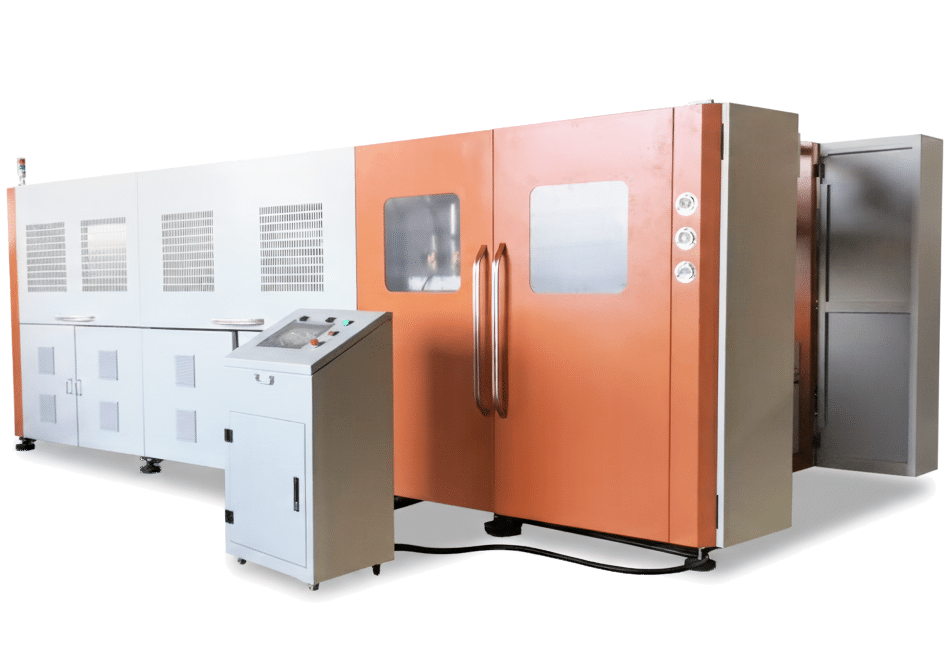
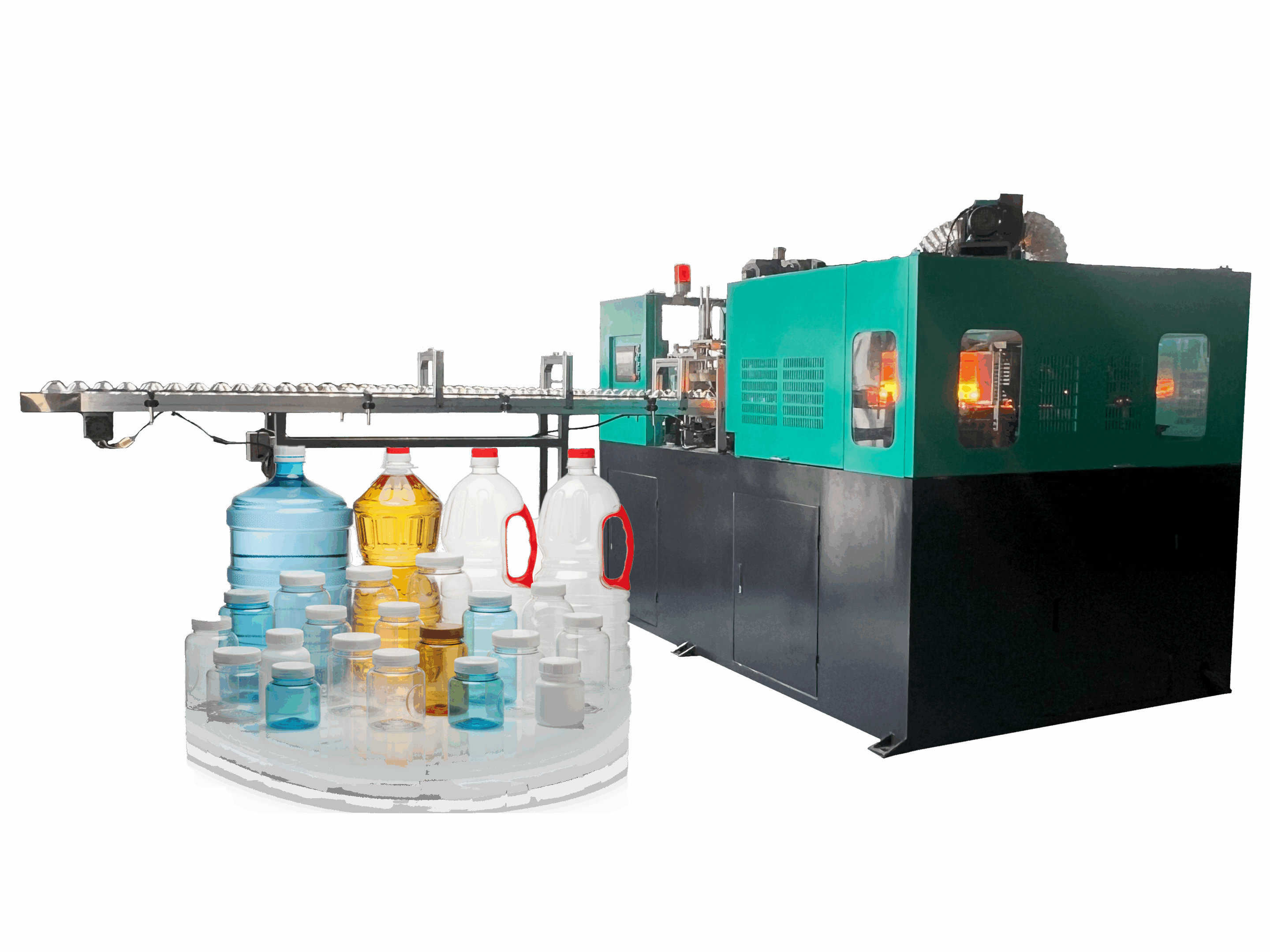
What Hidden Costs Lurk Behind an All-Electric Extrusion Blow Molding Machine Quote?

We often see factory owners shocked when final project costs exceed the initial machine quote. Ignoring the fine print on an all-electric machine order can quickly drain your capital reserves and delay production start-up.
Beyond the base price, you must scrutinize four critical areas: commissioning and operator training fees, "last mile" logistics including rigging, the mandatory auxiliary ecosystem like chillers and compressors, and specialized spare parts. These elements often add 30% to 40% to your total project investment.
Let’s break down the specific expenses that suppliers often omit from the primary proposal.
Are Installation, Logistics, and Power Requirements Included in the Base Price?
When we export to North America, we frequently remind clients that getting the machine to the factory floor involves more than just ocean freight. Overlooking site preparation and electrical requirements risks significant delays.
Euromap standards 1
Most quotes exclude customs clearance, inland trucking, and heavy equipment rigging, which can cost thousands. Furthermore, all-electric machines often require expensive step-down transformers to match local voltage, and commissioning fees are typically billed daily plus travel expenses rather than being bundled.
When reviewing a quotation, many buyers focus solely on the "CIF" (Cost, Insurance, and Freight) term, believing it covers delivery. However, the financial responsibility often shifts dramatically once the ship hits the port. We have seen projects stall because the buyer did not anticipate the "last mile" costs.
Cost, Insurance, and Freight 3
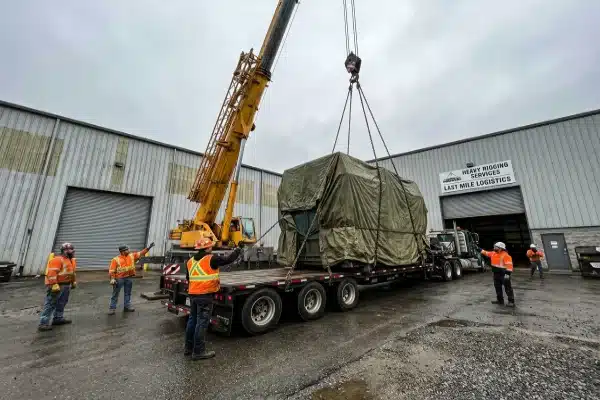
The Rigging and Transport Gap
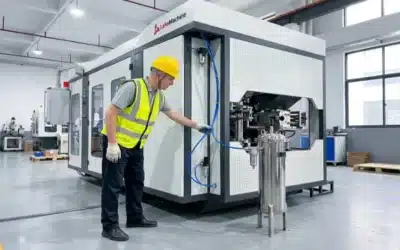
A standard CIF quote gets the container to your nearest port, but it does not get the machine into your building. You are responsible for customs clearance, import duties, and inland trucking. More critically, you must hire a professional rigging crew. Unlike smaller equipment, blow molding machines require cranes or heavy-duty forklifts to unload and position. A professional rigging team can easily cost over $3,000 per day.
The Voltage Trap
All-electric machines are incredibly sensitive to power quality. Most equipment manufactured in China or Europe is wired for 380V or 400V. If your facility in the US operates on 480V, you cannot simply plug the machine in. You must purchase a heavy-duty Step-Down Transformer. Additionally, servo drives require clean power; "dirty" power can destroy them. Therefore, a Line Reactor is often necessary. These electrical components are rarely in the base quote but are essential for the machine to run without burning out expensive electronics.
Commissioning is "Time & Materials"
Do not assume training is free. While some suppliers offer "installation," this usually implies a daily rate (e.g., $600–$1,000) plus round-trip airfare, hotels, and meals for the engineer.
| Cost Item | Typical Quote Status | Real-World Estimated Cost |
|---|---|---|
| Rigging & Unloading | Excluded | $3,000 – $5,000 |
| Step-Down Transformer | Excluded | $3,000 – $6,000 |
| Engineer Travel & Lodging | Excluded | $5,000 – $10,000 |
| Customs & Duties | Excluded | Variable (Subject to Tariffs) |
Do You Need to Budget Extra for the Auxiliary Equipment Ecosystem?
Our engineers carefully calculate cooling loads because the machine is only the heart of the system. Without the correct peripheral equipment, even top-tier all-electric models cannot produce a single bottle.
cooling loads 4
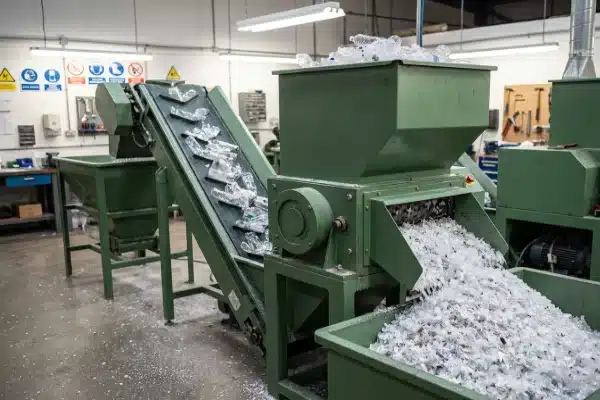
An all-electric machine quote rarely includes the mandatory high-pressure air compressor for blowing bottles or the water chiller for mold cooling. You must also budget for vacuum loaders, granulators for scrap recycling, and mold temperature controllers, which collectively add 30–40% to the total capital outlay.
high-pressure air compressor 5
A common misconception among buyers is that "All-Electric" means the machine is self-sufficient. While the machine movements (clamping, extrusion, carriage shuttle) are electric, the actual formation of the bottle still relies entirely on compressed air.
servo drives 6
The Air Compressor Misconception
You are not just buying a machine; you are buying a process. The machine clamps the mold, but high-pressure air blows the plastic against the walls. Standard industrial air (8–10 bar) is sufficient for many bottles, but specialized containers may require 25+ bar. Since the machine itself doesn’t use hydraulics or air for movement, suppliers often leave the compressor out of the quote entirely. However, without a high-capacity compressor and air dryer, your production line is dead in the water.
Chiller Sizing Myths
If you are transitioning from hydraulic to all-electric, your cooling calculations must change. Hydraulic machines generate massive heat that the chiller must remove. All-electric machines run cool. Therefore, 90% of your chiller load will be dedicated strictly to the mold to cool the plastic down fast enough to meet cycle times. Using "rule of thumb" tonnage from hydraulic days might lead to buying a chiller that is the wrong size.
Essential Feeding and Recycling
To run a profitable operation, you cannot feed resin by hand. You need a Vacuum Loader. Furthermore, blow molding creates flash (scrap). If you do not have a Granulator to grind this scrap and feed it back into the process immediately, your material costs will skyrocket. These items are mandatory for an efficient "closed-loop" system.
| Auxiliary Unit | Функция | Consequence if Missing |
|---|---|---|
| Water Chiller | Cools the mold to solidify plastic. | Cycle times double; bottles warp. |
| Air Compressor | Provides air to blow the bottle. | Machine runs, but no bottles are formed. |
| Granulator | Recycles waste/flash. | Material waste increases by 20-30%. |
| Mold Temp. Controller | Balances mold heat. | Inconsistent bottle wall thickness. |
Will Hidden Maintenance and Compatibility Issues Halt Production?
We strongly advise clients to stock a "Crash Kit" because waiting for proprietary parts destroys profitability. Standard maintenance assumptions often fail to address the specific needs of high-precision servo systems.
Line Reactor 7
Hidden maintenance costs include the "Crash Kit" for proprietary servo drives, which are harder to source locally than hydraulic valves. Additionally, budget for mold interface adaptations if your existing molds do not match the machine’s platen pattern, and mandatory automatic lubrication systems to protect expensive ball screws.
The maintenance philosophy for all-electric machines differs significantly from hydraulic ones. While you save money on oil changes and filter replacements, the financial risk shifts to electronic components and high-precision mechanical parts.
rigging crew 9
The "Crash Kit" Necessity
On a hydraulic machine, if a valve fails, you can likely buy a replacement at a local industrial supply store. On an all-electric machine, if a proprietary servo motor or drive fails, you cannot simply swap it with a generic brand. If you do not have a spare on your shelf, you might face weeks of downtime waiting for a shipment from the manufacturer. We recommend reallocating your budget from "consumables" (oil/filters) to a "Crash Kit" containing at least one spare servo drive and motor.
Automatic Lubrication is Not Optional
To lower the base price, some manufacturers list "Centralized Automatic Lubrication" as an option. This is a trap. All-electric machines rely on precision ball screws to move heavy platens. These screws are expensive and sensitive to friction. Relying on an operator to manually grease them is a recipe for disaster. If a ball screw fails due to lack of grease, the replacement cost and downtime are massive ($20,000+). Always insist on automatic lubrication.
Mold Interface Surprises
Finally, check the platen drawings. Your existing molds may follow SPI or Euromap standards, but the new machine might have a different hole pattern. You may discover only after the machine arrives that you need custom backing plates, manifold extensions, or blow pin modifications. These "adaptations" are almost never in the base price and require local machining services.
| Характеристика | Standard "Base Price" Inclusion | Recommended Upgrade/Action |
|---|---|---|
| Lubrication | Manual Grease Points | Automatic Centralized Lube System |
| Запчасти | Basic Seals & Fuses | Servo Drive & Motor (Crash Kit) |
| Mold Platen | Manufacturer Standard | Custom Layout to match existing Molds |
| Упаковка | Wooden Pallet | Vacuum Foil / Anti-Rust Packaging |
Заключение
To protect your ROI, look beyond the sticker price. Budgeting for logistics, auxiliaries, and critical spares ensures a smooth launch without financial surprises.
customs clearance 10
Сноски
- Official site of the European plastics and rubber machinery association. ↩︎
- Technical details from a leading manufacturer of precision ball screws. ↩︎
- Official definition of Incoterms by the International Chamber of Commerce. ↩︎
- Educational material from MIT regarding thermodynamics and heat transfer. ↩︎
- Manufacturer specifications for high-pressure industrial booster compressors. ↩︎
- Technical product page from a major manufacturer of industrial servo systems. ↩︎
- General background explanation of line reactors in electrical engineering. ↩︎
- Educational physics resource explaining transformer operation and principles. ↩︎
- Government safety standards for cranes and heavy equipment rigging. ↩︎
- Official US government guidance on import procedures and duties. ↩︎


0 Комментариев