
Введение
The PET bottle manufacturing industry faces a critical crossroads: consumers demand sustainable packaging, while brands struggle to balance eco-conscious materials with production efficiency. With over 70% of beverage companies now committing to recycled PET (rPET) targets, manufacturers can’t afford to fall behind.
Stretch blow molding has emerged as the ездить или умереть technology for this challenge, delivering precision PET bottles with 30% less material waste while meeting stringent cosmetic and pharmaceutical standards. This article breaks down how recent advancements in energy-efficient machinery and bio-based materials are reshaping production lines worldwide.

The Evolution of PET Bottle Manufacturing: Stretch Blow Molding Takes Center Stage
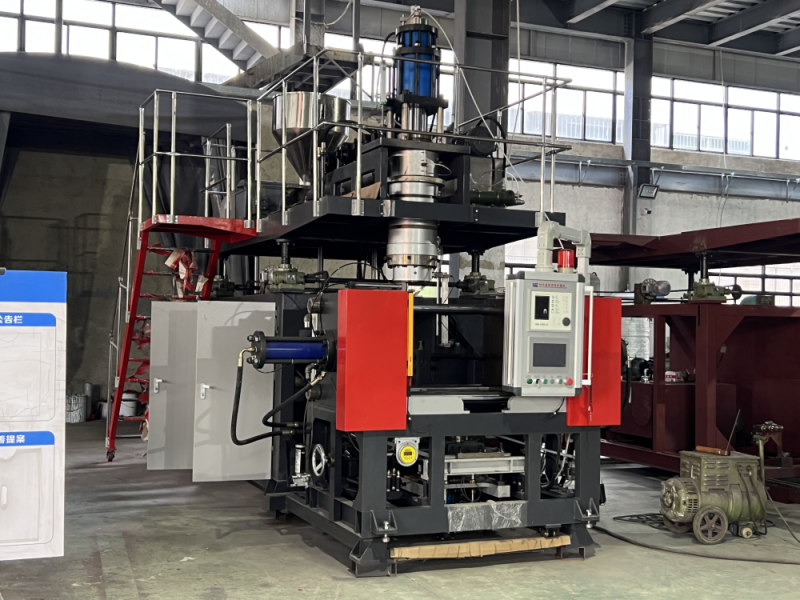
PET bottle manufacturing has undergone a significant transformation with the rise of stretch blow molding. This advanced technique has become the gold standard for producing high-quality, durable, and clear plastic containers. The process involves stretching and blowing a preform into its final bottle shape, creating products with superior strength and clarity compared to traditional methods.
“Stretch blow molding revolutionizes PET bottle production by combining precision engineering with material efficiency, resulting in stronger, lighter containers at lower production costs.”
What is Stretch Blow Molding?
The stretch blow molding process begins with a preform – a tube-like piece of plastic that resembles a test tube. This preform is heated and then stretched longitudinally while being blown radially into a mold cavity. The dual stretching orientation aligns the polymer molecules, giving the finished PET bottle exceptional strength and clarity. This method is particularly dominant in industries requiring precise, high-quality containers like beverages, cosmetics, and pharmaceuticals.
Key Advantages Over Traditional Methods
Stretch blow molding offers three main benefits that have made it the preferred choice for PET bottle manufacturing. First, it provides superior material distribution, resulting in bottles with consistent wall thickness. Second, the process creates containers with excellent transparency and gloss finish – crucial for product presentation. Third, it allows for significant material savings, as the bottles can be made lighter without sacrificing strength. Companies like Lekamachine have further enhanced these advantages by developing energy-efficient machines that reduce operational costs while maintaining high production speeds.
Industry Applications
The versatility of stretch blow molding makes it ideal for various sectors. In beverages, it produces lightweight yet strong bottles that can withstand carbonation pressure. The cosmetic industry benefits from the process’s ability to create aesthetically pleasing containers with precise dimensions. Pharmaceutical companies rely on the method for producing sterile, consistent packaging that meets strict regulatory requirements. The technology’s ездить или умереть status in these industries stems from its unmatched combination of quality and efficiency.
Production Scale Considerations
When choosing between single-stage and extrusion blow molding for PET bottle production, manufacturers must consider their production scale. Single-stage systems are ideal for high-volume runs of standardized containers, while extrusion blow molding offers more flexibility for smaller batches or complex shapes. Modern solutions like those from Lekamachine combine the best of both worlds, offering customizable automation features that adapt to varying production needs.
Eco-Friendly Innovations
The PET bottle manufacturing industry is responding to environmental concerns with several innovations. These include machines capable of processing recycled PET (rPET) without compromising quality, and designs that minimize material usage. The stretch blow molding process itself contributes to sustainability by producing lighter bottles that require less energy to transport. As consumer demand for eco-friendly packaging grows, these advancements are becoming increasingly important competitive differentiators.
Stretch Blow Molding Machine Performance Comparison
| Характеристика | Ручной процесс | Semi-Automatic | Fully Automatic | Отраслевой стандарт | Примечания |
|---|---|---|---|---|---|
| Production Speed (bottles/hour) | 500 | 1,500 | 3,000 | 2,500 | Measured for 500ml PET bottles |
| Energy Consumption (kWh/1000 bottles) | 15 | 10 | 8 | 9 | Based on standard production conditions |
| Material Wastage (%) | 8 | 5 | 2 | 3 | Includes both process waste and rejected units |
| Changeover Time (minutes) | 120 | 60 | 15 | 30 | Time to switch between different bottle designs |
| Operator Skill Requirement | Высокий | Средний | Низкий | Средний | Training needed for optimal operation |
Sustainability Revolution in PET Production
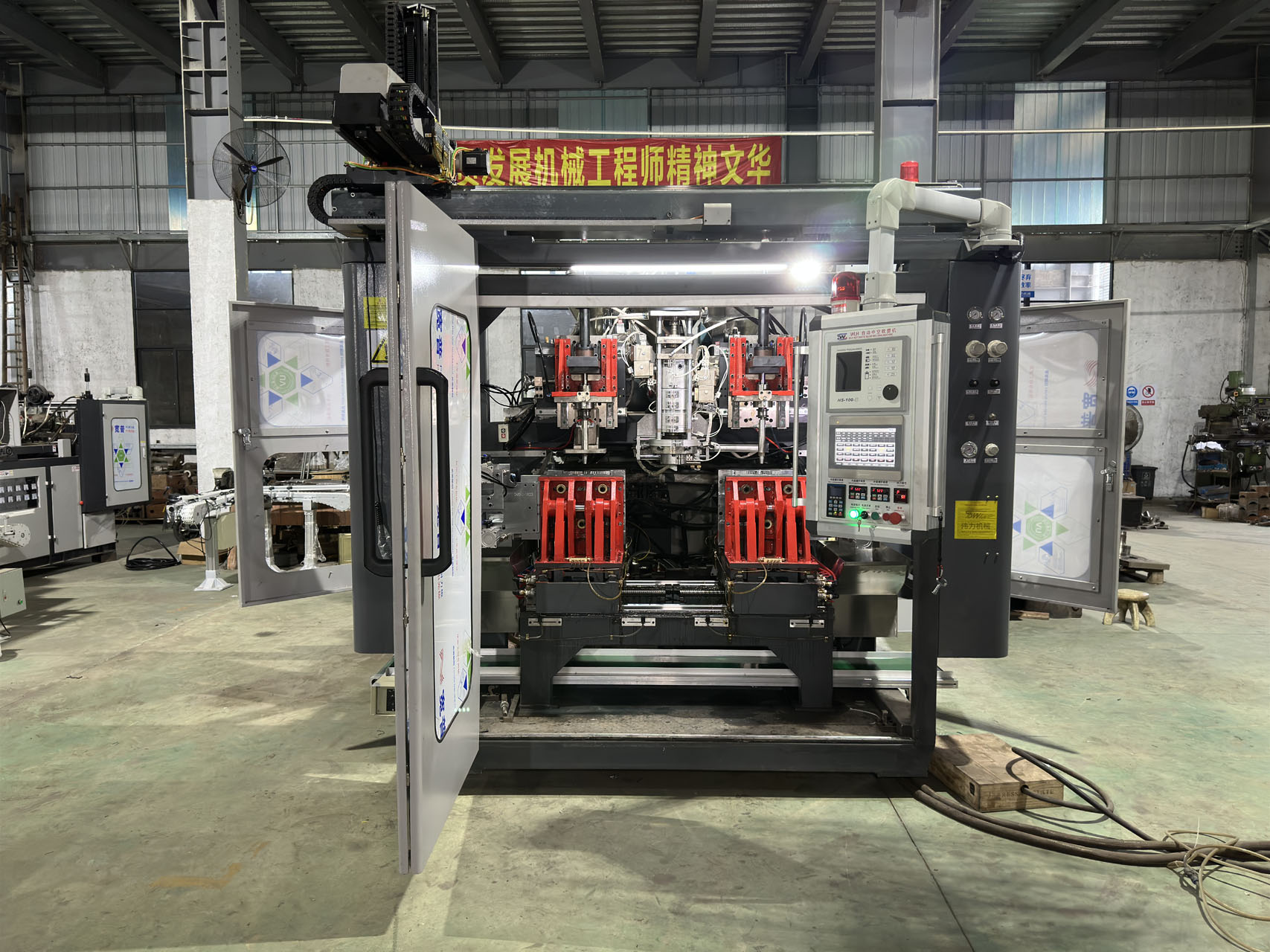
The PET bottle manufacturing industry is undergoing a sustainability transformation as environmental concerns drive innovation. Companies are adopting eco-friendly PET bottles through three key approaches: recycled materials, bio-based alternatives, and lightweight designs. This shift responds to consumer demand for sustainable packaging solutions while maintaining product quality and performance.
“The adoption of rPET in bottle production has grown by 35% annually since 2020, demonstrating the industry’s commitment to circular economy principles.”
The Rise of Recycled PET (rPET)
Recycled PET has become a game-changer in sustainable packaging solutions. The rPET process involves collecting post-consumer bottles, cleaning and shredding them into flakes, then reprocessing them into new preforms. Advanced machines like those from Lekamachine can process rPET with minimal quality loss, maintaining the clarity and strength expected in premium packaging. This closed-loop system reduces reliance on virgin plastics while cutting carbon emissions by up to 60% compared to traditional PET bottle manufacturing.
Bio-based PET Materials
Researchers are developing plant-based alternatives to petroleum-derived PET, using feedstocks like sugarcane or agricultural waste. While currently accounting for less than 5% of production, bio-PET offers the potential for carbon-neutral packaging. The challenge lies in matching the material properties and cost-effectiveness of conventional PET, with several major brands investing heavily in this promising technology.
Lightweighting Trends
The industry has achieved remarkable reductions in material use through advanced stretch blow molding techniques. Modern machines can produce bottles with walls 30% thinner than a decade ago while maintaining strength. Lekamachine’s latest models optimize material distribution during forming, enabling significant weight reductions without compromising container performance – crucial for both sustainability and cost savings in PET bottle production.
Industry Transition Case Study
A leading beverage company recently converted 75% of its production to rPET, using customized blow molding equipment capable of handling 100% recycled content. The transition required adjustments in preform design and processing parameters but resulted in a 40% reduction in carbon footprint while maintaining brand-quality standards. This demonstrates how sustainable packaging solutions can align with commercial objectives.
Sustainable PET Production Comparison
| Material Type | Carbon Footprint | Стоимость производства | Возможность вторичной переработки | Текущий уровень внедрения | Technical Challenges |
|---|---|---|---|---|---|
| Virgin PET | Высокий | Низкий | Отличная | 65% | Нет |
| rPET | Средний | Средний | Отличная | 30% | Color consistency |
| Био-PET | Низкий | Высокий | Отличная | 5% | Scalability |
| Lightweight PET | Средний | Низкий | Отличная | 85% | Structural integrity |
| rPET/Bio Hybrid | Very Low | Очень высокий | Отличная | <1% | Material compatibility |
Technological Advancements in Blow Molding Equipment
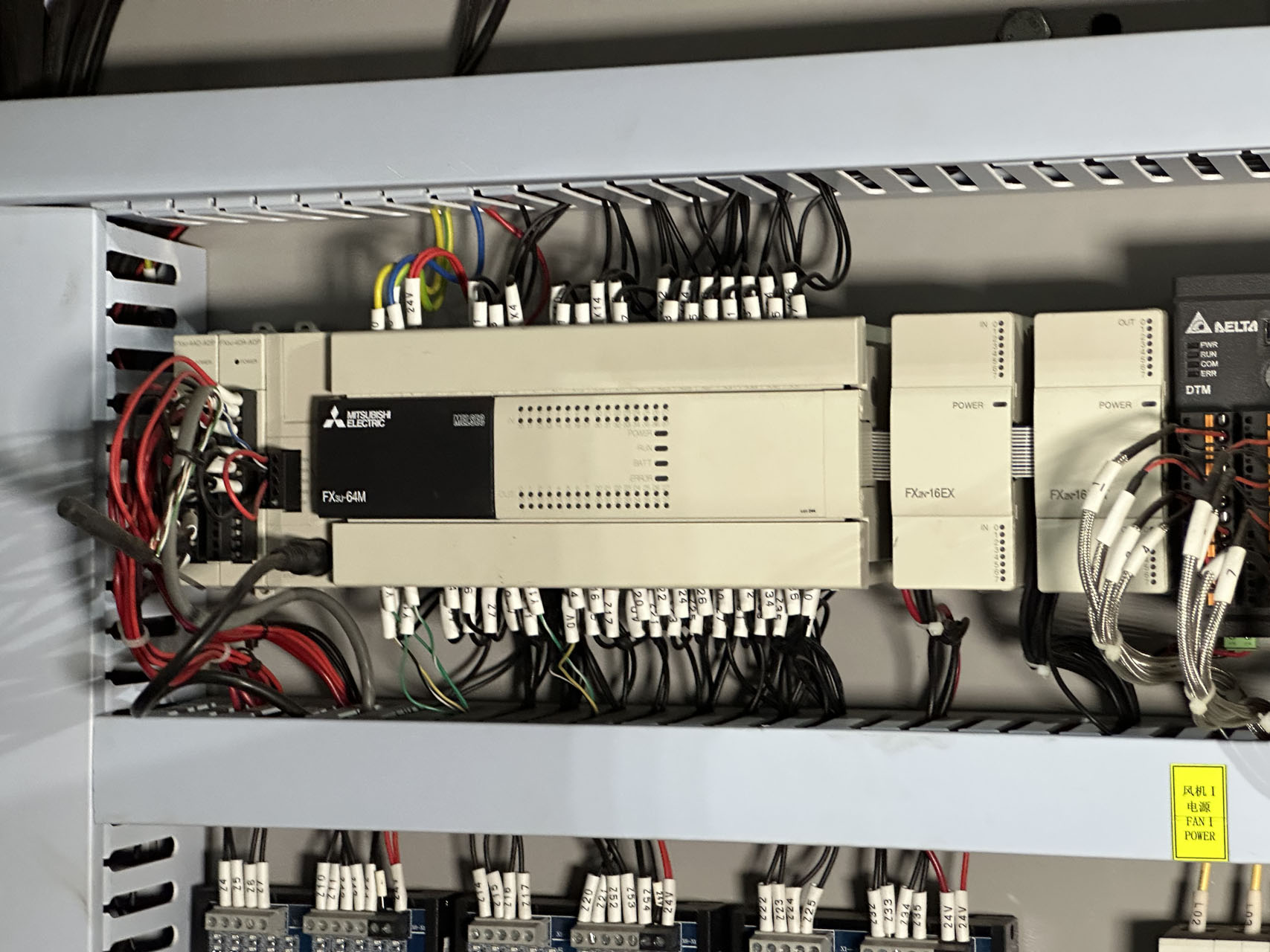
The PET bottle manufacturing industry is experiencing rapid technological evolution, with modern blow molding machines offering unprecedented efficiency and precision. These advancements are transforming packaging industry trends by enabling higher productivity with lower energy consumption and waste.
“Modern stretch blow molding machines can reduce energy consumption by up to 40% while increasing production speeds by 25% compared to decade-old models.”
Energy-Efficient Machine Designs
Leading manufacturers like Lekamachine have developed next-generation systems that optimize every aspect of energy use. Their ECO-Series machines feature advanced servo motors that only consume power during active operation, intelligent heating systems that minimize thermal loss, and recovery systems that capture and reuse compressed air. These innovations collectively reduce operational costs by 30-50% in PET bottle manufacturing applications.
Automation and Smart Controls
The integration of Industry 4.0 technologies has revolutionized blow molding operations. Lekamachine’s SmartControl systems provide real-time monitoring of over 200 process parameters, predictive maintenance alerts, and remote troubleshooting capabilities. This level of automation ensures consistent quality while reducing labor requirements and downtime – crucial benefits of stretch blow molding technology for high-volume production environments.
Возможности персонализации
Modern machines offer unparalleled flexibility in mold design and production configuration. The Lekamachine FlexLine series, for example, allows quick changeovers between different container sizes and shapes with automated mold recognition and parameter adjustment. This enables manufacturers to respond rapidly to changing market demands while maintaining tight quality standards across product variations.
Quality Control Innovations
Automated inspection systems have become standard in advanced blow molding equipment. High-resolution cameras combined with AI algorithms detect microscopic defects in real-time, while integrated weight and wall thickness sensors ensure every bottle meets specifications. These systems provide complete traceability – a critical requirement for pharmaceutical and food-grade PET bottle production.
Blow Molding Technology Comparison
| Характеристика | Стандартная машина | Energy-Efficient Model | Smart Connected | Отраслевой ориентир | Ключевое преимущество |
|---|---|---|---|---|---|
| Потребление энергии | 100% | 60% | 55% | 70% | Lower operating costs |
| Время переналадки | 60 min | 45 мин | 15 min | 30 min | Production flexibility |
| Reject Rate | 3% | 2% | 0.5% | 1.5% | Material savings |
| Data Points Monitored | 20 | 50 | 200+ | 100 | Process optimization |
| Remote Access | No | Ограниченный | Полный | Частичный | Reduced downtime |
Featured Image Reference: State-of-the-art blow molding production line with automated quality control and energy monitoring systems.
Market Dynamics and Global Demand Shifts
The PET bottle manufacturing industry is experiencing significant transformation as regional standards evolve and consumer preferences shift. These changes are reshaping packaging industry trends worldwide, with manufacturers adapting to meet diverse market requirements while maintaining production efficiency.
“Global demand for polyethylene terephthalate packaging is projected to grow 5.2% annually through 2028, driven by sustainability initiatives and e-commerce expansion.”
Regional Variations in Standards
Different markets impose unique requirements on PET bottle production. European regulations emphasize recyclability, while North American markets prioritize lightweighting. Asian consumers often prefer premium finishes and unique shapes. Lekamachine’s global experience serving clients in over 70 countries enables them to customize machines for these regional variations in PET bottle manufacturing standards.
Consumer-Driven Innovation
Modern shoppers increasingly favor sustainable packaging with convenient features. This has led to innovations like easy-grip designs, integrated measuring caps, and bottles made with 100% recycled content. The industry response has been rapid, with 65% of manufacturers now offering eco-friendly PET bottle alternatives as standard options.
E-Commerce Impact
The rise of online shopping has created new demands for durable, space-efficient packaging. PET bottles designed for e-commerce feature reinforced bases, compact shapes, and tamper-evident closures. These design adaptations represent one of the most significant global trends in PET bottle production today.
Future Industry Projections
Analysts predict three key developments: wider adoption of bio-based materials, increased automation in production facilities, and greater standardization of recyclable designs. Forward-thinking manufacturers are already investing in equipment capable of handling these future requirements while maintaining current production capabilities.
Global PET Production Trends
| Region | Market Share | Growth Rate | Key Driver | Primary Material | Regulatory Focus |
|---|---|---|---|---|---|
| Северная Америка | 28% | 4.1% | Lightweighting | Virgin PET | Уведомление об отсутствии возражений (NOL) FDA для процессов ПКР (переработанного сырья) |
| Europe | 31% | 5.8% | Устойчивое развитие | rPET | Циклическая экономика |
| Asia-Pacific | 35% | 6.5% | Premiumization | Virgin PET | Безопасность пищевой продукции |
| Latin America | 4% | 3.9% | Экономическая эффективность | Mixed | Basic standards |
| Middle East/Africa | 2% | 4.3% | Water packaging | Virgin PET | Долговечность |

Strategic Considerations for PET Bottle Manufacturers
PET bottle manufacturing businesses face critical decisions as they adapt to evolving industry demands. Strategic planning for PET bottle manufacturers now requires balancing production efficiency with sustainability goals while maintaining competitive quality standards.
“Manufacturers adopting stretch blow molding technology report 25-40% higher production efficiency compared to traditional methods, while reducing material waste by up to 15%.”
Evaluating Production Methods
The choice between stretch blow molding and alternative methods depends on production volume, container specifications, and material requirements. Stretch blow molding excels in PET bottle production process for high-volume runs of standardized containers, offering superior clarity and material distribution. For manufacturers considering upgrades, Lekamachine’s flexible solutions allow gradual transitions between production methods.
Sustainable Material Adoption
The shift toward sustainable packaging solutions requires careful cost-benefit analysis. While rPET and bio-based materials may carry 10-20% higher upfront costs, they deliver long-term benefits through improved brand perception and compliance with evolving regulations. Forward-thinking manufacturers are finding these investments pay off within 2-3 years through increased market share and operational efficiencies.
Machine Upgrade Considerations
Future-proofing operations means selecting equipment with modular designs that accommodate emerging materials and technologies. Key features to prioritize include energy efficiency ratings, compatibility with recycled content, and smart monitoring capabilities. Lekamachine’s latest models demonstrate how strategic equipment investments can reduce total cost of ownership while preparing for industry changes.
Building Competitive Advantage
Innovation in PET bottle manufacturing now focuses on three areas: material science, production efficiency, and design differentiation. Successful manufacturers are partnering with equipment providers like Lekamachine to develop proprietary solutions that address specific market needs while optimizing their production workflows.
Strategic Investment Comparison
| Investment Area | Первоначальная стоимость | Период окупаемости инвестиций | Влияние на рынок | Будущая устойчивость | Сложность внедрения |
|---|---|---|---|---|---|
| Вытяжная выдувная формовка | Высокий | 2–3 года | Высокий | Отличная | Средний |
| Совместимость с ПЭТФ-втор | Средний | 1-2 года | Высокий | Хорошая | Низкий |
| Интеллектуальный мониторинг | Низкий | <1 года | Средний | Отличная | Низкий |
| Энергоэффективность | Средний | 1,5–2 года | Низкий | Хорошая | Средний |
| Инновации в дизайне | Переменная | 1–3 года | Высокий | Удовлетворительно | Высокий |

Заключение
After 12 years in this industry, I’ve seen firsthand how the right blow molding technology can transform production lines. Stretch blow molding isn’t just another manufacturing method—it’s become the **”game-changer”** for brands balancing sustainability with performance.
Цифры говорят сами за себя: на 30% меньше отходов материала, на 40% экономия энергии и бутылки, соответствующие самым строгим стандартам косметической и фармацевтической отраслей. Но больше всего меня впечатляет то, как быстро эти достижения становятся новым базовым уровнем для мирового производства ПЭТ.
Будь то оценка совместимости с ПЭТФ или планирование следующего обновления оборудования, помните — лучшие решения сочетают точную инженерию с практической гибкостью. Именно к этому движется отрасль, и, честно говоря, я с нетерпением жду новых достижений.
ЧАСТО ЗАДАВАЕМЫЕ ВОПРОСЫ
В1: Каков процесс производства ПЭТ-бутылок?
A1: Процесс производства ПЭТ-бутылок включает несколько ключевых этапов: создание полимера ПЭТ, формирование преформ методом литья под давлением и最后 выдув этих преформ в бутылки с использованием техники вытяжной выдувной формовки.
В2: Каковы преимущества вытяжной выдувной формовки для ПЭТ-бутылок?
A2: Вытяжная выдувная формовка предлагает ряд преимуществ, включая возможность производства лёгких бутылок с высокой прочностью и прозрачностью. Этот процесс также позволяет создавать сложные формы и дизайны, что может усилить брендинг и привлекательность для потребителей.
В3: Являются ли ПЭТ-бутылки экологичными?
A3: ПЭТ-бутылки можно считать экологичными, так как они подлежат переработке. Многие производители включают в производство переработанный ПЭТ (ПЭТФ-втор), что снижает воздействие на окружающую среду и способствует продвижению устойчивых упаковочных решений.
В4: Какие тенденции возникают в производстве ПЭТ-бутылок?
A4: Современные тенденции в производстве ПЭТ-бутылок включают использование биоразлагаемых материалов, растущее внимание к переработке и внедрение облегчённых конструкций бутылок для снижения расхода материала и транспортных расходов.
В5: Какие продукты обычно упаковывают в ПЭТ-бутылки?
A5: ПЭТ-бутылки обычно используются для упаковки напитков, таких как вода, безалкогольные напитки, соки и соусы, а также средств личной гигиены, таких как шампуни и лосьоны, благодаря их превосходным барьерным свойствам и лёгкому весу.
В6: Как я могу определить качественные ПЭТ-бутылки?
A6: Качественные ПЭТ-бутылки можно определить по прозрачности, отсутствию дефектов, таких как пузыри или неровности, стабильности веса и соответствию маркировки стандартам безопасности пищевых продуктов.
В7: Каков ожидаемый срок службы ПЭТ-бутылок?
A7: ПЭТ-бутылки имеют длительный срок хранения при правильном хранении, обычно сохраняя целостность в течение 1–2 лет без значительной деградации в подходящих условиях.
В8: Как перерабатываются ПЭТ-бутылки?
A8: ПЭТ-бутылки перерабатываются путём сбора, сортировки, очистки и последующей переработки в хлопья или гранулы. Эти материалы затем используются для создания новых ПЭТ-продуктов или волокон, поддерживая циркулярную экономику.
Внешние ссылки
- Как производятся ПЭТ-бутылки? (Исчерпывающее руководство) – HOEIWELL
- Поставщик ПЭТ-бутылок для косметической и пищевой промышленности | Производство в ЕС – Frapak
- Indorama Ventures – Продукция из ПЭТ и устойчивое развитие
- ПЭТ-бутылки | KHS Group
- EcoForm Bottles – Производитель 5-галлонных ПЭТ-бутылок для воды
- MD PET Packaging Group – Производство преформ
- Производство ПЭТ-бутылок для соков методом выдувного формования – Apex Plastics
- Поставщик преформ из ПЭТ в Северной Америке – Resilux – Impacked Packaging

0 Комментариев