


Введение
Beauty is booming—and packaging is the handshake that closes the deal. But not all bottles are created equal. Customers demand clean lines, leak-free performance, and fast lead times. This guide walks through a focused, small-plant EBM setup for 100 ml–1 L cosmetic containers, from niche selection and equipment to QA and customer acquisition. It’s built for first-time manufacturing founders, and it doubles as a credible outline for equipment suppliers and investors. Expect clear steps, common pitfalls, and templates to move from zero to validated production.
What You’ll Need
Business and market 100 ml to 1 L
- Defined niche (e.g., 100–500 ml shampoo, body wash, hand soap)
- Price targets, MOQ, and 3–5 anchor SKUs
- Product drawings or reference bottles
Core equipment (small plant, EBM focus)
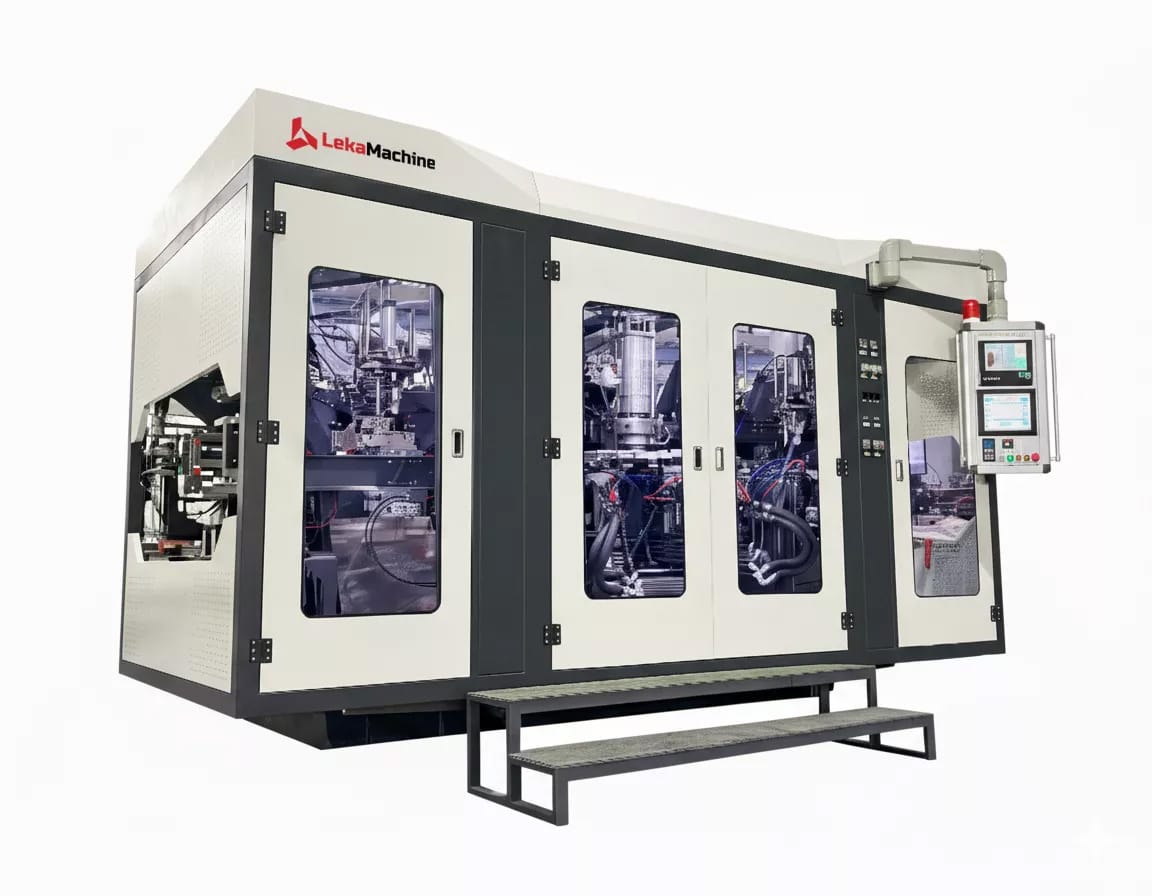
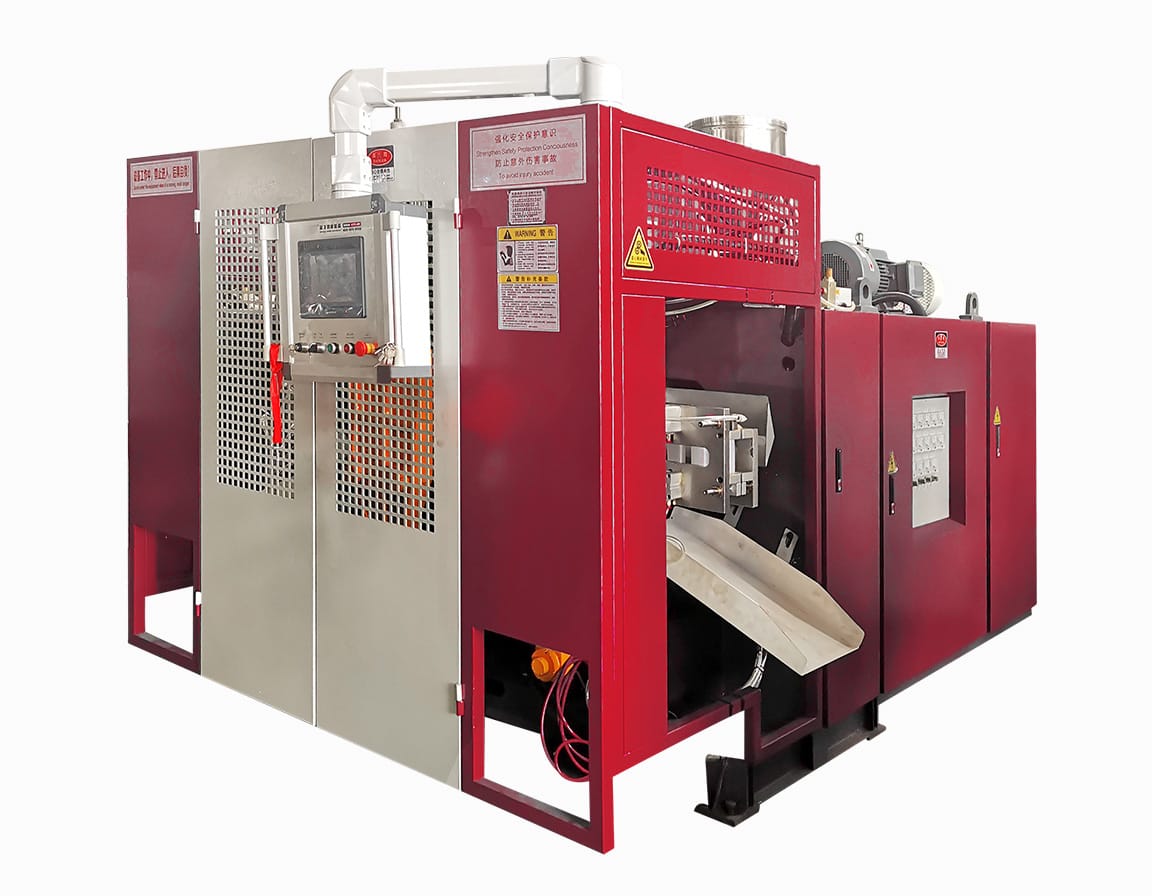
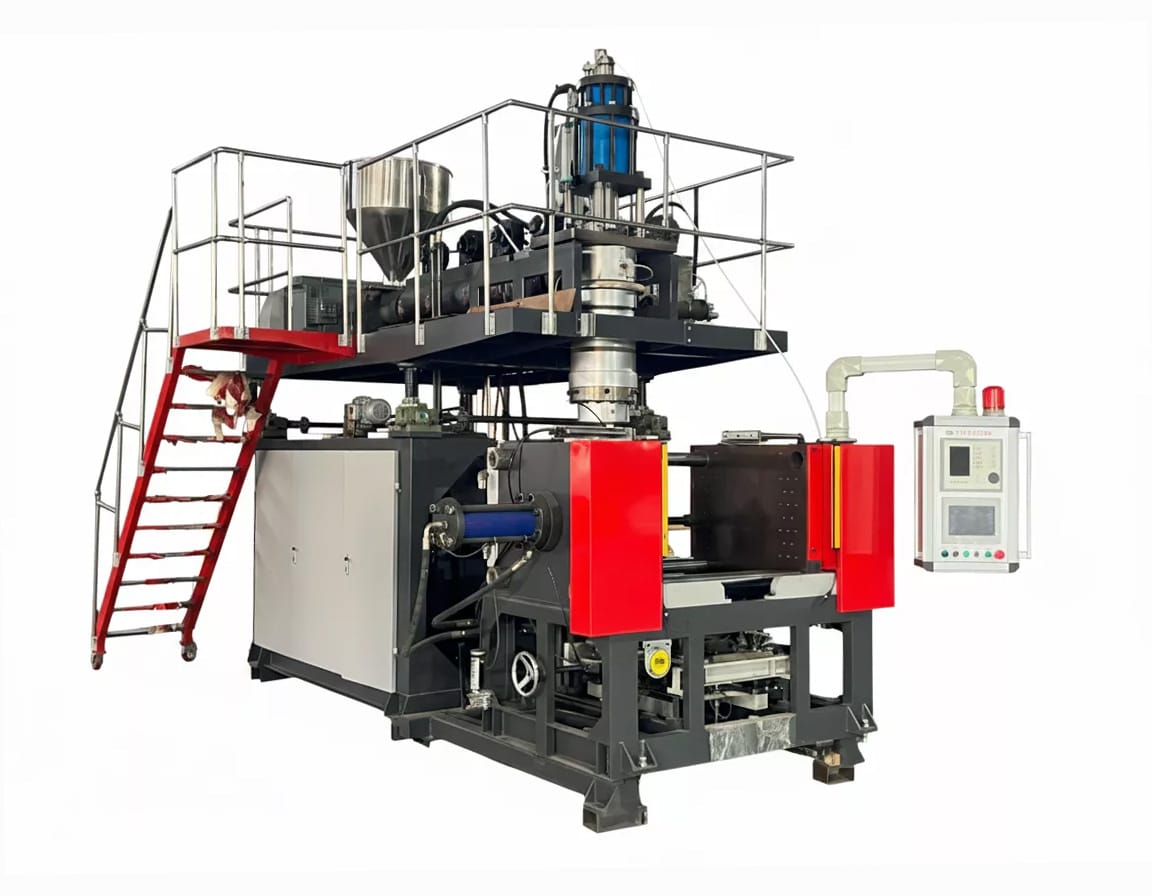
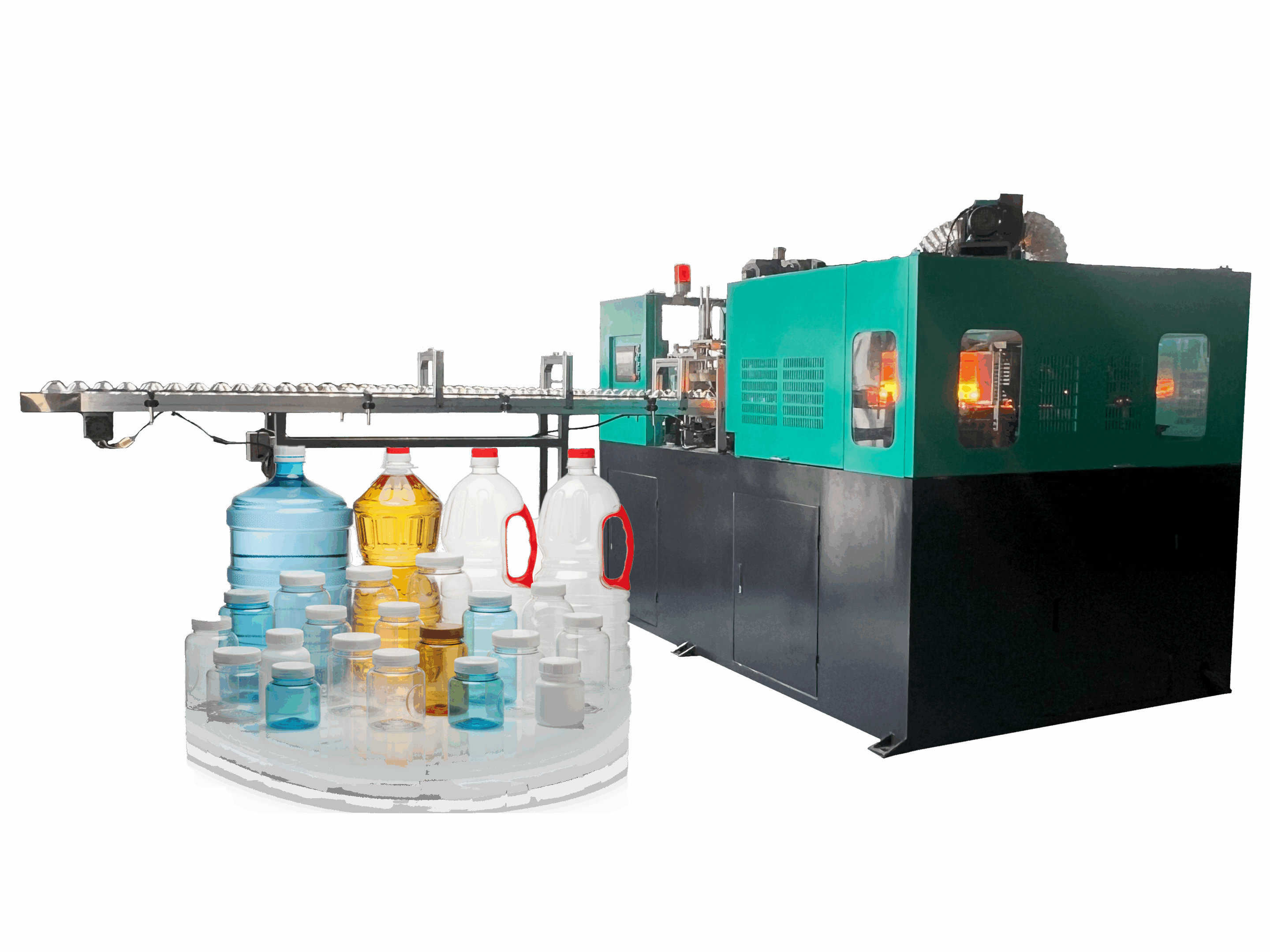
- Single/double-station extrusion blow molding machine (2–4 cavities; 100 ml–1 L focus)
- Aluminum/steel blow molds (per SKU), neck tooling, trimmer/deflasher
- Air compressor and air treatment (drying/filtration), industrial chiller, cooling tower/loop
- Grinder for regrind, conveyor, inline leak tester, wall-thickness gauge, top-load tester
Materials and consumables
- HDPE/PP resins (cosmetic grade), color masterbatch, slip/antistat as needed
- Packaging: liners, cartons, pallets, stretch wrap
Facility and utilities
- 3-phase electrical, compressed air headers, process water/chilled water loop, ventilation
- 150–300 m² production plus QC room and raw/FG storage
Systems and documentation
- Production work instructions, process sheets, preventive maintenance checklist
- QC SOPs (appearance, dimensions, leak, top-load, thickness), lot traceability
- Basic QMS (ISO-style lite) and customer COA template
Step 1: Validate the niche and SKUs
Short explanation
Focus on a single segment and define 3–5 SKUs with confirmed neck finishes, weights, and color targets to ensure manufacturability and market fit.
Действия, которые необходимо предпринять
- Benchmark 10 competitor bottles; record neck finish, capacity, weight, resin, and price band.
- Confirm buyer needs: MOQ, lead-times, color matching, label area, and closure compatibility.
- Identify 1–2 closure suppliers that match target necks to secure fit and torque specs.
Ошибки, которых следует избегать
- Supporting too many form factors at launch (avoid jars, ovals, and handledware simultaneously).
- Ignoring closure supply; a perfect bottle with a poor cap fit fails the line.
Tools or settings
- Weighted scorecard for SKU selection and a sample library for rapid comparison.
- Calipers and a torque meter to validate closure fit and opening performance.
Ожидаемый результат
- A validated micro-portfolio with clear quotes and target margins for 3–5 bottles.
Наглядные пособия
- Side-by-side SKU matrix graphic and annotated bottle drawing with critical-to-quality callouts.
Step 2: Plan CAPEX, utilities, and layout
Short explanation
Build a small-plant bill of materials and a single-line layout that supports one shift initially and scales reliably to two or three shifts.
Действия, которые необходимо предпринять
- Specify an EBM machine for 100 ml–1 L, 2–4 cavities, with parison programming.
- Add ancillaries: compressor with margin, air dryer/filters, chiller, grinder, conveyors, inline leak tester.
- Plan mold set: one mold per SKU (plus spare neck rings/inserts) and a trimmer if required.
Ошибки, которых следует избегать
- Under-sizing air or chilling capacity; stability in temperature and pressure drives качество.
- Skipping inline leak testing; 100% detection protects reputation and reduces returns.
Tools or settings
- U-shaped flow layout—resin in, bottles out; utility manifolds overhead for clean routing.
Ожидаемый результат
- Complete CAPEX list, single-line layout, and utility map ready for procurement and contractors.
Наглядные пособия
- Scaled layout diagram with utility drops and a CAPEX table with staged purchasing.
Step 3: Engineer bottles and molds (DFM)
Short explanation
Translate target SKUs into manufacturable designs with stable parison control, robust pinch-off, and effective cooling to minimize scrap.
Действия, которые необходимо предпринять
- Select material (HDPE or PP) and wall targets per SKU; define neck finish (e.g., 24/410, 28/410).
- Work with a mold maker on cavities, cooling channels, pinch-off geometry, and deflash planning.
- Approve 3D models and mold drawings; plan color trials and surface finish (gloss/matte/texture).
Ошибки, которых следует избегать
- Sharp corners or abrupt section changes that cause thin spots or visible sinks.
- Overly tight tolerances on non-critical areas; focus tolerances on the neck and fit.
Tools or settings
- Parison programmer profiles per SKU; neck concentricity and ovality tolerance limits.
Ожидаемый результат
- Released mold drawings, purchase orders placed, and a first-article acceptance plan.
Наглядные пособия
- Annotated CAD of pinch-off and neck details; mold cooling channel schematic.
Step 4: Install, commission, and lock the process window
Short explanation
Bring up the cell, stabilize utilities, and document repeatable process sheets operators can follow for consistent output.
Действия, которые необходимо предпринять
- Level and align machine/mold; verify air качество and chilled water parameters; run clear resin dry tests.
- Set initial parison profiles; dial in blow/hold/cool timings and trimming sequence.
- Record golden settings (temps, pressures, times, screw speed) and create operator job aids.
Ошибки, которых следует избегать
- Changing multiple parameters at once; use DOE or controlled single-variable adjustments.
- Running full speed before QC gates and scrap handling are tuned.
Tools or settings
- Process sheets per SKU; color-match steps for masterbatch dosing; regrind limits (e.g., 5–15%).
Ожидаемый результат
- Stable cycle, acceptable scrap rate, and first-pass yield at nominal speed.
Наглядные пособия
- Before/after parison profile screenshots; one-page process sheet template.
Step 5: Build QC and compliance you can sell
Short explanation
Establish a simple, credible QA system that passes audits and prevents customer escapes through data-driven checks.
Действия, которые необходимо предпринять
- Set 100% inline leak testing; define sampling for dimensions, wall thickness, weight, and visuals.
- Add top-load and drop checks aligned to customer handling; document lot traceability and COAs.
- Align packaging/labels to cosmetic norms with clear identification and batch/date on outer cases.
Ошибки, которых следует избегать
- Relying on visual-only inspection; use gauges for thickness and neck/finish dimensions.
- Skipping retention samples; keep retains per lot for complaint resolution.
Tools or settings
- Inline leak tester, wall thickness gauge (ultrasonic or Hall-effect), precision scale, top-load fixture.
Ожидаемый результат
- QC SOPs, records, and COAs that support onboarding and performance claims.
Наглядные пособия
- QC checklist card, sampling plan graphic, and leak test station diagram.
Step 6: Cost, quote, and win anchor customers
Short explanation
Turn the line into a business with clear pricing structures, MOQs, dependable lead times, and a repeatable quoting process.
Действия, которые необходимо предпринять
- Build costing: resin, cycle time, scrap, labor, utilities, packaging, and amortized mold/tooling.
- Offer two models: open-tool catalog SKUs and customer-owned molds with amortization.
- Publish a service-level sheet: MOQs, color matching, standard lead time, and rush options.
Ошибки, которых следует избегать
- One-price-fits-all; tier pricing by annual volume and changeover frequency.
- Ignoring freight and damage risks; design ship packs to protect necks and cosmetics.
Tools or settings
- Quotation template, margin guardrails, and changeover playbook to preserve OEE.
Ожидаемый результат
- One to two anchor accounts, a repeatable quote process, and predictable cash flow.
Наглядные пособия
- Quote template snippet and a margin waterfall chart from resin to delivered case.
Step 7: Scale with automation and reliability
Short explanation
Increase throughput, reduce labor, and improve consistency with targeted automation and disciplined maintenance.
Действия, которые необходимо предпринять
- Add conveyors, automatic deflash, case pack; upgrade leak tester heads as speed rises.
- Implement PM schedule, spares kit, and sensor monitoring to prevent unplanned downtime.
- Track OEE and first-pass yield; run a Pareto on defects to target improvements.
Ошибки, которых следует избегать
- Scaling before scrap and QA are controlled; speed amplifies instability.
- Neglecting training; certify operators on setup, changeovers, and QC gates.
Tools or settings
- Simple OEE dashboard; PM calendar; spare heater bands, thermocouples, and valves.
Ожидаемый результат
- Higher sustained output, lower unit cost, and stronger audit performance.
Наглядные пособия
- OEE dashboard mockup and automation add-on blocks over the base layout.
Бонусные советы / Продвинутые движения
- Use parison programming to thicken high-draw zones and reduce overall part weight.
- Control and segregate regrind by color; document max regrind percentage per SKU.
- Offer rapid color-match and masterbatch inventory to cut lead times for repeat clients.
- Prepare for barrier or multilayer options later for fragrance-sensitive products.
- Standardize neck finishes (e.g., 20/410, 24/410, 28/410) to align with common closures.
Заключение
By narrowing to a defined 100 ml–1 L cosmetic container niche, selecting a right-sized EBM cell, and hardening QA with 100% leak testing and documented process windows, a first-time founder can move from business plan to repeatable production. The result is a reliable small plant that wins audits, delivers on time, and scales sensibly. Next step: finalize the 3–5 launch SKUs and request the small-plant CAPEX and layout checklist to begin vendor quotes. Try this now—lock the niche, confirm neck finishes, and line up mold DFM to hit first articles on schedule.


0 Комментариев