
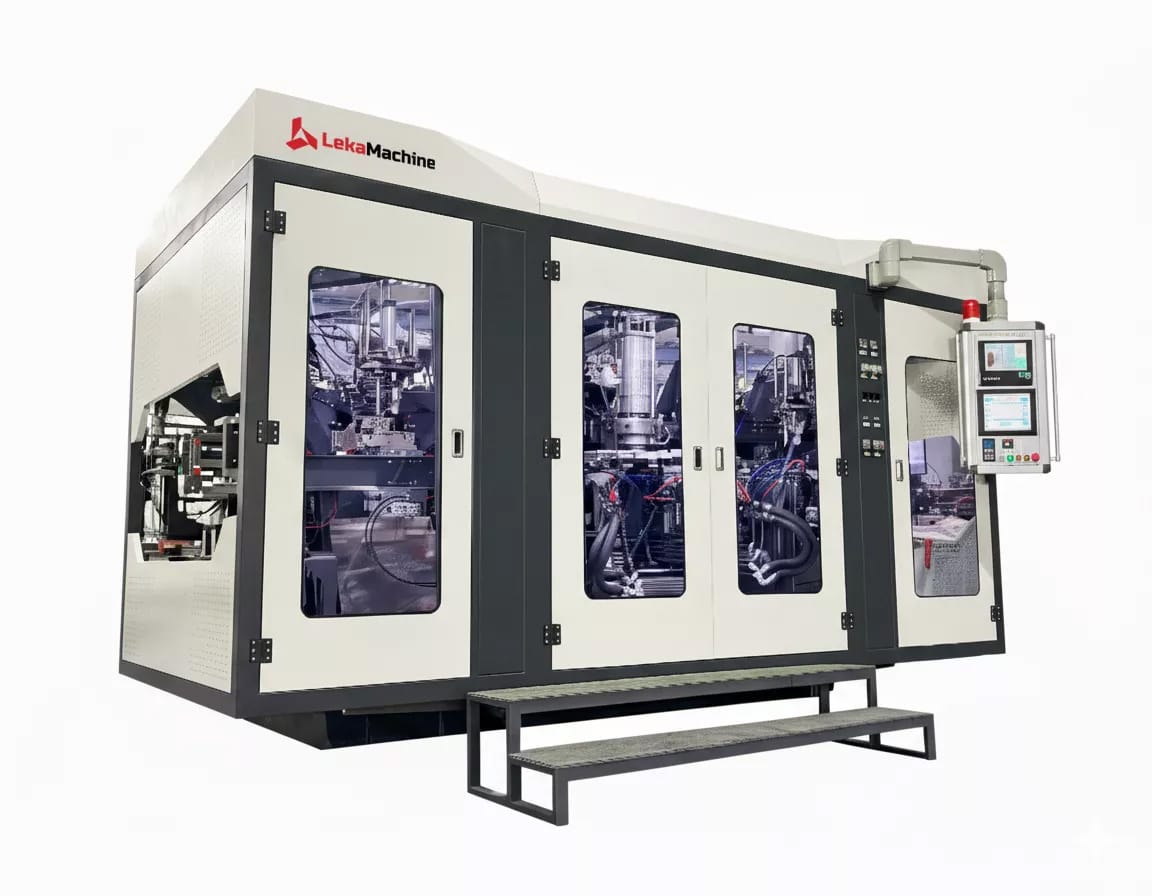
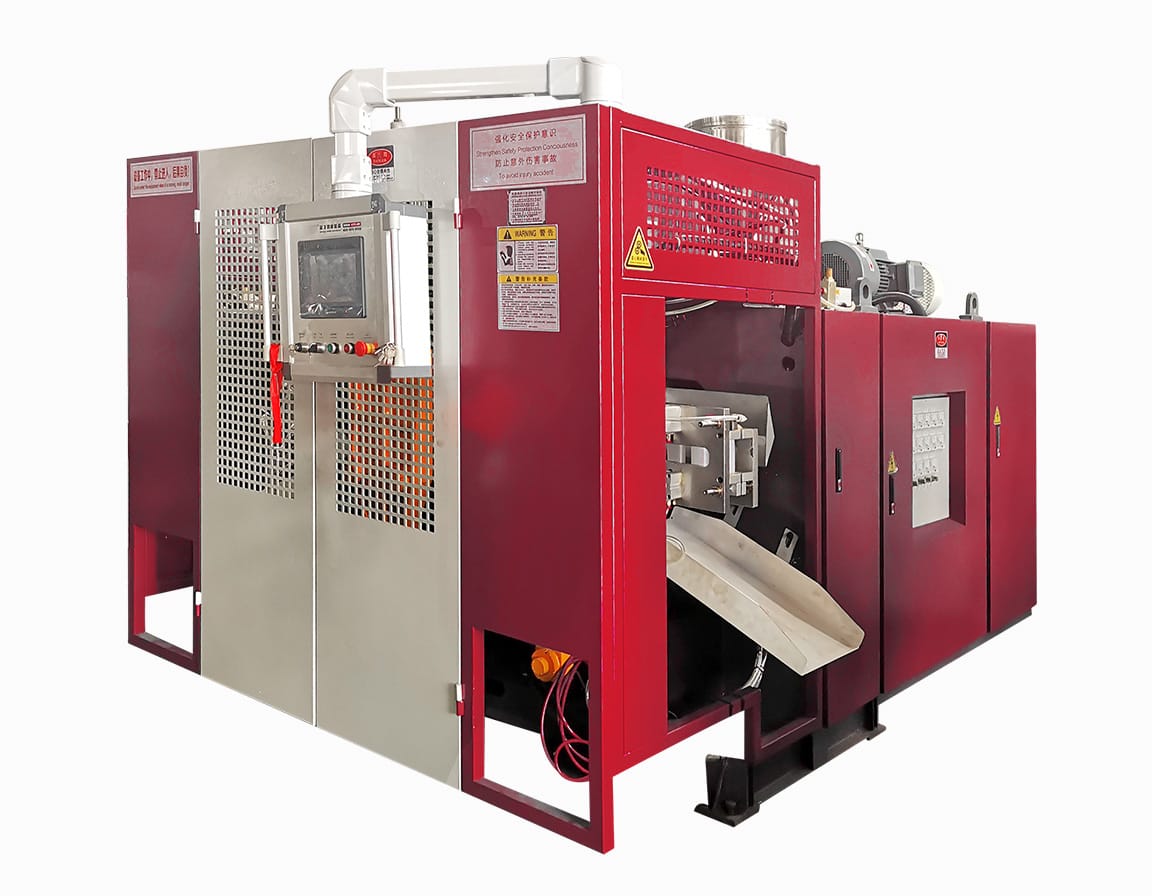
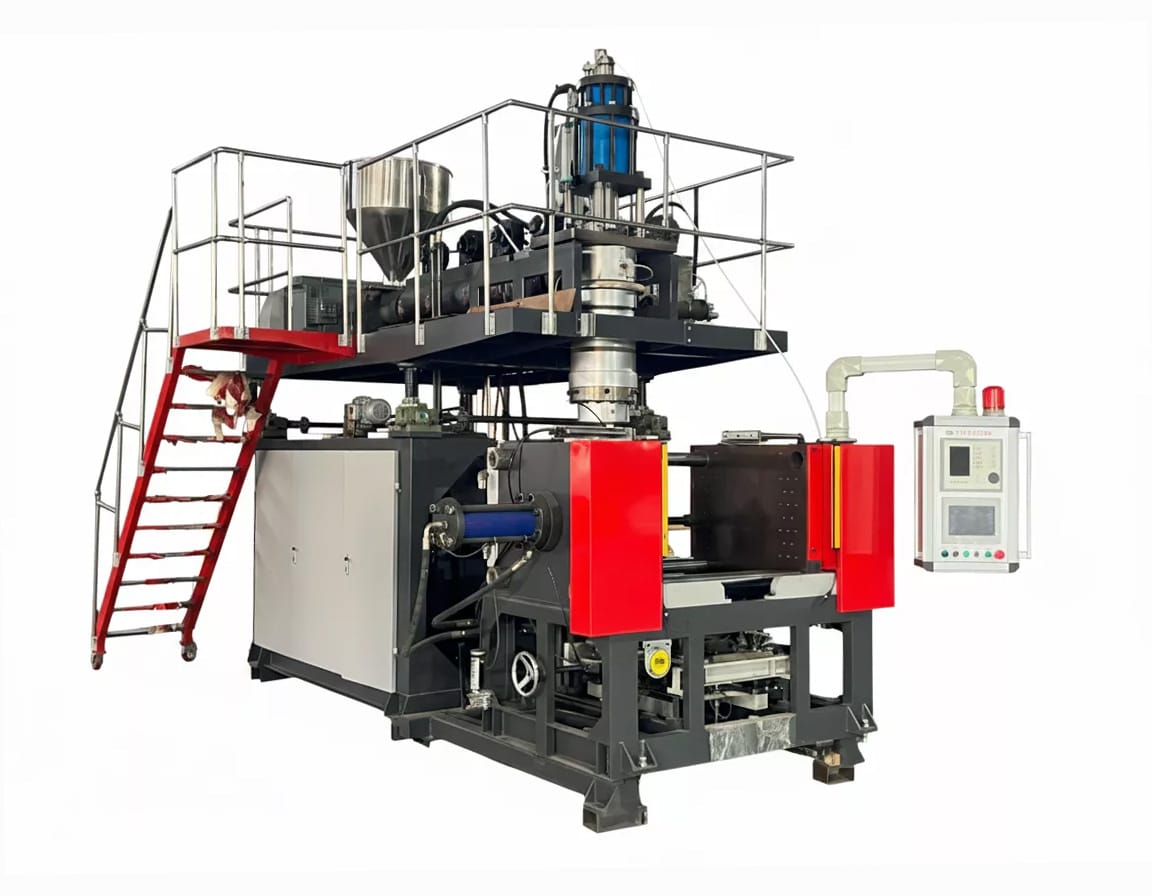
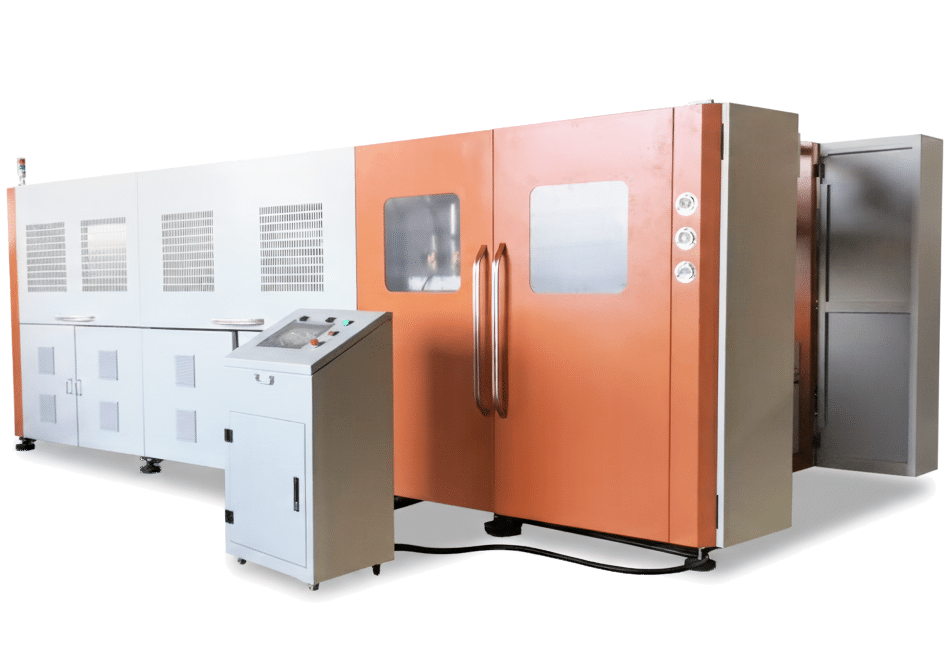
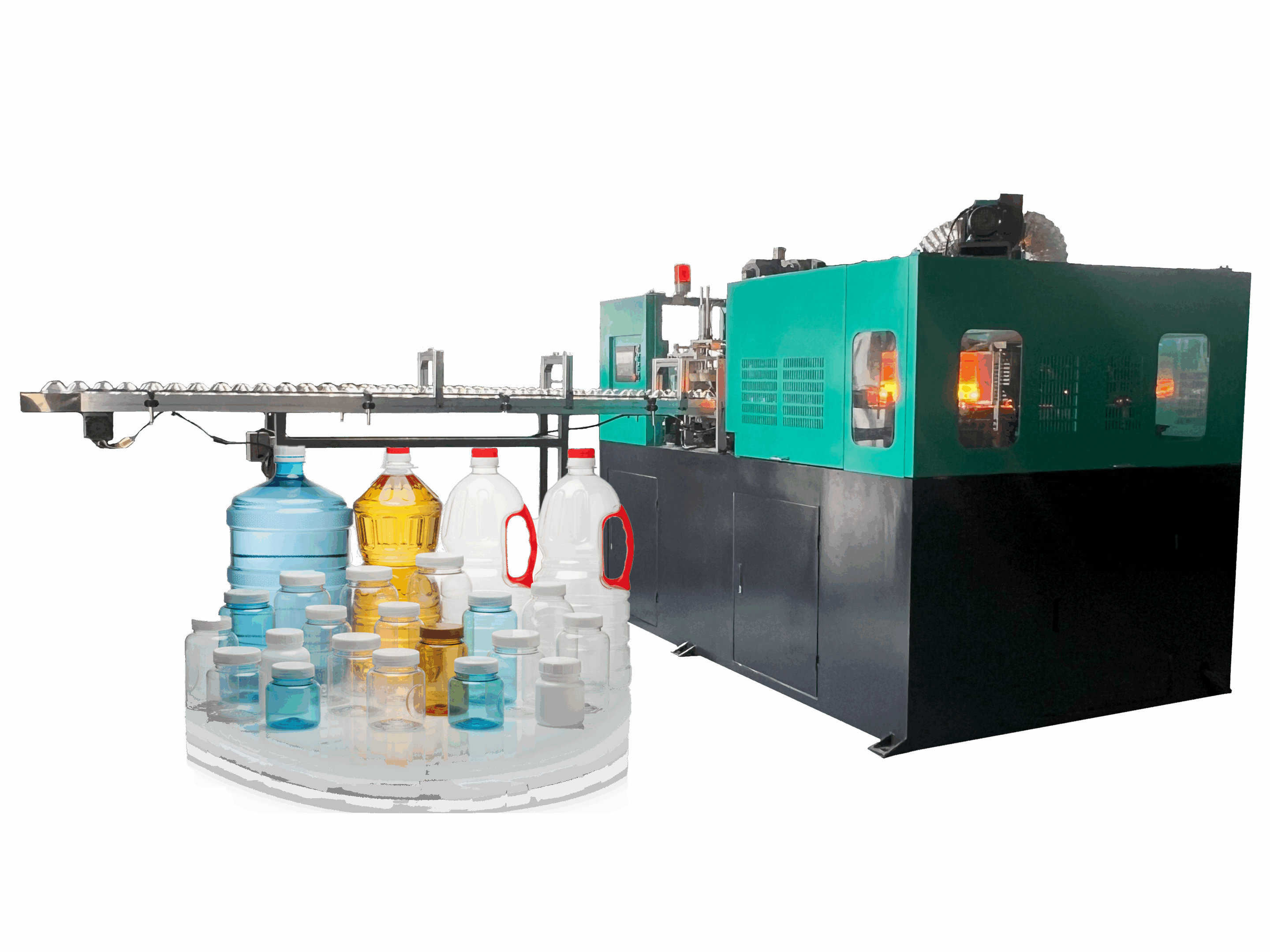
How should I evaluate the technical performance of an all-electric extrusion blow molding machine when producing multi-layer products?

At our facility, we know that shifting from single-layer to multi-layer production is a massive technical leap. If you judge a machine solely by its maximum output speed, you risk facing severe delamination issues and wasted resin later. You need a testing protocol that looks past the brochure numbers and reveals the machine’s true stability under pressure.
multi-layer production 1
To evaluate an all-electric multi-layer machine, do not focus only on throughput. Instead, you must establish a "processing window" that tests for interfacial instability, such as zig-zag or wave patterns. The machine is technically sound only if it maintains stable laminar flow for all layers at your specific target speeds.
Let’s break down the specific technical checkpoints we use when commissioning these machines for our clients.
How do I measure the thickness uniformity of each layer during the trial run?
We often see clients checking only the total weight of the bottle during a factory acceptance test, but that hides internal defects. When we run acceptance tests for multi-layer projects, we look deeper because a perfect outer shell can easily hide a broken barrier layer inside.
For the most definitive measurement during trial runs, you should use offline optical microscopy by cutting the part to inspect it layer-by-layer. While non-destructive interferometric sensors exist for online checks, they often struggle to distinguish between layers with similar densities, making cross-sectioning the gold standard for validation.

The Limits of Non-Destructive Testing
In the blow molding industry, we all want a magic sensor that tells us the thickness of every layer without destroying the bottle. While ultrasonic gauges are excellent for single-layer bottles, we have found them unreliable for multi-layer applications.
Ultrasonic gauges 2
Ultrasonic waves rely on sound reflecting off material boundaries. However, the density difference between Polyethylene (PE) and the adhesive "tie-layer" is often so small that the sound wave passes right through without registering a boundary. This leads to false readings where the machine tells you the barrier is thick enough, but in reality, it is paper-thin or missing.
sound reflecting off material boundaries 3
The Optical Microscopy Standard
To truly evaluate the machine’s performance, you must perform destructive testing. This involves cutting a cross-section of the bottle and viewing it under a high-powered microscope. This allows you to measure the "Stability Window." You are not just looking for the correct thickness; you are looking for consistency.
When we evaluate a new machine setup, we look for two specific failure modes in these cross-sections:
- Layer Continuity: Is the barrier layer (like EVOH) continuous, or does it break at the corners?
- Interfacial Smoothness: Are the lines between layers straight? Wavy lines indicate that the machine is struggling to handle the shear stress at the interface.
Comparison of Measurement Techniques
We use the following comparison to help clients decide on their quality control equipment:
| Measurement Method | Best Used For | Плюсы | Минусы |
|---|---|---|---|
| Ультразвуковой манометр | Single-layer bottles | Fast, non-destructive, portable. | Cannot read layers with similar densities (e.g., Tie-layer vs. PE). |
| Optical Microscopy | Multi-layer commissioning | 100% accurate, visualizes defects. | Destructive, slow, requires offline lab work. |
| Interferometric Sensor | High-speed production | Non-destructive, online monitoring. | Expensive, requires complex calibration for specific resins. |
| Hall Effect | General wall thickness | Cheap, easy to use. | Measures total thickness only; cannot see individual layers. |
What specific parison control technology is used to manage the interface between different material layers?
In our engineering meetings, we frequently correct the assumption that the parison controller manages the mix of layers. It does not. We configure the controller to manage the shape, but the layer separation relies on different mechanics entirely.
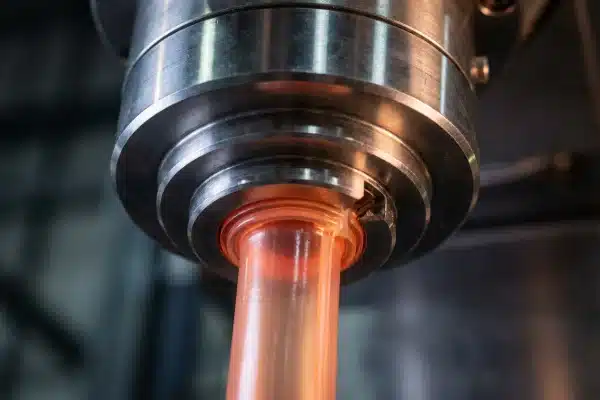
The parison control technology, typically a 30 to 300-point servo-driven system, strictly adjusts the die gap to manage the vertical wall thickness profile. It does not control the interface between layers. That interface stability depends entirely on the relative RPM consistency and pressure balance of the individual extruders.
Distinguishing Profile Control from Interface Control
It is vital to understand the "division of labor" in a multi-layer machine. The Parison Programmer (often a 100-point or 300-point system) is responsible for the total thickness of the bottle wall. It moves the die mandrel up and down to make the plastic tube thicker at the bottle’s shoulder and thinner at the body.
However, the specific technology used to manage the interface—where the barrier layer meets the adhesive layer—is not the programmer. It is the Co-extrusion Die Head Design (such as a spiral mandrel or spider design) combined with the extruder RPM stability.
The "Sausage Casing" Analogy
Think of a multi-layer parison like a stuffed sausage.
- The parison programmer controls how thick the sausage is overall.
- The extruders control how much filling is inside versus the skin.
If you see a defect where the barrier layer is thick on one side of the bottle and thin on the other, no amount of parison programming will fix it. That is a flow balance issue. You must evaluate if the machine’s extruders are delivering a stable output.
Critical Check: Interfacial Slip
When testing the machine, we look for a defect called "Interfacial Slip." This happens when the machine pushes the material too hard. Instead of flowing together, the layers slide past each other. This creates weak adhesion that you cannot see with the naked eye, but the bottle will fail drop tests.
Troubleshooting Parison Defects
| Defect Symptom | Likely Cause | Technology to Adjust |
|---|---|---|
| Bottle is too light/heavy overall | Die gap is too open/closed | Parison Programmer (Servo) |
| Barrier layer is wavy (Zig-Zag) | Melt Instability / Turbulence | Extruder RPM / Temperature |
| Barrier layer is missing in spots | Flow channel blockage | Die Head Design / Filtration |
| Layers peel apart easily | Interfacial Slip / Cold Tie-Layer | Extruder Temperatures |
Can the machine handle the viscosity differences between barrier layers and structural layers effectively?
When we design screw profiles for barrier materials like EVOH, we treat viscosity like a volatile variable. If the machine cannot balance the flow of a stiff barrier against a fluid structural layer, the product will fail structurally.
barrier materials like EVOH 4
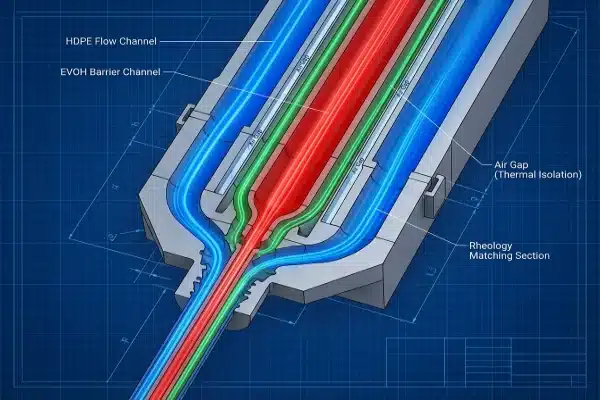
Effectively handling viscosity differences requires a co-extrusion die head designed with specific rheology channels, not just software controls. You must verify that the die head features thermal isolation gaps or ceramic insulators. These prevent heat transfer between channels, allowing you to manipulate viscosities thermally before the layers merge.
The Danger of Viscous Encapsulation
One of the most common failures we see in poorly designed machines is "Viscous Encapsulation." This occurs when there is a mismatch in viscosity. The lower viscosity polymer (the runnier plastic) will naturally try to wrap around the higher viscosity polymer (the stiffer plastic).
If your structural layer (HDPE) is very fluid, and your barrier layer (EVOH) is very stiff, the HDPE will migrate to the edges of the flow channel. This results in a bottle where the barrier layer is not centered. It might be pushed all the way to the inner wall, where it can easily be damaged or delaminate.
Thermal Isolation is Key
You cannot simply turn up the heat to fix this. EVOH is very sensitive to heat; if you overheat it to lower its viscosity, it degrades and creates black specks.
Therefore, the machine’s die head must have Thermal Isolation. This means the metal channels carrying the HDPE and the channels carrying the EVOH are separated by air gaps or insulating materials. This allows us to keep the HDPE hot (for flow) and the EVOH cooler (for stability) right up until the moment they merge.
Shear Sensitivity in Screw Design
When evaluating the machine, you must also look at the screw geometry for the barrier extruder. Barrier materials are "shear sensitive." Standard screws generate friction heat. A good multi-layer machine uses a Low-Shear, Low-Compression Ratio Screw for the barrier layer. If the manufacturer puts a standard general-purpose screw in the barrier extruder, you will likely face quality issues during long production runs.
Viscosity Management Checklist
| Характеристика | Требование | Reason |
|---|---|---|
| Die Head Channels | Thermal Isolation Gaps | Allows independent temp control of adjacent layers. |
| Merge Point | Rheology Matched | Viscosities should be within 10-15% at the merge point. |
| Barrier Screw | Low Shear / Low Compression | Prevents degradation of sensitive EVOH/PA. |
| Контроль температуры | PID + Cooling Fans | Prevents heat override in the barrel. |
How does the all-electric system improve the repeatability of layer distribution compared to hydraulic systems?
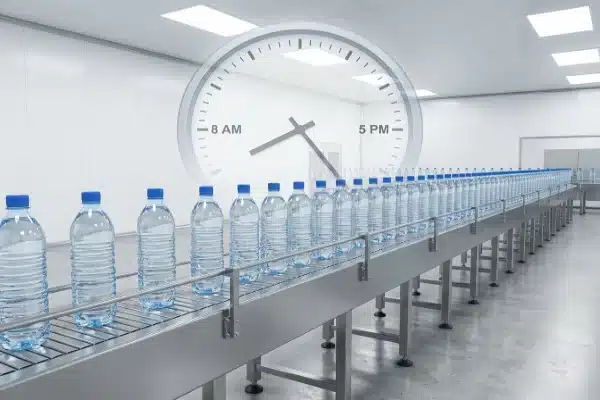
We used to spend hours every morning adjusting hydraulic machines as the oil warmed up. With our all-electric models, we see that the first bottle produced at 8:00 AM matches the one produced at 5:00 PM perfectly.
all-electric models 5
All-electric systems improve repeatability by using closed-loop servo motors that eliminate "oil drift" caused by changing hydraulic fluid viscosity. Furthermore, servo motors provide superior "torque stiffness," maintaining exact RPM against back-pressure surges. This ensures the layer ratio remains identical from the first shot to the last.
Eliminating the "Morning Drift"
In hydraulic systems, the viscosity of the hydraulic oil changes as the machine warms up. Cold oil moves slower than hot oil. This means the speed of the extruder screw can drift throughout the day.
viscosity of the hydraulic oil 6
In a single-layer bottle, a small drift is annoying but manageable. In a multi-layer bottle, a 1% drift in screw speed can change the thickness of the barrier layer by 10% or more. This pushes the bottle out of spec.
digital encoders to verify 7
All-electric machines use Servo Motors. These motors do not care about temperature. They use digital encoders to verify their speed thousands of times per second. If you set the screw to 35.5 RPM, it stays at 35.5 RPM, regardless of whether the machine is cold or hot.
Servo Motors 8
The Advantage of "Servo Stiffness"
There is a hidden advantage to electric motors called "Torque Stiffness."
Inside the die head, the different layers of plastic push against each other. If the pressure of the HDPE layer suddenly spikes, it pushes back against the barrier layer.
- Hydraulic Motor: Under this back-pressure, a hydraulic motor might slow down slightly, causing a momentary thin spot in the barrier layer.
- Electric Servo: The servo motor detects the resistance instantly and increases current to maintain the exact RPM. It is "stiff" and refuses to slow down.
This stiffness prevents "surging," which is the main cause of wave-like variations in barrier thickness. This allows you to run thinner, more precise barrier layers, saving money on expensive materials like EVOH.
shear stress at the interface 9
Performance Comparison
| Характеристика | Гидравлическая система | All-Electric System | Impact on Multi-Layer |
|---|---|---|---|
| Speed Stability | Subject to oil temp | Digital precision (±0.1 RPM) | Consistent layer ratios all day. |
| Response Time | Slower (Valve lag) | Instant (ms response) | Better starts/stops for intermittent extrusion. |
| Torque Response | Soft (Speed drops under load) | Stiff (Maintains speed) | Prevents layer surging under pressure. |
| Energy | High waste heat | Low waste heat | Lower cooling load for the factory. |
Заключение
Evaluating multi-layer machines requires looking beyond speed. You must verify technical capabilities like thermal isolation in the die, servo torque stiffness, and the ability to maintain a stable processing window. Only then can you ensure consistent layer distribution and avoid costly adhesion failures.
Polyethylene (PE) 10
Сноски
- Regulatory context for materials used in food packaging. ↩︎
- Manufacturer application note on this specific measurement technology. ↩︎
- Educational explanation of acoustic physics used in testing. ↩︎
- Major manufacturer of the specific barrier material mentioned. ↩︎
- Government resource on industrial electric motor efficiency. ↩︎
- Professional society for viscosity and flow science. ↩︎
- Technical reference on servo motor feedback systems. ↩︎
- General technical definition of the motor type. ↩︎
- Standard test method for rheological properties of plastics. ↩︎
- Definition of the specific polymer material mentioned. ↩︎


0 Комментариев