
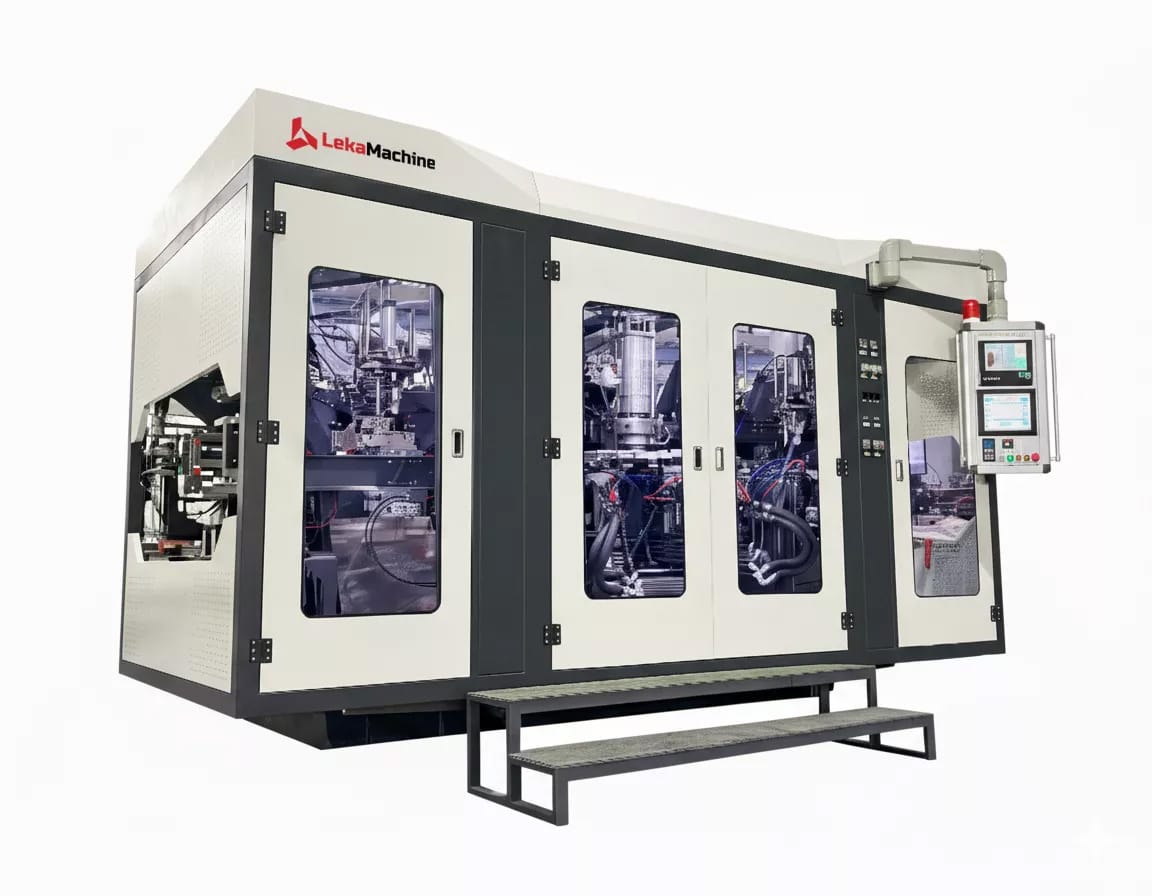
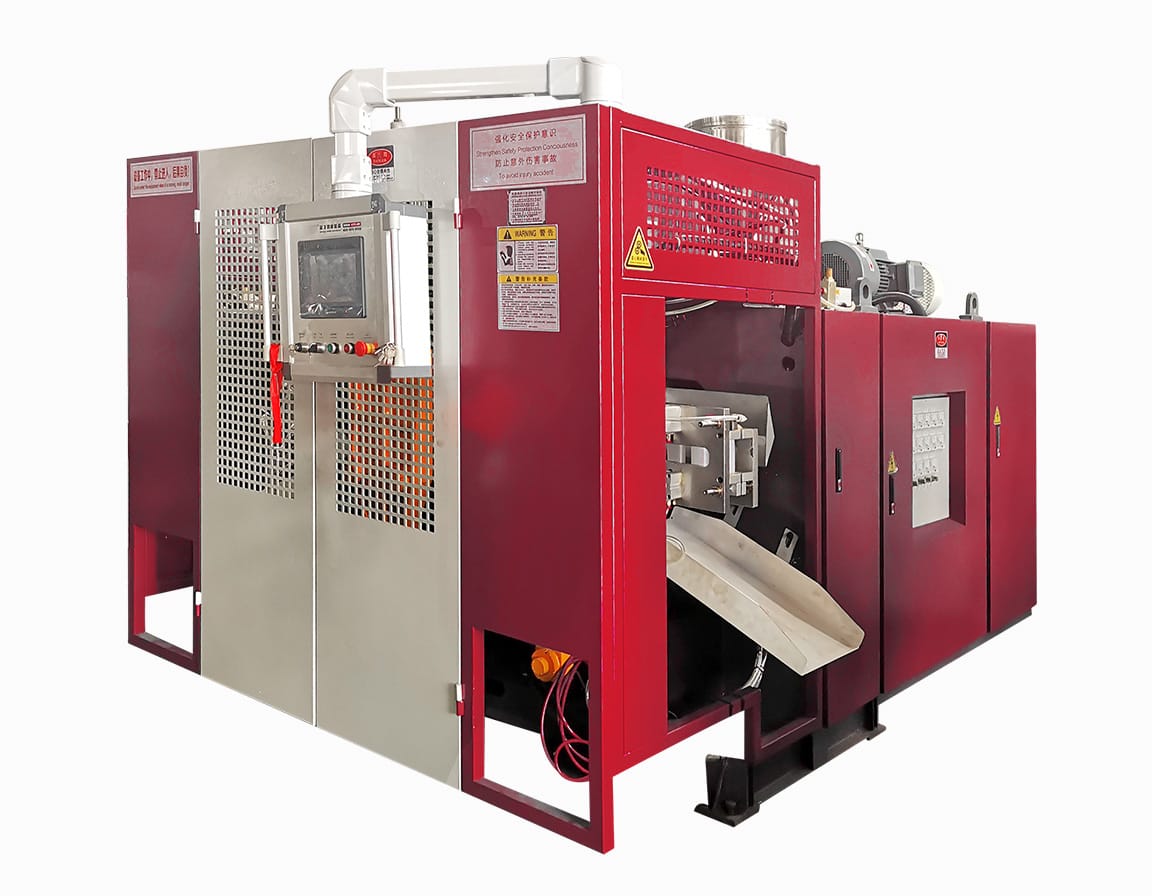
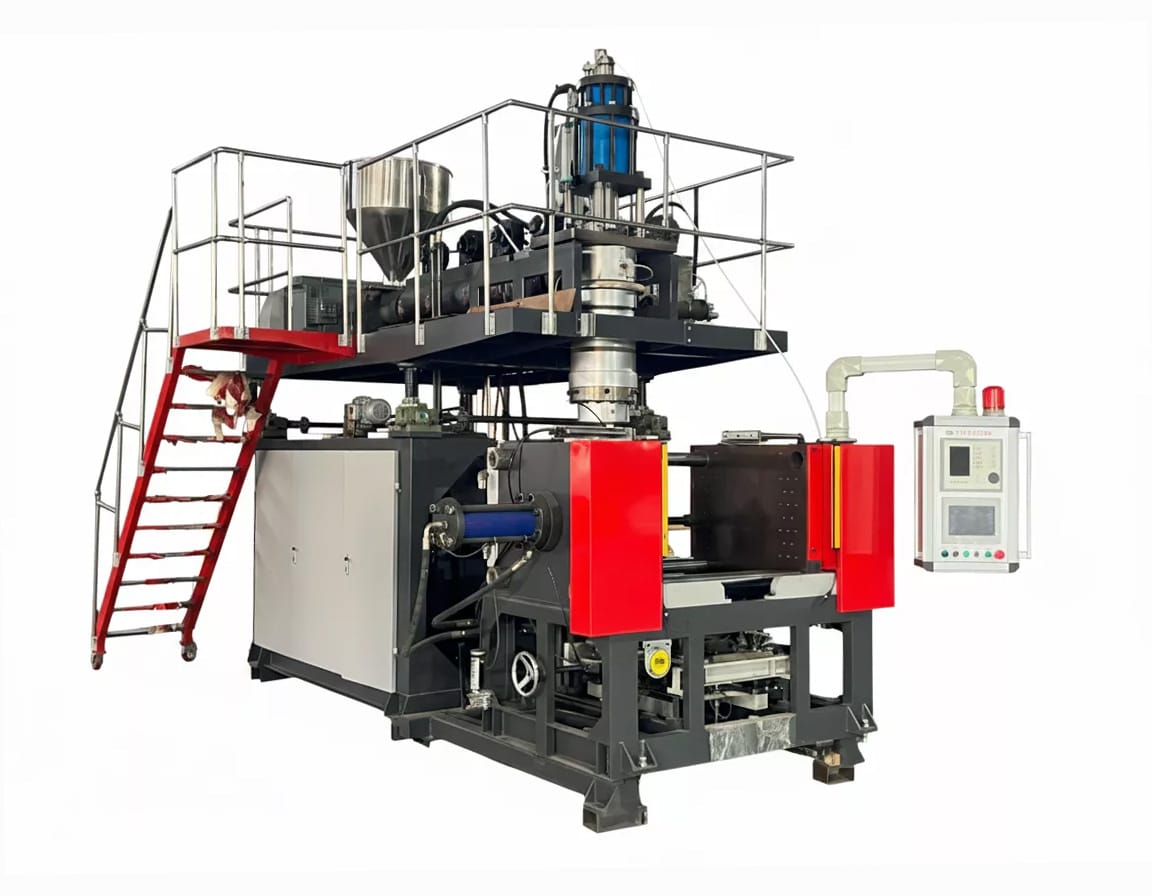
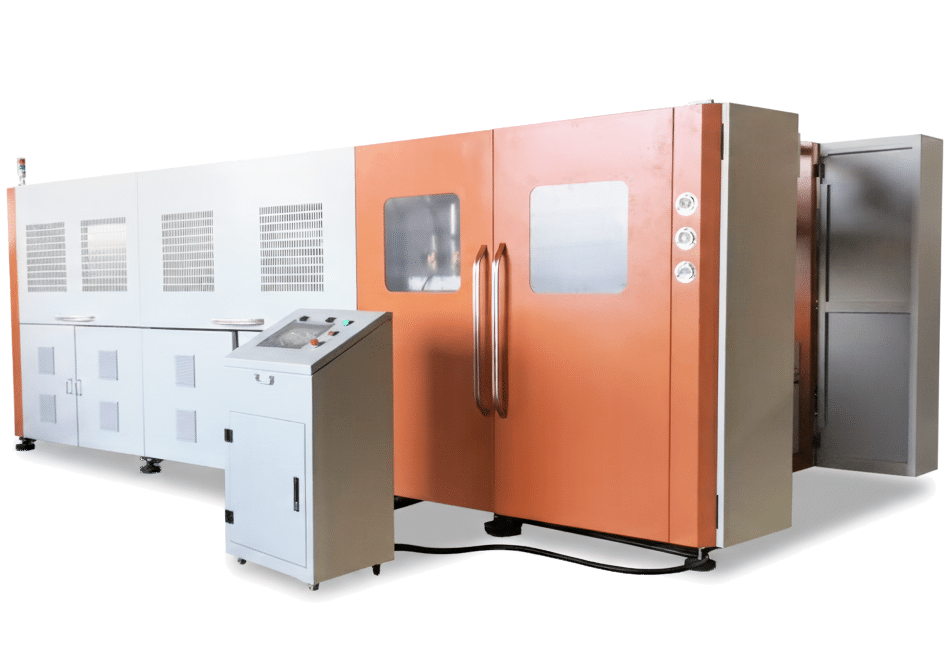
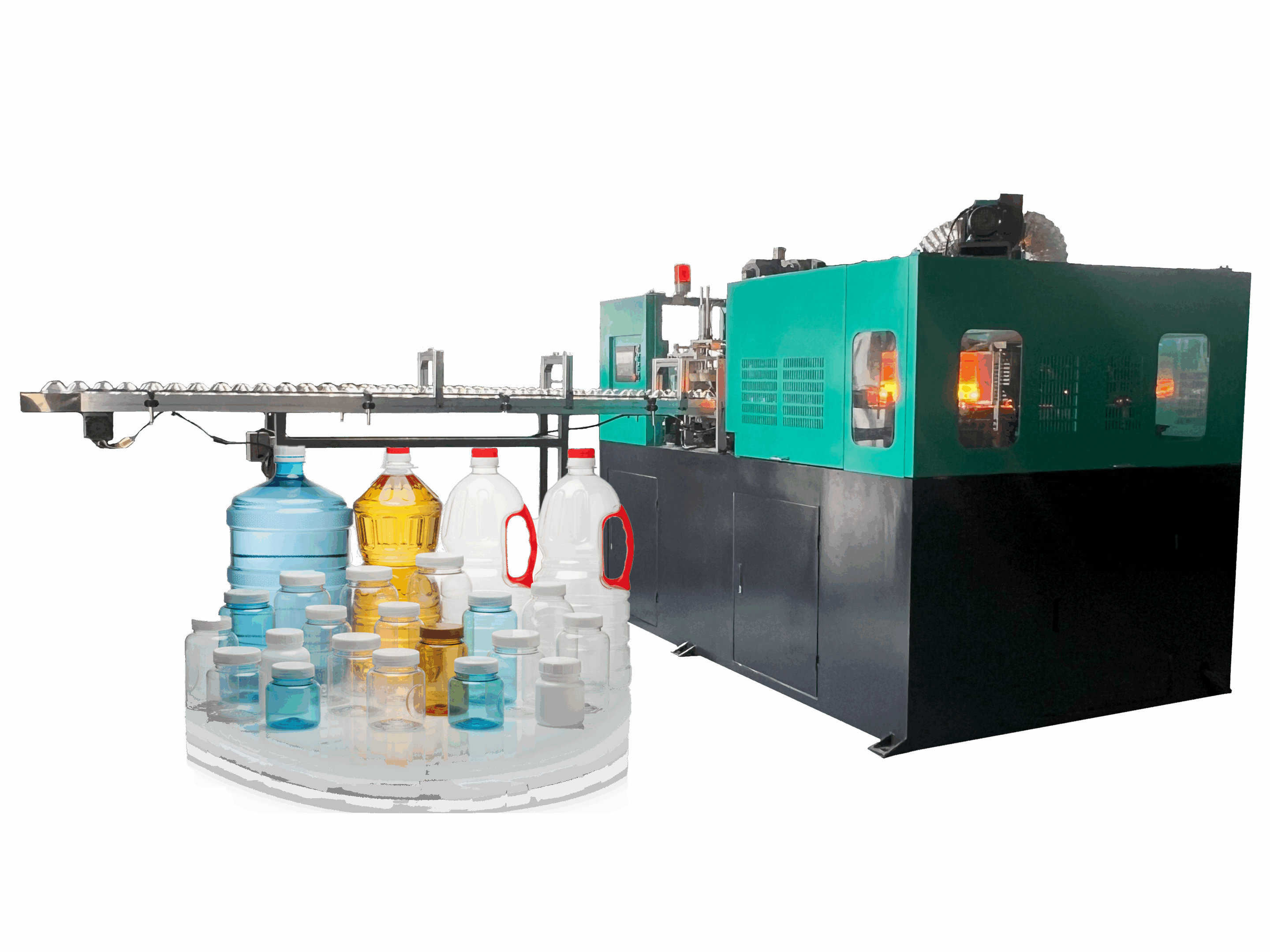
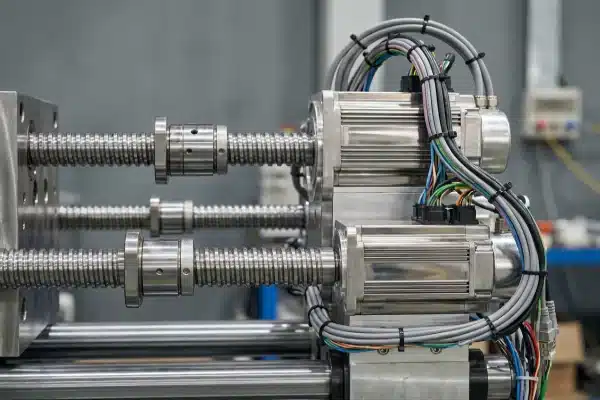
At our production facility, we have seen high-precision electric machines crippled by poor scrap handling via OPC UA 1. Ignoring the specific needs of these auxiliaries often leads to severe production bottlenecks and safety hazards. safety hazards 2
Evaluating auxiliary equipment requires analyzing granulator capacity against low-bulk-density scrap, not just pellet weight. You must verify noise levels under load, ensure control integration via Euromap protocols, and select blade metallurgy like D2 or Carbide to match your material’s abrasiveness and volume.
To ensure your investment yields the highest efficiency, you must look beyond basic catalog specs global spare parts availability 3.
Does the granulator capacity match my actual scrap profile?
We often debug production lines where the "rated" capacity fails because flash is bulky and lightweight HEPA filtration 4. This mismatch frequently stops production cold during startup phases.
To match capacity effectively, calculate throughput based on the low bulk density of tails and flash (4–8 lbs/ft³), not virgin pellets. You must also size the chamber to handle 100% output surges during startup phases, ensuring the throat geometry supports tangential feeding to prevent bridging.

When evaluating a granulator for Extrusion Blow Molding (EBM), the most common mistake is relying on nominal throughput ratings listed in pounds per hour (lbs/hr). These figures are typically derived from processing heavy, uniform virgin pellets (approx. 35-38 lbs/ft³). However, EBM scrap—specifically "tails," "moils," and "flash"—is voluminous and extremely light.
The Bulk Density Disconnect
In our experience, loose blow molding flash can have a bulk density low bulk density 5 as low as 4-8 lbs/ft³. This creates a massive discrepancy. A granulator rated for 500 lbs/hr of pellets might choke on just 150 lbs/hr of bottle flash because the material floats on top of the rotor rather than feeding into the cutting chamber. The equipment physically cannot ingest the volume, even if the motor load is low.
Handling Startup Surges
Another critical factor we monitor is the startup phase. When an all-electric EBM machine initializes, it may run for 30 to 45 minutes producing 100% scrap until the parison stabilizes. Your auxiliary system must be sized to handle this "full extrusion capacity" surge. If the granulator is only sized for the steady-state scrap rate (usually 20%), operators will be forced to manually handle hot plastic, which defeats the purpose of automation.
Geometry Matters: Tangential vs. Top Feed
To prevent "bouncing"—where lightweight scrap dances on the rotor—you must select the correct housing geometry.
Table: Granulator Housing Comparison
| Характеристика | Tangential Feed | Top Feed |
|---|---|---|
| Лучшее приложение | Hollow parts, lightweight tails, bulky flash. | Solid runners, heavy sprues, injection molding scrap. |
| Механизм | Rotor is offset; down-stroke actively grabs the part. | Relies on gravity; material falls directly onto the rotor. |
| EBM Suitability | High: Prevents bridging of long tails. | Low: Updraft from rotor can blow light scrap back out. |
| Фактор риска | Minimal "flyback" of material. | High risk of material bridging in the hopper. |
How can I verify the noise levels for a quiet factory environment?
When we install silent electric blow molders, a loud granulator ruins the working environment immediately. It creates a safety hazard and negates the benefits of the primary machine.
Verify noise levels by demanding Sound Pressure Level (SPL) data measured under actual cutting load, not just idle operation. Ensure the equipment features constrained layer damping on hoppers and utilizes scissor-cut rotor geometries to keep noise below 85 dB(A), maintaining the benefits of your all-electric facility.
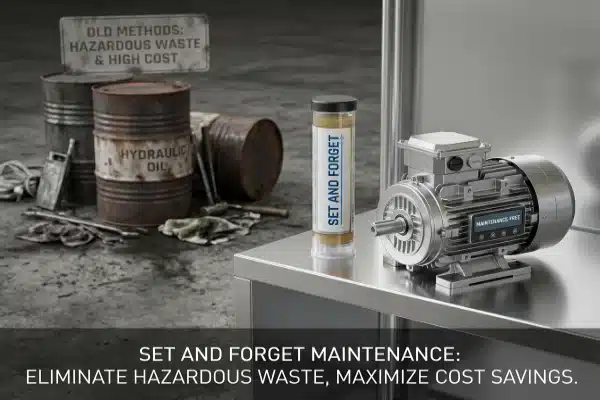
All-electric EBM machines are prized for their near-silent operation, often running below below 85 dB(A) 6 70 dB(A). Introducing a standard granulator, which can exceed 100 dB(A), creates a "noise island" that harms operator health.
The Trap of "No-Load" Ratings
Suppliers often quote sound Sound Pressure Level (SPL) 7 levels measured while the machine is running empty in an open field. This data is useless for a factory environment. The real noise comes from the chaotic impact of hard plastic striking steel blades and the resonance of the machine body vibrating against the concrete floor. We always advise clients to request noise data verified under load, specifically processing the target material (HDPE or PET). The high-frequency screech of cutting rigid bottle necks is far more damaging than the low rumble of an idling motor.
Structural Engineering for Silence
To achieve the industrial standard of <85 dB(A), look for specific engineering features:
- Constrained Layer Damping: Premium hoppers use a "sandwich" construction where a damping layer is laminated between steel sheets. This deadens the "ringing" effect when plastic hits the walls.
- Rotor Geometry: "Chevron" or scissor-cut rotors are significantly quieter than straight-cut rotors. They create a progressive shearing action rather than a chop, reducing the shock wave that generates noise.
Enclosure Design
For granulators placed beside the press, a full sound enclosure is often mandatory. However, design plays a key role here. If the enclosure is difficult to dismantle, maintenance teams will eventually leave it off. We look for enclosures with easy-access doors and gas-spring assists, ensuring that noise compliance doesn't come at the cost of maintainability.
Are the auxiliary controls integrated for safety and efficiency?
Our engineers find that isolated controls lead to operator errors during mold changes. Manual adjustments are inefficient and introduce unnecessary risks to the production line.
Modern integration requires connecting auxiliaries via OPC UA or Euromap 82.2 protocols directly to the main HMI. This allows for recipe synchronization, ensuring granulator speeds adjust automatically with mold changes, and unifies safety logic like global E-stops to prevent injuries during jam clearing.

In the past, the granulator was an "island of automation"—a standalone unit with its own on/off switch. For a modern all-electric cell, this is obsolete. The evaluator must verify that the auxiliary controls can be fully integrated into the main EBM machine's Human-Machine Interface (HMI).
The Power of Euromap 82.2
The emerging standard for this integration is Euromap 82.2, which utilizes OPC UA to exchange data between the molding machine and peripherals. This allows the EBM controller to read the granulator's motor current, rotor speed, and alarm states without custom wiring.
Recipe Synchronization
A major advantage of integration is recipe storage. When you load a specific bottle recipe on the main machine, the system should automatically transmit the correct speed settings to the granulator. We have seen instances where an operator changed a mold but forgot to adjust the granulator speed, leading to excessive fines (dust) because the rotor was spinning too fast for the new material type.
Unified Safety Logic
Safety is the most critical aspect of control integration.
- Global E-Stop: Hitting the emergency stop on the main machine must instantly cut power to the granulator and the infeed conveyor.
- Feed Hold Logic: If the granulator detects a high-amp condition (nearing a stall), it must signal the EBM machine or robot to pause scrap discharge. This "closed-loop" logic prevents catastrophic jams that result in hours of downtime.
Table: Integration Benefits
| Характеристика | Standalone Control | Integrated Control (OPC UA) |
|---|---|---|
| Управление рецептами | Manual entry (prone to error). | Automatic sync with mold data. |
| Alarm Visibility | Only visible on the granulator. | Displayed on main machine HMI. |
| Safety Response | Independent E-Stop loops. | Unified Global E-Stop. |
| Predictive Maintenance | None. | Amp-draw analytics tracked on HMI. |
What components ensure long-term durability and easy replacement?
We know that cheap blades fail quickly when processing abrasive materials like PCR. Downtime for replacement kills profitability and increases total cost of ownership.
Ensure long-term durability by specifying D2 tool steel (HRC 58-62) for standard use or carbide-tipped blades for abrasive PCR applications. Verify the use of premium motor brands like Siemens or WEG to guarantee global spare parts availability, and look for pre-adjustable knife fixtures to minimize maintenance downtime.

Durability is largely determined by the metallurgy of the cutting chamber and the quality of the drive system. In EBM, particularly when using Post-Consumer Recycled (PCR) resin or fillers like Calcium Carbonate (CaCO3), standard steel will wear out rapidly.
Blade Metallurgy Selection
- D2 Tool Steel: This is the industry baseline. Ensure blades are heat-treated to HRC 58-62. If they are softer, they will dull quickly, generating dust that ruins bottle quality.
- Carbide Tipped: For abrasive applications, we recommend Tungsten Carbide. While the initial cost is higher, the lifespan is 4-10 times longer than D2, significantly reducing maintenance intervals.
- Cryogenic Treatment: Some suppliers freeze blades to -300°F to improve toughness. This is excellent for high-volume production where thick parison tails might chip standard blades.
Motor Efficiency and Sourcing
The electric motor is the heart of the system. We strongly advise against "OEM Special" motors. If that motor fails, you are stuck waiting for a specific part from the machine supplier. Instead, specify global standard brands like Siemens, WEG, or ABB. These are available universally. Furthermore, ensure the motors meet IE3 or IE4 efficiency standards to align with the energy-saving goals of your all-electric facility.
Maintenance-Friendly Design
Ask the supplier: "How long does it take to change blades?" The gold standard is a pre-adjustable knife system. This allows your team to sharpen and set the gap on a spare set of blades outside the machine while it is still running. When the machine stops, you simply swap the sets, reducing downtime from hours to minutes.
How do dust and thermal instability affect production quality?
In our testing, hot regrind and dust frequently blind sensors and cause parison sag. These variables destabilize precision molding and must be actively managed.
Dust and heat must be managed by using negative pressure conveying systems with HEPA filtration to protect optical sensors. Additionally, implement cooling spirals to reduce regrind temperature before it re-enters the extruder, preventing thermal feedback loops that cause parison sag and wall thickness inconsistencies.

Processing scrap introduces two major variables that can destabilize an all-electric EBM process: "fines" (dust) and heat.
The "Fines" Problem
Grinding plastic creates dust. These small particles have a high surface-area-to-mass ratio, meaning they melt much faster than pellets in the extruder. If not managed, they cause "black specks" due to thermal degradation. Furthermore, all-electric machines rely on optical sensors for mold protection. If your granulator leaks dust, it will "blind" these sensors, causing nuisance alarms.
- Решение: Specify a negative pressure conveying system. If a leak occurs in a vacuum line, air is sucked in (safe). In a pressure system, dust is blown out (contamination).
The Thermal Feedback Loop
A subtle but critical issue is the temperature of the regrind. Scrap is often ground while hot (>60°C). If this hot material is fed back into the extruder alongside cold pellets (20°C), it creates inconsistent melt viscosity.
- Parison Sag: Hotter material has lower melt strength. This causes the parison to stretch under its own weight, resulting in uneven wall thickness that even the best servo-programmer cannot correct.
- Решение: The evaluation must determine if the system includes an Air-Cooled Conveying Loop or a Cooling Spiral. These ensure regrind returns to ambient temperature before blending, stabilizing the process.
Заключение
Auxiliary equipment acts as a subsystem that dictates the stability of your entire production cell. By evaluating capacity, noise, integration, and thermal control, you ensure your granulator reinforces the precision of your all-electric investment.
Сноски
1. OPC Foundation is the standards body for OPC UA. ↩︎
2. OSHA provides information on workplace safety and hazard prevention. ↩︎
3. ISO standards ensure quality and compatibility of spare parts. ↩︎
4. EPA provides information on HEPA filters and their use in air filtration systems. ↩︎
5. Explains bulk density and its relevance to material handling. ↩︎
6. OSHA sets legal limits on noise exposure in the workplace. ↩︎
7. CDC provides information about noise and measuring sound pressure levels. ↩︎


0 Комментариев