
Введение
Every year, damaged goods cost manufacturers millions—not just in lost products, but in customer trust and brand reputation. When fragile electronics, medical devices, or high-value automotive components arrive compromised, the ripple effects hurt both profits and partnerships.
Foam injection molding solves this ездить или умереть challenge by combining lightweight efficiency with unmatched impact resistance. Unlike rigid plastics or bulky packaging, foam’s cellular structure absorbs shocks while keeping shipments cost-effective. This article explores how industries from healthcare to automotive leverage foam molding to slash breakage rates and streamline protective packaging.
Introduction to Foam Injection Molding
“Foam injection molding is a game-changer in protective packaging, offering unmatched cushioning and cost savings for industries dealing with fragile goods.”
Foam injection molding is a specialized manufacturing process where molten plastic is injected with a blowing agent to create lightweight, cushioned parts. This technique is widely used in protective packaging to prevent product damage during shipping. The foam molding process creates tiny air pockets within the material, giving it excellent shock absorption properties.
In logistics, damaged goods cost businesses billions annually. Foam injection molding directly addresses this by creating custom protective inserts that cradle products securely. Whether it’s delicate electronics or heavy automotive components, foam packaging significantly reduces breakage rates. Many companies find this solution pays for itself through lower return rates and shipping insurance costs.
Industry Applications of Foam Injection Molding
| Промышленность | Common Uses | Material Types | Impact on Damage Rates | Экономия средств |
|---|---|---|---|---|
| Электроника | Device packaging, component holders | Polyurethane, EPS | Reduces damage by 60-80% | 15-30% lower logistics costs |
| Автомобили | Bumper cores, interior padding | PP, PE | 75% fewer shipping claims | 20% weight reduction savings |
| Медицина | Equipment cases, sterile packaging | Medical-grade PE | 90% sterile integrity maintained | 40% less packaging material |
| Потребительские товары | Appliance packaging, luxury item protection | Custom blends | 50% fewer customer returns | 25% faster packaging time |
| Промышленность | Machine part cushioning, pallet inserts | High-density foams | 70% impact protection | 30% less void fill needed |
The automotive industry particularly benefits from foam injection molding for both packaging and actual vehicle components. Energy-absorbing foam cores in bumpers and door panels demonstrate how this technology goes beyond simple packaging solutions. Medical device manufacturers rely on sterile foam packaging that maintains cleanliness while providing ездить или умереть protection for expensive equipment during transport.
For electronics manufacturers, foam injection molding allows precise customization to protect sensitive components. The process can create compartments for multiple items in a single package, eliminating the need for additional packing materials. This efficiency makes foam molding an environmentally friendly choice compared to traditional packing peanuts or bubble wrap.
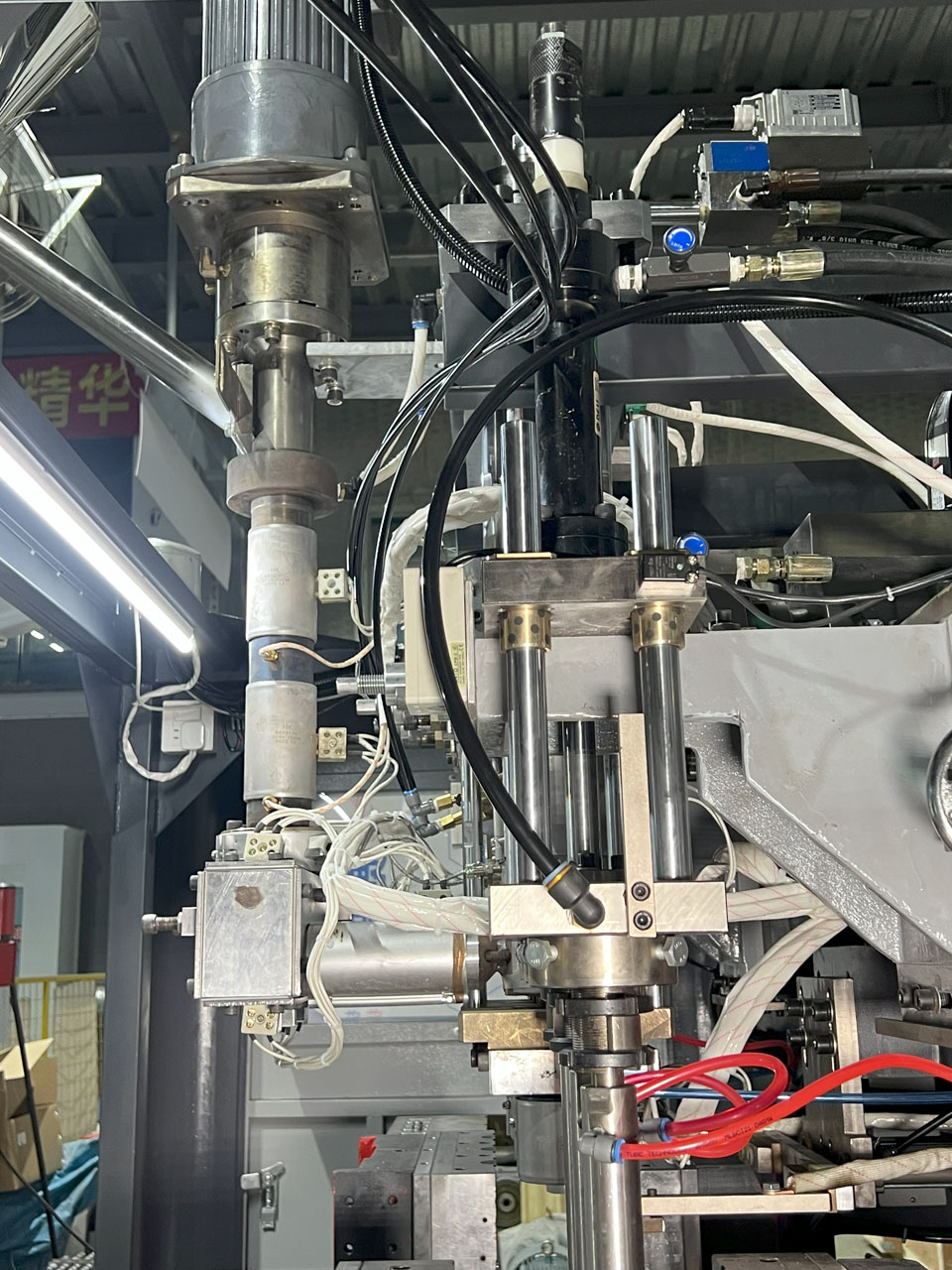
Featured Image Reference: Close-up of foam injection molded protective packaging cradling electronic components.
The Foam Injection Molding Process Explained
“Foam injection molding transforms raw thermoplastics into lightweight, protective components through a precise three-stage process that delivers consistency at scale.”
The foam injection molding process begins with material preparation, where thermoplastics like polypropylene or EVA are combined with chemical blowing agents. These specialized additives decompose under heat, creating the gas bubbles that give structural foam molding its distinctive cellular structure. Material selection depends on the final application, with medical-grade polymers requiring stricter certifications than industrial foam products.
Foam Injection Molding Process Parameters
| Этап процесса | Temperature Range (°C) | Pressure (MPa) | Cycle Time (sec) | Ключевые соображения |
|---|---|---|---|---|
| Material Melting | 180-280 | Н/Д | 30-90 | Precise temp control prevents premature gas release |
| Injection | 190-260 | 70-140 | 5-15 | High pressure maintains material integrity |
| Foam Expansion | 160-220 | 5-20 | 20-60 | Controlled pressure drop enables even cell formation |
| Cooling | 20-40 | 0.1-0.5 | 60-180 | Water channels must prevent warping |
| Ejection | Окружающий | Mechanical | 5-10 | Proper draft angles prevent damage |
During injection and expansion, the molten polymer-gas mixture enters the mold cavity under high pressure. As pressure decreases, the blowing agent activates, creating millions of microscopic bubbles that expand to fill the mold. This next-level technology allows for complex geometries with excellent strength-to-weight ratios, making foam injection molding ideal for automotive components and medical device packaging alike.
The cooling phase is critical in thermoplastic foam applications, as improper temperature management can lead to surface defects or dimensional inaccuracies. Modern systems use conformal cooling channels that follow the mold contours, reducing cycle times by up to 40% compared to traditional methods. After sufficient cooling, ejector pins carefully remove the finished part, ready for secondary operations or immediate use.
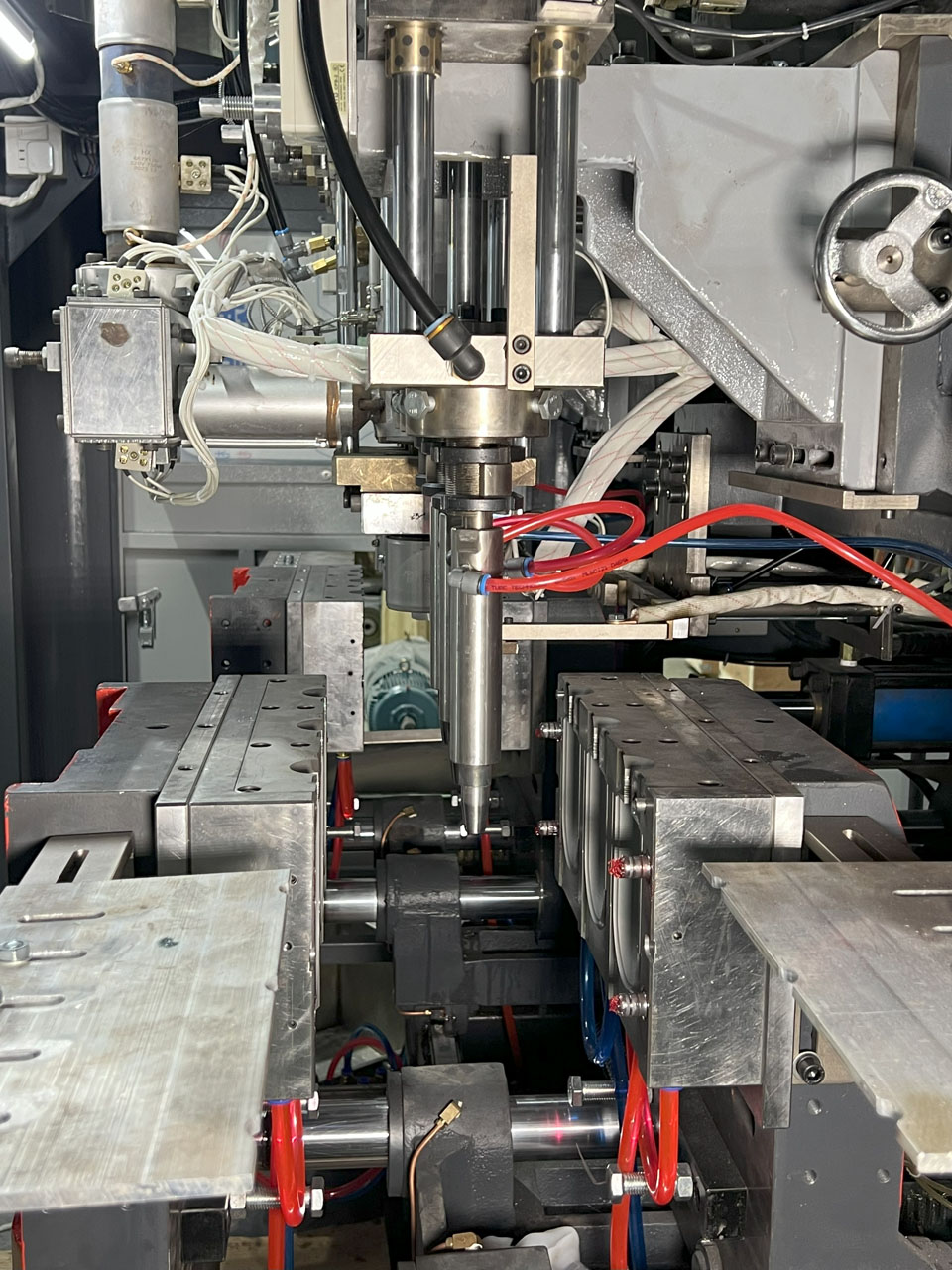
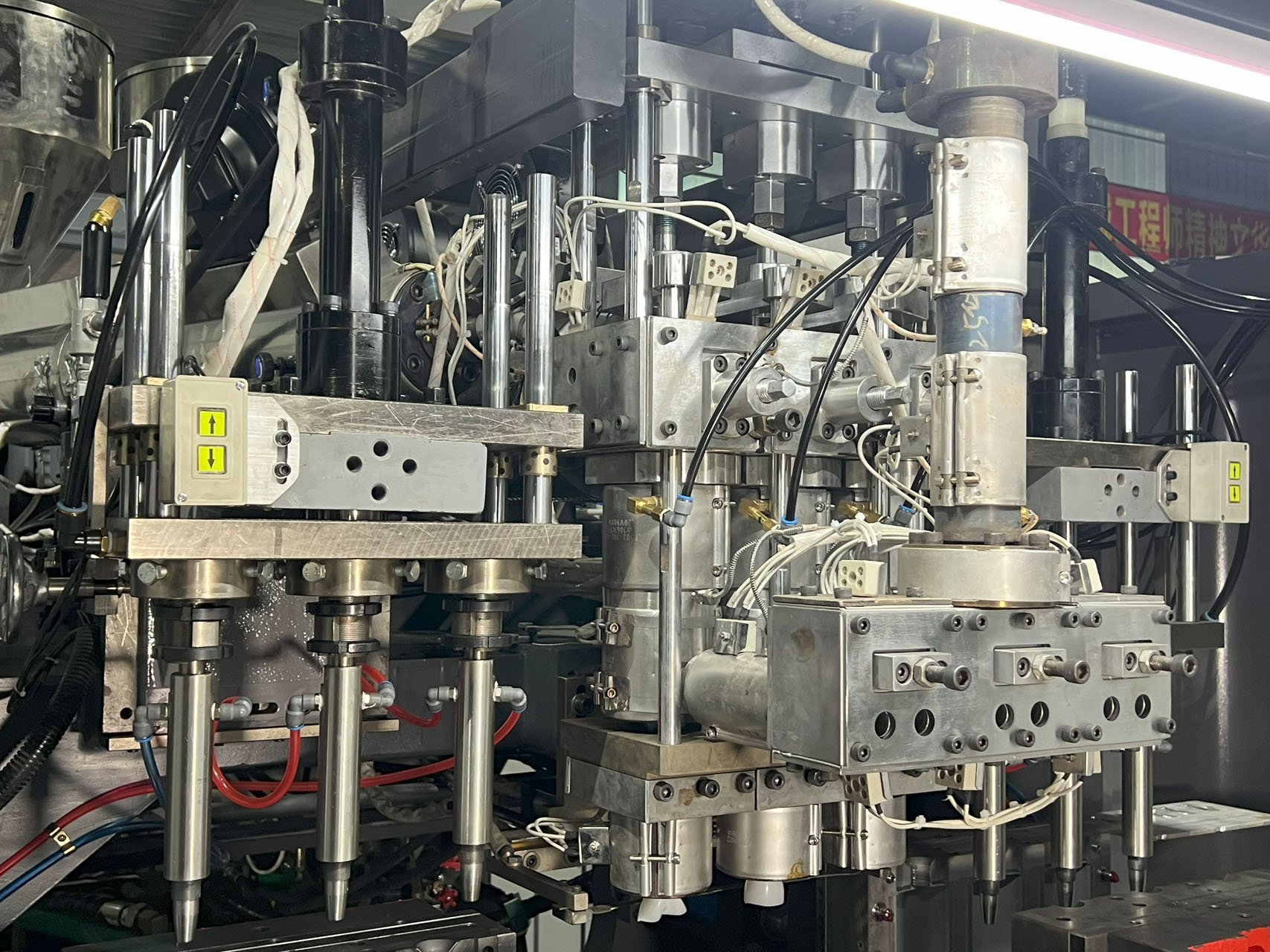
Featured Image Reference: Cross-section diagram showing the foam injection molding process stages from material feed to finished part ejection.
Benefits of Foam Injection Molding for Sensitive Products
“Foam injection molding delivers superior protection for fragile items while reducing shipping costs through lightweight yet durable packaging solutions.”
Foam injection molding provides exceptional cushioning properties that traditional packaging materials can’t match. The cellular structure of molded foam absorbs impact energy, protecting sensitive electronics, medical devices, and automotive components during transit. This lightweight protective packaging significantly reduces shipping weights while maintaining superior protection, leading to substantial logistics cost savings.
Comparative Performance of Foam Injection Molding
| Protection Feature | Foam Molding | Bubble Wrap | Packing Peanuts | Corrugated Only |
|---|---|---|---|---|
| Impact Absorption | 90-95% | 60-70% | 50-60% | 30-40% |
| Снижение веса | 40-60% | 15-20% | 10-15% | 0% |
| Custom Fit Precision | Exact | Низкая | Удовлетворительно | Нет |
| Возможность вторичной переработки | Высокий | Низкий | Средний | Высокий |
| Breakage Rate Reduction | 80-90% | 40-50% | 30-40% | 20-30% |
The precision of foam injection molding allows for custom geometries that perfectly cradle delicate components. Automotive foam products demonstrate this versatility, with molded solutions protecting everything from fragile sensors to large dashboard assemblies. Medical manufacturers benefit from sterile, form-fitting foam packaging that maintains device integrity while meeting strict hygiene requirements.
Beyond protection, foam injection molding offers environmental advantages. Many foam materials are fully recyclable, and the manufacturing process generates less waste than traditional packaging methods. The . combination of sustainability and performance makes foam molding an increasingly popular choice for companies looking to reduce both costs and environmental impact.
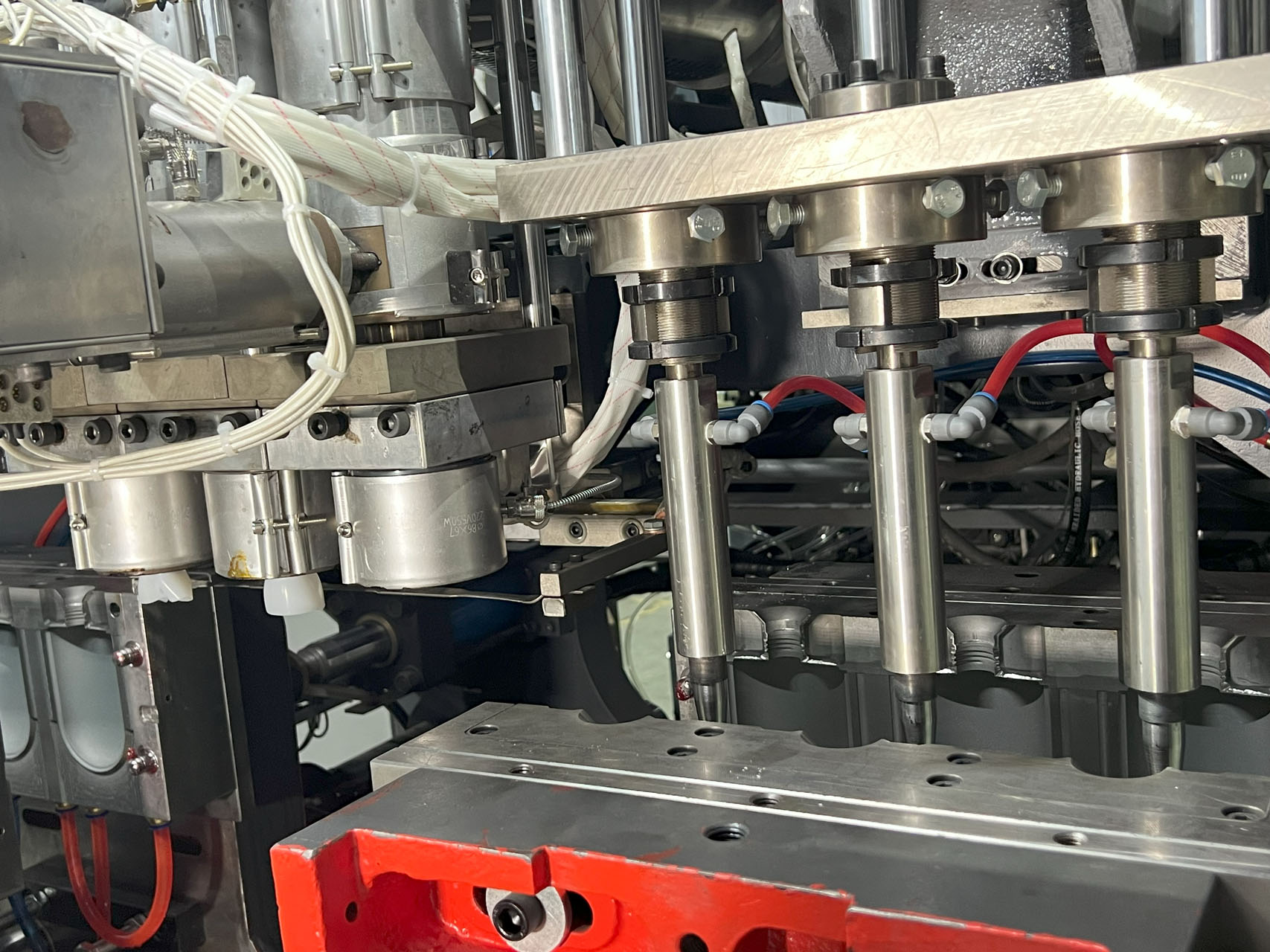
Featured Image Reference: Side-by-side comparison showing fragile items packaged in foam injection molded casing versus traditional packaging methods.
Industry Applications and Case Studies
“Foam injection molding demonstrates remarkable versatility across industries, from protecting delicate electronics to ensuring sterile medical environments.”
The automotive industry extensively uses foam injection molding for vibration-dampening components that improve ride quality and reduce noise. Applications of foam molding in packaging extend to protective door panels and energy-absorbing bumper cores, showcasing how foam molding protects automotive components while reducing vehicle weight. Medical foam products represent another critical application, with molded sterile housings protecting sensitive equipment during transport and storage.
Foam Injection Molding Industry Applications
| Промышленность | Primary Application | Используемый материал | Ключевое преимущество | Case Study Results |
|---|---|---|---|---|
| Автомобили | Vibration dampers, interior padding | PP, TPE | Noise reduction up to 40% | 30% lighter than rubber alternatives |
| Медицина | Корпуса для оборудования, хирургические лотки | Medical-grade PE | Maintains sterile barrier | 99.9% contamination prevention |
| Электроника | Device packaging, component holders | EVA, PU | Защита от электростатического разряда | 85% reduction in shipping damage |
| Аэрокосмическая промышленность | Instrument cushioning | High-performance foams | Extreme temp resistance | Withstands -60°C to 150°C |
| Потребительские товары | Luxury item packaging | Custom blends | Premium appearance | 50% fewer customer complaints |
A notable case study involves a high-value electronics manufacturer that implemented foam injection molding for their fragile components. By switching to custom foam packaging, they achieved a whopping 78% reduction in breakage rates while simultaneously cutting packaging weight by 45%. This dual benefit translated to annual savings exceeding $1.2 million in reduced damages and lower shipping costs.
The medical sector benefits particularly from foam injection molding’s ability to create precision sterile environments. Medical foam products maintain cleanliness while providing impact protection for sensitive instruments. This dual functionality makes foam injection molding indispensable for pharmaceutical companies and hospital supply chains where both protection and sterility are non-negotiable requirements.
Featured Image Reference: Comparative infographic showing foam injection molding applications across automotive, medical, and electronics industries with performance metrics.

Comparing Foam Injection Molding to Traditional Methods
“Foam injection molding offers superior protection and cost-efficiency compared to traditional packaging methods, delivering long-term savings through reduced material waste and product damage.”
When comparing structural foam vs traditional molding methods, foam injection molding consistently outperforms in weight reduction and impact absorption. While rigid plastics provide structural integrity, foam molding reduces material usage by 30-50% while maintaining comparable protection levels. This makes foam injection molding particularly valuable for eco-friendly packaging solutions that don’t compromise on performance.
Foam vs Traditional Packaging: Comparative Analysis
| Comparison Factor | Foam Injection Molding | Rigid Plastics | Cardboard | Key Advantage |
|---|---|---|---|---|
| Снижение веса | 40-60% | 0% | 10-20% | Lower shipping costs |
| Impact Protection | 90-95% | 85-90% | 30-40% | Reduced breakage |
| Material Cost | $$ | $$$ | $ | Долгосрочная экономия |
| Воздействие на окружающую среду | Переработка | Переработка | Biodegradable | Sustainability options |
| Скорость производства | Быстрый | Средний | Медленный | Higher output |
Сравнение затрат на формование пенопласта и традиционной упаковки выявляет значительные преимущества для крупносерийного производства. Хотя литье пенопласта под давлением требует более высоких первоначальных инвестиций в оснастку, оно обеспечивает существенную экономию на себестоимости единицы продукции при больших объемах, как правило, окупая инвестиции в течение 12–18 месяцев. Автоматизированные линии для литья пенопласта могут производить до 500% больше единиц в час по сравнению с ручной сборкой картонной упаковки.
Экологические аспекты дополнительно укрепляют позиции литья пенопласта под давлением. Современные пеноматериалы обладают сопоставимой с картоном возможностью вторичной переработки, обеспечивая при этом значительно превосходную защиту. Многие производители отмечают, что пенопластовые решения сокращают общее количество упаковочных отходов, устраняя необходимость во вторичных защитных материалах, таких как пузырчатая пленка или пенопластовый арахис.
Описание изображения: Сравнительная инфографика, демонстрирующая показатели эффективности литья пенопласта под давлением в сравнении с жесткими пластиками и картонной упаковкой.

Заключение
Проработав годы в упаковочной отрасли, я воочию убедился, что литье пенопласта под давлением может быть игровое оборудование решающим фактором для защиты хрупких товаров. Дело не только в амортизации — это вопрос точности, эффективности и спокойствия, зная, что ваша продукция дойдет в целости.
От электроники до медицинских приборов — правильное пенопластовое решение не только снижает бой, но и сокращает затраты, повышает устойчивость и обеспечивает удовлетворенность клиентов. Если вы устали иметь дело с поврежденными поставками, переход на литье пенопласта — это очевидный выбор.
Самое приятное? Это не просто решение на сегодня — это инвестиция в более бесперебойную и рациональную упаковку на долгие годы.
ЧАСТО ЗАДАВАЕМЫЕ ВОПРОСЫ
Q1: What is foam injection molding?
A1: Литье пенопласта под давлением — это производственный процесс, сочетающий традиционное литье под давлением с вспенивающимися материалами, такими как порофоры, для создания легких и прочных изделий с вспененной сердцевиной.
Q2: How does the foam injection molding process work?
A2: При литье пенопласта под давлением расплавленная смола впрыскивается в форму, где порофор заставляет смолу расширяться, создавая ячеистую структуру, которая заполняет полость формы.
Q3: What are the benefits of using foam molded packaging?
A3: Упаковка из вспененного пластика предлагает превосходную стойкость к повреждениям и ударопрочность, что делает ее идеальной для защиты хрупких товаров во время транспортировки и хранения.
Q4: What materials are typically used in foam injection molding?
A4: Распространенные материалы включают термопласты, такие как полиэтилен, полипропилен и полистирол, часто в сочетании с порофорами для создания вспененной структуры.
Q5: What applications are suitable for foam molded packaging?
A5: Упаковка из вспененного пластика широко используется в таких отраслях, как электроника, автомобилестроение и товары народного потребления, для упаковки хрупких items, таких как стекло и электронные компоненты.
Q6: How does foam injection molding improve product protection?
A6: Создавая амортизирующий пенопластовый слой вокруг продуктов, литье пенопласта под давлением значительно снижает ударные нагрузки и вибрацию, обеспечивая повышенную защиту во время перевозки.
Q7: Is foam molded packaging environmentally friendly?
A7: Многие пенопластовые упаковочные материалы подлежат вторичной переработке или производятся из переработанного сырья, хотя воздействие на окружающую среду варьируется в зависимости от типа материала и методов утилизации.
Q8: What is structural foam molding and how is it different from traditional methods?
A8: Структурное литье пенопласта — это процесс низконапорного вспенивания под давлением, который создает детали с твердой внешней оболочкой и легкой вспененной сердцевиной, в отличие от литья под высоким давлением, которое производит сплошные детали.
Внешние ссылки
- Литье под давлением – FoamInsider
- Литье пенопласта под давлением: Полное руководство по производственному процессу
- Как работает литье пенопласта под давлением? – euegypt.com
- Литье пенопласта под давлением – ScienceDirect
- Литье структурной пены под давлением: Преимущества и области применения
- Основы литья пенопласта под давлением – FOW Mould
- Технология MuCell® – Trexel Inc.
- Физическое литье пенопласта под давлением, Основы для промышленного применения


0 Комментариев