
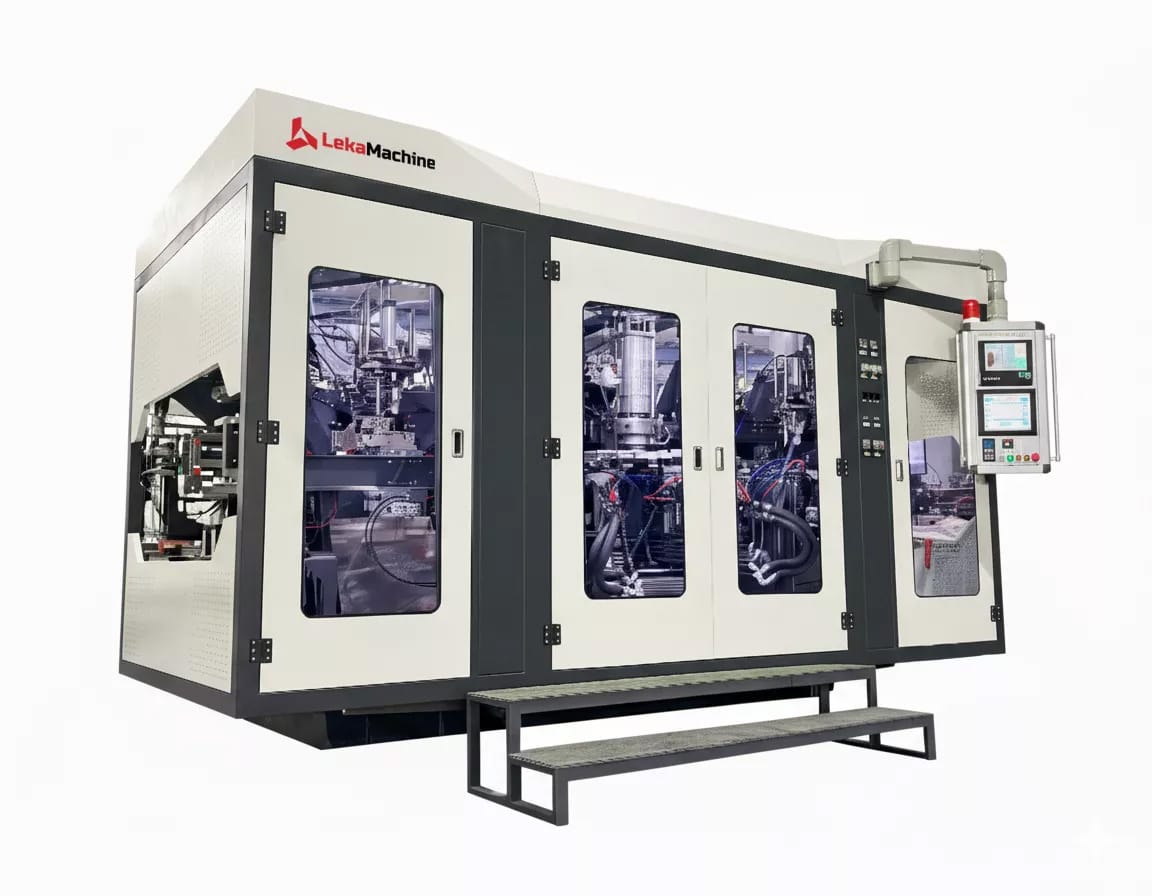
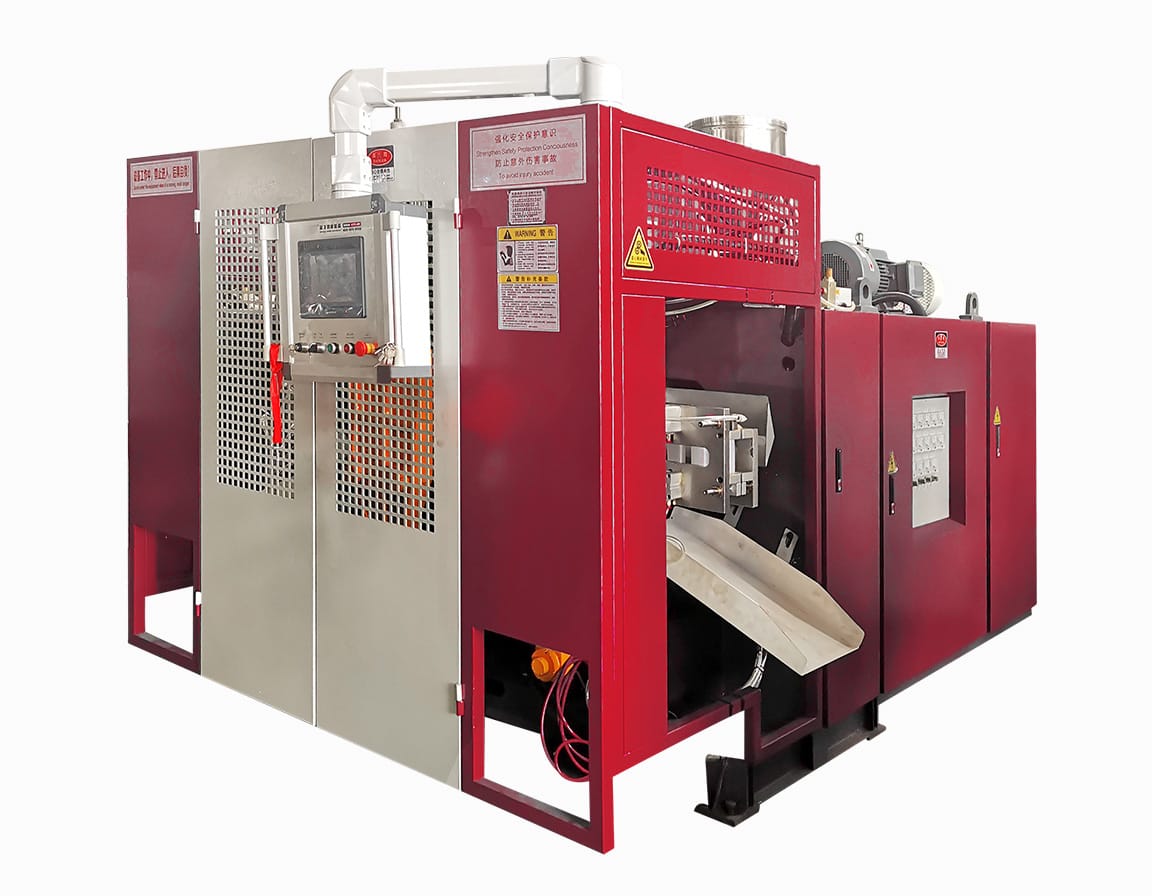
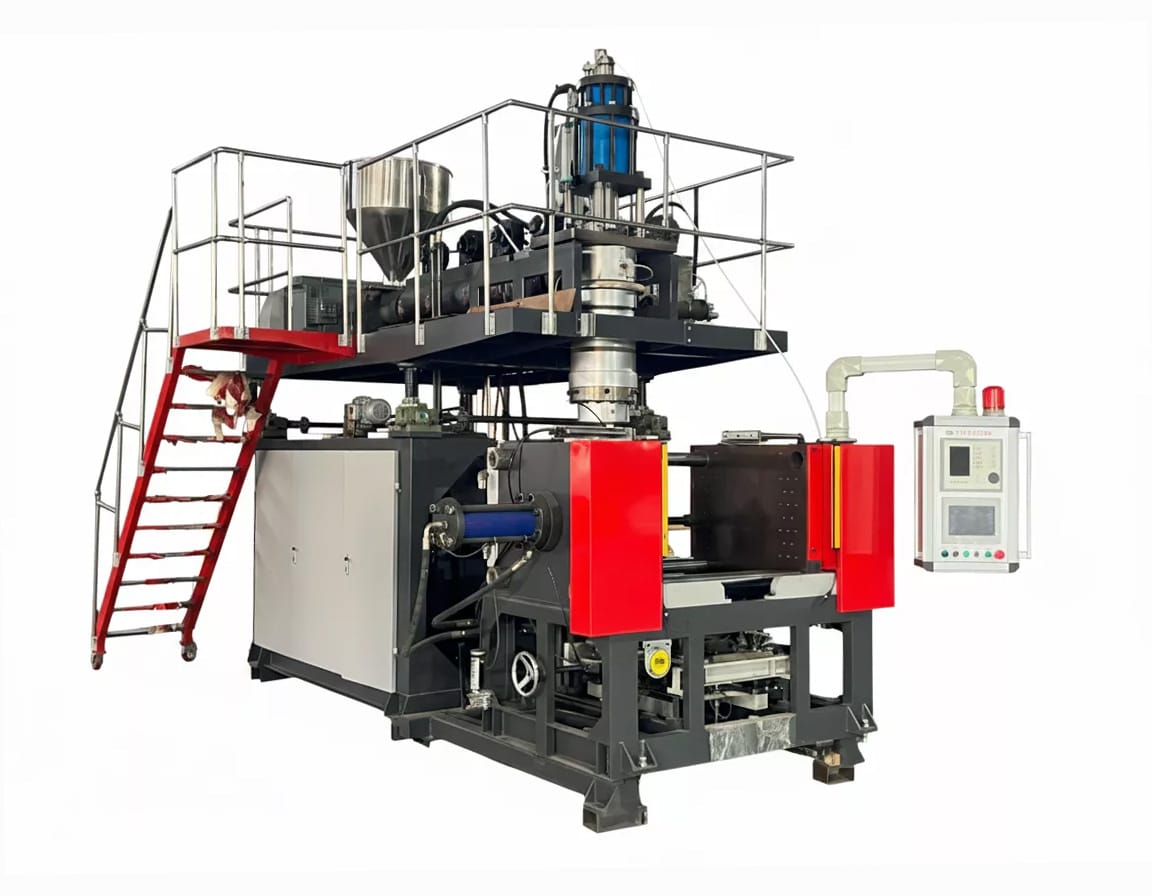
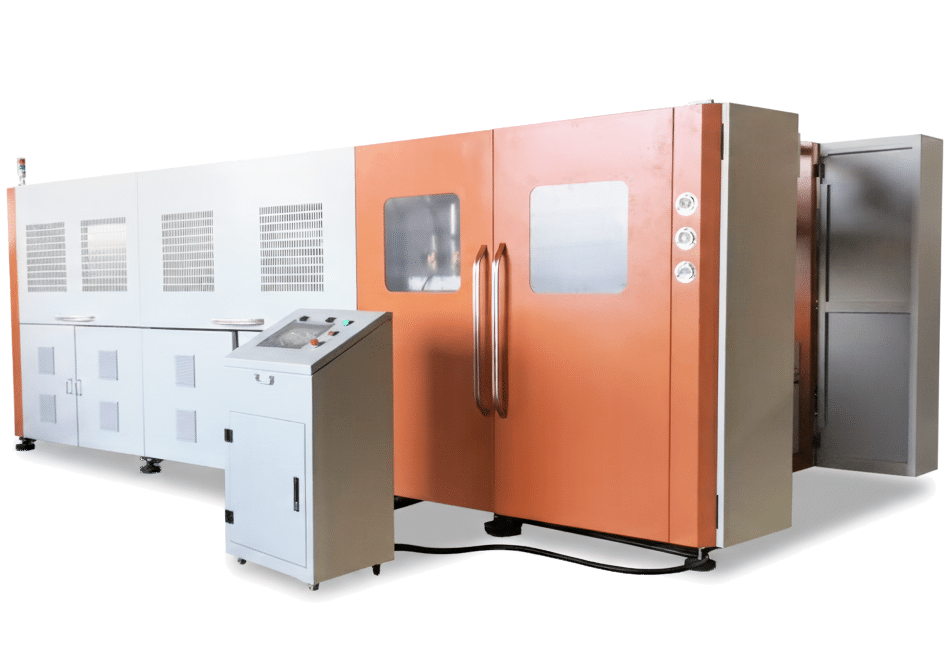
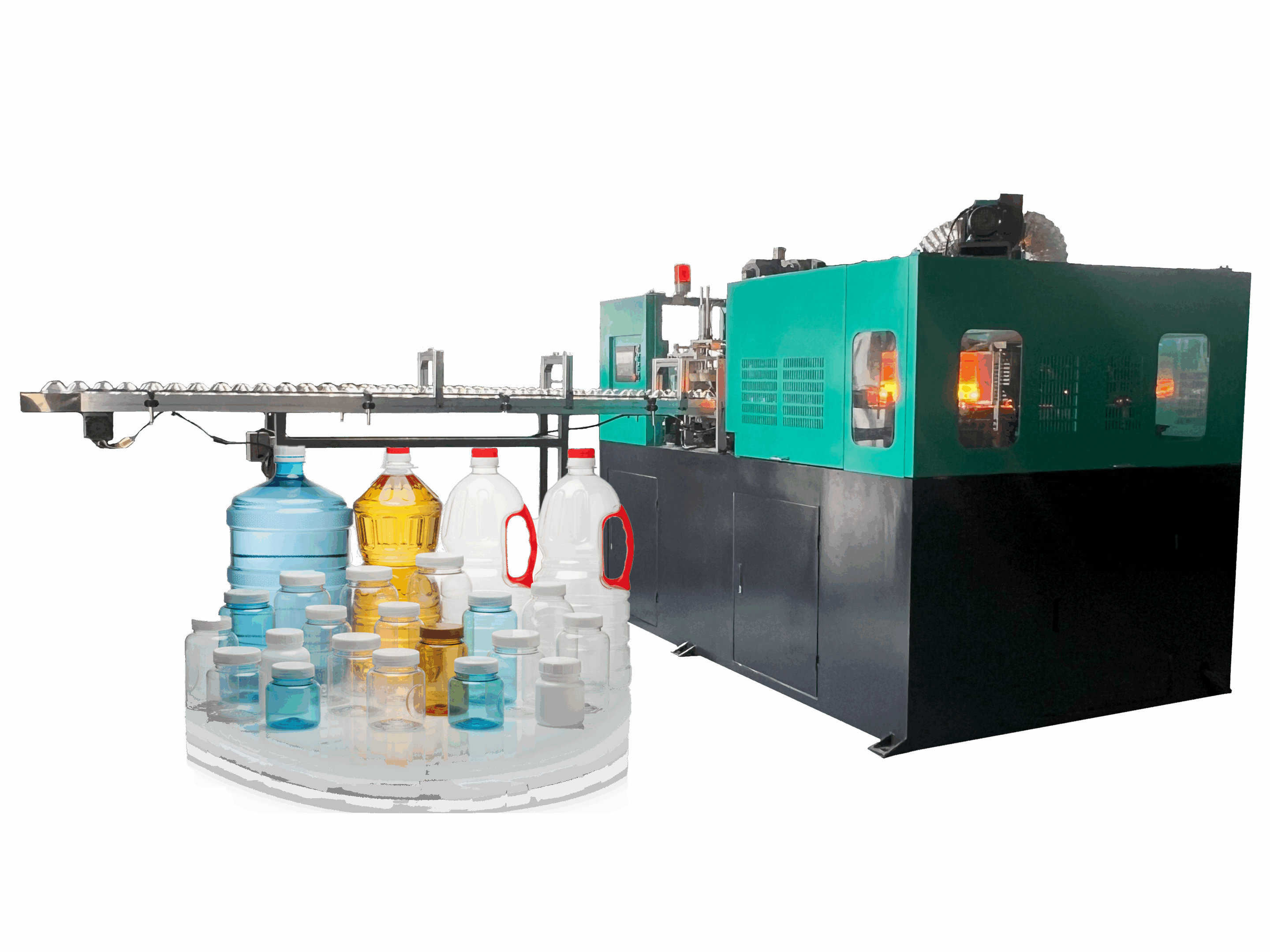
How to Evaluate After-Sales Service When Buying Extrusion blow molding machine Machines from China?
Buying an машины для экструзионно-выдувного формования is the easy part.
Choosing the right supplier behind that machine determines whether your production line runs for years—or stops after a minor failure.
If you are currently evaluating an Extrusion Blow Molding Machine solution, after-sales service should be treated as part of the machine itself, not an afterthought.
To evaluate service, you must verify the supplier is a real factory, not a trader. Check if they use global parts like Siemens that you can buy locally. Test their support team by messaging them at night before you buy. Always negotiate a “Crash Kit” of spare parts to ship with your machine.
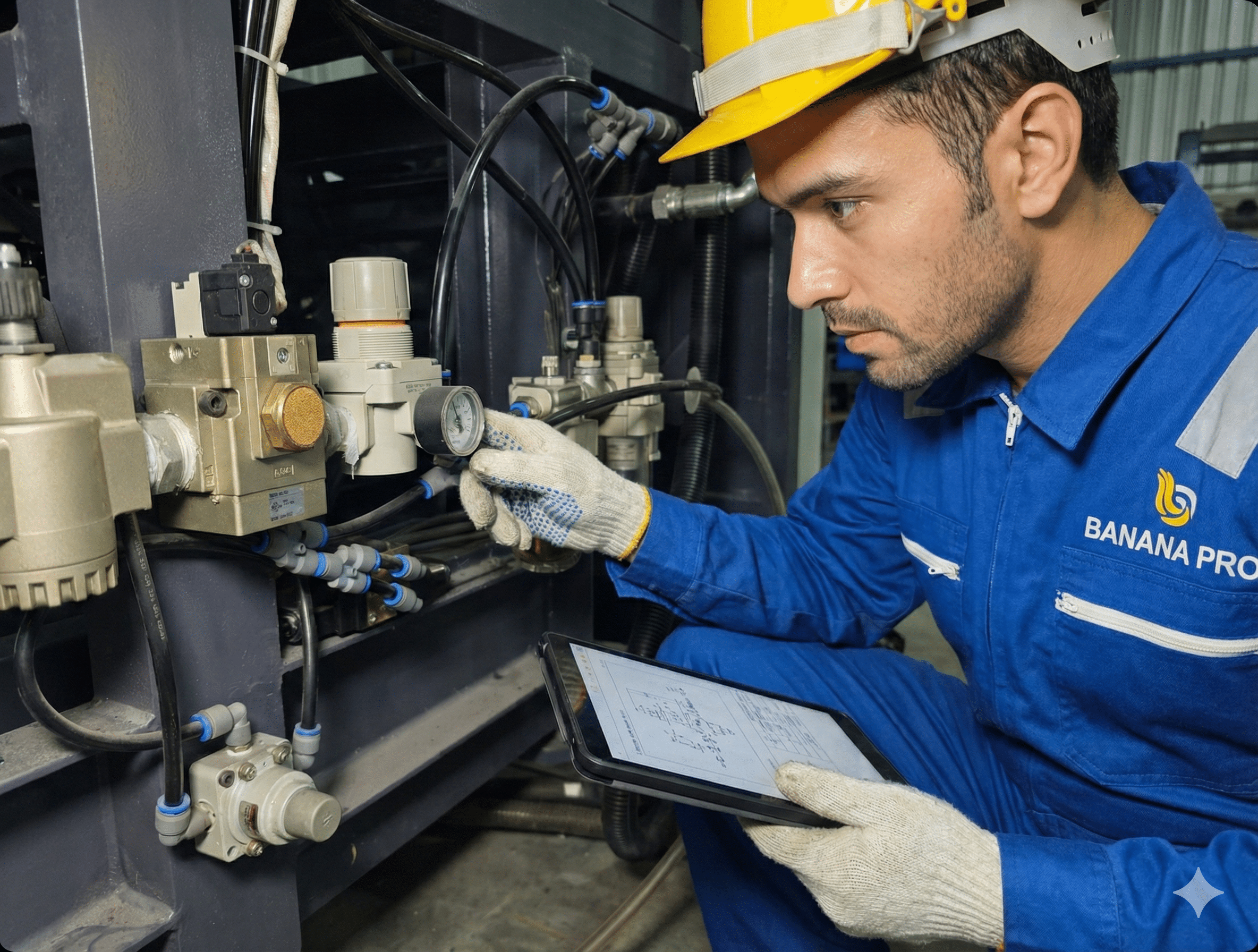
I have seen too many good factories lose money because they could not get support when a small part failed. Here is exactly how I recommend you protect your investment before you sign the contract.
How can I verify if the supplier offers 24/7 technical support for urgent machine breakdowns?
A machine breakdown at 2 AM on a Tuesday does not care about time zones or holidays. You need help right at that moment, not an email response three days later.
Do not trust the “24/7 Support” badge on a website; you must test it yourself. Ask to create a WeChat support group with their engineers before you pay a deposit. Message them during their night time. If a salesperson replies instead of an engineer, they do not have a real technical team.
Dive Deeper: The “Stress Test” for Communication
In my years working at LEKA Machine, I have learned that the biggest frustration for customers is the feeling of being “ghosted.” You send an email about a hydraulic leak, and you wait. Silence is expensive. Many Chinese suppliers are actually trading companies. They have great English-speaking salespeople, but they have zero engineers. When you have a problem, the salesperson has to call the real factory, translate your problem, wait for an answer, translate it back, and send it to you. This “telephone game” causes huge delays and errors.
To verify if a supplier is real, you need to ignore their marketing and look at their team structure. During the quote phase, demand a video call with the “After-Sales Manager.” If they hesitate or say he is busy, that is a red flag. A real factory will be proud to show you their service team. Watch how they answer technical questions. Does the engineer answer directly, or does he look at the salesperson for help? You want a team that knows the machine better than they know English grammar.
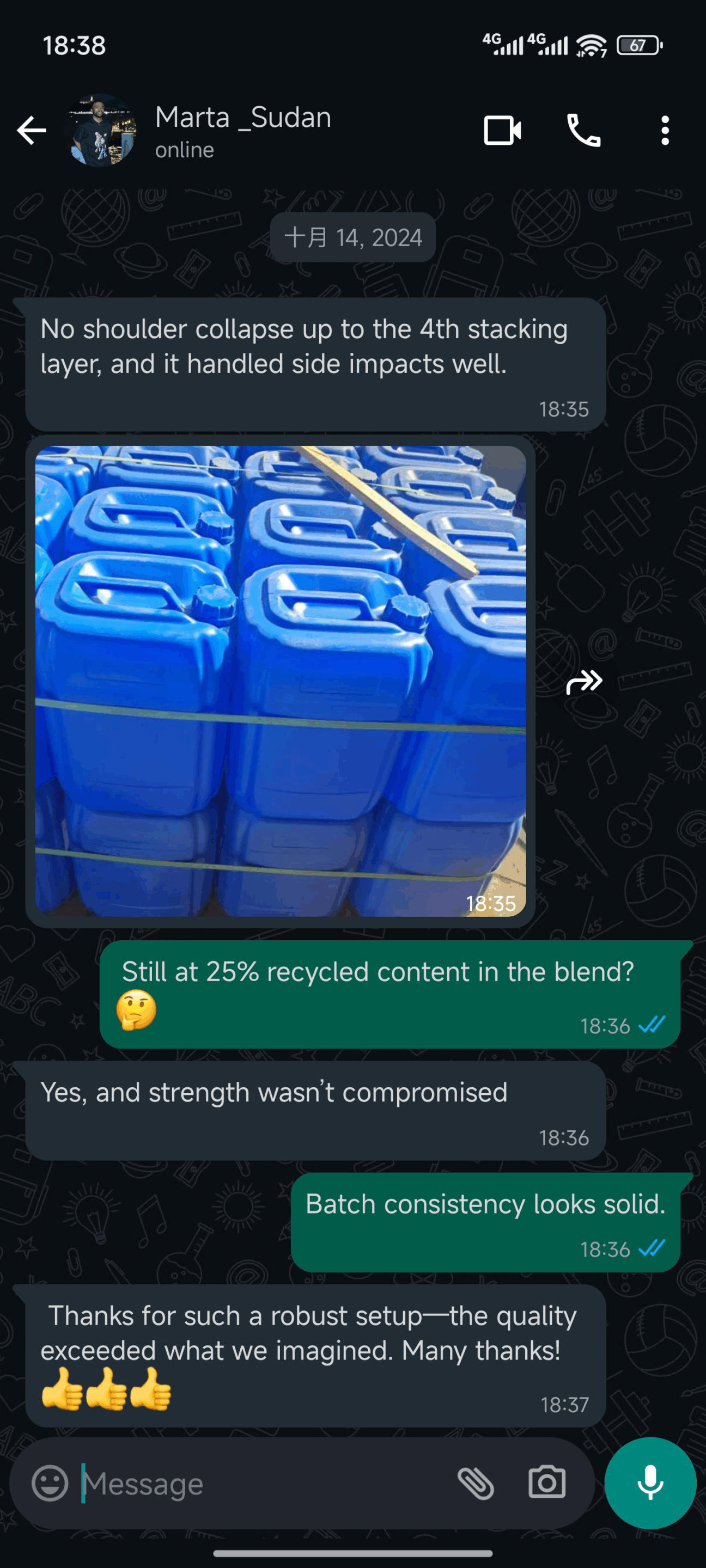
Another critical test is the “WeChat Group” strategy. In China, business happens on WeChat, not email. Ask your supplier to set up a project group that includes you, the sales manager, the electrical engineer, and the mechanical engineer. This is your direct line. Send a technical question at 9 PM China time. I am not saying they must answer instantly every single time, but a company dedicated to export will have staff who monitor these chats. If the engineers are active in the group before they have your money, they are likely to help you after the sale. If all communication is funnelled through one salesperson, you are at risk.
Here is a comparison of what you might see:
| Характеристика | Real Manufacturer Service | Trading Company / High Risk |
|---|---|---|
| Communication Channel | Direct Group Chat with Engineers | Email only or Chat with Salesperson only |
| Response Time | Within hours (shifts overlap) | 24-48 hours (relay delay) |
| Troubleshooting | Asks for photos/videos immediately | Asks you to “fill out a form” |
| Knowledge | Explains why it failed | Only tells you what to replace |
These service criteria should be evaluated together with the machine’s design, component brands, and automation level, which are detailed in our complete
👉 Extrusion Blow Molding Machine Overview.
What specific questions should I ask about spare parts availability and shipping times to my location?
Waiting six weeks for a fifty-dollar valve can cost you thousands of dollars in lost production orders. Your spare parts strategy is actually more important than the initial price of the machine.
Ask for a “Recommended Spare Parts List” with itemized prices. Demand the use of global brands like Festo or Siemens for critical parts. If a part breaks under warranty, ask exactly who pays for DHL Express shipping. Never accept sea freight for warranty parts unless you have months to wait.

Dive Deeper: The “Global vs. Local” Trap
When you look at the specification sheet of a Chinese EBM machine, you will see a list of brands. This is where many buyers make a mistake. A supplier might use a Chinese domestic brand for the servo motor or the hydraulic pump to save money. These domestic parts are often high quality, that is not the problem. The problem is logistics. If a “Mengniu” brand motor fails in Mexico or Italy, you cannot go to a local shop and buy a new one. You are forced to buy it from the supplier in China. Then you have to wait for them to ship it.
I always advise my clients to spend a little more money upfront to get “Global Standard” components. If your machine uses a Siemens PLC, a Rexroth hydraulic valve, and Schneider contactors, you are safe. If a contactor burns out, you can call a local distributor in your city and have a replacement that afternoon. You are effectively removing the Chinese supplier from the emergency loop. This autonomy is worth the extra cost. When evaluating a supplier, send them this specific question: “Please provide the exact model numbers and brands for the PLC, Servo Drives, and Hydraulic Valves. Are these standard international models or China-specific models?”
You must also clarify the “Warranty Logistics.” Almost every supplier offers a one-year warranty. But read the contract carefully. Usually, it says they will provide the part for free, but it does not say how they will send it. If a heavy hydraulic pump fails, air freight might cost $500. The supplier will want to send it by sea to save money, which takes 45 days. You cannot wait 45 days. You must negotiate a clause that says: “Supplier covers the cost of Express Air Shipping (DHL/FedEx) for all warranty claims.”
Finally, do not wait for a breakdown to buy parts. I recommend buying a “Crash Kit” when you buy the machine. This is a box of critical spares—heater bands, thermocouples, solid-state relays, and seal kits—that ships inside the container with the machine. Since you are already paying for the container shipping, the delivery cost for these parts is effectively zero. Ask the supplier for their “Recommended Spare Parts List” (RSPL) and negotiate a package deal.
| Component Category | Preferred Strategy | Why? |
|---|---|---|
| PLC & HMI | Global (Siemens, B&R, Beckhoff) | Local programmers can fix it; hardware is available locally. |
| Гидравлика | Global (Rexroth, Yuken, Vickers) | Standard mounting sizes, easy to swap with other brands. |
| Pneumatics | Global (Festo, SMC) | Very common, easy to find fittings and valves anywhere. |
| Heater Bands | Buy Spare Set from Supplier | Custom sizes are hard to find quickly; keep stock on shelf. |
Do Chinese manufacturers provide remote troubleshooting or on-site engineering services for installation?
Modern Экструзионно-выдувные машины are basically complex computers attached to steel. Sometimes you need a software expert to look at the code, not a mechanic to hit it with a wrench.
Yes, but you must check their connectivity first. Good suppliers use secure VPNs to fix PLC issues remotely without flying there. For installation, ensure you agree on a “Fixed Cost” package for the engineer’s visit, so you do not end up paying for their slow work or visa delays.
Dive Deeper: Bridging the Distance Gap
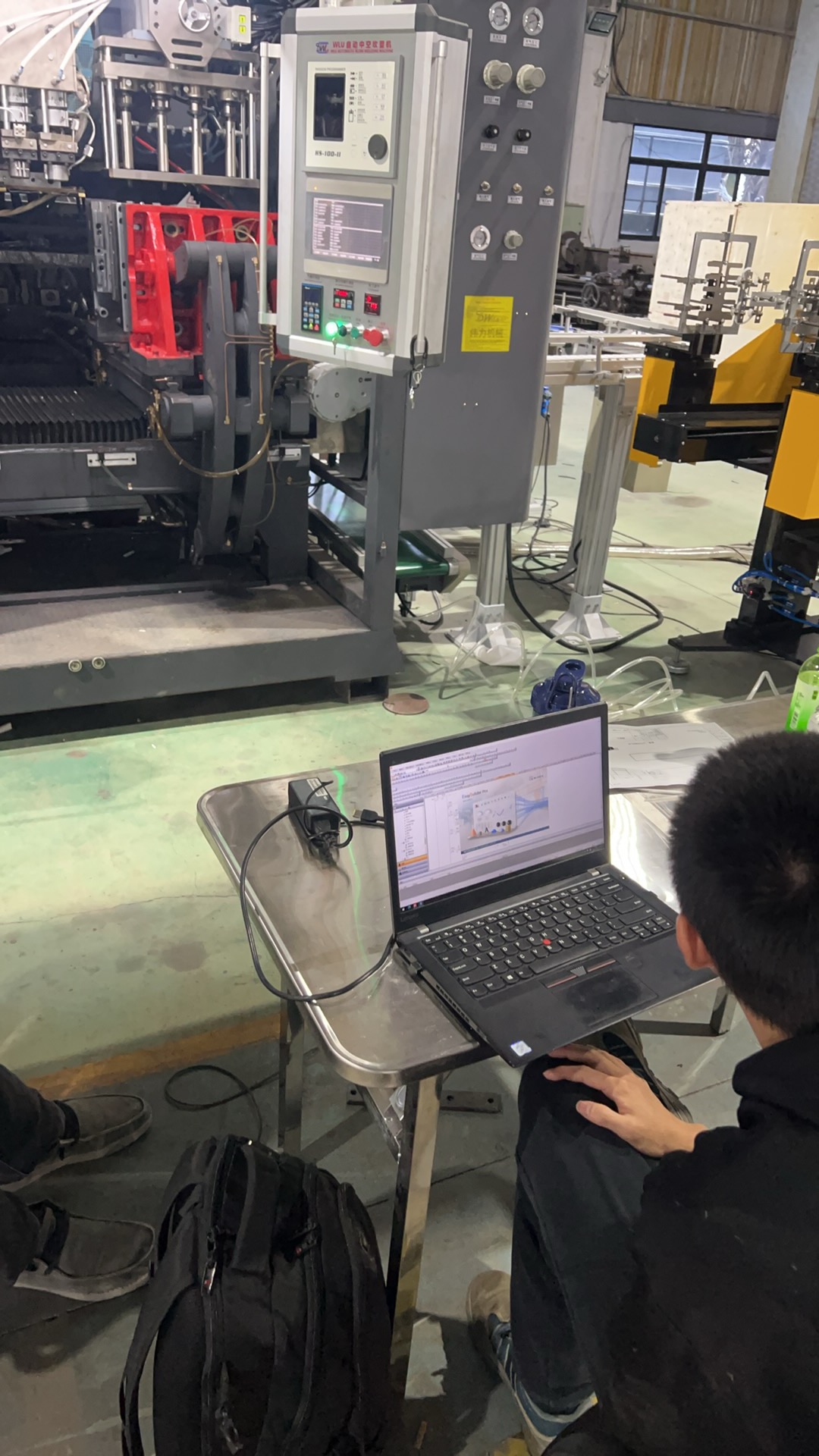
The days of waiting for an engineer to fly from China for every small problem are over. The cost of flights and visas is too high, and the wait is too long. Today, the most important tool in my service kit is the Remote Access Module. When you evaluate a supplier, ask them specifically: “What hardware do you use for remote access?”
If they say “TeamViewer on a laptop,” be careful. Internet connections between China and the outside world can be unstable due to the firewall. A professional supplier will use a dedicated industrial VPN module (like a generic IIoT gateway or specific hardware from Siemens/Inovance). This allows the engineer in China to “tunnel” directly into your machine’s PLC. They can watch the parison wall thickness control in real-time, see which sensor is lagging, or update the software to fix a bug. I have solved complex parison profile issues for a customer in Brazil from my office in Guangdong in just 20 minutes using this method.
However, you will still need on-site help for the initial installation. This is where many disputes happen. The standard deal is that you (the buyer) pay for the engineer’s visa, flights, hotel, food, and a daily wage (usually $100-$150 USD). The risk here is time. If the supplier sends a junior engineer who takes 15 days to install a machine that should take 5 days, you pay for those extra 10 days. This is unfair.
To protect yourself, negotiate a “Fixed Installation Fee.” Agree on a set price for the commissioning of the machine, regardless of how long it takes. This motivates the supplier to send their best, fastest engineer because delays now cost их money, not you. Also, ask about their visa status. Chinese citizens need visas for Europe, the USA, and many other places. If they do not already have a valid visa, your machine could sit in your factory for months waiting for paperwork. Ask to see a redacted copy of their lead engineer’s passport stamps to prove they actually travel.
Language is the final barrier. “Training” is useless if your operators cannot understand the teacher. If the engineer does not speak good English, the supplier must provide a clear, written training manual in English, or you should hire a local translator for the installation week. Do not assume the engineer will be fluent.
How do I ensure the warranty terms cover critical components like the screw and hydraulic system?
A warranty is just a piece of paper if it excludes all the parts that are actually likely to break. You need to read the fine print and close the loopholes before you sign.
Reject vague exclusions like “improper operation.” Specify that software bugs are the manufacturer’s fault. Ensure the warranty explicitly includes the screw and barrel, not just electrical parts. The best protection is a “Retention Payment”—holding back 10% of the money until the machine runs perfectly.
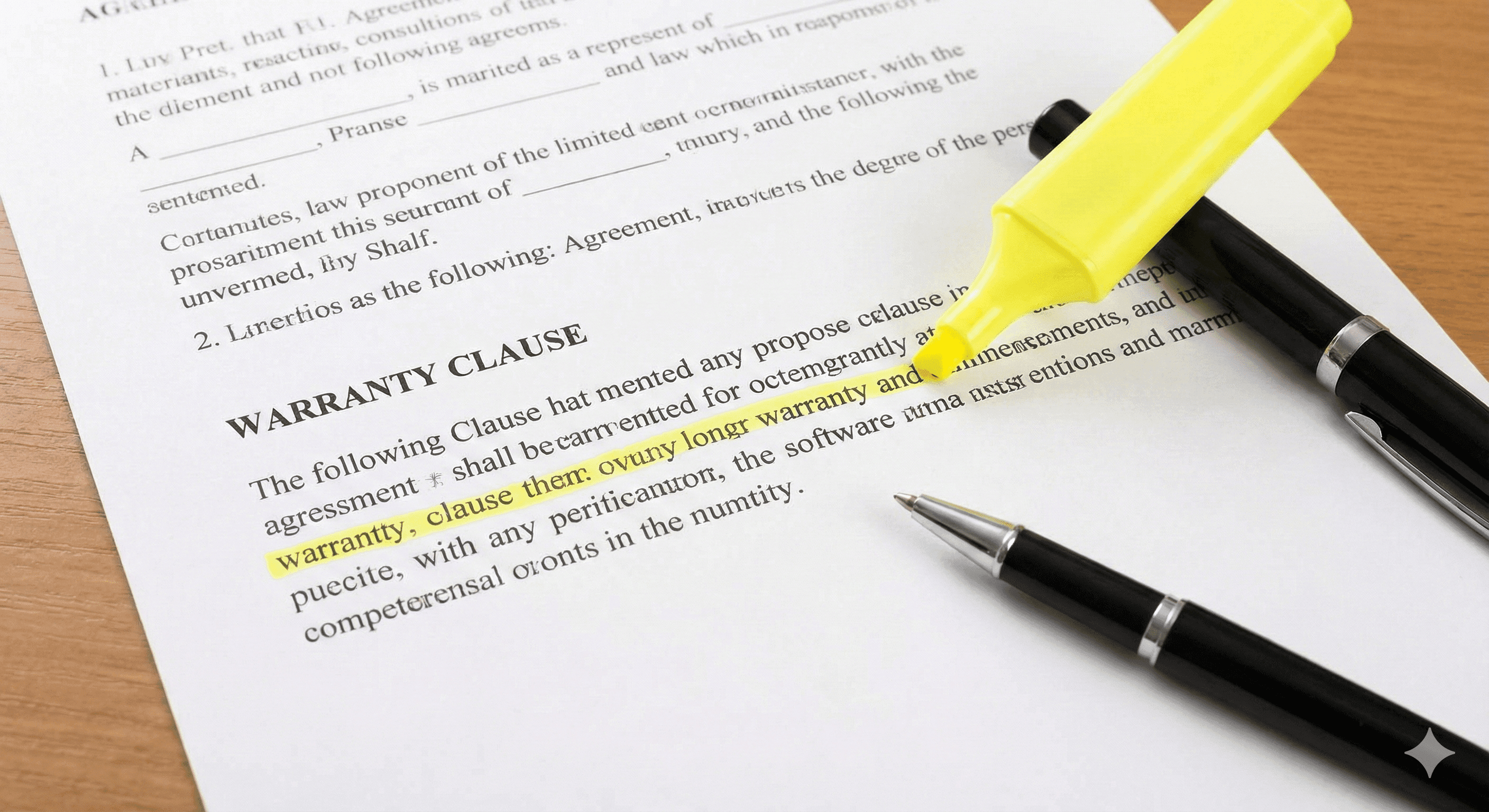
A printed warranty clause is highlighted for review, representing contractual terms commonly assessed before purchasing industrial machinery.
Dive Deeper: The Commercial Leverage
In China, we have a saying: “The money is the boss.” Once you have paid 100% of the machine price, you have lost your leverage. The most powerful way to ensure after-sales service is to structure your payment terms correctly. Standard terms are often 30% deposit and 70% before shipment. I recommend pushing for 30% deposit, 60% before shipment, and 10% retention payment after successful installation (or 3-6 months later).
This 10% is your security deposit. If the machine arrives with a broken screen, or if the screw does not plasticize the material well, or if the software keeps crashing, you hold the funds. This makes the supplier extremely motivated to solve your problems quickly. Suppliers who refuse any retention payment are often lacking confidence in their own quality.
You also need to look closely at the “Warranty Exclusions.” Many contracts will say the warranty does not cover “Consumables.” This is reasonable for things like heater bands or cutter blades. But some suppliers try to classify the Screw and Barrel as consumables. This is wrong. A screw should last for years unless you are running very abrasive glass-filled material. If you are running standard HDPE or PP, the screw and barrel must be covered for at least one year. You should also ensure the warranty covers “PLC Logic and Software.” If a coding error causes the clamp to close at the wrong time and break a mold, that is a design flaw, not “operator error.”
Lastly, ask about the “Non-Human Damage” clause. Suppliers love to deny claims by saying, “Your operator used the wrong setting, so it is human damage.” You should demand a clause that says any claim of human damage must be proven by data logs from the machine, not just guessed by the supplier. Modern machines record everything. If the logs do not show abuse, the warranty must stand.
| Contract Clause | Standard / Weak Term | Strong / Protected Term |
|---|---|---|
| Payment Terms | 100% paid before shipping | 10% balance paid after successful setup |
| Scope of Warranty | “Main parts” (vague) | Specific list: Screw, Barrel, PLC, Motors, Pumps |
| Software | Not mentioned | Software bugs and updates included for life |
| Definition of Defect | Supplier decides | Based on agreed Acceptance Protocol (SAT) |
If you are comparing extrusion blow molding machines from different suppliers,
after-sales service should be evaluated together with machine structure, energy consumption,
automation compatibility, and long-term spare parts strategy.
These elements are consolidated in our full
Extrusion Blow Molding Machine solution page.
Заключение
Good service is about control. By choosing standard global parts, securing a crash kit upfront, and holding a retention payment, you force the supplier to be a partner, not just a seller.
My Role
I am Slany Cheuang, the Technical Sales Manager at LEKA Machine. Based in China, I help factory owners worldwide navigate the complex world of extrusion and stretch blow molding. My job is to bridge the gap between Chinese manufacturing efficiency and international quality standards. I believe in being open about how our industry works because an educated customer is the best partner.
My Target Audiences
I write for factory owners, production managers, and serious entrepreneurs who are tired of vague promises. You might be like “Marco from Italy”—someone who knows his business, cares about ROI, and wants a machine that works without constant headaches. You value honesty over hype and want practical solutions to production problems.


0 Комментариев