
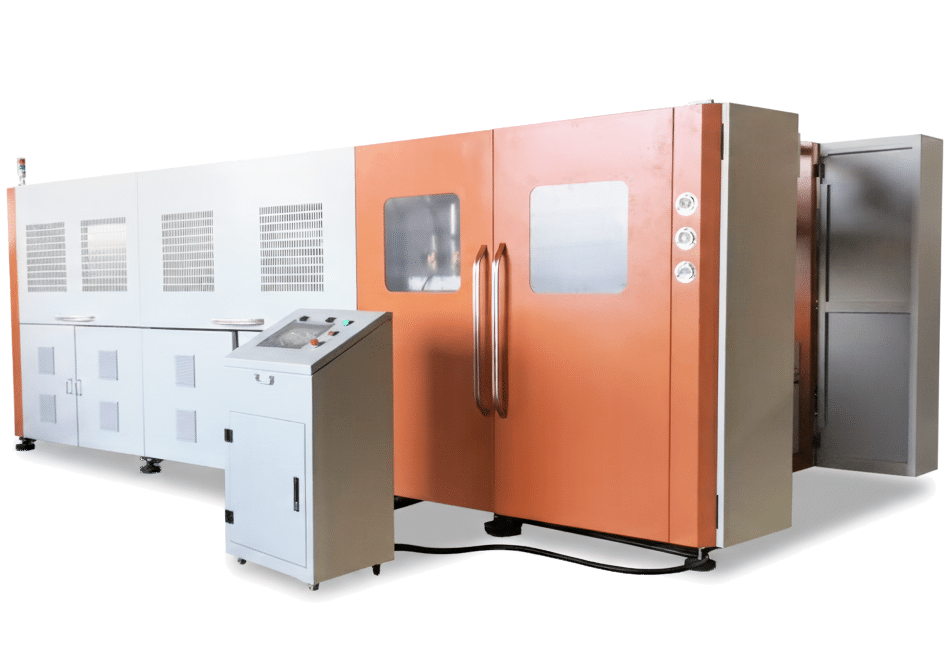
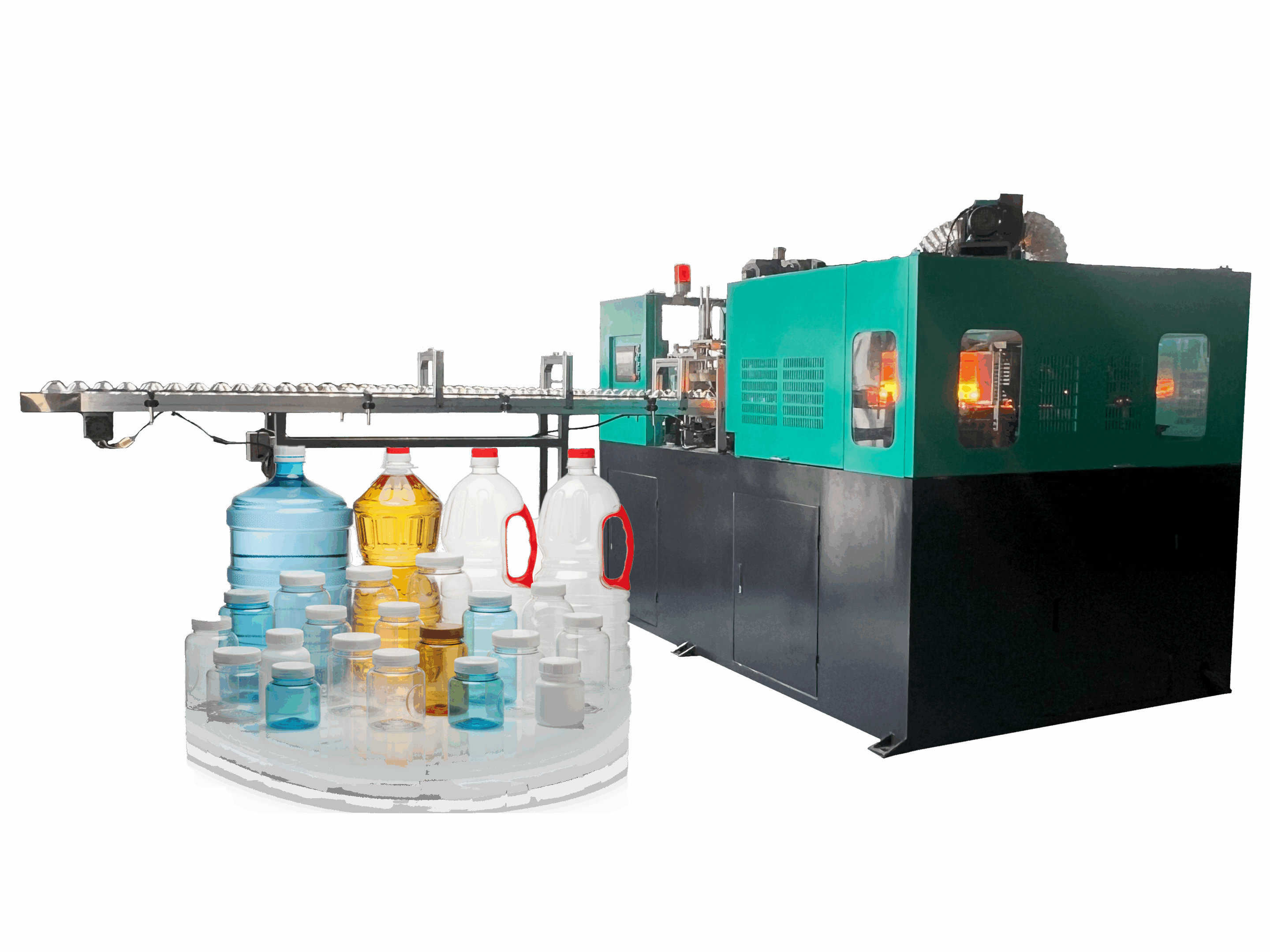
Is Your "All-Electric" Blow Molding Machine Quote Hiding Expensive Secrets?

We frequently see potential clients dazzled by glossy brochures promising impossible efficiency, only to face production bottlenecks 1 later. Relying solely on surface-level specifications often leads to purchasing equipment that drains profit rather than generating it.
To avoid marketing pitfalls, dismiss generic energy saving claims unless they are compared against modern servo-hydraulics. You must verify that the "all-electric" label includes auxiliary axes and demand a "wet cycle" guarantee, as theoretical dry cycles ignore the physical cooling limits of your specific plastic container.
Let’s strip away the sales jargon and examine the engineering reality behind these quotes.
Are the Energy Saving Percentages Real or Artificially Inflated?
When we benchmark machines at our factory, we notice that competitors often skew data to make their electric units appear miraculous. High energy promises look great on paper but frequently fail to materialize during actual 24/7 production shifts.
Suppliers often exaggerate savings by comparing new electric models against 20-year-old constant-pump hydraulic systems rather than modern servo-hydraulics. Furthermore, many "all-electric" machines hide pneumatic movements for blow pins or wall thickness controls, which shifts the energy burden back to your inefficient and costly air compressor.
When analyzing an investment in electric machinery, you must look deeper than the bold percentages on the front page of a proposal. Marketing teams love to claim "50–80% energy savings 2," but they rarely disclose the baseline for that calculation. In our industry, the "Ancient Baseline" trick is common. If a supplier compares their new electric machine to an old-fashioned hydraulic system running a constant-volume pump (technology from two decades ago), the savings are naturally massive. However, if you compare that same electric machine to a modern servo-hydraulic system, the efficiency gap narrows significantly. You need to know if the premium price you are paying is truly justified by the operational savings.
The Pneumatic Parasite
Another critical aspect we check during design is the definition of "All-Electric." A machine might utilize electric servo motors for the clamping unit and the extruder, yet still rely on pneumatics for auxiliary movements. We call these "Hidden Pneumatic Parasites." You should scrutinize the technical bill of materials to see what drives the blow pin, carriage shuttle, and wall thickness control.
If these axes are pneumatic, the machine is not truly all-electric. Instead of saving electricity, you are simply shifting the energy cost from the machine’s primary meter to your factory’s central air compressor. Compressed air 3 is notoriously inefficient and expensive to generate. A machine that relies heavily on air for movement will never achieve the efficiency figures promised in the sales brochure.
The Regenerative Braking Myth
Finally, be skeptical of the Return on Investment (ROI) calculated based on "Regenerative Braking." This technology captures energy during deceleration, similar to an electric car. While it works wonders for high-speed, light-weight cycles where the platen moves and stops rapidly, it is often a wasted cost for other applications. If you are producing thick-walled jerry cans or drums with long cooling times, the machine moves infrequently. In these scenarios, the expensive regenerative hardware sits idle, offering zero payback.
Table 1: True Electric vs. Marketing Electric
| Характеристика | True All-Electric Machine | "Marketing" All-Electric (Hybrid) | Impact on Profit |
|---|---|---|---|
| Comparison Baseline | Modern Servo-Hydraulic | 20-Year-Old Constant Pump | Inflated ROI expectations lead to budget shortfalls. |
| Blow Pin Drive | Electric Servo | Pneumatic Cylinder | Shifts energy cost to inefficient air compressors. |
| Carriage Shuttle | Electric Servo | Pneumatic Cylinder | Reduces precision and increases air consumption. |
| Контроль над парами | Electric Actuator | Hydraulic/Pneumatic | Risk of oil leaks and contamination on clean floors. |
Will the Production Speed Match the Promised Cycle Time?
Our engineering team frequently warns clients that physics cannot be cheated, no matter how fast a motor spins. A rapid machine movement means nothing if the plastic has not cooled enough to eject the bottle without deformation.
Regenerative Braking 4
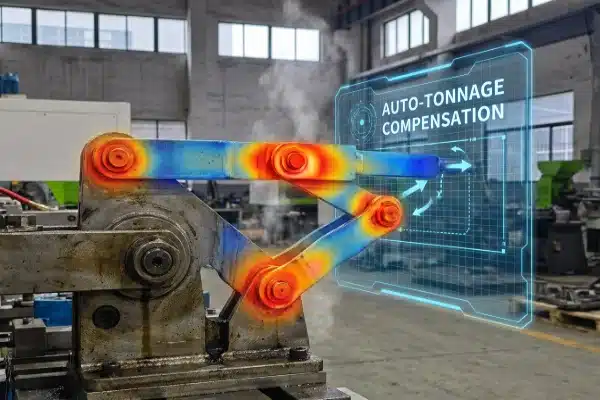
Ignore "Dry Cycle" times in brochures, as they exclude the critical cooling phase required for part stability. You must demand a "Wet Cycle" guarantee based on your specific bottle weight and material, and ensure the machine has auto-tonnage compensation to prevent clamping force loss as the toggle heats up.
One of the most frustration-inducing discrepancies in our industry is the gap between brochure speed and factory reality. Manufacturers often list a "Dry Cycle Time" (e.g., 2.5 seconds). This number represents how fast the machine can open and close when it is empty. However, you are not paid to open and close an empty machine; you are paid to produce bottles.
Peak In-Rush Currents 6
The Physics of Cooling
The "Wet Cycle" is the only metric that matters. This includes the time required for the plastic to be extruded, blown, and crucially, cooled. An electric machine might move the mold instantly, but it cannot force the plastic to harden faster than thermodynamics allows. If a supplier promises a cycle time that seems too good to be true, ask them to verify it against the cooling time required for your specific resin and wall thickness. If the machine moves faster than the plastic can cool, you will end up with warped necks and rejected bottoms.
Thermal Tonnage Drift
Another technical detail often omitted is "Thermal Tonnage Drift." In electric machines using toggle systems, friction generates heat in the linkages during continuous operation. As the metal heats up, it expands. This expansion changes the geometry of the toggle, causing the actual clamping force to drop by 10–15% over the course of a shift.
Without a feature called Auto-Tonnage Compensation, your operators will face a mystery: the machine runs fine in the morning, but by the afternoon, flash starts appearing on the bottles because the mold is no longer closing tightly. The machine must be smart enough to monitor this drift and automatically adjust the platen position to maintain consistent force.
Infrastructure Spikes
You must also look beyond the "Average Power Consumption" listed in manuals. Electric machines are efficient on average, but they draw massive "Peak In-Rush Currents." This happens when multiple axes—such as the clamp and the carriage—accelerate simultaneously. If you size your factory’s transformer and breakers based only on the average rating, these massive spikes can trip your power, causing downtime.
Table 2: Cycle Time & Power Checklist
| Question to Ask Supplier | Marketing Answer (Red Flag) | Engineering Answer (Green Flag) |
|---|---|---|
| "What is the cycle time?" | "2.5 seconds (Dry Cycle)" | "X seconds based on your bottle weight and cooling needs." |
| "How is clamp force held?" | "It’s a rigid toggle system." | "Active Auto-Tonnage Compensation monitors position." |
| "What power do I need?" | "Average consumption is 30kW." | "Average is 30kW, but you must fuse for 80A peak current." |
Are "Maintenance-Free" Claims Hiding Future Financial Risks?
We know that every machine requires care, regardless of the drive system used. Claims of zero maintenance usually distract buyers from catastrophic component failures and expensive emergency repairs that occur after the warranty expires.
faster than thermodynamics allows 7
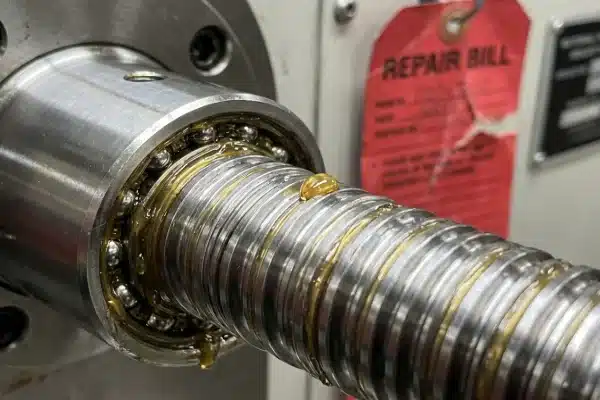
Electric machines are not zero-maintenance; they require precise automated grease lubrication for high-load ball screws. Be wary of proprietary motors that lock you into high-cost replacements, and verify the "L10 Life" calculation of the clamping screw to ensure it won’t fail prematurely under maximum tonnage.
The phrase "Maintenance-Free" is perhaps the most dangerous marketing term in the blow molding sector 9. While it is true that electric machines eliminate hydraulic oil changes and filter replacements, they introduce new mechanical vulnerabilities that can be far more expensive to address if ignored.
The Grease and Ball Screw Reality
Electric machines rely heavily on high-precision ball screws to generate tonnage. These screws operate under immense load and friction. They require an automated, precise grease lubrication system. If this system fails or is designed poorly, a ball screw can seize. Unlike a hydraulic seal which costs pennies to replace, a seized ball screw is a major capital expense that can shut down your line for weeks while you wait for parts.
The Proprietary Trap
You must also audit the brand of the electronics. Some suppliers use "Black Box" hardware—custom-branded motors and drives that are proprietary to them. This locks you into a monopoly. If a drive fails five years from now, you cannot buy a replacement from a local distributor; you must buy it from the machine manufacturer, often at a 300% markup with long lead times. We always recommend ensuring the machine uses "Off-the-Shelf" standard components from global brands like Siemens, B&R, or Beckhoff. This grants you the freedom to source parts competitively.
The L10 Life Factor
Finally, ask about the "L10 Life" of the main clamping screw. This is a standard engineering calculation that predicts the lifespan of a bearing or screw under load. To lower the machine price, some manufacturers undersize this expensive component. A screw rated for adequate L10 life should last 10 years. An undersized one might survive the warranty period but will likely suffer catastrophic failure after 2–3 years of 24/7 operation.
Power Quality Sensitivity
Unlike rugged hydraulic motors which can tolerate "dirty power," electric servo drives are highly sensitive. Voltage fluctuations can fry expensive boards. Quotes often exclude Line Reactors or Voltage Stabilizers to keep the price down, leaving you exposed to electrical damage.
Table 3: Hidden Costs of "Standard" Packages
| Компонент | Standard Quote Omission | The Risk |
|---|---|---|
| Lubrication | Manual Grease Nipples | Missed maintenance leads to $5,000+ screw failure. |
| Servo Brand | Proprietary / Custom Label | trapped in high-margin, slow-supply ecosystem. |
| Line Reactor | Not Included | Voltage spikes destroy sensitive servo drives. |
| Screw Sizing | Undersized (Low L10 Life) | Major mechanical failure shortly after warranty ends. |
Заключение
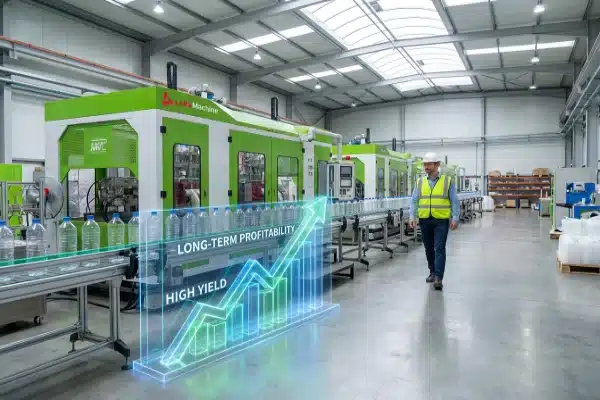
To protect your investment, look beyond the glossy brochure promises and audit the engineering reality. By verifying the baseline of energy claims, demanding wet cycle guarantees, and ensuring component transparency, you secure long-term profitability rather than just a low upfront price.
L10 Life 10
Сноски
- Recent reporting on industrial production challenges and supply chain bottlenecks. ↩︎
- Official US Department of Energy resource on motor system efficiency and industrial energy savings. ↩︎
- Government resource on the high energy costs and inefficiencies of industrial compressed air. ↩︎
- Explains the concept of energy recovery during deceleration in electric drive systems. ↩︎
- Technical specifications and maintenance requirements for high-precision ball screws used in machinery. ↩︎
- IEEE technical publication regarding motor inrush currents and their impact on power systems. ↩︎
- Academic resource explaining the physical laws governing cooling and heat transfer in materials. ↩︎
- Documentation for industry-standard PLC and automation components mentioned in the text. ↩︎
- Provides general background on the manufacturing process discussed. ↩︎
- ISO standard for calculating the basic dynamic load rating and life of rolling bearings. ↩︎


0 Комментариев