

Введение
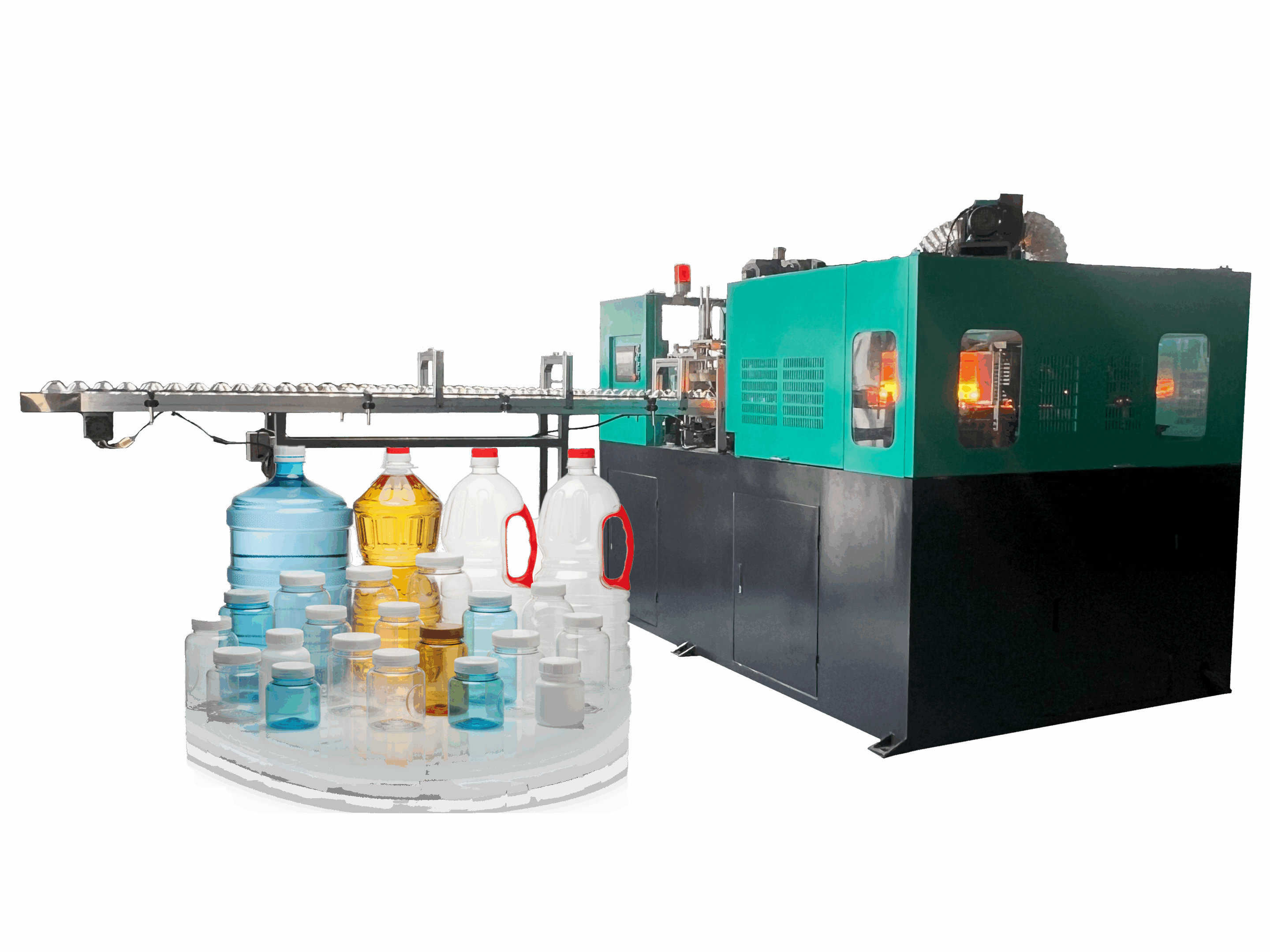
Designing complex blow molded parts presents a unique challenge: achieving structural integrity while maintaining design freedom. Weak points in geometry, inconsistent wall thickness, and material limitations can turn an innovative concept into a production nightmare—costing time and resources.
Advanced materials like ABS plastic and precision tooling techniques now allow engineers to push boundaries with hollow, lightweight designs that outperform traditional methods. This guide explores proven strategies for optimizing complex geometries—from thread formation to simulation-driven mold development—helping product developers avoid costly pitfalls while maximizing functionality.
Fundamentals of Complex Blow Molded Parts
“Blow molding excels at creating complex, hollow parts with lightweight designs, offering superior flexibility compared to traditional manufacturing methods.”
Complex blow molded parts are defined by intricate features like threads, undercuts, and variable wall thicknesses. These elements push the boundaries of traditional manufacturing but are well-suited for blow molding. The process allows for seamless hollow designs, making it ideal for applications where weight reduction and structural integrity matter.
Compared to injection molding, blow molding offers distinct advantages for complex geometries. It eliminates the need for multi-part assemblies by forming hollow structures in a single step. This reduces production time and material waste while maintaining strength. For industries like automotive and medical, this means lighter ducts and containers without compromising durability.
Material Selection for Complex Blow Molded Parts
| Материал | Impact Resistance | Flexibility | Химическая стойкость | Общие приложения | Processing Notes |
|---|---|---|---|---|---|
| ABS Plastic | Высокий | Умеренный | Отличная | Medical containers, automotive ducts | Requires precise temperature control during molding |
| ПНД | Средний | Высокий | Хорошая | Industrial containers, fuel tanks | Easier to process but less detail resolution |
| ПЭТ | Низкий | Низкий | Отличная | Beverage bottles, pharmaceutical packaging | Best for single-stage stretch blow molding |
| PP | Средний | Высокий | Хорошая | Cosmetic containers, food packaging | Requires specialized cooling systems |
| ПК | Очень высокий | Низкий | Удовлетворительно | Safety equipment, transparent medical devices | High processing temperatures needed |
ABS plastic dominates complex applications due to its unique balance of strength and moldability. Its ездить или умереть reliability in pharmaceutical-grade containers comes from withstanding sterilization while maintaining precise undercuts. Lekamachine leverages this in single-stage stretch blow molding for leak-proof medical packaging.
Advanced blow molding techniques enable geometries once considered impossible. Variable wall thickness is achieved through parison programming, where the molten tube’s thickness is adjusted before inflation. Threads and undercuts are formed using precision molds with retractable cores, eliminating secondary operations.
Featured Image Reference: High-resolution cross-section of a complex blow molded automotive duct showing integrated mounting threads and reinforced ribs.

Material Selection for Optimal Performance
“Choosing the right material is critical for both manufacturability and performance of complex blow molded parts, with ABS plastic often being the optimal choice for demanding applications.”
Material selection directly impacts the success of complex blow molded parts, affecting everything from structural integrity to production efficiency. ABS plastic stands out as the gold standard for parts requiring high strength-to-weight ratios and dimensional stability. Its superior impact resistance makes it ideal for automotive components and medical devices that undergo frequent sterilization cycles.
Comparative Material Properties for Blow Molding
| Property | ABS | ПНД | ПЭТ | PP | Key Applications |
|---|---|---|---|---|---|
| Прочность на разрыв (МПа) | 40-50 | 20-30 | 55-75 | 25-35 | Structural components |
| Impact Resistance (kJ/m²) | 30-50 | No break | 2-5 | 5-10 | Automotive ducts |
| Heat Deflection Temp (°C) | 90-110 | 60-80 | 70-85 | 50-60 | Sterilizable containers |
| Химическая стойкость | Отличная | Хорошая | Отличная | Хорошая | Pharmaceutical packaging |
| Melt Flow Index (g/10min) | 5-15 | 0.5-8 | 25-35 | 2-30 | Wall thickness control |
When designing blow molded products, the choice between HDPE and PET depends on geometry requirements. HDPE’s flexibility suits large, simple containers, while PET’s rigidity works better for complex shapes with tight tolerances. Lekamachine’s material testing lab helps clients navigate these decisions by simulating production conditions with various polymer blends before committing to full-scale manufacturing.
Additives play a crucial role in enhancing material performance for specific applications. UV stabilizers extend outdoor product life, while anti-static compounds prevent dust accumulation in electronic components. These modifications must be carefully balanced to maintain the base material’s processing characteristics during blow molding.
Featured Image Reference: Microscope comparison showing crystalline structures of different blow molding materials with annotations highlighting performance characteristics.

Geometry Optimization Techniques
“Strategic geometry optimization enables complex blow molded parts to achieve superior performance while maintaining manufacturing feasibility.”
Designing complex blow molded parts requires careful consideration of wall thickness distribution to ensure structural integrity without excessive material usage. Advanced parison programming allows for precise control, creating thicker sections where stress concentrations occur while thinning walls in low-stress areas. This technique is particularly valuable for automotive fuel tanks and industrial containers that must withstand variable pressure loads.
Geometry Optimization Comparison
| Особенность дизайна | Standard Approach | Optimized Solution | Performance Gain | Manufacturing Impact | Application Example |
|---|---|---|---|---|---|
| Thread Formation | Post-molding machining | Collapsible core molds | 60% cycle time reduction | Higher tooling cost | Pharmaceutical caps |
| Толщина стенок | Uniform distribution | Variable programming | 25% weight savings | Advanced controls needed | Automotive ducts |
| Undercuts | Multi-part assemblies | Sliding mold sections | Eliminates secondary ops | Complex tool maintenance | Cosmetic packaging |
| Corner Radii | Sharp 90° angles | Optimized curvature | 300% fatigue life | Minimal impact | Fluid containers |
| Rib Design | Solid support structures | Hollow corrugations | 40% stiffness increase | Requires precise blowing | Industrial housings |
For complex part geometries requiring functional threads, collapsible core technology has revolutionized blow molding capabilities. These innovative mold components retract after forming internal features, enabling production of fully sealed containers with integrated threading in a single operation. Lekamachine’s engineering team recently applied this solution to prevent $250k in tooling rework for a cosmetic packaging client, demonstrating the value of early design collaboration.
Stress concentration management is critical when designing complex blow molded parts. Finite element analysis helps identify problematic areas before tooling begins, allowing for geometry adjustments that distribute loads more evenly. Case studies of fuel tank redesigns show how strategic reinforcement ribs and smooth transitions can improve impact resistance by up to 40% while maintaining weight targets.
Featured Image Reference: CAD comparison showing stress distribution patterns in original versus optimized blow molded fuel tank design with highlighted improvement zones.
Advanced Manufacturing Technologies
“Cutting-edge technologies are revolutionizing the production of complex blow molded parts, enabling designs previously considered impossible while improving efficiency and quality.”
The blow molding manufacturing process has evolved significantly with the introduction of advanced simulation software. 3D finite element analysis (FEA) tools now accurately predict material flow and wall thickness distribution, reducing development time by up to 40% for complex medical device housings. Lekamachine’s proprietary simulation platform helps designers optimize complex part geometries before committing to expensive tooling.
Technology Comparison for Complex Blow Molding
| Технология | Ключевое преимущество | Complexity Enabled | Экономия энергии | Повышение качества | Industry Adoption |
|---|---|---|---|---|---|
| 3D Simulation | Predicts material flow | Высокий | 15% | 30% fewer defects | Medical, Automotive |
| Co-extrusion | Multi-layer barriers | Средний | 5% | 50% longer shelf life | Food, Pharma |
| Servo-electric | Precision control | Высокий | 40% | 20% tighter tolerances | Cosmetics, Electronics |
| Automated QC | 100% inspection | All | Н/Д | 99.9% defect detection | All industries |
| AI Optimization | Self-learning | Extreme | 25% | Continuous improvement | Pioneering adopters |
Multi-layer co-extrusion represents another breakthrough for complex blow molded parts requiring advanced barrier properties. This advanced blow molding technique simultaneously processes different materials, creating containers with oxygen barriers, UV protection, and chemical resistance in a single operation. The technology is particularly valuable for pharmaceutical packaging where product integrity is critical.
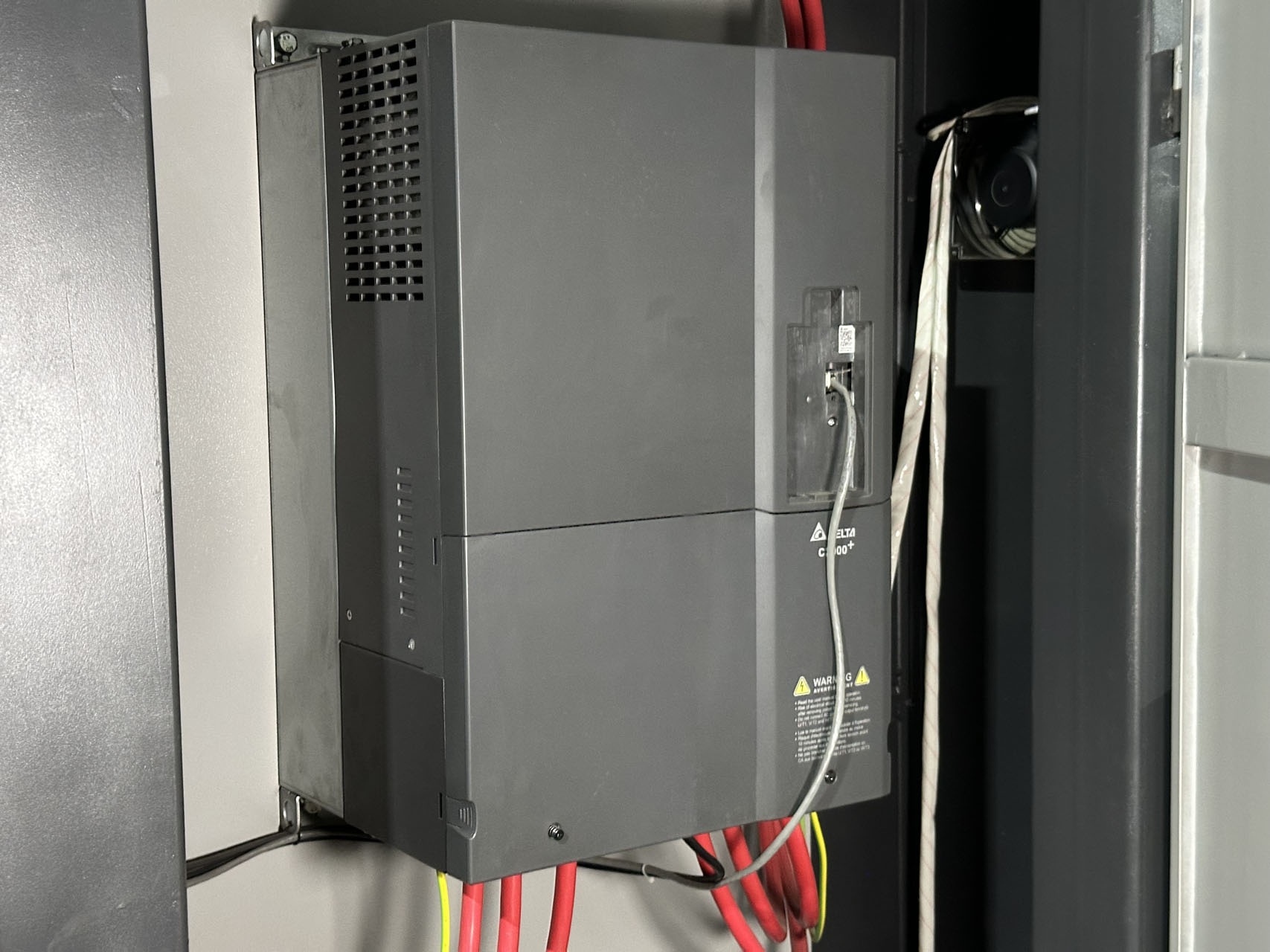
Energy-efficient servo-electric machines have transformed the blow molding manufacturing process, offering precise control over every stage of production. These systems maintain consistent quality across complex part geometries while reducing energy consumption by up to 40% compared to traditional hydraulic systems. Automated quality control systems using machine vision ensure every complex feature meets specifications without slowing production.
Featured Image Reference: Side-by-side comparison of traditional versus servo-electric blow molding machine energy consumption graphs with highlighted savings areas.

Partnering for Success: From Design to Production
“Successful production of complex blow molded parts begins with strategic partner selection and collaborative design optimization from the earliest stages.”
Developing complex blow molded parts requires careful evaluation of manufacturing partners’ capabilities. A comprehensive design-for-manufacturing (DFM) review should assess critical factors like draft angles, wall thickness transitions, and undercut feasibility. Lekamachine’s turnkey service includes a free complex design feasibility assessment, helping clients avoid costly redesigns later in the process.
Manufacturer Evaluation Criteria for Complex Projects
| Evaluation Factor | Basic Capability | Advanced Capability | Premium Capability | Влияние на стоимость | Ключевые соображения |
|---|---|---|---|---|---|
| Design Support | Post-design review | Concurrent engineering | Full CAD development | Средне-высокая | Early involvement reduces tooling costs |
| Mold Technology | Standard tooling | Collapsible cores | Multi-action systems | Высокий | Critical for threads/undercuts |
| Material Expertise | Common resins | Engineering plastics | Custom compounds | Low-High | ABS plastic specialists preferred |
| Post-Processing | Basic trimming | CNC machining | Laser etching/assembly | Средний | Adds value for premium finishes |
| Системы качества | Sampling inspection | Statistical process control | Automated vision systems | Средний | Critical for medical applications |
When designing blow molded products with complex features, understanding cost drivers is essential. Tooling complexity accounts for 40-60% of initial project costs, while material selection and production volume significantly impact per-unit pricing. Custom blow molding solutions for pharmaceutical applications often justify higher costs through superior barrier properties and sterilization compatibility.
Post-molding processes transform complex blow molded parts into finished products. CNC trimming achieves surgical precision for medical components, while laser etching adds permanent identification without compromising material integrity. These value-added services separate premium manufacturers from basic producers, particularly for cosmetic packaging and technical applications.
Featured Image Reference: Flowchart showing Lekamachine’s six-step partnership process from initial consultation to ongoing maintenance, with callouts highlighting complex part considerations at each stage.
Заключение
After years in the blow molding game, I’ve seen how the right approach to complex part design can turn headaches into breakthroughs. It’s not just about pushing materials to their limits—it’s about smart geometry, precision tooling, and choosing partners who get the nuances of your project.
The beauty of modern blow molding? You can now create parts that are lightweight yet tough, intricate yet cost-effective. Whether it’s medical containers needing sterile precision or automotive ducts demanding durability, the solutions are out there. The key is balancing innovation with manufacturability from day one.
If your designs have been held back by “that won’t mold” assumptions, it might be time to revisit what’s possible. With today’s tech and expertise, complex blow molding isn’t just doable—it’s a "игровая перемена" for product performance.
ЧАСТО ЗАДАВАЕМЫЕ ВОПРОСЫ
Q1: What are complex blow molded parts?
A1: Complex blow molded parts are hollow plastic components produced using advanced blow molding techniques, characterized by intricate designs and specific functional requirements. These parts are typically used in various industries, such as automotive and consumer goods.
Q2: What advantages do blow molded parts have over other manufacturing methods?
A2: Blow molded parts offer several advantages, including the ability to create complex shapes with tight tolerances at lower production costs and faster cycle times compared to methods like rotational or injection molding.
Q3: How do you design complex blow molded parts?
A3: Designing complex blow molded parts involves understanding the blow molding process, using 3D modeling software, and considering factors such as material properties, wall thickness, and part integration to optimize functionality.
Q4: What materials are commonly used for blow molded parts?
A4: Common materials for blow molded parts include various types of polyethylene and polypropylene, which provide durability and flexibility. Other materials like ABS and HDPE are also used depending on the application’s requirements.
Q5: What industries utilize complex blow molded parts?
A5: Complex blow molded parts are widely used in industries such as automotive for fuel tanks and air ducts, consumer goods for bottles and containers, and medical for specialized devices and equipment.
Q6: What is the role of the parison in blow molding?
A6: In blow molding, a parison is a heated tube of plastic that is inflated within a mold to form the desired shape of the hollow part. The parison’s design and wall thickness significantly affect the part’s final characteristics.
Q7: Can blow molding produce multi-layer parts?
A7: Yes, blow molding can produce multi-layer parts through techniques such as co-extrusion, allowing the creation of complex parts with different material properties for enhanced functionality.
Q8: How do custom blow molding solutions work?
A8: Custom blow molding solutions involve tailoring the blow molding process and design specifications to create unique parts that meet specific customer requirements, providing flexibility in both design and production.
Внешние ссылки
- Comprehensive Guide to Blow Moulded Plastic Parts: Manufacturing
- Blow Molding Design Guide
- Technical Blow Molded Products and Applications
- Blow Molding Manufacturing and Design
- Custom Blow Molding | Thermoforming – Universal Plastics
- What Is Blow Molding? Process, Types, and Applications
- Blow Molding vs. Injection Molding
- Blow Molding Services – Falcon Plastics


0 Комментариев