

How to Choose the Right Extrusion Blow Molding Machine Manufacturer

Choosing an extrusion blow molding machine manufacturer is not simply about comparing quotations. It is about protecting your production stability, bottle quality, delivery schedule, and long-term operating cost. Many buyers focus too much on the initial machine price, then run into problems later such as unstable parison control, oil leakage, inconsistent bottle weight, difficult maintenance, and slow spare parts support.
The right manufacturer should help you lower total cost of ownership, not just reduce the purchase price. A reliable supplier should be able to prove machine performance, explain component selection clearly, match the machine to your bottle application, and support your factory after installation.
If you are comparing suppliers for HDPE bottles, PP bottles, jerry cans, chemical containers, handle bottles, or industrial drums, it is also useful to review a complete range of extrusion blow molding machines before making a final decision.
What makes a reliable extrusion blow molding machine manufacturer?
A reliable manufacturer is transparent, technically capable, and realistic about production requirements. They do not hide behind low prices or vague promises. Instead, they explain what machine structure fits your product, what output you can realistically expect, what component brands are used, and how the machine will be supported after delivery.
You should treat manufacturer selection as a production risk decision, not only as a purchasing task. A machine that fails to run consistently can cost far more than the amount you saved during negotiation.
Transparent testing process
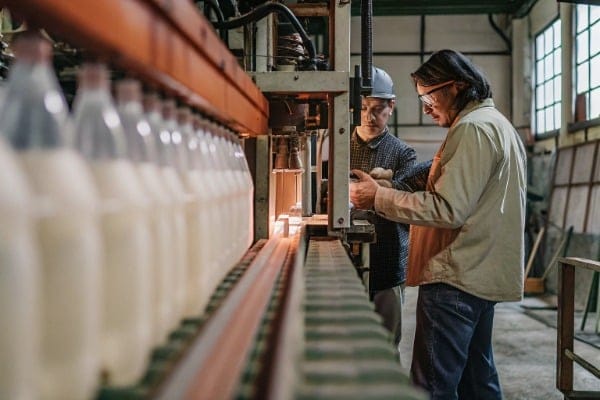
A serious supplier should offer a real Factory Acceptance Test, not only a dry cycle demonstration. The machine should run with actual material and, ideally, with a mold or bottle type close to your real production target. This makes it much easier to verify bottle quality, machine stability, cycle time, and operator logic before shipment.
Clear component brands
Good manufacturers are open about the brands they use for critical machine parts such as PLC systems, pneumatics, hydraulics, motors, and electrical components. If a quotation only says “high quality domestic brand” without details, that is a warning sign. You need to know what can be serviced locally and what may become difficult to replace later.
Practical after-sales support
After-sales support should not depend on endless email exchanges after the machine arrives. A reliable manufacturer should provide manuals, wiring drawings, spare parts recommendations, remote support capability, and clear service response expectations. For many factories, downtime is more expensive than the original machine price difference.
Experience with similar bottle applications
The best supplier is usually not the one that sells the most machines in general, but the one with direct experience in your product category. If you are producing HDPE detergent bottles, lubricant bottles, jerry cans, chemical containers, or industrial packaging, the supplier should understand those exact production requirements.
Quick comparison: risky supplier vs reliable partner
| Feature | Risky Supplier | Reliable Partner |
|---|---|---|
| Component disclosure | Vague or unbranded parts | Clear list of major brands and specifications |
| Machine test | Dry cycle only | Real production test with material |
| Output promise | Unclear or verbal only | Specific cycle time and output discussion |
| Spare parts support | Wait until something breaks | Recommended spare kit and service plan |
| Application knowledge | General sales language | Understands your bottle, resin, and production need |
Why machine capacity affects long-term profitability
Many buyers choose a machine based only on maximum bottle volume, but that is not enough. Capacity selection should consider bottle size, resin type, wall thickness target, output per hour, mold cavity arrangement, cooling demand, and future production plans.
An undersized machine may struggle with output and stability. An oversized machine may waste energy and reduce cost efficiency. The right configuration should match your real production strategy, not just the largest bottle you may produce one day.
Match the machine to the bottle application
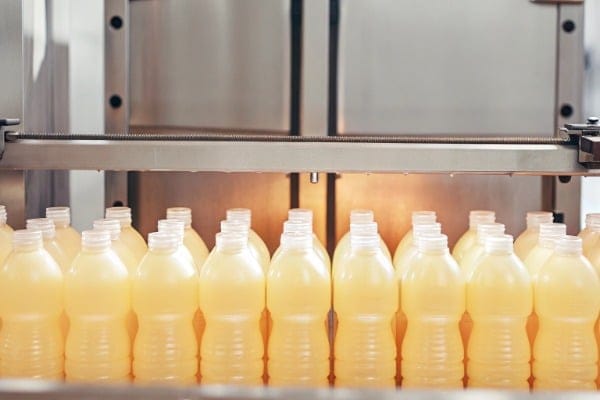
If you are producing small cosmetic or toiletry bottles, you usually need precision, repeatability, and efficient cycle time. If you are making 5L jerry cans or 20L industrial containers, you need stronger clamping force, stable parison programming, and more robust machine construction. These are very different requirements.
This is why buyers comparing suppliers should first compare machine suitability for the application. If your products are mainly HDPE bottles, jerry cans, drums, chemical containers, household containers, or handle bottles, your evaluation should stay focused on the right extrusion blow molding machine solution instead of generic packaging equipment claims.
Single station or double station
For higher output projects, double-station machines can improve production efficiency and lower labor cost per bottle. For more flexible production with frequent mold changes, a single-station machine may be easier to manage. A reliable manufacturer should explain this trade-off clearly instead of pushing one model for every customer.
Typical application matching guide
| Application | Common Product Range | Key Machine Focus | Typical Priority |
|---|---|---|---|
| Cosmetic and personal care bottles | 200ml to 1L | Precision and appearance consistency | Stable cycle time |
| Detergent and household bottles | 500ml to 5L | Output balance and handle design stability | Reliable daily operation |
| Jerry cans and chemical containers | 4L to 30L | Clamping force and wall thickness control | Strength and leak resistance |
| Industrial drums and large parts | 30L and above | Heavy-duty structure and power stability | Durability and long-cycle reliability |
How to choose between hydraulic, electric, and hybrid systems
Drive system choice affects energy use, maintenance, cleanliness, precision, and total operating cost. There is no single best answer for every factory. The correct option depends on your bottle type, production environment, and budget.
Electric systems usually offer better cleanliness and higher precision. Hydraulic systems remain practical for larger containers and heavy-duty applications. Hybrid systems often provide a balanced choice for many packaging bottle projects.
Hydraulic systems
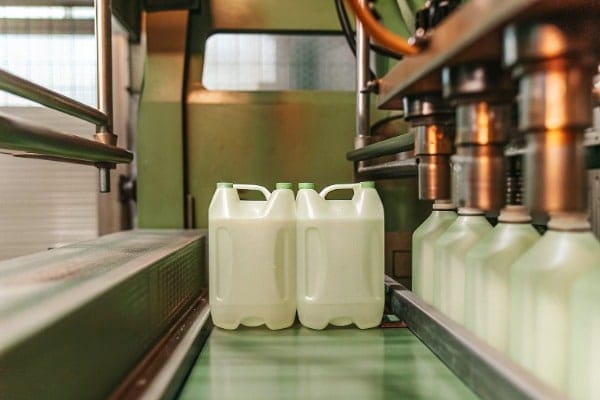
Hydraulic machines are often selected for large containers, industrial applications, and projects where high clamping force is a priority. They are practical and proven, but buyers should still pay attention to energy consumption, sealing quality, and long-term maintenance quality.
Full electric systems
Electric systems are attractive for applications that require cleaner production conditions, high repeatability, and precise movement control. They are often considered for food, pharmaceutical, and premium packaging projects where precision matters more than the lowest initial machine cost.
Hybrid systems
Hybrid systems can be a smart option for buyers who want better energy efficiency than traditional hydraulic equipment, but still need strong and practical production performance. For many detergent bottle, household bottle, and jerry can projects, this can be a commercially sensible direction.
| Feature | Hydraulic | Electric | Hybrid |
|---|---|---|---|
| Initial investment | Lower | Higher | Medium |
| Energy efficiency | Basic | High | Good balance |
| Clean production | Lower | High | Medium to high |
| Best fit | Large containers and industrial use | High-precision packaging | General bottle packaging applications |
How can you verify a manufacturer before placing an order?
Marketing brochures are easy to produce. Reliable machine performance is harder to fake. Before placing an order, buyers should verify the supplier through actual machine running evidence, customer references, technical documentation, and realistic discussions about delivery and service.
The best verification method is to combine technical review, real running tests, and support capability checks.
Ask for a real production demonstration
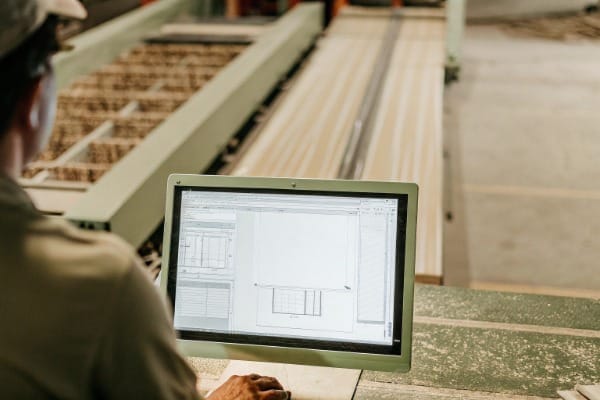
Do not rely on a short machine video. Ask to see a stable run under production conditions. A longer test makes it easier to judge bottle consistency, scrap level, machine rhythm, and operator logic.
Review the bill of materials
Ask for clear information about PLC, motor, pneumatics, valves, electrical parts, and hydraulic system brands. This is one of the fastest ways to identify whether the machine is built for long-term service or only for short-term selling.
Check similar customer cases
If the manufacturer has experience with detergent bottles, cosmetic bottles, HDPE containers, chemical packaging, lubricant bottles, or jerry cans similar to your project, ask for those cases directly. Relevant experience matters more than broad claims.
Confirm service expectations before contract signing
Before paying a deposit, confirm what training, remote support, spare parts planning, and troubleshooting response are included. If this is unclear before the sale, it usually becomes worse after the machine arrives.
Buyer verification checklist
- Application match: Has the supplier handled bottles or containers similar to yours?
- Machine test: Have you seen a real production run instead of only a dry cycle?
- Component clarity: Are major part brands clearly listed?
- Output logic: Is the expected cycle time and output discussion realistic?
- Service planning: Are spare parts and remote support scope clearly explained?
Conclusion
Choosing the right extrusion blow molding machine manufacturer is a strategic production decision. The best supplier is not simply the one with the lowest quotation. It is the one that can match your bottle application, prove machine stability, explain technical details honestly, and support your factory after installation.
If your products include HDPE bottles, PP bottles, household containers, chemical bottles, lubricant bottles, jerry cans, drums, or other non-PET hollow packaging, your next step should be to compare a real extrusion blow molding machine range and then move into project discussion based on your bottle type, volume, and output target.
Need help choosing the right machine model?
Send us your bottle type, bottle volume, resin, target output, and any sample photos or drawings. We can help you evaluate a suitable extrusion blow molding machine configuration for your project.