
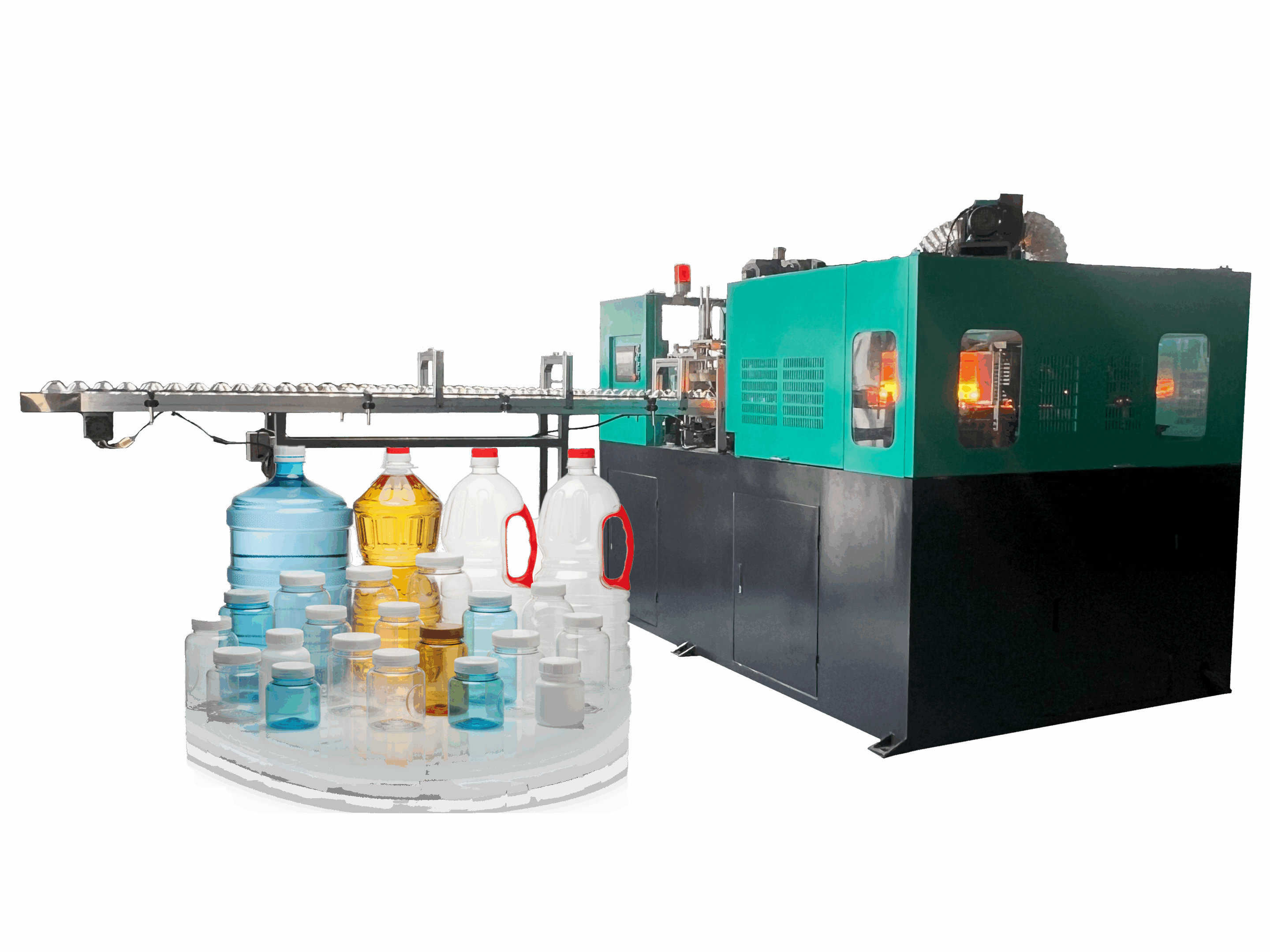
Планировка линии выдувного формования: сколько места вам действительно нужно?
Автор: Слани Чеуанг
Менеджер по техническим продажам, Leka Machine
Когда вы планируете купить машину для выдувного формования, первый вопрос обычно касается цены. Второй вопрос обычно касается скорости. Но есть и третий вопрос, который часто игнорируется, пока не становится слишком поздно: “Это вообще поместится на моей фабрике?”
Я много раз это видел. Покупатель приобретает машина, исходя из указанных размеров Они измерили пол, убедились, что машина подходит, и подумали, что всё готово. Но потом оборудование прибыло. Внезапно они поняли, что для чиллера места нет. Погрузчик не может развернуться, чтобы загрузить смолу. Или, что ещё хуже, техник по техническому обслуживанию не может открыть заднюю дверцу машины, чтобы заменить фильтр.
Понимание пространства — это не просто измерение металлических габаритов оборудования. Это визуализация всей производственной экосистемы.
Оглавление
- Что на самом деле включает в себя “пространство”: не только площадь, занимаемую оборудованием.
- Типичные пользователи: заводы по производству бутылок по заказу производителя и брендовые производители.
- Ключевые факторы, определяющие необходимое вам пространство.
- Типичная компоновка производственной ячейки для выдувного формования.
- Примеры планировок помещений для типичных проектов по выдувному формованию.
- Как рассчитать площадь собственного завода
- Как Leka Machine оказывает вам поддержку
Что на самом деле включает в себя “пространство”: не только площадь, занимаемую оборудованием.
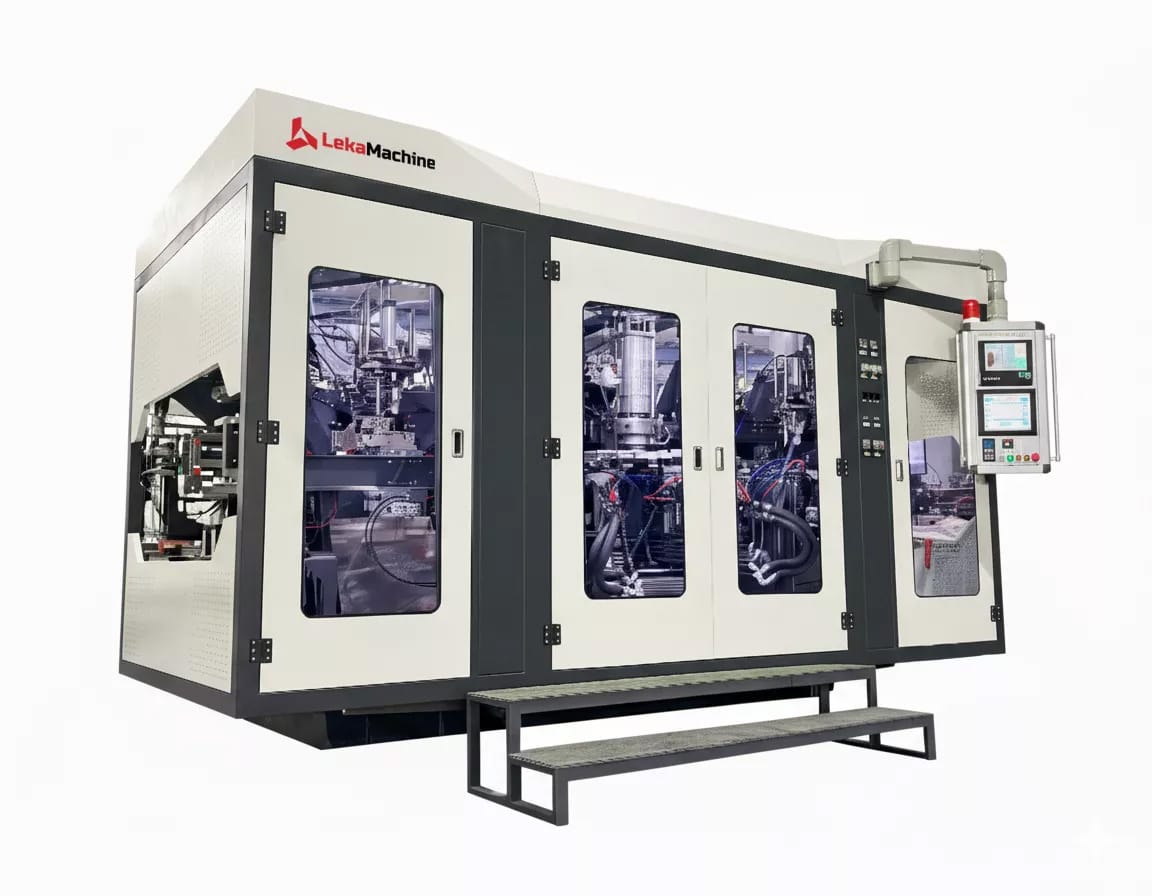
Размеры, указанные в спецификации — например, 5,6 м × 2,9 м × 3,5 м для нашей модели FORMA H15L — это только начало. Это физические размеры утюга.
Настоящий “Производственное пространство” включает в себя невидимый ореол вокруг станка.. Это включает в себя:
- Допуск к военной службе: Вам потребуется как минимум от 1 до 1,5 метров вокруг шкафу чтобы двери могли распахнуться, и техники могли работать.
- Рассеивание тепла: Гидравлические агрегаты и экструдеры Они выделяют тепло. Если они стоят в углу, то охлаждение будет затруднено. затраты растут, и оборудование Жизнь идёт на спад.
- Логистика материалов: Как необработанный пластик попадает в бункер? Если используются мешки по 25 кг, там должен стоять человек. Если используются большие мешки (супермешки), их нужно поднимать высоко над бункером с помощью вилочного погрузчика.
Заблаговременное планирование сэкономит вам деньги. Оно предотвратит необходимость сносить стены или переносить электропроводку в дальнейшем.
Типичные пользователи: OEM-заводы по производству бутылок против брендов, переходящих на собственное производство.
Разные типы компаний по-разному подходят к организации пространства.
Если вы являетесь создан завод по производству OEM-упаковки, Вероятно, вы уже производите бутылки для крупных брендов. Скорее всего, вы пытаетесь разместить новую линию на существующем, переполненном предприятии. Ваша задача обычно заключается в замене старой, неэффективной гидравлической машины на более новую. Возможно, вы рассматриваете наши серии FORMA или AERO, чтобы увеличить производительность на квадратный метр.
Если вы являетесь Бренд товаров повседневного спроса на стадии роста (например, если вы косметическая или пищевая компания), вы, возможно, впервые переносите производство на собственное предприятие, чтобы контролировать цепочку поставок. Вы можете арендовать склад. Для вас риск заключается в аренде здания с потолком, слишком низким для заготовочной головки, или дверью, слишком узкой для подачи материала к оборудованию.
Ключевые факторы, определяющие необходимое вам пространство.
Не все производственные линии Они все одинаковы. Вот переменные, которые влияют на вашу структуру.
Экструзионная обработка против выдувного формования с растяжением
Эти две технологии имеют разный потенциал.
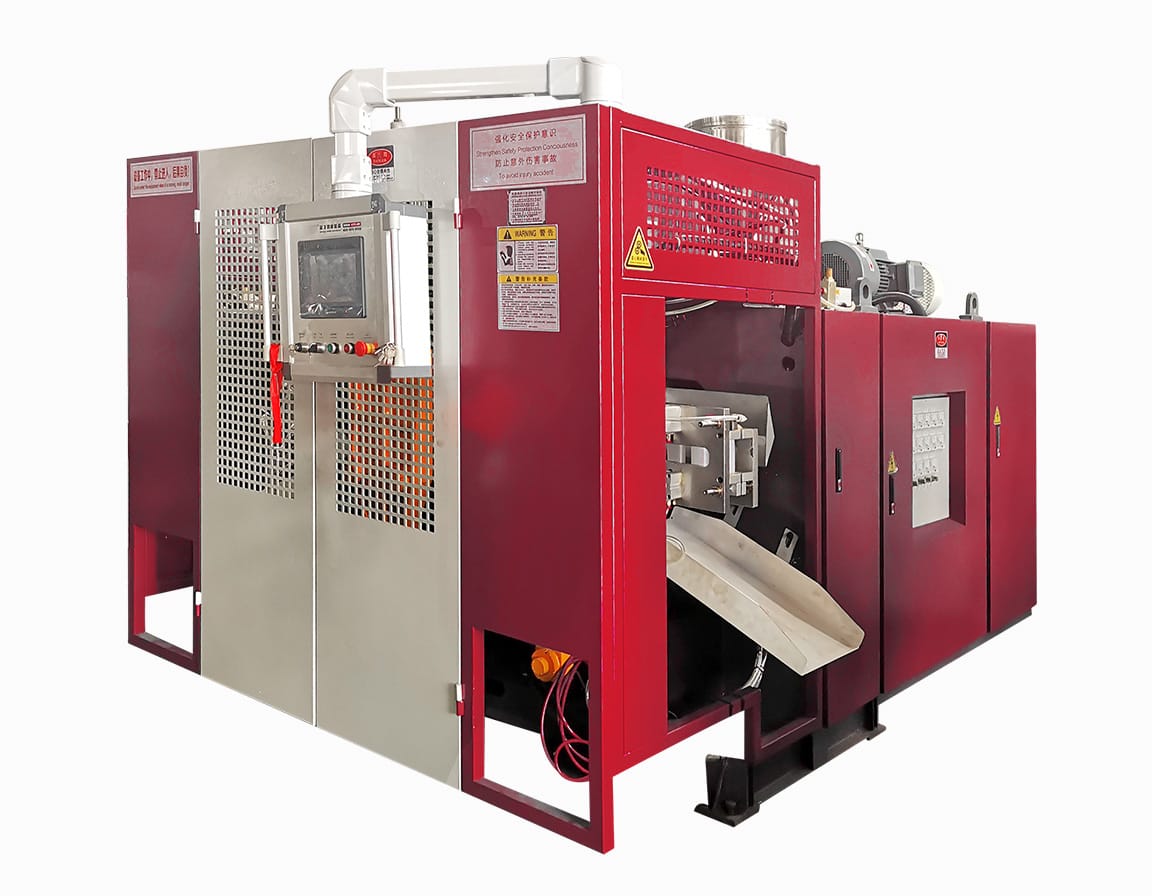
- Экструзионное выдувное формование (ЭВФ): Такие машины, как наши серии FORMA или TITAN, создают “заготовку” (трубку из расплавленного пластика). Эти машины часто образуют “обломки” (пластиковый заполнитель) в верхней и нижней части бутылки. Это означает, что вам потребуется место рядом с машиной для установки устройства для удаления обломков и измельчителя отходов, чтобы немедленно перерабатывать этот материал.
- Двухосное выдувное формование (ДВФ): В таких машинах, как наши серии AQUA или BOTTLER, используются заготовки. Нет необходимости обрезать обломки, поэтому рядом с машиной не требуется шлифовальный станок. Однако для выгрузки и загрузки заготовок требуется место, которое может занимать удивительно большую площадь.
Размер бутылки и производительность
Физический размер продукт определяет машину размер. А Оборудование для производства маленьких косметических флаконов объемом 100 мл. (как и серия BOTTLER) компактный.
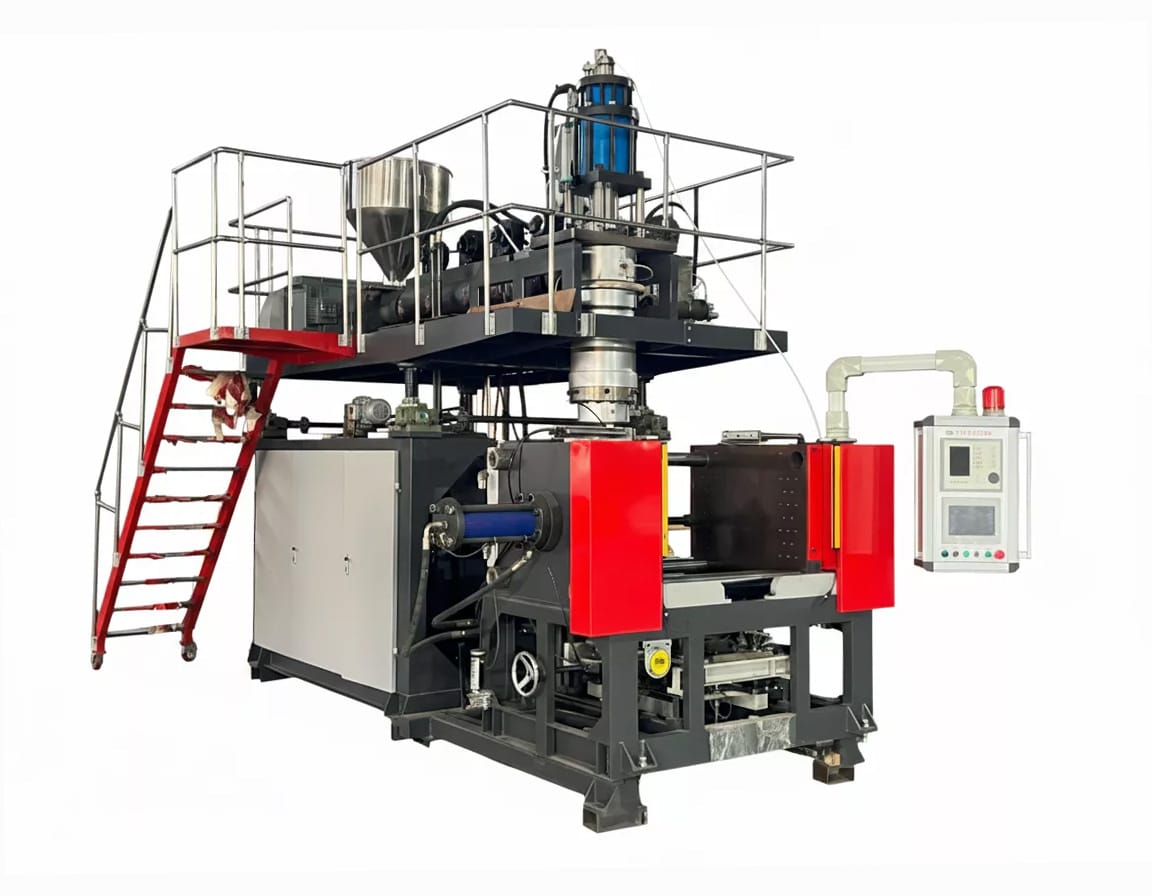
Но если вы производите 30-литровый промышленный продукт канистры, Вам потребуется серия TITAN. Эти машины высокие и тяжелые. TITAN H30L весит 28,5 тонн и имеет высоту почти 3 метра. Его нельзя просто так установить где попало; для механизма зажима пресс-формы необходим железобетонный пол и высокий потолок.
Коммунальное оборудование, которое нельзя игнорировать
Это самый большой “пожиратель места”, о котором люди часто забывают. Ваш выдувная машина Бесполезно без коммунальных услуг. Вам необходимо выделенное пространство для:
- Компрессор высокого давления: Особенно это актуально для SBM, которому требуется давление 30-40 бар. Эти компрессоры шумят и сильно нагреваются. В идеале их следует размещать в отдельном компрессорном помещении.
- Холодильная установка: Это охлаждает плесень. Необходима хорошая циркуляция воздуха. Если вы используете его в помещении, вам потребуется отличная вентиляция.
- Осушитель воздуха: Для предотвращения попадания влаги в пневматическую систему.
Безопасность и организация потока людей
Никогда не блокируйте выходы. На вашей схеме необходимо обозначить пешеходные дорожки (обычно желтыми линиями на полу). Убедитесь, что имеется погрузчик, перевозящий готовый поддон. Бутылки могут проезжать мимо машины. не нажимая на панель оператора.
Типичная компоновка производственной ячейки для выдувного формования.
Когда мы разрабатываем планировку в Машина Лека, мы делим “клетку” на четыре зоны.
1. Основная производственная зона
Здесь происходит волшебство. Здесь находится выдувная машина и человеко-машинный интерфейс (HMI). Оператор стоит здесь. Мы необходимо обеспечить наличие места для “плесени». Возможность перемещения тележки внутрь и наружу имеет решающее значение для сокращения времени простоя при переключении между товарами.
2. Поток материалов на входе в систему.
Это зона подачи. Для EBM сюда входят смеситель смолы, дозатор красителя и автоматический загрузчик. Для SBM это бункер для преформ. В этой зоне образуется пыль, поэтому желательно по возможности держать ее немного отдельно от зоны упаковки.
3. Обработка на последующих этапах.
Как только бутылка покидает форму, Куда же оно девается?
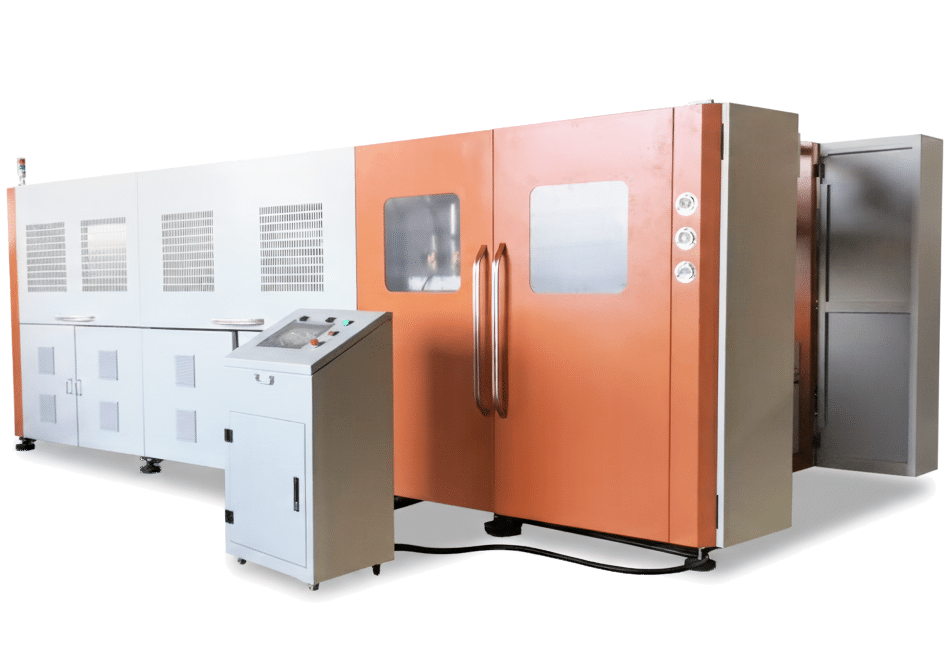
- Охлаждающий конвейер: Свежие бутылки теплые и мягкие. Им нужно время, чтобы остыть перед упаковкой.
- Тестер утечек: Каждый качество Линии нужен один.
- Упаковка: Это занимает больше всего места. Будь то столы для ручной упаковки или автоматический паллетизатор, вам нужно место для штабелей картонных коробок и деревянных поддонов.
4. Зона инженерных коммуникаций и обслуживания
Обычно он расположен за станком. В нём размещаются электрические шкафы, водопроводные коллекторы и гидравлические насосы.
Примеры планировок помещений для типичных проектов по выдувному формованию.
Чтобы дать вам приблизительное представление, вот два распространенных сценария.
Компактная линия экструзионно-выдувного формования полиэтилена высокой плотности (HDPE)
- Приложение: от 1 л до 5 л бутылки с моющими средствами или химикатами.
- Машина: Серия FORMA (например, FORMA H5L).
- След: Размеры машины составляют примерно 3,1 м × 2,2 м.
- Необходимый объем помещения: You likely need a space of about 8m × 6m (48 sqm) for the whole cell. This allows for the scrap grinder, a conveyor belt, a leak tester, and a table for a worker to pack bottles into boxes.
PET stretch blow molding line
- Приложение: 500 мл бутылки с водой or beverage bottles.
- Машина: AQUA Series (e.g., AQUA E600M).
- След: While the machine might be compact, the downstream is long.
- Необходимый объем помещения: You are looking at a longer, thinner layout. Maybe 12m × 5m. Why? Because high-speed production (like 10,000+ bottles per hour) requires long air conveyors to buffer the bottles before they hit the labeler or packer.
Как рассчитать площадь собственного завода
Do not guess. Follow this simple method before you ask for a quote.
- Measure your “usable” floor: Ignore the corners filled with junk. What is the clean rectangle you have available?
- Check the ceiling height: Measure to the lowest point (sprinklers, beams, lights). Our TITAN machines can be over 3.5 meters tall, and you need clearance above that for the hopper loader.
- Identify the doors: Can a truck back up to the door? The machine is usually shipped in one or two large pieces.
- Locate utilities: Where is the water pipe coming from? Where is the main electrical breaker?
Как Leka Machine оказывает вам поддержку
В Машина Лека, we don’t just sell you the crate and wish you luck. We help you plan the floor.
When you контакт us, we will ask for a simple drawing of your factory. It doesn’t have to be an architect’s blueprint—a hand sketch with dimensions works. We will then take our machine models (whether it is the versatile ФОРМА, the high-speed AERO, or the heavy-duty ТИТАН) and place them into your drawing.
We will add the conveyors, the scrap grinders, and the chillers to show you exactly how the flow will work. We can even help you plan for “Phase 2″—leaving empty space now so you can easily add a second machine next year without moving the first one.
If you are unsure if a machine will fit, just ask. Send me your bottle dimensions and your floor plan, and let’s figure it out together.
Would you like me to create a customized floor plan layout for your specific factory space?


0 Комментариев