
Введение
Choosing the wrong thermoforming sheet can derail your entire project—costing you time, money, and product integrity. Whether it’s a brittle ABS component failing under stress or a foggy PETG container ruining your product’s shelf appeal, material selection directly impacts performance and profitability.
With over a decade in precision manufacturing, we’ve seen how the right thermoforming sheet grade can transform production outcomes. This guide breaks down ABS, PETG, and HIPS materials by heat resistance, formability, and industry-specific applications—helping engineers and designers make informed decisions that align with their project’s exact requirements.

Introduction to Thermoforming Sheets and Their Importance
Thermoforming sheets are a crucial component in modern manufacturing, used to create everything from food packaging to automotive parts. These sheets are heated and molded into specific shapes, making them versatile for various industries. Choosing the right thermoforming sheets can make or break a project, affecting everything from durability to cost-efficiency.
“Selecting the correct thermoforming sheet grade ensures product longevity and reduces waste, saving businesses time and money in the long run.”
What Are Thermoforming Sheets and How Are They Used?
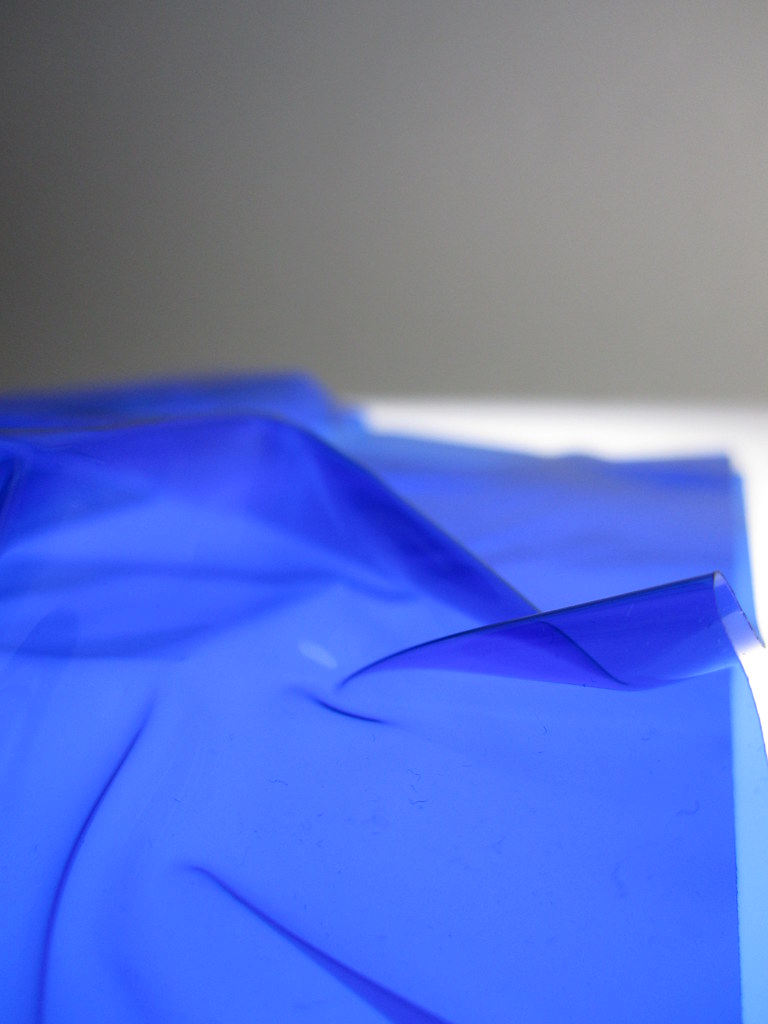
Thermoforming sheets are plastic materials designed to be heated and shaped using molds. They come in different grades, each suited for specific приложения. For example, ABS sheets are tough and impact-resistant, making them ideal for automotive parts. PETG, on the other hand, is food-safe and often used in packaging.
The Impact of Material Selection on Project Outcomes
Picking the wrong thermoforming materials can lead to product failure or increased costs. A ездить или умереть approach won’t cut it—you need to match the sheet’s properties to your project’s demands. Factors like temperature resistance, flexibility, and clarity must be considered to ensure success.
Overview of Common Thermoforming Sheet Materials
Here’s a quick look at three popular thermoforming sheet materials:
- ABS: Durable and impact-resistant, great for automotive and industrial uses.
- PETG: Food-safe and clear, perfect for packaging and medical applications.
- HIPS: Lightweight and easy to mold, often used for disposable products.
Thermoforming Sheet Performance Comparison
| Материал | Прочность | Flexibility | Temperature Resistance | Common Uses |
|---|---|---|---|---|
| ABS | Высокий | Умеренный | Up to 200°F | Auto parts, tool housings |
| PETG | Средний | Высокий | Up to 160°F | Food packaging, medical trays |
| HIPS | Низкий | Высокий | Up to 140°F | Disposable cups, retail displays |
| Поликарбонат | Очень высокий | Низкий | Up to 280°F | Bulletproof glass, aerospace |
| ПВХ | Средний | Умеренный | Up to 150°F | Signage, construction panels |
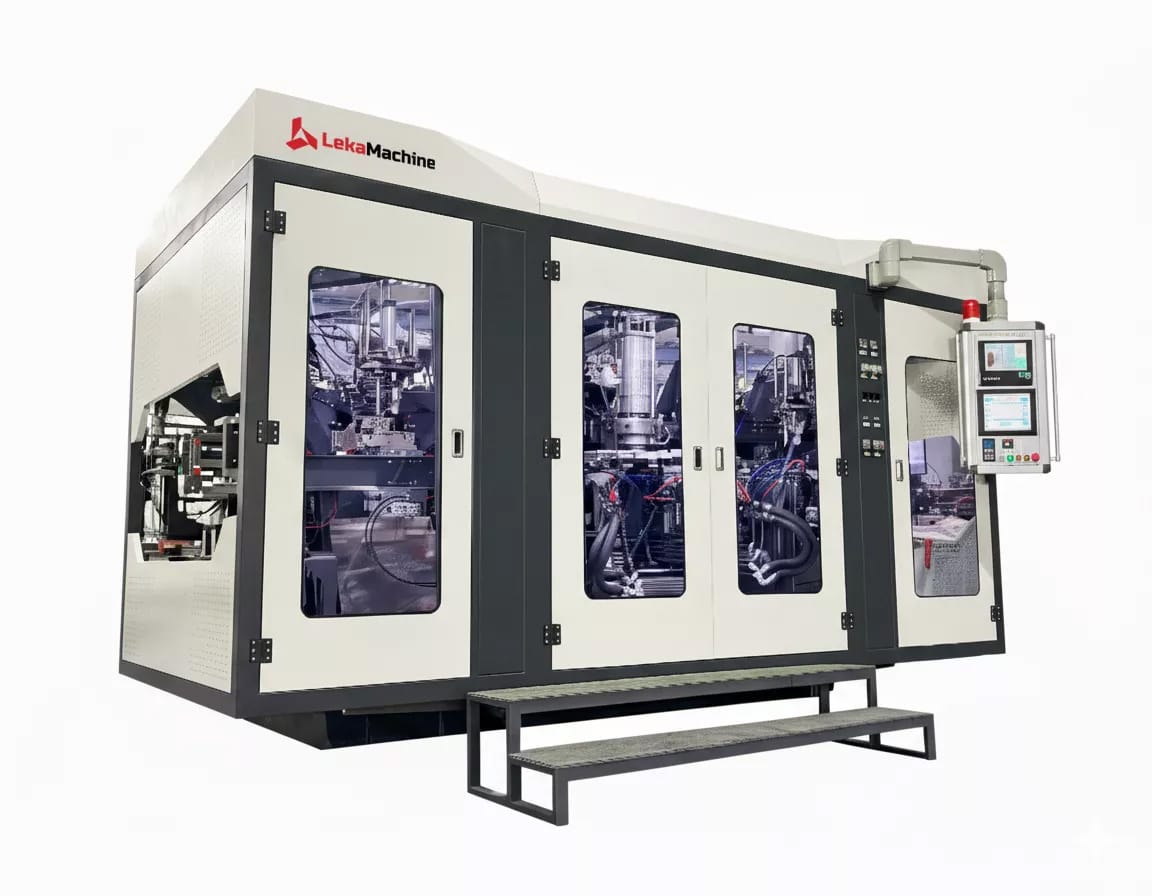
Understanding how to choose thermoforming sheet grade is essential for optimizing production. Lekamachine’s expertise in от Lekamachine can help businesses navigate these decisions, ensuring cost-effective and high-performance outcomes.

Comparing Key Thermoforming Sheet Materials: ABS, PETG, and HIPS
Thermoforming sheets come in various materials, each with unique properties that make them suitable for different applications. Understanding the difference between ABS and PETG thermoforming sheets, along with HIPS options, helps manufacturers make informed decisions that impact product quality and production efficiency.
“Selecting the right thermoforming sheet material can reduce production waste by up to 30% while improving product performance, according to industry studies.”
ABS: High Impact Resistance and Durability
ABS thermoforming sheets are known for their toughness and impact resistance, making them ideal for automotive parts and protective equipment. Their ability to withstand repeated stress without cracking makes them a go-to choice for industrial applications where durability is paramount.
PETG: Clarity and Chemical Resistance
PETG plastic sheets offer excellent clarity and resistance to chemicals, perfect for medical packaging and food containers. Their FDA-approved status makes them safe for direct food контакт, while their formability allows for complex shapes in transparent packaging.
HIPS: Cost-Effectiveness and Lightweight Applications
High Impact Polystyrene (HIPS) sheets provide an economical solution for disposable products and retail displays. Their lightweight nature reduces shipping costs while maintaining sufficient strength for short-term use applications.
Thermoforming Sheet Properties Comparison
| Property | ABS | PETG | HIPS |
|---|---|---|---|
| Heat Resistance (°F) | 200 | 160 | 140 |
| Impact Strength (J/m) | 400 | 250 | 150 |
| Formability Rating | 7/10 | 9/10 | 8/10 |
| Химическая стойкость | Хорошая | Отличная | Удовлетворительно |
| Cost per sq. ft. | $1.20 | $1.50 | $0.80 |
Lekamachine’s experience with thermoforming sheets shows that material selection directly affects production outcomes. Their client case studies demonstrate how proper material choice reduced cycle times by 15% in косметическая упаковка applications while improving product consistency.

Industry-Specific Applications of Thermoforming Sheets
Thermoforming sheets serve diverse industries with specialized material requirements that impact product performance and safety. Understanding the best thermoforming sheets for specific applications helps manufacturers optimize their production processes while meeting industry standards.
“Industry-specific thermoforming sheet selection can improve product shelf life by 40% in food packaging while reducing material costs by 25% in disposable products.”
Food Packaging: PETG for Heat Resistance and Clarity
The food industry primarily uses PETG thermoforming sheets for their excellent clarity and ability to withstand sterilization temperatures. These vacuum forming sheets create tamper-evident packaging that maintains food freshness while allowing product visibility.
Automotive and Industrial Parts: ABS for Durability
ABS dominates automotive applications where impact resistance and structural integrity are critical. The thermoforming process with ABS sheets produces durable components like dashboards and protective housings that withstand harsh operating conditions.
Cosmetics and Pharmaceuticals: PETG and HDPE for Sterility
Cosmetic and pharmaceutical packaging demands materials that combine aesthetic appeal with sterile protection. PETG offers crystal-clear presentation while HDPE provides chemical resistance for sensitive formulations.
Disposable Products: HIPS for Cost-Efficiency
HIPS thermoforming sheets deliver economical solutions for single-use items like food containers and retail packaging. Their lightweight properties reduce shipping costs while maintaining sufficient durability for short-term use.
Industry-Specific Thermoforming Sheet Requirements
| Промышленность | Primary Material | Ключевое требование | Thickness Range (mm) | Отделка поверхности |
|---|---|---|---|---|
| Упаковка для пищевых продуктов | PETG | Соответствие требованиям FDA | 0.5-2.0 | Glossy |
| Автомобили | ABS | Impact Resistance | 1.5-5.0 | Textured |
| Медицина | PETG/HDPE | Sterilization | 1.0-3.0 | Matte |
| Retail | HIPS | Cost Efficiency | 0.8-2.5 | Printable |
| Электроника | ABS/PC | ESD Protection | 2.0-4.0 | Conductive |
Lekamachine’s experience across industries demonstrates how proper material selection in thermoforming sheets can enhance production efficiency. Their work with cosmetic clients shows how specialized PETG formulations reduced material waste by 18% while improving package clarity.
Key Factors to Consider When Selecting Thermoforming Sheets
Choosing the right thermoforming sheets requires careful evaluation of multiple technical and commercial factors. These decisions impact product performance, manufacturing efficiency, and overall project costs.
“Proper thermoforming sheet selection can reduce production costs by 20-30% while improving product quality, according to industry benchmarks.”
Heat Resistance and Formability Requirements
Thermoforming sheets must withstand processing temperatures while maintaining dimensional stability. Materials like PETG offer excellent formability for complex shapes, while polycarbonate provides superior heat resistance for high-temperature applications.
Impact Resistance vs. Cost Considerations
ABS thermoforming sheets deliver outstanding impact strength but at higher costs than HIPS alternatives. The thermoforming process often requires balancing durability needs with budget constraints, especially for high-volume production.
Surface Finish and Post-Processing Needs
Different thermoforming sheet grades offer varying surface qualities – from high-gloss PETG for premium packaging to textured ABS for automotive interiors. Post-processing requirements like painting or printing should influence material selection.
Sustainability and Recyclability Factors
Environmental considerations are increasingly important, with PETG and HDPE thermoforming sheets offering better recyclability than polystyrene alternatives. Many manufacturers now prioritize materials with recycled content.
Lead Times for Custom Sheet Orders
Specialty thermoforming materials may require longer lead times. Lekamachine’s experience shows that planning material procurement 4-6 weeks in advance prevents production delays for custom projects.
Thermoforming Sheet Selection Matrix
| Фактор | Приоритет | ABS | PETG | HIPS |
|---|---|---|---|---|
| Heat Resistance | Высокий | ★★★ | ★★☆ | ★☆☆ |
| Ударная прочность | Средний | ★★★ | ★★☆ | ★☆☆ |
| Cost Efficiency | Высокий | ★☆☆ | ★★☆ | ★★★ |
| Возможность вторичной переработки | Средний | ★★☆ | ★★★ | ★☆☆ |
| Время выполнения | Низкий | 3-4 weeks | 2-3 недели | 1-2 недели |
Understanding how to choose thermoforming sheet grade involves evaluating these factors against specific project requirements. Lekamachine’s technical team often assists clients in navigating these decisions to optimize both performance and cost-efficiency.

Conclusion and Next Steps for Your Project
Selecting the right thermoforming sheets is a critical decision that impacts product quality and manufacturing efficiency. Throughout this guide, we’ve explored how different materials serve specific applications, from durable ABS for automotive parts to crystal-clear PETG for food packaging.
“The best thermoforming sheets for specific applications balance performance requirements with budget considerations while meeting industry standards.”
Обзор свойств материалов
Листы для термоформовки значительно различаются по своим свойствам: АБС предлагает превосходную ударную вязкость, ПЭТГ обеспечивает превосходную прозрачность и химическую стойкость, а УПС предлагает экономически эффективные решения для изделий одноразового использования. Процесс термоформовки по-разному работает с каждым материалом, что влияет как на скорость производства, так и на конечное качество продукта.
Оценка требований вашего проекта
При выборе листов для вакуумной формовки учитывайте следующие ключевые факторы:
- Рабочая среда и температурные диапазоны
- Требуемая долговечность и срок службы изделия
- Нормативные требования и требования безопасности
- Бюджетные ограничения и объемы производства
Поиск качественных материалов
Сотрудничайте с надежными поставщиками, которые могут предоставить:
- Сертификаты на материалы и технические паспорта
- Стабильное качество от партии к партии
- Техническую поддержку по подбору материалов
- Возможность индивидуального составления рецептуры при необходимости
Итоговые рекомендации
Для специализированных применений проконсультируйтесь с экспертами, такими как Lekamachine, которые могут порекомендовать индивидуальные решения. Их межотраслевой опыт может помочь определить оптимальные листы для термоформовки для ваших конкретных нужд, одновременно оптимизируя производственную эффективность.
Заключение
После многих лет работы в сфере термоформовки я усвоил одну вещь: выбор правильного листа — это не только вопрос технических характеристик, это вопрос соответствия материала задаче. Будь то АБС для прочных автодеталей или ПЭТГ для кристально чистой пищевой упаковки, неправильный выбор может стоить вам времени, денег и репутации.
По моему опыту, лучшие проекты начинаются с вопроса: Чему должна противостоять это изделие? Теплу? Ударам? Стерилизации? Определите это, и вы уже опережаете 90% производителей. Все остальное — просто тонкая настройка.
Так что, если вы взвешиваете варианты, помните: ваш лист для термоформовки — это не просто материал, это ездить или умереть партнер вашего продукта.
ЧАСТО ЗАДАВАЕМЫЕ ВОПРОСЫ
Q1: What is thermoforming?
A1: . Выбирайте мудро, и он будет служить вам долго после остывания пресс-формы. Термоформовка — это производственный процесс, который включает нагрев пластикового.
Q2: What materials are commonly used for thermoforming sheets?
A2: листа до гибкой температуры, его формование над пресс-формой и охлаждение для придания конкретной формы. Эта техника широко используется для создания различных пластиковых изделий.
Q3: What are the different grades of thermoforming sheets?
A3: Распространенные материалы для листов термоформовки включают АБС, ПЭТГ, поликарбонат и акрил. Каждый материал обладает уникальными свойствами, которые делают его подходящим для различных областей применения.
Q4: How do I choose the right thermoforming sheet for my application?
A4: Листы для термоформовки доступны в различных марках в зависимости от их толщины, гибкости и ударной вязкости. АБС и ПЭТГ являются популярными вариантами, где АБС известен своей прочностью, а ПЭТГ — прозрачностью и химической стойкостью.
Q5: What is vacuum forming in the context of thermoforming?
A5: Выбор правильного листа для термоформовки предполагает учет таких факторов, как ударная вязкость, формуемость, цена и конкретные требования вашего применения, такие как термостойкость или прозрачность. Вакуумная формовка — это подвид термоформовки, при котором пластиковый лист нагревается, а затем протягивается над пресс-формой.
Q6: What are some common applications of thermoforming sheets?
A6: за счет создания вакуума под ним, что позволяет производить сложные формы.
Q7: Are thermoforming sheets recyclable?
A7: Листы для термоформовки используются в различных областях, включая упаковку, автомобильные детали, медицинские изделия и индивидуальные дисплеи, благодаря своей универсальности и экономической эффективности.
Q8: What are the benefits of using thermoforming sheets?
A8: Да, многие листы для термоформовки, изготовленные из таких материалов, как ПЭТГ и АБС, подлежат вторичной переработке. Однако процесс переработки может различаться в зависимости от местных возможностей и нормативных требований.
Внешние ссылки
- Листы для термоформовки предлагают ряд преимуществ, включая гибкость дизайна, сокращение отходов материала, быстрое время производства и возможность создания легких, но прочных изделий.
- Что такое термоформовка? – Википедия
- Обзор процесса термоформовки – SEKISUI KYDEX.
- Введение в термоформовку – Aero-Plastics Inc.
- Основы листов для термоформовки – Productive Plastics Inc.
- Руководство по термоформовке – Formlabs
- Простые в термоформовке листовые пластиковые материалы - Curbell Plastics
- Применение термоформовки – Vantage Plastics


0 Комментариев