
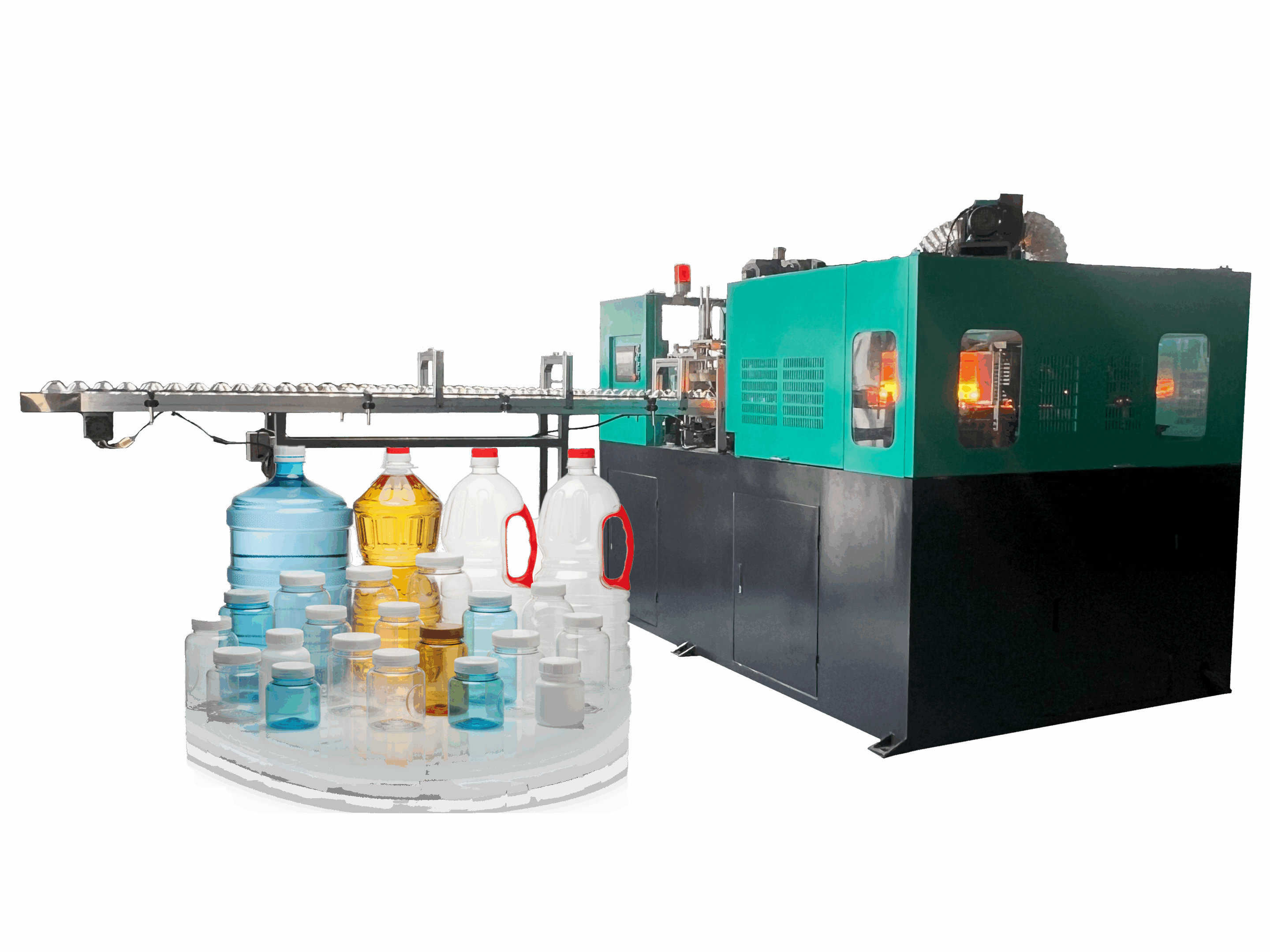
Industrial Packaging Machinery: A Simple Guide for Bottle & Packaging Factories
When people search for “industrial packaging machinery”, they are usually planning a new line, upgrading old equipment, or bringing production in-house.
This simple guide explains what industrial packaging machinery is, who needs it, and how all the different machines connect in a real factory — especially if you make HDPE / PP or PET bottles. It is written from the viewpoint of a blow molding machine manufacturer working with bottle factories every day.
Who Needs Industrial Packaging Machinery?
OEM Bottle & Packaging Factories
These are contract packagers that produce bottles and sometimes filled products for big food, beverage, pharmaceutical, or household brands.
Typical challenges include:
- High labor cost and difficulty hiring skilled operators
- Inconsistent качество when machines are old or not well maintained
- Long changeover times when switching bottle sizes or SKUs
For them, industrial packaging machinery is a way to stabilize output, control scrap rate, and lock in long-term contracts with brand owners.
Brands Bringing Production In-House
More and more food, beverage, and chemical brands are thinking:
“Why don’t we make our own bottles and do our own packaging?”
They search for industrial packaging machinery because they want to understand:
- What a complete line looks like from empty bottle to finished pallet
- How to balance initial budget versus required automation level
- Whether they can start with a few key machines and expand later
For these factories, the right machinery means better control over качество, lead time, and intellectual property.
Engineering Integrators & Turnkey Project Teams
System integrators and project contractors design complete plants:
- They combine different brands of machines into one working line
- They are responsible for layout, installation, and performance
They look for industrial packaging machinery suppliers who:
- Understand how to integrate with upstream and downstream equipment
- Offer stable machines, open communication, and reliable after-sales support
What Do We Mean by “Industrial Packaging Machinery”?
From Product to Pallet – The Whole Picture
In simple words, industrial packaging machinery includes all the equipment that moves your product from individual units to ready-to-ship pallets.
You can think about it in three layers:
- Primary packaging
Where the container is formed and filled.
Example: bottle blowing, filling, capping. - Secondary packaging
Where products are grouped for transport or retail.
Example: labeling, shrink bundling, cartoning. - End-of-line packaging
Where boxes and packs are prepared for the warehouse or truck.
Example: case packing, palletizing, stretch wrapping.
If you make bottles, your Выдувные машины are usually at the very beginning of this chain.
Where Blow Molding Fits in Industrial Packaging Lines
Primary Packaging for HDPE & PET Containers
For bottle factories, the first critical step is making the container itself.
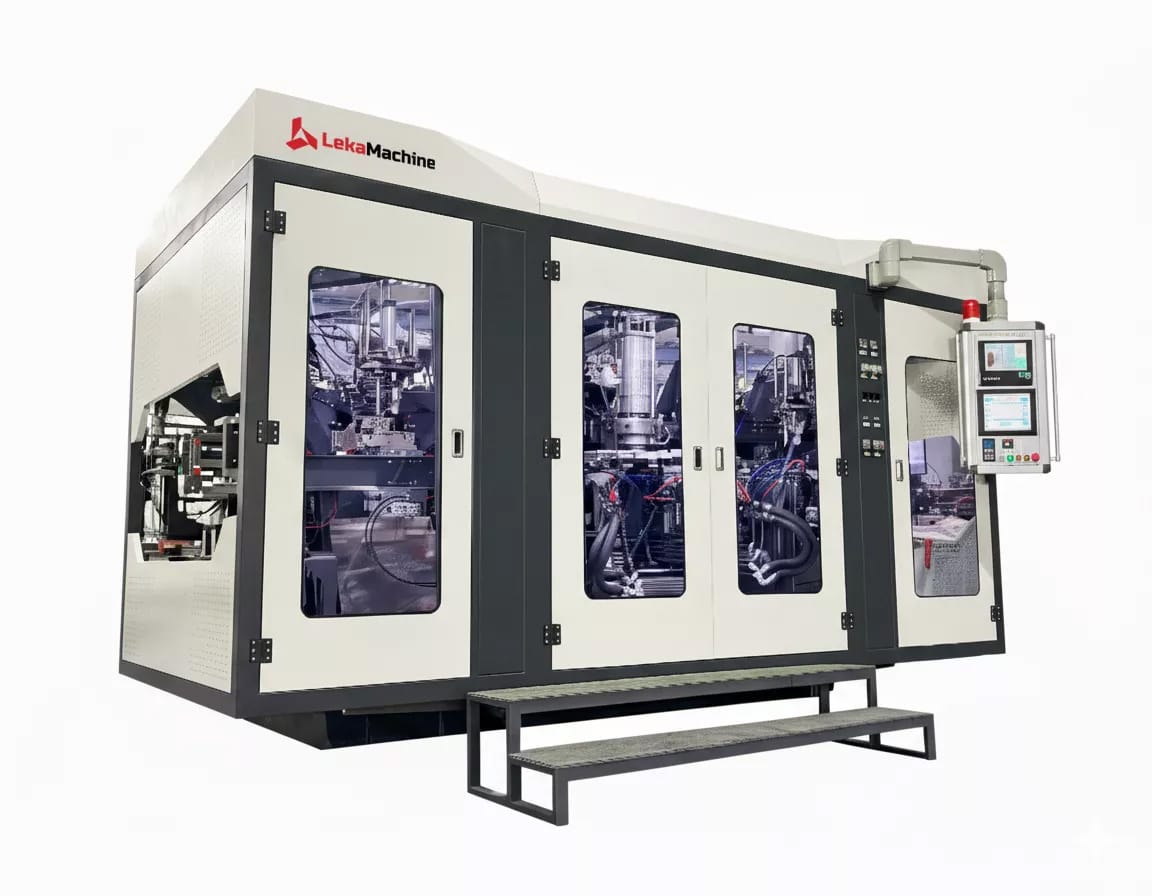
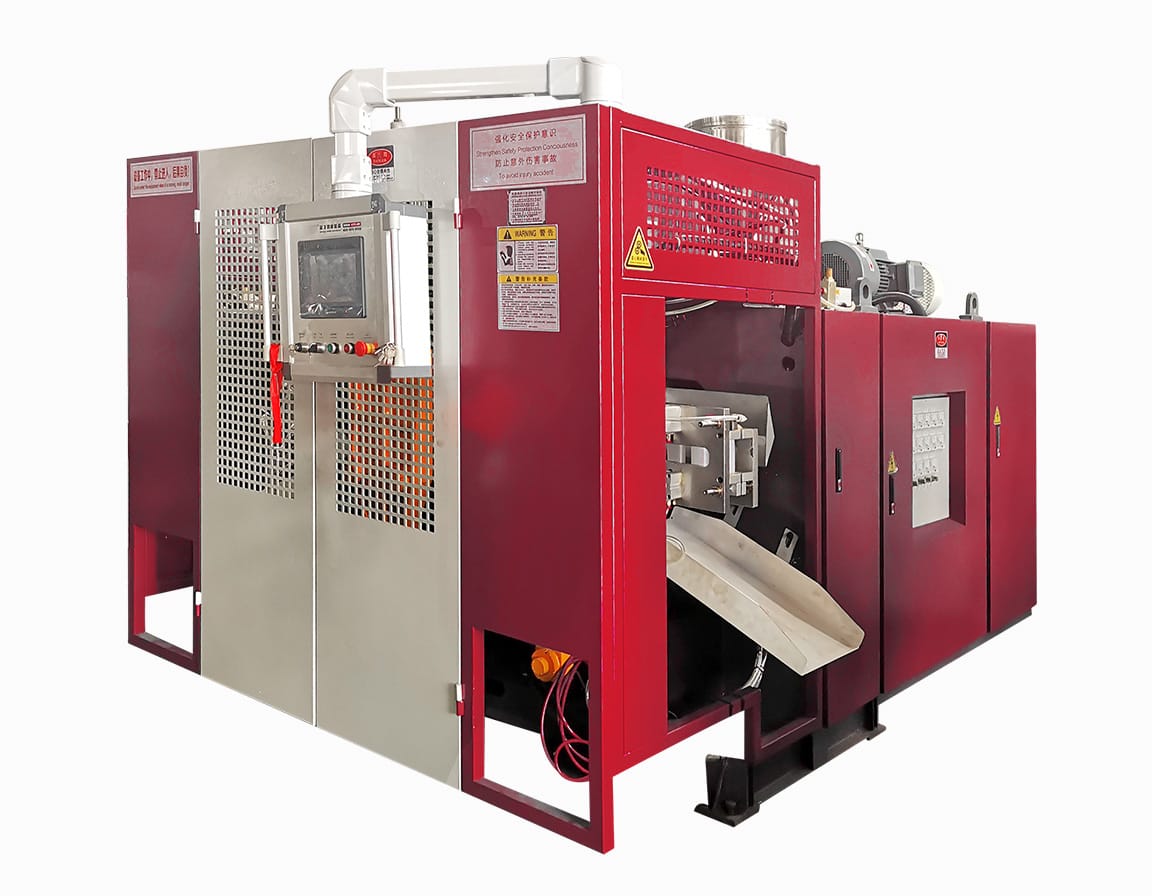
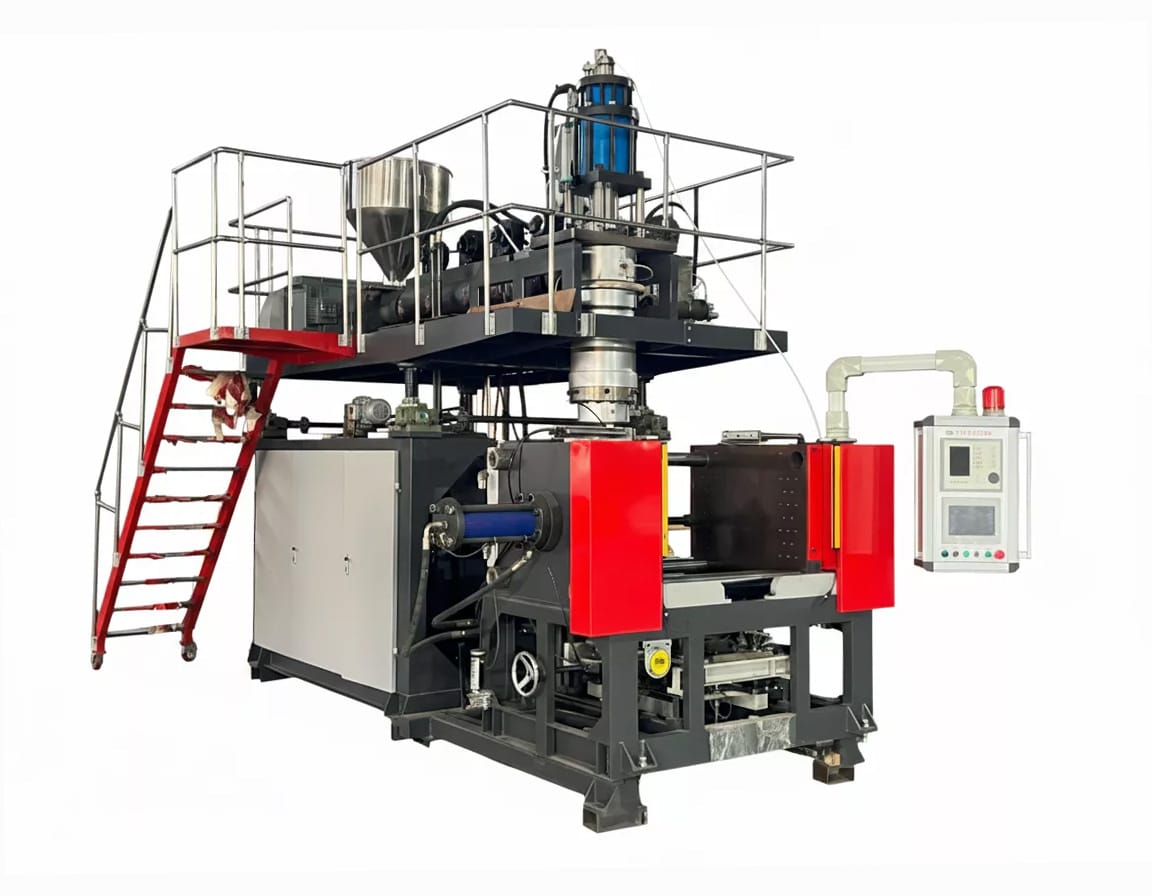
Экструзия Выдувные машины (EBM)
Used mainly for HDPE / PP bottles and jerrycans.
Typical products: milk bottles, detergent bottles, agrochemical containers, lubricant bottles, cosmetic bottles.
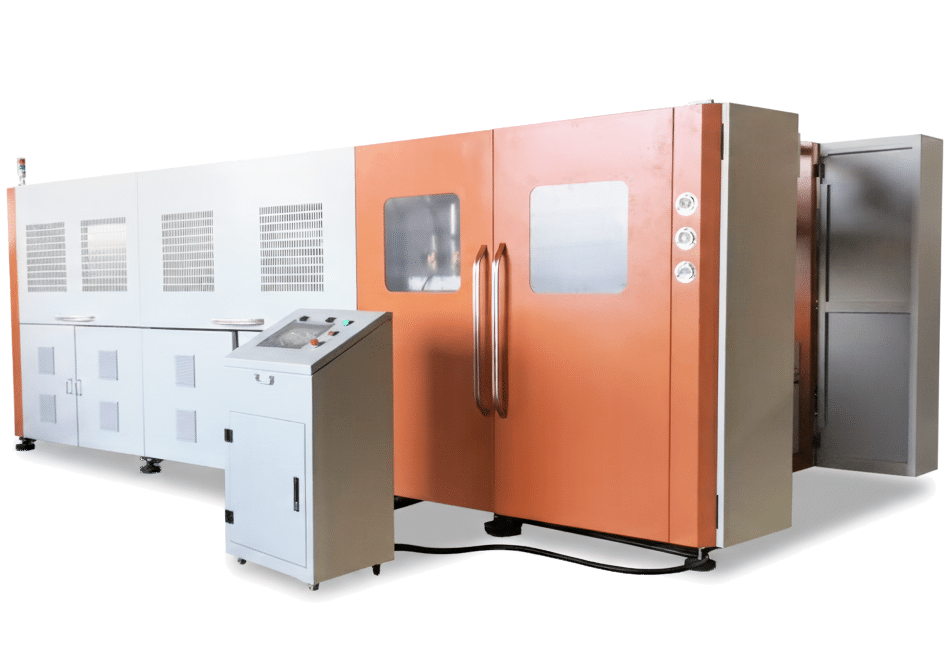
Машины для выдувного формования с вытяжкой (SBM)
Used mainly for ПЭТ-бутылки.
Typical products: water bottles, CSD bottles, juice bottles, edible oil bottles.
This is where LEKA Machine focuses: extrusion blow molding and stretch blow molding for bottle manufacturers.
In most factories, выдувное формование defines:
- The neck finish used on the filling line
- The wall thickness consistency, which affects leak testing and top load
- The cycle time, which must match downstream filling and packaging machines
Learn more about our
Экструзионно-выдувные машины
, Leka Machine может предложить беспристрастное, экспертное сравнение, чтобы помочь вам принять наиболее обоснованное решение.
stretch blow molding machines for PET bottles.
Upstream & Downstream Connections
Выдувное формование is not an isolated island. It sits in the middle of your process.
Upstream of blow molding:
- Material handling (silos, bags, or bins)
- Resin drying or conditioning (for PET)
- Color and additive feeding systems
Downstream of blow molding:
- Trimming and deflashing (for EBM bottles)
- Leak testing and weight checking
- Conveyors to filling machines
- Capping, induction sealing, or other closure systems
- Then labeling, bundling, case packing, palletizing
This is why, when you choose industrial packaging machinery, you must consider the whole line, not just one machine.
Main Types of Industrial Packaging Machinery
Primary Packaging Equipment
- Blow molding machines (EBM / SBM)
Create empty HDPE, PP, or PET bottles and containers. - Filling machines
Fill product into bottles: water, juice, chemicals, cosmetics, oils, and more. - Capping machines
Apply and tighten caps, pumps, or other closures to seal the product.
Secondary Packaging Equipment
- Labeling machines
Apply wrap-around, front-and-back, sleeve, or adhesive labels. - Shrink bundlers and over-wrappers
Group bottles into multipacks or promotional packs. - Cartoning / case forming machines
Form cardboard boxes or trays and load bottles into them.
End-of-Line Equipment
- Case packers
Automatically place bottles or packs into shipping cases. - Stretch wrappers / shrink wrappers
Wrap finished pallets for stability and protection during transport. - Palletizers
Stack boxes or packs onto pallets in a stable pattern.
You may not need every single type from day one, but understanding this list helps you plan your future factory layout.
5 Key Questions Before You Invest in Industrial Packaging Machinery
1. What Products and Materials Do You Run Today and Tomorrow?
Start with your product map:
- HDPE / PP bottles, ПЭТ-бутылки, or both?
- Current volumes (for example 100 ml, 500 ml, 1 L, 5 L)
- Neck finishes and closure types
- Planned new SKUs in the next 2–3 years
The clearer your plan, the easier it is to choose machinery that can grow with your business.
2. What Output and Automation Level Do You Really Need?
Define your required capacity:
- Bottles per hour or per day
- Single shift versus multiple shifts
Then consider automation:
- Руководство – suitable for very small volumes or pilot lines
- Полуавтоматический – some manual loading/unloading, lower cost but higher labor
- Полностью автоматический – higher initial investment, but much lower long-term labor cost and better consistency
A good supplier will help you balance your budget, labor costs, and future growth.
3. How Flexible Must the Line Be?
Ask yourself:
- How often do you change bottle size or design?
- How many different products share the same line?
If changeovers are frequent, look for:
- Quick mold change on Выдувные машины
- Recipe storage for process parameters
- Adjustable conveyors and guides
- Clear, user-friendly HMI screens for operators
Flexibility can save you a lot of hidden cost when your SKU count grows.
4. What Is Your Total Cost of Ownership Target?
The cheapest machine is not always the lowest cost.
Total cost of ownership includes:
- Purchase цена
- Energy consumption (kWh per kg of resin or per bottle)
- Scrap rate and regrind usage
- Spare parts and maintenance
- Downtime and lost production
Even a small improvement in energy per bottle or scrap rate can pay for itself in one to three years on a high-output line. It is worth asking suppliers for real production data instead of only catalog numbers.
5. What Service and Support Do You Expect?
Industrial packaging machinery runs every day, often 24/7.
Before you buy, clarify:
- Can the supplier provide remote support (online diagnostics, process guidance)?
- Do they have local or regional partners for on-site услуга?
- How fast can they supply key spare parts?
- Do they offer operator and maintenance training?
The quality of after-sales support is as important as the machine itself.
Example Layout – From Resin to Palletized Bottles
Step-by-Step Flow
Here is a simple example of a bottle factory flow:
- Resin feeding & preparation
HDPE, PP, or PET is moved from silo or bags to the экструдер or injection system. - Выдувное формование
Extrusion blow molding for HDPE / PP bottles.
Stretch blow molding for PET bottles. - Trimming, leak testing & inspection
Removing flashes (EBM).
Checking for leaks, weight, and visual defects. - Conveying to filling and capping
Clean conveyors transport bottles without damage.
Filling machines dose product into each bottle.
Capping machines apply and tighten closures. - Labeling and secondary packaging
Labels provide branding and regulatory information.
Shrink bundling or cartoning groups bottles for handling. - End-of-line operations
Case packers load products into shipping cases.
Palletizers stack cases on pallets.
Stretch wrappers secure pallets for transport. - Warehouse and shipping
Pallets are stored and then loaded into trucks or containers.
Where Optimization Has the Biggest Impact
Three areas usually give the biggest return:
- Blow molding stage
Energy efficiency, stable wall thickness, and low scrap rate. - Hand-over between machines
Well-designed conveyors and accumulation prevent bottlenecks. - End-of-line reliability
A stopped palletizer can block the entire upstream line.
Working with suppliers who understand the whole flow helps avoid expensive surprises during installation.
How to Choose the Right Industrial Packaging Machinery Partner
More Than a Machine Seller
For long-term success, you do not just need machines. You need a technical partner who can:
- Discuss your bottle design, neck finish, and material selection
- Help you match line speed between выдувное формование, filling, and end-of-line
- Share real experience from similar factories and container types
A good partner will tell you honestly what fits your current stage and what can be added later as you grow.
What to Check Before You Decide
When comparing suppliers, look at:
- Experience in your industry (food, beverage, household, agrochemical, lube oil, and more)
- Reference projects with similar bottle size, material, and output
- Ability to integrate with equipment you already have
- Clarity of documentation, training, and after-sales commitment
These factors will matter long after the purchase order is signed.
Why Bottle Factories Work with LEKA Machine
В Машина ЛЕКА, we focus on extrusion blow molding machines and stretch blow molding machines for HDPE, PP, and PET containers. Our team works closely with OEM bottle factories, brands, and integrators in different regions.
As a Technical Sales Manager, I talk directly with production managers and maintenance teams. Together, we look at real conditions on site — power stability, operator experience, material quality — and choose configurations that make sense for your factory, not just for a brochure.
Our customers typically choose LEKA because:
- We focus on stable wall thickness, low energy per bottle, and reduced scrap
- Our machines have flexible configurations for different bottle sizes and industries
- We support remote troubleshooting and work with local partners for installation and training
If you are planning or upgrading a bottle production line, we are happy to discuss:
- Extrusion blow molding machines for HDPE / PP bottles and jerrycans
- Машины для выдувного формования с вытяжкой for PET water and beverage bottles
- How these machines fit into your existing or future промышленная упаковка line
Learn more about our
Экструзионно-выдувные машины
, Leka Machine может предложить беспристрастное, экспертное сравнение, чтобы помочь вам принять наиболее обоснованное решение.
stretch blow molding machine solutions.
FAQ: Industrial Packaging Machinery for Bottle Producers
Q1: Is it better to buy a full line from one supplier or mix different brands?
Both options can work. Many factories use a mix: выдувное формование from one specialist, filling from another, end-of-line from a third. What matters is that someone takes responsibility for line integration and performance.
Q2: How long does it usually take to install and commission a new blow molding линия?
For a standard line, installation and commissioning may take from a few weeks to a couple of months, depending on factory readiness, utilities, and the number of machines.
Q3: Can I start with semi-automatic для выдувного формования and upgrade to a full line later?
Yes. Many factories start with semi-automatic equipment to test the market. When volumes grow, they invest in fully automatic blow molding and downstream packaging machines.
Q4: What data should I prepare before asking for a quotation?
You will get a much better proposal if you can share:
- Target bottles per hour or per day
- Bottle volumes and materials (HDPE / PP / PET)
- Neck design or closure type
- Available factory space and layout sketch
- Local power supply (voltage, frequency)
With this information, a good supplier can design a решение that truly fits your industrial packaging needs.


0 Комментариев