
The Ultimate Guide to Plastic Processing Machinery: From Raw Pellets to Finished Products?

At our factory, we frequently see clients struggle to match their product ideas with the correct equipment. You want high efficiency and low waste, but the technical options can be overwhelming. Let us help you navigate these choices to build a profitable production line.
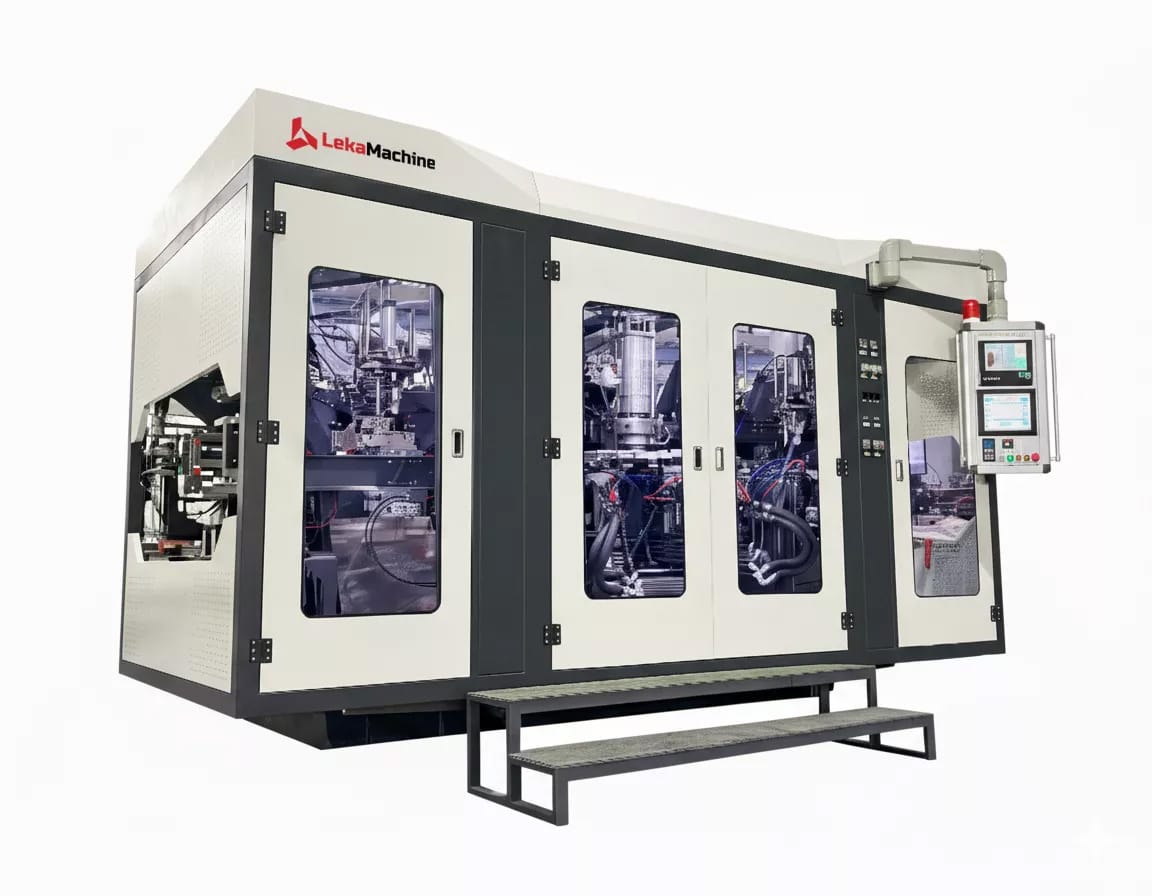
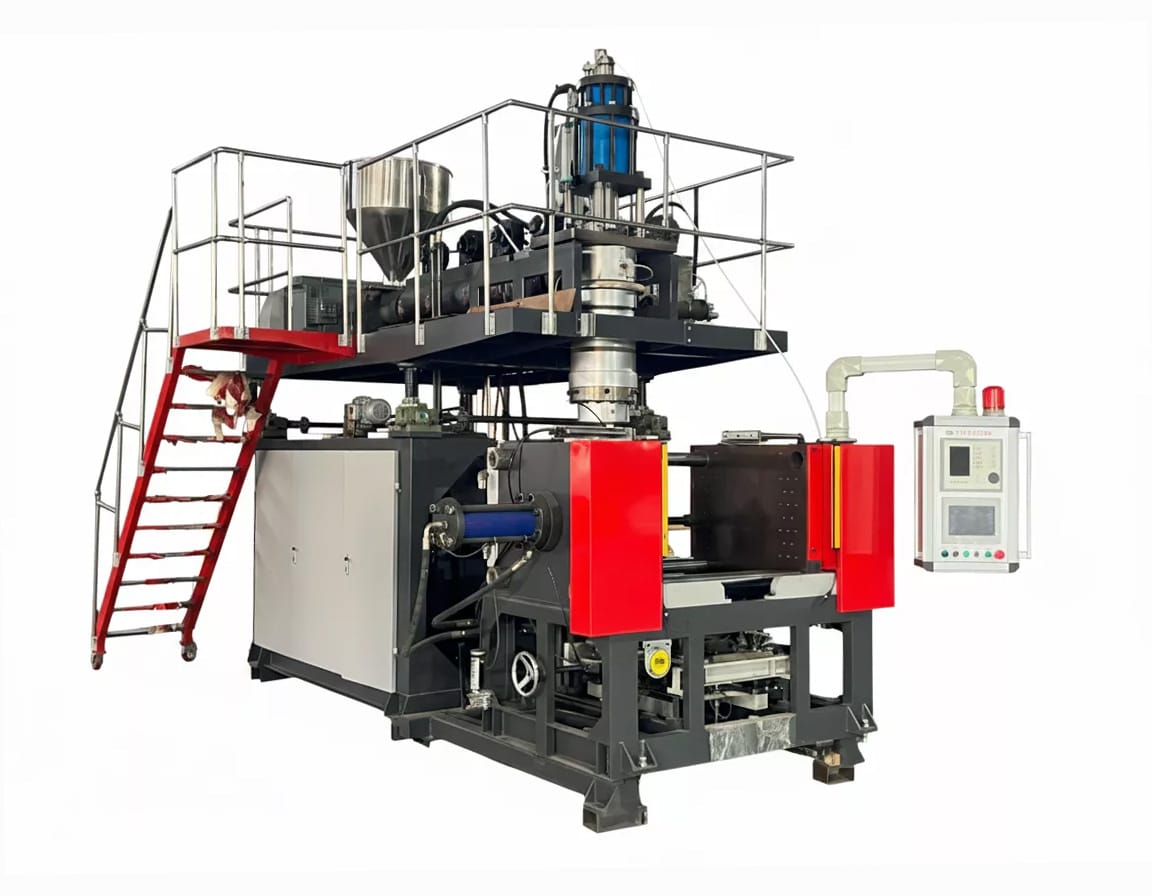
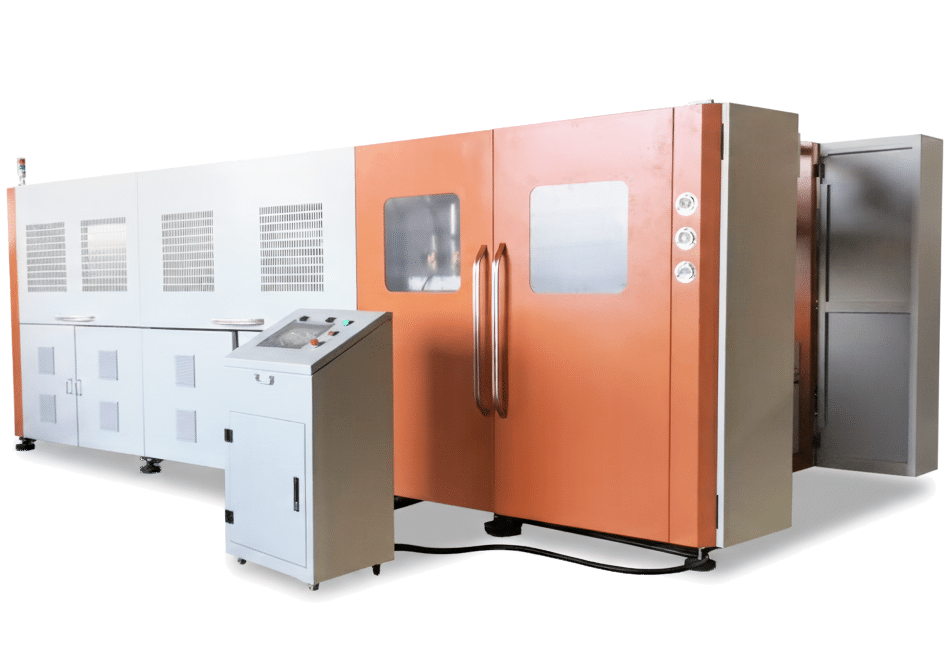
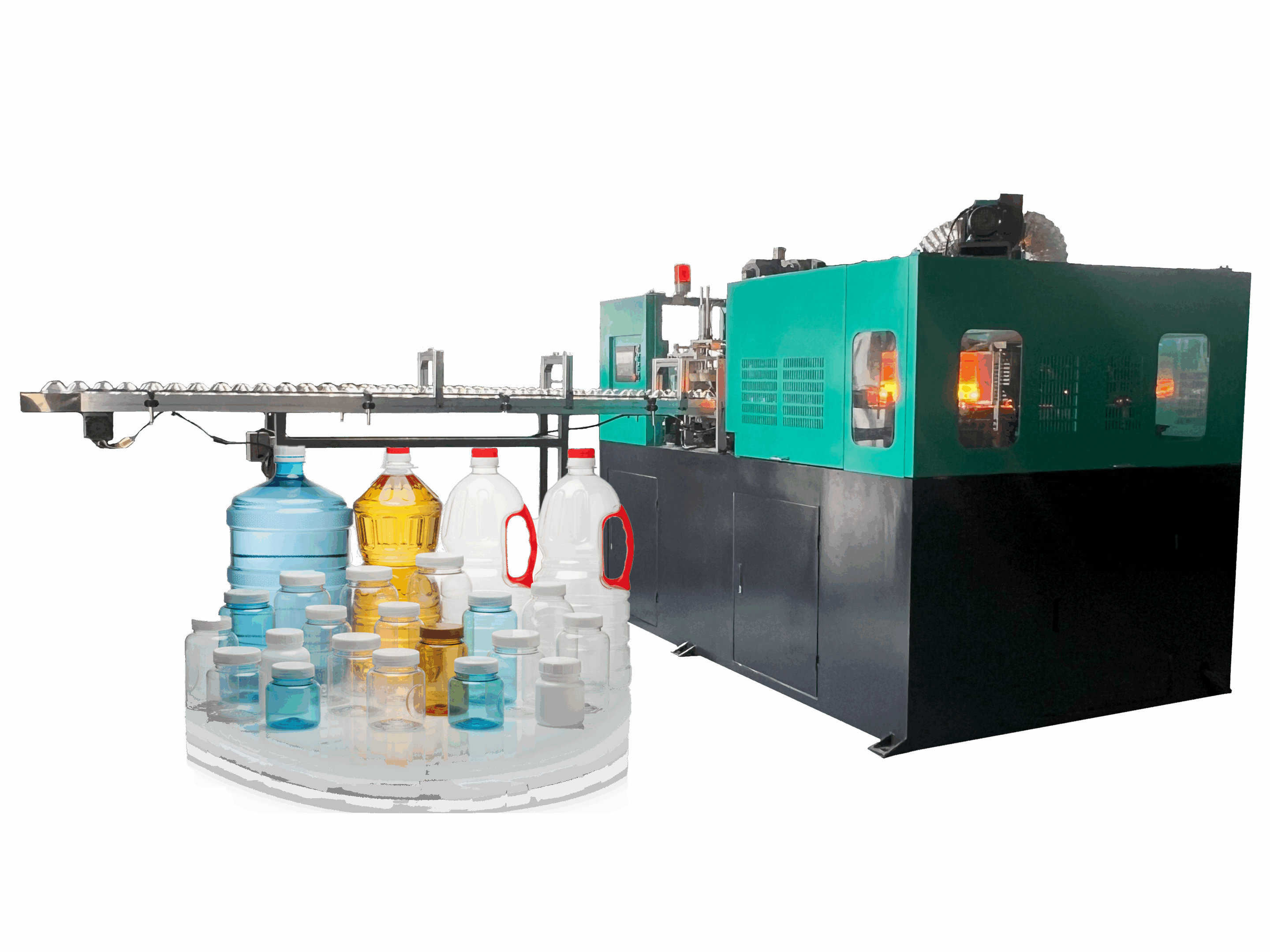
To select the right machinery, prioritize product geometry: use injection molding for solid complex parts, blow molding for hollow containers, and extrusion for continuous profiles. For volumes under 1,000 units, choose 3D printing to avoid tooling costs, whereas high-volume production requires automated molding systems.
Below, we break down the technical specifics to help you make an informed investment decision.
How do I select the right plastic processing machinery for my specific production volume and material type?
We know that choosing the wrong machine type destroys profitability before production even begins. Are you worried about buying a system that cannot handle your specific resin or output targets?
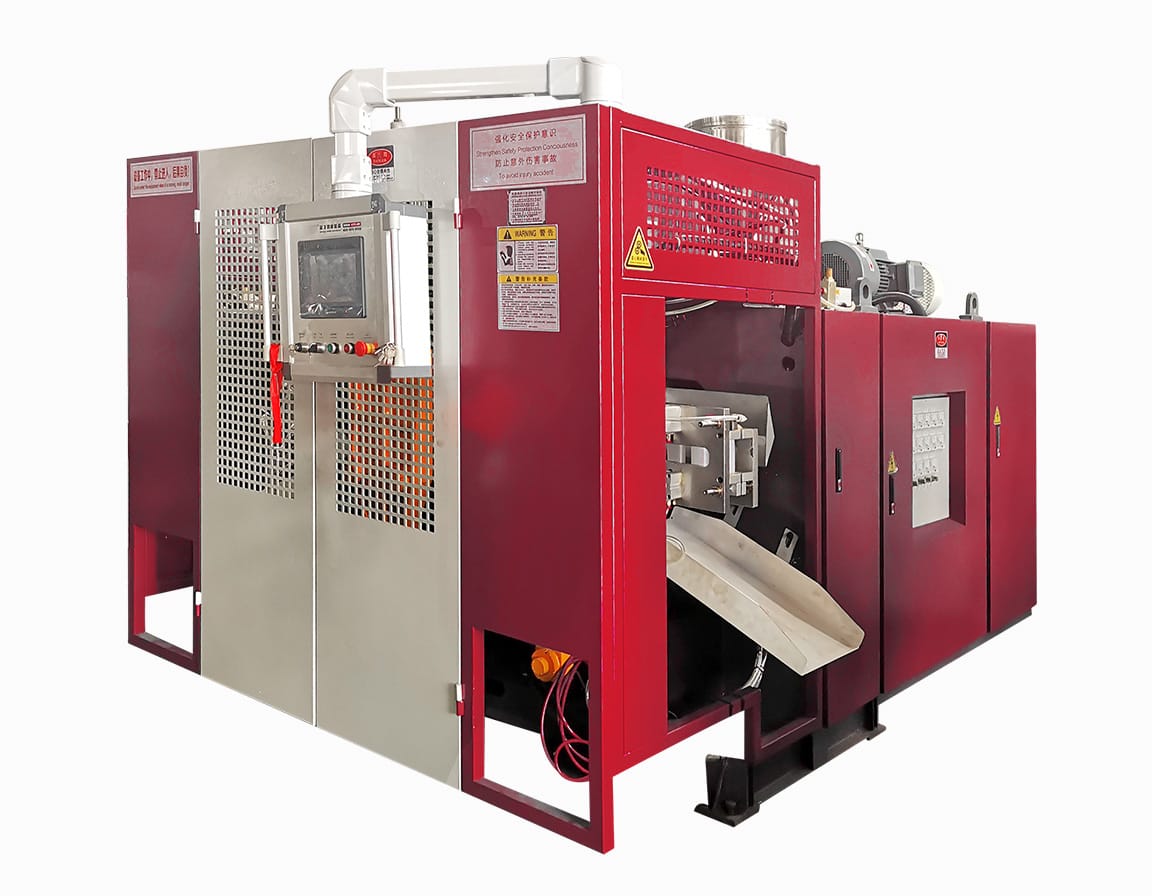
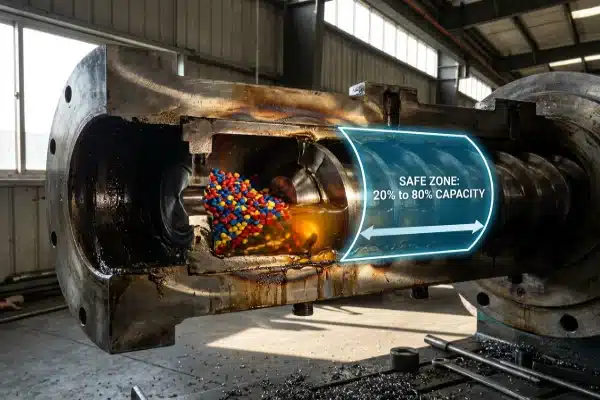
Select machinery based on the "20-80% Rule" regarding shot size capacity. Never utilize less than 20% of the barrel capacity to prevent material degradation, and avoid exceeding 80% to ensure consistent melting. Match clamping force to projected area, typically calculating 2-5 tons per square inch.
When we consult with clients, the first thing we look at is the "Geometry Rule." It sounds simple, but many buyers confuse the capabilities of different machines. If your part is hollow, like a bottle or a tank, you generally need Выдувное формование. If it is a solid, complex shape like a gear or housing, you need Литье под давлением. If it is a continuous shape like a pipe, you need Экструзия.
The Critical Shot Size Rule
One of the most common mistakes we fix is improper barrel sizing. You cannot just look at the maximum output. You must respect the 20-80% Rule.
- Under-utilization (<20%): If you use a massive machine to make a tiny part, the plastic sits in the heated barrel for too long. This "residence time" cooks the material, causing degradation, black specks, and weak parts.
- Over-utilization (>80%): If you push the machine to its limit, the screw cannot melt the plastic fast enough for the next shot. This leads to unmelted pellets in your product and inconsistent cycle times.
Screw Design and Mixing
We also advise paying close attention to the Соотношение L/D (Length-to-Diameter ratio) of the screw. Standard machines often use a 20:1 ratio. However, if you are mixing color masterbatches or using engineering resins, our engineers recommend a ratio of 24:1 or 28:1. The longer screw ensures better mixing and homogeneity.
Process Selection Matrix
Use this table to align your product goals with the correct technology:
| Production Goal | Recommended Process | Typical Quantity | Стоимость оснастки |
|---|---|---|---|
| Прототипирование | 3D Printing / Vacuum Casting | 1 – 1,000 units | Низкий |
| Hollow Containers | Экструзионное выдувное формование (ЭВФ) | > 5,000 units | Средний |
| Beverage Bottles | Двухосное выдувное формование (ДВФ) | > 50,000 units | Высокий |
| Complex Solid Parts | Литье под давлением | > 10,000 units | Высокий |
| Continuous Profiles | Экструзия | Непрерывный | Средний |
Our sales team frequently warns buyers that the machine price is just the beginning of the investment. Ignoring necessary peripherals leads to budget overruns and stalled production lines.
You must allocate an additional 30-40% of your total machine budget for essential auxiliary equipment. This includes chillers, mold temperature controllers, material loaders, and granulators. Without this buffer, you risk having a non-functional line despite purchasing the primary processing machinery.

A machine cannot run in isolation. We often see business plans that fail because the buyer focused solely on the "sticker price" of the blow molding or injection molding machine. In reality, the auxiliary equipment is what keeps the machine running consistently.
auxiliary equipment 1
The 40% Auxiliary Rule
When we quote a project, we always include the peripherals. If you buy a high-speed machine but use a cheap, undersized chiller, your cycle time will double. You are effectively paying for high performance but getting low performance.
You need to budget for:
- Chillers: To remove heat from the mold.
- Mold Temperature Controllers (TCUs): To keep the mold warm during start-up and steady during running.
- Material Loaders: To move pellets from bags to the hopper automatically.
- Granulators: To recycle waste immediately.
Runner Systems: Hot vs. Cold
Another hidden cost lies in the mold design. You have a choice between Cold Runners and Hot Runners.
- Cold Runners: These are cheaper to build upfront. However, every cycle produces a "runner" (waste plastic) that must be ejected, collected, and reground. This wastes energy and material.
- Hot Runners: These cost significantly more initially. However, they keep the plastic molten all the way to the cavity. There is zero waste. For high-volume projects, our ROI calculations almost always favor hot runners despite the higher initial price tag.
Estimated Cost Breakdown
Here is how a typical budget distributes for a healthy production line:
| Cost Category | Allocation | Why it is critical |
|---|---|---|
| Primary Machine | 60% | The core engine of production. |
| Auxiliaries | 25% | Chillers, compressors, and loaders ensure stability. |
| Установка | 10% | Power, water, and air hookups are often underestimated. |
| Spare Parts Kit | 5% | Prevents days of downtime waiting for a single sensor. |
How can I improve energy efficiency and reduce cycle times in my plastic processing operations?
In our testing center, we fight for every second of cycle time to maximize output for our clients. High energy bills and slow output kill margins, but optimization is easier than you think.
High energy bills 2
To drastically reduce cycle times, invest in molds with conformal cooling channels, which can improve efficiency by 20-40%. Additionally, ensure your cooling water achieves a Reynolds number greater than 4000 for turbulent flow, maximizing heat transfer and preventing insulating boundary layers inside mold channels.
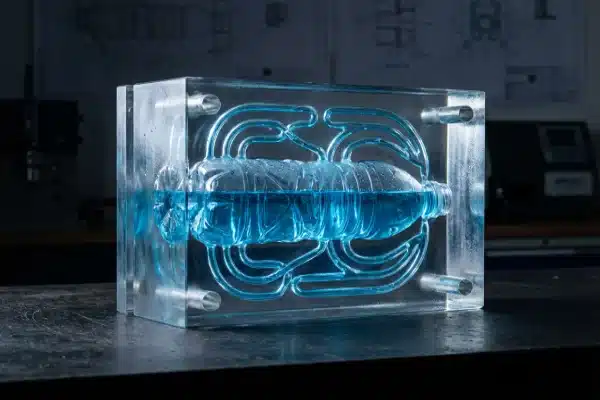
Cooling usually accounts for 70% of the entire cycle time. If you want to make more money, you don’t need a faster robot; you need better cooling. We focus heavily on thermal dynamics when setting up a new line.
Conformal Cooling Technologies
Traditional molds have straight cooling lines drilled into the steel. They cannot reach curved areas effectively. This leads to "hot spots" that force you to wait longer for the part to cool down.
We recommend Conformal Cooling. This involves using 3D metal printing to create cooling channels that follow the exact curve of your product. It acts like a custom radiator for your part. While the mold cost is higher, the cycle time reduction (often 20% to 40%) pays for the mold in a few months of high-volume production.
The Science of Water Flow
It is not enough to just have cold water. You need "Turbulent Flow."
If your water moves too slowly (Laminar Flow), a layer of warm water sticks to the walls of the cooling channel. This acts like insulation. You want the water to be chaotic (Turbulent) so it grabs the heat effectively.
reaching a Dew Point 3
We use the Reynolds Number to measure this. You need a number above 4000. To achieve this, you must ensure your pump pressure and channel diameter are perfectly matched.
Flow Efficiency Comparison
| Flow Type | Reynolds Number | Heat Transfer Efficiency | Result |
|---|---|---|---|
| Laminar Flow | < 2300 | Низкий | Slow cooling, potential warping. |
| Transient Flow | 2300 – 4000 | Средний | Inconsistent cooling rates. |
| Turbulent Flow | > 4000 | Высокий | Maximum cooling speed, stable dimensions. |
What maintenance protocols should I implement to ensure long-term reliability of my plastic processing equipment?
We build machines to last, but neglect destroys even the best steel components over time. Unplanned downtime ruins delivery schedules. Regular care prevents expensive emergency repairs later.
corrosive gas 4
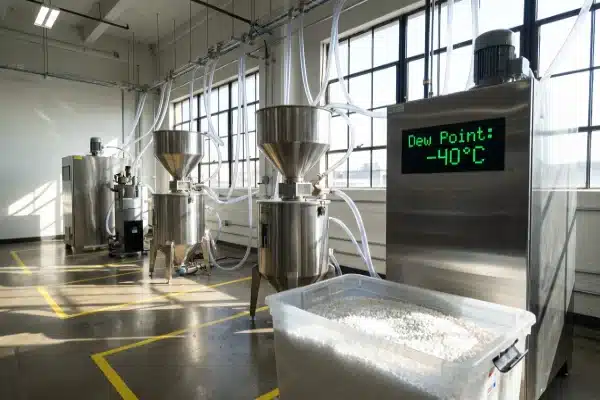
Implement a daily protocol to inspect and clean mold vents to prevent the "Diesel Effect," where trapped air burns parts and corrodes steel. Furthermore, strictly monitor material drying; hygroscopic resins like Nylon require a Dew Point of -40°C to prevent structural hydrolysis.
Maintenance is not just about fixing things when they break; it is about process consistency. We tell our operators that a clean machine is a profitable machine.
3D metal printing 6
Venting and the "Diesel Effect"
This is a critical concept often ignored. When plastic fills a mold, the air inside must escape. If your vents are clogged with dirt or residue, that air gets trapped.
engineering resins 7
Under high pressure, trapped air heats up instantly—similar to how a diesel engine works. This causes a burn mark on your product. Worse, it creates corrosive gas that eats away at your expensive mold steel. We mandate a daily vent cleaning protocol to stop this.
Length-to-Diameter ratio 8
Material Handling and Drying
Understanding your material is vital. Resins like Polypropylene (PP) and Polyethylene (PE) are non-hygroscopic; they don’t absorb water deeply. You can dry them with simple hot air.
improper barrel sizing 9
However, engineering resins like Nylon (PA), PET, and Polycarbonate (PC) are hygroscopic. They drink moisture from the air. If you melt wet Nylon, the water turns to steam inside the plastic. This breaks the molecular chains (hydrolysis), making the part brittle. You must use a Desiccant Dryer capable of reaching a Dew Point of -40°C.
Essential Maintenance Schedule
| Частота | Action Item | Criticality |
|---|---|---|
| Daily | Clean mold vents & parting lines | Высокий |
| Еженедельник | Check hydraulic oil levels & filter status | Средний |
| Ежемесячно | Grease toggle systems & check heater bands | Высокий |
| Ежеквартально | Calibrate barrel temperature sensors | Средний |
| Yearly | Check screw wear & non-return valve ring | Высокий |
Заключение
Selecting the right machinery involves analyzing geometry, budgeting for auxiliaries, and committing to strict maintenance. We hope this guide helps you build a profitable, efficient production line.
solid, complex shape 10
Сноски
- Overview of necessary peripherals from a top supplier. ↩︎
- Government resources on industrial energy management. ↩︎
- Standards body reference for moisture measurement. ↩︎
- Government safety guidelines regarding hazardous fumes. ↩︎
- Authoritative scientific definition of fluid flow dynamics. ↩︎
- Educational resource on advanced additive manufacturing technologies. ↩︎
- Industry organization database of polymer properties. ↩︎
- Technical specifications from a major screw manufacturer. ↩︎
- Manufacturer guidance on selecting correct machine specifications. ↩︎
- General background on the injection molding process. ↩︎


0 Комментариев