
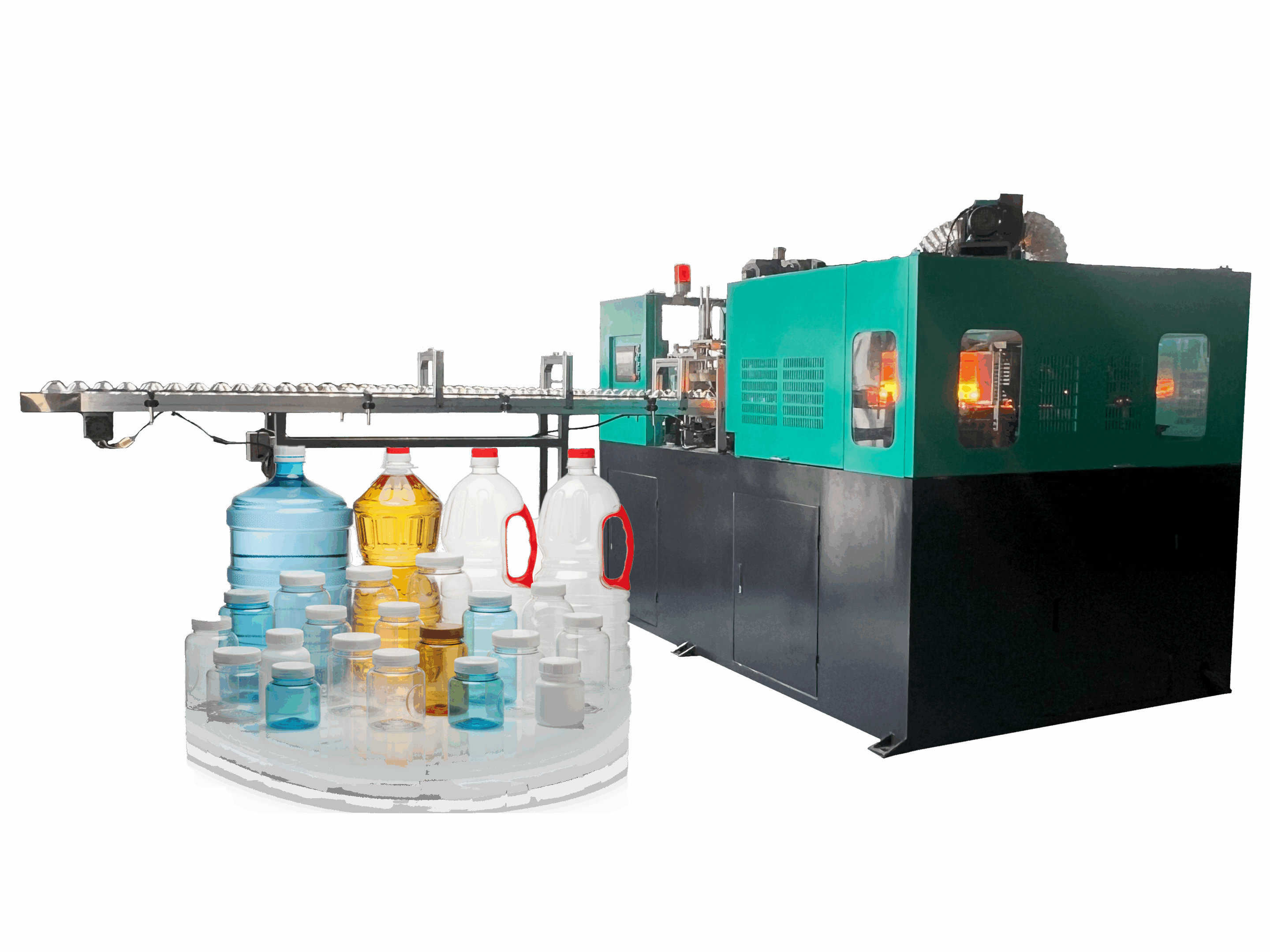
Как закупать пластиковые бутылки оптом (2025): руководство для производителей
Is your business’s growth being bottlenecked by unreliable packaging suppliers or the high cost of retail-sourced bottles? You’re not alone. Sourcing plastic bottles effectively is a critical, yet often underestimated, step in scaling profitably. It’s a decision that impacts your profit margins, your brand perception, and even your operational efficiency. Many businesses start by buying bottles off the shelf or in small quantities online, and that’s a perfectly fine place to begin. But there comes a point where that strategy stops working. The costs become unmanageable, the supply becomes unpredictable, and your brand gets stuck in a sea of generic packaging.
This guide provides a manufacturer’s perspective on the entire sourcing process. As a technical sales manager at Leka Machine, I’ve spent over a decade helping businesses navigate this exact journey. I’ve seen companies cripple their cash flow by partnering with the wrong supplier, and I’ve seen others achieve explosive growth by taking control of their packaging destiny. We’ll move beyond simple supplier lists to give you the framework for making smart, long-term packaging decisions—from your first pallet of bottles to your very first in-house production run.
This isn’t just another list of suppliers. This is a strategic roadmap. We’ll cover:
- Choosing the right plastic material (PET vs. HDPE) for your product.
- A step-by-step guide to finding suppliers with practical Google search techniques.
- Understanding the crucial difference between manufacturers, distributors, and wholesalers.
- A checklist of critical questions to ask any potential supplier.
- How to meet consumer demand by sourcing sustainable, recycled (rPET) bottles.
- The key financial indicators that tell you it’s time to manufacture your own bottles.
By the end of this guide, you will have the confidence and knowledge to build a packaging supply chain that doesn’t just support your business but actively helps it grow.
Choosing Your Bottle: A Guide to Plastic Types (PET vs. HDPE)

Side-by-side PET and HDPE containers illustrate common outputs from stretch blow molding and extrusion blow molding production.
Before you can source a single bottle, you must answer the most fundamental question: What is it made of? The material you choose is not a trivial detail; it dictates the look, feel, and function of your final product. It affects everything from shelf appeal to shipping costs to product compatibility. For the vast majority of products, the choice comes down to two dominant, reliable, and recyclable plastics: PET and HDPE. Understanding their unique characteristics is the first step toward professional sourcing.
PET (Polyethylene Terephthalate) – The Clear Choice for Beverages
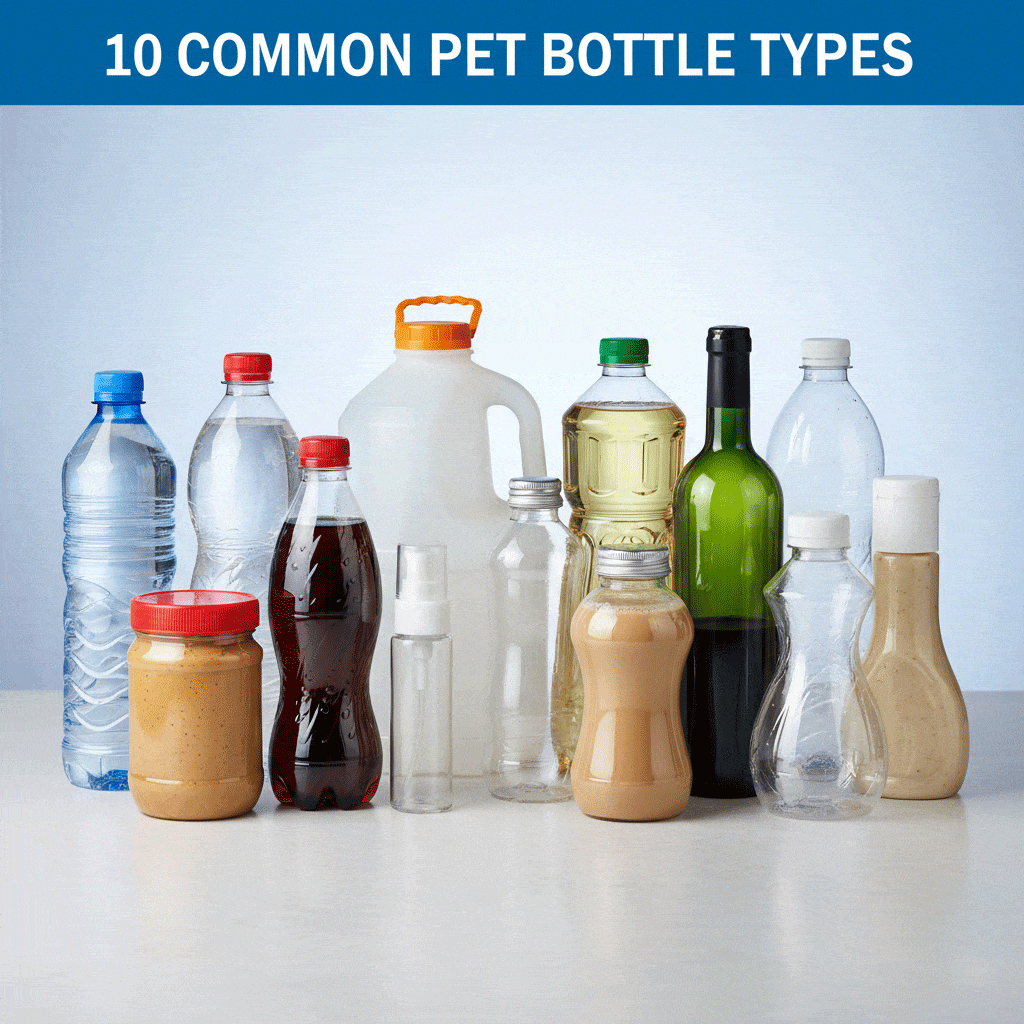
A lineup of PET bottles and jars demonstrates common container forms produced by stretch blow molding for liquid and food packaging.
When you think of a plastic bottle, you’re most likely picturing a PET bottle. It’s the undisputed king of the beverage and liquid food industry.
Have you ever picked up a bottle of water and admired its crystal-clear, glass-like appearance? That’s the magic of PET. This clarity is its single greatest marketing asset. It allows your product—be it a vibrant fruit juice, a pure spring water, or a colorful sauce—to sell itself. Consumers associate clarity with purity and качество. PET is also incredibly lightweight, which is a massive advantage when it comes to logistics. Lighter packaging means lower fuel costs for shipping, a benefit that scales significantly as your order volume grows. A pallet of empty PET bottles is dramatically lighter than a pallet of glass bottles of the same size, reducing your carbon footprint and your shipping bills simultaneously.
Beyond its looks, PET provides an excellent barrier against oxygen and carbon dioxide, which is why it’s the go-to material for carbonated soft drinks. It keeps the fizz in and the outside air out, preserving the product’s intended taste and shelf life.
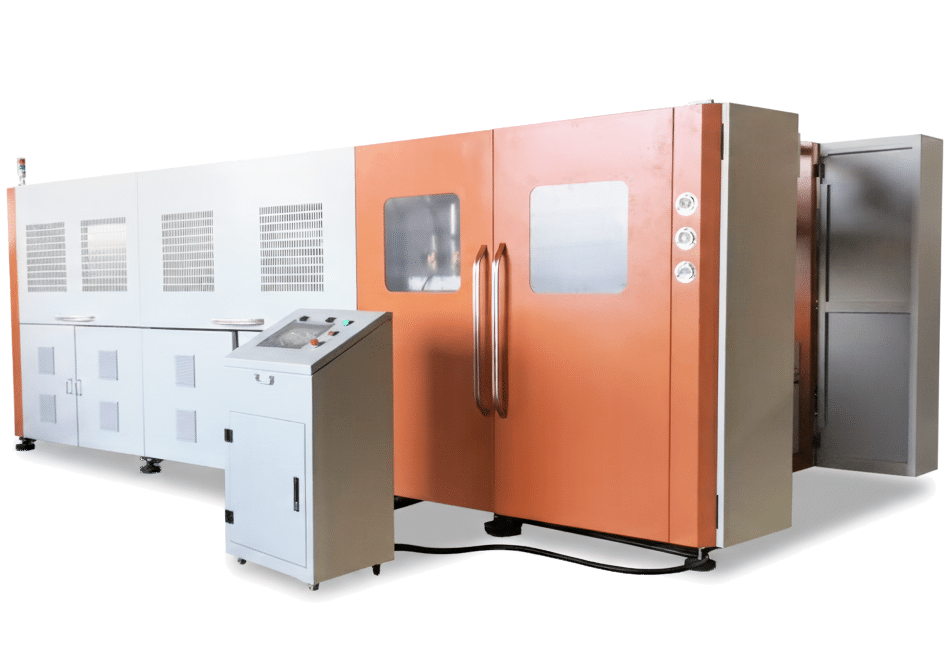
From a manufacturing standpoint, PET bottles are created through a fascinating two-stage process using Машины для stretch-выдувного формования. First, a small, test-tube-like shape called a “preform” is injection molded. These preforms are then heated and placed into a bottle-shaped mold. A steel rod (a “stretch rod”) pushes down to stretch the preform vertically, while high-pressure air inflates it horizontally. This biaxial stretching is what gives PET its unique combination of clarity, strength, and lightweight properties. It’s an incredibly efficient process, capable of producing thousands of bottles per hour.
Common Uses for PET:
- Water, juices, and soft drinks
- Mouthwash and salad dressings
- Peanut butter and honey jars
- Household cleaner bottles (for non-caustic chemicals)
PET is identified by the #1 recycling code, making it one of the most widely recycled plastics in the world.
HDPE (High-Density Polyethylene) – The Durable Choice for Containers
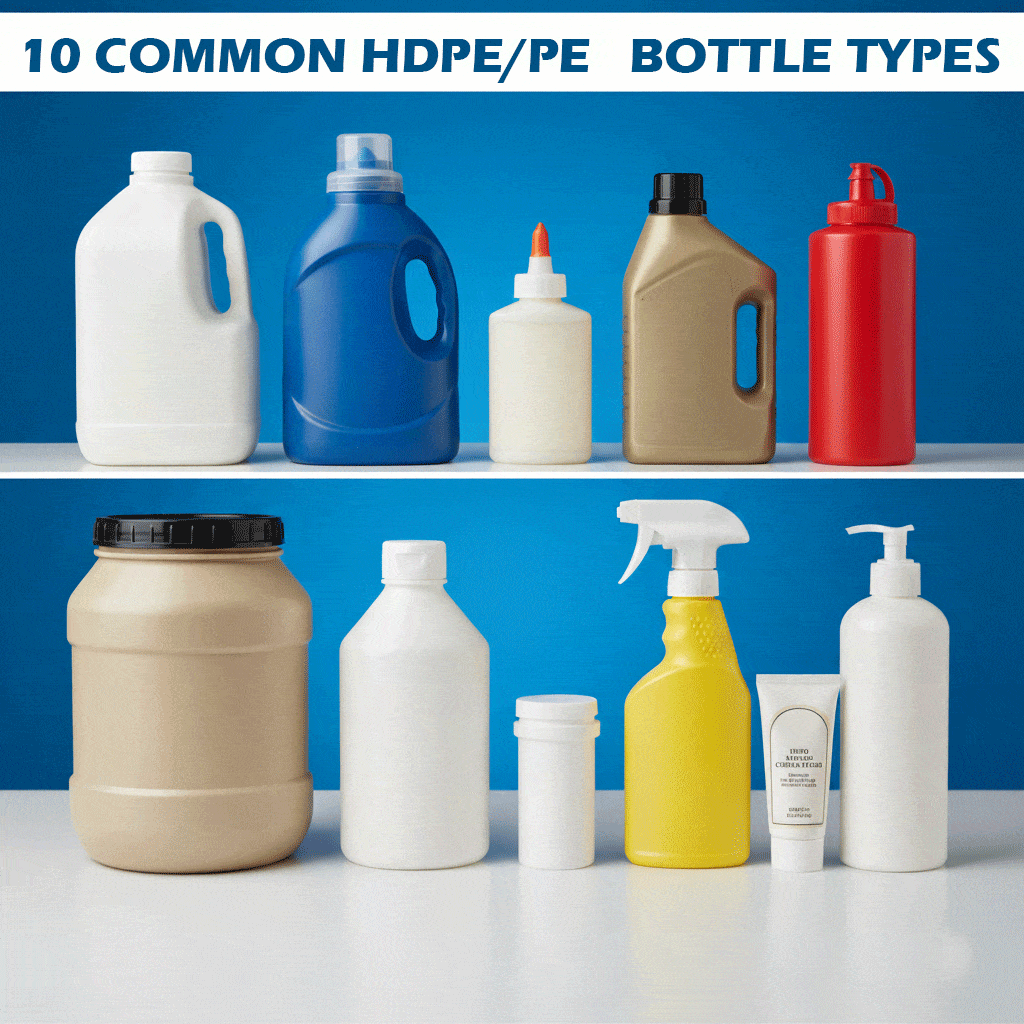
A range of HDPE and PE containers shows common extrusion blow molded forms for household, chemical, and personal care packaging.
If PET is the elegant, clear choice, then HDPE is its tough, reliable, and versatile counterpart. While typically translucent or opaque, HDPE is a workhorse material valued for its exceptional durability and chemical resistance.
Think about a gallon of milk, a bottle of laundry detergent, or the 20-литровых шампуней. in your shower. That’s HDPE. Its natural milky-white or colored appearance provides UV protection, which can be crucial for light-sensitive products like milk or certain chemicals. More importantly, HDPE is incredibly impact-resistant. Drop an бутылка из ПНД, and it’s likely to bounce; its strength prevents shattering and leaks, making it ideal for both household and industrial products.
Perhaps its most vital property is its resistance to a wide range of chemicals. HDPE stands up to acids, bases, and many solvents that would degrade or discolor other plastics. This is why it’s the material of choice for packaging everything from bleach and motor oil to aggressive industrial cleaners and pharmaceuticals.
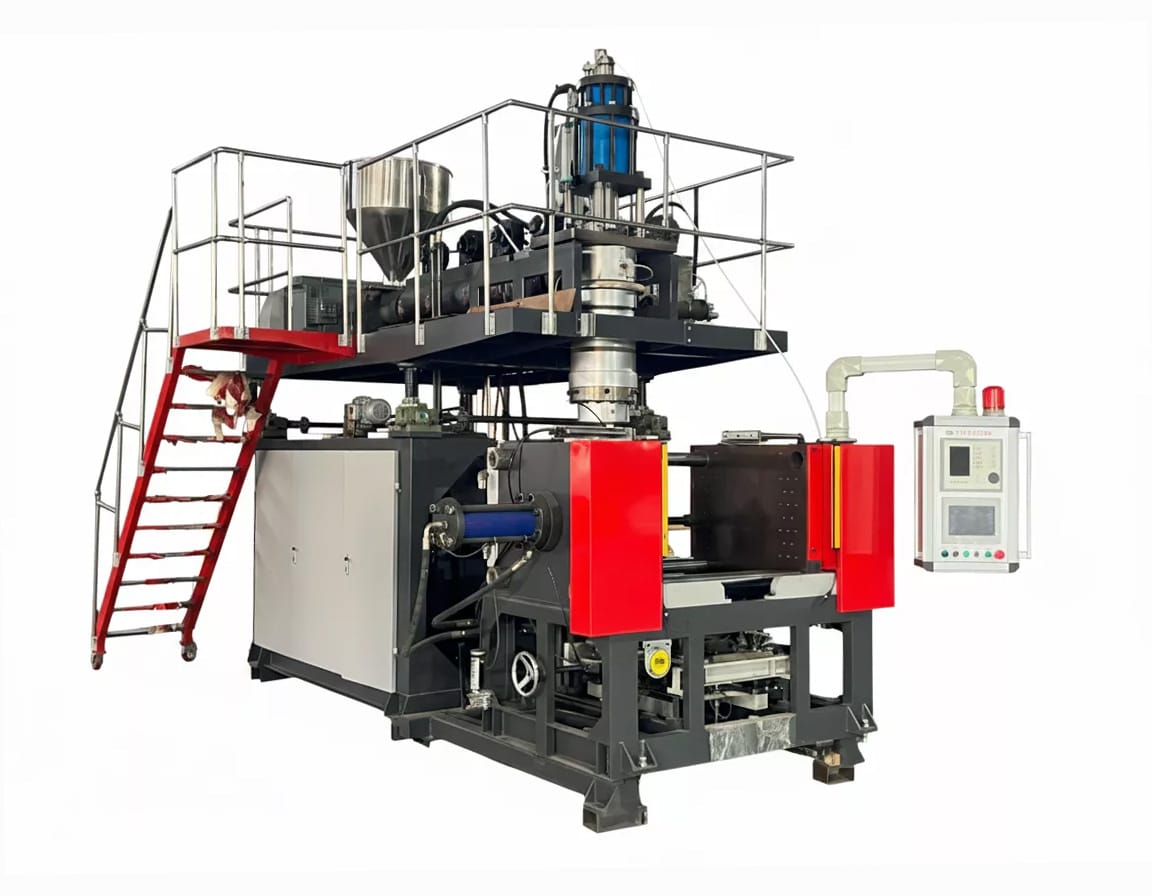
This versatility in application is matched by its manufacturing process. HDPE containers are typically made using an Extrusion Blow Moulding Machine. In this process, plastic pellets are melted and трубчатой заготовки downwards to form a hollow tube of plastic called a “parison.” A two-part mold then closes around the parison, pinching one end shut. Compressed air is blown into the parison, inflating it against the cold walls of the mold. This process is perfect for creating bottles with integrated handles, like milk jugs or канистры, which are difficult or impossible to produce with stretch blow molding.
Common Uses for HDPE:
- Milk and non-carbonated juice jugs
- Shampoo, conditioner, and lotion bottles
- Detergent, bleach, and household cleaner containers
- Motor oil and automotive fluid bottles
- Industrial drums, jerry cans, and chemical containers
HDPE carries the #2 recycling code and is also one of the most commonly recycled plastics, often finding a second life as plastic lumber, piping, or new non-food-grade bottles.
Quick Comparison Table: PET vs. HDPE
Side-by-side PET and HDPE containers illustrate common outputs from stretch blow molding and extrusion blow molding production.
| Характеристика | PET (Polyethylene Terephthalate) | HDPE (High-Density Polyethylene) |
|---|---|---|
| Clarity | Excellent (Glass-like and clear) | Poor (Naturally translucent to opaque) |
| Rigidity & Feel | Semi-rigid to rigid, smooth surface | Stiffer, more structured, slightly waxy feel |
| Вес | Extremely lightweight | Lightweight, but slightly denser than PET |
| Impact Resistance | Good, but can crack under sharp impact | Excellent, highly shatter-resistant |
| Химическая стойкость | Good for oils and alcohols | Excellent for most acids, bases, and chemicals |
| Barrier Properties | Excellent oxygen and CO2 barrier | Good moisture barrier, poor oxygen barrier |
| Best For… | Beverages (water, soda), liquid foods, clear cleaners | Milk, shampoo, detergents, motor oil, industrial chemicals |
| Recycling Code | #1 | #2 |
| Manufacturing Process | Stretch Blow Moulding | Выдувное формование формование |
How to Find the Best Plastic Bottle Factories Near You: A Practical Google Search Guide
Once you know the material you need, the hunt for a supplier begins. For most businesses, this starts with a simple Google search. But knowing how to search and how to interpret the results can be the difference between finding a true partner and wasting weeks chasing dead ends. This is how you move from a generic search to a targeted, effective sourcing strategy.
Step 1: Mastering Your Google Search Queries
Vague searches yield vague results. The key is to be specific and use modifiers that align with your business goals. Think like a procurement professional. Instead of just “plastic bottles,” which will give you retail results from Amazon and Walmart, use B2B (Business-to-Business) terminology.
Here is a list of highly effective search term formulas you can adapt:
- For General Sourcing:
- “Wholesale [material] bottles” (e.g., “Wholesale PET bottles”)
- “Bulk empty [product] bottles” (e.g., “Bulk empty water bottles”)
- “Plastic bottle suppliers”
- For Geographic Targeting:
- “Plastic bottle manufacturers in [Your State/Country]” (e.g., “Plastic bottle manufacturers in USA”)
- “Wholesale PET bottles [Your City]”
- “HDPE bottle supplier near me”
- For Specific Attributes:
- “BPA-free plastic bottles wholesale”
- “recycled plastic bottles wholesale” or “rPET bottle suppliers”
- “[neck size] plastic bottle caps wholesale” (e.g., “28-400 plastic bottle caps wholesale”)
Pro Tip: Use quotation marks to search for an exact phrase. A search for "plastic bottle manufacturers in USA" will yield more precise results than the same phrase without quotes, as it forces Google to find pages containing that exact sequence of words.
Step 2: Leveraging the Google Maps “Local Pack”
For searches that include a location (like “near me” or “[Your City]”), Google will often display a map with three local business listings at the top of the results. This “Local Pack” is pure gold for finding regional suppliers, which can drastically reduce your shipping costs and lead times.
However, you must analyze these results critically. Here’s how:
- Click “View All” to expand the map and see all the local competitors, not just the top three.
- Differentiate the Listings: Look at the business names and categories. A name like “Berlin Packaging” or “O.Berk Company” is likely a distributor or large-scale wholesaler. A name like “ABC Custom Molding Inc.” is more likely to be an actual manufacturer.
- Use Satellite View: Switch from the default map view to the satellite view. This is my favorite trick. Does the address point to an office building in a downtown business park, or does it point to a massive industrial building with loading docks and rows of trucks? The former is likely a sales office or a distributor’s headquarters; the latter is where the manufacturing or large-scale warehousing happens. You want to find the buildings with the trucks.
- Check Reviews with a B2B Mindset: Read the Google reviews, but filter them through a business lens. A one-star review from a retail customer complaining about a single broken bottle is irrelevant. A three-star review from another business complaining about “inconsistent lead times” or “poor communication on freight scheduling” is a major red flag that you should take very seriously.
Step 3: Using B2B Supplier Directories
Beyond a standard Google search, dedicated B2B platforms are designed specifically to connect businesses with industrial suppliers. These directories often have robust filtering options and provide much more detailed company information than a simple website.
- ThomasNet (Thomasnet.com): This is the gold standard for sourcing industrial products and услуги in North America. It’s a massive directory of manufacturers, distributors, and service companies. You can filter by company type, certifications (like ISO 9001), location, and more. A listing on ThomasNet is a strong sign of a well-established, serious player in the industry.
- Alibaba: For businesses comfortable with international sourcing, primarily from Asia, Alibaba is the largest B2B marketplace in the world. You can find thousands of manufacturers, but be prepared for a different sourcing experience. Communication can be a challenge, and you’ll need to be extra diligent in vetting suppliers, verifying certifications, and navigating shipping logistics and import duties. It offers the potential for lower per-unit costs but comes with higher risk and complexity.
- Kompass: A global B2B directory that is particularly strong in Europe. It provides detailed company information, including key executives, revenue figures, and product catalogs. It’s a great tool for market research and identifying potential partners if you’re looking to source internationally beyond Asia.
- Other Industry-Specific Directories: Many packaging industry associations host their own supplier directories. These can be smaller but are highly targeted and reputable.
Using a combination of targeted Google searches, map analysis, and B2B directories will give you a comprehensive list of potential suppliers to begin vetting.
Types of Suppliers: Manufacturer vs. Distributor vs. Wholesaler
You’ve built your list of potential suppliers. Now, who should you actually контакт? The terms “manufacturer,” “distributor,” and “wholesaler” are often used interchangeably, but in the supply chain, they represent very different business models. Partnering with the right type of supplier for your current business stage is one of the most important decisions you’ll make. It directly impacts your pricing, order flexibility, and cash flow.
Let’s frame this with a simple question: Who Should You Buy From?
Buying Direct from a Manufacturer
A manufacturer is the source. They are the ones with the factory, the molds, and the Выдувные машины that physically produce the bottles from raw plastic resin.
- Profile: Buying direct is ideal for large, established businesses with predictable, high-volume demand. Think national beverage brands, large co-packers, or companies that use hundreds of thousands or millions of bottles per month.
- Pros:
- Lowest Per-Unit Cost: You are cutting out all middlemen. This is the absolute rock-bottom price you can get for a bottle.
- High Customization: You have a direct line to the people who can create a custom bottle for you. If you want a unique shape, a specific color, or your logo molded into the plastic, the manufacturer is the one to do it.
- Direct Качество Control: You can often work directly with their engineering and quality teams to set specifications and resolve issues at the source.
- Cons:
- Extremely High MOQs (Minimum Order Quantities): This is the biggest barrier. A manufacturer’s business model is built on long, efficient production runs. They are not going to stop their machines to run 5,000 bottles for you. Their MOQ is more likely to be a full truckload, which could be 100,000 units or more.
- Более длительные сроки поставки: Production runs are scheduled weeks or even months in advance. If you need bottles tomorrow, this is not an option. You’ll also need to account for the time it takes to produce and ship your order.
- Significant Storage Needs: Where are you going to put a truckload of empty bottles? You need significant warehouse space to store the inventory you’re required to purchase.
Working with a Distributor
A distributor acts as the manufacturer’s sales arm. They purchase massive quantities of bottles from one or more manufacturers, store them in regional warehouses, and then sell them in smaller (but still substantial) quantities to businesses.
- Profile: This is the sweet spot for most growing businesses. You’ve graduated from buying by the case, your demand is becoming consistent, and you’re ready to start leveraging volume for better pricing.
- Pros:
- Lower MOQs than Manufacturers: A distributor can sell you one or two pallets at a time, instead of a full truckload. This makes them far more accessible for businesses that need 10,000-50,000 bottles at a time.
- Regional Expertise & Faster Shipping: With warehouses located closer to you, shipping is faster and cheaper than from a distant factory. They often have their own fleet of trucks or strong relationships with local freight carriers.
- Product Variety: Distributors often stock a wide range of bottles, caps, and closures from various manufacturers, allowing you to consolidate your purchasing with a single vendor.
- Cons:
- Moderately Higher Per-Unit Cost: The distributor has to make a profit. Their price will always be higher than the manufacturer’s direct price, but the trade-off is the flexibility in order size and inventory management.
- Limited Customization: Distributors sell what they stock. They typically cannot facilitate custom designs unless your volume is high enough for them to to justify commissioning a special run from their manufacturing partner.
Sourcing from a Wholesaler/Packaging Supplier
Wholesalers (and large online packaging suppliers like Uline) buy from distributors or sometimes directly from manufacturers. They break down pallet-sized quantities into even smaller units, often selling by the case.
- Profile: This is the perfect starting point for startups, small businesses, Etsy sellers, and companies launching a new product with uncertain demand.
- Pros:
- Lowest MOQs: You can buy a single case of 100 or 200 bottles. This is ideal for testing a new product without a massive upfront investment in packaging.
- Fast Shipping & Accessibility: You can often order online with a credit card and have the bottles delivered within a few days. The barrier to entry is virtually zero.
- No Storage Commitment: You can order exactly what you need, when you need it, eliminating the need for dedicated warehouse space.
- Cons:
- Highest Per-Unit Cost: You are paying a significant premium for the convenience of small quantities. The per-bottle cost can be 3x to 10x higher than buying direct from a manufacturer. This model becomes financially unsustainable as your business scales.
- Limited to Stock Items: Your choices are strictly limited to what the wholesaler decides to carry. There is absolutely no room for customization in bottle shape or color.
The Growth Trajectory: Most successful brands follow a clear path: They start with a wholesaler to prove their concept, graduate to a distributor as sales become consistent and they need better pricing, and finally, move to a direct relationship with a производитель when their volume justifies the leap.
Vetting Your Supplier: 10 Critical Questions to Ask Before You Buy
Finding a potential supplier is one thing; finding a reliable partner is another. A cheap price on a bottle can quickly become very expensive if the quality is poor, the shipments are late, or the product is unsafe. Before you sign a purchase order or wire any money, you need to vet every potential supplier thoroughly.
Think of this as a job interview. You are hiring this company to provide a critical component for your product. Their failure is your failure. Here are ten essential questions you must ask. I recommend sending these via email so you have a written record of their answers.
The Vetting Checklist:
- What are your Minimum Order Quantities (MOQs)?Why Ask: This is the first gatekeeper. If their MOQ is a 100,000-unit truckload and you only need 10,000, they are not the right fit. It immediately tells you if you are speaking with a manufacturer, distributor, or wholesaler.
Good Answer: A clear, direct number (e.g., “Our MOQ is one pallet, which is 5,700 bottles for that specific model.”)
Red Flag: A vague answer or one that is wildly out of sync with your needs. - What is your standard lead time from purchase order to shipment?Why Ask: This is critical for your own production planning and inventory management. “Lead time” is the time it takes for them to prepare your order and have it ready for pickup. It does not include transit time.
Good Answer: A specific range (e.g., “For stock items, our lead time is 3-5 business days. For non-stock items, it’s 2-3 weeks.”)
Red Flag: “It depends.” While it can vary, an experienced supplier should be able to give you a very reliable estimate for the items you’re interested in. - Can you provide a Certificate of Compliance (COC) and full material specifications?Why Ask: This is non-negotiable for product safety and quality. A COC is a document certifying that the product meets required specifications. The material spec sheet will confirm the exact grade of plastic resin used, any additives, and its compliance with food safety standards (like FDA regulations).
Good Answer: “Yes, absolutely. We can provide a COC for every batch and the technical data sheet for the resin upon request.”
Red Flag: Any hesitation or inability to produce this documentation. Never buy a food or beverage container without it. - What are your quality control procedures during and after manufacturing?Why Ask: You want to know how they prevent defects. Do they perform leak tests? Do they check the “neck finish” (the threading for the cap) for consistency? Do they have systems to check for cosmetic defects like black specks or streaks?
Good Answer: A description of their process, mentioning things like “in-process checks by operators,” “final inspection by our QA department,” and “gram weight consistency checks.”
Red Flag: “We just check them before they go in the box.” This indicates a lack of a formal, professional quality system. - Do you have any quality or manufacturing certifications, like ISO 9001?Why Ask: Certifications like ISO 9001 demonstrate a company’s commitment to a formal quality management system. It’s an external validation that they have processes and procedures in place to ensure consistency and customer satisfaction.
Good Answer: “Yes, we are an ISO 9001:2015 certified facility. I can send you a copy of our certificate.”
Red Flag: Not having a certification isn’t necessarily a deal-breaker for a smaller supplier, but being unaware of what it is certainly is. - Can I get a price list? What are your price breaks for higher volumes?Why Ask: You need to understand their pricing structure. Most suppliers offer tiered pricing—the more you buy, the lower the per-unit price. This helps you calculate the financial benefit of placing larger orders.
Good Answer: A clear price sheet or quote that shows different prices for different quantities (e.g., 1 pallet, 5 pallets, 10 pallets).
Red Flag: Unwillingness to provide clear pricing or a structure that doesn’t reward volume. - What are your payment terms for new customers?Why Ask: This is a cash flow question. Many suppliers require prepayment (100% upfront) or a 50% deposit for the first few orders. Established customers might get “Net 30” terms (payment due 30 days after shipment). You need to know what to expect so you can plan accordingly.
Good Answer: A clear and standard policy (e.g., “We require prepayment via credit card or wire transfer for the first three orders, after which you can apply for Net 30 terms.”)
Red Flag: Unusually strict or convoluted payment requirements can sometimes indicate a company in financial distress. - Can you provide samples of the bottles I am interested in?Why Ask: Never, ever place a bulk order without testing a physical sample first. You need to see the clarity, feel the rigidity, test it with your product, and ensure your cap fits perfectly.
Good Answer: “Of course. We can send you a few samples. We just ask that you cover the cost of shipping.”
Red Flag: Refusal to provide samples or charging an exorbitant price for them. A confident supplier wants you to see their quality. - What happens if I receive a shipment with damaged or defective products?Why Ask: Problems happen. A good partner has a clear process for resolving them. You need to know their return or credit policy до you have a problem.
Good Answer: “Please notify us within 48 hours of receipt with photos of the issue. We will issue a credit for the defective units or arrange for a replacement shipment at our discretion.”
Red Flag: “All sales are final.” Or a policy that puts the entire burden of proof and cost of return on you. - Can you provide references from a few of your current customers?Why Ask: This is the ultimate verification. Speaking to another business that buys from them can give you invaluable insight into their reliability, communication, and overall service.
Good Answer: “Certainly. Let me get permission from a couple of clients in a non-competing industry and I will send you their contact information.”
Red Flag: Outright refusal. If a supplier has happy customers, they should be proud to let you talk to them.
Expert Insight: Don’t Forget Caps & Closures
A bottle is useless without the right cap. When getting a quote, always confirm the bottle’s ‘neck finish’ (e.g., 28-400). This is a standardized measurement that dictates which caps will fit. The first number (28) is the diameter in millimeters, and the second (400) refers to the thread style. Ask if the supplier provides compatible caps. Sourcing bottles from one place and caps from another can be a recipe for disaster. A mismatched closure can lead to product leaks, spoilage, and costly damage to your brand’s reputation. Also, ensure all materials, including closures and any liners inside the cap, are FDA-compliant if your product is a food, beverage, or cosmetic.
Meeting Consumer Demand: The Guide to Sourcing rPET & Recycled Bottles
In today’s market, sustainability isn’t just a buzzword; it’s a core business driver. Consumers are more educated and environmentally conscious than ever before. Your choice of packaging is a public statement about your brand’s values, and using recycled materials can be a powerful competitive advantage.
What is rPET and Why Does it Matter for Your Brand?
rPET stands for Recycled Polyethylene Terephthalate. It’s the material created when post-consumer PET bottles (like the water and soda bottles we all recycle) are collected, sorted, cleaned, and ground into small flakes. These flakes are then re-processed into new pellets, which can be used to manufacture new bottles and containers.
Using rPET isn’t just about feeling good; it’s about smart business. Here’s why it matters:
- Brand Image & Consumer Preference: Including recycled content in your packaging resonates deeply with modern consumers. It’s a tangible, easily communicable way to demonstrate your company’s commitment to environmental responsibility. In fact, according to a 2023 study by the Boston Consulting Group, 74% of consumers are willing to pay more for sustainable packaging. Highlighting “Made with Recycled Plastic” on your label can directly influence purchasing decisions and build brand loyalty.
- Environmental Impact: Creating a bottle from rPET uses significantly less energy and water than creating one from virgin (brand new) plastic resin. According to the PET Resin Association, producing rPET generates 79% less CO2 emissions than its virgin counterpart. It reduces plastic waste in landfills and oceans and promotes a circular economy where materials are reused rather than discarded.
- Regulatory Future-Proofing: Governments around the world are increasingly implementing regulations that mandate minimum recycled content percentages in plastic packaging. By proactively adopting rPET now, you position your brand ahead of the curve and avoid future supply chain scrambles when these regulations become law in your region.
How to Find and Verify Recycled Plastic Suppliers
Sourcing rPET is similar to sourcing virgin plastic, but it requires an extra layer of diligence to ensure you are getting what you pay for.
- Use Specific Search Terms: When searching, be explicit. Use terms like:
- “rPET bottle supplier”
- “wholesale PCR plastic bottles” (PCR stands for Post-Consumer Recycled)
- “supplier of 100% rPET bottles”
- Ask for the Recycled Content Percentage: Bottles can be made with varying levels of rPET, often blended with virgin PET. A bottle might contain 25%, 50%, or 100% recycled content. Be sure to ask your supplier what percentages they offer. Be aware that 100% rPET can sometimes have a slight gray or bluish tint compared to virgin PET, though technology is constantly improving clarity. Ask for samples to see it for yourself.
- Verify with Certifications: This is the most important step. Don’t just take a supplier’s word for it. The claim of recycled content must be verifiable. Ask for third-party certifications. The most recognized and respected standard in the industry is the GRS (Global Recycled Standard). The GRS verifies the recycled content in the final product, tracks it through the supply chain, and ensures responsible social and environmental production practices. A supplier who can provide a valid GRS certificate for their products is a supplier you can trust.
Making the switch to recycled packaging might involve a slight cost premium, but for many brands, the return on investment in consumer loyalty and positive brand perception is well worth it.
The Turning Point: When to Switch from Buying Bottles to Making Your Own
Every growing business that relies on plastic packaging eventually reaches a crossroads. The strategy of buying bottles from wholesalers and distributors, which served you so well in the beginning, starts to show its cracks. Costs creep up, supply chain issues cause production delays, and you feel constrained by generic, off-the-shelf designs.
This is the turning point. It’s the moment you stop thinking of yourself solely as a “buyer” of packaging and start considering the immense strategic advantages of becoming your own supplier. Bringing bottle production in-house is a significant capital investment, but it’s also a move that can fundamentally transform your business’s cost structure, agility, and brand potential. The question is, how do you know when you’re ready?
3 Signs You’re Ready to Manufacture In-House
Look for these clear financial and operational indicators in your business. If one or more of them sound painfully familiar, it’s time to start a serious conversation about in-house manufacturing.
1. High Volume & High Costs: Your Packaging Bill is a Major Line Item
This is the most straightforward indicator. Take a hard look at your accounting. How much are you spending per month on empty plastic bottles?
Let’s run a simple, hypothetical scenario. Say your business, “Healthy Hydration Co.,” sells bottled iced tea.
- You’re currently buying 200,000 PET bottles per month from a distributor.
- Your delivered cost per bottle, including shipping, is $0.22.
- Your monthly spending on empty bottles: 200,000 x $0.22 = $44,000.
- Your annual spending on empty bottles: $44,000 x 12 = $528,000.
That half a million dollars is a massive operational expense. Now, consider the in-house alternative. The cost to manufacture your own bottle includes raw material (resin), electricity, labor, and machine depreciation. A conservative estimate for an in-house cost per bottle could be around $0.09.
- Your new monthly cost: 200,000 x $0.09 = $18,000.
- Your monthly savings: $44,000 – $18,000 = $26,000.
- Your annual savings: $312,000.
In this scenario, a blow moulding machine that costs, say, $300,000 to $500,000 could pay for itself in under two years. After that, the $312,000 in annual savings goes directly to your bottom line, giving you capital to reinvest in marketing, R&D, or expansion. If your spending on empty bottles is a number that keeps you up at night, you are ready.
2. Supply Chain Pain: Your Business is at the Mercy of Your Supplier
Has this ever happened to you? You’re gearing up for your busiest season, you have a massive purchase order from a major retailer, and you get an email from your bottle supplier: “Sorry, our shipment is delayed by three weeks due to port congestion.”
Suddenly, your entire production line grinds to a halt. You miss your retail delivery window, damaging a crucial business relationship. You have staff you can’t keep busy. You have raw materials (your actual product!) that could expire. When you don’t control your packaging supply, you don’t control your business.
If you have experienced production delays, stockouts, or unexpected price hikes from your suppliers that have directly impacted your revenue or customer relationships, you are ready. In-house manufacturing gives you the ultimate control. You can produce bottles on demand, matching your production schedule perfectly. You eliminate the lead times and uncertainties of third-party suppliers and freight, allowing your business to be incredibly agile and responsive to market demand.
3. Need for Customization: Your Brand is Trapped in a Generic Bottle
In a crowded retail environment, your package is your first handshake with the customer. A unique bottle shape can become an iconic part of your brand identity. Think of the curved Coca-Cola bottle, the distinct shape of a Method soap bottle, or the elegant design of a Voss water bottle. Their packaging is as recognizable as their logo.
When you buy from distributors, you are limited to their stock catalog. If you want a custom shape, they will refer you to a manufacturer who will charge you a “tooling fee” to create a new mold. This fee can be tens of thousands of dollars, and you still have to commit to their massive MOQs. For many growing brands, this makes customization prohibitively expensive.
If your marketing team constantly talks about wanting to “stand out on the shelf,” but your packaging budget holds you back, you are ready. When you own the machine, the economics of customization flip entirely. While a new mold still costs money, you are no longer locked into a third party’s production schedule or MOQ. You can create a proprietary bottle shape that no competitor can copy, giving your brand a permanent, physical advantage on the retail shelf. You can test new designs, run limited edition shapes, and truly make your packaging a cornerstone of your brand strategy.
An Introduction to In-House Manufacturing Solutions
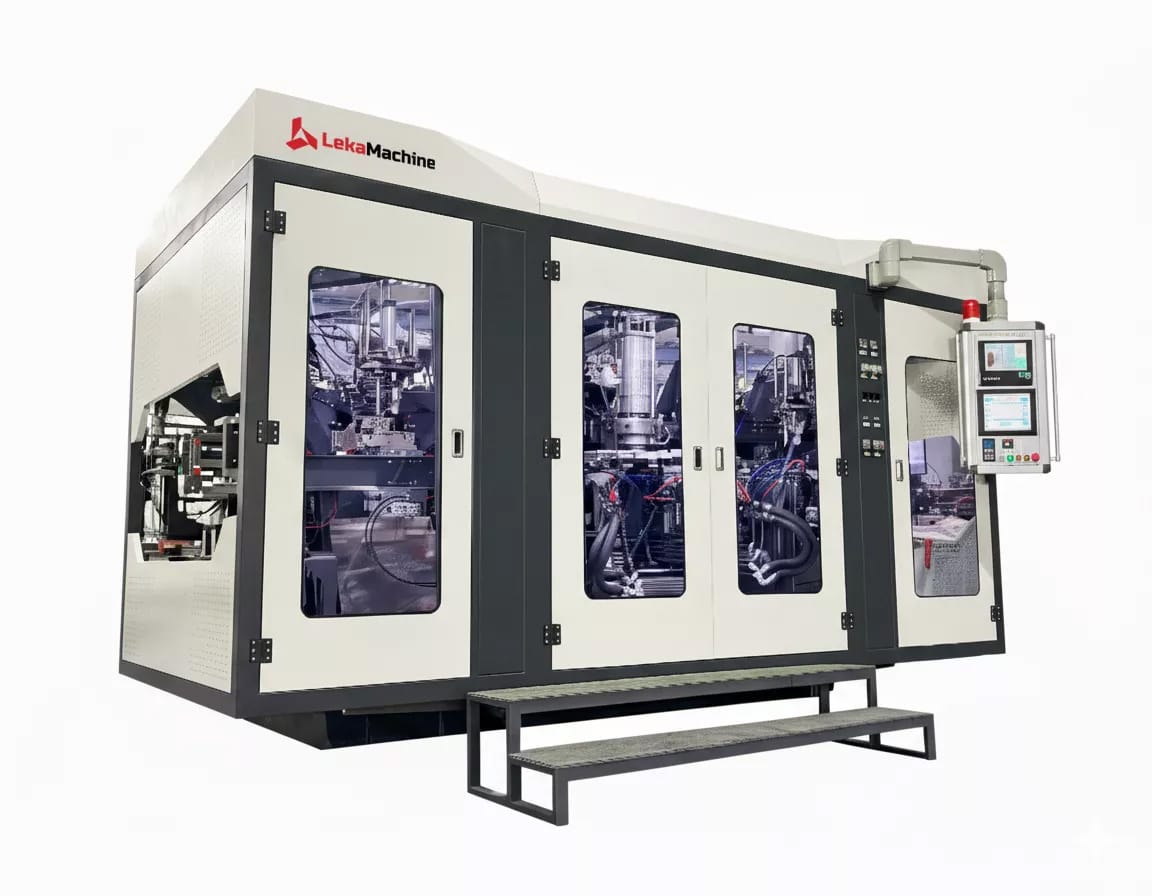
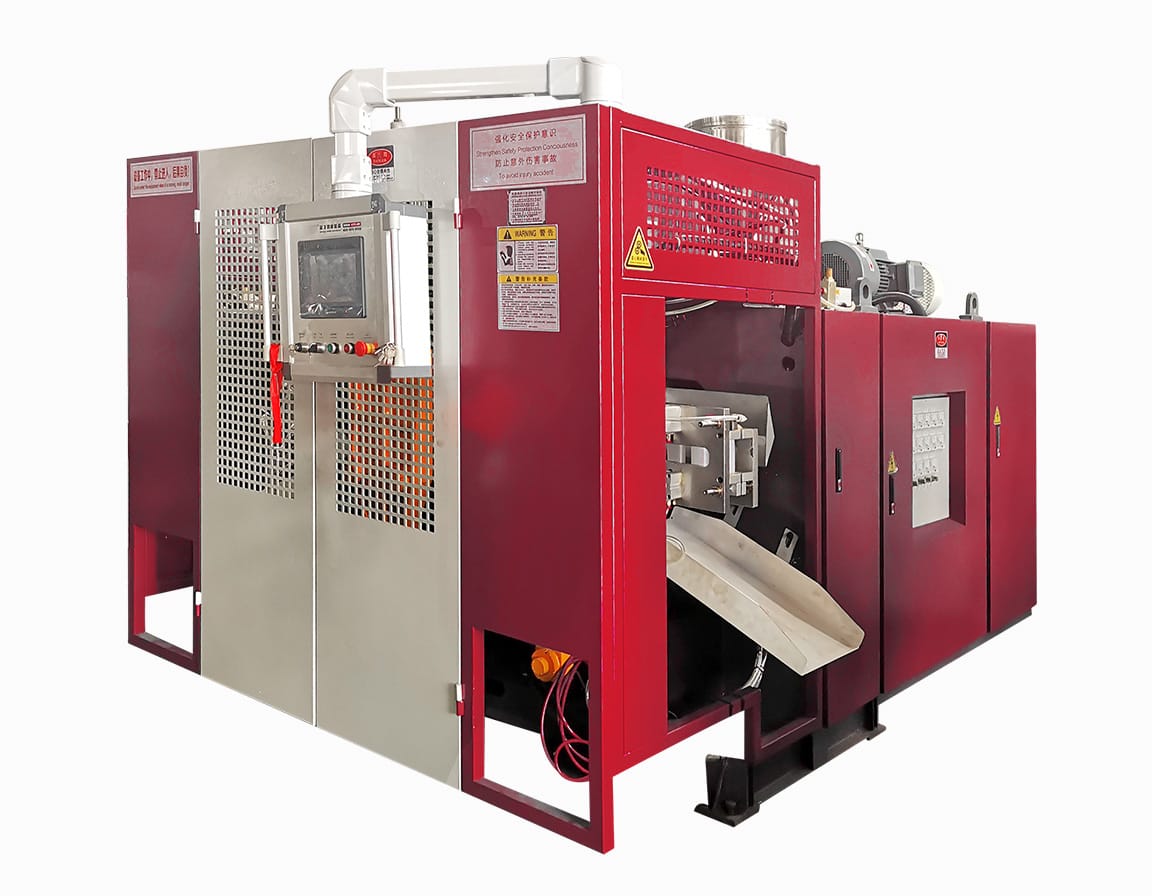
Making the switch is a significant step, but it can redefine your business’s efficiency and profitability. If you’re exploring the possibility of bringing your bottle production in-house, understanding the technology is the first step. The two primary solutions, which we discussed earlier, are:
- Потягиваться Blow Moulding Machines: The ideal solution for producing high-clarity PET bottles for beverages, sauces, and other liquid food products at high speeds.
- Extrusion Blow Moulding Machines: The versatile workhorse for creating HDPE containers, bottles with handles, and a wide variety of shapes for household, chemical, and automotive products.
The journey from buying your first case of bottles to producing your millionth is the story of a successful, growing business. Recognizing where you are on that journey is the key to making the right decision for your future.
Discover our range of high-performance Extrusion and Stretch Blow Moulding Machines to see how you can take control of your packaging.
Conclusion: Making the Right Sourcing Decision for Your Brand
We’ve covered a tremendous amount of ground, and if you’ve made it this far, you are already far more equipped to build a robust packaging strategy than most. We’ve journeyed through the entire sourcing process: from the fundamental choice between the clarity of PET and the durability of HDPE, to the practical steps of finding the right type of supplier for your business stage—be it a wholesaler, distributor, or manufacturer. We’ve armed you with a checklist of critical vetting questions and highlighted the growing importance of sustainability with rPET.
Most importantly, we’ve illuminated the turning point—the key indicators that signal when it’s time to stop being a customer and start becoming a creator by bringing production in-house.
Your packaging strategy should grow with your business. The scrappy, just-in-time ordering that defined your startup phase will not serve you as you scale. The pallet-level purchases that fueled your regional growth will become a cost center when you go national. Being aware of this evolution is your greatest advantage. Continuously evaluate your costs, your supply chain risks, and your branding needs. The right decision today might not be the right decision two years from now.
Whether you need advice on your next bottle order or want to explore the ROI of in-house production, our team is here to help. We believe in empowering businesses with the knowledge and the machinery they need to succeed.
Слани Чуанг
Technical Sales Manager
Leka Machine (乐佳机械)
Website: www.lekamachine.com
Frequently Asked Questions (FAQ)
1. How much do wholesale plastic bottles cost?
The cost varies dramatically based on size, weight, material, and especially order quantity. A small bottle bought by the case from a wholesaler could be $0.50 or more. The same bottle, when purchased by the truckload direct from a manufacturer, could be as low as $0.05 – $0.10. Always get quotes based on different volume tiers to understand your potential savings.
2. What is a “neck finish” and why is it important?
The “neck finish” is the standardized specification for the threaded opening of the bottle where the cap screws on. It’s usually represented by two numbers, like “28-400.” The first number is the outer diameter of the threads in millimeters. The second number denotes the thread style. It is absolutely critical because it determines which caps will fit your bottle to create a proper seal. An incorrect neck finish match will lead to leaks.
3. What are the main differences between sourcing from a domestic (USA) supplier vs. an overseas supplier?
Domestic suppliers generally offer faster shipping, easier communication (no language barrier or time zone issues), and simpler logistics. However, their per-unit cost may be higher. Overseas suppliers (often from Asia) can offer significantly lower per-unit costs, but this comes with much longer lead times (4-8 weeks for sea freight), potential import tariffs, communication challenges, and a more complex vetting process to ensure quality and reliability.
4. How much warehouse space do I need to buy bottles wholesale?
This depends on your order size. If you buy by the case, you need minimal space. If you graduate to buying by the pallet, you’ll need a warehouse with a loading dock and a forklift or pallet jack. A standard 40″x48″ pallet can hold several thousand bottles and requires about 12-16 square feet of floor space. If you’re buying a full truckload direct from a manufacturer, you may need space for 20-30 pallets. Always factor the cost of storage into your total cost calculation.
#WholesalePackaging #PlasticBottles #PackagingSolutions #BlowMolding #StretchBlowMolding #ExtrusionBlowMolding #Manufacturing #B2B #SupplyChain #BusinessGrowth #LekaMachine #PackagingIndustry


0 Комментариев