

Введение
Choosing between thermoforming and blow molding can make or break your production efficiency—especially when precision, cost, and lead times are on the line. While thermoforming offers quick-and-dirty prototyping for startups, blow molding delivers unmatched consistency for high-volume hollow parts like pharmaceutical bottles and industrial containers.
The real challenge? Many engineers underestimate thermoforming’s hidden costs for complex geometries or overlook blow molding’s energy-efficient advantages in mass production. This guide cuts through the noise with a technical breakdown of mold lifespans, material limitations, and tolerance standards—so you can select the right process without costly trial-and-error.
We’ll analyze key differences in surface accuracy, tooling investments, and industry-specific applications, drawing on decades of выдувное формование expertise at Lekamachine. Whether you’re scaling prototypes or optimizing container production, understanding these trade-offs ensures your molding strategy aligns with long-term operational goals.

Fundamentals of Thermoforming and Blow Molding
When it comes to plastic manufacturing processes, two of the most widely used techniques are thermoforming and blow molding. Both methods have unique characteristics that make them suitable for different applications. Understanding the differences between thermoforming molds vs blow molds can help businesses choose the right process for their needs.
Thermoforming is ideal for prototyping and short production runs, while blow molding excels in high-volume manufacturing of hollow plastic products.
Что такое термоформование?
Thermoforming is a plastic molding technique where a heated plastic sheet is formed over a mold using vacuum, pressure, or mechanical force. This process is known for its cost-effectiveness and flexibility, making it popular for prototype development and packaging applications. Many startups prefer thermoforming because of its lower initial investment compared to other molding techniques.
What is Blow Molding?
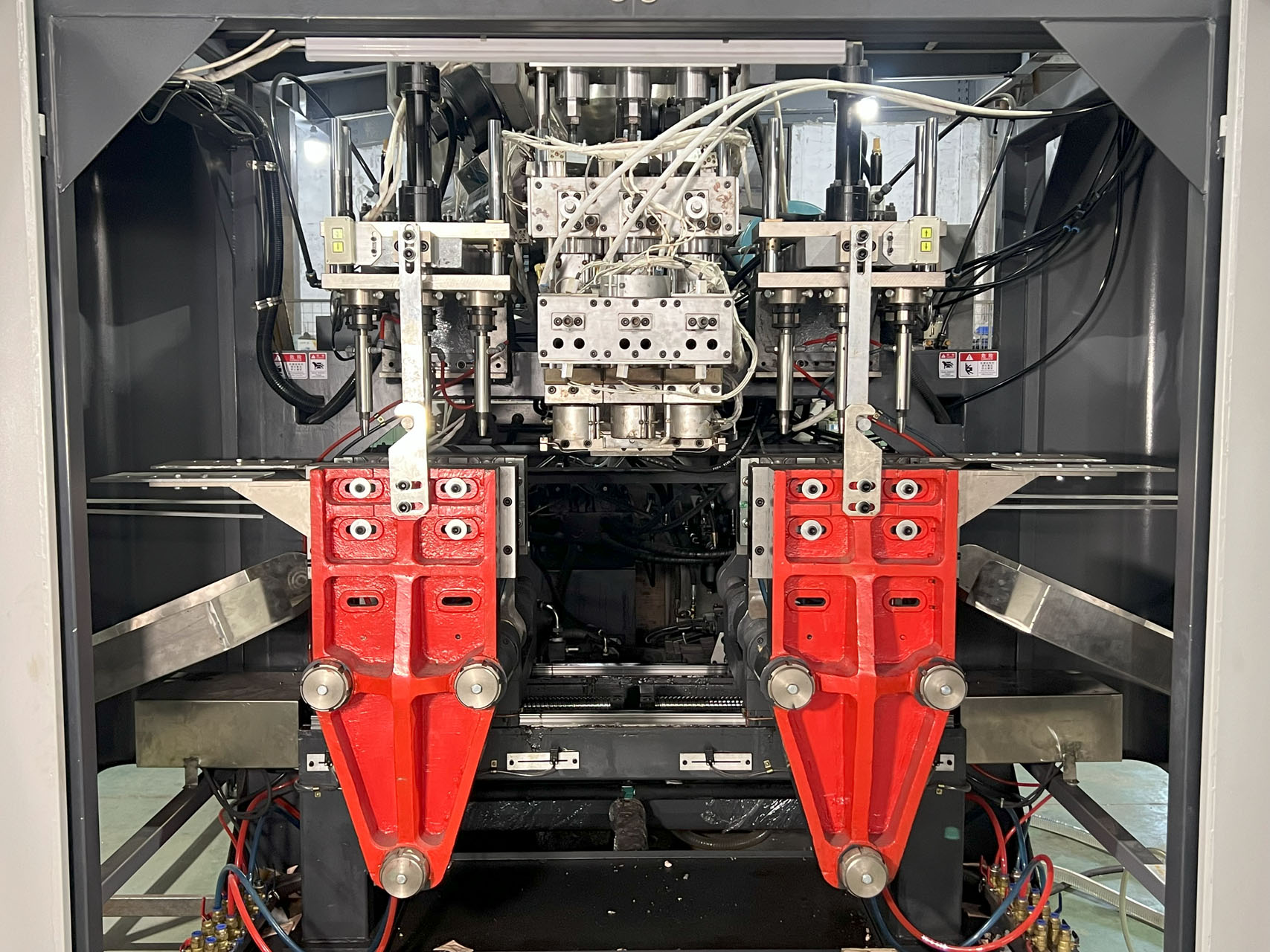
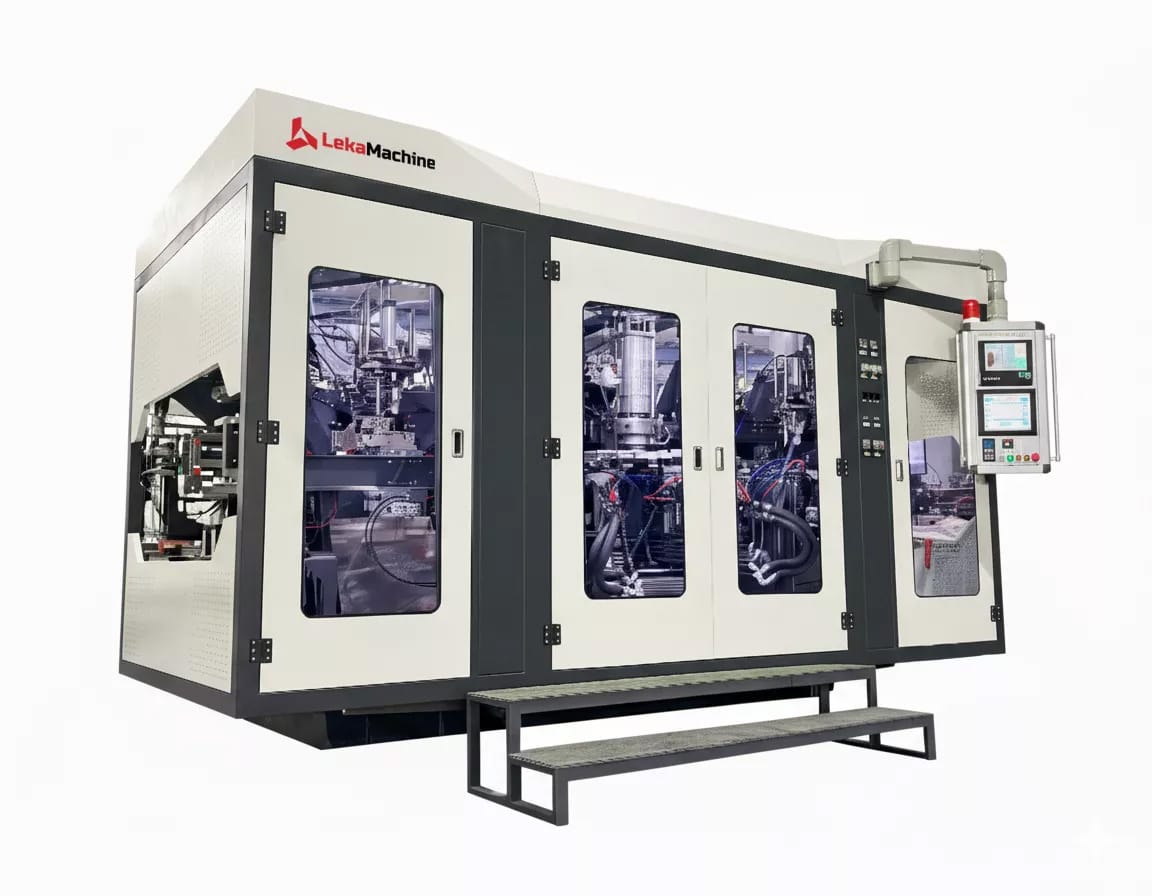
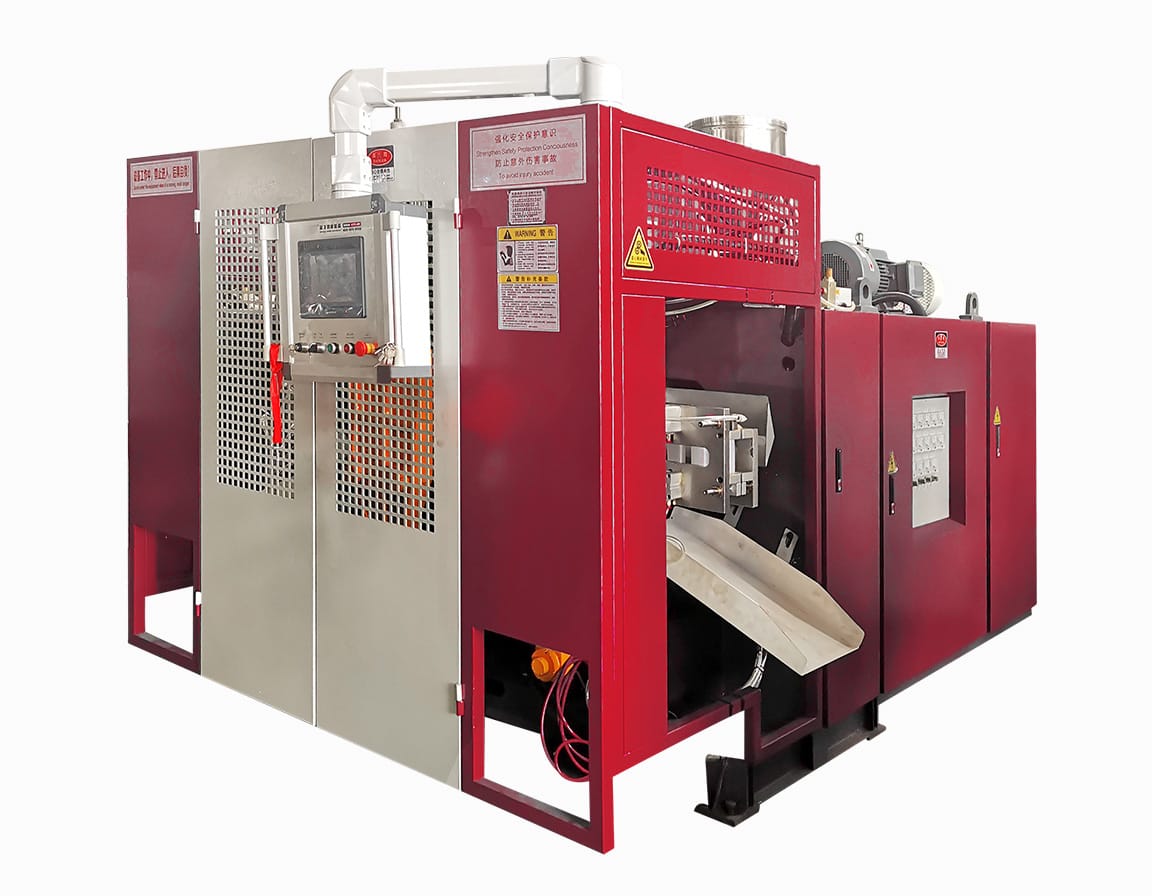
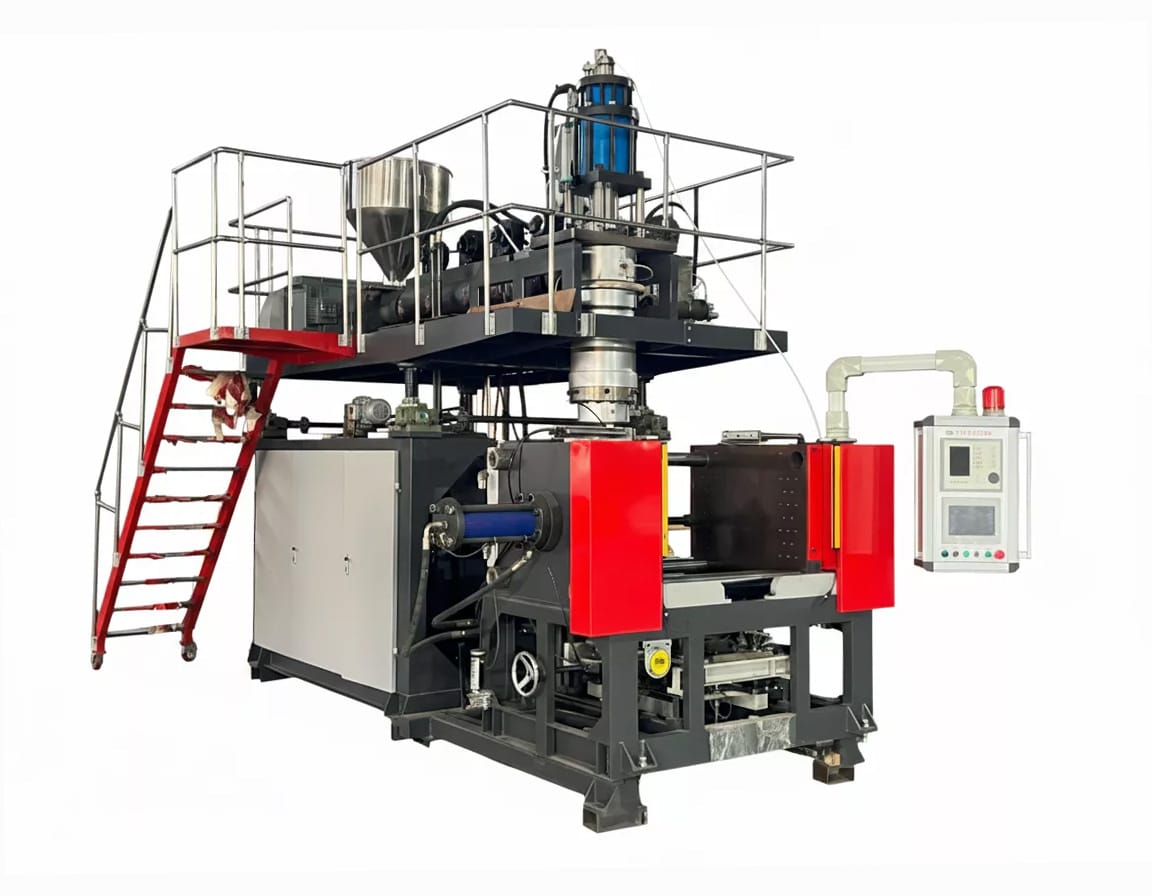
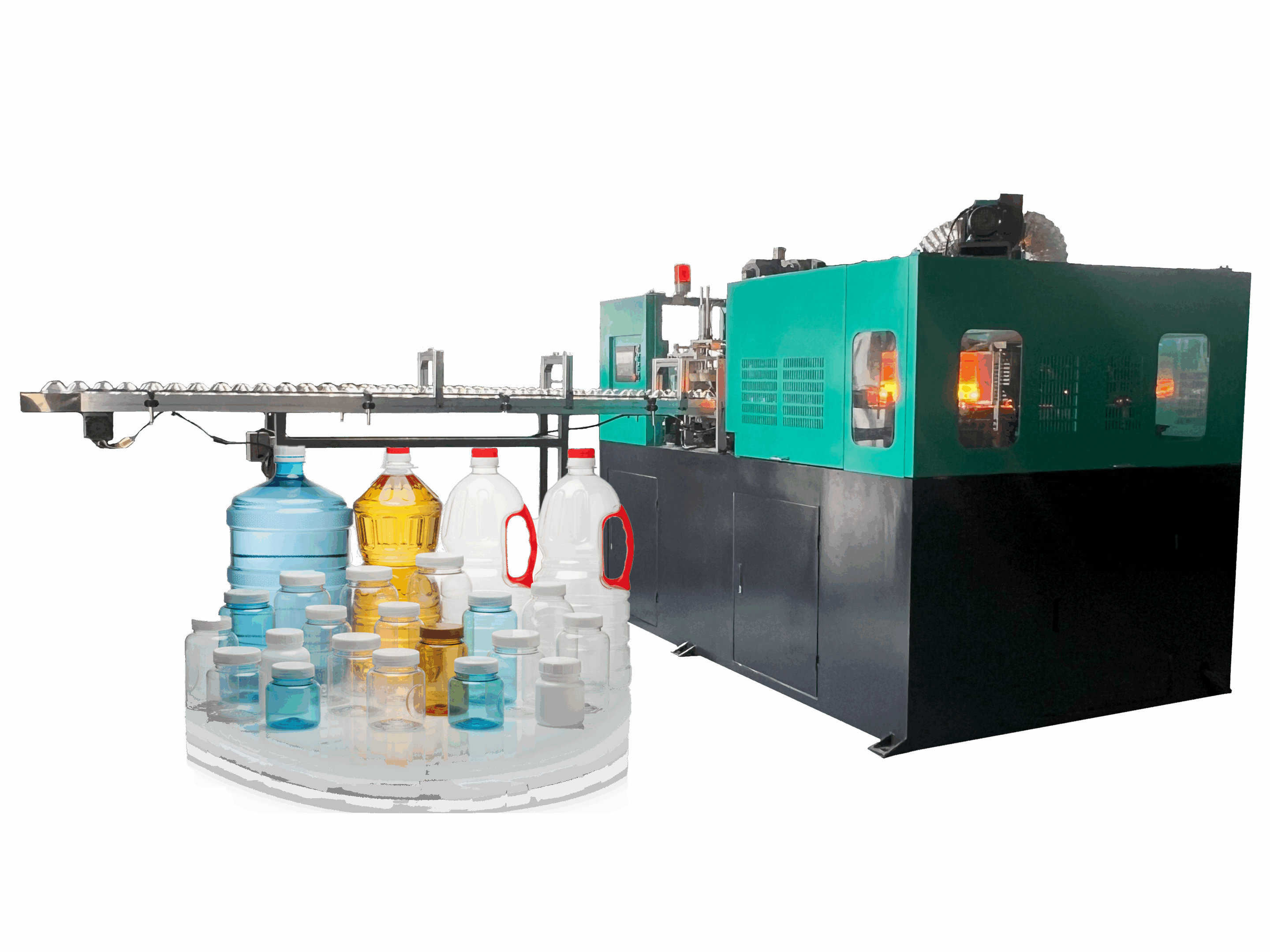
Blow molding creates hollow plastic parts by inflating heated plastic into a mold cavity. This method is particularly effective for producing bottles, containers, and other hollow products. Companies like Lekamachine have demonstrated how blow molding can achieve high-volume efficiency in pharmaceutical packaging. The process offers excellent consistency and is "Ехать или умереть" for mass production needs.
Историческая эволюция
Both thermoforming and blow molding have evolved significantly since their inception. Thermoforming dates back to the early 20th century, while blow molding became prominent in the 1940s with the rise of plastic bottles. Today, these processes serve critical roles in industries ranging from automotive to consumer packaging.
Primary Industries
The choice between thermoforming molds vs blow molds often depends on the industry application. Thermoforming is common in food packaging and medical device trays, while blow molding dominates in beverage containers and pharmaceutical bottles. Each method offers distinct advantages that cater to specific production requirements.
Performance Comparison
| Характеристика | Термоформование | Выдувное формование | Лучшее для | Отраслевой стандарт |
|---|---|---|---|---|
| Скорость производства | Средний | Высокий | Массовое производство | Выдувное формование |
| Стоимость оснастки | Низкий | Высокий | Прототипирование | Термоформование |
| Материальные отходы | 15-20% | 5-10% | Устойчивое развитие | Выдувное формование |
| Сложность деталей | Simple to Moderate | Moderate to Complex | Hollow parts | Выдувное формование |
| Соответствие требованиям FDA | Общий | Стандарт | Medical Packaging | Both |
When deciding how to choose between thermoforming and blow molding, consider factors like production volume, part geometry, and material requirements. While thermoforming offers flexibility for design changes, blow molding provides superior efficiency for high-volume runs. Both processes have their place in modern manufacturing, and the right choice depends on your specific application needs.

Technical Comparison: Process Mechanics and Output
Understanding the operational differences between thermoforming vs blow molding is crucial for manufacturers. These plastic manufacturing processes serve distinct purposes in product development with molds, each excelling in different production scenarios.
“While thermoforming offers rapid prototyping advantages, blow molding provides superior consistency for high-volume hollow part production.”
Thermoforming: Rapid Prototyping and Low-Volume Adaptability
Thermoforming shines in prototype development and short production runs. The advantages of thermoforming molds for prototyping include quick mold changes and lower tooling costs, making it ideal for startups and projects with tight budgets. This process works well with various thermoplastics, allowing for design flexibility during product development phases.
Blow Molding: High-Volume Consistency for Hollow Parts
Blow molding delivers exceptional consistency for mass production of hollow containers. Companies like Lekamachine demonstrate how this process achieves pharmaceutical-grade precision with materials like PET, PP, and HDPE. The tighter tolerances in выдувное формование significantly reduce post-production finishing costs, particularly valuable for industrial container manufacturing.
Material Compatibility
The thermoforming vs blow molding comparison extends to material options. While thermoforming handles various thermoplastics, blow molding specializes in polymers like PET and HDPE that maintain structural integrity during the blowing process. This difference impacts product development with molds across industries.
Surface Finish and Tolerance Standards
| Характеристика | Термоформование | Выдувное формование | Pharma Standard | Лучшее приложение |
|---|---|---|---|---|
| Отделка поверхности | Хорошая | Отличная | Mirror Finish | Cosmetic Packaging |
| Допуск на размеры | ±0,5 мм | ±0.1mm | ±0,05 мм | Медицинские приборы |
| Сложнее достичь точного контроля толщины на сложных формах | Умеренный | Precise | Uniform | Beverage Bottles |
| Скорость производства | 100-500/hr | 1000-5000/hr | GMP Certified | Mass Production |
| Tooling Lead Time | 2-4 недели | 6-12 weeks | Validation Required | New Product Launch |
When comparing thermoforming vs blow molding, manufacturers must consider production volume, part geometry, and material requirements. Thermoforming’s adaptability makes it valuable for prototyping, while blow molding’s precision benefits high-volume production. Both processes have distinct advantages in plastic manufacturing processes, and the optimal choice depends on specific application needs.
Cost and Efficiency Analysis
When evaluating thermoforming molds vs blow molds, cost considerations play a pivotal role in process selection. Both methods offer cost-effective molding solutions, but their financial advantages manifest differently across production scenarios.
While thermoforming provides lower upfront costs for prototyping, blow molding delivers superior long-term ROI for high-volume production through energy efficiency and reduced per-unit costs.
Mold Fabrication: Lead Time and Cost Differences
The differences in thermoforming and blow molding techniques become apparent in mold fabrication. Thermoforming molds typically cost 60-80% less than blow molds and can be produced in 2-4 weeks versus 6-12 weeks for blow molds. This makes thermoforming particularly attractive for startups and projects requiring quick turnaround.
Per-Unit Production Costs
| Объем производства | Thermoforming Cost/Unit | Blow Molding Cost/Unit | Crossover Point | Best Process |
|---|---|---|---|---|
| 1000 единиц | $2.10 | $3.50 | 15,000 units | Термоформование |
| 10,000 units | $1.25 | $1.80 | Термоформование | |
| 50,000 units | $0.95 | $0.65 | Выдувное формование | |
| 100,000+ units | $0.85 | $0.35 | Выдувное формование | |
| Annual Energy Cost | $18,000 | $9,500 | Выдувное формование |
Energy Consumption Advantages
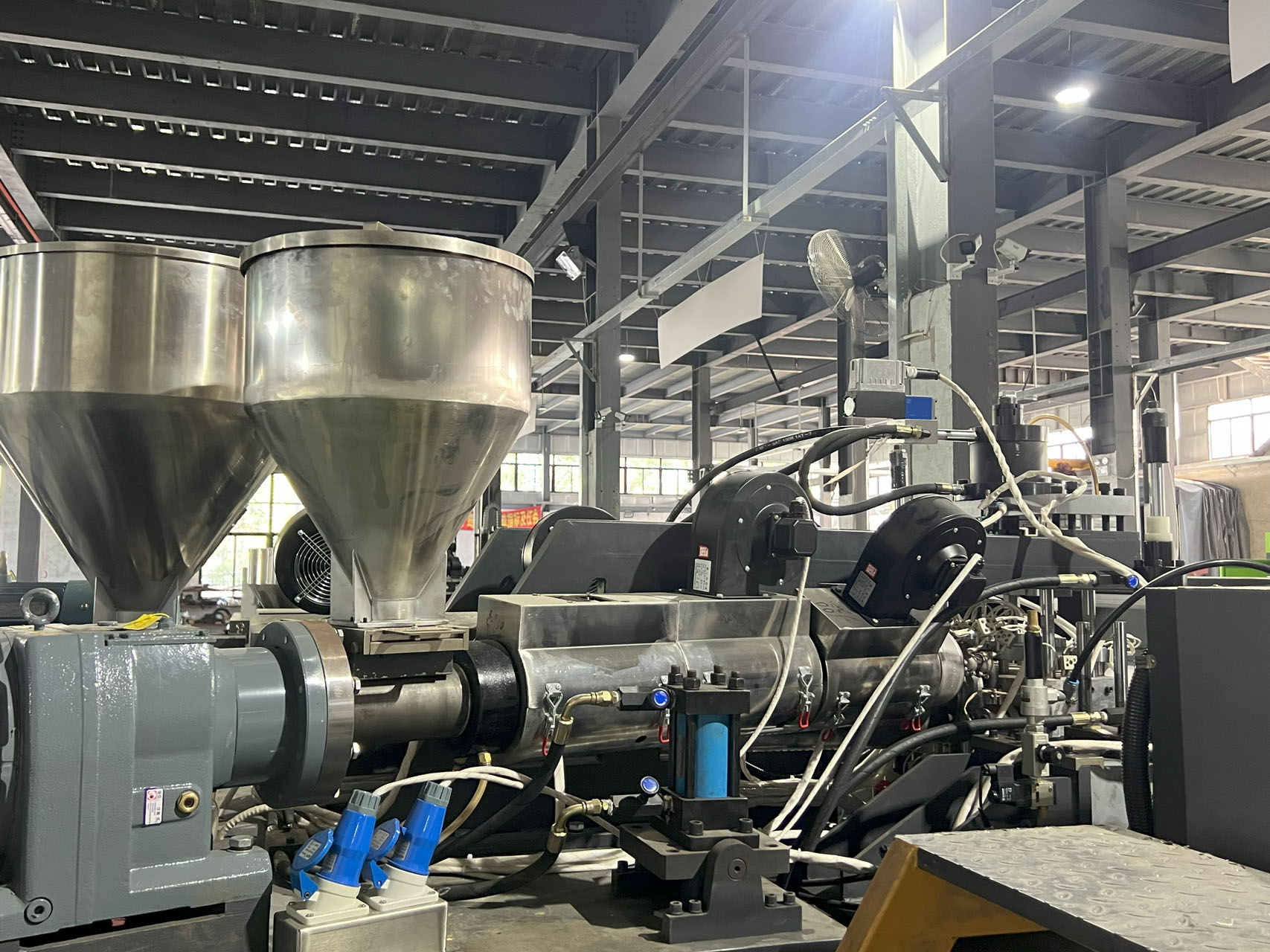
Lekamachine’s energy-efficient Выдувные машины demonstrate 30-40% lower energy consumption compared to thermoforming operations at similar volumes. This efficiency becomes increasingly significant in large-scale production, contributing to substantial long-term savings.
Hidden Costs of Complex Geometries
While thermoforming appears cost-effective initially, complex part geometries often require secondary operations that increase costs. Blow molding’s single-step production of hollow parts eliminates many of these hidden expenses, particularly for pharmaceutical and cosmetic containers.
The choice between thermoforming molds vs blow molds ultimately depends on production volume, part complexity, and long-term operational goals. Thermoforming offers accessibility for prototypes and low volumes, while blow molding provides superior efficiency for mass production. Understanding these differences in thermoforming and blow molding techniques ensures optimal process selection for cost-effective molding solutions.

Decision-Making Factors for Engineers
Selecting between thermoforming and blow molding requires careful evaluation of multiple technical and commercial factors. This molding techniques comparison provides engineers with actionable criteria for process selection.
“Thermoforming offers design flexibility for prototypes, while blow molding delivers structural integrity for mass production – the optimal choice depends on your specific project requirements.”
When to Choose Thermoforming
Thermoforming excels in prototyping and design flexibility scenarios. The process allows for quick iterations and modifications, making it ideal for product development phases. Startups and projects with tight budgets often benefit from thermoforming’s lower initial costs and faster turnaround times.
When Blow Molding Excels
For mass production of hollow parts requiring structural integrity, blow molding is often the superior choice. Lekamachine’s automated от Lekamachine demonstrate how this process achieves FDA-compliant packaging with consistent quality at high volumes.
Mold Lifespan and Maintenance
| Фактор | Термоформование | Выдувное формование | Отраслевой ориентир | Воздействие |
|---|---|---|---|---|
| Mold Lifespan | 100,000 cycles | 1M+ cycles | Pharma: 2M cycles | Long-term ROI |
| Maintenance Frequency | Ежемесячно | Ежеквартально | GMP Standards | Время простоя |
| Cleaning Requirements | Высокий | Низкий | Соответствие требованиям FDA | Labor Costs |
| Tooling Replacement Cost | $5,000-$15,000 | $25,000-$100,000 | Industry Average | Capital Expenditure |
| Preventive Maintenance | 20 hrs/month | 8 hrs/month | Best Practices | Operational Efficiency |
Соответствие нормативным требованиям
For food and pharmaceutical packaging, understanding how to choose between thermoforming and blow molding includes evaluating regulatory requirements. Blow molding often provides better consistency for critical applications requiring FDA or EU compliance.
The decision framework for thermoforming molds vs blow molds should consider production volume, part complexity, regulatory needs, and long-term operational costs. Both processes have distinct advantages, and the optimal choice depends on aligning process capabilities with project requirements.
Будущие тенденции и отраслевые перспективы
The plastic manufacturing processes of thermoforming and blow molding are evolving with technological advancements and sustainability demands. Understanding thermoforming vs blow molding for sustainable production will be crucial for manufacturers adapting to future industry needs.
While thermoforming adapts well to sustainable materials, blow molding leads in automation and energy efficiency – the future likely holds specialized applications for both processes.
Automation Advancements in Blow Molding
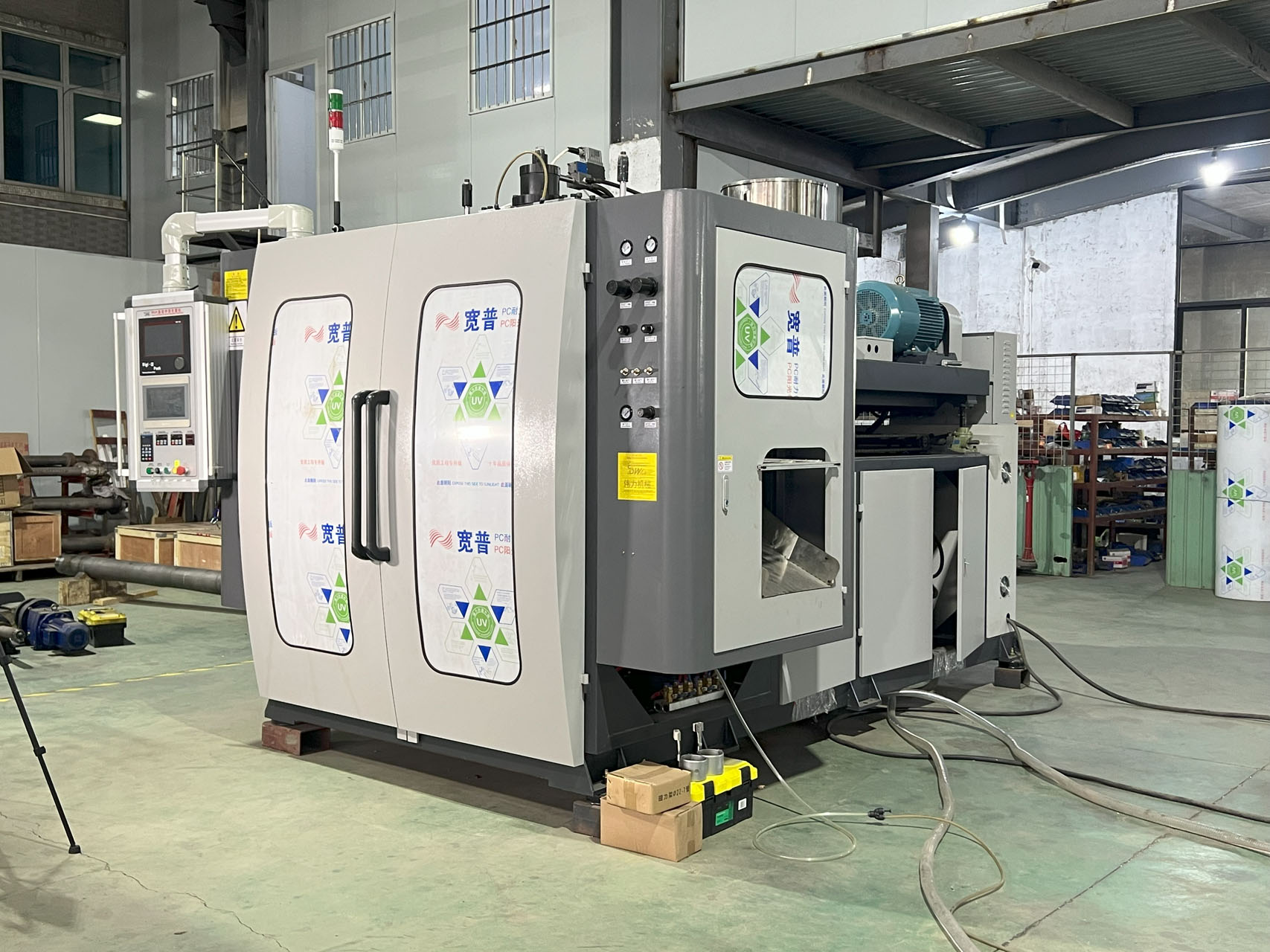
Lekamachine’s R&D in energy-efficient blow molding demonstrates how advanced automation is transforming the industry. Their fully automated solutions now achieve 30% faster cycle times while maintaining precision for pharmaceutical and cosmetic containers.
Sustainable Materials in Thermoforming
Thermoforming is adapting to sustainability trends through bio-based and recycled materials. The process’s material flexibility makes it ideal for testing new eco-friendly polymers, though challenges remain in maintaining structural integrity with these alternatives.
Comparative Sustainability Metrics
| Фактор | Термоформование | Выдувное формование | Прогноз на 2025 год | Влияние на отрасль |
|---|---|---|---|---|
| Material Efficiency | 85% | 92% | 95% | Waste Reduction |
| Потребление энергии | Высокий | Средний | Низкий | Carbon Footprint |
| Recycled Content | 30-50% | 20-30% | 50-70% | Циркулярная экономика |
| Bio-based Materials | Хорошая | Ограниченный | Improved | Устойчивое развитие |
| End-of-Life Options | Multiple | Single-stream | Universal | Recycling Rates |
Emerging Hybrid Approaches
The future may see more hybrid solutions combining thermoforming’s design flexibility with blow molding’s structural advantages. These integrated plastic manufacturing processes could address complex product requirements while improving sustainability.
As the industry evolves, the choice between thermoforming molds vs blow molds will increasingly consider automation potential, material innovations, and environmental impact alongside traditional cost and production factors.
Заключение
После многих лет работы в отрасли выдувного формования, I’ve seen firsthand how the right process can make or break production efficiency. Thermoforming is your **”quick-and-dirty”** solution for prototyping, but when it comes to high-volume precision—especially for hollow parts like bottles and containers—blow molding is the undisputed champion.
The choice isn’t just about today’s needs; it’s about scaling smartly. Thermoforming might save you upfront, but blow molding’s energy efficiency and consistency pay off when volumes ramp up. Whether you’re in pharma, cosmetics, or industrial packaging, aligning your process with long-term goals is key.
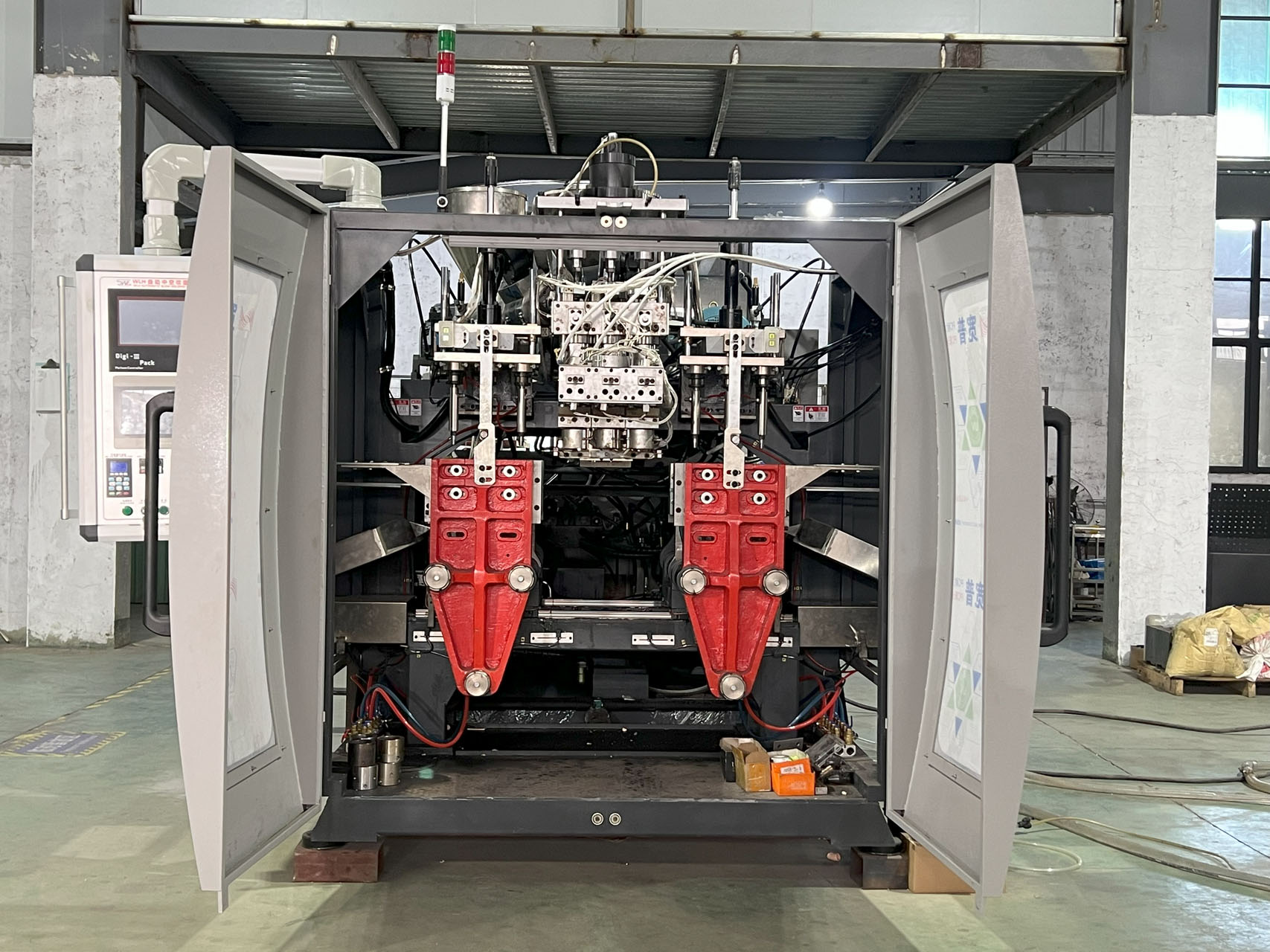
At Lekamachine, we’ve helped countless manufacturers navigate this decision. The bottom line? Don’t just pick a process—future-proof your production.
ЧАСТО ЗАДАВАЕМЫЕ ВОПРОСЫ
Q1: What is the difference between thermoforming molds and blow molds?
A1: Thermoforming molds shape heated plastic sheets using vacuum, while blow molds involve inflating hot plastic to form hollow objects. Thermoforming is typically faster and more cost-effective for flat products, whereas blow molding is ideal for hollow shapes.
Q2: When should I choose thermoforming over blow molding?
A2: Choose thermoforming for products requiring lower tooling costs and faster prototyping. It’s particularly advantageous for shallow, flat shapes. Blow molding is preferred for complex, hollow forms like bottles or containers.
Q3: What are the advantages of thermoforming molds?
A3: Thermoforming molds are generally cheaper and faster to produce than blow molds. They also allow for quick iteration in design, making them suitable for prototypes and short-run production.
Q4: Can thermoforming produce strong and accurate parts compared to blow molding?
A4: Yes, thermoforming can produce strong parts with good surface finishes and tolerances, though blow molding often excels in thin-walled, uniform hollow objects.
Q5: How do the production speeds compare between thermoforming and blow molding?
A5: Thermoforming is usually faster for simpler parts between the two, while blow molding is quicker for high-volume production of hollow items.
Q6: What materials can be used with thermoforming and blow molding?
A6: Both processes can use a variety of thermoplastics. However, blow molding typically requires materials that can withstand higher temperatures and pressures, such as polyethylene and polypropylene, while thermoforming works well with a wider range of plastics.
Q7: What are the cost implications of choosing thermoforming vs. blow molding?
A7: Thermoforming generally has lower initial cost for mold creation, making it more economical for small-scale production. Blow molding may have higher tooling costs but can be more profitable in high-volume production runs.
Q8: What are common applications for thermoforming and blow molding?
A8: Thermoforming is often used for packaging, trays, and clamshells, whereas blow molding is commonly used for bottles, fuel tanks, and various hollow containers.
Внешние ссылки
- What is the Difference between Thermoforming and Blow Molding?
- Thermoforming vs. Blow Molding Lines – BOMAC
- Blow Molding vs. Rotational Molding: What’s the Difference?
- Injection Molding vs. Thermoforming, What’s the Difference?
- Thermoforming vs Injection Moulding vs Blow Moulding – Sphere Resources
- A Closer Look at Injection Molding vs. Thermoforming
- Thermoforming vs Blow Molding: Differences Explained
- Blow molding and thermoforming – SKZ


0 Комментариев