
Введение
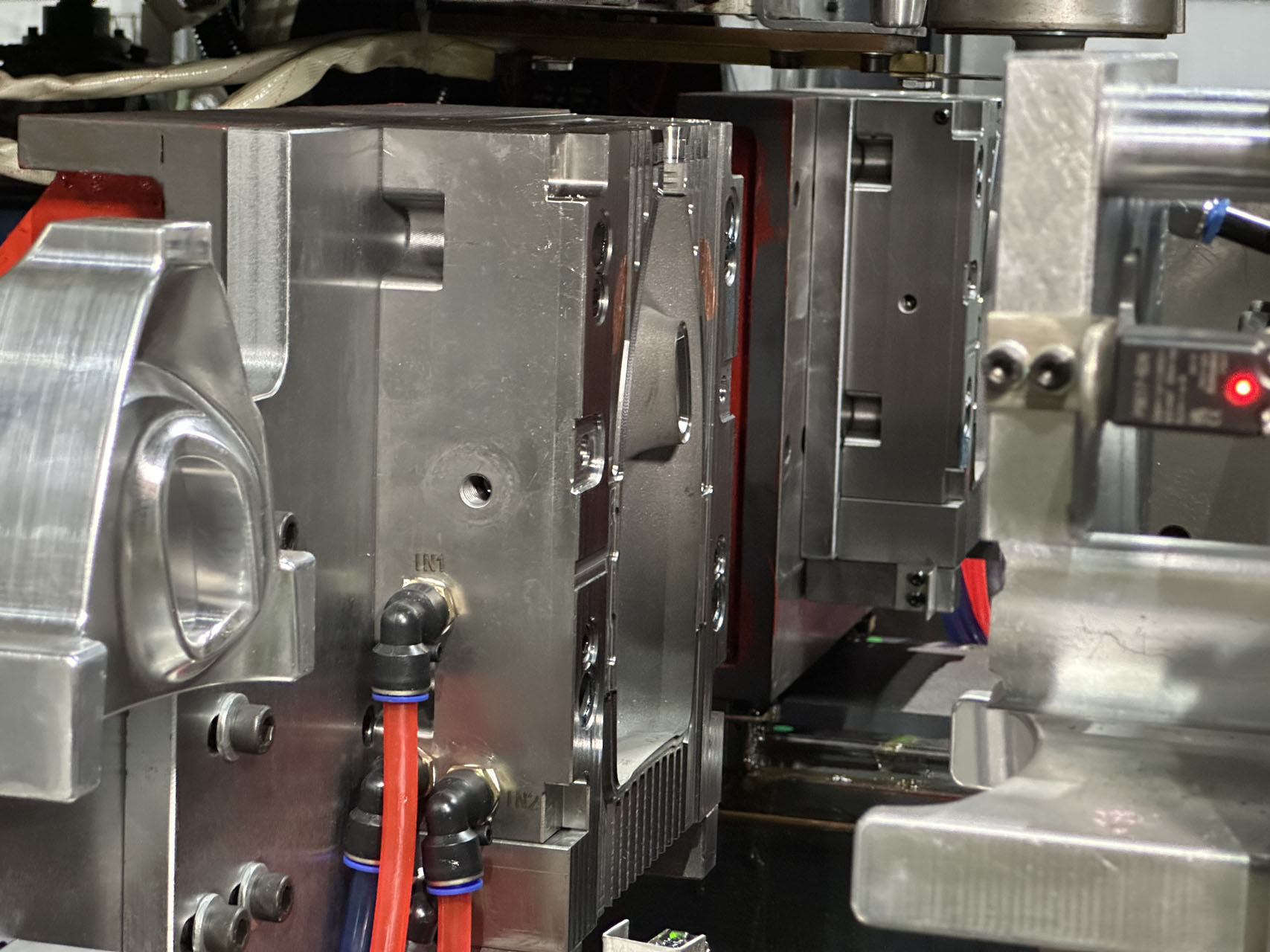
Sink marks, warped geometries, and excessive material waste plague traditional injection molding—especially when producing complex hollow parts. For manufacturers in cosmetics, automotive, and medical packaging, these flaws aren’t just annoyances; they drive up costs and compromise product integrity.
Gas assist injection molding tackles these pain points head-on by injecting nitrogen gas into molten plastic, creating lightweight yet durable hollow structures. The result? 30-50% less material usage, faster cycle times, and flawless finishes—even for intricate designs. This guide breaks down how the technology enhances blow molding applications across industries.
Fundamentals of Gas Assist Injection Molding
“Gas assist injection molding revolutionizes manufacturing by producing lightweight, structurally robust parts with unmatched efficiency, making it a ездить или умереть choice for complex designs.”
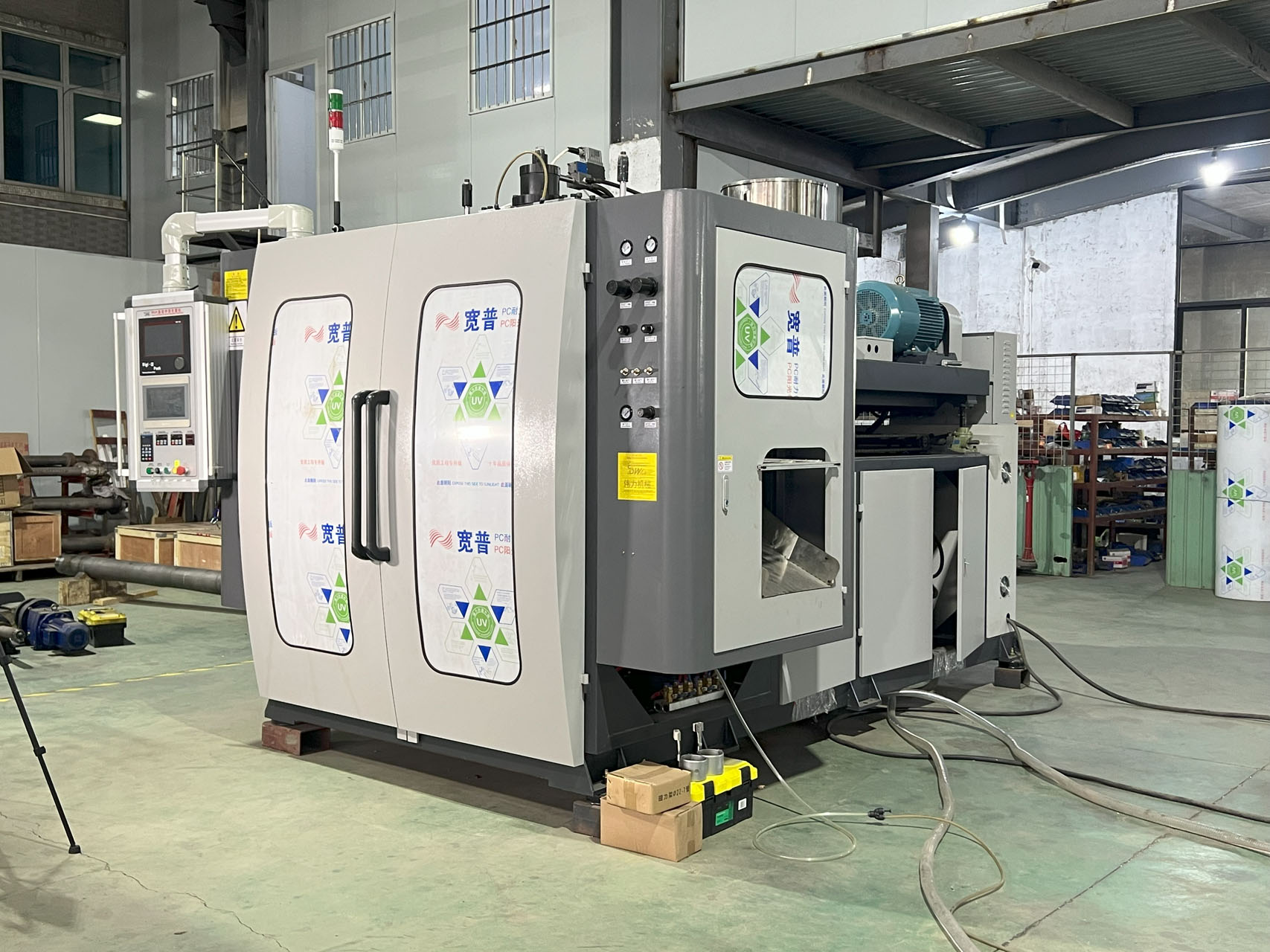
Gas assist injection molding is a cutting-edge manufacturing process that combines polymer injection with gas injection to create hollow, lightweight parts. This technique is widely used in industries requiring high-strength, intricate designs, such as automotive and packaging. The process begins with injecting molten polymer into a mold, followed by nitrogen gas to form hollow sections, reducing material usage while maintaining structural integrity.
The key components of gas assist injection molding include the polymer injection phase and the gas injection phase. During the polymer phase, molten plastic fills the mold cavity partially. Nitrogen gas is then introduced to push the polymer into the remaining spaces, creating hollow channels. Nitrogen is preferred due to its inert properties, preventing oxidation and ensuring consistent results.
Gas Assist Injection Molding Performance Metrics
| Метрика | Traditional Molding | Gas Assist Molding | Отраслевой ориентир | Примечания |
|---|---|---|---|---|
| Экономия материалов | 0% | 30-40% | 35% | Measured by weight reduction in final product |
| Cycle Time (seconds) | 60 | 45 | 50 | Shorter cycles enhance production efficiency |
| Part Weight Reduction | 0% | 25% | 20% | Critical for automotive and aerospace applications |
| Surface Finish Quality | Хорошая | Отличная | Отличная | Reduced sink marks and warping |
| Стоимость оснастки | $$$ | $$ | $$ | Lower due to simplified mold designs |
Historically, gas assist injection molding gained traction in the 1980s as industries sought cost-effective ways to produce lightweight components. Today, it’s a cornerstone in blow molding, particularly for PET and HDPE containers. Lekamachine integrates this technology into their blow molding solutions, enhancing production efficiency for cosmetics, pharmaceuticals, and industrial packaging.
The hidden advantage of gas assist injection molding lies in its ability to handle complex geometries without compromising strength. This makes it ideal for applications where weight reduction and durability are critical, such as automotive fuel tanks or medical device housings. By leveraging nitrogen gas injection, manufacturers achieve precision and consistency, reducing waste and operational costs.

The Gas Assist Injection Molding Process Explained
“Gas assist injection molding delivers precision-engineered hollow parts with 30-40% material savings, making it the go-to solution for lightweight, high-strength components.”
Gas assist injection molding follows a precise three-stage process that revolutionizes part manufacturing. First, molten polymer is injected into the mold cavity, filling it partially (typically 70-95%). This initial phase requires careful control of injection speed and pressure to ensure proper material distribution before gas introduction.
Gas Assist Process Parameters Comparison
| Параметр | Polymer Phase | Gas Phase | Optimal Range | Impact on Quality |
|---|---|---|---|---|
| Pressure (bar) | 800-1200 | 150-300 | Gas: 200-250 | Determines wall thickness uniformity |
| Temperature (°C) | 200-300 | Ambient | Material-dependent | Affects surface finish and dimensional stability |
| Injection Delay (sec) | 0 | 1-3 | 1.5-2 | Critical for proper material distribution |
| Gas Duration (sec) | Н/Д | 5-15 | Part-dependent | Ensures complete channel formation |
| Cooling Time (sec) | Н/Д | 20-60 | 30-40 | Reduces warping and maintains tolerances |
During the second phase, high-pressure nitrogen gas is injected through special nozzles, pushing the polymer into unfilled mold areas while creating hollow channels. Nitrogen’s inert properties prevent material degradation, and its precise control enables consistent wall thicknesses as thin as 1-2mm. Lekamachine’s systems optimize this phase through real-time pressure monitoring, achieving superior results in cosmetic and pharmaceutical packaging.
The final cooling and ejection phase ensures dimensional stability before part removal. Proper cooling time prevents deformation, while advanced ejection systems maintain surface quality. This entire gas assist injection molding process typically reduces cycle times by 25% compared to conventional methods while delivering stronger parts with better surface finishes.
The hidden advantage lies in parameter synchronization – when pressure, temperature, and timing are perfectly balanced, manufacturers achieve optimal material distribution and structural integrity. This precision makes gas assist injection molding ideal for complex automotive components and medical devices where weight reduction cannot compromise strength.
Advantages Over Traditional Injection Molding
“Gas assist injection molding delivers 30-50% material savings while improving structural integrity, making it the smart choice for high-performance plastic components.”
When comparing gas assist injection molding to traditional methods, the advantages become immediately apparent. The most significant benefit comes in material savings – gas assist technology reduces plastic usage by 30-50% by creating hollow channels within parts. This not only cuts material costs but also results in lighter components, particularly valuable in automotive and aerospace applications where weight reduction is critical.
Comparative Analysis: Gas Assist vs Traditional Molding
| Performance Factor | Traditional Molding | Gas Assist Molding | Улучшение | Влияние на отрасль |
|---|---|---|---|---|
| Material Usage | 100% | 60-70% | 30-40% reduction | Significant cost savings in high-volume production |
| Время цикла | 60 sec | 45 sec | 25% faster | Higher throughput with same equipment |
| Part Weight | 100% | 75% | 25% lighter | Critical for transportation applications |
| Маркировка раковины | Common | Rare | 90% reduction | Superior cosmetic appearance |
| Точность размеров | ±0.5mm | ±0.2mm | 60% improvement | Better fit and assembly precision |
The structural benefits of gas assist injection molding are equally impressive. By creating internal gas channels, parts gain enhanced rigidity without added weight. This eliminates common issues like sink marks and warping while maintaining excellent surface finishes. For industries like medical devices and consumer electronics, this means components that look better and perform more reliably.
From a production standpoint, gas assist injection molding offers faster cycle times and greater throughput. The reduced material volume cools quicker, allowing for 20-30% shorter cycles. When implemented in high-volume environments like Lekamachine’s blow molding solutions for pharmaceutical packaging, these time savings translate directly to improved ROI and production capacity.
The hidden advantage lies in design flexibility – gas assist technology enables complex geometries that would be impossible or prohibitively expensive with traditional methods. This makes it particularly valuable for creating integrated components that consolidate multiple parts into single, high-strength units. The result is simplified assemblies and reduced production costs across the product lifecycle.

Applications in Blow Molding and Key Industries
“Gas assist injection molding transforms multiple industries by creating lightweight yet durable components, with Lekamachine’s solutions achieving 40% material savings in pharmaceutical packaging applications.”
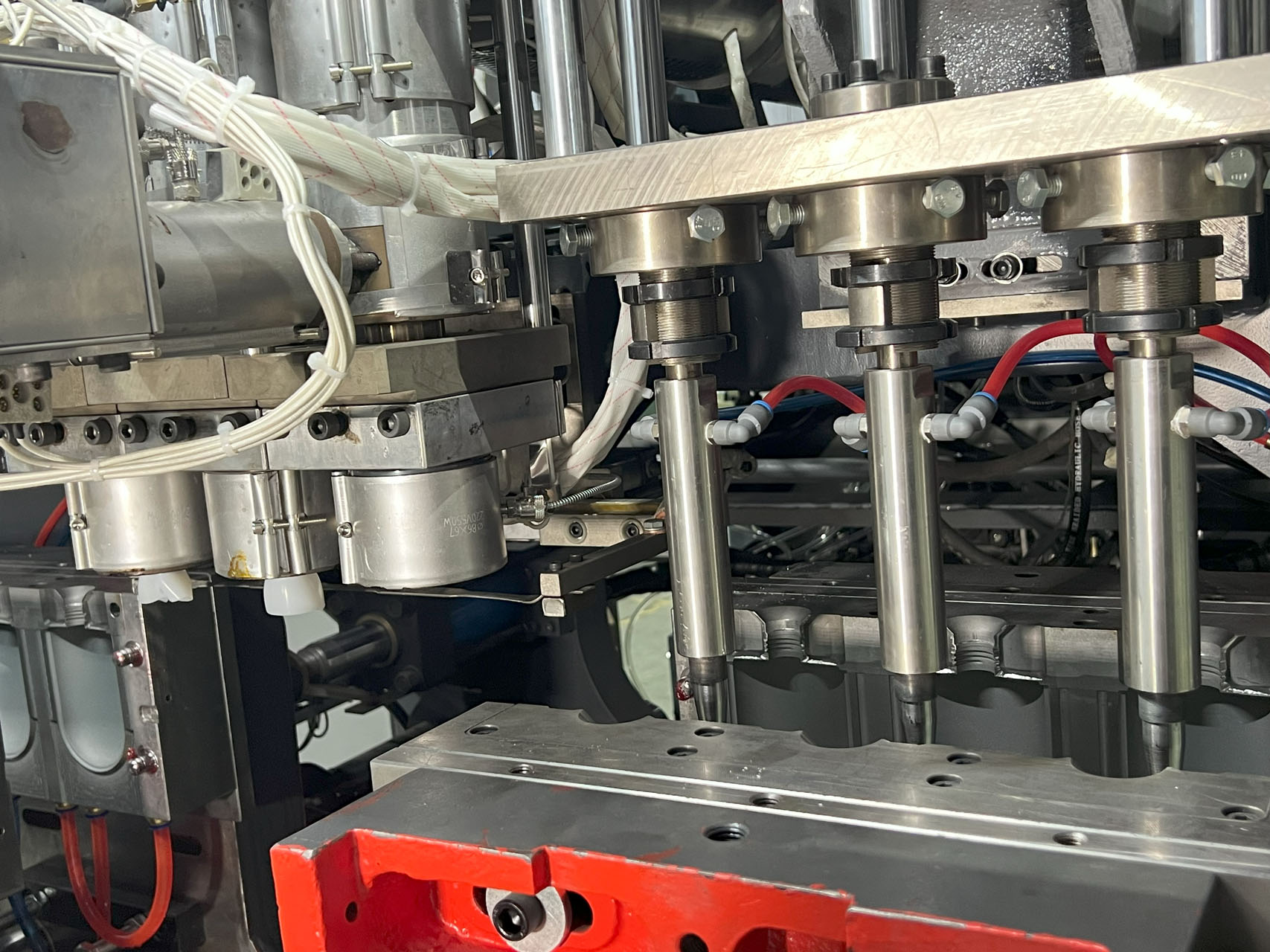
Gas assist injection molding has revolutionized product design across several key industries, particularly in blow molding applications. In cosmetics and pharmaceutical packaging, this technology enables the production of lightweight yet durable containers with precise wall thickness control. Lekamachine’s integrated systems have helped leading brands achieve 30-40% material reductions while maintaining container integrity – a critical factor for premium cosmetic packaging and sterile pharmaceutical bottles.
Industry-Specific Benefits of Gas Assist Molding
| Промышленность | Key Application | Экономия материалов | Performance Benefit | Lekamachine Case Study |
|---|---|---|---|---|
| Косметика | Premium bottles | 35% | Enhanced surface finish | European luxury brand |
| Фармацевтика | Sterile containers | 40% | Постоянная толщина стенок | Top 5 pharma company |
| Автомобили | Duct components | 45% | High strength-to-weight | Tier 1 supplier |
| Медицина | Device housings | 30% | Precision tolerances | Surgical equipment OEM |
| Потребительские товары | Ergonomic handles | 25% | Reduced material costs | Global appliance maker |
The automotive sector benefits tremendously from gas assist injection molding’s ability to create complex geometries with high strength-to-weight ratios. Components like air ducts, fluid reservoirs, and structural supports can be produced with hollow sections that reduce weight without compromising durability. This aligns perfectly with the industry’s push toward lighter vehicles for improved fuel efficiency.
In medical device manufacturing, gas assist technology delivers precision parts with consistent wall thickness – critical for components like inhaler bodies and surgical instrument housings. The process eliminates weak points and ensures reliable performance in sterile environments. Lekamachine’s expertise in integrating this technology with blow molding systems has helped medical manufacturers achieve both regulatory compliance and production efficiency.
The hidden advantage across all applications is design freedom. Gas assist injection molding allows engineers to consolidate multiple parts into single components, reducing assembly steps and potential failure points. This makes it particularly valuable for consumer goods requiring both aesthetic appeal and structural integrity, from ergonomic tool handles to sleek electronic enclosures.

Implementing Gas Assist Technology: Best Practices
“Successful implementation of gas assist injection molding requires careful partner selection and design optimization, with Lekamachine’s clients achieving 30% faster production cycles through proper system integration.”
Implementing gas assist injection molding begins with selecting the right equipment partner. Key compatibility factors include machine pressure capacity (minimum 300 bar for gas injection), precise shot control capabilities, and nitrogen gas system integration. Lekamachine’s experience shows that manufacturers who conduct thorough equipment audits reduce implementation risks by 40% and achieve optimal results faster.
Gas Assist Implementation Checklist
| Фаза реализации | Key Considerations | Common Challenges | Lekamachine Solutions | Success Metrics |
|---|---|---|---|---|
| Partner Selection | Machine compatibility, gas system integration | Inadequate pressure control | Customized gas assist modules | 30% faster implementation |
| Design Phase | Gas channel placement, wall thickness | Uneven material distribution | CFD simulation support | 25% material savings |
| Process Setup | Injection timing, gas pressure | Gas breakthrough | Automated parameter optimization | 15% cycle time reduction |
| Контроль качества | Wall thickness consistency | Surface defects | Real-time monitoring systems | 99.5% defect-free rate |
| Future Scaling | AI integration, automation | Process variability | Smart factory solutions | 20% productivity gain |
Design considerations for optimal gas channel formation are critical for success. Engineers should focus on uniform wall thickness (typically 2-4mm), gradual transitions in cross-sections, and strategic placement of gas injection points. Lekamachine’s design team uses advanced simulation software to predict material flow and gas penetration patterns, helping clients avoid common pitfalls like gas breakthrough or uneven wall distribution.
When troubleshooting gas assist injection molding issues, manufacturers should first examine gas pressure settings (typically 50-300 bar) and injection timing (usually 0.5-3 second delay after polymer injection). Common problems like surface marks often stem from incorrect gas pressure, while incomplete filling usually indicates timing issues. Lekamachine’s technical support team has developed proprietary diagnostic protocols that reduce troubleshooting time by 60% compared to conventional methods.
The future of gas assist injection molding lies in AI and automation integration. Emerging technologies like real-time pressure adjustment systems and machine learning-based quality prediction are transforming production floors. Lekamachine is at the forefront of these developments, with pilot projects showing 25% improvements in material efficiency through adaptive process control. These advancements promise to make gas assist technology even more accessible to manufacturers across industries.
Заключение
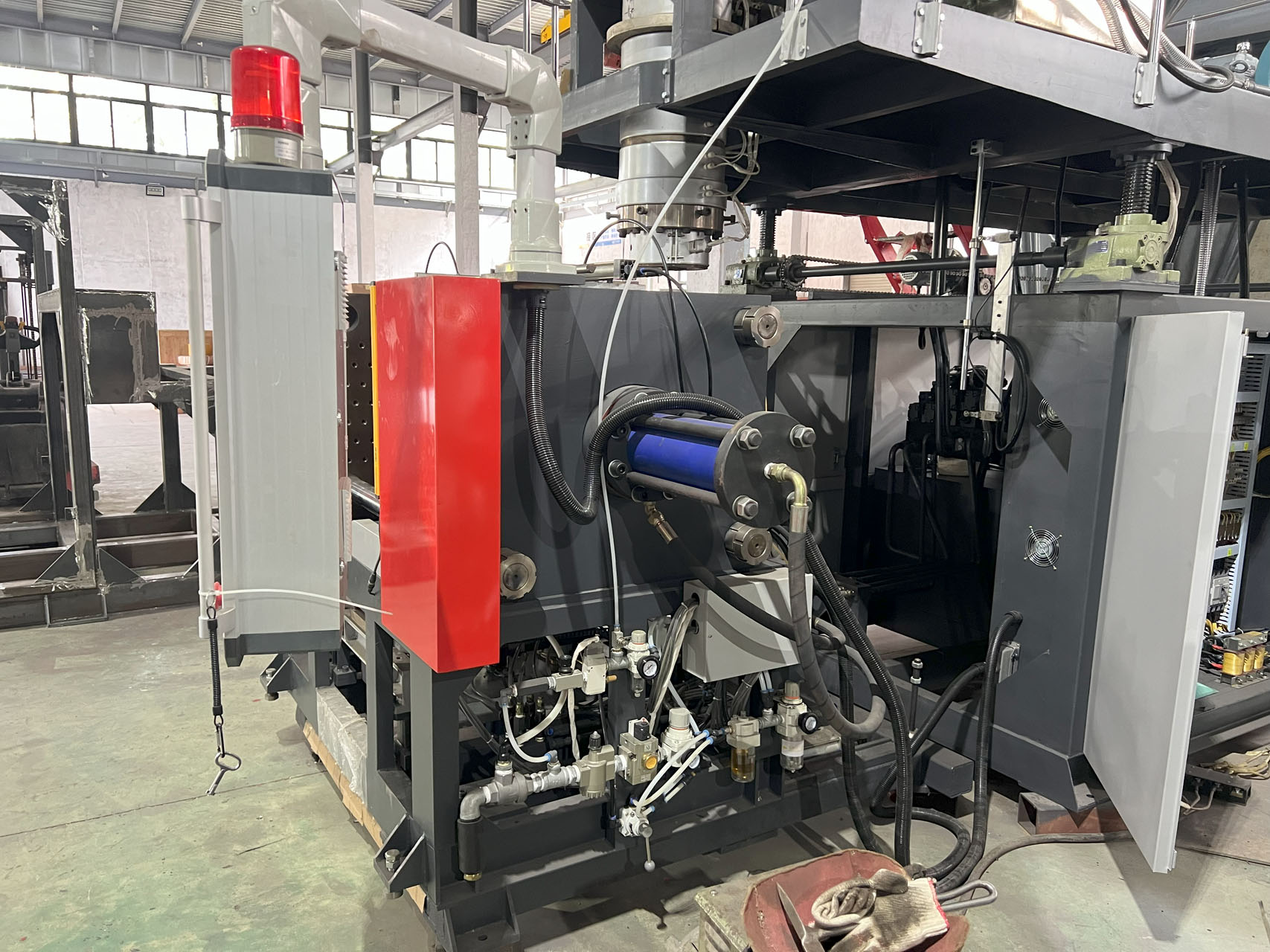
After years in the blow molding industry, I’ve seen firsthand how gas assist injection molding transforms production. It’s not just about cutting material costs—it’s about unlocking design freedom, slashing cycle times, and delivering flawless parts that traditional methods can’t match. For complex hollow components, this tech is a "игровая перемена".
The numbers speak for themselves: 30-50% less material, 25% faster cycles, and zero sink marks. But the real win? How it future-proofs your production line. Whether you’re molding cosmetic bottles or automotive ducts, gas assist lets you do more with less—without compromising strength or aesthetics.
If you’re still wrestling with warped parts or excessive waste, it’s time to rethink your process. The efficiency gains alone make this upgrade worth a hard look.
ЧАСТО ЗАДАВАЕМЫЕ ВОПРОСЫ
Q1: What is gas assist injection molding?
A1: Gas assist injection molding is a manufacturing process where pressurized nitrogen or another inert gas is injected into molten plastic within a mold, creating hollow structures and reducing material usage.
Q2: What are the benefits of gas assist injection molding?
A2: Benefits of gas assist injection molding include reduced material costs, lightweight product design, minimized sink marks, and improved flow characteristics, particularly for large or complex parts.
Q3: How does gas assist molding work?
A3: In gas assist molding, after the initial plastic injection, gas is introduced to push the molten plastic into the mold, creating hollow sections and achieving structural strength with less material.
Q4: What types of products can be manufactured using gas assist injection molding?
A4: Products suitable for gas assist injection molding include large housings, automotive parts, appliance components, and complex designs that require both strength and lightweight properties.
Q5: How does gas assist injection molding compare to traditional injection molding?
A5: Unlike traditional injection molding, gas assist molding reduces the amount of plastic needed and can improve surface finish and structural integrity, making it ideal for larger and more complex parts.
Q6: What are the typical applications of gas injection molding?
A6: Common applications include manufacturing automotive panels, large home appliance components, and specialized equipment housings, where reduced weight and material usage are essential.
Q7: Is gas assist injection molding cost-effective?
A7: Yes, gas assist injection molding can be cost-effective due to reduced material usage and cycle time, leading to lower production costs for large volume manufacturing.
Q8: What materials are used in gas assist injection molding?
A8: Typical materials include various thermoplastics like polypropylene, ABS, and polycarbonate, which are suitable for being molded into lightweight and durable parts.
Внешние ссылки
- Gas Assisted Injection Molding: Process, Benefits and Uses
- Gas Assist Injection Molding – Universal Plastics
- Gas-assisted injection molding – Wikipedia
- All About Gas Assist Injection Molding | Synectic
- The Ultimate Guide to Gas Assist Injection Molding
- Gas Assist Injection Molding – PSI Molded Plastics
- Gas Assist Injection Molding Guide (2025) – FOW Mould
- Gas Assist Injection Molding – Engineers Edge

0 Комментариев