

The Definitive Checklist: 18 Questions to Ask Blow Moulding Machine Suppliers Before You Buy?
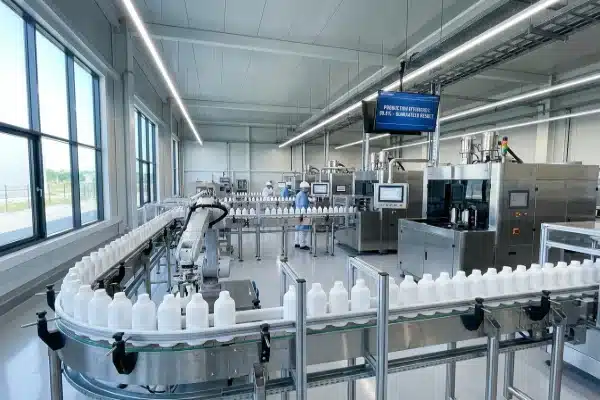
We see the frustration on factory floors too often. You invest in new equipment, only to find it struggles to meet daily targets or breaks down without parts. In our engineering department, we believe that buying a machine is actually about buying a guaranteed production result. Before you sign any contract, you must uncover the truth behind the glossy brochures.
This comprehensive checklist safeguards your investment by prioritizing verifiable production capacity, specific after-sales contract terms, rigorous Factory Acceptance Test (FAT) protocols, and precise technical specifications tailored to your unique bottle design and resin requirements.
Here is the essential guide to vetting your next supplier.
How do I verify the actual production capacity versus theoretical output?
When we calculate output for our clients, we know that theoretical numbers on a spreadsheet rarely match reality. We have seen competitors quote speeds that are physically impossible once you account for cooling and mold movements. You need hard data, not estimates.
Production capacity must be measured in bottles per hour (BPH) accounting for the complete cycle, including heating, molding, and ejection phases. You should verify that the machine is sized for your specific weight and volume, rather than relying on a generic total machine count.
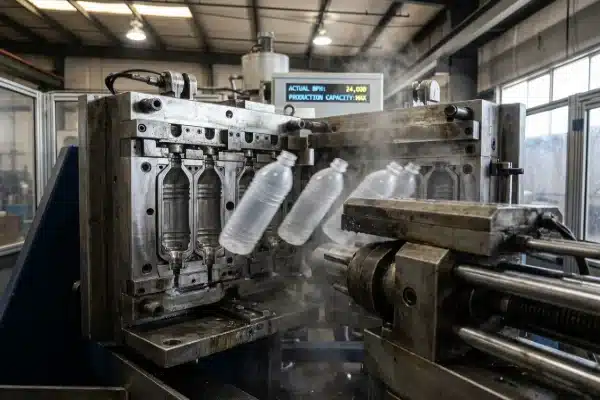
The gap between a sales quote and the factory floor reality can be shocking. In the industry, "theoretical output" is often a perfect-world scenario. It assumes zero seconds for part removal, instant cooling, and 100% uptime. However, in our daily operations, we know actual production is typically 15% to 25% lower than these theoretical figures.
To verify capacity, you must look at the cycle time breakdown. The longest part of the blow molding cycle is cooling. If a supplier promises high speed but the machine has poor cooling circuit design or weak airflow, the bottles will warp if you run them fast. You must ask for a cycle time chart that includes:
- Plasticizing time (melting the resin).
- Mold closing and clamping time.
- Blowing and holding time.
- Exhaust and mold opening time.
- Ejection and "take-out" time.
poor cooling circuit design 1
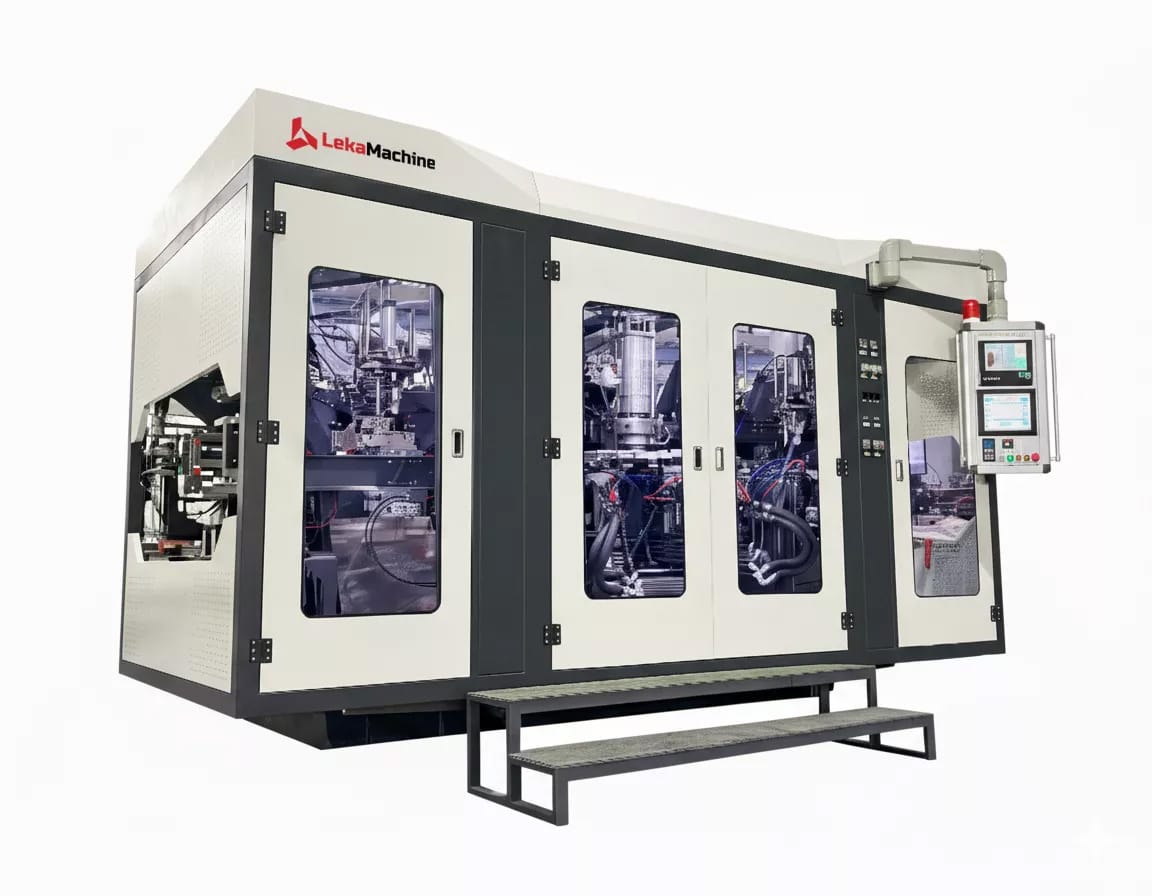
Furthermore, capacity depends on the mold configuration. A single-station machine will always be slower than a double-station machine. Using multi-cavity molds (e.g., 4, 6, or even 16 cavities) is a smart way to increase output without buying a second machine. However, the machine must have enough clamping force and extruder capacity to fill all those cavities simultaneously without variation in bottle weight.
H3 – Analyzing Output Loss Factors
You need to ask your supplier to fill out a table similar to the one below to see if they are being honest about production losses.
| Фактор | Impact on Output | Question to Ask |
|---|---|---|
| Material Changeovers | Высокий | "How long does it take to purge the screw when switching from dark to light colors?" |
| Mold Cooling | Critical | "Does the cycle time calculation include the specific cooling time for my wall thickness?" |
| Scrap Rate | Умеренный | "What is the guaranteed yield rate? (e.g., 98% or 99%)" |
| Operator Skill | Переменная | "Is the machine automated enough to run consistently regardless of who is operating it?" |
By forcing the supplier to define these variables, you protect your business from missed capacity targets.
What specific after-sales support and spare parts availability should I look for?
We understand the panic of a machine stopping at 2 AM. When we ship machines to Europe or North America, we know that waiting two weeks for a sensor is not an option. A low machine price means nothing if you lose thousands of dollars in downtime waiting for a replacement part.
After-sales support must include original spare parts supply with contractual lead times, comprehensive operator training programs, and the availability of on-site technical engineers for both initial installation and emergency troubleshooting.
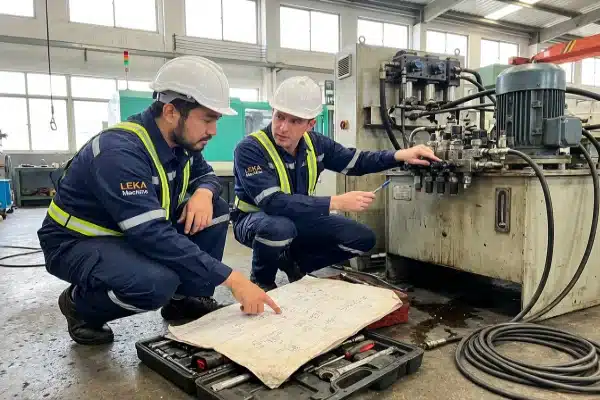
The biggest hidden cost in machinery is downtime. Many budget suppliers save money by using obscure, non-standard components. If a valve fails and you have to source it from a specific vendor in Asia that takes 60 days to ship, your production line is dead.
We recommend a "Crash Kit" strategy. This is a bundle of critical spare parts—heaters, thermocouples, relays, seals, and sensors—that ships with the machine. You should not buy a machine without this. Additionally, you need to verify the brand of the control system (PLC). If the machine uses a generic, locked system, you are trapped. If it uses standard brands like Siemens, Mitsubishi, or Omron, you can likely find a replacement part locally in your own country.
standard brands like Siemens 2
Documentation is another pillar of support. A machine is useless if your team cannot fix it. You must demand:
- Electrical schematics in English.
- Hydraulic and pneumatic circuit diagrams.
- A preventative maintenance (PM) schedule.
- PLC logic access (or at least clarity on who owns the password).
preventative maintenance (PM) 3
H3 – Service Level Agreement (SLA) Essentials
When negotiating your contract, ensure these support pillars are in writing.
| Support Type | Требование | Why it Matters |
|---|---|---|
| Critical Parts | Local Stock or "Crash Kit" | Prevents weeks of downtime for minor failures. |
| Remote Support | Video/Online Access | Allows engineers to diagnose software issues instantly. |
| Engineer Dispatch | Visa-ready Team | Ensures physical help can arrive if remote fixes fail. |
| Warranty | Parts + Labor Policy | Clarifies who pays for shipping defective parts back and forth. |
Do not accept verbal promises. If they cannot commit to a response time in the contract, they will not be there when you need them.
How can I ensure the machine passes a rigorous Factory Acceptance Test?
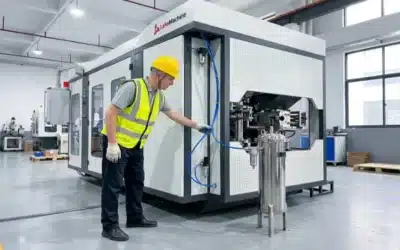
In our factory, we never ship a machine until it has run continuously under load. We encourage clients to visit us, but if you cannot, you must not blindly trust a video of the machine simply "moving." A machine that opens and closes is not the same as a machine that produces quality bottles at speed.
Factory Acceptance Test protocols should include detailed test plans, performance verification under various operating conditions, and strict compliance documentation that allows you to reject the shipment if standards are not met.

The Factory Acceptance Test (FAT) is your last line of defense. Once the machine leaves the supplier’s floor, any problems become как ваша problems. A proper FAT is not just a quick demo. It is a stress test.
Factory Acceptance Test 4
First, demand a "Dry Run" and a "Wet Run."
- Dry Run: The machine runs automatically without plastic for several hours. This checks the stability of the hydraulics, the toggle system, and the electronics. It reveals overheating issues or oil leaks.
- Wet Run: The machine produces your specific bottle using your specified resin.
During the Wet Run, you must verify the Cpk (Process Capability Index). This sounds technical, but it simply means consistency. Weigh 50 consecutive bottles. If the weight fluctuates wildly (e.g., one bottle is 50g, the next is 55g), the parison control is bad, or the temperature is unstable.
You should also require "start-up" and "shut-down" tests. Some machines run fine once they are hot, but are a nightmare to start cold. Ask the supplier to film the entire start-up process to prove it is smooth. If you are buying a machine for thin-walled products (under 0.5mm), require laser wall thickness measurement reports during the FAT.
H3 – The FAT Checklist
Use this checklist to grade the supplier’s performance before authorizing the final payment.
Parison Controller 5
- Continuous Run: Machine runs for 4-8 hours uninterrupted.
- Mold Function: Venting is adequate; bottles release instantly without sticking.
- Deflashing: Automatic deflashing works 100% of the time (no manual trimming needed).
- Safety Check: Emergency stops and safety gates immediately halt the machine.
- Leak Test: Randomly select bottles and perform a drop test or pressure test.
If they refuse to sign off on these specific tests, it is a major red flag.
Which technical specifications matter most for my bottle design and resin type?
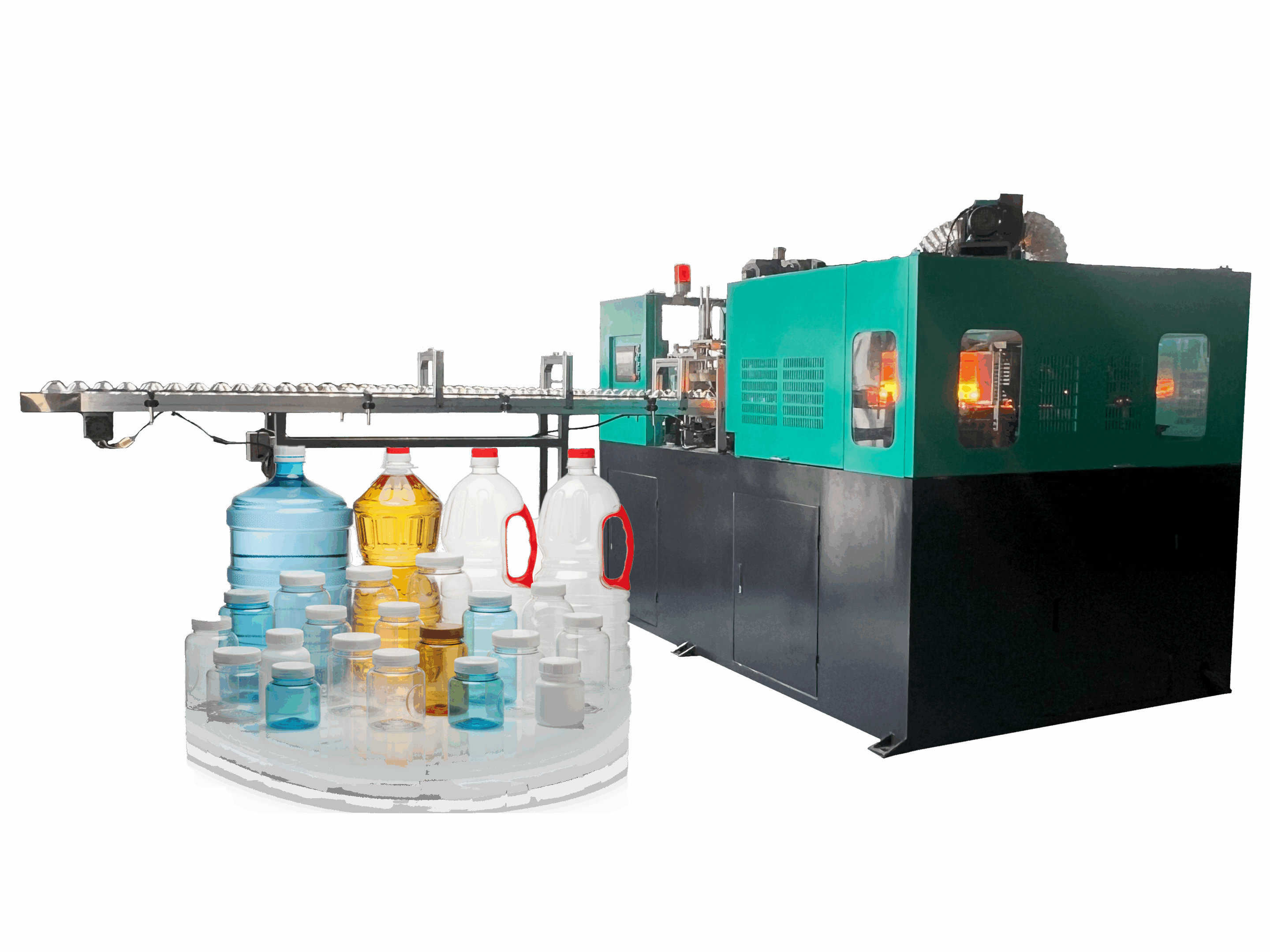
When we sit down with a client’s bottle drawing, we look at the geometry and the material first. A machine built for HDPE detergent bottles is often poor at making high-gloss PET or clear PP cosmetics bottles. The "heart" of the machine—the screw and the die head—must match your specific product.
Бутылки для моющих средств из полиэтилена высокой плотности (HDPE) 6
Technical specifications critical to bottle design include screw diameter, clamping force, layer composition capabilities, and parison configuration that specifically matches your resin type and viscosity requirements.

The most common mistake we see is buying an "off-the-shelf" standard machine for a specialized bottle.
safety gates 8
1. The Screw Design:
Resins behave differently. HDPE requires a screw that mixes well. PC (Polycarbonate) or PVC is heat-sensitive and degrades if it stays in the barrel too long. If you use Post-Consumer Recycled (PCR) material, you need a bimetallic screw that resists the wear and tear of impurities. Using a standard screw for PCR will destroy your machine in six months.
2. Clamping Force:
This determines if your bottle will have "flash" (excess plastic) on the parting lines. If you are blowing a large jerrycan or a flat bottle, the internal air pressure tries to blow the mold open. You need sufficient tonnage. A simple rule of thumb is essential, but calculations based on projected area are better. If the clamp is too weak, you get thick flash that is hard to trim, wasting material.
3. Parison Control:
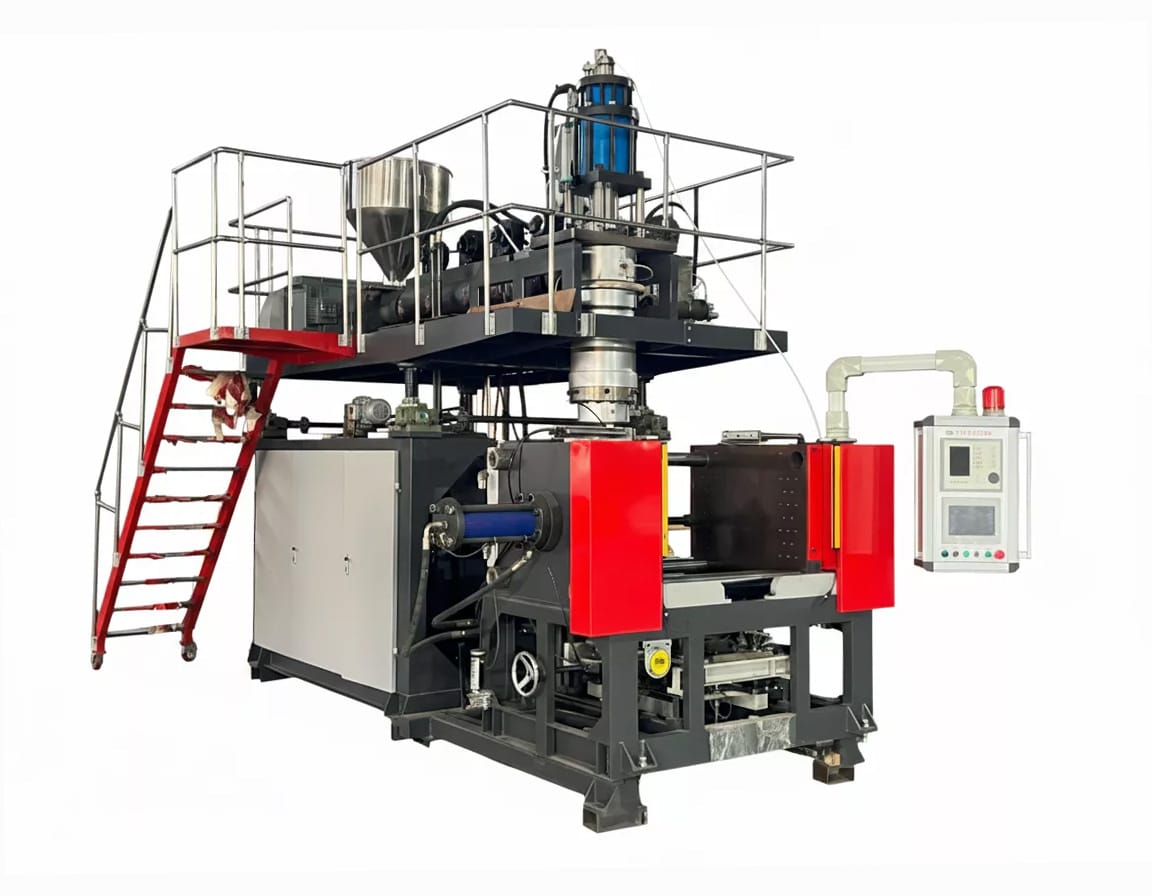
For complex shapes (like a bottle with a handle or an odd curve), the plastic tube (parison) cannot have the same thickness everywhere. You need a 100-point or 300-point Parison Controller (often MOOG or Yuken systems). This varies the thickness of the plastic as it extrudes. Without this, your bottle will have weak corners and a heavy, wasteful bottom.
H3 – Resin vs. Machine Configuration
Here is how different materials dictate your machine specs.
| Материал | Key Machine Requirement | Common Issue with Wrong Spec |
|---|---|---|
| ПНД | High-shear screw | Poor mixing, streaks in color. |
| PP (Polypropylene) | High-polish mold, aggressive cooling | Hazy bottles, long cycle times. |
| PCR (Recycled) | Wear-resistant barrel/screw | Rapid screw wear, contamination. |
| Soft Touch (TPE) | Specialized die head | Material sticking, tearing on ejection. |
By asking detailed questions about the screw design and parison control, you show the supplier that you understand the technology and cannot be sold a generic, under-performing unit.
Cpk (Process Capability Index) 9
Заключение
Asking these 18 questions transforms you from a passive buyer into an informed partner. By verifying capacity, securing spare parts, enforcing strict FAT protocols, and matching specs to your resin, you ensure your new machine delivers profit, not problems.
blow molding cycle 10
Сноски
- Academic reference on the thermodynamics of cooling. ↩︎
- Official manufacturer page for the specific PLC brand. ↩︎
- Official government guidelines on machinery maintenance safety. ↩︎
- General definition of the acceptance testing protocol. ↩︎
- Official product page for the specific technology mentioned. ↩︎
- Technical specifications for the specific resin type mentioned. ↩︎
- Government research on challenges with recycled plastics. ↩︎
- Government regulations regarding machinery safety devices. ↩︎
- Standard definition from the leading quality society. ↩︎
- Industry authority explaining the standard process stages. ↩︎


0 Комментариев