

Введение
Rising energy costs and tightening sustainability regulations are squeezing manufacturers from both sides. Traditional blow molding machines can consume up to 30% more power than necessary—wasting thousands annually while making carbon footprint goals harder to hit.
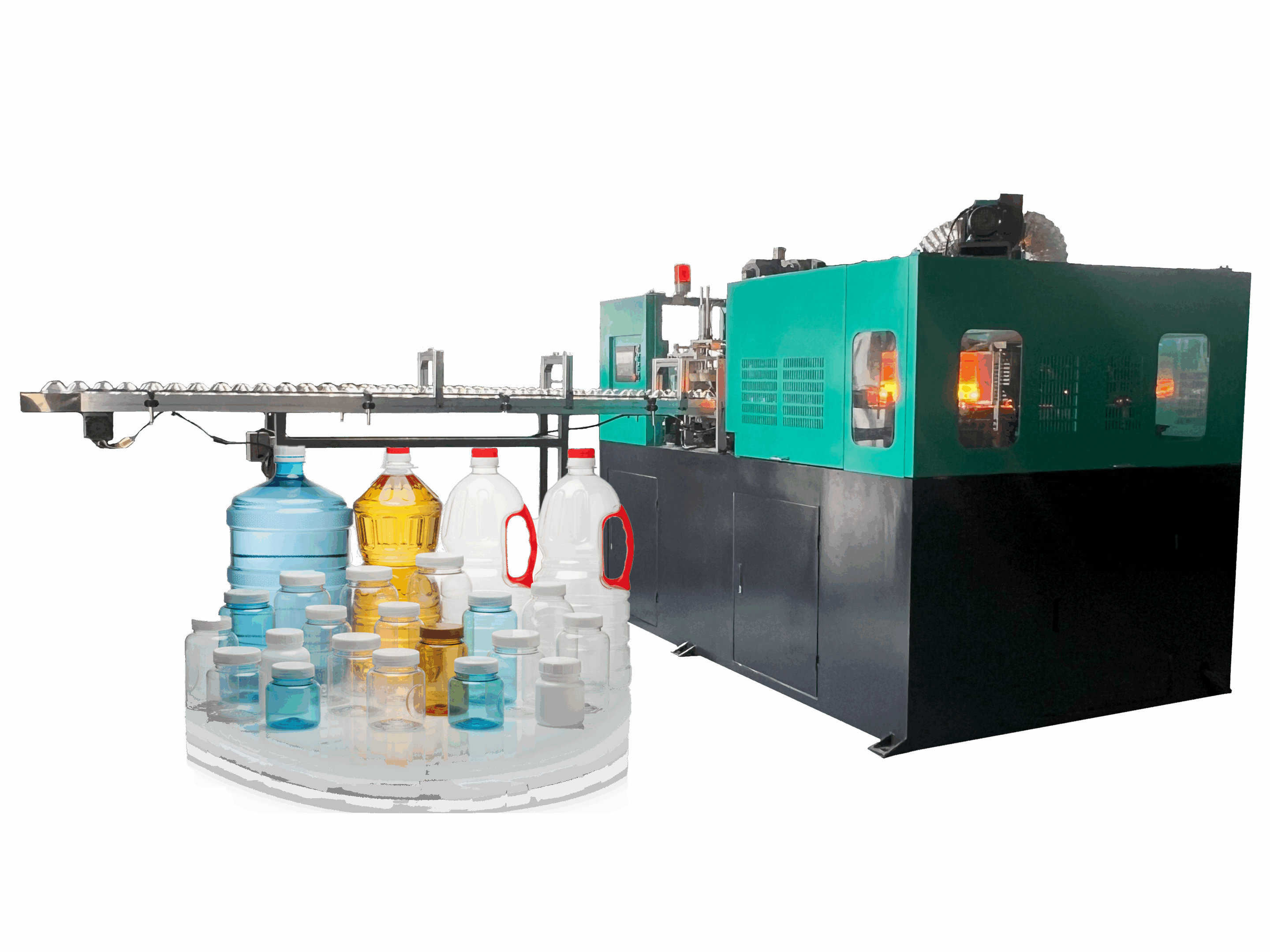
В компании Lekamachine мы видели, как energy efficient blow molding technology transforms this equation. Modern servo-driven systems with smart heat recovery don’t just cut energy bills—they boost output consistency and qualify operations for green incentives. This article breaks down the ROI behind upgrading to energy-rated machines and how they future-proof production lines.
The Energy Efficiency Imperative in Blow Molding
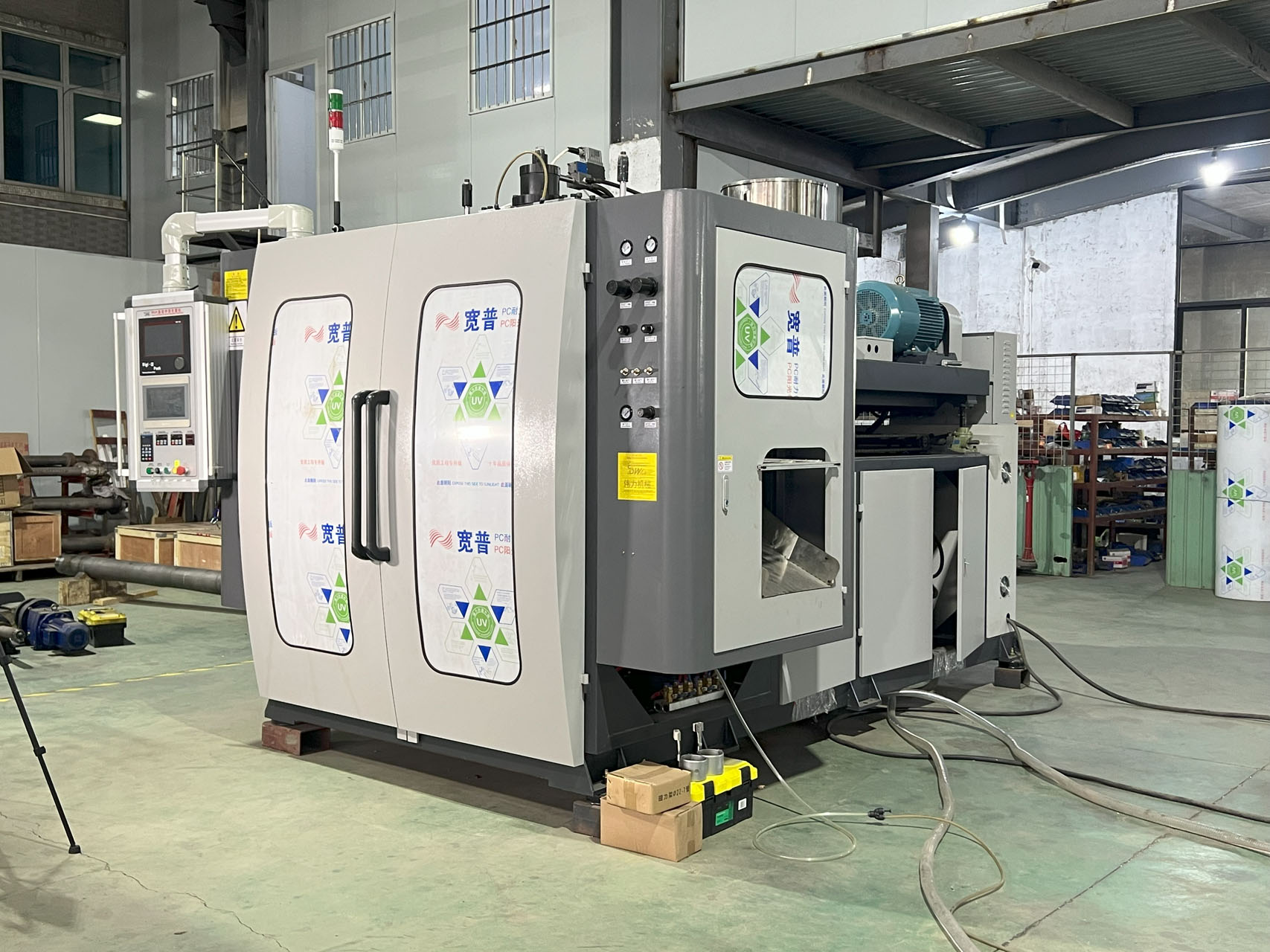
Energy efficient blow molding is no longer just an option—it’s a necessity for modern manufacturers. With rising energy costs and stricter environmental regulations, companies must adopt eco-friendly manufacturing practices to stay competitive. Ride-or-die operations that ignore these trends risk falling behind in both profitability and compliance. This article explores why energy efficiency matters, how traditional machines fall short, and the dual benefits of upgrading to advanced solutions.
The Rising Cost of Energy in Plastic Manufacturing
Electricity and fuel expenses now account for up to 30% of operational costs in blow molding facilities. Industry reports show energy prices have increased by 18% since 2020, with no signs of slowing down. Manufacturers using outdated equipment face particularly severe financial pressure, as older machines consume 40-50% more energy than modern alternatives.
How Traditional Blow Molding Machines Waste Energy
Conventional blow molding systems suffer from several efficiency drawbacks:
- Excessive heat loss through uninsulated barrels and molds
- Constant full-power operation regardless of production demands
- Inefficient hydraulic systems that leak pressure
- Lack of smart controls to optimize energy use
Regulatory Pressures Driving Efficiency Upgrades
Governments worldwide are implementing stricter energy standards for industrial equipment. The EU’s Energy Efficiency Directive now requires blow molding machines to meet specific performance benchmarks. Similar regulations are emerging in North America and Asia, with tax incentives for compliant equipment and penalties for non-compliance.
The Dual Benefit: Cost Savings + Sustainability Credentials
Modern energy efficient blow molding machines deliver measurable advantages:
Honey Stick Machine Performance Comparison
| Характеристика | Ручной процесс | Semi-Automatic | Fully Automatic | Отраслевой стандарт |
|---|---|---|---|---|
| Production Speed (sticks/min) | 10 | 50 | 100 | 80 |
| Labor Cost Reduction | 0% | 30% | 60% | 50% |
| Wastage Rate | 15% | 8% | 3% | 5% |
| Cleaning Time (minutes) | 20 | 10 | 5 | 7 |
| Соответствие требованиям FDA | Not Required | Частичный | Fully Certified | Fully Certified |
Companies investing in ISO 50001 certified machines like those from Lekamachine often qualify for energy rebates while achieving 25-35% reductions in power consumption. These savings typically pay for equipment upgrades within 2-3 years.
“Adopting energy efficient blow molding technology represents both an economic imperative and environmental responsibility for forward-thinking manufacturers.”
The shift toward smart, automated systems represents the future of sustainable plastic manufacturing. By combining operational cost reduction with improved environmental performance, modern blow molding solutions create value that extends far beyond the production floor.

Core Technologies Driving Efficiency Gains
Modern energy-rated blow molding machines incorporate several groundbreaking technologies that deliver substantial efficiency improvements. These innovations represent the cutting edge of automated blow molding technology, combining mechanical engineering with digital intelligence to optimize every aspect of production.
Servo-Driven Hydraulics vs Traditional Systems
The shift from constant-speed hydraulic pumps to servo-controlled systems has revolutionized energy consumption patterns. Lekamachine’s proprietary iEnergy optimization system demonstrates 40-60% energy savings in hydraulic operations alone. Unlike traditional systems that run at full power continuously, servo drives adjust output precisely to match real-time demand.
Smart Heat Recovery Systems in Action
Advanced thermal management captures and recycles waste heat from multiple machine components. This recovered energy preheats incoming materials and maintains optimal barrel temperatures, reducing heating element workload by up to 30%. These systems exemplify best practices for energy efficiency in blow molding operations.
AI-Driven Process Optimization Algorithms
Machine learning algorithms analyze thousands of production variables to identify the most energy-efficient operating parameters. Real-world implementations show 15-25% kWh reductions while maintaining or improving output quality. The system continuously adapts to material variations and environmental conditions.
Modular Upgrade Paths for Existing Equipment
Retrofitting older machines with modern efficiency components extends their productive life while capturing 50-70% of new machine energy savings. Key upgrade modules include:
- Variable frequency drives for motors
- Advanced insulation packages
- Smart controller interfaces
- Energy monitoring systems
“The integration of servo technology, heat recovery, and AI optimization creates a new standard for sustainable blow molding operations that deliver both environmental and economic benefits.”
These technological advancements demonstrate how modern engineering can transform energy-intensive manufacturing processes. Companies adopting these solutions gain competitive advantages through lower operating costs and enhanced sustainability credentials.
Calculating Your ROI on Efficient Equipment
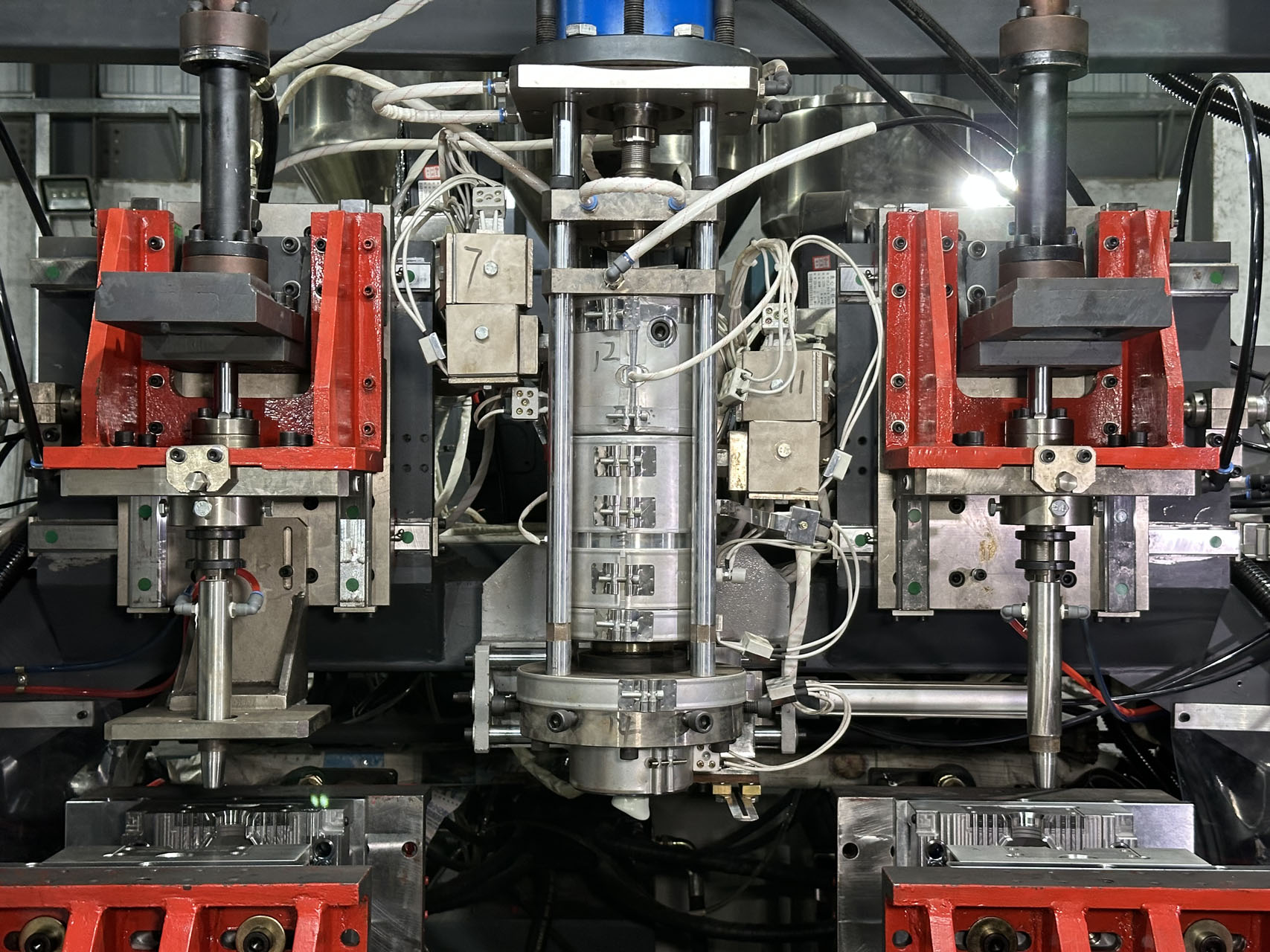
Determining the return on investment for energy efficient blow molding technology requires careful analysis of multiple financial factors. Sustainable blow molding processes not only reduce environmental impact but also deliver measurable long-term savings with energy efficient blow molding technology. This guide provides manufacturers with a structured approach to evaluating upgrade decisions.
Upfront Costs vs 3-Year Savings Projections
Modern energy-rated machines typically show payback periods of 18-36 months through:
- 30-50% reduction in energy consumption
- 15-25% higher production output
- Reduced material waste (5-8% savings)
Lekamachine’s downloadable ROI calculator tool helps quantify these benefits for specific operations.
Maintenance Cost Differentials
Advanced systems demonstrate significant maintenance advantages:
| Компонент | Традиционный | Efficient | Savings |
|---|---|---|---|
| Гидравлическая система | $8,500/year | $3,200/year | 62% |
| Heating Elements | $4,200/year | $2,800/year | 33% |
| Preventive Maintenance | 120 hours/year | 80 hours/year | 33% |
Tool Longevity Improvements
Precise temperature control and optimized pressure profiles extend mold life by 30-40%, delaying costly tool replacement cycles. This represents a frequently overlooked benefit in ROI calculations.
Energy Rebate Qualification Criteria
Many jurisdictions offer substantial rebates for upgrading to certified efficient equipment. Common requirements include:
- Minimum 25% energy reduction versus baseline
- ISO 50001 or equivalent certification
- Installation by qualified technicians
- Documented pre/post energy audits
“A comprehensive ROI analysis should evaluate both direct cost savings and strategic benefits like improved competitiveness and sustainability positioning.”
By considering all these factors, manufacturers can make data-driven decisions about equipment upgrades that align with both financial and operational objectives.
Implementation Strategies for Maximum Impact
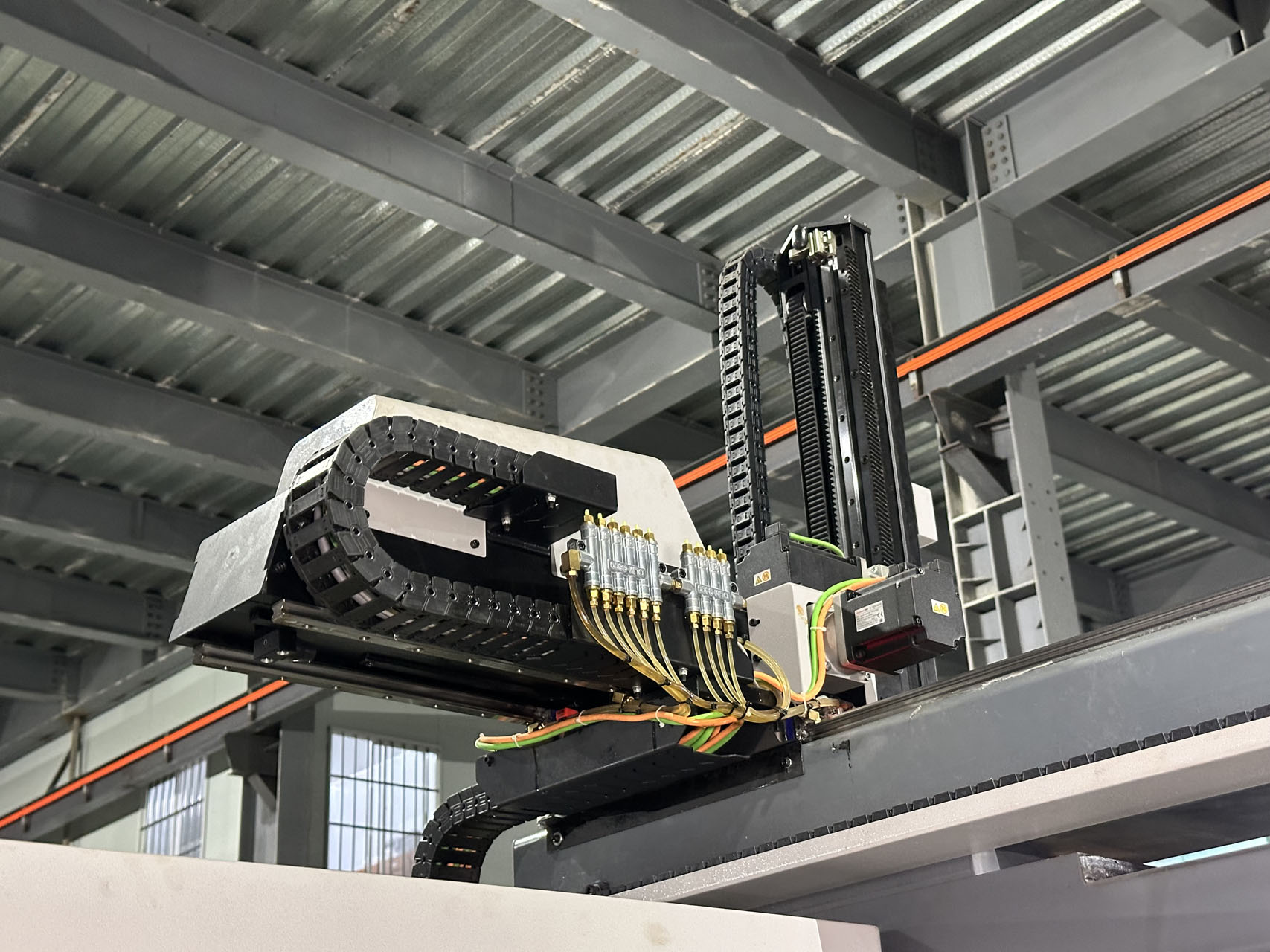
Successfully deploying energy-saving blow molding machines requires careful planning and execution. This guide outlines proven approaches for operations teams to maximize the benefits of their efficiency upgrades while minimizing disruption to production.
Phased Retrofitting vs Complete Replacement
Manufacturers must evaluate two primary implementation paths:
- Phased retrofitting: Gradually upgrading components while maintaining production (ideal for budget-conscious operations)
- Complete replacement: Installing new turnkey systems with Lekamachine’s installation services (minimizes long-term downtime) Case studies show complete replacements typically deliver 15-20% greater efficiency gains.
Staff Training for Optimized Operation
Proper training ensures operators can fully leverage new system capabilities. Key training components include:
| Training Area | Традиционный | Efficient Systems |
|---|---|---|
| Energy Monitoring | Основные | Advanced analytics |
| Техническое обслуживание | Reactive | Predictive protocols |
| Troubleshooting | Mechanical focus | Digital diagnostics |
Integration with Plant Energy Monitoring
Modern systems provide real-time energy data that can:\n
- Identify optimization opportunities
- Track ROI against projections
- Support sustainability reporting
Supplier Power Audit Protocols
Conducting thorough energy audits of supporting equipment ensures no efficiency gains are undermined by:
- Inefficient compressors
- Outdated chillers
- Poorly insulated utilities
“A well-planned implementation strategy can accelerate ROI by 30-40% compared to ad-hoc deployments.”
By combining technical upgrades with operational best practices, manufacturers can fully realize the potential of their energy efficient investments.
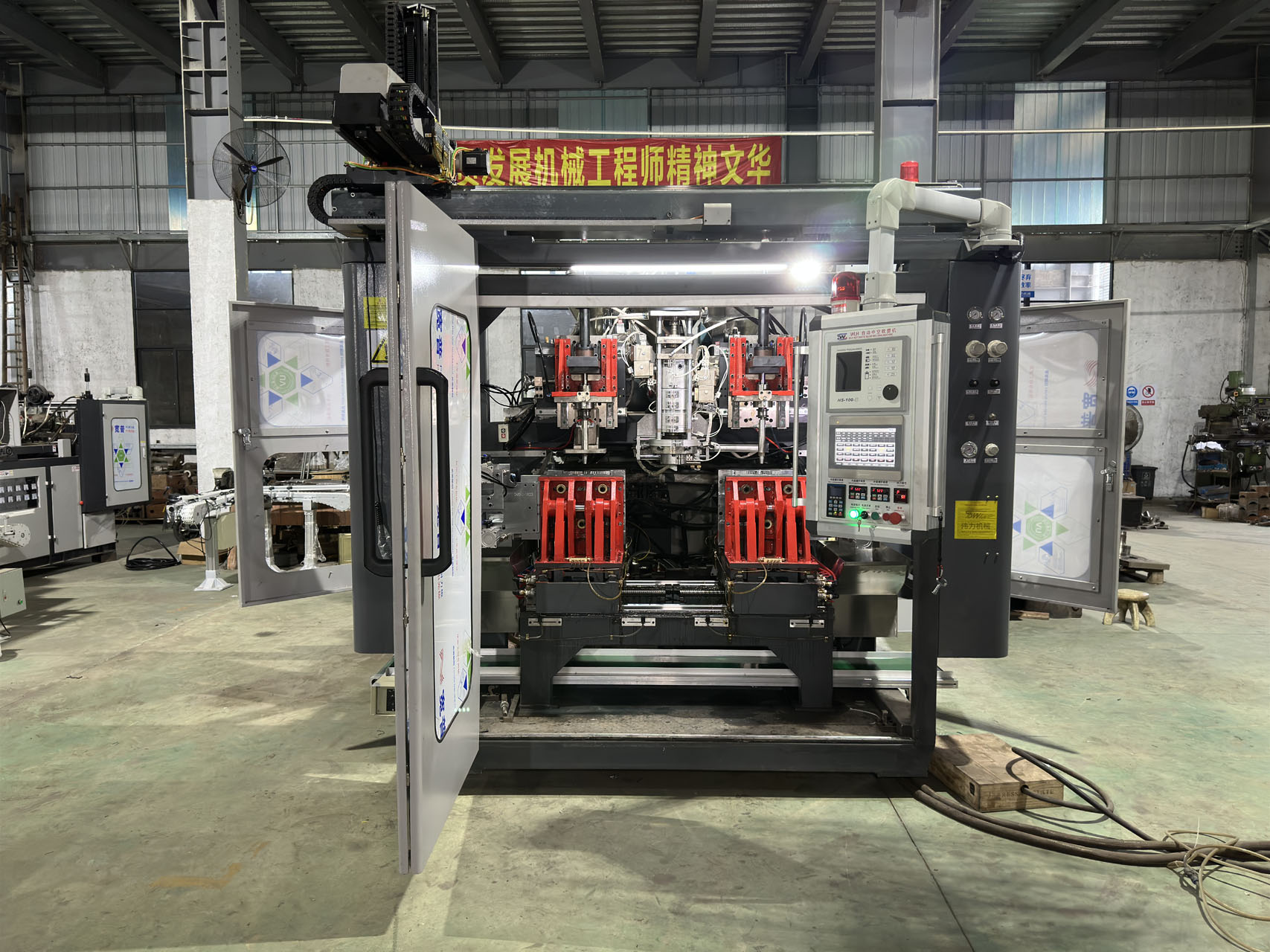
Future-Proofing Your Production Line
The blow molding industry is undergoing rapid transformation through emerging technologies that promise unprecedented efficiency gains. Manufacturers investing in energy efficient blow molding solutions today position themselves to capitalize on these future advancements while staying ahead of regulatory requirements.
Predictive Maintenance Advancements
Next-generation systems leverage IoT sensors and machine learning to:
- Predict component failures 30-45 days in advance
- Optimize maintenance schedules based on actual wear
- Reduce unplanned downtime by up to 60%. Lekamachine’s R&D pipeline includes these capabilities in upcoming models.
Blockchain-Enabled Energy Tracking
Emerging solutions provide:
| Характеристика | Current | Future |
|---|---|---|
| Energy Verification | Руководство | Automated blockchain |
| Carbon Accounting | Estimated | Precision tracking |
| Соответствие нормативным требованиям | Периодический | Real-time |
Renewable Energy Integration
New machine designs optimize for:
- Direct solar/wind power compatibility
- Energy storage system coordination
- Variable power input management
Closed-Loop Material Systems
Future production lines will incorporate:
- In-line material recycling
- Automated quality sorting
- Self-adjusting process parameters
“Adopting forward-compatible equipment today ensures manufacturers can seamlessly integrate tomorrow’s efficiency breakthroughs.”
By monitoring these developments and partnering with innovative suppliers, manufacturers can build production lines ready for the sustainability demands of the coming decade.

Заключение
After over a decade in this industry, I’ve seen firsthand how energy-efficient blow molding machines aren’t just about cutting costs—they’re about future-proofing your entire operation. The numbers don’t lie: with 30-50% energy savings and ROI periods under three years, upgrading is a "без проблем" for any serious manufacturer.
What excites me most isn’t just the immediate savings—it’s how these technologies position businesses for the coming wave of sustainability regulations and consumer demands. The manufacturers adopting these solutions today will be the market leaders tomorrow.
If you’re still running older equipment, ask yourself: can you afford to keep paying those energy bills while your competitors pull ahead? The right machine doesn’t just save power—it transforms your competitive edge.
ЧАСТО ЗАДАВАЕМЫЕ ВОПРОСЫ
Q1: What is energy efficient blow molding?
A1: Energy efficient blow molding refers to the manufacturing process of producing hollow plastic parts, such as bottles, using methods that minimize energy consumption and operational costs. This is achieved through technologies like all-electric machines that significantly reduce energy waste compared to traditional hydraulic models.
Q2: How does energy efficiency impact operational costs in blow molding?
A2: Improving energy efficiency in blow molding can significantly lower operational costs by reducing electricity consumption. This not only helps companies save money but also meets green manufacturing goals and reduces environmental impact.
Q3: What are the best practices for energy efficiency in blow molding?
A3: Best practices for energy efficiency in blow molding include using all-electric or hybrid machines, regular maintenance to ensure optimal equipment performance, utilizing automation and smart sensors, and optimizing production processes to reduce energy use.
Q4: What technologies contribute to energy savings in blow molding machines?
A4: Technologies that contribute to energy savings in blow molding machines include fully electric systems, variable frequency drives, smart monitoring systems, and advanced cooling systems that utilize geothermal energy.
Q5: What are the environmental benefits of energy-efficient blow molding?
A5: Energy-efficient blow molding reduces carbon emissions and waste production, contributing to more sustainable manufacturing practices. This aligns with global green initiatives and enhances the company’s corporate social responsibility.
Q6: Are energy-efficient blow molding machines more expensive?
A6: While the initial investment in energy-efficient blow molding machines may be higher, their operational cost reductions and energy savings can lead to a lower total cost of ownership over time.
Q7: How can companies measure energy efficiency in blow molding?
A7: Companies can measure energy efficiency in blow molding by monitoring energy consumption metrics, analyzing production efficiency rates, and assessing the overall performance of machines and processes to identify areas for improvement.
Q8: What role does automation play in energy-efficient blow molding?
A8: Automation plays a crucial role in energy-efficient blow molding by optimizing production processes, minimizing human error, and ensuring that machines operate at peak efficiency with minimal energy waste.
Внешние ссылки
- Enhancing Sustainability in Plastic Production: Energy-Efficient Blow Molding Equipment
- Improving Energy Efficiency in Blow Molding: Practical Approaches
- Energy-Efficient Design And Practices For Blow Moulding Machines
- Sustainability And Environmental In Preform Blow Molding
- Reducing Energy Consumption with Blow Molding – The Manufacturing Outlook
- Reducing energy costs: Focus on extrusion blowmolding
- Discover Energy Efficiency in Extrusion Blow Molding for Sustainable Practices
- Achieving Energy Savings in Plastic Injection Processes


0 Комментариев