
Pressure Forming vs. Vacuum Forming vs. Blow Molding: The Manufacturer’s Guide
Оглавление
I’ve been in the machinery business for a long time.
One thing I see often is confusion about manufacturing terms. I get inquiries from clients—sometimes even experienced factory owners—asking if a vacuum forming machine can produce their new line of detergent bottles or 20L jerry cans.
It is a fair question. To the naked eye, a plastic shape is a plastic shape.
But if you are in the business of packaging, knowing the difference is critical. It determines whether your product succeeds or fails on the shelf.
Today, I want to clear up the confusion between Pressure/Vacuum Forming and the technology we specialize in at Машина Лека: Экструзионно-выдувное формование and Stretch Blow Molding.
The Basics: Pressure Forming vs. Vacuum Forming
Let’s start with what these two actually do.
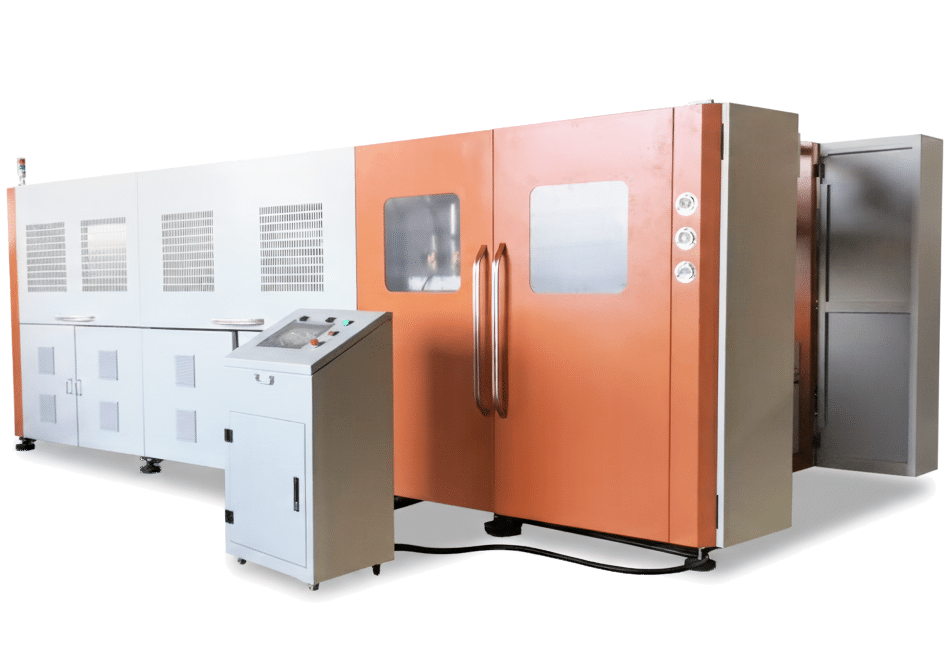
Вакуумная формовка is simple. You heat a plastic sheet until it is soft. Then, you suck the air out from under it, pulling the sheet tightly against a mold. It is great for making open trays, packaging shells, or simple covers.
Формование под давлением is the advanced cousin. It also uses a heated sheet, but instead of just suction, it uses high-pressure air to push the пластик в форму. This gives you sharper details and better textures.
Here is the catch:
Both of these processes start with a flat sheet of plastic. They are designed to make “shells.”
They cannot create a sealed, hollow container in one step.
Why You Can’t Use Them for Bottles
Если вы являетесь производитель looking to produce bottles, jars, or industrial drums, neither pressure nor vacuum forming will work for you.
Here is why you must use Выдувное формование instead.
1. The Hollow Structure
This is the biggest difference.
To hold liquid, a container needs to be hollow and seamless.
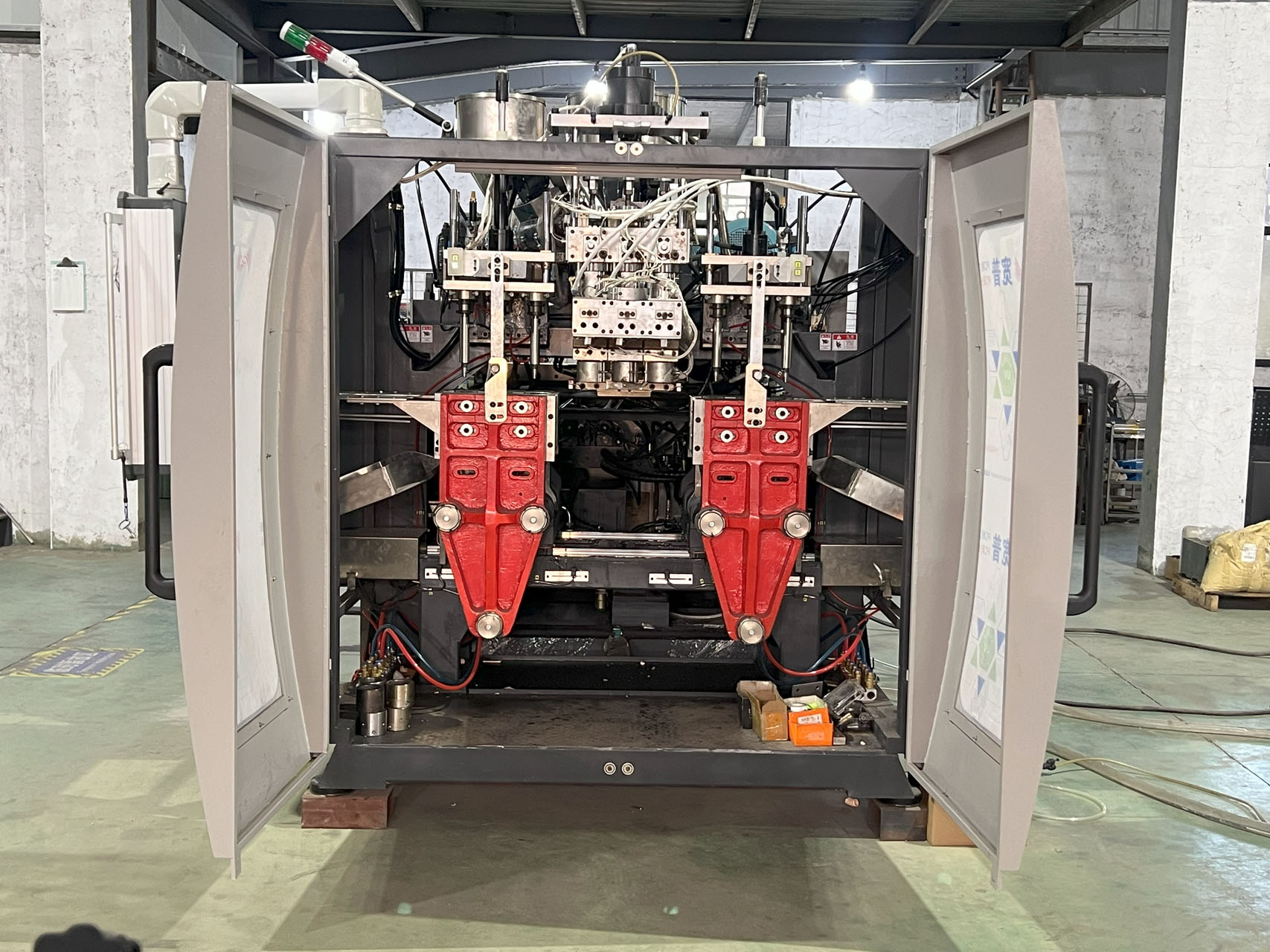
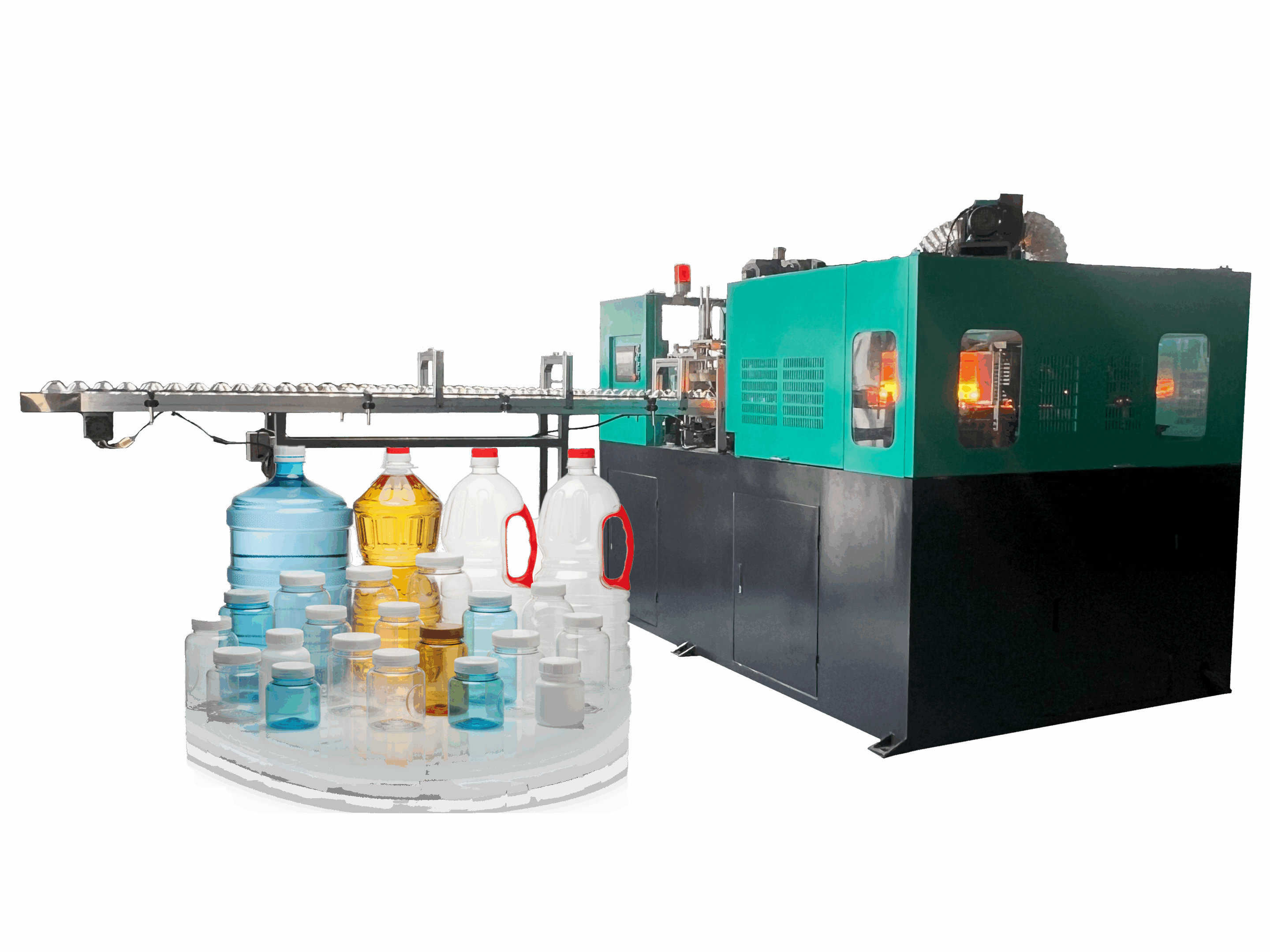
- Экструзионно-выдувные машины work by creating a “parison” (a tube of molten plastic). The mold closes around this tube, and we blow air inside to expand it. This creates a perfectly sealed container.
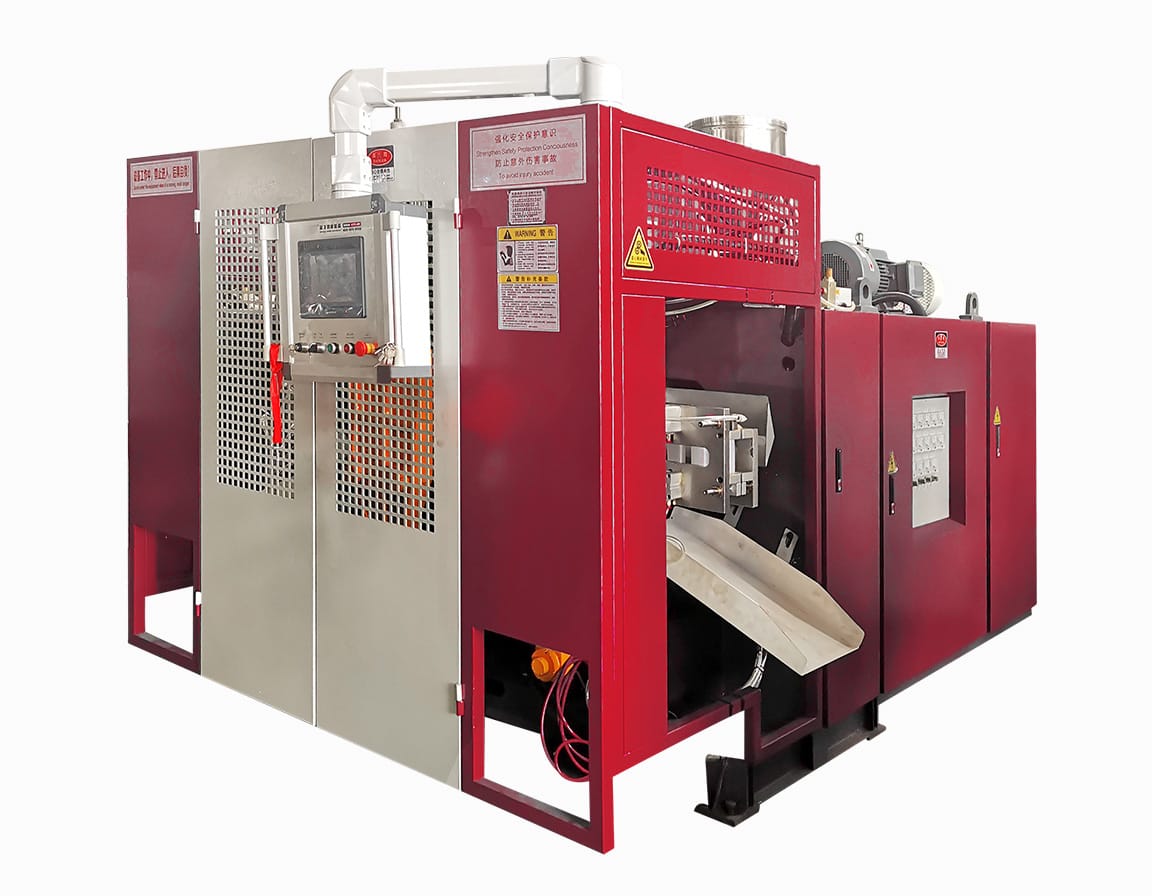
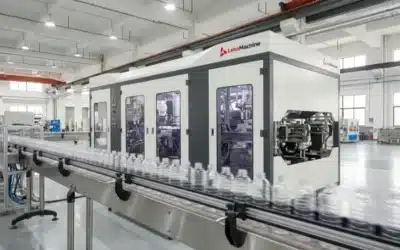
- Потягиваться Выдувные машины work by heating a preform and stretching it while blowing air. This is how you get tough, crystal-clear PET bottles.
Vacuum forming cannot do this. It can only make an open shape, like a bathtub or a chocolate tray. To make a “bottle” with vacuum forming, you would have to make two separate halves and glue them together. That is slow, expensive, and prone to leaking.
2. Wall Thickness and Strength
In my experience with industrial clients, strength is non-negotiable.
If you are making a chemical drum or a lubricant bottle, the corners need to be strong.
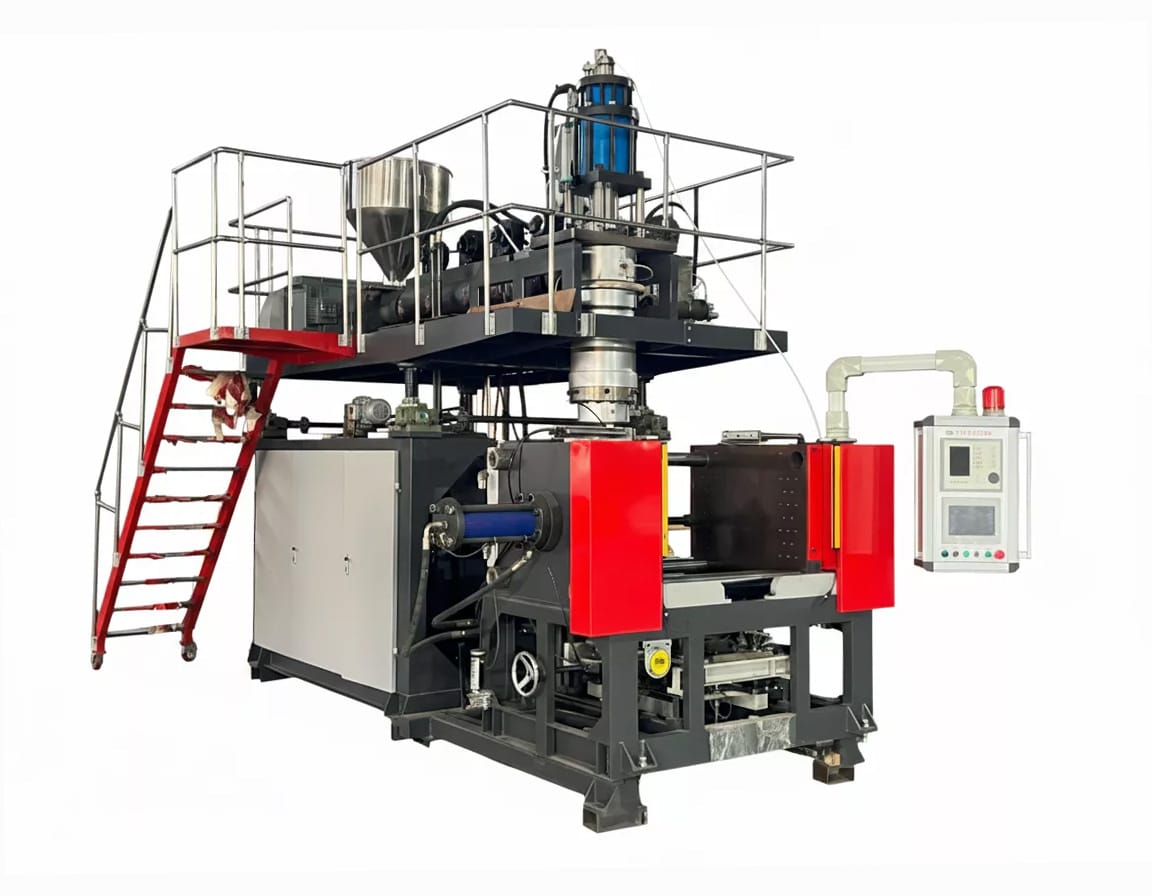
With our Серия ТИТАН, for example, we focus on large-capacity, high-strength industrial containers. We use specific controls (parison programming) to make sure the plastic is thicker at the stress points and corners.
Pressure forming stretches a sheet. The deeper the mold, the thinner the plastic gets at the bottom. You have very little control over that distribution. A chemical drum made this way would likely burst during transport.
3. Materials Matter
The raw materials are different, too.
- Blow Molding: Uses resin pellets like HDPE, PP, or PET. These materials are cost-effective and perfect for mass production.
- Vacuum/Pressure Forming: Uses pre-made plastic sheets (like ABS or HIPS). These are generally more expensive per unit than raw resin.
4. Speed and Scale
Most of the clients I work with fit a specific profile: they are established OEM factories or growing brands.
They need output.
A typical production line needs to produce anywhere from 2,000 to over 20,000 bottles per hour depending on the size.
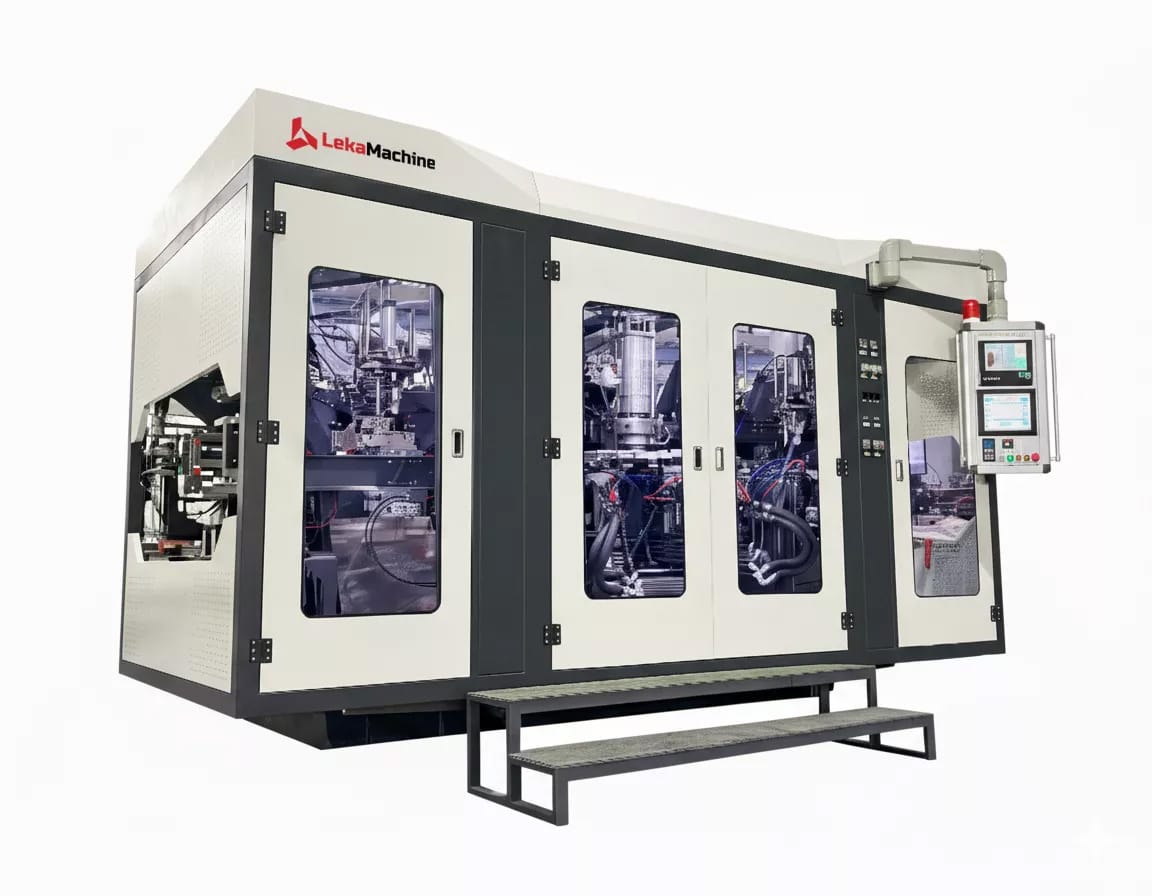
- Выдувное формование is built for this. Our Серия AERO, for instance, is designed specifically for high-volume, continuous production.
- Vacuum forming is much slower. It involves heating a sheet, forming it, cooling it, and then trimming the excess plastic off. It just cannot compete with the cycle times of a modern blow molding machine.
When Should You Use What?
I like to keep things simple. Here is a quick guide to help you decide.
Choose Pressure or Vacuum Forming if you are making:
- Disposable food trays.
- Blister packaging (the clear shell on a toothbrush package).
- Refrigerator liners.
- Large equipment covers/panels.
Choose a Выдувная формовочная машина if you are making:
- HDPE Containers: Shampoo bottles, detergent bottles, 5L oil jugs, or 200L industrial drums. You will need an Экструзионно-выдувная машина.
- PET Containers: Water bottles, juice bottles, or clear cosmetic jars. You will need a Машина для выдувной stretch-формовки.
The “4-Question” Test
If you are still unsure, answer these four questions about your product:
- Is it a hollow object?
- Will it hold liquid?
- Does it need to survive being dropped or stacked?
- Does it need to pass a leak test?
If you answered YES to any of these, you need blow molding.
Moving Forward
В Машина Лека, we understand that picking the right machinery is a huge investment. You are looking for TCO (Total Cost of Ownership) and reliability, not just a sales pitch.
Whether you need the versatility of our Серия FORMA for different bottle shapes or the sheer power of the Серия ТИТАН for heavy drums, we can help you configure the right line.
If you are planning to upgrade your factory or bring production in-house, let’s talk. I can look at your product design and tell you exactly which process and machine will get the job done.
Слани Чуанг
Technical Sales Manager
Машина Лека


0 Комментариев