
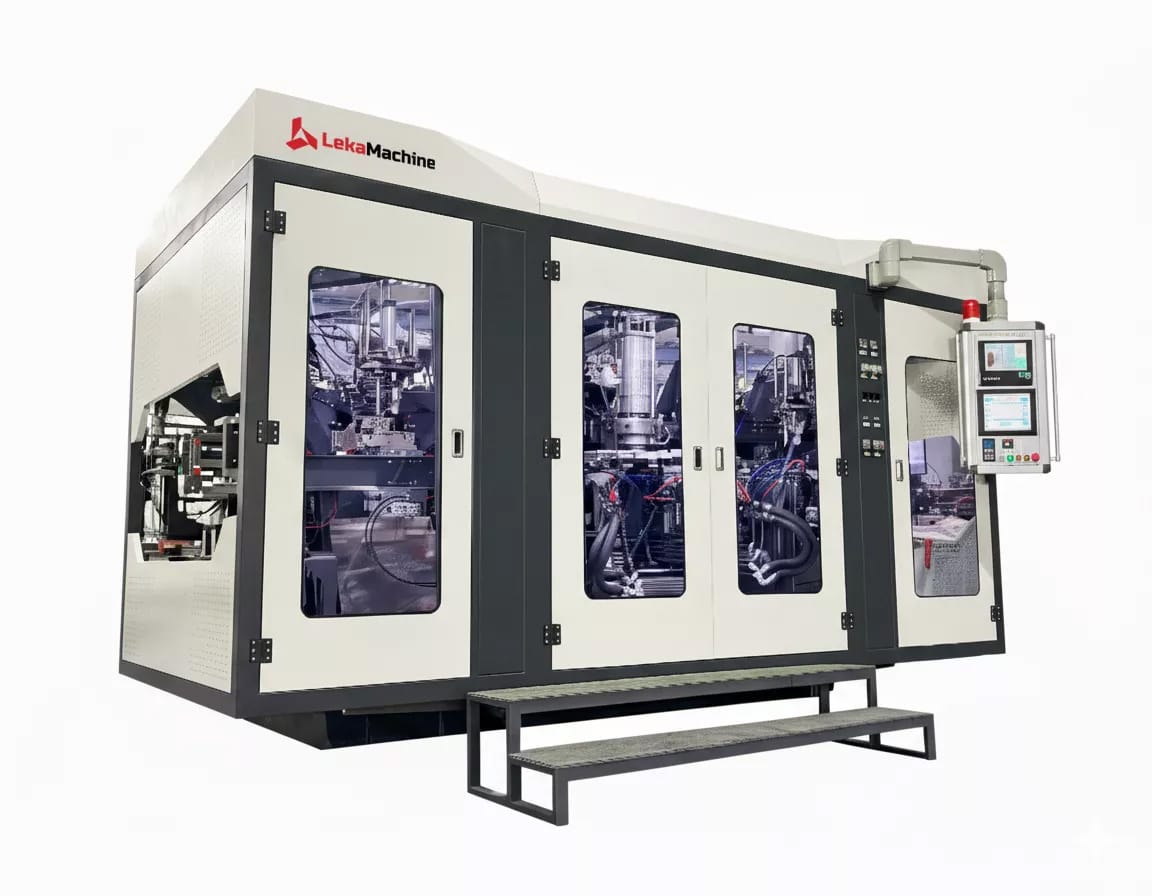
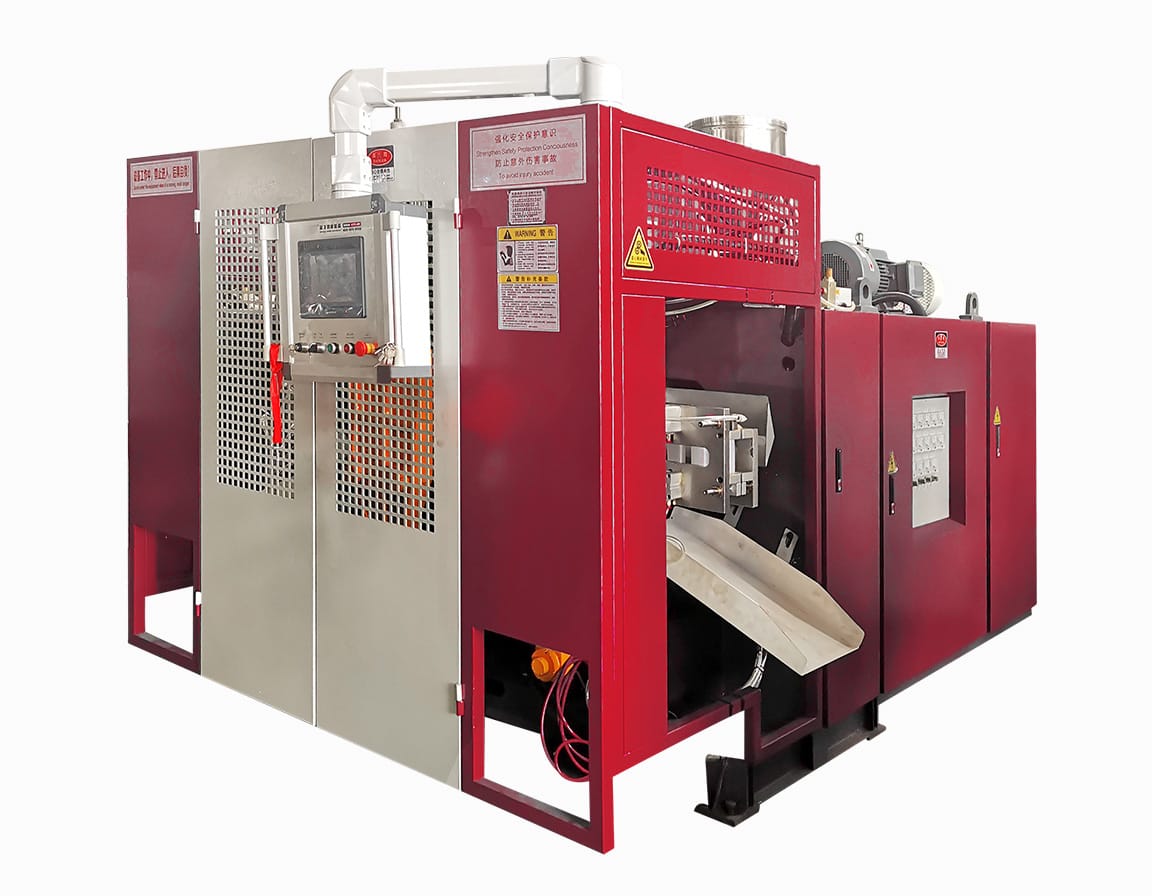
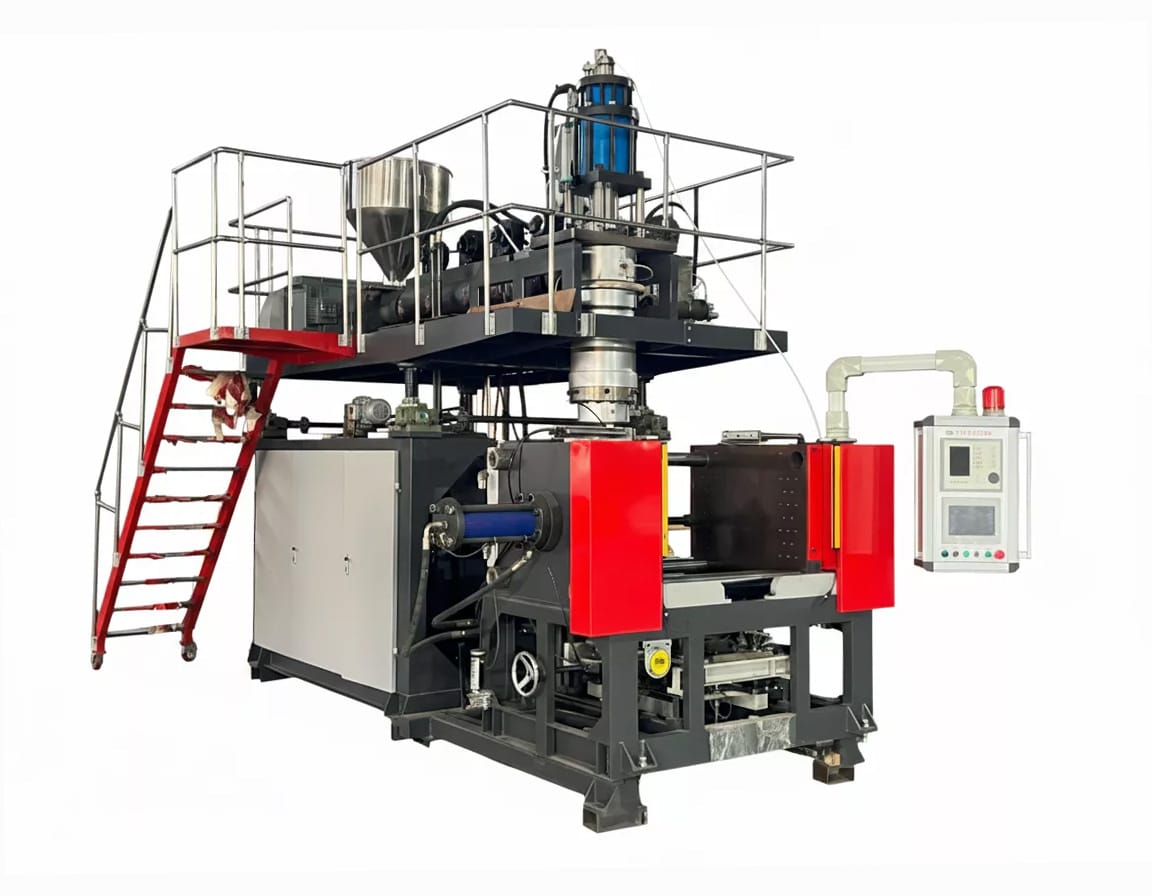
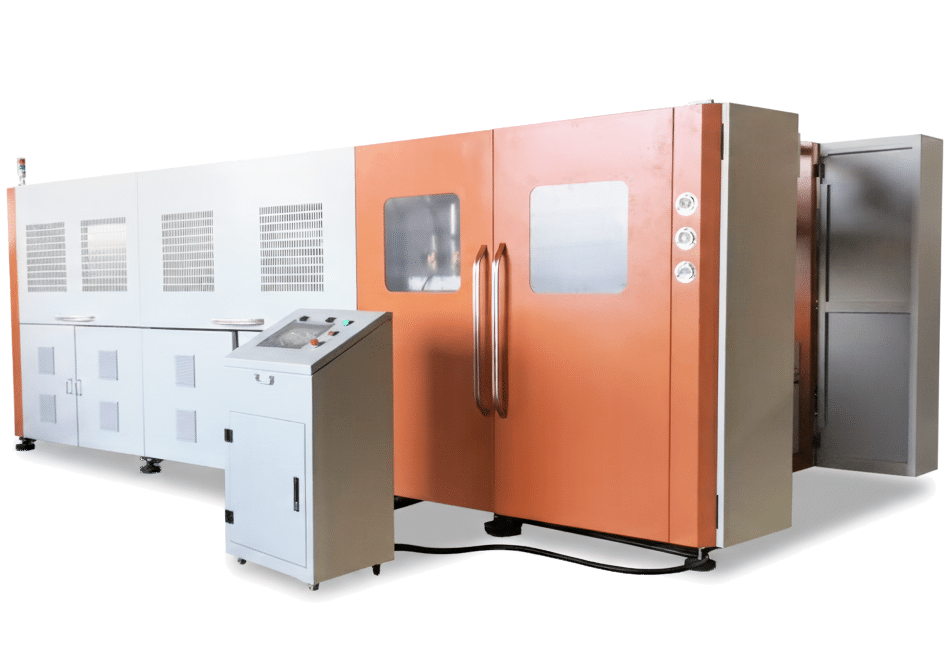
Полное руководство покупателя по выдувным формовочным машинам 2026 года
Extrusion vs. Stretch Blow Molding, Energy Cost, ROI, and How I Choose the Right Supplier
From the 25L jerry can that holds fuel to the clear PET water bottle in your hand, many daily products come from one core manufacturing process: blow molding. I work with factory owners, plant managers, and procurement teams every week, and I see the same pattern again and again. When a blow molding project succeeds, it is not because the machine was the cheapest or the fastest on paper. It is because the process, the machine, and the supplier matched the real production needs.
In 2026, the biggest risk is no longer “can the machine make bottles.” Almost every machine can make a sample bottle. The real risk is choosing the wrong process or the wrong supplier, then paying for that decision every single day. You pay through higher energy bills, unstable cycles, frequent stops, slow mold changes, and late deliveries to your customers.
I am Slany Cheuang, Technical Sales Manager at LEKA Machine. I work on projects covering both extrusion blow molding and stretch blow molding. I spend most of my time translating bottle designs, output targets, and cost pressure into real machine decisions. I wrote this guide to explain how I think through these projects, step by step, based on practical experience and widely accepted industry practices described in blow molding manufacturing processes 1.
This article is written in plain language on purpose. My goal is not to impress you with complex terms. My goal is to help you avoid expensive mistakes.
What Is Blow Molding? The Three Main Methods
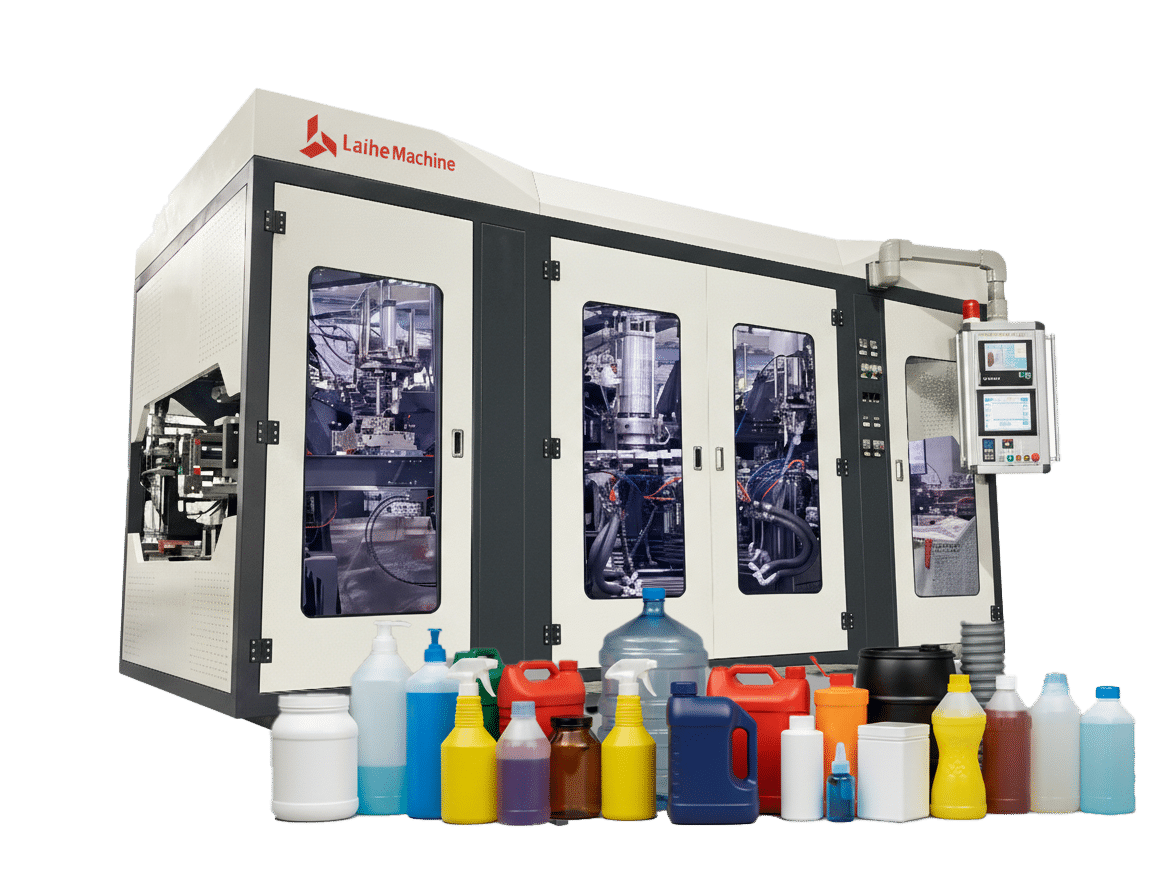
Blow molding makes hollow plastic parts by inflating hot plastic inside a mold. The mold gives the final shape. This basic idea stays the same, but the way the plastic is prepared and formed changes the final result.
The industry mainly uses three methods, which are commonly explained in industrial plastics forming references 2.
1) Extrusion Blow Molding (EBM) — The Flexible Workhorse
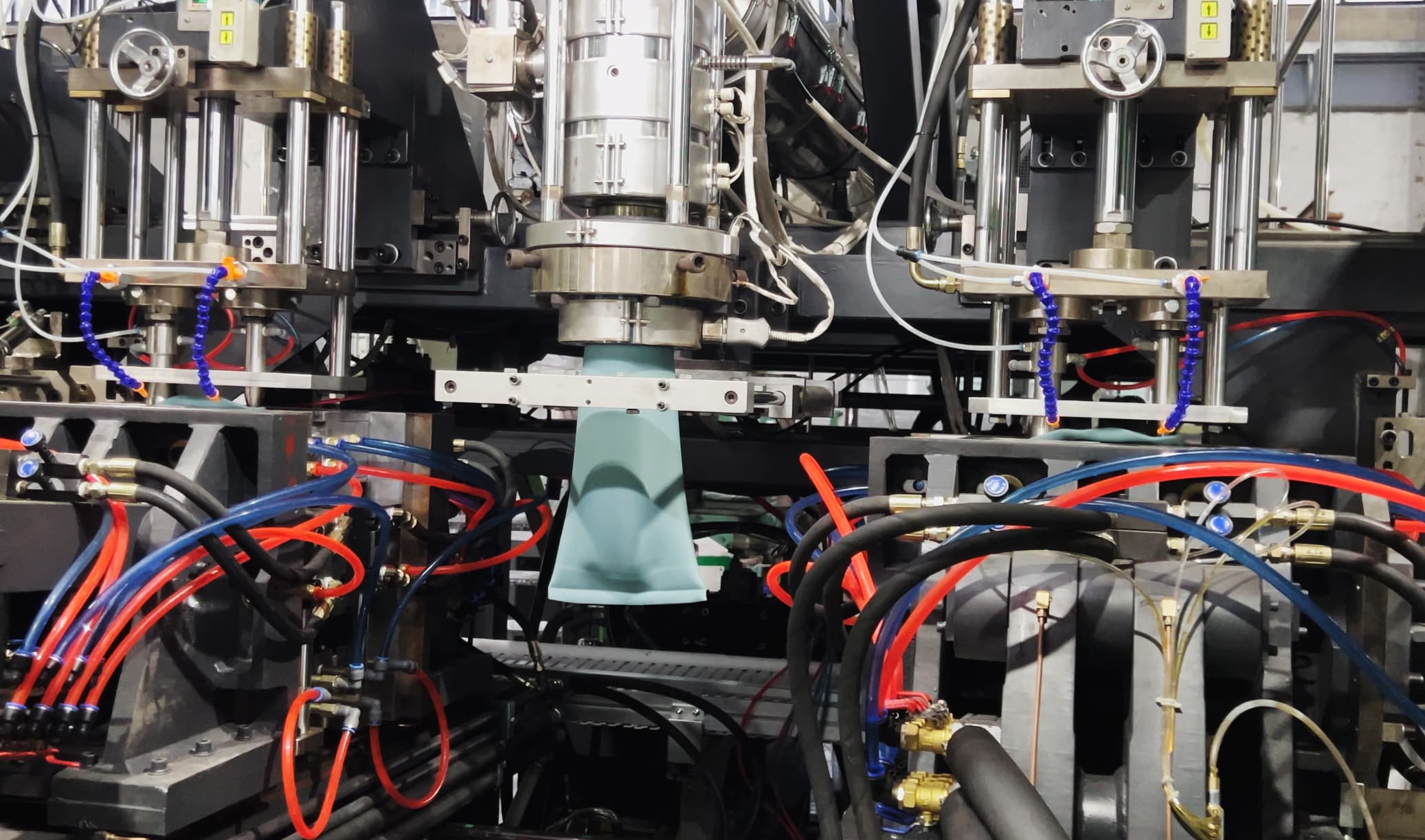
Extrusion blow molding starts by melting plastic and pushing it through a die head to form a hollow tube called a parison. The mold closes around this parison, and air expands it to the mold wall. After cooling, the mold opens and the bottle comes out.
I often call EBM the most forgiving process. It works with many resins, many shapes, and many sizes. It is widely used for HDPE and PP containers, as outlined in HDPE container manufacturing guides 3.
In real projects, EBM is the first choice when:
- The bottle has a handle
- The neck is wide or non-standard
- The shape is not symmetric
- The container must be tough rather than clear
I once worked with a customer producing chemical containers. They tested a visually attractive bottle design, but clarity did not matter. What mattered was drop resistance and chemical stability. EBM gave them freedom to adjust wall thickness where it was needed most.
2) Stretch Blow Molding (SBM / ISBM) — The PET Specialist

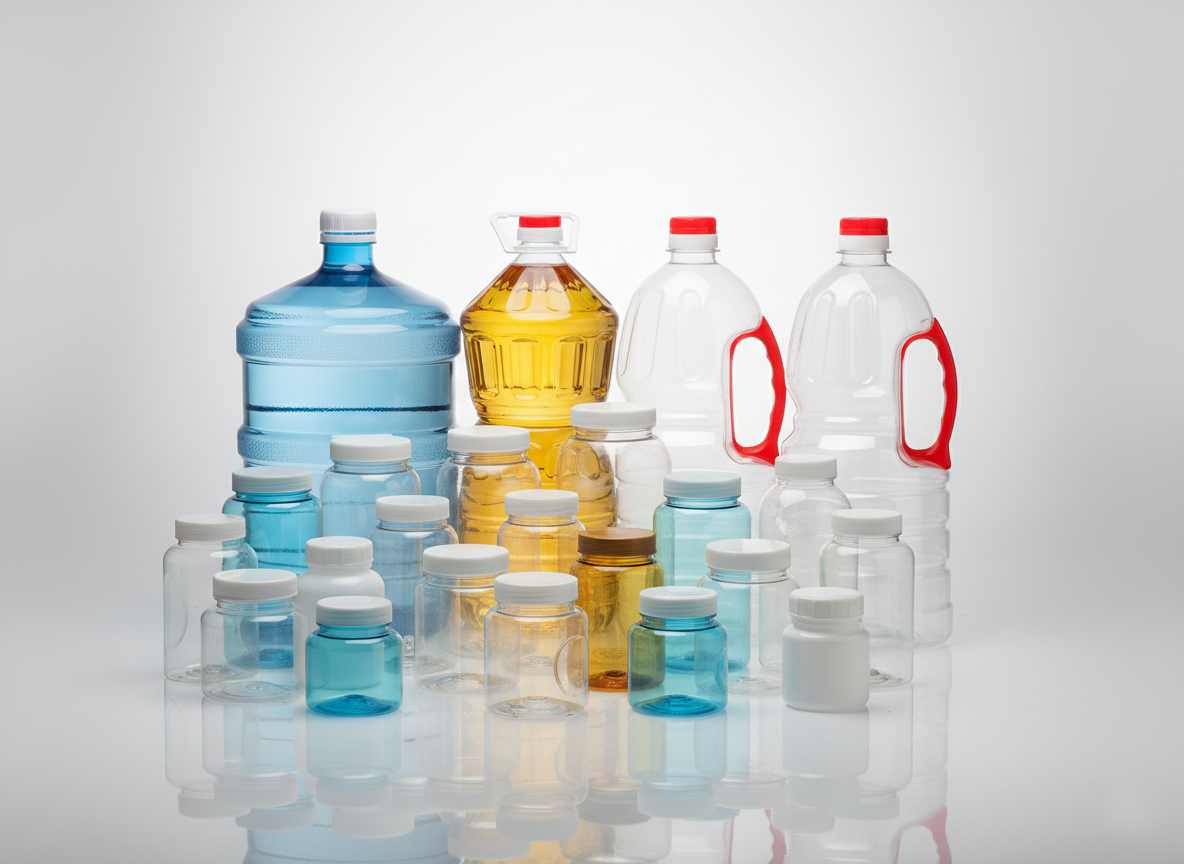
Stretch blow molding is mainly used for PET. The process starts with a PET preform. The preform is reheated, stretched vertically, and blown horizontally. This stretch aligns the PET molecules and creates high strength and clarity.
This process is widely used for beverage bottles, edible oil bottles, and other clear packaging. The science behind this method is described in PET bottle stretch blow molding principles 4.
In daily work, I see SBM chosen when:
- The bottle must look clear and premium
- The bottle must hold pressure
- Lightweight design is important
- Production volume is high and stable
3) Injection Blow Molding (IBM) — Precision for Small Containers
Injection blow molding combines injection molding and blowing in one system. It is mainly used for small containers with tight tolerances, such as pharmaceutical or cosmetic bottles. A technical overview can be found in injection blow molding technology summaries 5.
I want to be clear. IBM is an important technology, but LEKA Machine focuses on EBM and SBM because they cover most industrial and packaging needs. When a project truly needs IBM, I always say so directly.
Match the Molding Process to the Bottle Design

The first decision I make is always the same: match the molding process to the bottle design. This logic follows the same thinking used in plastic packaging design selection frameworks 6.
I often see buyers start from price. I start from geometry and material.
Extrusion blow molding works best for HDPE and PP containers with handles or complex shapes. Stretch blow molding works best for PET bottles that need clarity and pressure resistance.
A short story from my own work explains why this matters. A client once wanted to move a detergent bottle from outsourcing to in-house production. They assumed PET was better because it looked premium. When we reviewed the design, the handle and wall thickness needs made PET a poor choice. We switched to HDPE with EBM. The mold cost dropped, scrap dropped, and production became stable within weeks.
Deep Dive: Extrusion Blow Molding in Real Production
Extrusion blow molding looks simple, but details decide cost. The die head design, parison control, clamp stability, and cooling all affect scrap rate and cycle time.
In daily production, the parison must be controlled carefully. If the parison is too thick in the wrong place, resin cost goes up. If it is too thin, bottles fail drop tests. Modern parison controllers help adjust wall thickness during extrusion. This matters a lot for lightweighting projects.
EBM also creates flash. Flash is not always bad, but it must be managed. Most factories grind flash and reuse it. Still, poor control increases regrind rate and affects consistency.
I always tell buyers: EBM gives flexibility, but you must invest in control, not only in clamp force.
Deep Dive: Stretch Blow Molding for PET Bottles
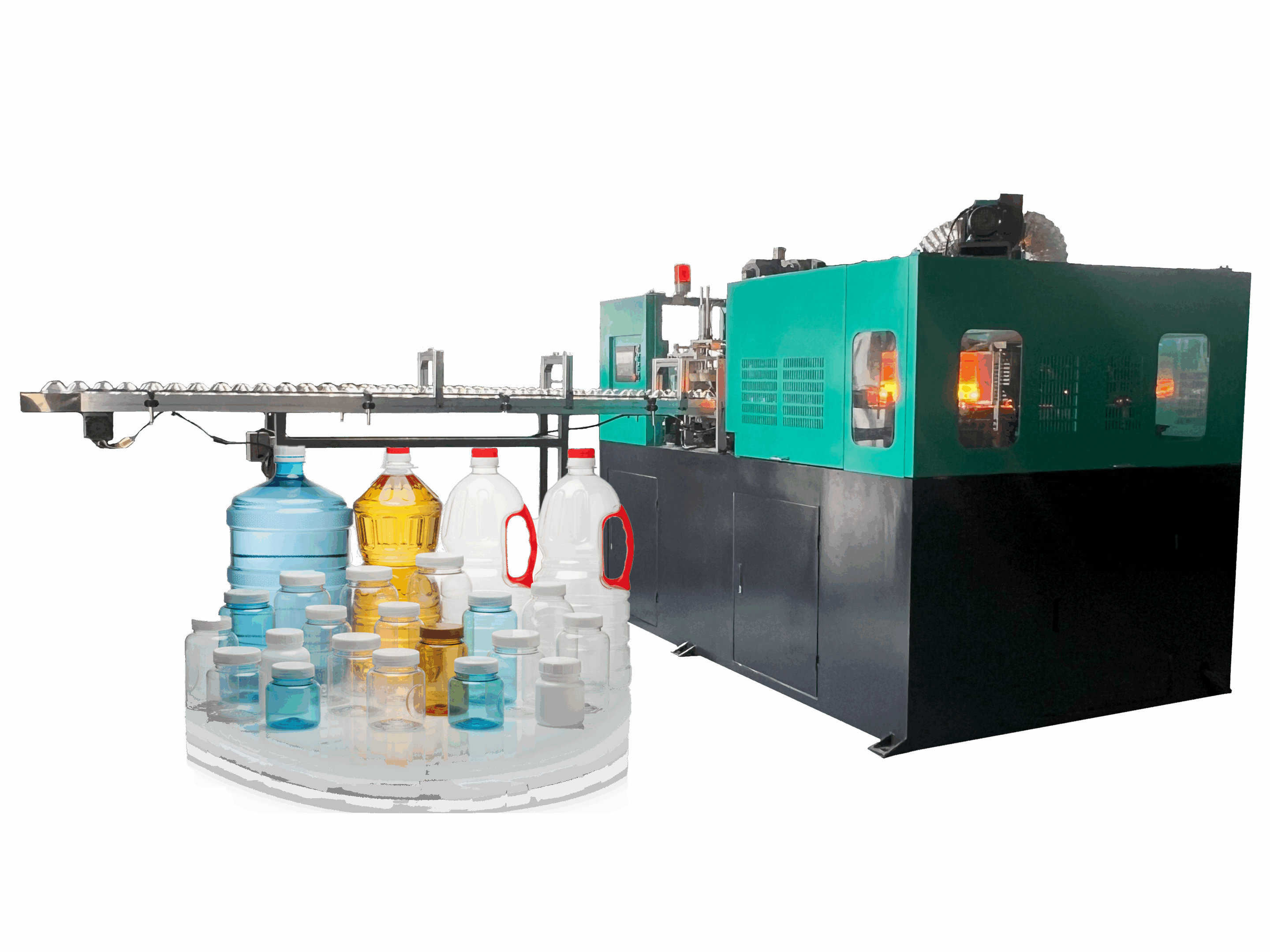
Stretch blow molding is more sensitive than EBM. PET needs a narrow temperature window. Heating must be even. Stretch timing must be precise.
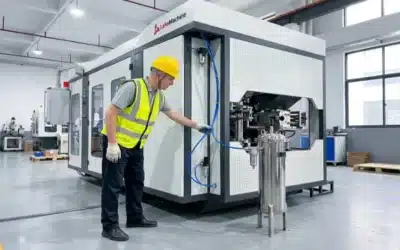
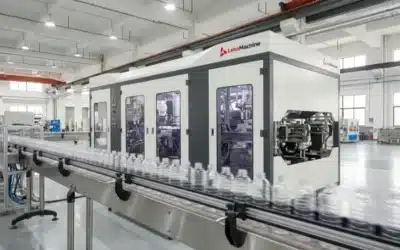
There are two main SBM machine types. Semi-automatic machines suit smaller factories or frequent mold changes. Fully automatic machines suit high volume lines where labor cost and consistency matter most.
In many projects, I help customers move from semi-automatic to fully automatic SBM. The main benefit is not only speed. The benefit is repeatability. Once the recipe is stable, the output stays stable.
Adopt Energy-Saving Drive Technology
Energy cost is no longer a background issue. In many regions, energy is now a core part of cost per bottle. Many factories track energy per kilogram of plastic, a method recommended in energy efficiency studies for plastics processing 7.
Older hydraulic systems run pumps at constant speed. This wastes power. Modern servo-hydraulic or all-electric systems match power use to real motion. This difference is explained in servo-driven plastics machinery analyses 8.
From my experience, energy savings do three things:
- Lower electricity bills
- Reduce heat in the system
- Improve motion stability
These effects compound over time. A machine that saves energy also tends to be easier to control.
Optimize for Faster Cycle Times Without Sacrificing Stability
Cycle time is easy to advertise and hard to sustain. Faster cycles only matter if the machine stays stable. Mold cooling, air management, and motion response all matter. These factors are discussed in blow molding cycle time optimization articles 9.
In practice, I ask three questions:
- What is the real target output per hour?
- What scrap rate is acceptable?
- How many unplanned stops per month can you accept?
If speed increases scrap or downtime, the real output drops.
Planning the Full Production Line
A blow molding machine never works alone. Compressors, chillers, resin handling, and downstream equipment all affect output.
Poor planning causes bottlenecks. Good planning keeps material flow simple. I always advise customers to plan layout early, including space for mold changes and maintenance.
This step does not look exciting, but it saves many hours later.
How I Verify Suppliers in B2B Projects
Supplier selection decides long-term risk. I never rely on brochures alone. I check systems and behavior.
Quality systems matter. Certifications like ISO 9001 show basic management structure, as explained in ISO 9001 quality management standards 10. Still, certification alone is not enough.
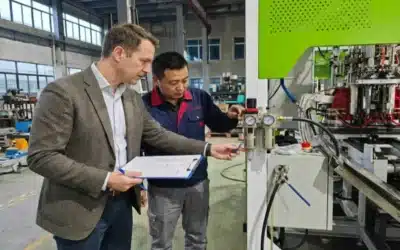
I review factory audits, assembly flow, wiring standards, spare parts planning, and response speed. I also check real installations. A machine running in a real factory tells the truth.
Downtime costs more than most buyers expect. That is why after-sales support matters as much as machine design.
Why Buyers Work With LEKA Machine
Buyers work with us when they want clear answers, not sales pressure. At LEKA Machine, we focus on extrusion blow molding and stretch blow molding. We help customers match process, machine, and budget.
In many projects, my role is to say no to the wrong solution. This protects the customer and builds trust. Long-term partnerships start with honest decisions.
Заключение
In 2026, I do not start with the lowest price. I start by matching the right process to the bottle design, controlling energy and cycle time, and verifying the supplier in a strict way. This approach reduces daily risk and protects long-term profit.
If you plan a blow molding project, these steps will help you move faster and safer.
Сноски
1. Overview of blow molding principles and industrial use. ↩︎
2. Introduction to common blow molding methods. ↩︎
3. Explanation of HDPE properties and container uses. ↩︎
4. Description of PET bottle stretch blow molding basics. ↩︎
5. Technical summary of injection blow molding processes. ↩︎
6. Guidance on choosing plastic packaging processes. ↩︎
7. Energy efficiency practices in plastics manufacturing. ↩︎
8. Benefits of servo-driven hydraulic systems. ↩︎
9. Methods to reduce and stabilize blow molding cycle time. ↩︎
10. Explanation of ISO 9001 quality management standards. ↩︎


0 Комментариев