

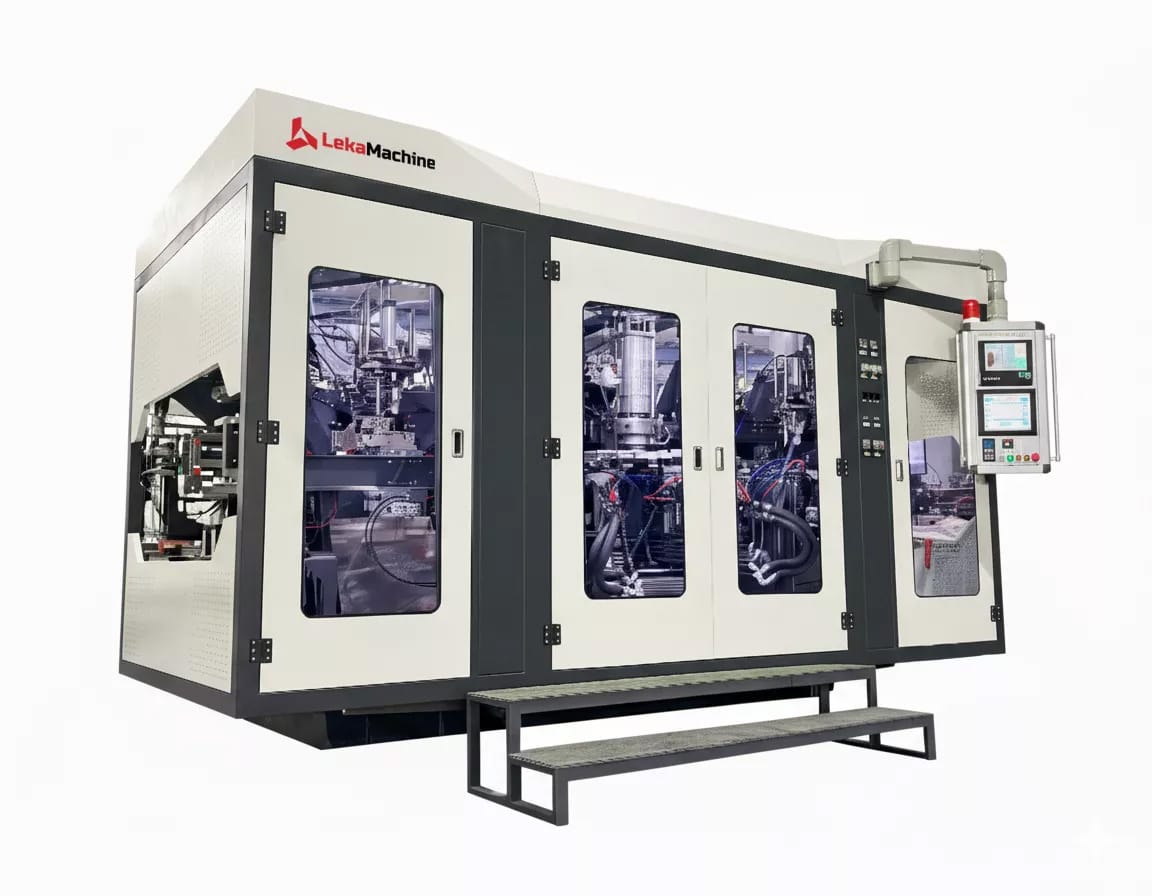
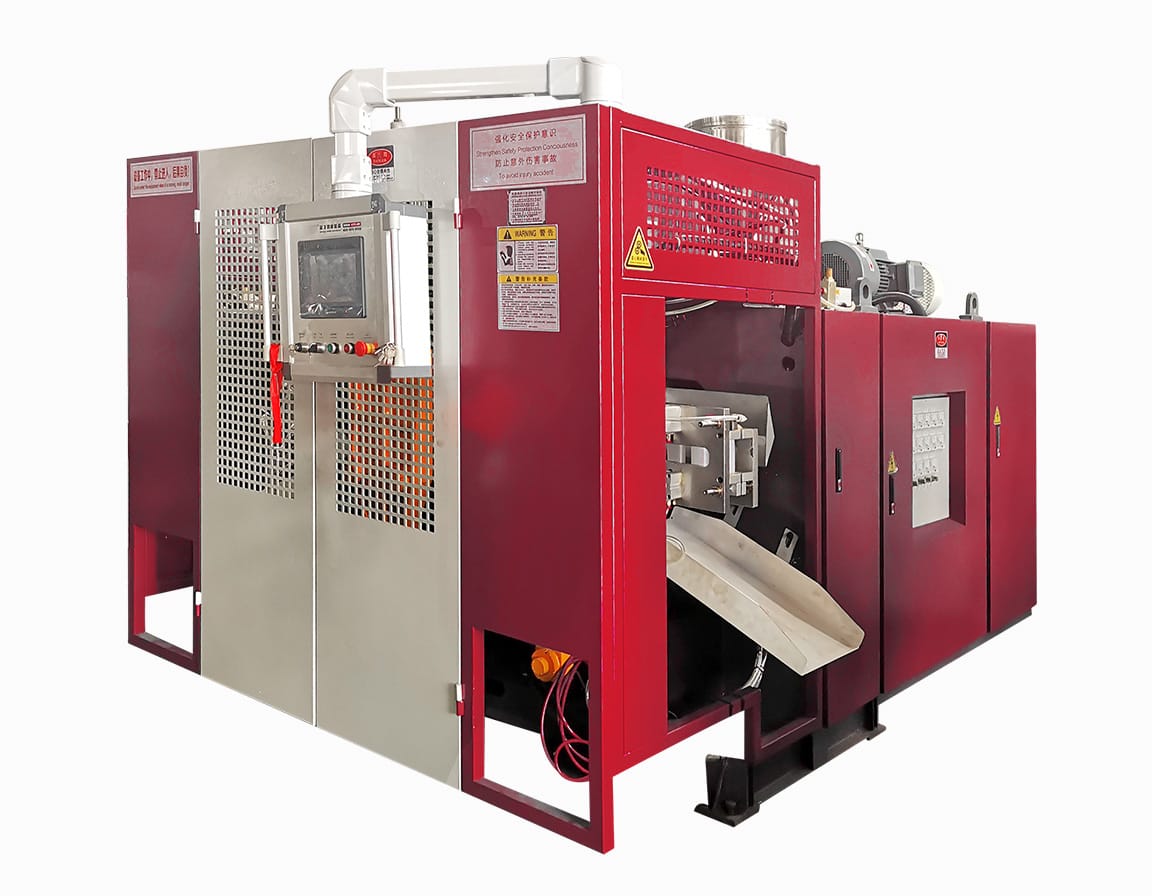
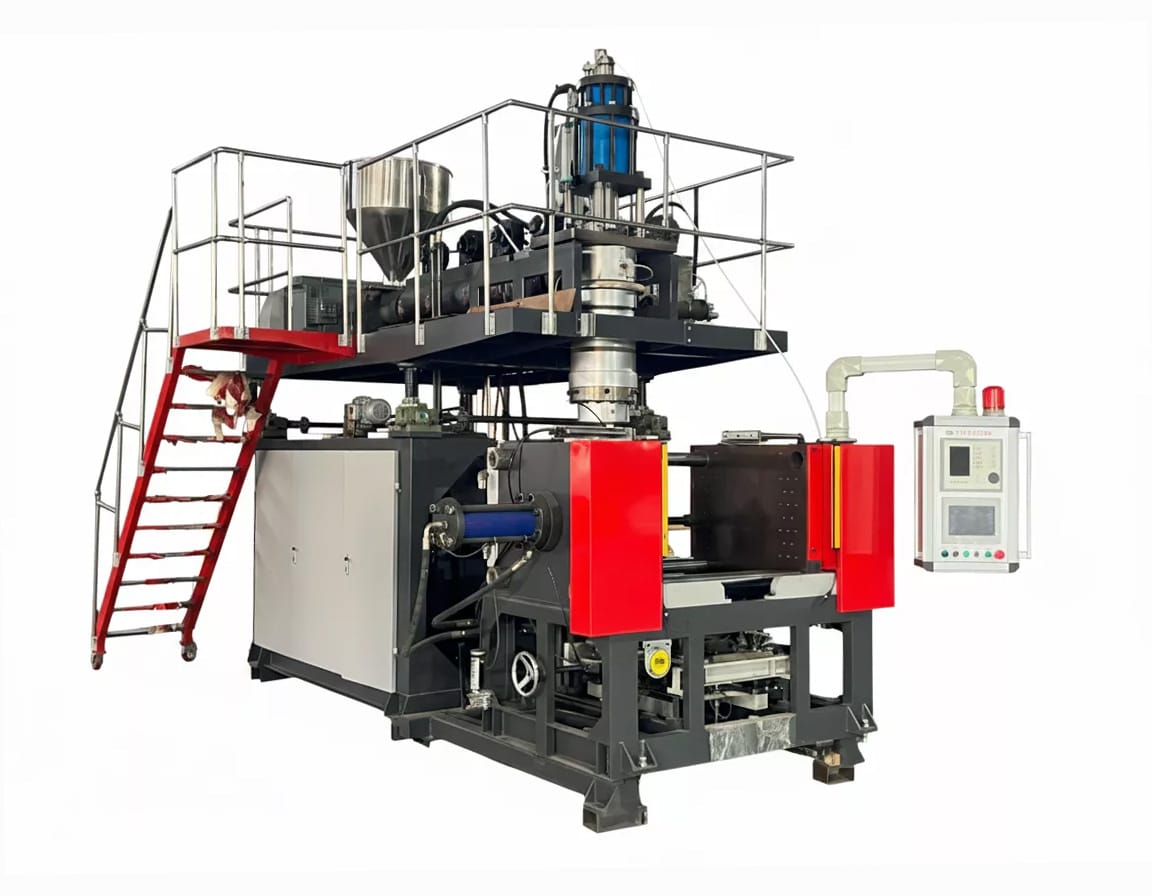
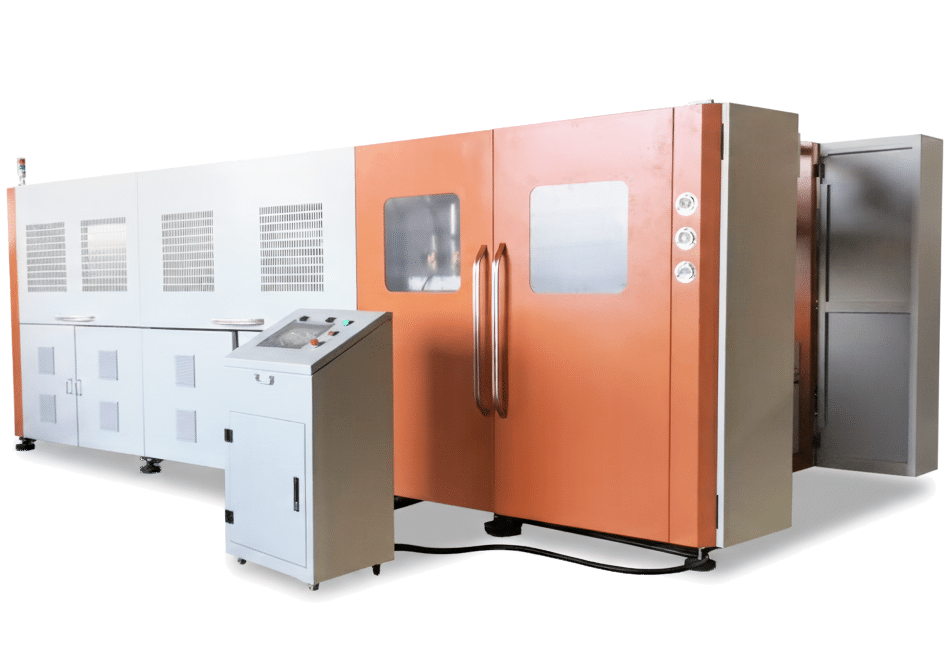
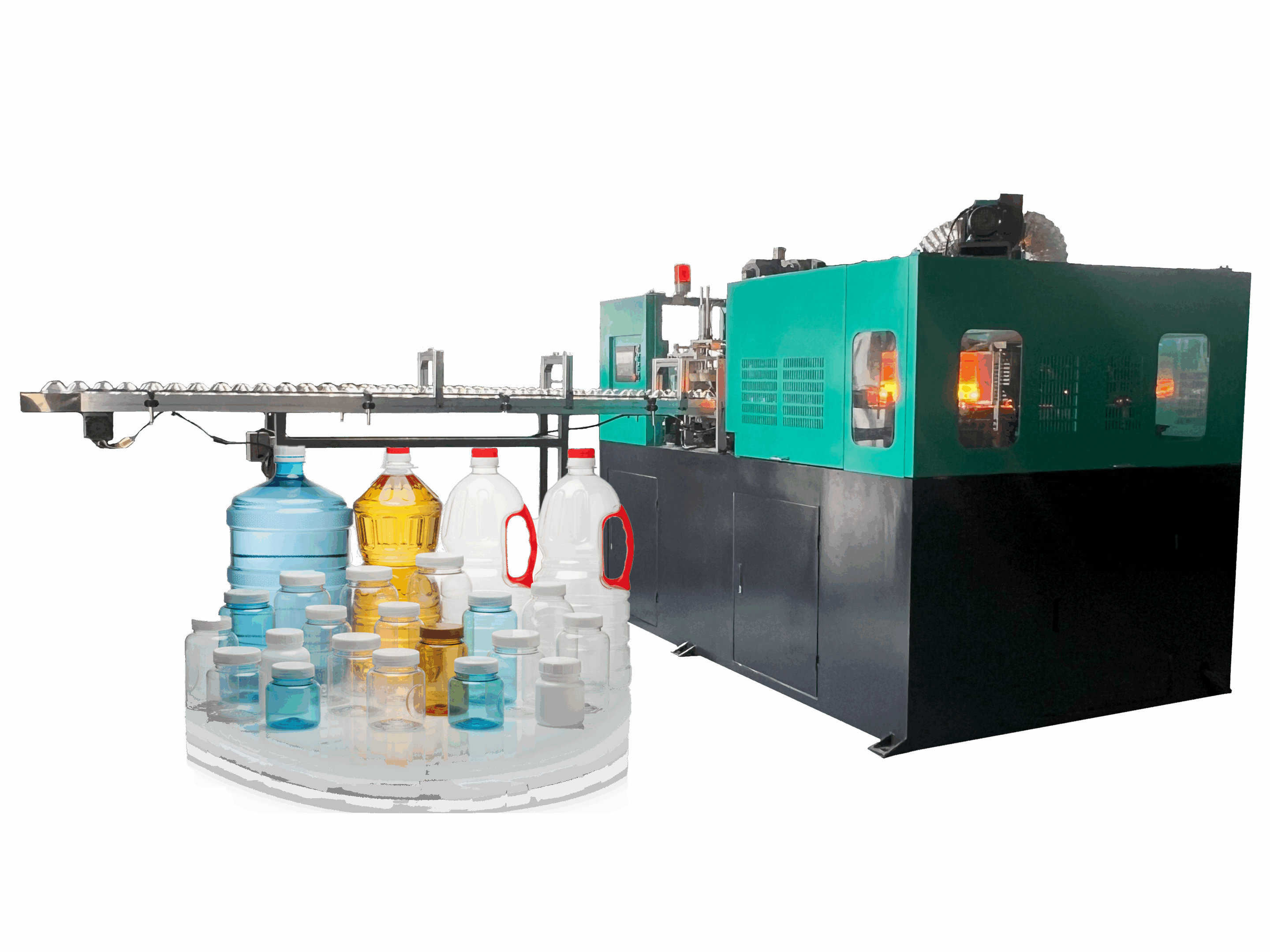
Ao adquirir uma máquina de moldagem por sopro de extrusão totalmente elétrica, quais peças sobressalentes essenciais devo comprar por precaução?
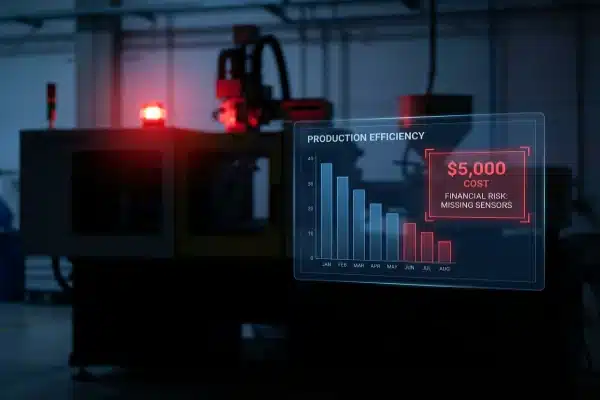
At our facility in Shantou, we often see production lines halted not by major mechanical failures, but by small, obscure electronic components. Losing $5,000 a day in production because you are waiting for a $50 sensor is a nightmare we want to help you avoid.
Focus on high-voltage Power Modules rather than full drives to save 40% on costs. Additionally, stock absolute encoders for clamping axes, specific Solid State Relays (SSRs), and proprietary communication cards. These components face high failure rates or long lead times compared to standard parts.
Let’s break down the exact inventory list you need to keep your machine running without tying up too much capital.
Which specific servo drive components are most likely to need replacement?
In our experience exporting to regions with unstable power grids, we find that full servo drive replacements are rarely necessary if the right sub-components are on hand. A smarter stocking strategy protects your profit margins.
Instead of expensive full assemblies, stock the specific Power Modules, which handle high-voltage switching and are prone to failure from spikes. You must also hold backups of the absolute encoders used on clamping axes; unlike standard motors, these retain position data, and failure halts the entire machine.
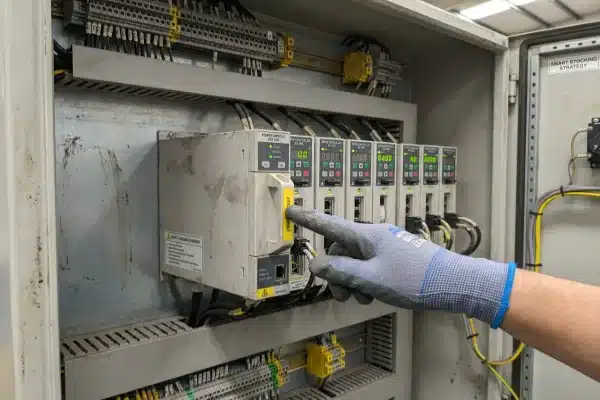
The "Power Module" Strategy
Many factory owners make the mistake of buying entire servo drive units to sit on a shelf. This is capital inefficiency. When we analyze drive failures in the field, we rarely see the low-voltage "Control Unit" fail. The real culprit is almost always the Power Module—the high-voltage switching component containing IGBTs.
These modules take the brunt of electrical noise, voltage spikes, and heat generation. By stocking just the power module, you save roughly 40% on inventory costs compared to buying the full drive. More importantly, swapping a module is often faster than reprogramming a new control unit.
Don’t Ignore the Encoders
The second most critical failure point we see involves Absolute Encoders. On an all-electric blow molding machine, the clamping and carriage axes rely on these specific encoders to know exactly where the mold is, even after a power loss.
If a standard motor fails, you might find a temporary local replacement. But if an absolute encoder fails, the machine effectively loses its brain. It cannot zero itself, and it cannot run. Because these require precise calibration and are often matched to the specific motor series, they are not off-the-shelf items at a local hardware store.
absolute encoder 1
The Hidden Risk: Braking Resistors
Electric machines are fantastic for energy saving, but they need to dissipate energy when heavy platens decelerate rapidly. This is the job of the External Braking Resistor. These ceramic components undergo massive thermal cycling—heating up and cooling down hundreds of times an hour.
Over time, they can crack. When a braking resistor opens, your machine will trip with a "DC Bus Overvoltage" alarm every time the mold tries to close or open quickly. It is a frustrating ghost error that stops production, yet the fix is a simple, inexpensive resistor replacement.
Recommended Servo Spare Parts List
| Componente | Failure Cause | Urgency Level | Stock Quantity |
|---|---|---|---|
| Power Module | Voltage spikes, Overheating | Alta | 1 per drive size |
| Absolute Encoder | Vibration, connector fatigue | Critical | 1 per axis type |
| Braking Resistor | Thermal cycling (cracking) | Médio | 1 unidade |
| Cooling Fan Set | Dust accumulation | Médio | 1 full set |
Should I stock extra heating elements and thermocouples to avoid downtime?
During our pre-shipment Factory Acceptance Tests (FAT), we emphasize that temperature stability is the difference between a profitable bottle and a scrap pile. A single cold zone can shut down your entire extruder.
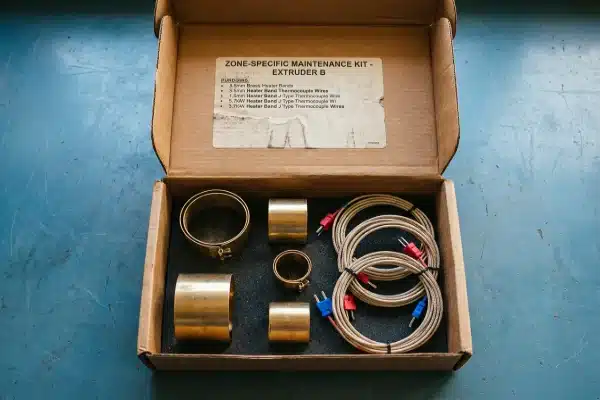
Yes, but avoid random inventory. Create zone-specific kits containing exact heater bands and matching J-type thermocouples for the extruder throat and die head. Crucially, stock a 10% surplus of the specific amperage Solid State Relays (SSRs), as these fail frequently due to aggressive PID cycling.
The "Zone-Specific" Kit Approach
We strongly advise against throwing a pile of random heater bands into a box. When a heater fails at 3:00 AM, your maintenance technician does not want to measure diameters. We recommend creating "Zone Kits."
For example, a "Zone 1-4 Kit" contains the exact dimensional bands for the extruder barrel. A "Die Head Kit" contains the smaller, more specific bands for the nozzle and die. This organization reduces downtime from hours to minutes.
The SSR Failure Rate
In modern electric blow molding machines, we use PID control to keep temperatures precise within +/- 1 degree. This means the Solid State Relays (SSRs) are switching on and off millions of times. They are the workhorses of the thermal system.
We see SSRs fail open (no heat) or fail closed (runaway heat) more often than the heaters themselves. Because they are relatively cheap, there is no excuse for not having a box of them. Ensure you match the amperage exactly; putting a 25A relay on a 40A zone is a recipe for an electrical fire.
electrical fire 2
Thermocouples are Consumables
Thermocouples, usually J-type in our industry, are fragile. They are constantly subjected to vibration from the extruder screw and the clamping unit. A loose connection or a pinched wire results in erratic temperature readings.
J-type 3
If the machine "thinks" a zone is 300°C when it is actually 180°C, it will shut off the heater, causing the plastic to freeze in the head. This "cold start" scenario can damage the screw or the die head. Having a fresh thermocouple ready allows for immediate diagnosis and repair.
Temperature Control Critical Spares
| Part Name | Função | Common Failure Mode | Recommendation |
|---|---|---|---|
| SSR (Solid State Relay) | Controls power to heaters | Overheating / Fatigue | Stock 10% surplus |
| Heater Band (Barrel) | Melts resin | Burnout / Short circuit | 1 set per zone group |
| Thermocouple (J-Type) | Senses temperature | Wire break / Bad contact | 3-5 units |
| Ceramic Terminal Block | Connects heater wires | Cracking from heat | 5-10 units |
How do I identify proprietary electronic parts that have long lead times?
Our engineering team often warns clients about "black box" systems where a simple failure requires a component that takes months to ship. Identifying these bottlenecks early is key to supply chain security.
Identify interface cards linking your PLC to drives, such as EtherCAT couplers, which often have 12-week lead times. Also, stock specific cabinet cooling fans and intake filters. For screens, purchase the resistive touch glass overlay separately, as this physical wear component fails long before the full HMI unit.
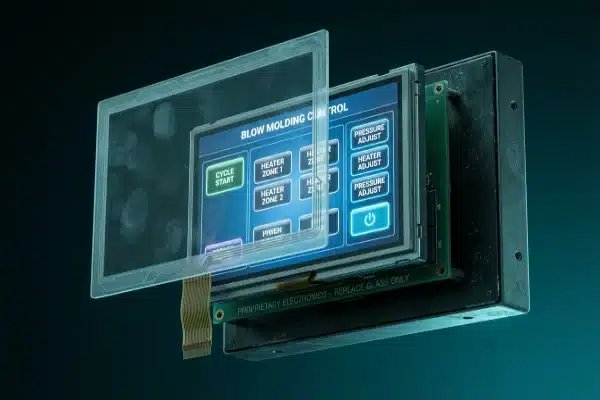
The Communication Card Trap
The brain (PLC) and the muscle (Servo Drive) of your machine need to talk to each other. They do this through Proprietary Communication Cards (like EtherCAT, Profinet, or CANopen couplers).
While you might be able to source a standard Siemens or Omron PLC locally, these specific interface cards often come from the drive manufacturer and can have lead times exceeding 12 weeks. If this card fails, the drive cannot receive commands. We recommend identifying every "bridge" component in your electrical cabinet and keeping one spare on the shelf.
HMI: Glass vs. Unit
A full HMI (Human Machine Interface) replacement can cost upwards of $3,000 to $5,000. However, the screen itself rarely dies. What fails is the Touch Glass Overlay.
Operators tap the same "Start" and "Stop" buttons thousands of times. Eventually, the resistive layer wears out, or a frustrated operator cracks the screen with a tool. You don’t need a whole new computer. You can often buy just the touch glass overlay for under $300. We suggest keeping one in stock so you can refurbish the screen in-house rather than waiting for a full unit replacement.
Cabinet Hygiene: Fans and Filters
The number one killer of servo drives and proprietary electronics is heat and dust. Your electrical cabinet has cooling fans and intake filters.
electrical cabinet 4
We often see these filters get clogged with plastic dust, causing the internal temperature of the cabinet to rise. This cooks the capacitors in your drives. Stocking a Complete Fan & Filter Pack is the cheapest insurance policy you can buy. Replace the filters proactively every 6 months to protect the expensive electronics inside.
Proprietary Part Checklist
- Interface/Comm Cards: Check lead times immediately.
- PLC Modules: verify if they are standard or manufacturer-locked.
- HMI Overlay: Stock the glass, not just the unit.
- Cabinet Filters: Stock specific sizes for your machine vents.
Is it worth investing in a complete crash kit for the clamping unit upfront?
We build our toggle systems to last, but we know that operator error happens, especially during mold setup. However, buying every single mechanical part is usually overkill for a new machine.
ball screws 5
Rarely. Instead, prioritize "weak link" shear pins or breakaway bolts that sacrifice themselves during cold start crashes. Essential maintenance parts like manufacturer-approved ball screw lubrication cartridges are more critical than a full toggle kit, as using generic grease can void warranties and cause seizing.
The "Shear Pin" Philosophy
In mechanical engineering, we design specific parts to fail so that expensive parts don’t. In the parison head adjustment mechanism or the blow pin assembly, there are often Shear Pins or rated breakaway bolts.
If an operator accidentally crashes the mold or tries to move a cold parison head, these bolts snap to protect the servo motor shaft and the ball screw. These bolts cost pennies, but the servo motor costs thousands. If you don’t have these specific bolts, operators might replace them with standard high-strength bolts. This removes the protection, meaning the next crash destroys the motor. Always stock the OEM-rated shear pins.
switching on and off 7
Lubrication is Non-Negotiable
For all-electric machines, the ball screws are the heart of the movement. They require precise lubrication. We have seen warranties voided because a factory used generic lithium grease instead of the manufacturer-specified lubricant.
energy saving 8
Many modern machines use automatic lubrication cartridges. When these run empty, the machine might stop, or worse, run dry. Lubrication Cartridges are a critical spare part. Do not assume you can buy them locally; they often have specific threading or pressure ratings. Stock at least a 6-month supply.
Toggle Bushings and Pins
While you don’t need a full crash kit, high-wear items in the toggle system should be monitored. The Bushings and Pivot Pins take the force of the clamping tonnage.
Over the first 3-5 years, these will wear down. We recommend inspecting them annually. You don’t need to buy them on day one, but if you notice play or noise in the toggle linkage, order them immediately. A worn bushing can lead to platens becoming non-parallel, which damages your molds and reduces bottle quality.
IGBTs 9
Mechanical Spares Priority
| Part | Função | Risk Level | Stock Strategy |
|---|---|---|---|
| Shear Pins / Breakaway Bolts | Overload protection | High (Human Error) | Stock 2 sets |
| Lube Cartridges | Ball screw protection | High (Maintenance) | 6-month supply |
| Toggle Bushings | Clamping movement | Low (Wear & Tear) | Monitor annually |
| Mold Platen Insulators | Thermal barrier | Médio | Stock 1 set |
Conclusão
Strategic inventory prevents profit loss. Prioritize power modules, specific heater kits, proprietary comm cards, and shear pins to keep your production running smoothly.
servo drive 10
Notas de rodapé
- General definition of absolute encoders and their positioning function. ↩︎
- Safety guidance on preventing industrial electrical hazards. ↩︎
- Technical reference for thermocouple types and specifications. ↩︎
- Standards body defining ratings for electrical enclosures and cabinets. ↩︎
- Manufacturer guidelines for ball screw maintenance and lubrication. ↩︎
- Educational resource explaining PID control theory and application. ↩︎
- Explains the rapid switching capability of solid-state relays. ↩︎
- Government resources on industrial motor system efficiency. ↩︎
- Professional society dedicated to power electronics engineering and research. ↩︎
- Product documentation from a leading manufacturer of servo drives. ↩︎


0 comentários